Kranjska Gora: ski town, Alpine gateway, and year-round base
Northern Julian Alps ski town with easy access to the Vršič Pass and trails into Triglav National Park. EUR prices included.
From Ljubljana: best of the Julian Alps
Quick facts
- Best time to visit
- Dec–Mar (ski); Jun–Sep (hiking)
- Days needed
- 2–4 days depending on season
- Getting there
- Bus from Ljubljana ~1h45; car 80 km
- Budget per day
- EUR 55 to 140
The Julian Alps’ northern anchor — functional, scenic, and underrated
Kranjska Gora sits at the head of the Sava Dolinka valley, 3 km from the Italian and Austrian borders and 80 km northwest of Ljubljana. It’s primarily known as Slovenia’s most developed ski resort — the Vitranc cup World Cup slalom races are held here annually — but it functions as a four-season base for the northern Julian Alps, with direct trail access to Triglav National Park and the Vršič Pass road starting directly from the town.
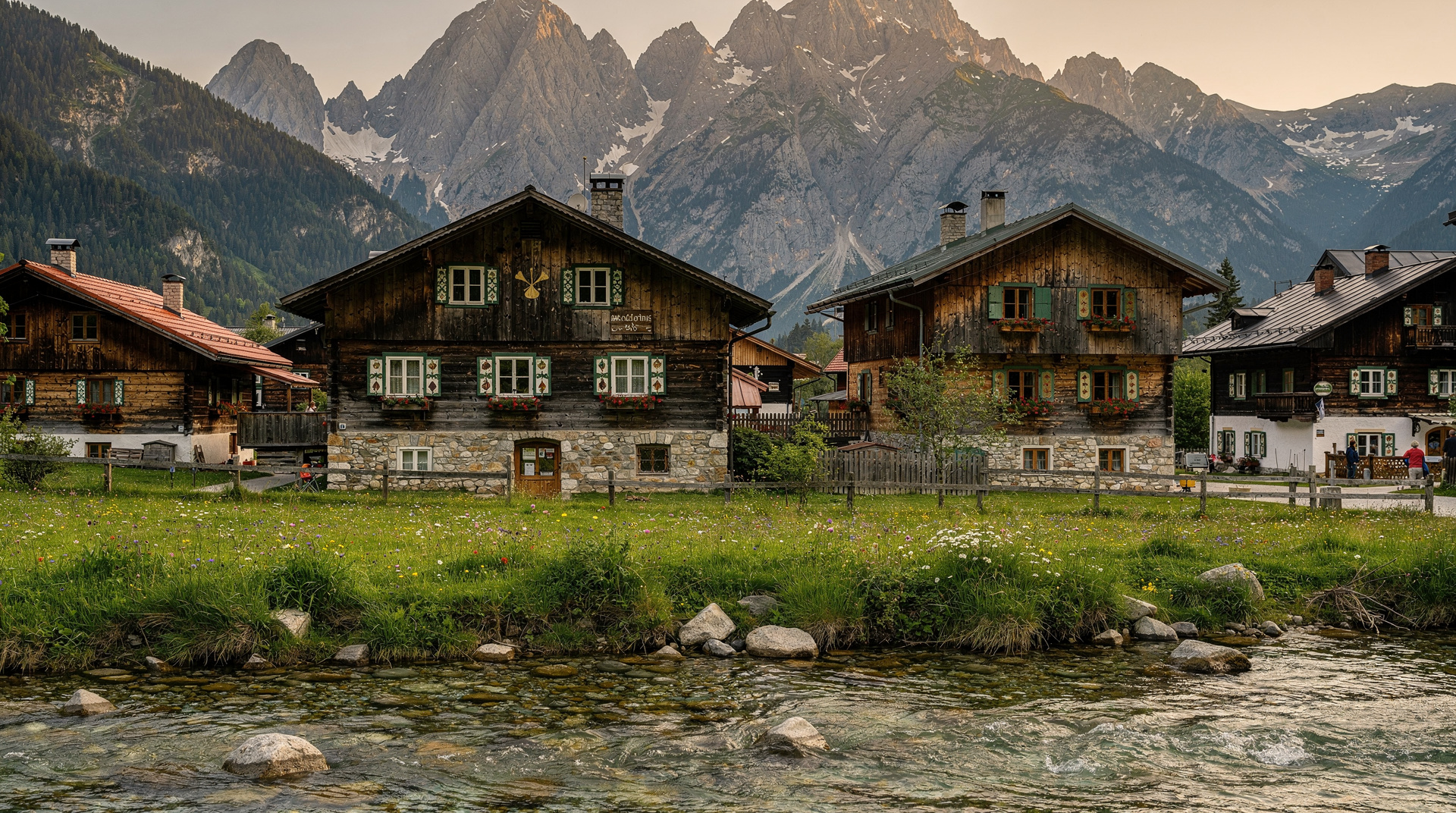
The town itself is compact and unpretentious. There are no castles to photograph and no island churches. What there is: clean mountain air, an authentic Alpine atmosphere, a functional resort infrastructure, and a network of trails that starts outside the hotel door.
| Where | Head of the Sava Dolinka valley, 3km from Italy and Austria |
| Time needed | 2–4 days depending on season |
| Getting there | Bus from Ljubljana ~1h45; car 80km via A2 motorway |
| Budget per day | EUR 55–140 (higher in ski season) |
| Best time | Dec–March for skiing; June–September for hiking |
Getting to Kranjska Gora
By bus from Ljubljana: Arriva operates several departures daily, journey time approximately 1h45, cost EUR 8–9. The bus station is central, a 5-minute walk from the main square.
By car: 80 km from Ljubljana via the A2 motorway to Jesenice, then regional road 201. Journey time about 1h15. The motorway section requires the Slovenian e-vignette; see the driving in Slovenia guide. From Bled, it’s 35 km and 35 minutes on quiet valley roads — no motorway.
From the Italian side: Tarvisio is 25 km away across the Predel Pass; Udine airport is 90 km. Kranjska Gora can be reached from Venice airport (160 km) in about 2 hours — an underused entry point for those flying into Italy.
Skiing at Kranjska Gora
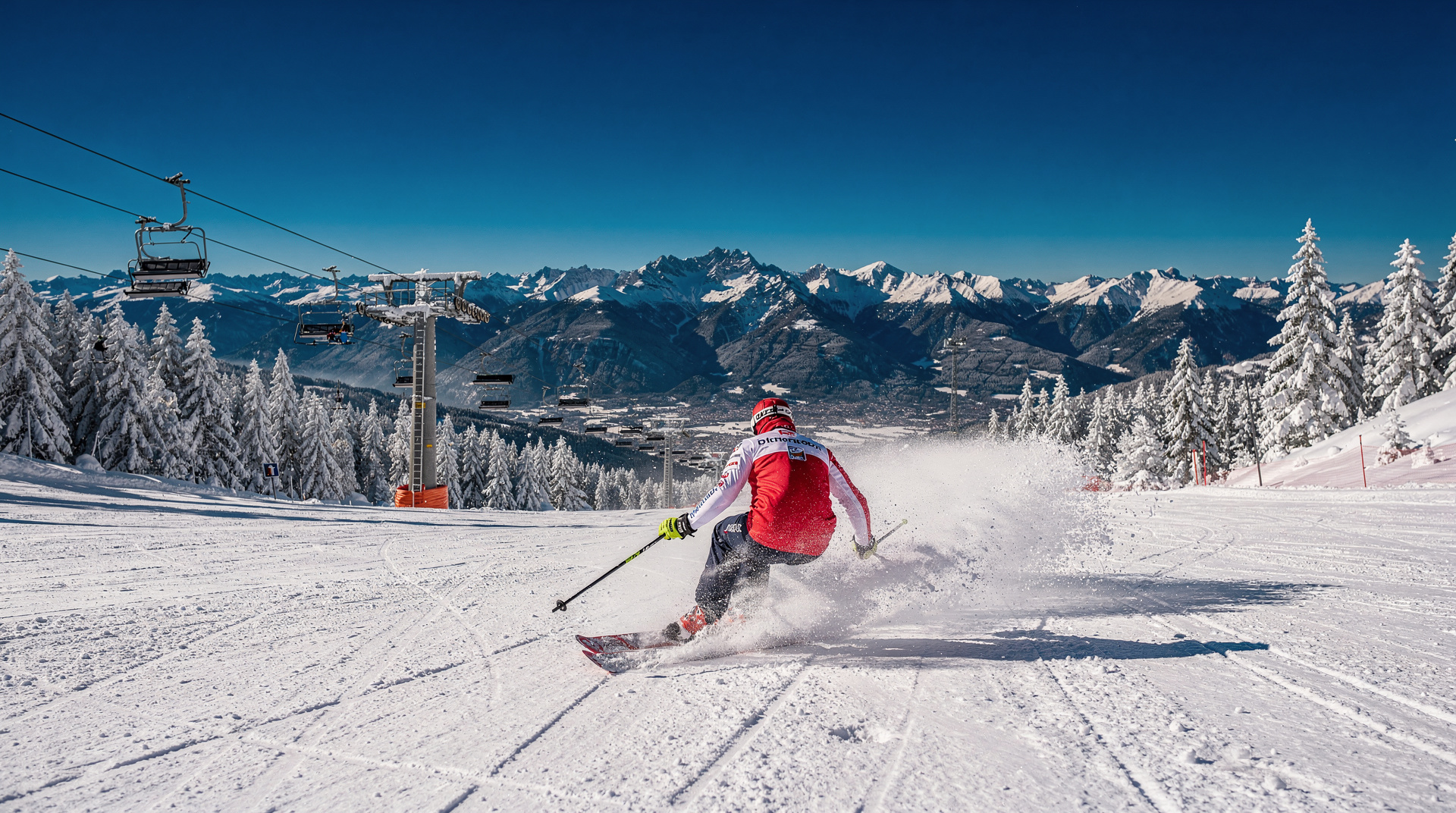
The ski area covers 20 km of pistes spread across three connected zones: Vitranc, Podkoren, and Jasna. The vertical drop is 985 m to 1,295 m — limited by Alpine standards, so serious skiers looking for long vertical runs may find it modest. What it does offer: excellent piste grooming, reliable snow cover December to March (with snowmaking backup), short lift queues outside the World Cup race weeks, and prices noticeably lower than Austrian or Swiss equivalents.
Ski passes: EUR 44–52/day for adults; multi-day passes work out at EUR 38–45/day. Ski rental in the town costs EUR 25–35/day for a full set (boots, skis, poles).
The Vitranc slalom course is the most famous piste — steep, icy when raced, and satisfying to ski on normal days. The Podkoren side has easier terrain and is better for beginners and families.
Alternatives in winter: if you want more vertical and more varied terrain, Vogel above Lake Bohinj is 30 km away. Krvavec (above Kamnik) is 50 km from Kranjska Gora but significantly higher (1,971 m) and better for off-piste.
Snow season: typically December through March; late-season conditions can extend to April in good years. Check current snow reports at the resort website before booking.
Summer hiking from Kranjska Gora
The Vrata valley trailhead — the most popular approach to Triglav’s northern face — is 8 km from Kranjska Gora. Driving to the Aljažev dom valley hut (elevation 1,015 m) and hiking up to the Luknja saddle gives views of the Triglav north face without summit commitment. This is a 4–5 hour return hike with 700 m ascent.
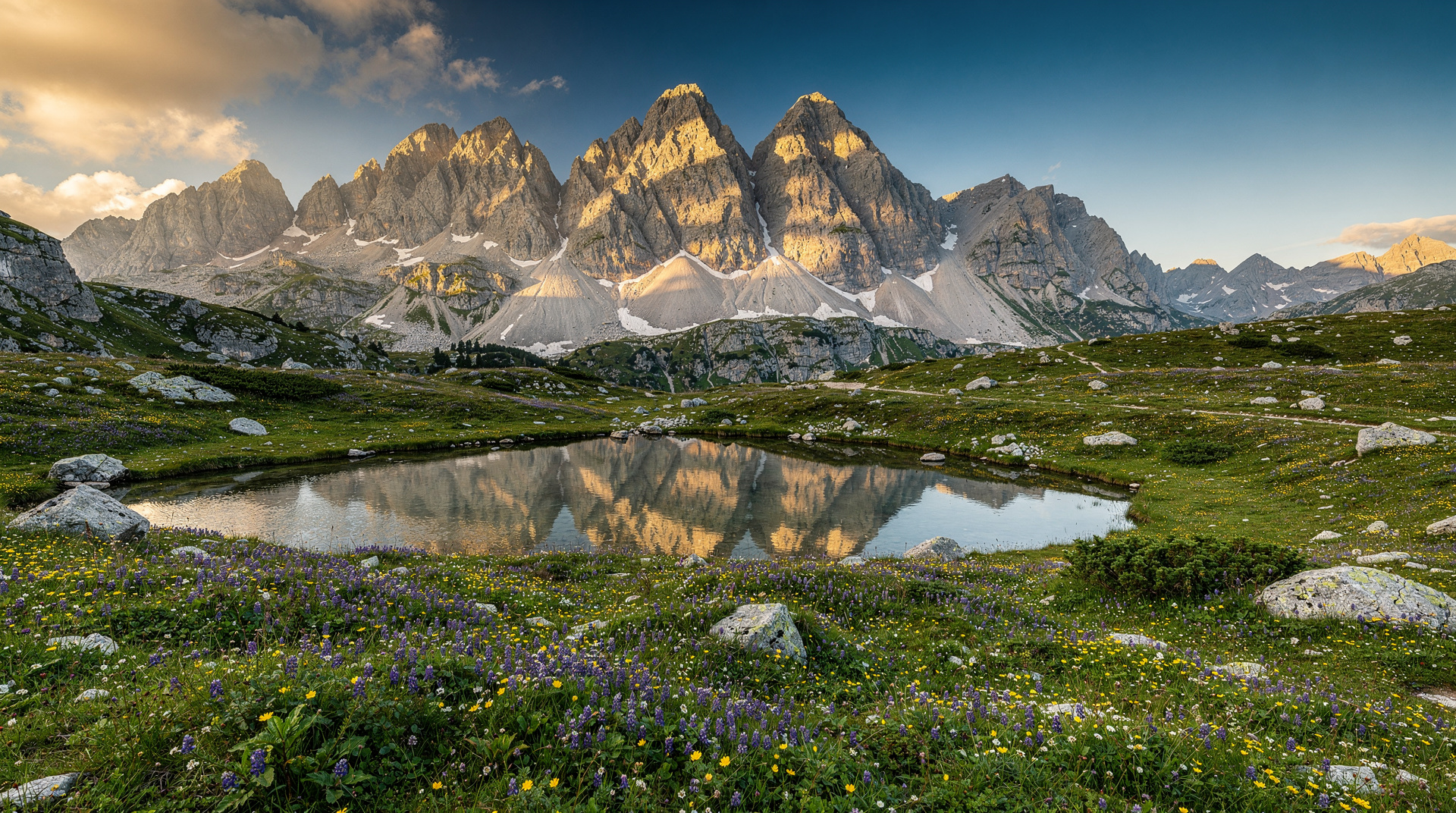
The Tamar valley is even closer: a 15-minute drive from the town to the car park, then a flat 2 km walk to the Tamar mountain hut (Triglavski dom na Tamarju) with the Jalovec peak (2,645 m) as backdrop. Easy, scenic, and reliably beautiful — the best short hike from Kranjska Gora.
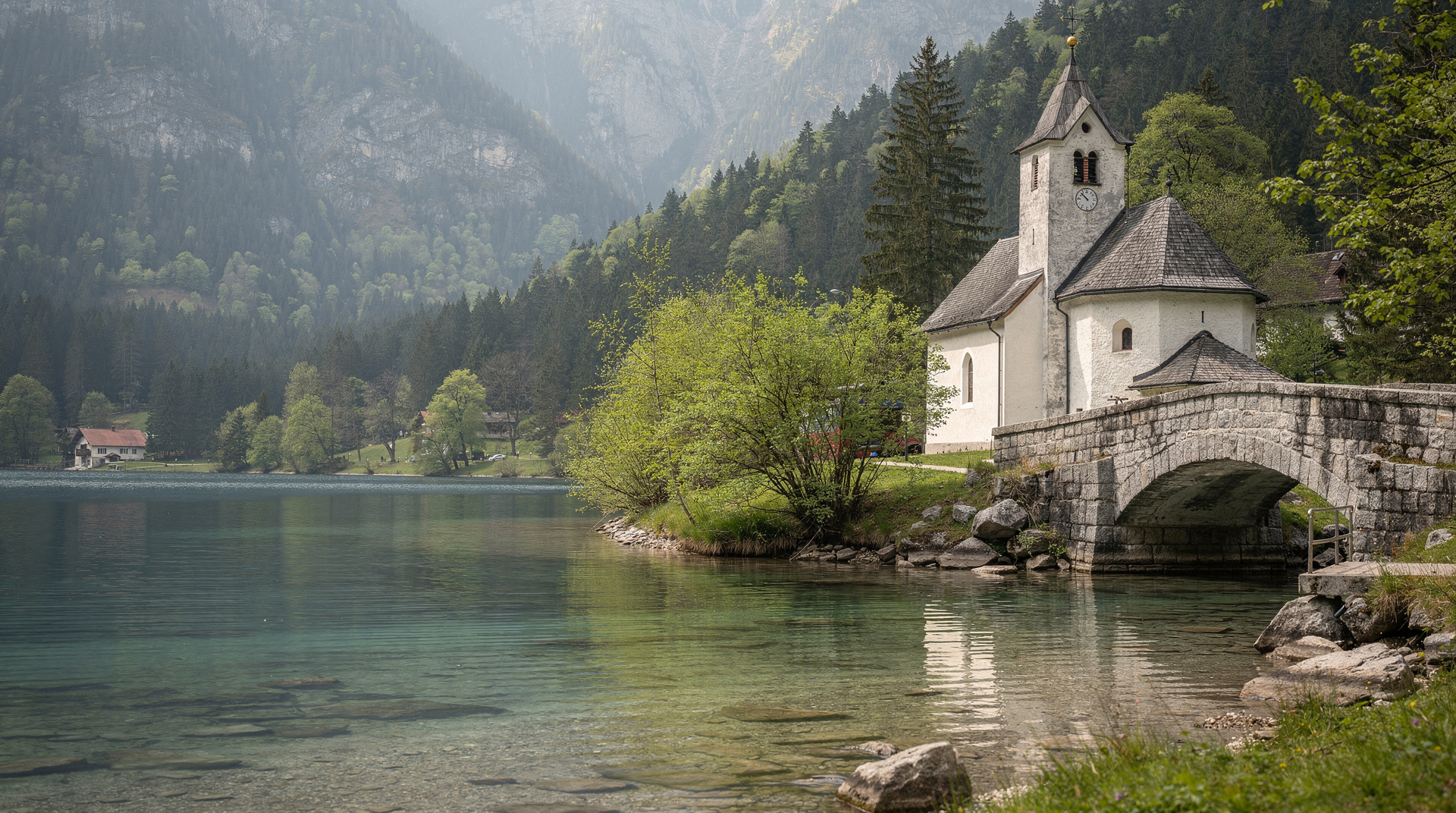
The Jasna Lake (Jezero Jasna) is 2 km from the town centre and takes 20 minutes to walk to — a small, glacier-fed lake with a stone bridge, an ibex sculpture, and a mountain backdrop. Tourism-forward but genuinely pretty; good for families.
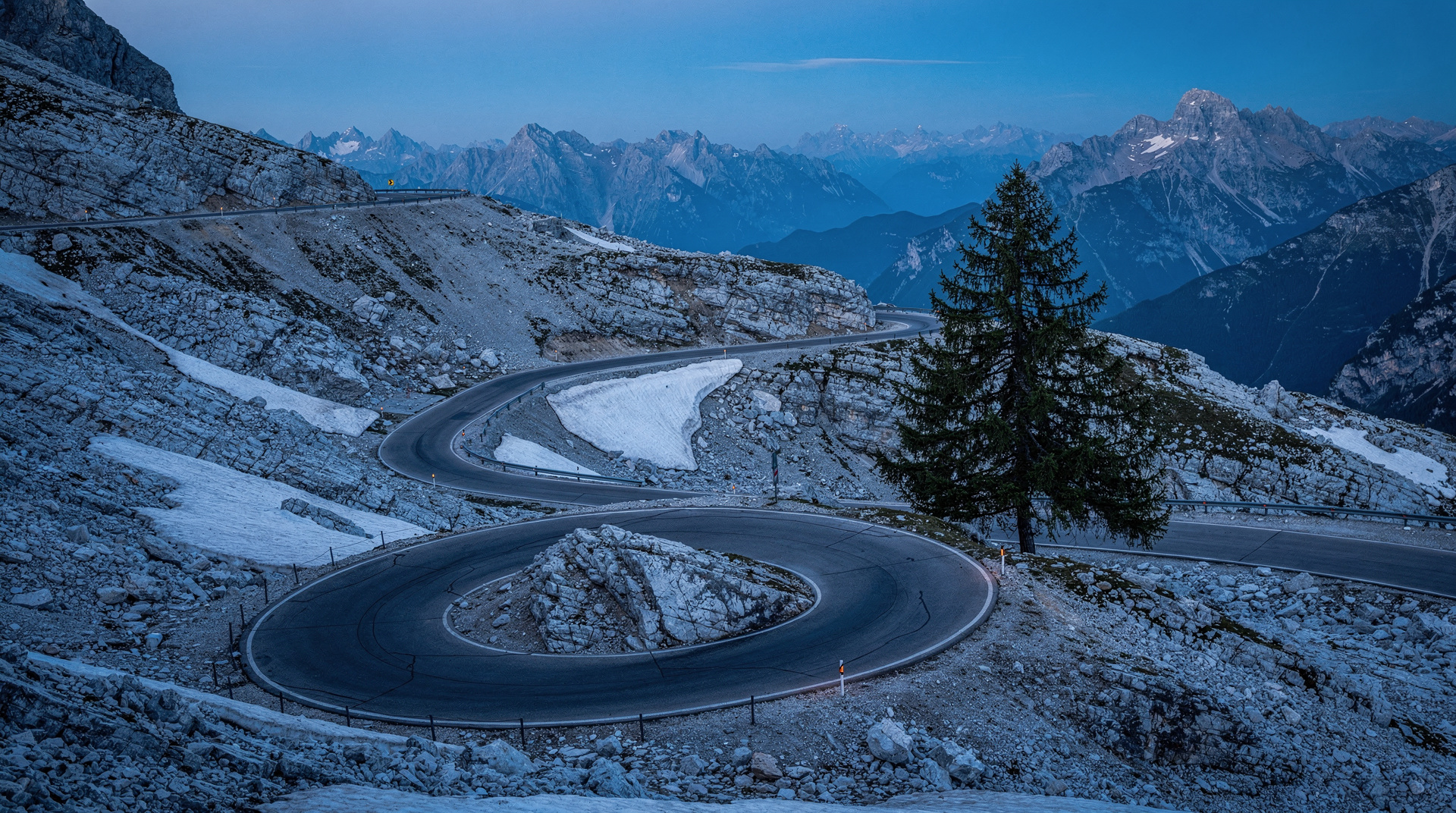
For the Vršič Pass road, the drive begins at the edge of Kranjska Gora. In summer this is a classic driving route through 50 tight hairpin bends to the pass at 1,611 m. See the Vršič Pass guide for driving details and what to see along the way.
Via ferrata at Hvadnik
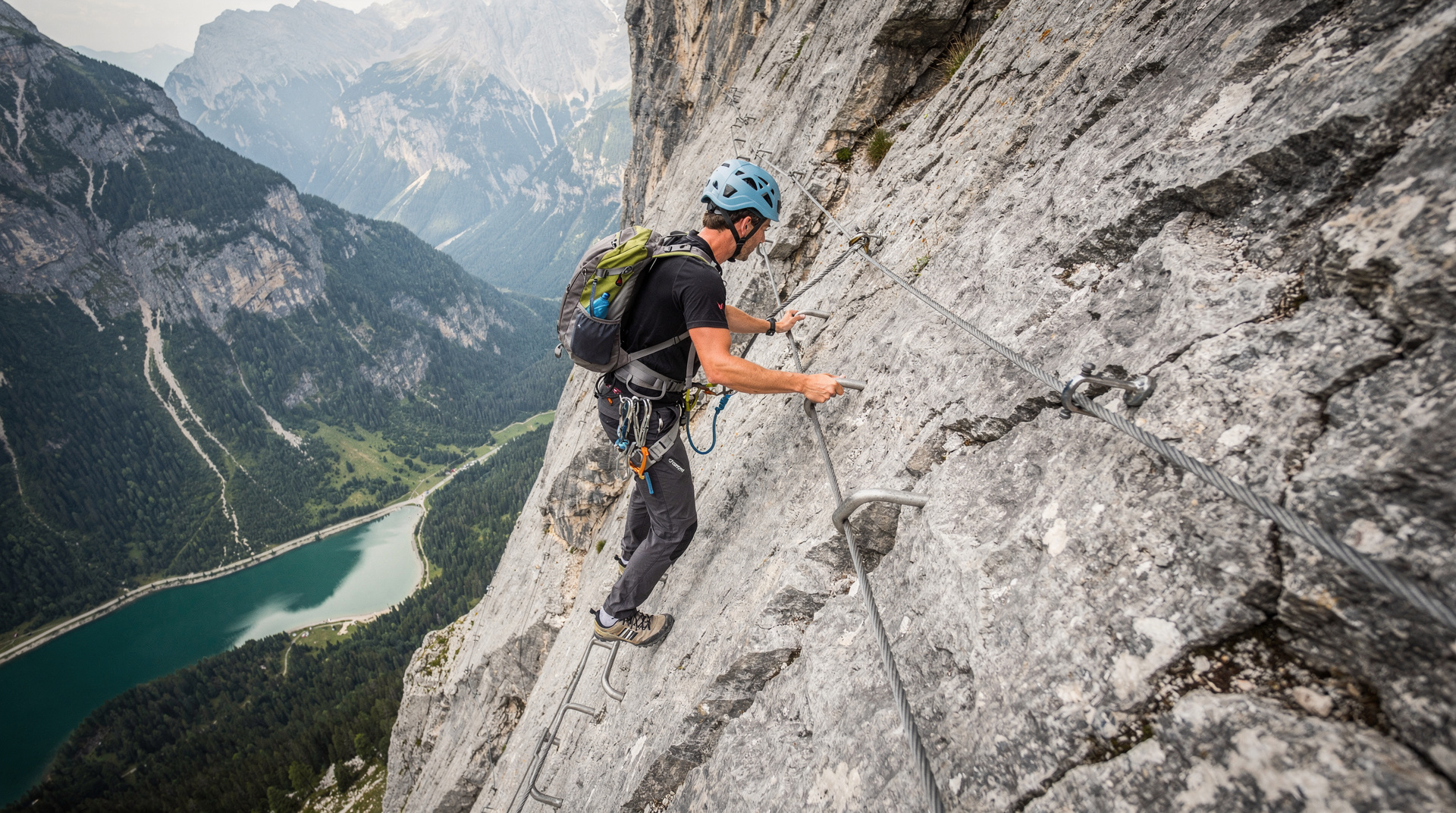
The Hvadnik via ferrata (Plezalna pot Hvadnik) starts near the town and offers a 2–3 hour technical climb on fixed cables with views across the upper Sava Dolinka valley. It’s a B/C grade route by European standards — suitable for those with previous via ferrata experience and a harness, but not for beginners. The route includes a ladder section and a short traverse; the summit view is worth the effort. Rental of harness and helmet is available from local outdoor shops (EUR 15–20/day).
The Hvadnik via ferrata guided tour from Bled covers transport and equipment — the most practical option if you’re based at Bled and want to try the route without your own gear.
Eating and accommodation in Kranjska Gora
The main street (Borovška cesta) has the majority of restaurants. Gostilna Pri Martinu is the town’s most consistent local restaurant — traditional Slovenian dishes, generous portions, main courses EUR 12–18. Popular with ski instructors and residents rather than tourists. Kotnik is a long-established hotel-restaurant with a reputation for game dishes in season.
For coffee and cake, the cafés along the Borovška cesta have good Austrian-influenced pastry options — the local preference runs to Prekmurska gibanica (layered pastry with poppy seed, walnut, apple, and curd) alongside Austrian Apfelstrudel.
Accommodation: the ski season (December to March) pushes prices up significantly. In high ski season, expect EUR 90–160/night for a 3-star hotel room; summer prices drop to EUR 60–100/night. Popular options include Hotel Razor, Hotel Larix, and Aparthotel Vitranc — all within walking distance of the main lifts. Apartments in the village are competitive at EUR 60–80/night for a 2-person unit.
Book accommodation 4–6 weeks ahead for the World Cup race weekend (late January) — the town fills completely and prices spike.
Combined itineraries using Kranjska Gora as a base
Kranjska Gora is most compelling as part of a longer Julian Alps circuit rather than as a standalone destination:
From Bled: drive or take the bus to Kranjska Gora (35 km, 35 minutes), continue over the Vršič Pass to the Soča valley, loop back to Bled via Bohinj. A beautiful 1–2 day loop covering the full range of the Julian Alps. The best of the Julian Alps tour via Kranjska Gora organises this circuit with a guide and transport from Bled — the most efficient way to see this region in a single day.
Multi-day northern Alps loop: base at Kranjska Gora, day 1 Tamar valley and Jasna lake, day 2 Vršič Pass and Trenta valley, day 3 via ferrata or summit attempt, day 4 drive via Bohinj back to Ljubljana.
For day-trippers from Ljubljana, the combination of the Soča valley and Kranjska Gora is one of the most scenic day trips in Slovenia — see the Ljubljana to Soča and Kranjska Gora tour options.
Practical notes
Border crossings: the Austria and Italy borders are formalities within the Schengen zone — no passport control. The mountain roads can be closed by snow in winter (check before driving in November, March, and April).
Fuel: fill up in Kranjska Gora before heading over the Vršič Pass; there are no fuel stations on the pass road or in the Trenta valley for 40+ km.
Altitude: the town sits at 810 m; no acclimatisation needed, but the temperature is noticeably cooler than Ljubljana year-round — pack accordingly.
Events and the World Cup race
The most significant annual event in Kranjska Gora is the FIS Alpine Ski World Cup held in late January on the Vitranc slalom course. The men’s slalom and giant slalom attract 15,000–20,000 spectators over a weekend, and the town fills completely. Tickets for the course-side areas cost EUR 20–35; the upper viewing areas are free. If skiing World Cup racing matters to you, this is one of the most accessible venues in the Alps — compact course, good sightlines, affordable entry.
The corollary: if you’re not interested in the race and plan to visit in late January, choose different dates. Hotels book out months ahead and prices double.
The town also hosts a biathlon training camp (the Pokljuka venue is 30 km away) and a number of summer trail running events on the surrounding mountains. The most notable is the Kranjska Gora Trail in July — a series of mountain running races from 10 km to 50 km distances, attracting around 500 participants. If the trails are busy on a summer Saturday, this may be the reason.
The Planica Ski Flying Hill
Planica, 7 km west of Kranjska Gora, hosts the FIS Ski Flying World Championships and the annual Ski Flying World Cup — the largest ski jumping hill in the world, with records of over 250 m set here. The season finale of the Ski Jumping World Cup takes place here in March, drawing crowds of 30,000+.
Outside the competition season, the Planica Nordic Centre (Nordijsko Centar Planica) is open for guided visits and offers year-round activities including a ski jump simulator, summer ski roller training, and a Nordic walking network. The giant ski jump structure is visually impressive even to non-skiing visitors. The entry to the complex (non-event days) is EUR 8.
From Kranjska Gora town, Planica is a 15-minute drive or a 90-minute cycle along the valley road. In winter, a shuttle bus operates from Kranjska Gora on race days.
Accommodation strategies for Kranjska Gora
The price differential between ski season and summer is significant and useful to understand before booking:
In summer (June to September): hotel rooms are EUR 60–100/night for 3-star, EUR 100–160/night for 4-star. Availability is generally good outside of the trail running race weekends. Apartments rented directly from owners (via local rental sites) offer better value for families — EUR 70–100/night for a 4-person apartment.
In ski season (December to March): prices rise 30–60% from summer rates. The World Cup race weekend (late January) requires booking 3+ months ahead at any price. Mid-week ski week packages that bundle lift passes and accommodation are the most cost-effective approach.
Camping: Camping Špik, set in the valley 2 km from the town centre, operates from May to October. Pitches at EUR 25–30/night; facilities are well maintained.
For those who want the ski resort experience without the Kranjska Gora price premium, Vogel above Lake Bohinj (35 km away) offers comparable skiing at slightly lower prices, with the benefit of the Bohinj setting. See the Lake Bohinj guide for Vogel skiing details.
The Slovenian-Italian border towns
Kranjska Gora sits 3 km from Italy (Tarvisio is 25 km away) and many residents work, shop, and eat on both sides of the border. This proximity has a practical benefit for visitors: Italian-influenced cooking is available in the restaurants, and a side trip to Tarvisio for the weekly market (Thursday mornings) offers Italian produce at lower prices than Ljubljana supermarkets.
The border crossing at Rateče (1 km from Kranjska Gora) is unmanned within the Schengen zone; drive through freely. The Austrian border at Karawanks Tunnel is 25 km east, via the Karawanks motorway tunnel — useful as an entry point for those driving from Vienna (3.5 hours), which is an underused arrival route for Kranjska Gora.
For planning the full Julian Alps circuit that Kranjska Gora anchors, the Triglav National Park guide and the Vršič Pass guide connect the northern and western portions of the Alpine region into a coherent multi-day itinerary.
Kranjska Gora vs Bled as a Julian Alps base
Both towns work as bases for the Julian Alps, but they suit different priorities. Lake Bled has the classic lake-and-castle scenery, better restaurant density, and closer proximity to Ljubljana (55km versus 80km). Kranjska Gora is the better choice for anyone prioritising skiing, the Vršič Pass drive, or direct trailhead access into the northern Julian Alps and Triglav’s north face — you can walk to some trailheads from your hotel, which isn’t true at Bled. Many visitors base at Bled and day-trip to Kranjska Gora for the Vršič drive; serious skiers and hikers more often reverse that, basing in Kranjska Gora and day-tripping to Bled for the lake.
Frequently asked questions about Kranjska Gora
Is Kranjska Gora worth visiting outside ski season? Yes — summer hiking around Tamar, Vrata and the Vršič Pass is excellent, and prices drop 30–60% from ski-season rates. The town has less obvious charm than Bled in summer (it’s fundamentally a ski-resort layout), but the access to trailheads and the Vršič drive make it worthwhile regardless of season.
Do I need a car in Kranjska Gora? For skiing and the town itself, no — buses connect it to Ljubljana and Bled. For the Vršič Pass, Tamar valley car park, and most summer hiking trailheads, a car is genuinely necessary; public transport does not reach these access points.
How does Kranjska Gora compare to Austrian or Italian ski resorts nearby? Prices are meaningfully lower than Austrian equivalents for comparable piste quality, though the vertical drop (985m–1,295m) and total piste length (20km) are modest by major Alpine resort standards. It suits visitors who want an affordable, uncrowded ski week rather than those chasing the biggest terrain.
Top experiences
Bookable activities with verified prices and instant confirmation on GetYourGuide.