Lake Bled: Slovenia's most photographed place — and whether it lives up to the hype
Lake Bled is genuinely beautiful, but also genuinely crowded. This guide tells you when to arrive, what to skip, and how to make it worth the trip.
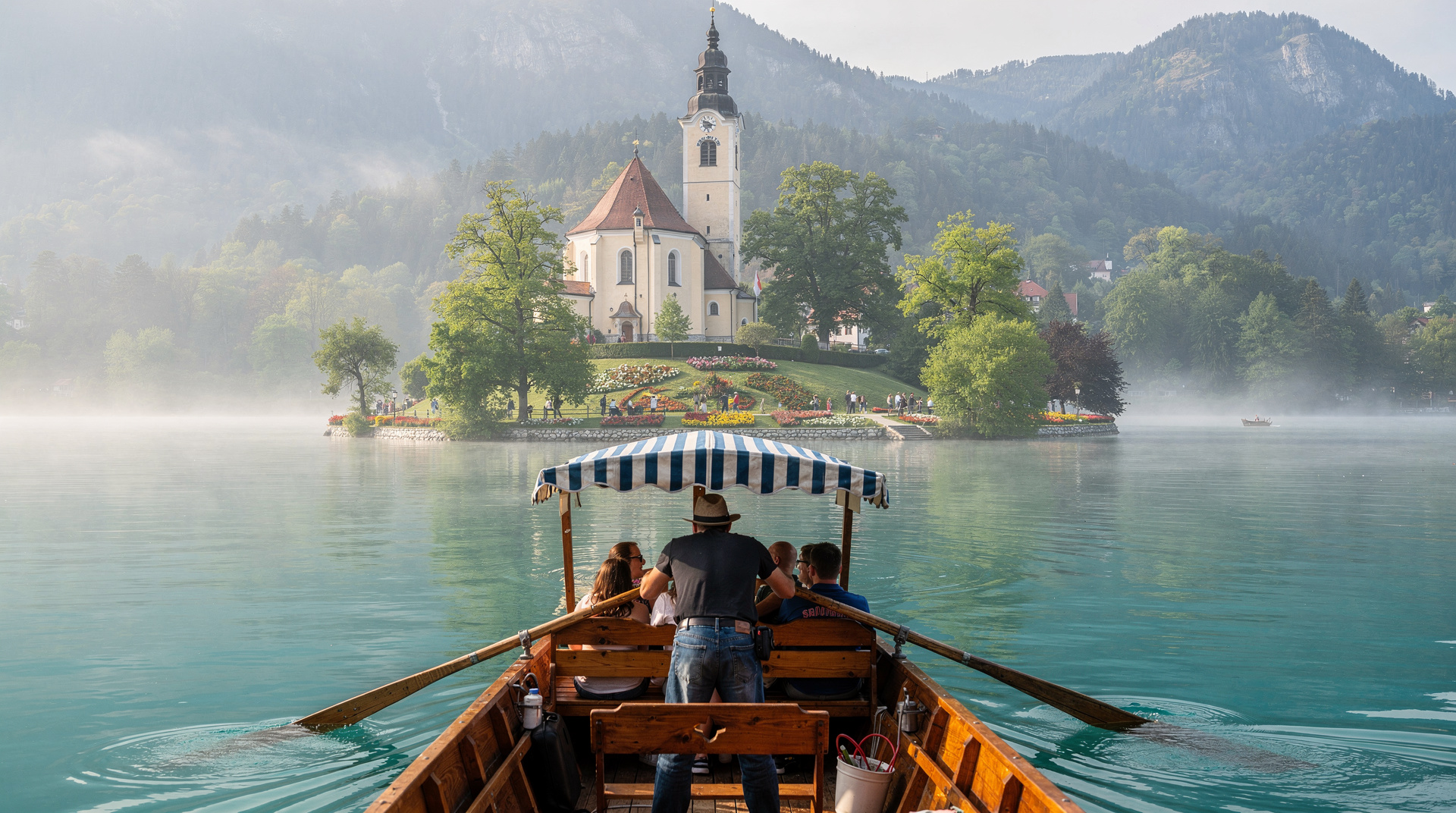
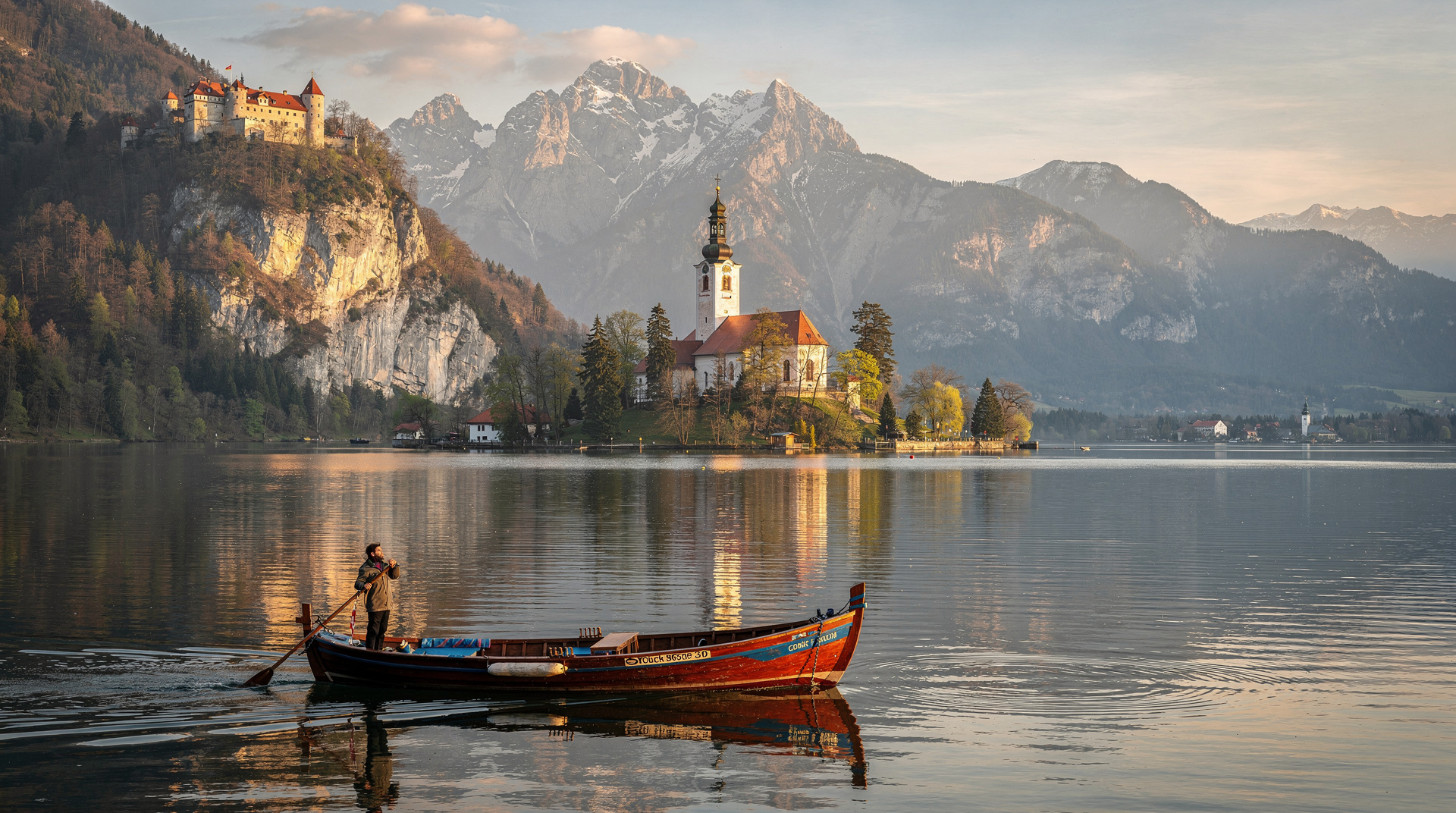
Lake Bled: pletna boat to Bled Island with dessert
Quick facts
- Best time to visit
- May–Jun, Sep–Oct
- Days needed
- 1–2 days
- Getting there
- Bus from Ljubljana ~1h20, EUR 6
- Budget per day
- EUR 60 to 150
The honest guide to Bled: beautiful, busy, and worth doing right
Lake Bled is Slovenia’s most recognisable image — the island church rising from an impossibly green lake, the castle perched on the cliff above, the Julian Alps filling the background. The view is real, the setting is genuinely magical, and in shoulder season it’s one of the most satisfying places in the Alps.
It’s also one of the most crowded tourist sites in Central Europe during July and August. Tour buses arrive from 08:00, the lakeside path gets gridlocked by midday, and the pletna boats to the island operate with factory-like efficiency. If you arrive unprepared, you’ll pay for a pletna ride and a Kremšnita cream cake and wonder what all the fuss was about.
Arriving prepared changes everything.
| Where | Julian Alps, 55km northwest of Ljubljana |
| Time needed | 1–2 days |
| Getting there | Bus from Ljubljana ~1h20, EUR 6 each way |
| Budget per day | EUR 60–150 |
| Best time | May–June and September–October |
When to visit Lake Bled
The single most important decision is timing, both by season and by hour.
Best months: May and early June see the alpine meadows in bloom, the lake warm enough for swimming by late May (surface temperature around 18°C), and crowds that are present but not overwhelming. September and October bring dramatic light, fewer visitors, and the lake still warm from summer. October is particularly beautiful — the beech forests on the surrounding hills turn copper and gold.
July and August: beautiful but genuinely crowded. If this is when you’re going, arrive at the lake before 07:30. The professional photographers arrive at dawn for a reason. By 10:00 the lakeside path is full.
Winter: the lake occasionally freezes (not every year), creating extraordinary photographs. Services are reduced, some restaurants close November to March, and the Vintgar Gorge nearby is closed from approximately November to March. But if Bled freezes, it’s worth going.
Spring and autumn closures: note that Vintgar Gorge — the most worthwhile half-day excursion from Bled — is closed roughly November to March. Plan accordingly.
Getting to Lake Bled
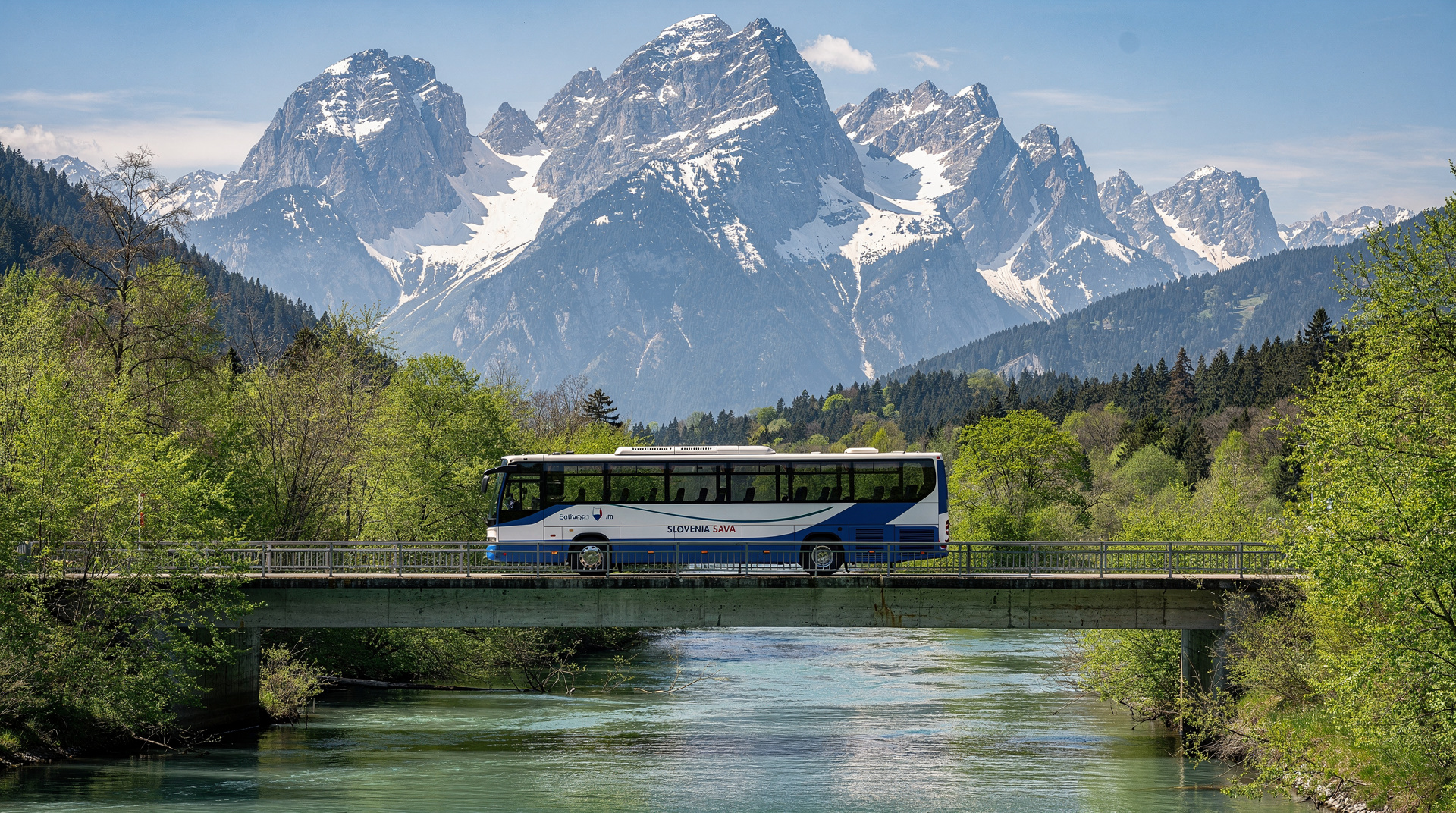
From Ljubljana: Arriva buses run approximately every 30–60 minutes, take 1h20, and cost EUR 6 each way. The bus drops you at Bled bus station, which is a flat 5-minute walk to the western lake shore. This is the easiest option for day-trippers.
By car from Ljubljana: 55 km, roughly 50 minutes on the A2 motorway (remember the Slovenian e-vignette — see the driving in Slovenia guide). Parking at Bled costs EUR 1.20–2/hour at the main lakeside car parks, which fill quickly in summer. Parking at the sport hall on the south side of the lake is cheaper and a 10-minute walk.
By train: a train runs from Ljubljana to Lesce-Bled station, which is 4 km from the lake — you’ll need a taxi or local bus for the last leg. The bus is faster and more convenient for most visitors.
From elsewhere: direct transfers operate from Ljubljana airport (LJU) to Bled in about 40 minutes and typically cost EUR 15–20 per person on a shared shuttle.
The island: is it worth the pletna fare?
The classic Bled experience is a ride on a pletna (a traditional wooden gondola) to Bled Island, climbing the 99 steps to ring the wishing bell in the Church of the Assumption, and returning. The island pletna with dessert package combines the boat trip with a Kremšnita cream cake — it’s the most popular introduction to Bled for first-time visitors.
Honest assessment: the island is pleasant and the bell-ringing ritual is fun, but the main appeal is looking at the island from the shore, not from the island itself. Once on the island, you’re surrounded by other tourists; the church interior is modest; and the “view” of the lake from the 99 steps is partially obscured by trees.
If budget is a concern, rent a rowing boat instead (EUR 15–20/hour from the western shore rental stands) and row out close to the island yourself. You get the same photo opportunities and more flexibility. Or walk the full lakeside path (6 km, flat, about 1.5 hours) to get every angle of the island.
If you are staying in Ljubljana and would rather not organise transport yourself, a guided day tour from Ljubljana to the lake takes care of the logistics and lets you spend your time at the water.
Bled Castle
The castle sits 130 m above the lake on a sheer cliff. The entrance costs EUR 19 (adults) and includes a small museum, a wine cellar with tastings, and the cliff-top views — which are legitimately spectacular, especially looking west toward the Karawanks range. Budget 1.5 hours.
Getting up: either walk the 15-minute trail from the town, or take a taxi/electric tourist train. The walk is not difficult; the path starts from the north side of the town near Hotel Jadran.
Honest assessment of the castle: the views fully justify the entry price; the museum is limited in scope but the setting compensates. The restaurant inside is expensive and the food is unremarkable — eat in town before or after.
Swimming, paddleboarding, and active Bled
The lake is open for swimming from late May through September. The main swimming areas are near Camping Bled on the western shore and at the Mlino area on the south. The water is clear and the backdrop is as good as it looks in photographs.
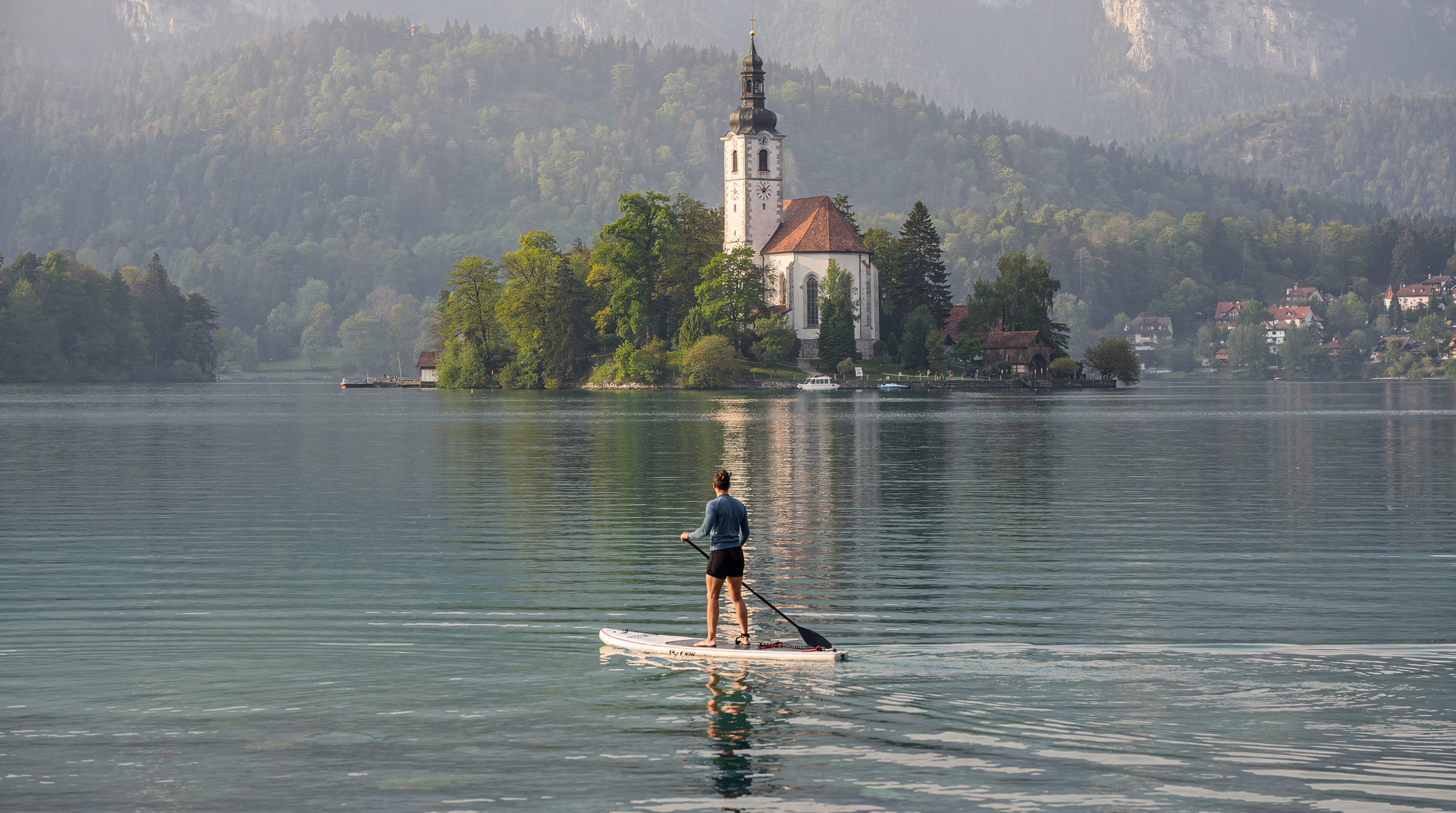
Stand-up paddleboarding is popular and rental is available at several points on the western shore (EUR 15–20/hour). The SUP tour at sunrise or sunset is the best time to be on the water — the light is extraordinary and the lake is quiet.
For more adventure, the Soča Valley rafting and canyoning accessed from Bled connects to the Sava Bohinjka river below the lake for white-water experiences ranging from beginner to intermediate grade.
Eating near the lake: where the value actually is
Kremšnita (cream cake): the original recipe is at Park Hotel’s café, but the consensus is that Gostilna Pri Planincu on Grajska cesta serves the best version in Bled — slightly less sweet, with better pastry. Expect to pay EUR 4–5.
Slorest / Gostilna Murka: reliable Slovenian cooking about 10 minutes’ walk from the lake. More popular with locals than tourists; main courses around EUR 12–18.
Oštarija Peglez’n: a converted ironmonger’s shop on Cesta Svobode, popular for its wood-beamed interior and traditional dishes. Evenings fill up — book ahead in July and August.
The restaurants directly on the lake promenade are the most expensive and the least interesting. The better spots are a short walk uphill or toward the town centre.
The honest tourist trap section
The island pletna is worth doing once for the cultural experience — but understand that the premium (fare to be confirmed at the dock or with the Bled tourist office, bled.si) is partly for the novelty. As noted above, the view of the island from the shore is better than the view from the island.
The castle restaurant charges for the setting; the food rarely matches the price.
High season timing: arriving at 11:00 in August and expecting a peaceful Alpine experience is setting yourself up for disappointment. The Instagram reality requires either an early alarm or a shoulder-season visit.
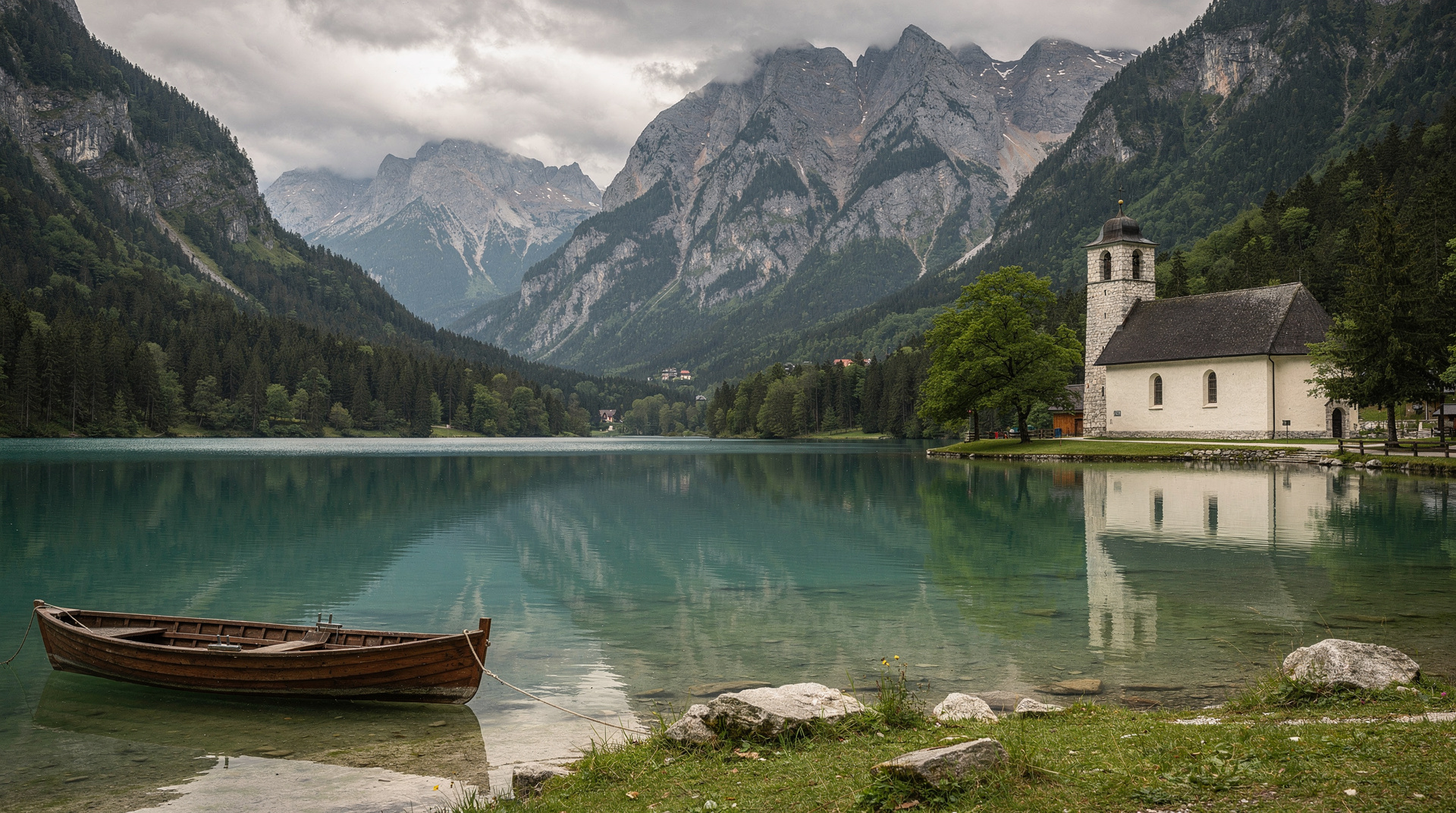
Bled vs Bohinj: if you want a less-crowded, equally beautiful Alpine lake experience without the commercial machinery, Lake Bohinj is 30 minutes further and receives a fraction of the visitors. Serious hikers and those wanting quieter water almost always prefer Bohinj. Bled is better for those who want island excursions, castle views, and accessible restaurants — and who plan their timing carefully.
Day trips from Bled
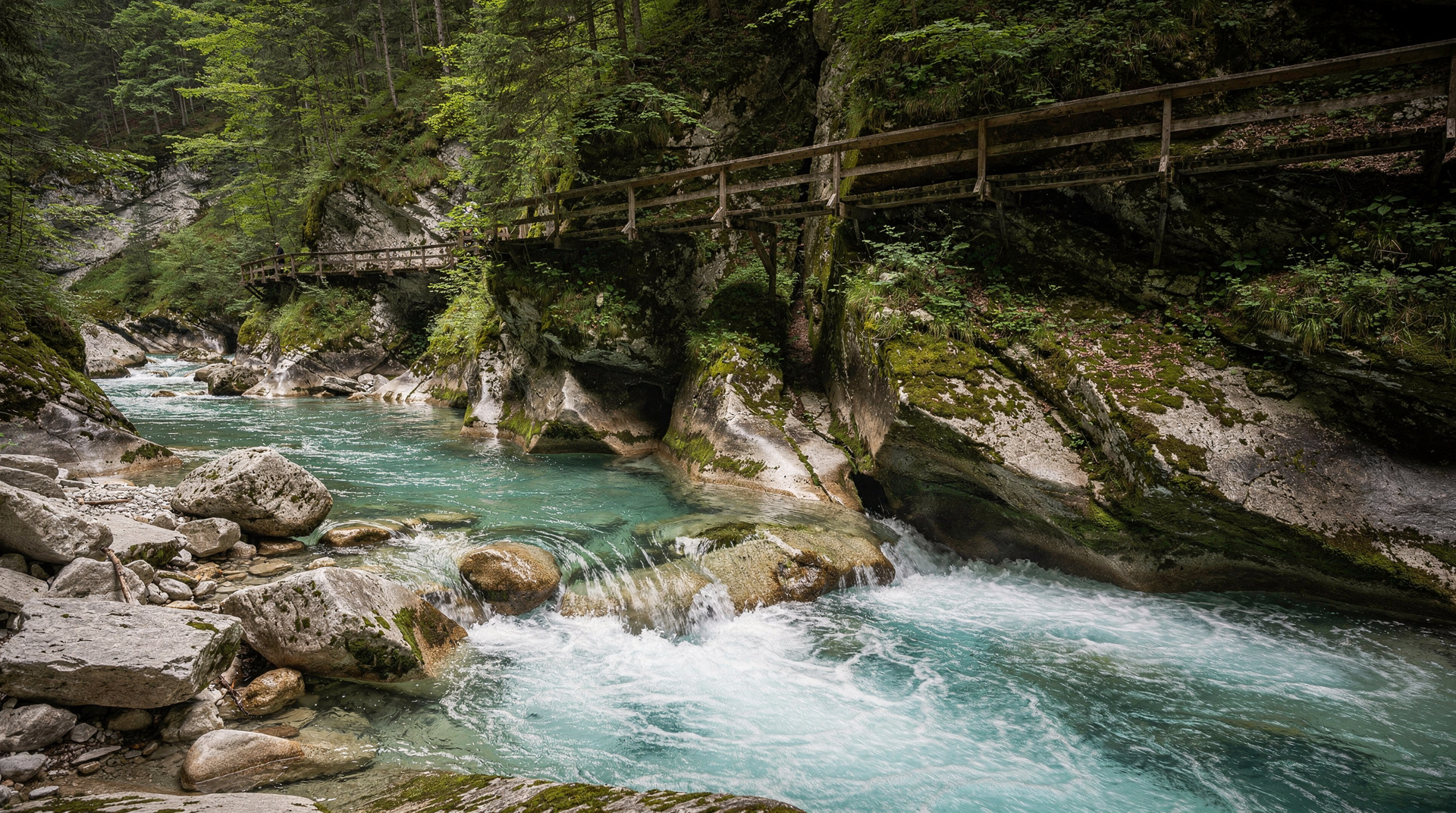
Vintgar Gorge (4 km from Bled): a 1.6 km river gorge with wooden walkways above the rushing Radovna river. One of the most spectacular short walks in Slovenia. Open approximately May to October; closed November to March. See the Vintgar Gorge guide.
Lake Bohinj: 30 minutes by bus (hourly, EUR 3), 28 km by car. A full day here combined with the Savica waterfall hike is excellent. See the Lake Bohinj guide.
Radovljica: 7 km north of Bled, a charming small town with a well-preserved medieval core and an excellent Beekeeping Museum (EUR 6). See the Radovljica page.
Triglav National Park: the park begins at Bohinj and extends north and west. For guided full-day hikes into the park from Bled, the Triglav National Park guide covers options for all fitness levels.
Accommodation at Bled
Bled has accommodation at every price point. Hotel Triglav Bled (lakeside, 4-star, EUR 150–220/night) is the splurge choice with direct lake access. Penzion Berc (15 minutes’ walk from the lake, family-run, EUR 80–110/night) consistently receives excellent reviews for its breakfast and hospitality. Camping Bled (western shore) costs around EUR 25–35 per pitch and is one of the best-situated campsites in Slovenia.
Budget travellers can find guesthouses in Lesce (4 km away) for EUR 45–70/night.
The ecology and hydrology of the lake
Lake Bled is relatively shallow — maximum depth 30 m, average around 18 m — which allows the water to warm quickly in summer. The lake has no surface inlet; it’s fed by underwater springs from the Pokljuka Plateau above. The Jezernica stream at the eastern end drains the lake to the Sava Bohinjka, making Bled technically part of the same watershed as Bohinj.
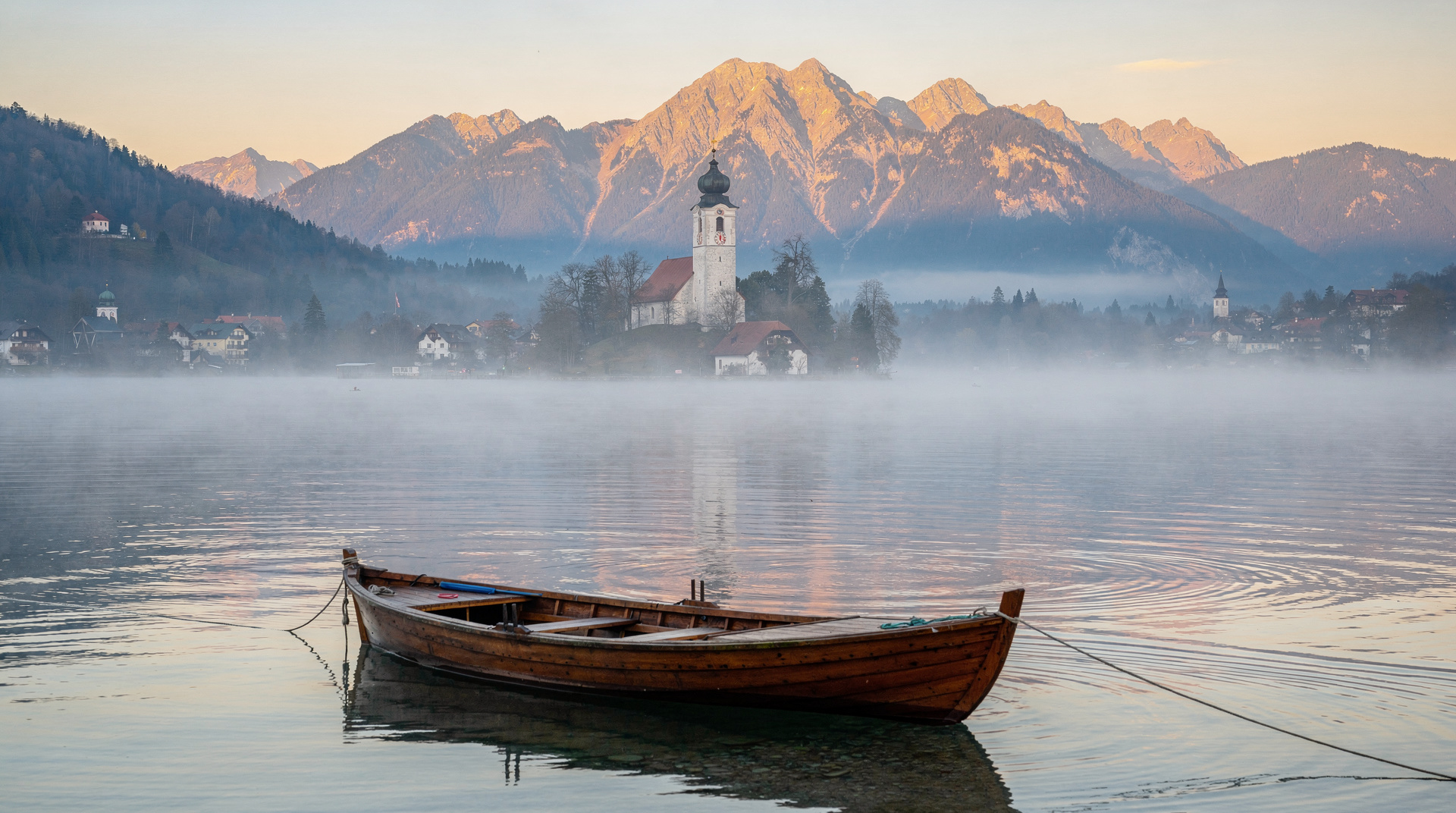
The colour changes dramatically with depth and season. In early summer, when the water is clear and cold, the deep sections appear a saturated turquoise-green. As summer progresses and algae develop in the warmer upper layers, the colour shifts toward greenish-blue. By October, the cooling water clears again and the autumn light on the lake at low sun angles produces the deep golden reflections in most autumn photographs.
The lake is managed to prevent algal blooms — motorboats have been banned for decades, which has significantly improved water clarity. Electric boats and human-powered craft only.
A practical packing list for Bled
The most common complaints from visitors relate to preparation rather than the destination:
Bring: comfortable walking shoes (the full lake circuit is 6 km; the castle walk involves steep cobblestones); sunscreen (the lake reflects UV significantly in summer); cash (the pletna operators and some gostilne are cash-only); a light rain layer (afternoon thunderstorms are common June to August); a swimsuit if visiting May to September.
Leave behind: the expectation of quiet summer mornings — it’s genuinely busy. The expectation of cheap food at lakeside restaurants — prices reflect the setting.
Optional but recommended: binoculars (the castle detail from across the lake is rewarding); a wide-angle lens if you photograph (the full lake circuit has compositions that require width); a water bottle (tap water is safe throughout Slovenia).
Getting the most from a 2-night Bled stay
For those with two nights, this structure works well:
Day 1: arrive before 08:00, walk the full lake circuit (clockwise, starting from the bus station toward the castle). Take the pletna and the island mid-morning before it gets busy. Lunch at Gostilna Pri Planincu, then rest or swim at Camping Bled in the afternoon. Evening at Oštarija Peglez’n or the town’s riverside terrace cafés.
Day 2: early start for Vintgar Gorge — arrive at 08:00 opening. Back in Bled by 10:30. Bus to Bohinj for the afternoon — Savica Waterfall or cable car to Vogel. Return to Bled by 18:00.
This two-day plan covers Bled’s core experience on day one (when you’re freshest) and extends to the wider Julian Alps context on day two, without needing a car. The getting around Slovenia guide gives full bus timetable context for the Bled-Bohinj-Vintgar connections.
Bled in winter
Bled’s summer identity dominates most coverage, but a genuine winter visit has its own appeal. The town is quiet, hotel prices drop 20–40% from peak summer rates, and on the rare occasions the lake freezes solid, the sight of the island and castle against a white lake is one of the most striking images Slovenia produces. Note the trade-offs: Vintgar Gorge closes roughly November to March, some lakeside restaurants reduce hours or close entirely, and the pletna boats may not operate if ice forms. Bled Castle and the town centre remain open and walkable year-round, and the castle’s cliff-top views are, if anything, sharper in the clear cold air of a winter morning.
If skiing is part of your plan, Kranjska Gora (35 minutes) and Vogel above Lake Bohinj (40 minutes) are both easy day trips from a Bled winter base.
Bled with children
Bled works well for families in the shoulder seasons, less so at the height of summer crowding. The lake circuit is flat and stroller-friendly, the pletna ride is a genuine highlight for most children, and the castle’s cliff-top setting keeps younger visitors engaged for longer than a typical museum stop. Renting a rowing boat rather than a pletna often works better with kids — they can help paddle and the pace is entirely your own. Swimming areas at Camping Bled and Mlino are shallow near the shore and supervised in summer. Avoid the castle restaurant with young children in tow at peak lunchtime; queues and prices make it a frustrating stop, and a picnic on the lawns near the boat rental stands is both cheaper and more relaxed.
Radovljica and Beekeeping Museum in more depth
Radovljica, 7km north of Bled, deserves more than a passing mention. Its old town square is one of the best-preserved small medieval cores in Slovenia, largely free of the crowds that reach Bled, and the Beekeeping Museum documents Slovenia’s genuinely significant apicultural tradition — the country has more beekeepers per capita than almost anywhere else in Europe, and the painted beehive panels (panjske končnice) on display are a distinctive folk-art form found nowhere else. Combine a Radovljica morning with an afternoon back at Bled; the bus connection between the two takes about 15 minutes.
Going deeper: where to read next
Bled rewards a little preparation, and the site has a guide for most of the decisions you will face. For an overview of everything in one place, start with the complete Lake Bled guide. If crowds are your main worry, the guide to avoiding the crowds at Bled goes through timing and routing in more detail, and the wider overtourism and crowds in Slovenia piece puts Bled in context. Still unsure the lake deserves your time? Is Lake Bled overrated? argues both sides.
On the water, the dedicated pages on the pletna boat at Lake Bled and how to visit Bled Island cover the boat ride, the steps and the bell in depth, while SUP on Lake Bled is the place to look if you would rather paddle yourself. On the cliff, the Bled Castle visit guide helps you decide how much time to give it.
If you prefer to slow down, wellness around Lake Bled suggests ways to turn a busy lakeside stop into a restful one. Photographers will enjoy the Lake Bled photo diary for a sense of how the light changes through the day, and the autumn guide to Slovenia explains why the October colours on the surrounding hills are so often recommended.
Moving on from the lake, the Pokljuka Plateau guide and the Savica waterfall guide both fit naturally into a Julian Alps stay, and the Bled vs Bohinj comparison helps you split your nights between the two lakes. For transport details between the capital and the lake, see Ljubljana to Bled transport, and for a ready-made schedule try the Ljubljana and Bled in 3 days itinerary or the longer Julian Alps in 7 days itinerary. Short on time, the Lake Bled day trip guide lays out how to fit the essentials into a single outing.
Frequently asked questions about Lake Bled
How crowded is Lake Bled in summer?
Very crowded. July and August see multiple tour buses daily; the lakeside path can feel like a queue rather than a walk by 10:00. The lake is still beautiful and the Pletna boats still run — but manage expectations and arrive early (before 07:30) or visit in late afternoon when day-trippers begin to leave.
Is the pletna boat to the island worth it?
It’s worth doing once. The experience is pleasant, the church bell is fun to ring, and the return trip gives you the classic view of the castle from the water. But don’t expect solitude — boats carry 12–20 passengers and run continuously in high season. A rowing boat rental gives you more flexibility and a similar experience at a similar price.
Can I swim in Lake Bled?
Yes — the lake is clean, glacially fed, and genuinely inviting. Water temperature reaches around 22–24°C in late July and August. The official swimming areas are at Camping Bled and near the Mlino inlet on the south shore. Swimming is free; no entry charge to access the beaches.
How do I get from Bled to Bohinj?
By bus: Arriva operates hourly services, journey about 40 minutes, EUR 3. The bus stops at Bohinjska Bistrica and continues to Ribčev Laz (the main Bohinj lake entrance). By car: 28 km on regional roads, about 30 minutes. No motorway involved so no vignette needed for that segment.
What is Kremšnita and where should I eat it?
Kremšnita is Slovenia’s classic cream cake — a slab of vanilla custard and whipped cream sandwiched between puff pastry sheets. Every café in Bled serves it. The most cited versions are at Gostilna Pri Planincu (preferred by many locals for the slightly less sweet filling) and the Park Hotel café (which claims the original recipe). Expect EUR 4–5 per slice.
Is Lake Bled worth it if I only have one day?
Yes, provided you plan it well. Take the first bus from Ljubljana (departs around 06:30–07:00), walk the full lake circuit before the crowds arrive, take the pletna, eat a Kremšnita, and head to Vintgar Gorge in the afternoon (if it’s open, check seasonal dates). Back in Ljubljana by 18:00–19:00. A busy but satisfying day.
Does Lake Bled freeze in winter?
Occasionally, but not every year. When it does — usually in a cold snap during January or February — the frozen surface reflecting the castle and mountains is spectacular and locals sometimes skate on it once thickness is confirmed safe. Don’t build a trip specifically around this; treat it as a bonus if it happens rather than a plannable event.
Should I stay in Bled or day-trip from Ljubljana?
Staying overnight lets you see the lake at dawn and dusk without the day-tripper crowds, which is the single biggest quality upgrade available at Bled. If your itinerary is tight, a well-timed day trip (early bus out, late bus back) still works, but anyone with the flexibility for one night will get noticeably more out of the visit.
Top experiences
Bookable activities with verified prices and instant confirmation on GetYourGuide.