Radovljica: medieval old town, honey capital, and the valley below Bled
Just 7 km from Bled yet consistently overlooked — medieval old town, Beekeeping Museum, and sweeping Sava valley views.
From Ljubljana: Lake Bled day tour
Quick facts
- Best time to visit
- Apr–Oct
- Days needed
- Half day, combined with Bled or Vintgar
- Getting there
- Bus from Bled ~15 min; car 7 km
- Budget per day
- EUR 25 to 60 (half day)
The town most Bled visitors drive through without stopping
Radovljica (pronounced roughly “rah-DOV-lyi-tsa”) sits on a plateau above the Sava Dolinka valley, 7 km northwest of Bled and overlooked by almost every itinerary that names Bled as the centrepiece. That oversight is its advantage: the medieval old town is well-preserved, unhurried, and genuinely interesting — and the Beekeeping Museum is one of the best specialist museums in Slovenia.
The town doesn’t justify a dedicated trip from Ljubljana, but it’s an excellent half-day addition to a Bled visit. Combined with Vintgar Gorge (which is on the road between the two), a Radovljica afternoon neatly rounds out a Bled day.
| Where | 7 km northwest of Bled, Gorenjska region |
| Cost | Around EUR 6 museum entry, EUR 10–24 lunch |
| Time needed | Half day (2.5–4 hours) |
| Getting there | Bus from Bled ~15 min (EUR 1.50); car 7 km |
| Best time | April to October; market stalls busiest in summer |
Getting to Radovljica
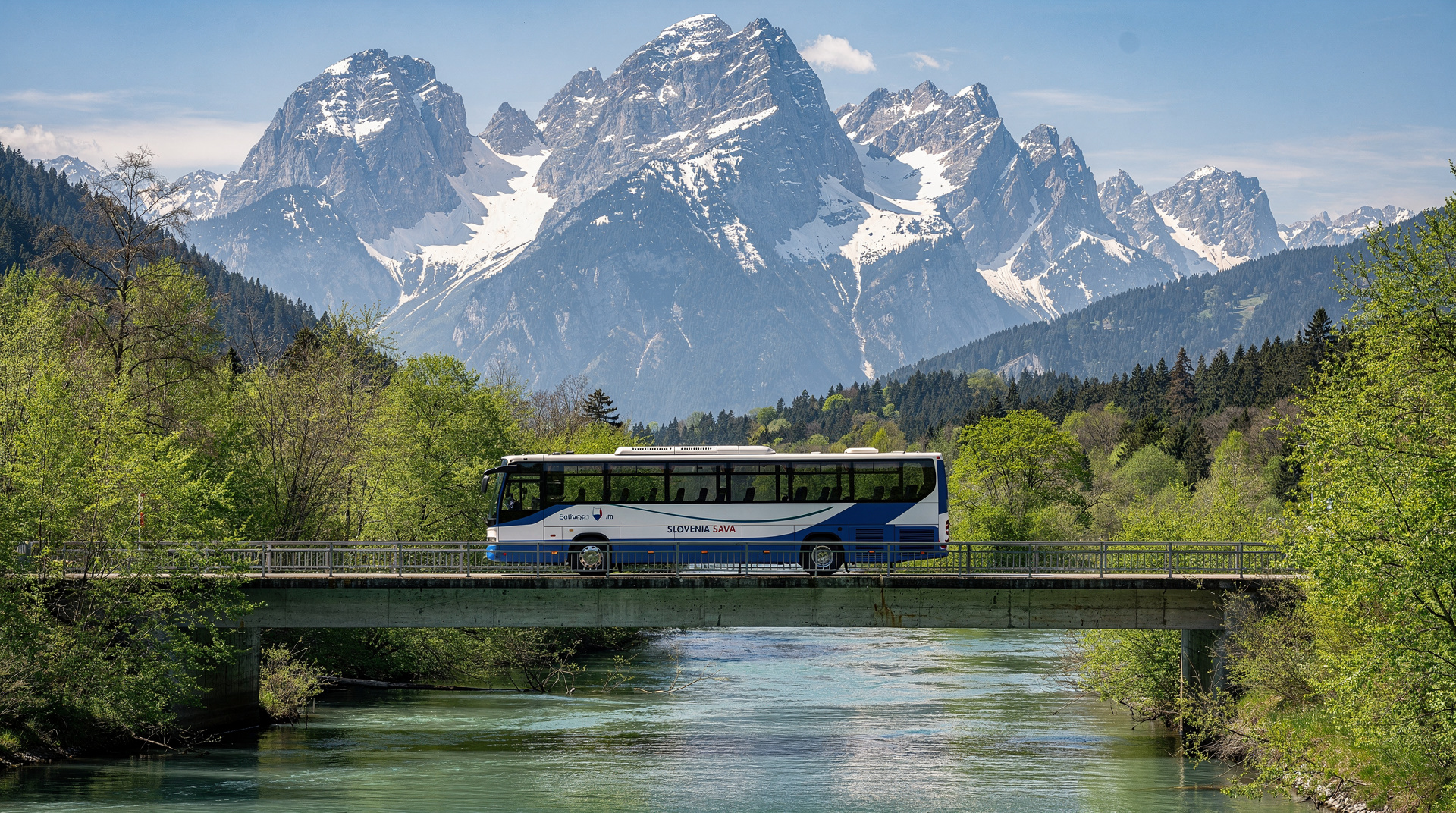
From Bled: regular buses run from Bled bus station, taking about 15 minutes (EUR 1.50). By car, it’s 7 km north on Route 209 — about 10 minutes. The route passes through Podhom, which is also the turn-off for Vintgar Gorge, making the combination obvious.
From Ljubljana: direct buses run from Ljubljana central station, journey time around 1 hour (EUR 5–6). The Radovljica bus stop is at the edge of the new town; it’s a 10-minute walk uphill to the historic centre.
By car from Ljubljana: 60 km via the A2 motorway to the Lesce-Bled junction, then 3 km to Radovljica. The motorway requires the Slovenian e-vignette; see the driving in Slovenia guide.
Parking is available on the main town square (Linhartov trg) — free, and usually spacious since the town sees nothing like Bled’s visitor numbers.
The old town: Linhartov trg
The old town is compact — essentially one main square (Linhartov trg) surrounded by 16th-century burgher houses and the parish church of St Peter. The square has been well-restored but retains its original proportions and atmosphere; on a summer afternoon it’s genuinely pleasant rather than touristy.
The Šivec House (Šivčeva hiša) on the square is the most impressive single building — a painted 16th-century townhouse with an arched loggia, now housing the local art gallery (EUR 3, open Tuesday to Sunday). Worth 20 minutes inside for the frescos in the upper hall.
Anton Tomaž Linhart, one of the founding figures of Slovenian national literature, was born in Radovljica in 1756. The square is named after him; a modest interpretive display in the town hall entrance covers his life if you’re interested in Slovenian cultural history.
The Beekeeping Museum (Čebelarski muzej)
This is the main reason to visit Radovljica, and it’s better than it sounds. Radovljica sits in the heart of the Carniolan bee (Apis mellifera carnica) breeding region — a subspecies developed locally and now exported globally for its docile character and honey production. Beekeeping has been practised here since at least the 18th century, and the painted beehive panels (panjske končnice) that are unique to this tradition became a folk art form.
The museum holds the world’s largest collection of painted beehive panels — over 600 examples showing subjects ranging from religious scenes to satirical illustrations of wives beating their husbands, peasants outsmarting nobles, and devils tormenting the damned. The quality of the painting ranges from rough folk work to surprisingly sophisticated imagery. Allow 45–60 minutes; the audioguide is worth EUR 2.
Entry: approximately EUR 6 for adults, EUR 4 for students, EUR 3 for children. Open Tuesday to Sunday; closed Mondays.
The museum shop sells local honey, beeswax products, and reproductions of the painted panels — among the better craft souvenirs in the region.
Eating in Radovljica
The town has two restaurants worth mentioning:
Lectar is the most celebrated — a 600-year-old inn that still operates and is the origin of the heart-shaped Lectar gingerbread (medenjak) that has become a Slovenian souvenir. The restaurant serves traditional Slovenian dishes with a farm-to-table emphasis; main courses EUR 16–24. The interior, with its painted wooden furniture and low ceilings, is genuine rather than themed. Booking recommended in summer.
Gostilna Avguštin is cheaper and more workaday — a local lunch spot with daily specials, popular with Radovljica residents. Expect EUR 10–14 for a main course with soup. A better choice if you’re on a budget or prefer less tourist-oriented service.
The Sava valley view
From the terrace at the western edge of Linhartov trg, the view across the Sava Dolinka valley toward the Karawanks range on the Austrian border is one of the better unexploited panoramas in the region. Most visitors to the area photograph the Bled view; this one shows a different, broader perspective of the Alps.
In the valley below Radovljica, the Sava Dolinka and Sava Bohinjka rivers meet — visible from the town edge. The confluence is unremarkable from above, but it marks the beginning of the Sava river, which flows from here to Zagreb and ultimately to the Danube.
Combining Radovljica with a Bled day
The natural combination:
Morning: arrive at Vintgar Gorge at opening (08:00) — complete the gorge walk by 10:00.
Midday: drive or bus to Radovljica. Visit the Beekeeping Museum and walk the old town. Lunch at Lectar or Gostilna Avguštin.
Afternoon: bus or drive back to Bled for the lake circuit, pletna boat, or a late swim.
This is a full and well-paced day that covers three distinct experiences — gorge, museum, lake — without the frantic pace of a tour bus itinerary.
If you’re arriving by bus from Ljubljana and want to include Bled in the day, the Bled day trip from Ljubljana combines the key Bled sights with transport from the capital — easily extended by arriving early enough to add Radovljica independently after the guided portion ends.
Honey and local products
Honey from the Radovljica area — particularly the Acacia honey (robinijev med) produced in spring and the forest honey (gozdni med) from the Pokljuka Plateau — has a reputation among honey enthusiasts. The market stalls on Linhartov trg in summer sell directly from local producers, with prices around EUR 10–15 for a 500g jar. Buy here rather than at the airport or Ljubljana tourist shops, where the same honey costs more.
For the broader context of the Julian Alps and what’s accessible from Radovljica, the Slovenia travel guide covers logistics for the full region.
The Radovljica chocolate scene
An unexpected addition to Radovljica’s identity is Čokoladnica Šeruga — a small artisan chocolate workshop on Linhartov trg that has been operating since the late 1990s. The chocolates use local honey, walnut, and hazelnut from the Gorenjska region. A box of mixed chocolates costs EUR 12–18 and makes a significantly better souvenir than the standard Slovenian tourist shop fare. The workshop is also one of the few places outside Ljubljana where you can watch chocolate being made on premises.
Combined with the Beekeeping Museum’s emphasis on the honey tradition, Radovljica has built a modest but coherent identity around local sweet production — an identity that’s genuine rather than constructed for tourism.
The Sava valley and cycling
Radovljica sits on a plateau above the Sava Dolinka valley and the cycling infrastructure along the valley floor is excellent. The Sava Cycling Path (Sava kolesarska pot) follows the river from Radovljica to Kranjska Gora — a 35 km largely off-road route through meadows, riverside woodland, and Alpine villages. This is one of the most scenic cycle routes in Slovenia and is manageable for families with older children (the terrain is mostly flat to gently undulating).
Bike rental is available in both Bled and Radovljica. A one-way cycle from Radovljica to Bled (9 km, mostly downhill) with a return bus is a natural combination.
If you would rather see the river from the water than from the path beside it, a guided kayaking outing on the Sava starting from Bled makes a relaxed alternative to the bike on a warm day.
In the other direction, the Sava Bohinjka path runs from Bled toward Bohinj — 18 km through the Sava Bohinjka gorge, with a particularly scenic stretch through the Sava gorge between Bled and Bohinjska Bistrica. See the Lake Bohinj guide for the Bohinj end of this route.
Eating and accommodation: practical details
Radovljica’s compact scale means the main eating options are within a few minutes’ walk of each other. Beyond Lectar and Gostilna Avguštin (covered above), the town has a handful of cafés serving coffee and cakes:
Kavarna Linhart on the square opens from 07:30 and is the first coffee of the day choice for locals. Good espresso, standard café pastries, and reliable Wi-Fi.
For groceries and picnic supplies, the Spar supermarket 5 minutes’ walk from the square has full provisions including local cheeses and prepared foods.
Accommodation in Radovljica is limited — most visitors stay in Bled (7 km) and visit for a half-day. Gostišče Lectar has a small number of rooms in the historic inn building (EUR 80–110/night) and is the most characterful option in the town. Booking is essential as the inn focuses primarily on the restaurant.
Winter in Radovljica
The town functions year-round and is genuinely pleasant in winter. The Christmas market on Linhartov trg (usually late November to Christmas) is a small, local affair rather than a commercial event — a few stalls with honey products, handmade crafts, and mulled wine. Radovljica hosts the international Festival of Chocolate (Dobrote Kranjske) in November each year — a food festival that draws producers from across the Gorenjska region.
In winter, Vintgar Gorge nearby is closed and Lake Bled has reduced services, but the Radovljica old town, museum, and restaurant remain open and reward a visit in combination with the winter Bled landscape.
The getting around Slovenia guide covers the bus and train logistics for the Radovljica-Bled-Ljubljana triangle in detail, including winter timetables.
The Šivec House frescos: what to look for inside
The Šivec House (Šivčeva hiša) gallery on Linhartov trg houses temporary art exhibitions, but the permanent fixture of interest is the ground-floor Gothic hall. The vaulted ceiling retains fragments of 16th-century painted plasterwork — not complete frescos but enough to show the quality of the original decorative scheme. The hall itself, with its stone vaulting springing from corbels at low height, is one of the better-preserved interior spaces in the region.
The temporary exhibition programme focuses on contemporary Slovenian artists and occasionally regional folk art. Quality varies; check what’s showing if this would be a primary draw. Entry EUR 3; closed Mondays.
The Gorenjska Museum and local history context
The permanent collection at the Gorenjska Museum (housed partly in the Radovljica manor complex, partly in Kranj) covers the broader Upper Carniola region. The Radovljica section focuses on agricultural life, iron crafts, and the beekeeping tradition — overlapping with the Beekeeping Museum but providing more economic and social context for the region’s pre-industrial history.
If you have 3+ hours in Radovljica, the combination of the Beekeeping Museum, the Šivec House, and a brief stop at the Gorenjska Museum rooms covers the town’s main indoor attractions without repetition.
Radovljica’s position in the Gorenjska wine and food circuit
Radovljica sits at the centre of a food production triangle: the Carniolan beekeeping tradition is directly local; the Kranjska klobasa (Carniolan sausage) — a protected designation of origin product — is produced in butchers throughout the surrounding villages; and the forested slopes of the Pokljuka Plateau above the town yield forest honey and wild mushrooms.
The autumn mushroom season (September to October) is particularly significant locally. The markets and restaurants in Radovljica see a temporary surge in foraged mushroom dishes — porcini (jurčki), chanterelles (lisičke), and penny buns feature on every menu. If your visit falls in early October, eating a plate of porcini risotto or pasta at Gostilna Avguštin is a direct expression of the Gorenjska forest economy.
The town’s confectioner, Čokoladnica Šeruga, produces a Lectar gingerbread-flavoured chocolate range that packages the two main local sweet traditions — honey and spiced gingerbread — into a single product. Available at the shop on Linhartov trg, EUR 8–15 per box.
Radovljica from Bled by bike: the detailed route
The cycling route from Bled to Radovljica is straightforward enough to do without a map for most of the way. From Bled bus station, head north on the main road toward Lesce (Route 209). At Lesce (3 km), follow signs for Radovljica centre — you’ll climb a short steep section from the valley floor to the plateau. Total distance Bled to Radovljica old town: approximately 9 km, 45 minutes on a standard bike, 25 minutes on an e-bike.
The return route (if you want to avoid the uphill from Lesce on the return) goes via the Radovljica south road through Brezje (site of Slovenia’s most visited Marian pilgrimage church, Basilica of Mary Help of Christians — plain exterior, ornate interior) and returns to Bled via the western lake road. This loop is approximately 14 km and adds the Brezje church as an unexpected stop.
Bike rental from Bled: several shops near the bus station rent standard and e-bikes from EUR 12–15/hour or EUR 30–45/day. Confirm the rental shop knows the Radovljica route, as the Lesce hill requires a gear range available on standard hybrids.
For a fuller picture of the Julian Alps cycling network and where Radovljica fits within the broader regional routes, the where to stay in Slovenia guide covers bases and logistics that work for cycling-focused itineraries.
Kropa: the ironworking village 6 km away
Six kilometres east of Radovljica, the small village of Kropa was one of the most important iron-forging centres in the Habsburg lands from the Middle Ages until the early 20th century, producing hand-forged nails that were exported across Central Europe. The village itself is the attraction: a narrow ravine lined with blackened forge buildings, workers’ cottages stacked along the hillside, and the Iron Forging Museum (Kovaški muzej), which occupies a former forge and explains the nail-making process with original tools and equipment. Entry is a few euros; allow 45 minutes.
Kropa has no restaurant of note and sees very few visitors outside the museum’s opening hours, which makes it feel closer to a preserved industrial hamlet than a tourist stop. It combines naturally with Radovljica as a short detour on the way back toward Bled, and it is one of the more distinctive “hidden village” stops in the Julian Alps foothills — the kind of place covered in our hidden villages of Slovenia roundup.
Which Radovljica add-on suits your day
| Add-on | Time needed | Best for | Skip if |
|---|---|---|---|
| Beekeeping Museum + old town | 2–2.5 hours | First-time visitors, families | You dislike museums |
| Kropa ironworking village | +1 hour detour | History buffs with a car | You’re relying on buses only |
| Sava Cycling Path to Kranjska Gora | Half day+ | Cyclists, active travellers | Short on time or no bike |
| Brezje pilgrimage church loop | +30 min by bike | Cyclists wanting a detour | Not interested in churches |
Where Radovljica fits in a wider Gorenjska trip
Radovljica works best as a connecting piece rather than a headline. Travellers who base themselves at the lake can read the complete Lake Bled guide first, then decide how much of the day to hand over to the quieter town. If Bled’s crowds are what you want to avoid, avoiding crowds at Bled and the Bled versus Bohinj comparison help you choose where to spend the busiest hours, with Radovljica as the calm counterweight.
For a longer stay in the Alps, the Julian Alps 7-day itinerary and the Ljubljana and Bled 3-day itinerary both leave room for an unhurried afternoon of this kind. Visitors travelling without a car will find the Slovenia 5 days no car itinerary and the public transport guide useful for stitching the bus legs together.
Food-minded readers can pair the town’s honey and gingerbread with the traditional gostilna dining guide, the potica and desserts guide and the beekeeping in Slovenia guide, which gives more background on the tradition the museum documents. Those who prefer to stay on foot or pedals will find more ideas in the Julian Alps hiking guide and the mountain biking guide.
Seasonality matters here as much as anywhere in the country; the best time to visit Slovenia page explains how shoulder months change what is open, and the Triglav National Park page covers the mountain scenery that frames the valley views from the old town terrace.
Honest verdict
Frequently asked questions about Radovljica
Is Radovljica worth visiting if I only have one day around Bled?
Only as a half-day add-on, not instead of Bled itself. If you have a single day, prioritise the Bled lake circuit and Vintgar Gorge first; Radovljica fits naturally into an afternoon once those are done, since it’s a short bus ride or drive away.
How long should I budget for the Beekeeping Museum?
Allow 45–60 minutes for the museum itself, plus 20 minutes for the Šivec House gallery next door if you’re interested in the frescoed hall. Combined with a walk around Linhartov trg and lunch, a full Radovljica visit runs 2.5–3 hours.
Can I visit Radovljica without a car?
Yes — regular buses connect Bled and Ljubljana to Radovljica, and the old town itself is entirely walkable from the bus stop (about 10 minutes uphill). Kropa and the Sava Cycling Path are harder without a car or rented bike, since local bus frequency to Kropa is limited.
Top experiences
Bookable activities with verified prices and instant confirmation on GetYourGuide.