Triglav National Park: Slovenia's alpine heartland
Covers 4% of Slovenia and holds its highest peak, wildest rivers, and best hiking. Entry points, trail grades, and honest seasonal advice.
From Bled: full-day Triglav National Park tour
Quick facts
- Best time to visit
- Jul–Sep for high trails; Jun for flowers
- Days needed
- 3–7 days (or day trips from Bled)
- Getting there
- Via Bled, Bohinj, Kranjska Gora, or Trenta
- Budget per day
- EUR 50 to 120
Slovenia’s mountains, without the marketing filter
Triglav National Park (Triglavski narodni park) is the only national park in Slovenia and, with 880 km², one of the larger alpine parks in Europe. It encompasses the entire Slovenian portion of the Julian Alps — from the Soča valley in the west to the Bohinj basin in the south, from Kranjska Gora in the north to the Trenta valley in the interior.
| Where | Julian Alps, northwest Slovenia |
| Cost | No entry fee; EUR 50–120/day incl. huts and food |
| Time needed | 3–7 days, or day trips from Bled |
| Getting there | Via Bled, Bohinj, Kranjska Gora, or Trenta |
| Best time | July–September for high trails; June for flowers |
At the centre, literally and symbolically, is Triglav — Slovenia’s highest peak at 2,864 m. The mountain appears on the Slovenian coat of arms and flag. Reaching the summit is a national rite of passage; many Slovenians feel obliged to climb it at least once, and the trails to the top are busy in summer despite being technically demanding.
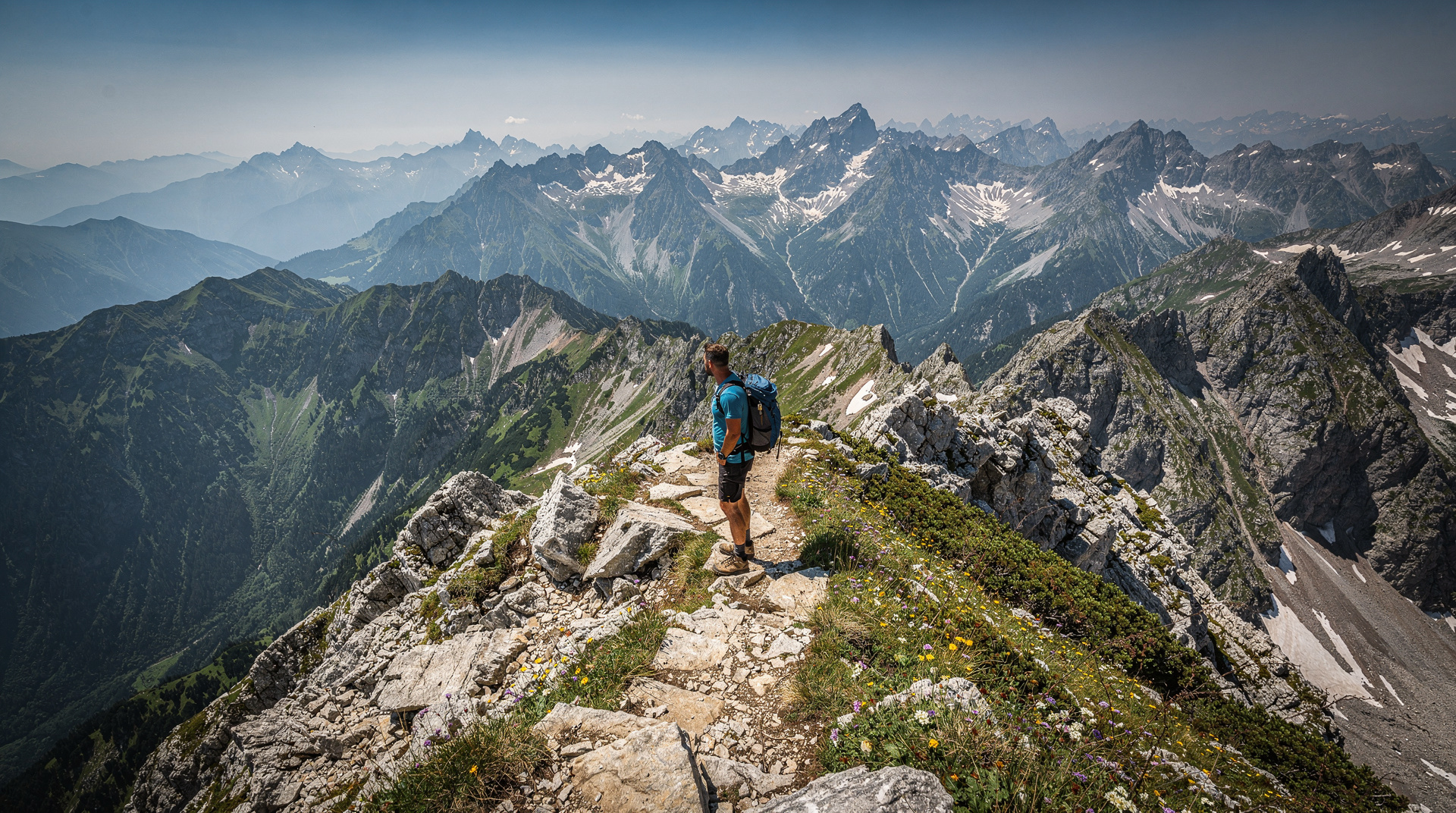
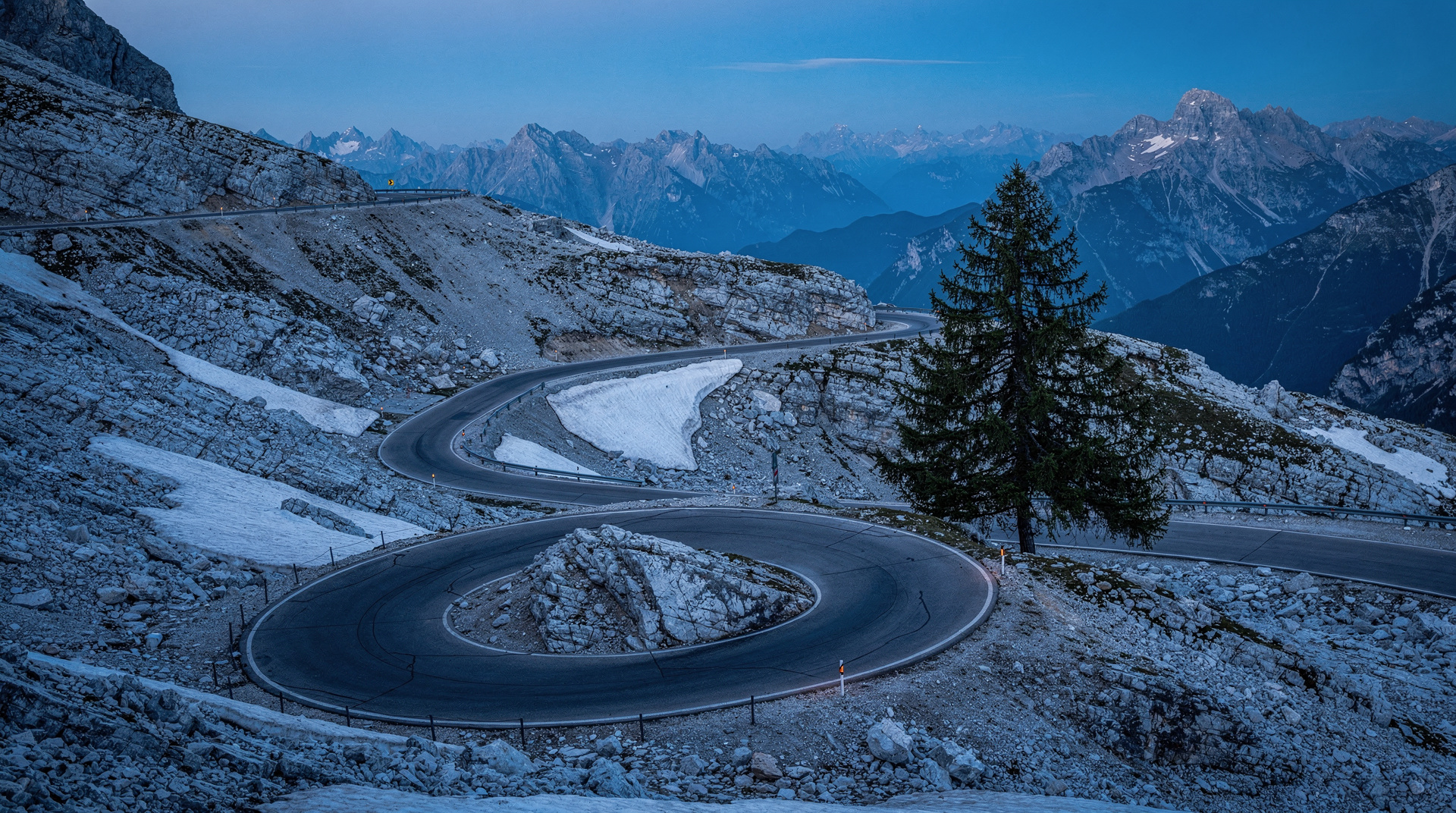
You don’t need to summit Triglav to have a profound experience in the park. The valley walks, the Seven Triglav Lakes circuit, the Vršič Pass road, and the Soča river gorges are all extraordinary without requiring mountaineering ability.
Entry points and bases
The park has no entrance fee and no formal entry gates — it’s a protected landscape you move through rather than a ticketed attraction. However, camping outside designated areas is prohibited, trail etiquette matters, and mountain huts require advance booking in July and August.
The main bases for visiting the park:
Bled: the most touristic and convenient base. Well connected by bus from Ljubljana, abundant accommodation, good day-trip options into the park. The full-day Triglav National Park tour from Bled is a practical introduction that covers the park’s highlights with transport included — particularly useful for first-time visitors who want to understand the geography before hiking independently.
Bohinj: less touristic, set within the park boundary, ideal for multi-day hikers. The southern entry to the Seven Triglav Lakes Valley starts here. See the Lake Bohinj guide for accommodation and logistics.
Kranjska Gora: northern gateway, good base for the Vršič Pass and Tamar valley. Ski resort in winter. See the Kranjska Gora guide.
Trenta/Soča valley: the wild interior, accessible only by car or via the Vršič Pass road. Tiny settlements; the most remote hiking. The Julian Alps and Trenta day trip from Bled covers this valley from the Bled side — worth doing if you don’t have your own transport.
Triglav summit: the honest assessment
The summit route from the south (via Dom Planika and the Tominšek path) is grade UIAA I/II — scrambling with fixed cables in the steeper sections. It is not a casual hike. Proper mountain boots, a helmet, and via ferrata gear (harness and carabiners) are strongly recommended for the technical sections above 2,500 m. In late summer the upper routes are exposed rock; in July they may carry residual snow.
Realistic timeline: most people do it as a 2-day trip with an overnight in a mountain hut at around 2,300–2,400 m. The 1-day attempt is possible for very fit and experienced mountain walkers but involves 1,700 m of ascent and descent in a single day — exhausting.
The 2-day Triglav summit guided climb is the right option for those who want the summit without route-finding uncertainty — the guide handles navigation, hut booking, and technical coaching on the cables. Do not attempt the summit without experience if you haven’t done alpine via ferrata routes before.
Who shouldn’t attempt the summit: anyone without alpine hiking experience, those with a fear of heights (the final 300 m involves exposed ridge walking), and children under 12. There are magnificent half-day hikes in the park that provide better value and enjoyment for non-mountaineers.
Best day hikes in the park
The park’s trail network offers options from easy valley walks to demanding ridge traverses. These are the most rewarding options by effort level:
Easy (2–4 hours): The Pokljuka Plateau loop from the Rudno Polje parking area crosses high alpine meadows with panoramic views. The trail to Peričnik Waterfall in the Vrata valley (impressive double-drop cascade) is 1.5 km each way from the car park. Both are family-appropriate.
Moderate (4–6 hours): The Tamar valley circuit from Kranjska Gora follows the Nadiža stream through karst terrain to the Tamar mountain hut (Triglavski dom na Tamarju) — a good lunch stop — and returns via the Vrata valley overlook. Superb views of the Jalovec peak (2,645 m) and the Prisank ridge.
Demanding (6–8 hours or multi-day): The Seven Triglav Lakes Valley from Bohinj is covered in the Lake Bohinj guide. The Soča Trail (Soška pot) follows the river’s source near the Vršič Pass for 25 km to Bovec — doable in 2–3 days.
The Soča river and Trenta valley
The Soča river originates as a spring in the Trenta valley, deep within the park. For the first 30 km before Bovec it runs through a narrow limestone gorge — the colour (an impossible emerald-green from glacial minerals) is one of the most photographed river sights in Slovenia.
The Great Soča Gorge (Velika korita Soče) near Bovec is accessible by a short walk from a car park on the main road; a 2 km path follows the gorge edge. Entry is free and it takes about 45 minutes. The turquoise water in the gorge below is consistently stunning.
Fly fishing on the Soča is regulated and productive — marble trout (soška postrv), endemic to this watershed, are the target species. Day permits are available from the local fishing association in Bovec. The Soča also hosts commercial white-water rafting from Bovec; see the Soča valley rafting guide for operators and pricing.
Mountain huts (planinske koče)
The hut system is the backbone of alpine hiking in the park. Huts range from unmanned bivouac shelters to staffed mountain inns serving hot food and beer. In July and August, popular huts (Dom na Vršiču, Koča pri Triglavskih jezerih, Dom Planika) fill quickly — book 2–4 weeks ahead via the Alpine Association of Slovenia (PZS) website.
Hut stays cost approximately EUR 25–35/person per night in a shared dormitory; meals are additional EUR 8–15 depending on the hut. Most huts accept cash only.
Wildlife and nature in the park
The park protects chamois, Alpine ibex (reintroduced), red deer, brown bear (in the forest fringes), and lynx (rarely seen). Ibex are reliably spotted on rocky ridges above 1,800 m — the Pokljuka and Triglav ridge areas are the best zones. Golden eagles and bearded vultures (reintroduced in the Italian Alps and now expanding) are present.
The park is closed to mountain bikes on most trails. Dogs must be kept on a lead in protected zones.
Seasonal access summary
July–September: all huts open, all trails accessible, best weather windows. Highest crowds on summit routes and at valley trailheads.
June: excellent for flowers and lower-elevation hikes; high trails may carry residual snow. Most huts open from mid-June.
October: beautiful autumn colours, quiet. Some huts close mid-October; check before planning a multi-day route. Higher routes may have early snow from mid-October.
November–May: most mountain huts closed; Vršič Pass road closed approximately November to May (snow). Lower valley walks remain accessible year-round. Kranjska Gora ski area open December to March.
Getting around the park without a car
A car gives the most flexibility in the park, but the main entry points are reachable by public transport. Buses from Ljubljana connect to Bled, Bohinj, and Kranjska Gora. The Vršič Pass road and Trenta valley have no regular bus service — these require a car or a guided tour.
For those based in Ljubljana wanting a full guided day in the park, the private Triglav day tour from Ljubljana covers the park’s highlights in a single well-organised day without requiring car rental. See the getting around Slovenia guide for public transport logistics.
Honest verdict
Frequently asked questions about Triglav National Park
Do I need a permit to enter Triglav National Park?
No entry permit or fee is required. The park is a protected landscape accessible without payment. Camping outside designated areas is prohibited and carries fines; stick to official campsites and mountain huts.
How hard is it to climb Triglav?
Harder than most trekking peaks but accessible to fit hikers with alpine experience. The technical crux is the fixed-cable section below the summit — grade UIAA I/II, which requires basic scrambling ability and confidence at exposed heights. Plan 2 days, book huts in advance, and go with a guide or experienced partner if it’s your first alpine climb.
What is the best time of year to visit Triglav National Park?
July to September for the mountains. June for wildflowers and quieter conditions on lower trails. October for autumn colour and solitude at valley level. Winter is for skiing at Kranjska Gora and Vogel; most mountain routes are closed by snow.
Can I visit the park from Bled as a day trip?
Yes — the park boundary is close to Bled and the main valley trailheads are accessible by car or guided transport. A full-day guided tour covers the key sites including the Vrata valley, a valley walk, and the Triglav panoramic viewpoints. For independent hikers with a car, drive to the Aljažev dom hut in the Vrata valley and hike up the Luknja path for excellent views without the summit commitment.
Are there facilities in the park for families with young children?
Yes. The Pokljuka Plateau, the Tamar valley, and the Peričnik Waterfall trail are all family-suitable. The Bohinj lakeside and the Savica Waterfall walk (25 minutes each way) are excellent for children. The mountain hut culture is welcoming to families. Avoid summit routes and long ridge walks with young children.
The Triglav name and Slovenia’s national identity
Triglav means “three-headed” in Slovenian — referring to the three peaks visible in the mountain’s silhouette from the north. The mountain has been the central symbol of Slovenian national identity since the 19th-century Romantic nationalism of Valentin Vodnik and the painter Marko Pernhart, who popularised the Triglav image as the defining visual of a distinct Slovenian homeland.
The three peaks appear on the Slovenian coat of arms, the flag, and virtually every piece of national symbolism. The tradition of every Slovenian climbing Triglav at least once is well-established (even if increasingly observed in the breach). For visitors, this symbolic weight gives the park a cultural dimension beyond the natural beauty — you’re walking through a national myth, not just a mountain range.
The Soča river from source to sea: the full picture
The Soča river’s journey is worth understanding from its Triglav National Park origins. It rises at Izvir Soče (the Soča Spring) in the Trenta valley — an emerald pool at 869 m altitude, 200 m from a parking area on the Trenta-Bovec road. From there it flows 138 km through the Julian Alps and across the Friulian plain to the Adriatic near Gorizia/Nova Gorica, crossing from Slovenia into Italy at Gorizia.
The Slovenian section from source to the Italian border is the most spectacular — and the section from Trenta to Bovec is the most concentrated in beauty. This 30 km stretch runs through a series of gorges, emerald pools, and broad braided sections where the turquoise water contrasts with limestone boulders.
The river is protected within the national park for most of its Slovenian course. Fishing is strictly regulated; commercial rafting and kayaking are confined to specific sections to protect the ecology. The water quality monitoring station above Bovec consistently records among the cleanest large river readings in Central Europe.
For visitors approaching from the west (from Nova Gorica or the Italian border), the Soča valley is the entry point to the park rather than an exit — the Bovec guides and the Soča valley section of the Triglav National Park itinerary options cover this approach in detail.
Sustainable tourism and the park’s pressures
Triglav National Park received approximately 3 million visitor days in recent years — a significant and growing figure for an 880 km² protected area. The pressure points are predictable: summit routes to Triglav, the Seven Lakes Valley, the Vintgar Gorge (technically on the park boundary), and the main car parks in the Vrata and Tamar valleys.
The park authority has implemented visitor management measures: parking reservations required at some trailheads in summer, a voluntary pass-entry system for the Triglav summit in peak weeks, and trail capacity guidelines. These measures are evolving; check the national park website for current conditions before peak-season visits.
The practical implication for visitors: go early (before 08:00 at busy trailheads), go on weekdays, and consider the less-visited areas (the southern Soča valley tributaries, the Bohinj north shore trails, the Pokljuka Plateau biathlon circuit) which offer comparable scenery at a fraction of the crowd density.
The Slovenia travel guide covers the broad framework of responsible tourism in protected areas, including the Triglav National Park rules on camping, fires, and off-trail movement.
A note on guides and independent hiking
The park’s trail network is well-marked and maps are available from tourist information offices, outdoor shops in Bled, Bohinj, and Kranjska Gora, and the national park centre. For experienced alpine hikers, independent travel is entirely practical with 1:25,000 scale maps and appropriate equipment.
For those without alpine hiking experience, the value of a guide is primarily safety (route-finding in poor visibility, weather assessment, equipment checks) and information (species identification, history, hut etiquette). The guides working out of Bled and Bohinj are typically licenced mountain guides with significant local knowledge.
The private Triglav National Park day tour from Ljubljana is the most flexibility option for those without a car who want a curated introduction to the park’s landscape, history, and ecology in a single day. It covers the Vrata valley, the Triglav north face viewpoint, and the Bohinj basin depending on the day’s weather conditions.
Choosing your base: Bled vs Bohinj vs Kranjska Gora vs Trenta
| Base | Character | Best for | Trade-off |
|---|---|---|---|
| Bled | Touristic, convenient | First-time visitors, day trips | Furthest from the high trailheads |
| Lake Bohinj | Inside the park, quieter | Multi-day hikers, Seven Lakes access | Less nightlife, fewer restaurants |
| Kranjska Gora | Northern gateway | Vršič Pass, Tamar valley, skiing | Furthest from Bohinj’s southern trails |
| Trenta/Soča valley | Wild, remote | Independent hikers with a car | Minimal services, no rail access |
For a first visit built around day trips, Bled remains the practical choice. For a dedicated multi-day hiking trip, basing in Bohinj cuts significant travel time to the Seven Lakes trailhead compared with commuting from Bled each day.
Comparing effort levels: what to expect
| Route type | Time | Fitness needed | Example |
|---|---|---|---|
| Easy valley walk | 2–4 hours | Any reasonably fit visitor | Pokljuka Plateau loop, Peričnik Waterfall |
| Moderate day hike | 4–6 hours | Regular hiking fitness | Tamar valley circuit |
| Demanding day hike | 6–8 hours | Strong hiking fitness, some scrambling | Seven Triglav Lakes Valley |
| Multi-day alpine route | 2+ days | Alpine hiking experience, via ferrata comfort | Triglav summit via Dom Planika |
This range is the park’s real strength: a family with children and a serious alpinist can both have a genuinely rewarding day here, provided each picks the right trail rather than defaulting to whatever looks most famous in photos.
Packing for the park: what actually matters
Weather in the high Julian Alps changes faster than lowland forecasts suggest, even in July and August — afternoon thunderstorms are common on the higher ridges, and temperatures can swing 15°C between a sunny valley morning and a cloud-wrapped summit by early afternoon. Layering matters more than any single piece of gear: a waterproof shell, an insulating mid-layer, and sturdy boots with ankle support cover most day-hike scenarios. For anything above the valley-floor walks, a paper map or offline GPS track is worth carrying alongside the marked trail signs, since mobile signal disappears in many of the deeper valleys and gorges.
For hut stays, bring cash (most huts accept cash only), a lightweight sleeping bag liner (bedding is provided but a liner is more hygienic and often expected), and earplugs — dormitories can be busy and thin-walled in peak season. If you’re attempting any of the cabled sections toward the Triglav summit, a via ferrata set (harness, lanyard, carabiners) and a helmet are non-negotiable; rental is available in Bled, Bohinj and Kranjska Gora for those without their own kit.
Top experiences
Bookable activities with verified prices and instant confirmation on GetYourGuide.