Piran: Slovenia's most beautiful medieval town
Perfectly preserved Venetian town on the Adriatic. EUR prices, what to skip, and when to beat the summer crowds.
Piran: private walking tour with a local
Quick facts
- Best time to visit
- May–June or September–October
- Days needed
- 1–2 days
- Getting there
- Car from Ljubljana (1h 45min) or bus (2h)
- Budget per day
- EUR 70 to 150
The most Venetian town outside Venice
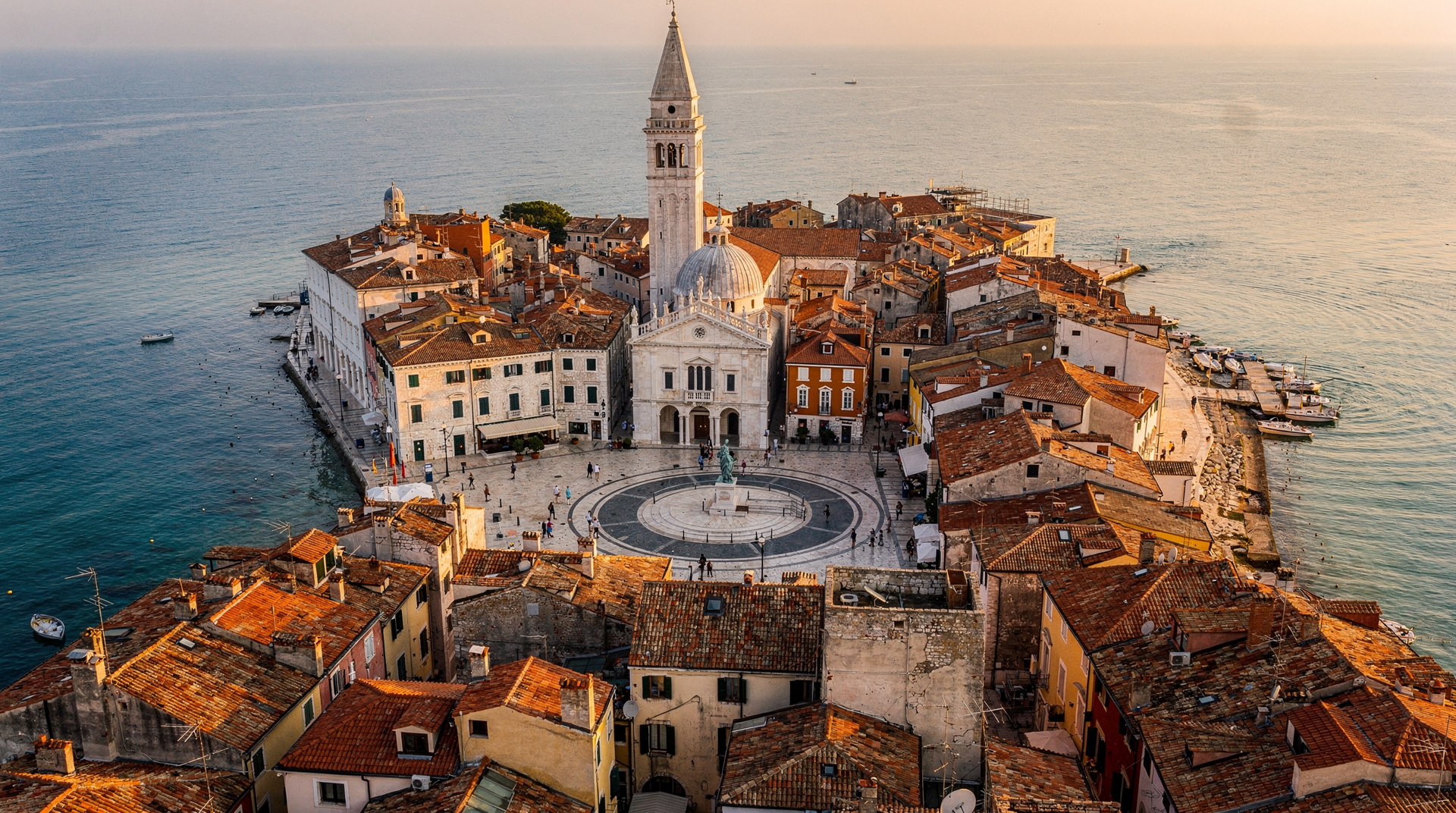
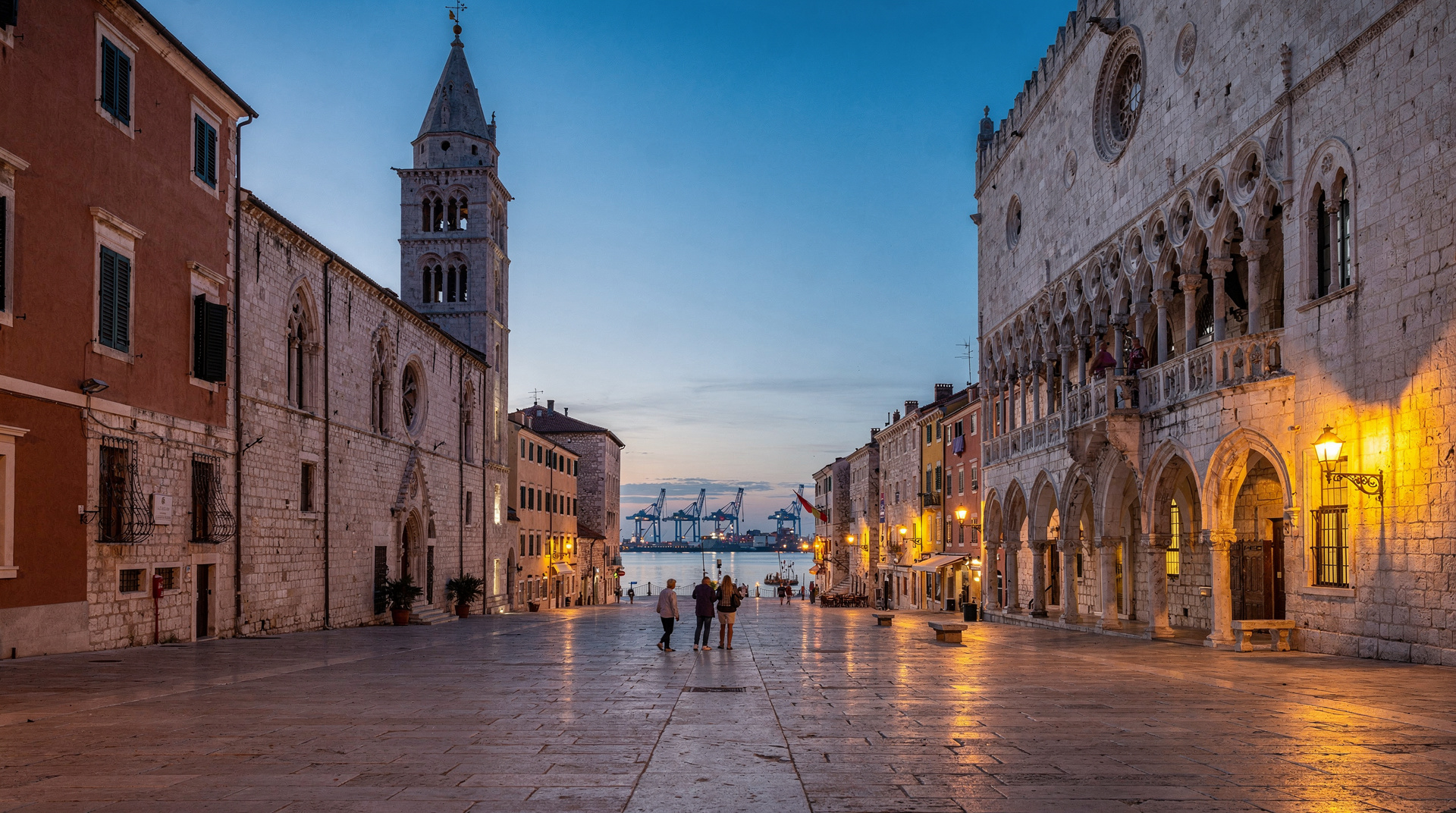
Piran occupies the tip of a narrow peninsula on Slovenia’s 46km Adriatic coastline, and nearly everything about it suggests you have taken a wrong turn and ended up somewhere in the Venetian Lagoon. The architecture is Venetian Gothic and Renaissance — the same carved stone facades, the same loggias and campaniles, the same compact palaces squeezed between narrow alleyways that run at angles governed by the medieval town plan. Piran was Venetian territory for five centuries and the place has not forgotten it.
| Where | Tip of the Piran peninsula, Slovenian Adriatic coast |
| Cost | around EUR 70–150/day |
| Time needed | 1–2 days |
| Getting there | Car (1h45 from Ljubljana) or direct bus (2h) |
| Best time | May–June or September–October |
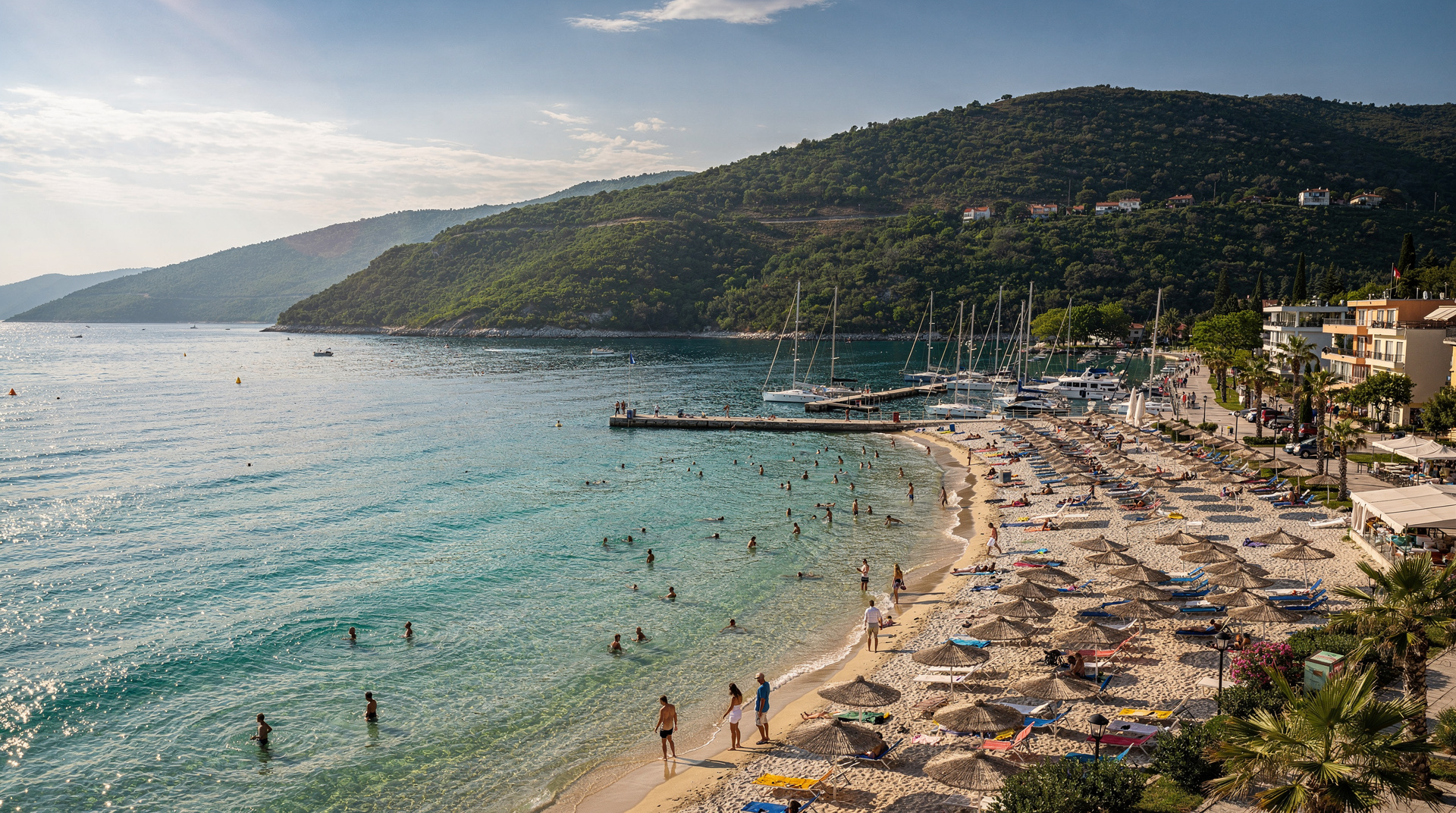
Slovenia’s entire Adriatic coast is only 46km long — a fact that consistently surprises visitors — and Piran is its historical and aesthetic apex. Portorož (3km) is the beach resort neighbour: all hotels and wellness centres and promenades. Koper (25km) is the industrial port city that happens to have an exceptional medieval centre. Piran is the one that people remember.
What it is not: Piran is not an undiscovered gem. In July and August it receives more tourists per square metre than almost anywhere else in Slovenia, hotel prices double, and the restaurants on Tartini Square execute a premium pricing strategy that has long since parted ways with the quality of the food. The crowds are real and the offseason is genuinely better.
Tartini Square and the old town
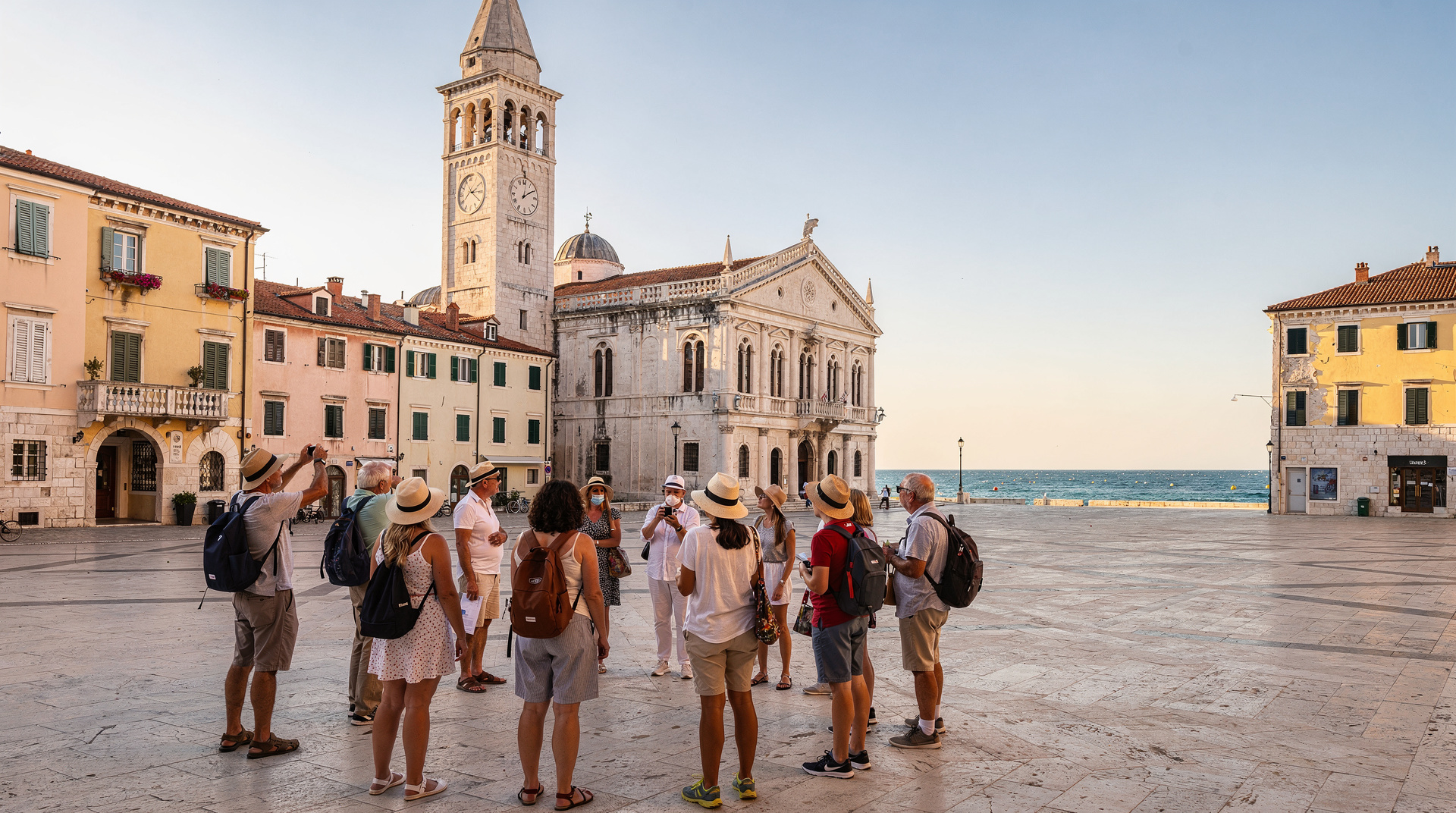
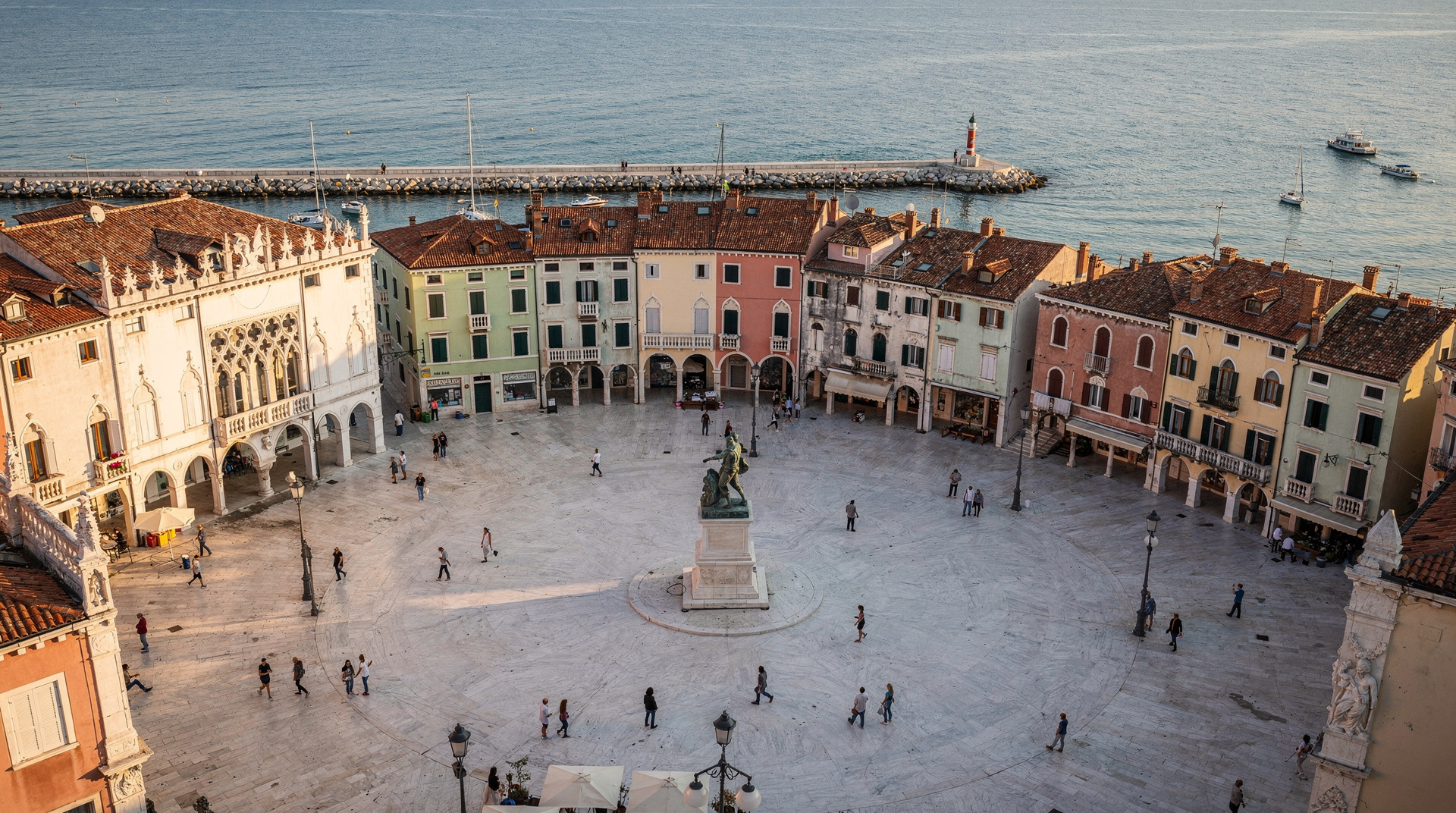
Tartini Square (Tartinijev trg) is the theatrical centre of Piran — an elliptical piazza facing the harbour, surrounded by Venetian-style buildings, with a bronze statue of the violinist Giuseppe Tartini in the middle. Tartini (1692–1770) was born in Piran and became one of the virtuoso composers of the Baroque period; the square named after him is the logical organizing principle around which the town’s life revolves.
The buildings around the square vary in quality — some are genuinely beautiful, others are Venetian-lite 19th-century, and several of the ground floors have been converted into restaurants with aggressive hawking tactics. The Tartini Museum (Tartinijev trg 12, EUR 2, small but informative) is housed in the building where he was born and gives context for anyone with a musical interest.
The town hall on the north side of the square has an attractive Gothic loggia. The Venetian House on the southeast corner (recognizable by the Gothic rose window and the balcony with carved relief) is the best single architectural piece on the square and one of the best Gothic buildings on the entire Slovenian coast.
Private walking tour of Piran’s old town with a local guideThe walls and the view
The medieval town walls extend from the old town up the hill to the north, where a clock tower and several sections of the original fortifications survive. The climb is 15–20 minutes from the town centre on a steep but manageable path. From the top, the view encompasses the entire peninsula, the Adriatic, and on clear days the Italian coast to the west and the Croatian islands to the south.
This view is free, easily accessible, and one of the best urban panoramas in Slovenia. It is consistently recommended by locals over the paid viewpoints and is criminally underused by day-trippers who stick to the harbour level.
What to eat — and the tourist trap to avoid
Piran’s seafood is genuinely excellent when you eat in the right places. The Adriatic here produces excellent turbot (brancin), sea bass (orada), and octopus (hobotnica). The local Sečovlje salt (harvested from the saltpans 5km south of Piran) is used in better restaurants as a finishing condiment and has a subtlety worth seeking out.
The honest warning: restaurants on Tartini Square and the waterfront promenade charge EUR 20–30 for fish dishes that are not significantly better than what you will find at smaller places two streets back. Restaurant Neptun (Župančičeva 7, mains EUR 16–22) and Gostilna Ivo (Gregorčičeva 34, mains EUR 14–20) are the locals’ choices — off the main drag, with better fish and markedly better service.
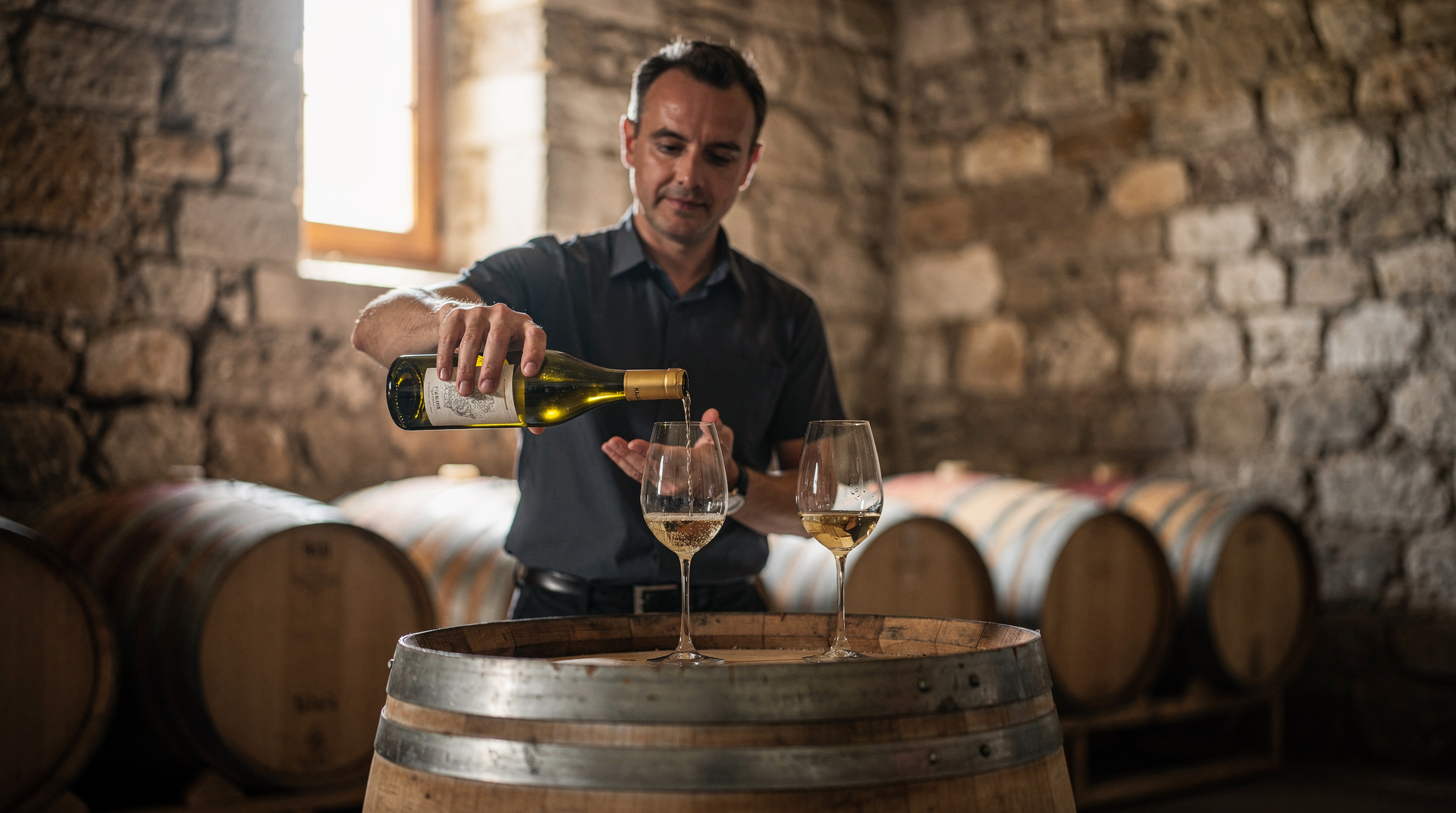
Wine and food walking tour of PiranFor coffee and pastries, the terrace bars on the harbour below Tartini Square are reasonably priced (EUR 2.50–3.50 for an espresso) and have good morning light. The tourist cafés on the square itself charge EUR 4–5.
Accommodation in Piran
Piran has a limited accommodation stock relative to its visitor numbers — the old town peninsula is only about 6 hectares — which makes pricing higher than in Portorož and means booking well ahead for July–August is essential.
The best-positioned accommodation is in the old town itself, where small boutique hotels and converted medieval buildings offer something you cannot get in Portorož: waking up to a narrow alley or harbour view, with the town quiet before the day-trippers arrive at 10:00. Hotel Piran (EUR 130–180 double, sea view rooms EUR 160–220) is the landmark choice, directly on the harbour; its restaurant and terrace are worth reserving separately for dinner even if you are staying elsewhere.
Piran Apartments, bookable through major platforms, range from EUR 100–180 for two in July–August and EUR 65–120 in May and September. Self-catering gives more flexibility and lets you use the town’s morning market (Thursday and Saturday, near the bus station, EUR 2–4 for fish, vegetables, and local honey).
Budget accommodation in Piran proper is sparse. The nearest youth hostel is in Portorož (3km, EUR 25–35 dorm). Several guesthouses in the residential streets behind Tartini Square offer rooms from EUR 70–90 without breakfast.
Honest tourist trap notes
Beyond the restaurant situation already noted, a few Piran-specific traps are worth flagging:
The boat trip from the harbour: Short tours depart regularly from the promenade. These are pleasant but not particularly informative (commentary is thin) and not worth EUR 15–20 for a 45-minute harbour loop. The boat trips between Portorož and Piran (15min, EUR 8) are better value.
The lighthouse entry: The lighthouse at the western tip of the peninsula charges EUR 5–8 to enter and climb. The view is good but not dramatically better than the free town walls viewpoint. A payable-for view when a free equivalent exists nearby is a trap by definition.
Peak-season restaurant hawkers: Staff outside restaurants on and near Tartini Square in July–August actively approach passing pedestrians with laminated menus. This is not inherently problematic but is correlated with restaurants that rely on footfall rather than quality. Walk past, find a table two streets back, and eat better for less.
The saltpans and cycling
The Sečovlje Saltpans (Sečovljske soline) lie 5km south of Piran on the border with Croatia — a UNESCO biosphere reserve covering 750 hectares of working saltpans that have operated since the 13th century. Traditional salt harvesting methods are still used in the northern section; the southern section is a bird reserve (200+ species). The museum at Fontanigge, within the saltpans, is housed in original saltpan workers’ cottages.
Entry to the saltpans: EUR 8–10 adults depending on section; check seasonal hours as parts close October–April. The walk from the museum through the working saltpans takes about 2 hours; bring sun protection — there is no shade. The cycling route from Piran to the saltpans and back (16km return, mostly flat) is one of the best easy coastal rides in Slovenia.
The fishing harbour and local life
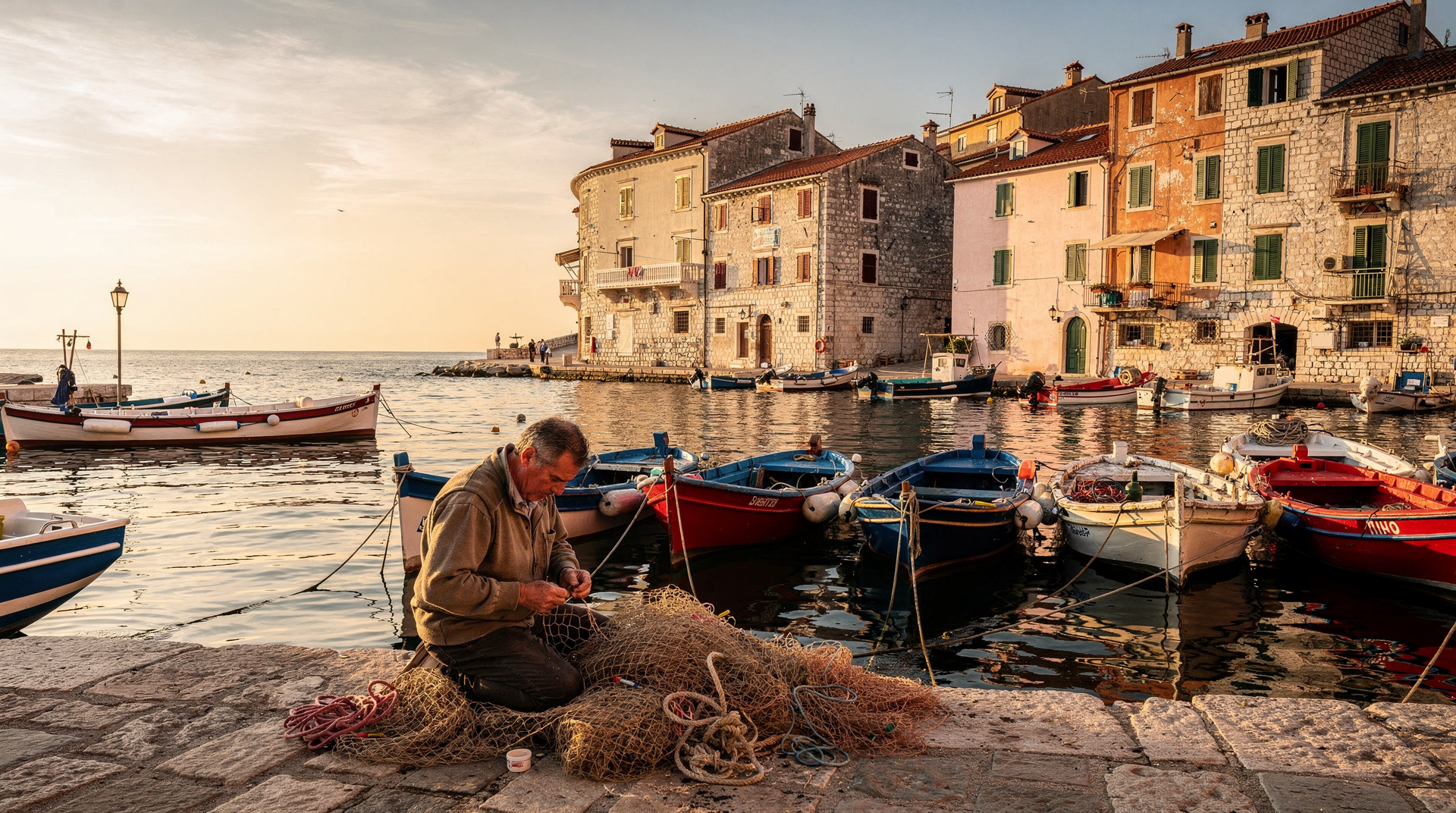
Beyond the tourist-facing square, Piran’s fishing harbour on the northern side of the peninsula still functions as a working port, with a handful of boats bringing in the day’s catch each morning. Early risers who walk the harbour before 08:00 see a version of the town that has little to do with the postcard image: fishermen unloading crates, gulls circling, cats waiting patiently by the boats. The Thursday and Saturday morning market near the bus station sells directly from these boats alongside local produce — a better source for fresh fish than any restaurant, if your accommodation has a kitchen.
The Maritime Museum (Pomorski muzej, Cankarjevo nabrežje 3, entry around EUR 5) occupies a Venetian palace on the harbour and covers Piran’s seafaring and salt-trading history in more depth than the average visitor expects to find interesting — model ships, navigational instruments, and the story of the salt trade that underwrote the town’s wealth for centuries. Worth 45 minutes if the weather turns or you want a break from walking.
The Venetian history
Piran was under Venetian rule from 1283 to 1797 — 514 years, longer than most European cities. The Venetian Republic administered it from the Praetorian Palace in Koper and left behind the architectural vocabulary that defines the old town: Gothic pointed arches, Byzantine-influenced relief carving, the same building materials and proportions found in Venice itself. The quarried limestone came from across the Adriatic; several of Piran’s medieval buildings contain stone from the same quarries used for Venetian churches of the same period.
The Venetian lion of Saint Mark — the republic’s symbol — appears on building facades throughout Piran’s old town, sometimes worn almost flat by six centuries of salt air. The most intact examples are on the Venetian House on Tartini Square and above the old town gate on the landward side of the peninsula. Local historians have catalogued over 40 remaining examples.
After 1797, when Napoleon dissolved the Venetian Republic, Piran passed through French, Austrian, Italian, Yugoslav, and finally Slovenian rule in less than two centuries — a compressed history of imperial dissolution that explains why the cultural identity here is layered in ways that complicate simple national narratives. The name Piran is Venetian; the residents also call it Pirano in Italian; the surrounding territory is called Slovenian Istria.
Getting to Piran
By car: Ljubljana to Piran is 125km, about 1h 45min via the A1 and coastal road. Parking in Piran itself is heavily restricted — the town is effectively car-free. Use the signed paid car parks at the edge of town (EUR 6–8 per day) and walk in. Do not attempt to drive into the old town; the access points are controlled and fines are substantial.
By bus: Regular direct buses from Ljubljana (EUR 12–15, 2h). The bus terminates at the Piran bus station just outside the old town centre — a 5-minute walk to Tartini Square.
From Portorož: Piran and Portorož are 3km apart and connected by a frequent local bus (EUR 1.20) or a pleasant 30-minute flat walk along the waterfront.
From Trieste (Italy): 50km (1h by car). Several operators run day-boat connections in summer.
Seasonal guide
May–June: Perfect. Warm enough to swim (18–20°C sea), everything open, no summer crowds. Hotels at half the August price.
July–August: Peak. Every room booked, every restaurant at capacity, Tartini Square heaving. Still enjoyable if you stay longer than a day trip and explore early morning when the groups haven’t arrived. Avoid arriving on a weekend without a reservation.
September–October: Excellent. Water still warm (20–22°C in September), crowds thinning, prices falling. October sees fewer services open but is arguably the best month for photography — warm evening light, dramatic skies.
November–March: Quiet, some restaurants closed (particularly the smaller family places), but the coastal light on winter mornings is extraordinary and the town is entirely yours. Accommodation prices are at their lowest.
For coastal planning, see our Slovenian coast guide, the Portorož guide, and the Piran travel guide.
Piran versus the rest of the coast
| Piran | Portorož | Koper | |
|---|---|---|---|
| Character | Venetian medieval town | Beach resort | Port city, Venetian core |
| Beach | Limited, rocky | Main sandy beach | Limited |
| Best for | Architecture, food, photography | Family beach holidays | Quiet city walk, day trip |
| Crowds (Jul–Aug) | Very high | High but more spread out | Low |
| Nightlife | Restaurants, quiet evenings | Hotel bars, casino | Minimal |
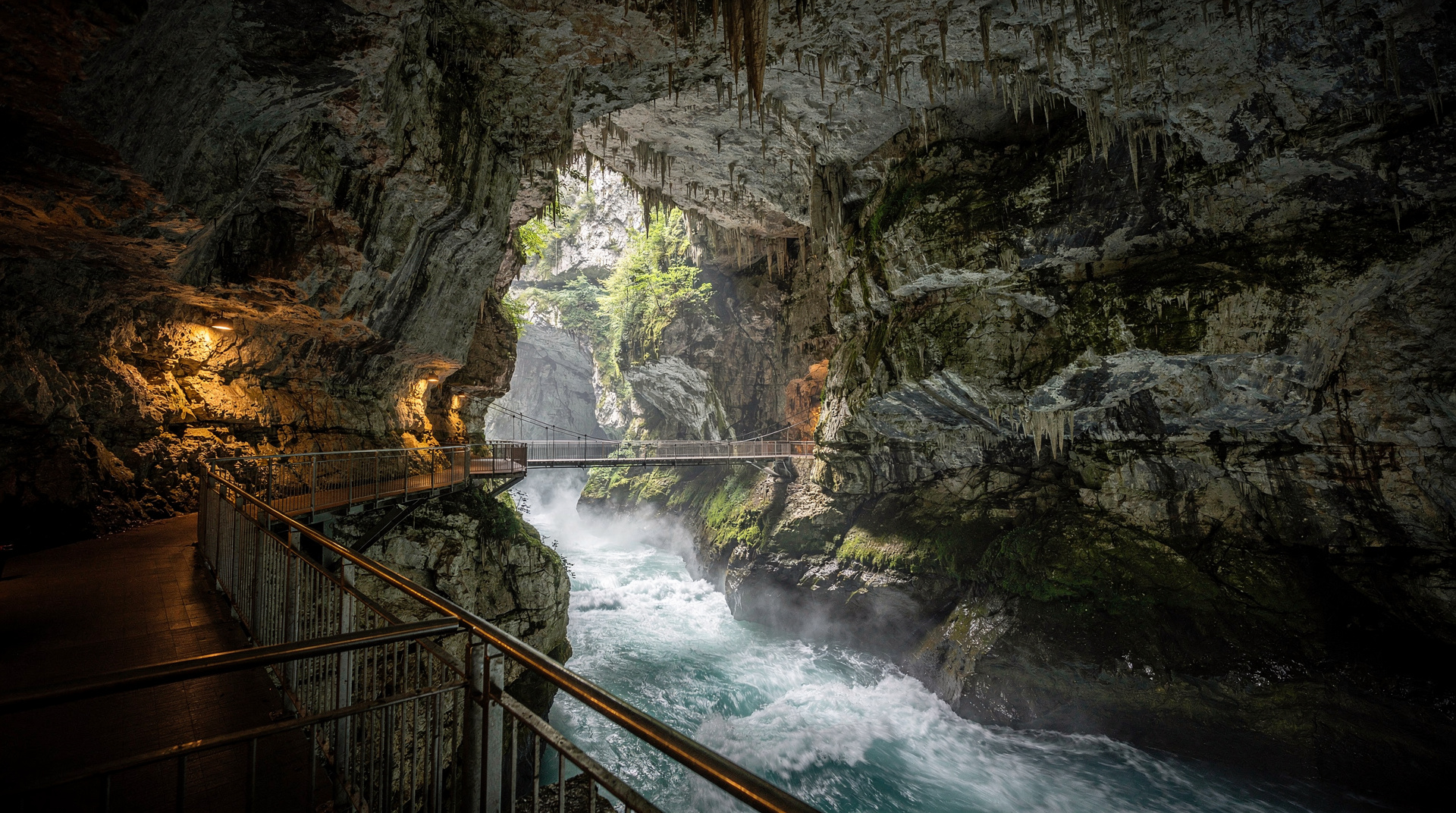
Most itineraries do best treating these three as complementary rather than choosing one: sleep in Piran for the atmosphere, use Portorož’s beach on a hot afternoon, and give Koper’s Venetian old town a quiet morning on the way to or from the coast. See our Koper guide for the third leg of that combination, and the Škocjan Caves guide for the best inland pairing if you have a car and a spare half-day.
Fitting Piran into a wider trip
Piran works best as one stop among several rather than a destination in isolation. If you are still deciding how long to give the whole country, our how many days in Slovenia guide helps place the coast alongside the Alps and Ljubljana. The coast and mountains 7-day itinerary shows one way to combine a night in Piran with time in the Julian Alps.
If your base is the capital, the Piran day trip guide covers the logistics of doing it in a single day, and day trips from Ljubljana compares the coast with the other options. Without a car, the public transport guide explains how buses and trains fit together. For the wider area around the town, the Slovenian Istria page describes the hinterland, and Izola is the small fishing town between Koper and Piran. Food-focused readers will also like the olive oil of the Slovenian coast guide.
A realistic one-night plan
Arrive by early afternoon and check in before exploring — Piran’s accommodation stock is small, and 10:00–17:00 is when day-trippers dominate the old town. Walk the walls for the panorama first (better light, fewer people), then Tartini Square once the tour groups have thinned toward late afternoon. Dinner at Restaurant Neptun or Gostilna Ivo, away from the square. The following morning, before checkout, walk the town at 8:00–9:00 when the alleys are nearly empty and the harbour light is best for photographs — this window alone is worth staying the extra night for.
Frequently asked questions about Piran
Is Piran worth a day trip from Ljubljana?
Yes, but barely. The drive takes 1h 45min each way, so a day trip gives you 5–6 hours on the coast — enough to walk the old town, eat fish, and see the walls. If you can extend to one night, the town transforms: the day-trippers leave by early evening and the narrow alleys quiet down dramatically. One night in Piran is significantly better than a rushed day trip.
Can I swim in Piran?
Yes. There are several bathing areas around the peninsula tip and along the approach to Portorož. The water is clear and the Adriatic here is calm; no significant currents. The best local bathing spot is the rocky platform outside the town walls on the western side of the peninsula, reached from the old town in 10 minutes. The sea temperature runs 18–20°C in June, 22–24°C in August.
What’s the biggest mistake tourists make in Piran?
Eating on Tartini Square or the main waterfront without checking the prices first. The tourist restaurants here have developed a two-tier menu strategy — the laminated menu handed to passing tourists and the chalked daily specials inside for seated guests — that results in significant price surprise. Ask to see the full menu before sitting down, or walk two blocks back into the town.
Is Piran accessible without a car?
Comfortably. Buses from Ljubljana run several times daily and are frequent from Portorož. Within Piran itself, everything is walkable — the old town peninsula is only 800m from tip to base. Car-free travel in Piran is actually more pleasant than arriving by car, because the parking situation is genuinely painful.
How long should I spend in Piran?
Two nights is ideal: day one for the old town, walls, and a good dinner; day two for the saltpans, coastal cycling, and a morning swim before departure. One night works well if you use it efficiently. A single day is the minimum meaningful visit — less than a full day produces a hurried impression that undersells the town.
What’s the difference between Piran and Portorož?
Piran is a medieval Venetian town with architecture, history, and decent seafood restaurants but limited beach. Portorož is a beach resort with hotels, wellness centres, a casino, and a long public beach. They are 3km apart. Most people interested in culture stay in Piran; families wanting a beach holiday with convenience stay in Portorož. Our Portorož guide covers the resort side of the coast.
Top experiences
Bookable activities with verified prices and instant confirmation on GetYourGuide.