Slovenian coast guide: everything you need to know about visiting the Adriatic
From Koper: Piran and panoramic Slovenian coast tour
Is the Slovenian coast worth visiting?
Yes — but go in with the right expectations. It is a small, beautiful stretch of Adriatic coastline anchored by Piran, one of the finest medieval towns on the Adriatic. The beach offer is modest compared to Croatia, but the food, the architecture and the lack of mass tourism infrastructure (relative to Istria) give it real character. Best in May–June or September.
The Slovenian coast: a small stretch of Adriatic with big character
Slovenia’s coastline is, by most measures, tiny. At 46.6 kilometres, it is shorter than the distance from Ljubljana to Kranj. But within those kilometres you get three distinct medieval towns, a nature reserve, one of Europe’s last intact working saltpans, a cycling trail following an old railway, and some of the freshest seafood in the Adriatic — all accessible without a car and without the mass-tourism infrastructure that has changed much of the Croatian and Italian coasts.
The contrast with neighbouring Istria is instructive: the Slovenian section is quieter, more self-contained and — particularly in Piran — architecturally spectacular. It is not the place for a two-week beach holiday. It is exactly the right place for two to four days of good food, beautiful old town wandering and coastal cycling.
| Where | Piran, Portorož, Izola, Koper (46.6 km of coastline) |
| Getting there | Bus/train from Ljubljana (1h45–2h) or car via A1 (1h30) |
| Best time | May–June or September |
| Cost level | Moderate; cheaper than Croatia’s better-known coastal towns |
| Best base | Piran (character) or Portorož (beach and hotels) |
| Time needed | 2–4 days for the coast alone |
The four coastal towns: character and differences
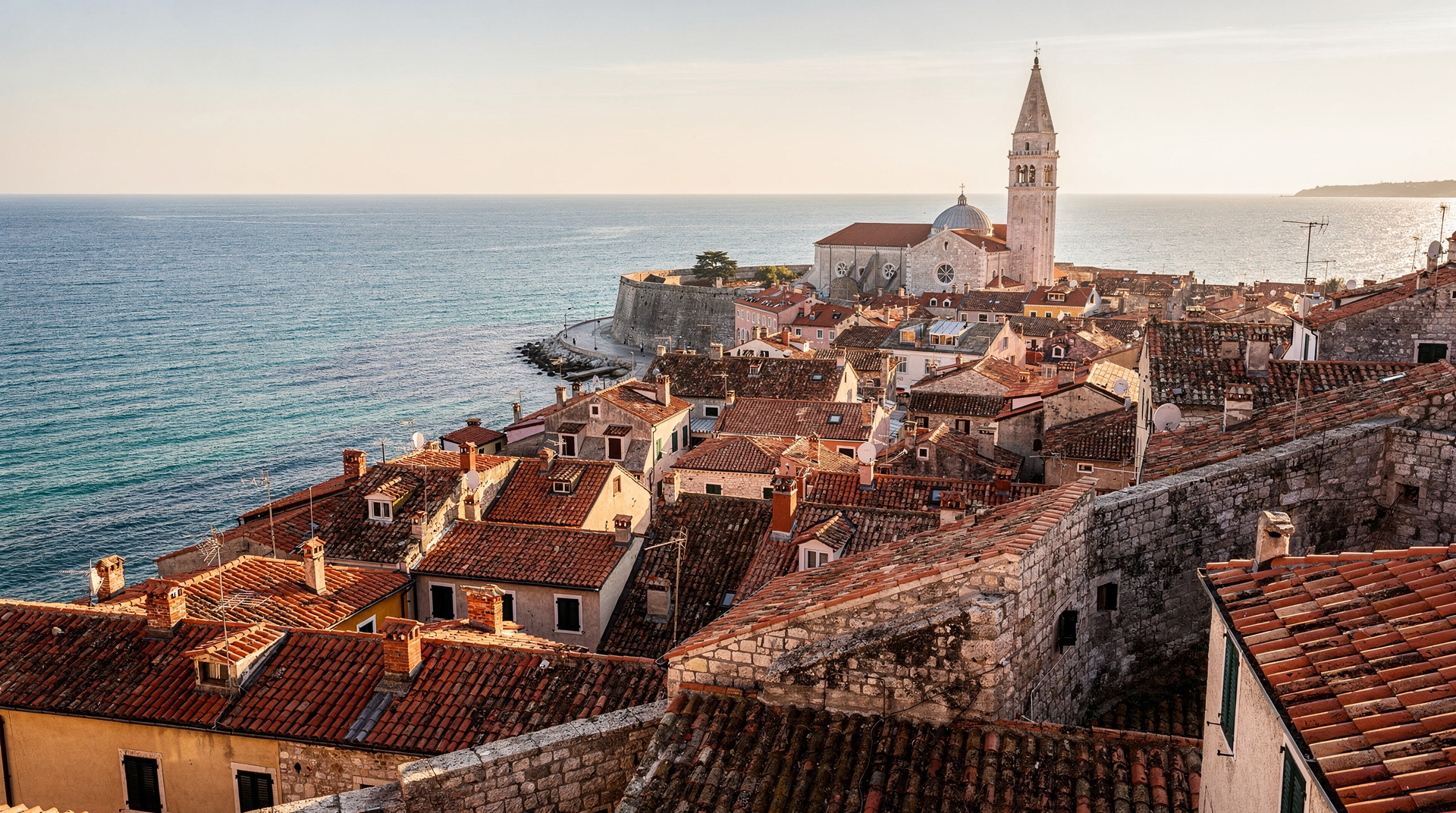
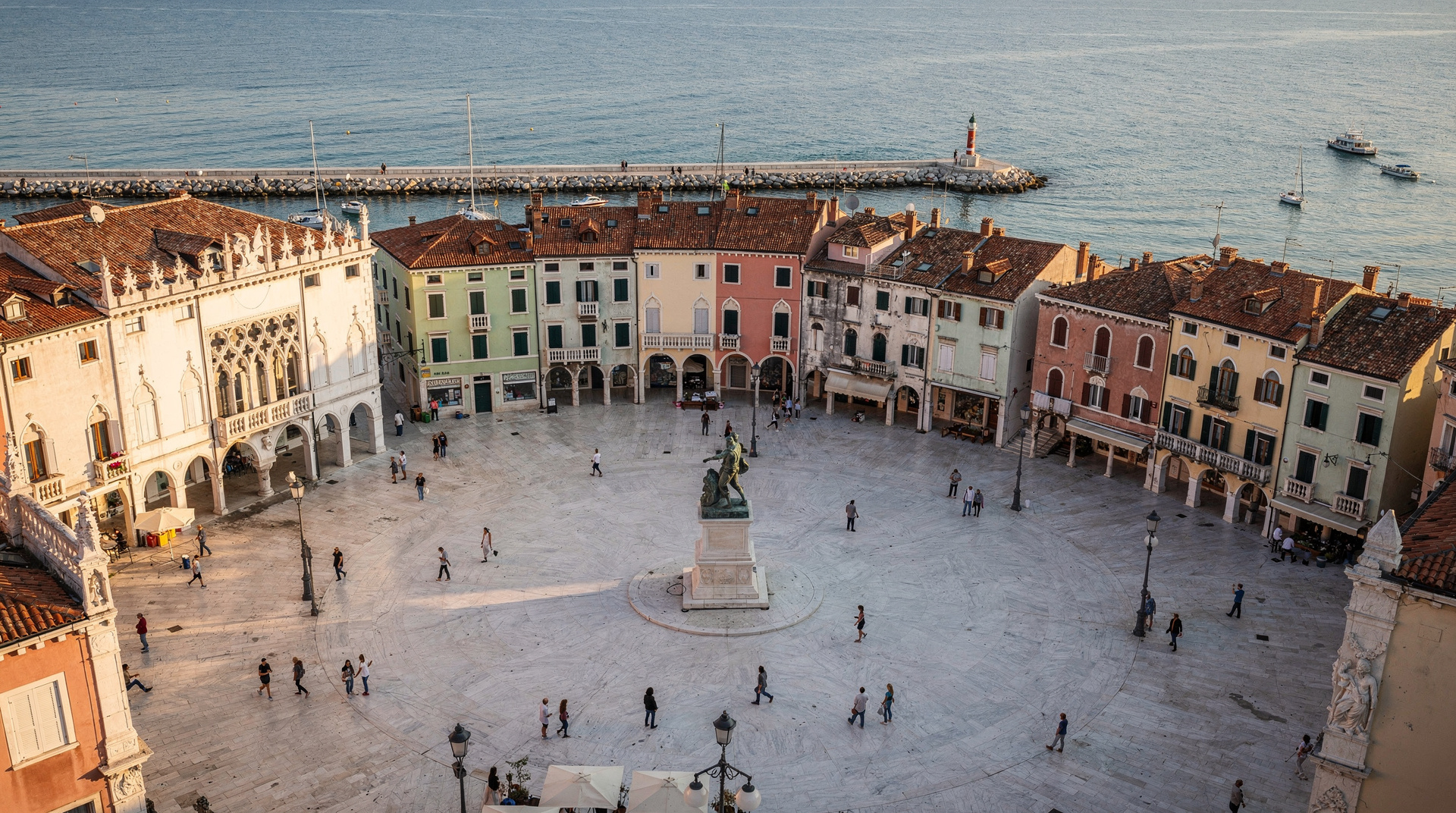
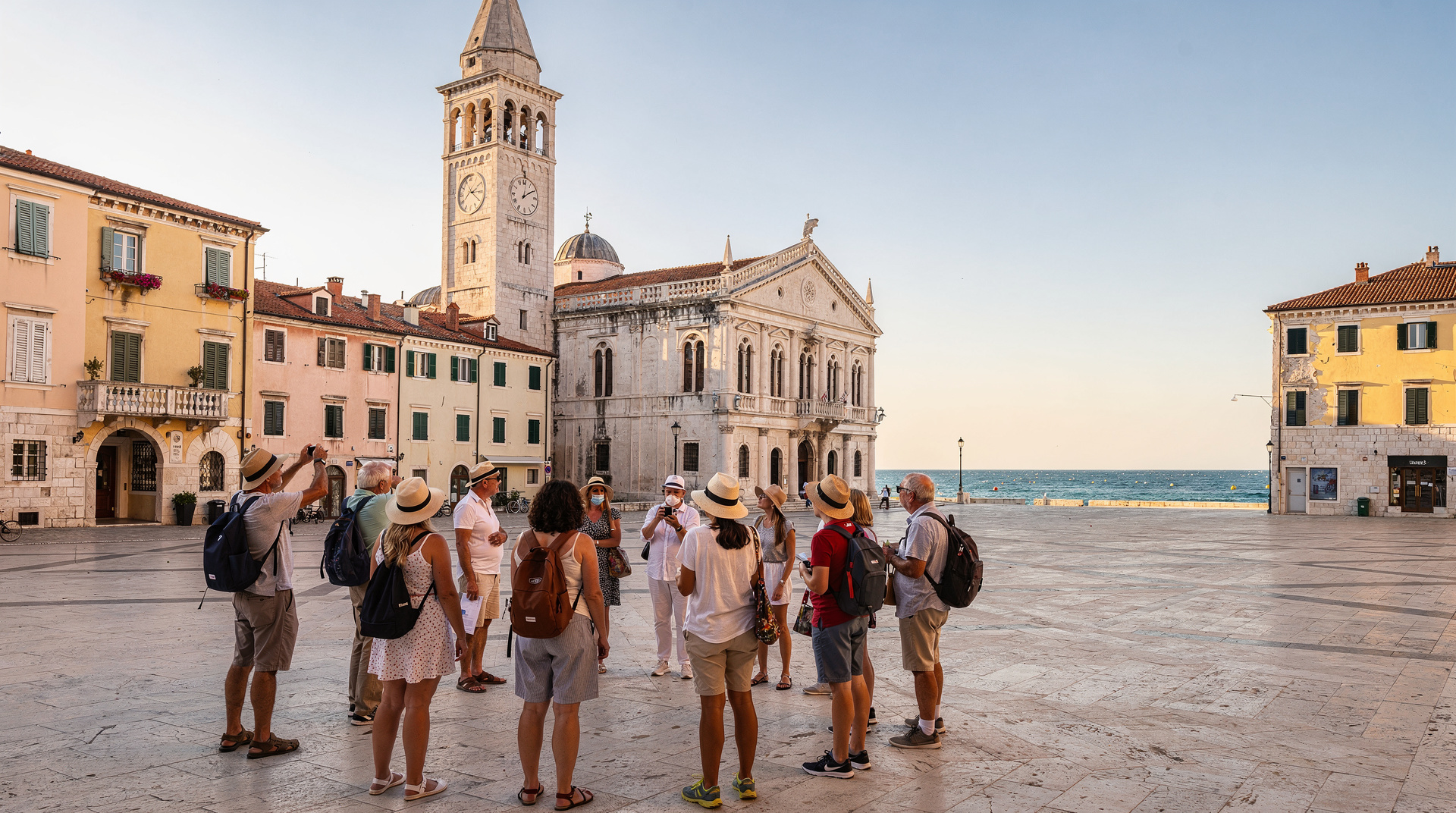
Piran is the centrepiece. A medieval Venetian walled town on a narrow peninsula, with architecture that has barely changed in five centuries. The cathedral, the hilltop bell tower, the maze of lanes and the Tartini Square waterfront make it the most beautiful urban destination on the coast. See the Piran travel guide for full detail.
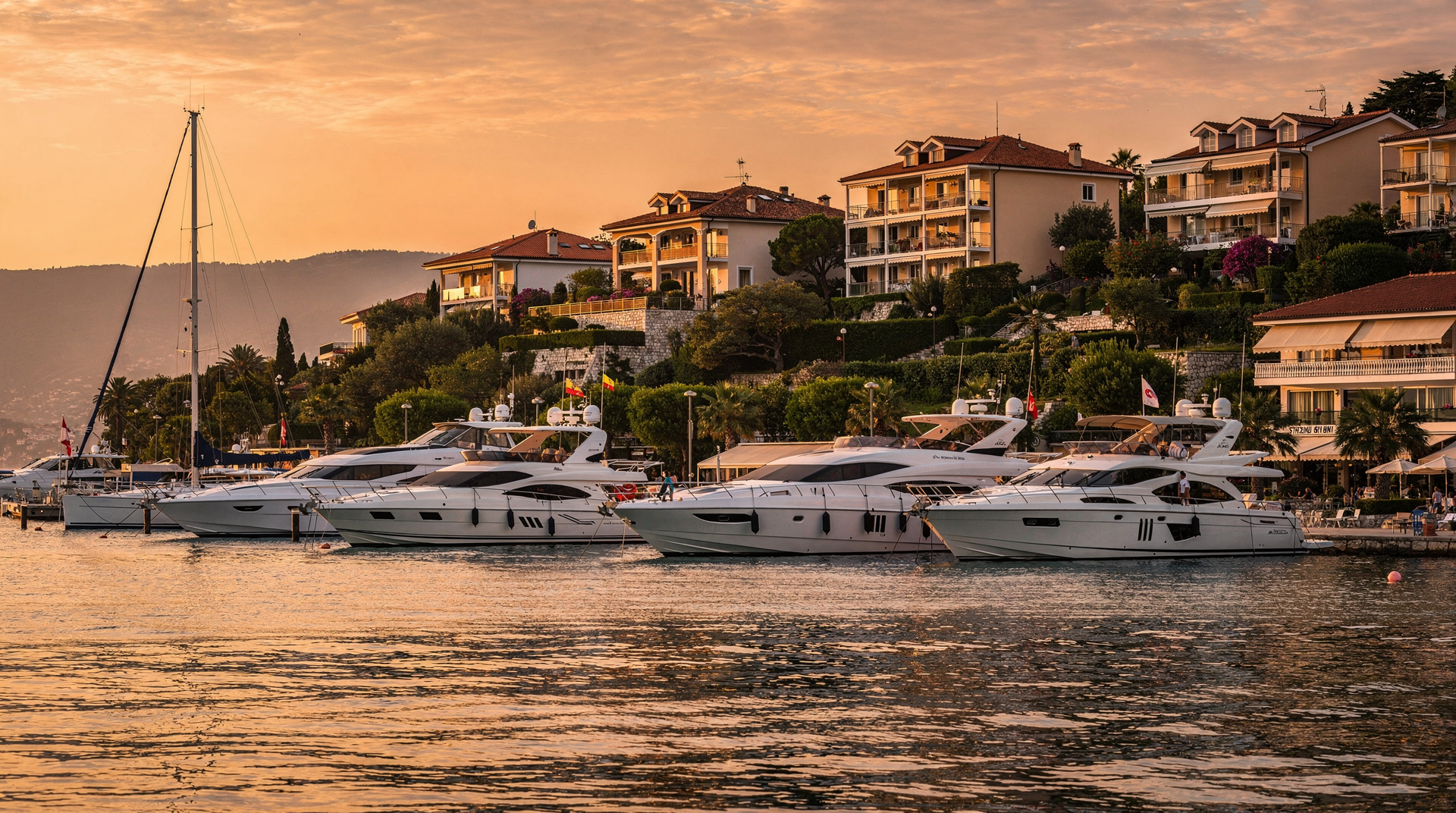
Portorož is the resort. Three kilometres of hotels, casinos, restaurants and a proper sandy-gravel beach make it the most comfortable base and the most popular destination for families and groups. It lacks Piran’s architectural heritage but compensates with practicality. See the Portorož guide.
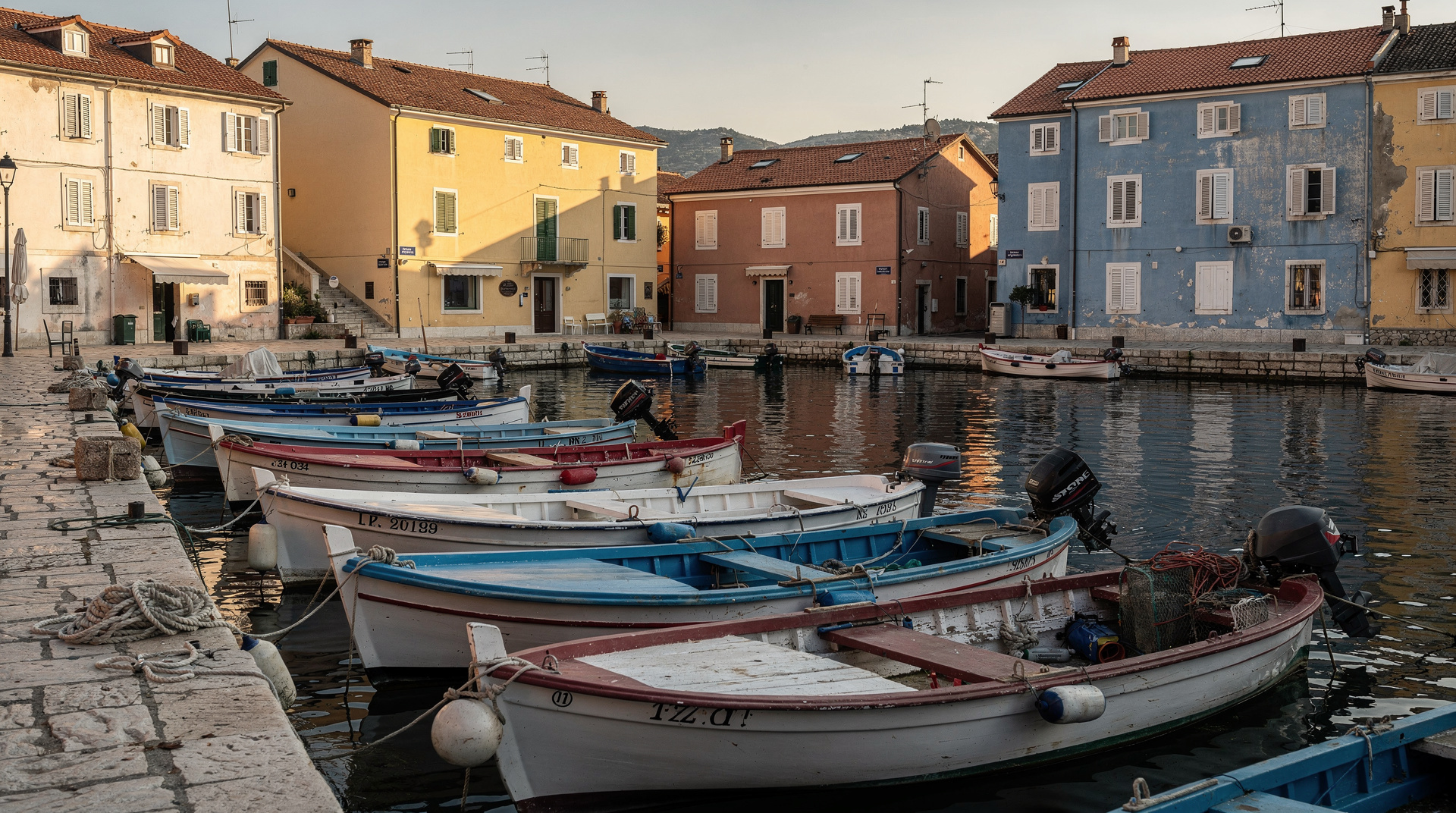
Izola is the working fishing town. Less polished than Piran, more authentic in the best sense — a working harbour, a lively bar scene, and the best-value seafood restaurants on the coast. The old town quarter has Venetian roots but a rougher edge. See the Izola guide.
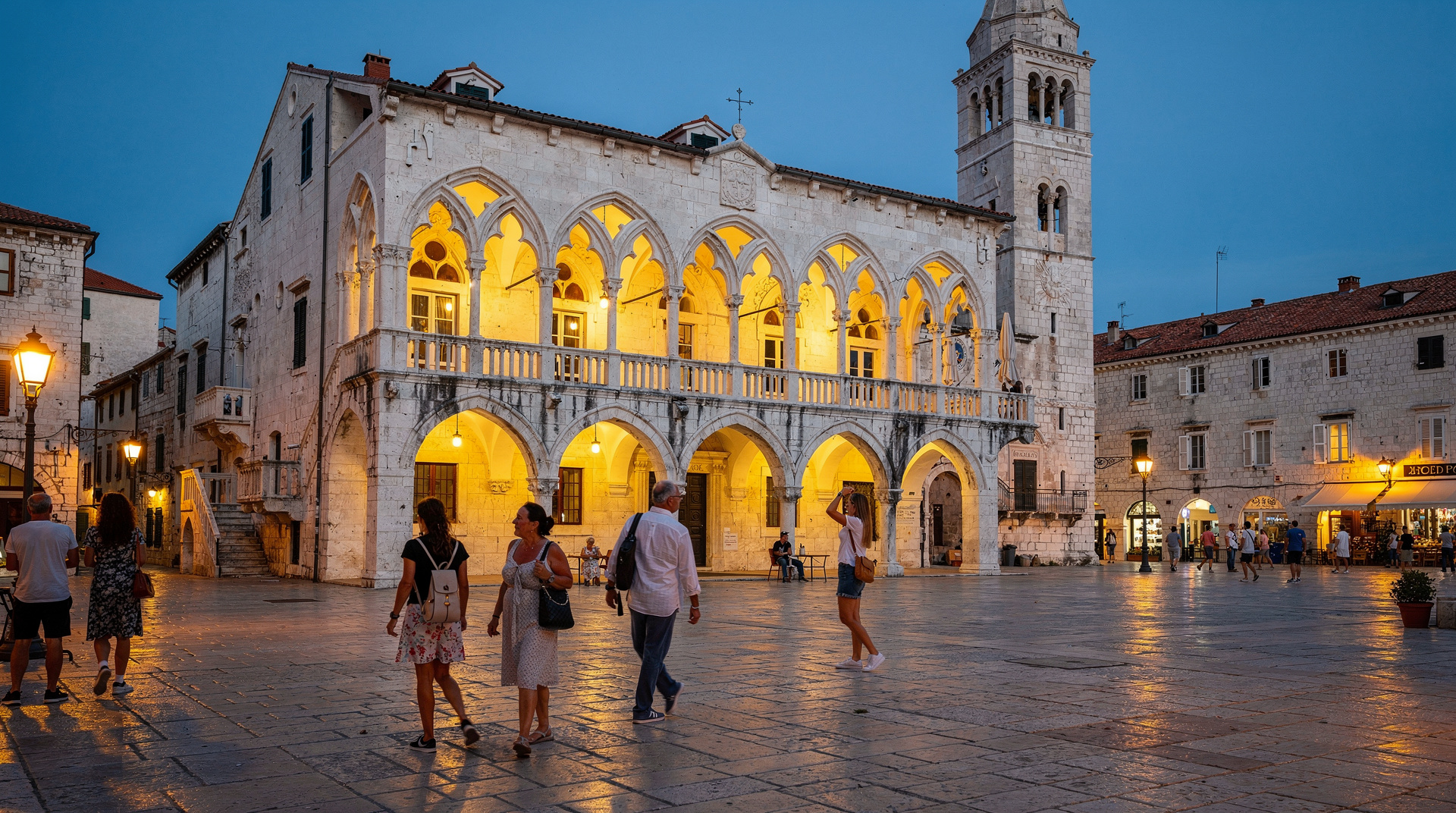
Koper is the port city and transport hub. The largest of the four, with a working commercial harbour, an old town that is less visited than Piran’s but genuinely interesting, and the only railway station on the coast. Most travellers pass through Koper rather than staying, but it rewards a half-day. See the Koper guide.
Getting to the coast
From Ljubljana by bus: Arriva buses run from Ljubljana to Koper approximately every 1–2 hours throughout the day. Journey time around 1h45, fares EUR 8–10. From Koper, local buses connect Izola (20 min), Portorož (40 min) and Piran (50 min) frequently throughout the day. Direct buses also run Ljubljana–Piran (2h30).
From Ljubljana by train: A train service runs from Ljubljana to Koper (approximately 2 hours, from EUR 7). This is less frequent than the bus but a pleasant alternative.
From Ljubljana by car: A1 motorway south to the coast, then local roads. Ljubljana to Piran is around 1h30. You must have the Slovenian e-vignette for motorway driving.
From Trieste (Italy): 1h30 by car, or around 2 hours by bus. Trieste airport is a practical entry point for the coast, often with cheaper flights than Ljubljana.
From Zagreb (Croatia): around 2h30 by car.
Local transport on the coast: Arriva local buses connect Koper, Izola, Portorož and Piran every 20–30 minutes in season (roughly April–October). The service is reliable and inexpensive (EUR 1.50–3 per journey). Cycling is an excellent alternative — the coast is flat between the towns and well-signposted.
The best beaches on the Slovenian coast
The coast is not primarily a beach destination — much of it is rocky or built-up — but there are genuine swimmable spots.
Portorož main beach: The only significant sandy-gravel beach in Slovenia. Around 500 metres of managed beach with sunbeds, beach bars and generally clean water. Best in July and August, busy in high season.
Fiesa: A small cove about 20 minutes’ walk east from Piran old town. Rocky and pebble shore, quieter than Portorož, popular with local families. There is a small restaurant at the cove.
Strunjan lagoon: Ten minutes north of Piran by bike, in the Strunjan nature reserve. The lagoon has a protected shingle beach with clear water and interesting birdlife. Less crowded than Portorož and more scenically interesting.
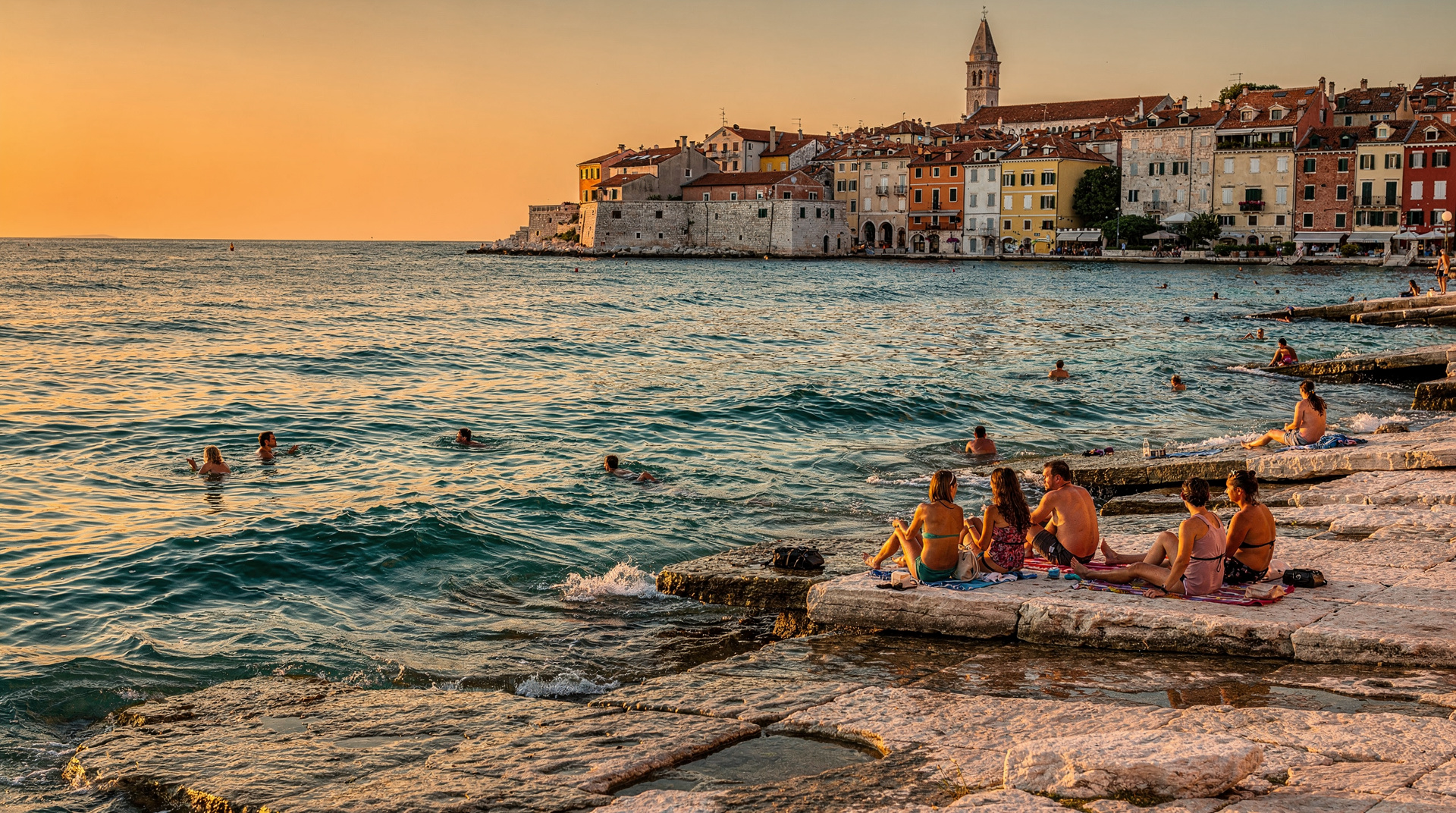
Piran town beaches: Rocky platforms along the riva (seafront) near the Punta lighthouse. Good for swimming in the morning before the day-trippers arrive; the setting is beautiful.
Koper and Izola waterfronts: Both towns have small swimming areas. Primarily for locals and not as scenic as Piran or Strunjan, but convenient if you are already in town.
For the full rundown of where to swim, see best beaches in Slovenia.
A land and sea tasting tour of the Slovenian Riviera combines the coast’s food culture — olive oil, wine, seafood, salt — into a single guided half-day and is one of the best introductions to what makes this coast distinctive.
Cycling the Parenzana trail
The Parenzana was a narrow-gauge railway that ran from Trieste to Poreč in Croatia from 1902 to 1935. The Slovenian section of the route has been converted into a cycling and walking path. The stretch from Koper to Piran passes through Izola and the coastal hinterland, offering views of the sea and the Karst plateau above.
The route is approximately 30 km end-to-end through Slovenia. On an e-bike, it is comfortably covered in a half-day with stops. Standard bikes are perfectly feasible; the path is mostly flat with some gentle climbs in the hinterland sections.
Bike rental is available at several points in Koper, Izola and Piran (EUR 10–20 for a standard bike, EUR 20–35 for an e-bike per day).
The Sečovlje saltpans
One of the coast’s most distinctive attractions is also one of its least-known internationally. The Sečovlje saltpans (Krajinski park Sečovlje Solinarne) south of Portorož have been harvested since the 13th century and are now both an active salt production site and a protected nature reserve.
The traditional method of salt harvesting — using sunlight, wind and the petola (a biological mat that forms on the bottom of the pans) — produces high-quality fleur de sel and “black salt” that you will find in Slovenian and Italian delicatessens. The reserve attracts flamingos and over 300 bird species and is particularly good for birdwatching in spring and autumn.
There is a small salt museum on site (entry approximately EUR 5) and a shop selling products made from the salt. The pans are accessible on foot or by bike from Portorož (around 4 km from the main beach).
An e-bike tour from Portorož to Piran and the saltpans is an excellent way to combine the main attractions in a single morning or afternoon.
Food culture on the Slovenian coast
Coastal Slovenian cuisine is fundamentally Adriatic: seafood-centred, olive oil-based, influenced by Venetian and Istrian traditions. Key elements:
Fish: Sea bass (brancin), sea bream (orada), dentex (zobatec) and John Dory (kovač) are the prestige catches. Sardines, mackerel and squid are the everyday options. Grilled simply with olive oil, garlic, herbs and blitva (boiled Swiss chard with potatoes) is the definitive coastal preparation.
Olive oil: The Istrian peninsula — the wider region that includes this coast — produces some of Europe’s finest extra-virgin olive oil. The local Belica variety has a distinctive grassy flavour. See the olive oil guide for estate names and tasting visits.
Wine: Malvazija (Malvasia) is the local white variety, dry and slightly mineral. Refošk is the local red, robust and tannic. Both are grown in the Slovenian Istria hinterland.
Salt: Piran salt — particularly the fleur de sel harvested at Sečovlje — is considered some of the finest in the Adriatic. It is sold in small packets at local markets and the saltpan shop.
The coastal gostilnas: For the most honest food at reasonable prices, look for gostilnas (traditional Slovenian taverns) in Izola and the villages above the coast — Koper’s old town, in particular, has several excellent options away from the main tourist trail.
Seasonal guide
May–June: The best period. Warm (18–24°C), the sea is reaching swimming temperature (around 18–20°C by mid-June), accommodation prices are lower than peak season and the coastal towns have their energy back after winter. The Parenzana trail is at its most pleasant.
July–August: Peak season. Hot (28–33°C possible), the sea is warm (23–25°C), and the coast gets genuinely busy, particularly Piran. Portorož’s beach is packed on hot weekends. Still beautiful — just arrive early for the best towns, book ahead.
September–October: Second-best period, comparable to late spring. The sea stays warm through September; October brings rain but also beautiful autumnal light. Crowds thin, prices drop. Many boat operators and beach bars close after mid-October.
November–April: Off-season. Many restaurants, hotels and tourist services close. The coast is quiet, atmospheric and strikingly empty. Piran in December is genuinely lovely on a clear day, but expect to find some things closed.
Combining the coast with the rest of Slovenia
The coast pairs naturally with the Karst region: Postojna Cave is 1 hour from Piran, Škocjan Caves about the same. Lipica (Lipizzan horses) is 30 minutes. The Vipava Valley wine region is 45 minutes from Koper.
For a 5-day itinerary: two nights on the coast (based in Piran), one night in the Karst (Škocjan, Predjama), two nights in Ljubljana or heading north to Lake Bled.
Planning your coast visit: day-by-day suggestions
One day on the coast: Spend the morning in Piran (old town walk, cathedral and bell tower, harbour), walk or take the bus to Portorož for a swim and lunch on the beach, return to Piran for dinner and an evening on Tartini Square. This covers the highlights at pace and is achievable from Ljubljana as a day trip.
Two days on the coast: Day one as above. Day two: morning in Koper old town (Tito Square and the Praetorian Palace, 2–3 hours), lunch in Izola (best-value seafood on the coast), afternoon walk along the Parenzana trail or boat excursion.
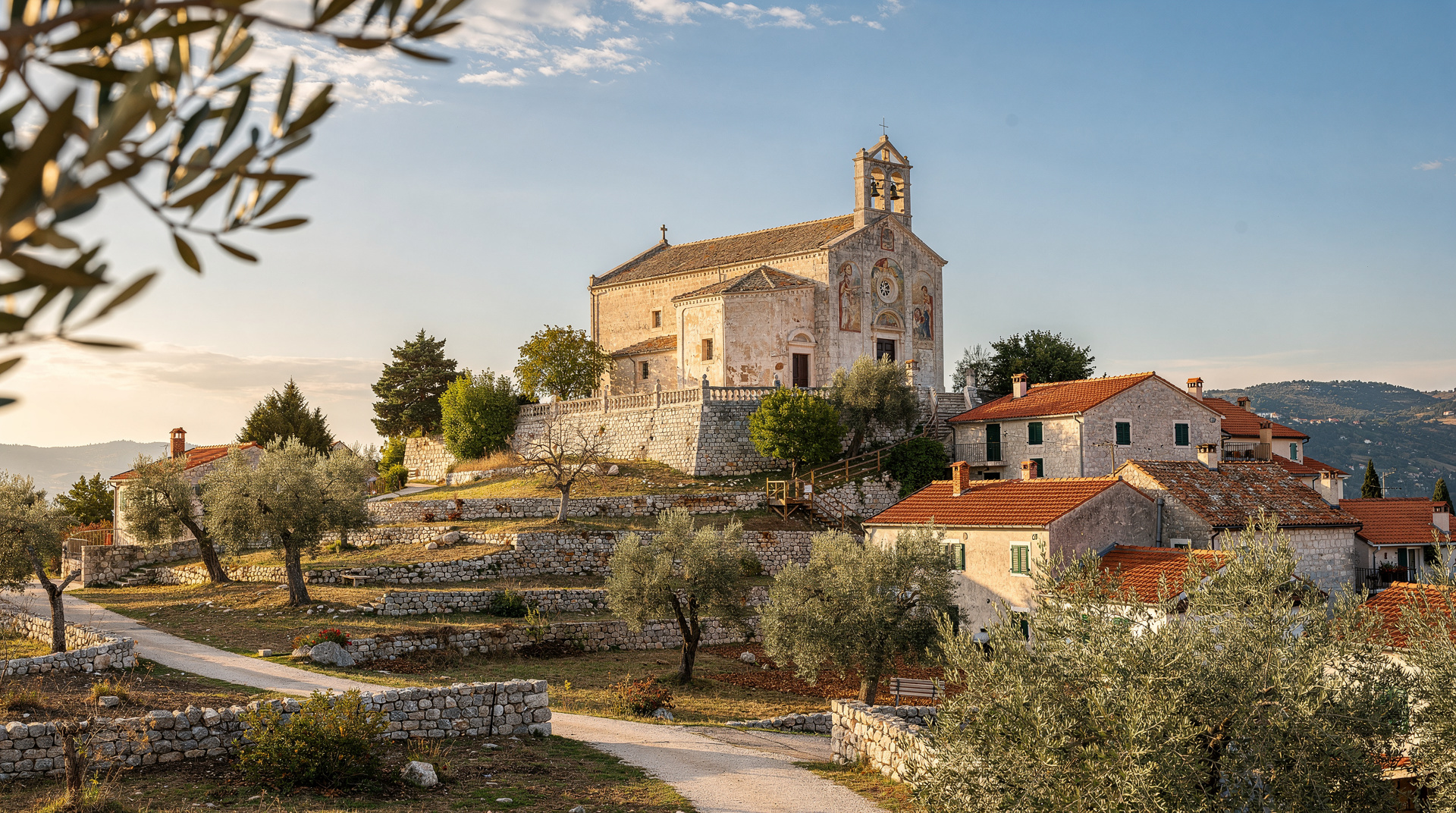
Three days: Add the Sečovlje saltpans by bike from Portorož (morning), an afternoon at Strunjan nature reserve, and a second evening in Piran. Consider a half-day in the Slovenian Istria hinterland — Hrastovlje’s Dance of Death fresco is 20 minutes from Koper.
Four to five days: All of the above plus a day at Lipica (Lipizzan horses), an olive oil and wine tasting above Koper, and a day at Škocjan Caves (50 minutes from Piran) or Predjama Castle.
Base choice:
- Families with children: Portorož (best beach, most hotel choice, parking)
- Atmosphere and old town: Piran (most beautiful, limited accommodation)
- Budget and local life: Izola (best restaurant value, lively harbour)
- Car-free arrival: Koper (train station, central for bus connections)
What to buy on the Slovenian coast
The best local products to bring home:
Piran salt / Piranske soline fleur de sel: The hand-harvested fleur de sel from the Sečovlje saltpans is some of the finest in the Adriatic. Available in small packets (EUR 3–8) from the saltpan shop, local markets and delicatessens in Piran and Portorož.
Istrian olive oil: The Belica variety extra-virgin olive oil. Buy direct from producers or from delicatessens in Koper’s old town (where the selection is best). EUR 12–20 for a quality 500ml bottle.
Malvazija wine: Bottles of local wine from the Istrian hinterland estates. Ask in any wine shop for a producer recommendation — local knowledge matters here.
Dried herbs and sea salt blends: Local herb mixtures (used for coastal cooking) combined with Piran salt are sold at the Koper central market and in Piran’s small delis.
Getting around without a car
One of the Slovenian coast’s practical advantages over comparable stretches of the Croatian or Italian Adriatic is the frequency of local bus services between the main towns.
The Arriva local bus network runs between Koper, Izola, Portorož and Piran approximately every 20–30 minutes during the day in season (April–October), with reduced frequency off-season and on Sundays. Key journey times from Koper:
- Koper to Izola: 15–20 minutes, EUR 1.50–2
- Koper to Portorož: 35–40 minutes, EUR 2–2.50
- Koper to Piran: 45–50 minutes, EUR 2.50–3
Tickets are available on the bus (cash only on some routes) or from Arriva kiosks and online. Day passes covering all four towns are available and represent good value for a day of hopping between stops.
Cycling between the towns: The coastal cycling path from Koper to Piran is approximately 22 km, flat for most of the route, well-surfaced and pleasant. E-bikes make this very accessible — the full route takes about 1.5 hours. Standard bikes: 2–2.5 hours at a comfortable pace.
Walking sections: The seafront path from Portorož to Piran (15–20 minutes one way) is the most pleasant short walk on the coast. The walk from Piran to the Strunjan nature reserve (20–25 minutes) is also straightforward.
Taxis: Available throughout the coast, metered. A taxi from Koper to Piran costs approximately EUR 20–25. Useful for luggage-heavy transfers or late-night returns.
Honest tips for the Slovenian coast
A few practical honesty points that most travel guides omit:
Piran at midday in August: The combination of narrow medieval streets and thousands of day-trippers creates conditions that some visitors find unpleasant — slow-moving, hot, impossible to get a table without a long wait. If you are there in August, visit in the morning (before 11:00) or in the evening. The town at 09:00 and at 21:00 is genuinely beautiful; at 14:00 on a Saturday in August it can feel overwhelming.
Restaurant pricing on the main promenade: The restaurants directly on the Portorož promenade and the main tourist area of Piran charge a premium for their location. The food is not significantly better than restaurants 200 metres inland. Walk away from the obvious tourist cluster for better value.
Parking in Piran: Do not attempt to drive into the old town. The Fornače car park is the correct option. Cars parked illegally in pedestrian zones are towed (EUR 80–120 to retrieve plus the fine).
The jellyfish situation: In late summer (August–September), jellyfish (meduze) occasionally appear in large numbers in the Gulf of Piran. They are not dangerous but can make swimming unpleasant. This is unpredictable — some summers it happens, some it does not. Check local conditions on arrival.
A food bus tour of the Koper Riviera covers the hinterland villages and producers that most visitors miss entirely, pairing tastings with the coastal landscape.
How the coast compares to Croatia and Italy
Visitors arriving from a Croatian or Italian Adriatic trip inevitably compare, and the honest comparison is useful for setting expectations. The Slovenian coast has nothing like the scale of Croatia’s island-hopping options or the beach volume of the Istrian Riviera further south — this is a compact, walkable stretch, not a multi-week coastal itinerary.
What it offers instead is density of character in a small space: Piran’s Venetian architecture rivals anything in Croatia’s better-known towns, without the cruise-ship crowds that now affect Dubrovnik or Split in peak season. Prices are generally lower than the most touristed parts of the Croatian coast, and the short distances mean you genuinely can see all three towns without long transfers. If you want beach volume and island-hopping, go to Croatia. If you want a compact, food-and-architecture-focused coastal add-on to a Slovenia trip, this delivers exactly that.
A one-day itinerary if the coast is a stop, not the main event
Many visitors reach the coast as a single add-on day from Ljubljana or Lake Bled rather than a dedicated multi-day stay. If that is your situation: take the early bus or train to Koper (or drive), spend 90 minutes in the old town (Tito Square, the Praetorian Palace), then bus onward to Piran (50 minutes) for the bulk of the day — old town walk, cathedral and bell tower climb, lunch on Tartini Square or one street back for better value. If time allows, walk or bus to Portorož for a swim before heading back. This single-day version hits the highlights without needing an overnight stay, though it inevitably means less time than the coast deserves.
Frequently asked questions about Slovenian coast guide
How long is the Slovenian coast?
Slovenia has just 46.6 kilometres of Adriatic coastline — the shortest of any country with Adriatic access. The coast stretches from the Italian border near Ankaran in the north to the Croatian border near Sečovlje in the south. Three main towns sit on it: Koper, Izola and Piran. Portorož is a resort area between Piran and the border.What is the best base on the Slovenian coast?
Piran is the most atmospheric base, with the best architecture and food, but limited accommodation and no sandy beach. Portorož has the largest beach and most hotel options but less character. Koper is the most practical transport hub (train station, larger supermarkets) but primarily a working port city. Most visitors base themselves in Piran or Portorož and day-trip to the other towns.How do I get to the Slovenian coast from Ljubljana?
Buses from Ljubljana to Koper run every 1–2 hours (1h45, around EUR 8–10). Koper also has a train station with direct services from Ljubljana (approximately 2 hours, from EUR 7). From Koper, local buses connect to Izola, Piran and Portorož every 20–30 minutes. By car, Ljubljana to Piran is about 1h30 on the A1 motorway.What is the sea like on the Slovenian coast?
The Adriatic here is shallow, calm and warm in summer. Water temperature ranges from around 13°C in March to 25°C in August. The sea is generally clear, particularly around Piran and Strunjan. There is minimal surf — the coast faces west across a sheltered bay. Jellyfish appear occasionally in late summer.Can I drive the whole Slovenian coast in a day?
The coast is compact enough to drive end-to-end in 20 minutes, but you would want at least two days to properly visit Koper, Izola and Piran. A realistic one-day itinerary would be: Koper old town in the morning, lunch in Izola, afternoon in Piran, and dinner before driving back. Two days allows time for the saltpans, a boat excursion and a proper swim.How does the Slovenian coast compare to Croatia's Istria or Dalmatia?
It is much smaller in scale and beach volume than either, but competitive on architecture and food, particularly in Piran. Prices tend to be lower than the most touristed parts of the Croatian coast, and crowding is milder than in Dubrovnik or Split in peak season. Choose Slovenia for a compact, walkable, food-focused coastal stop; choose Croatia for island-hopping and beach volume.Is one day enough for the Slovenian coast?
One day is enough to get a genuine impression, focused mainly on Piran with a shorter stop in Koper or a swim at Portorož. It is not enough to properly experience all four towns, the saltpans and a boat trip. If the coast is a single add-on day to a Ljubljana or Bled-based trip, prioritise Piran above all else.
Top experiences
Bookable activities with verified prices and instant confirmation on GetYourGuide.
From Koper: Piran and panoramic Slovenian coast tour
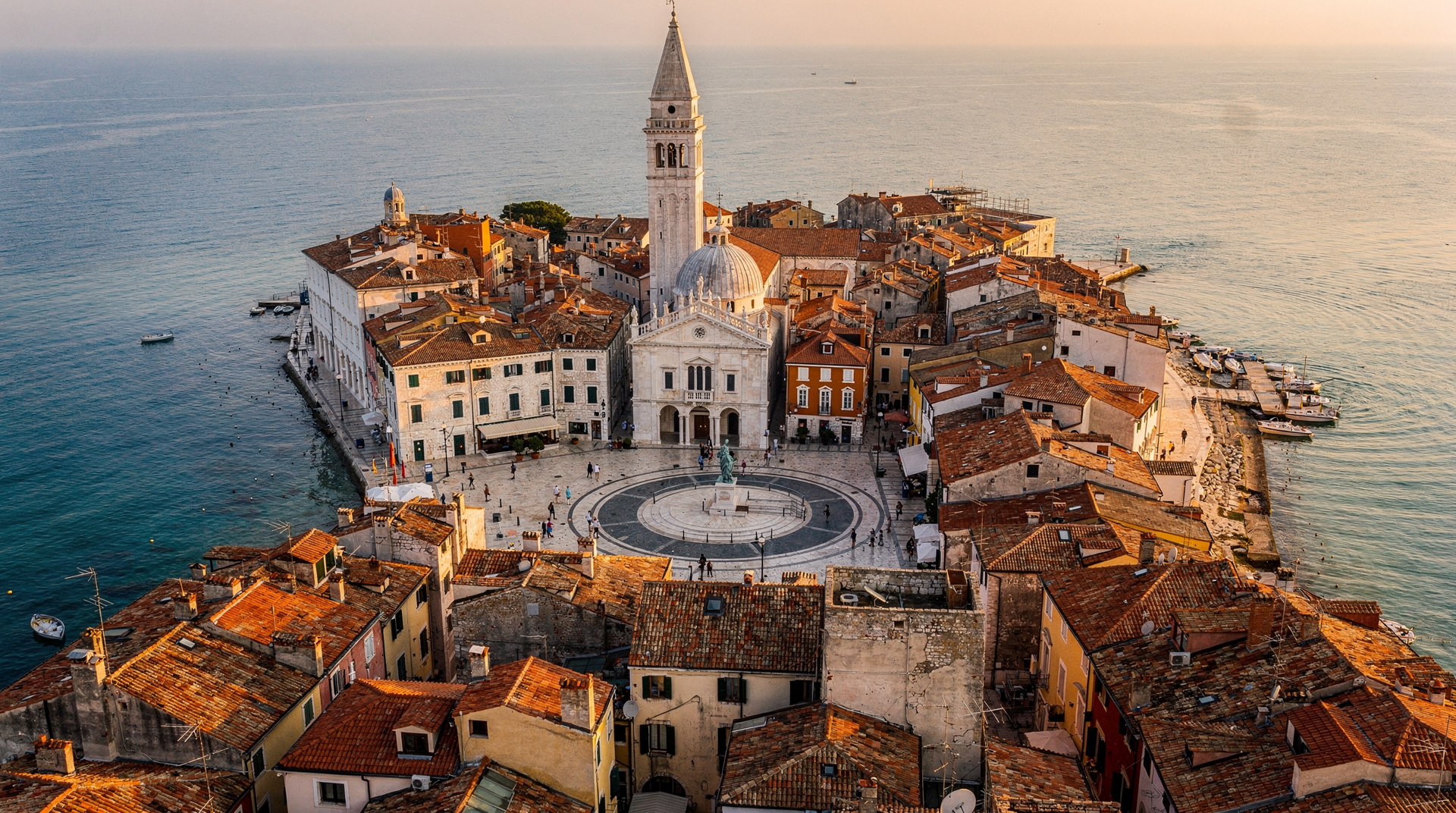
Piran: private walking tour with a local
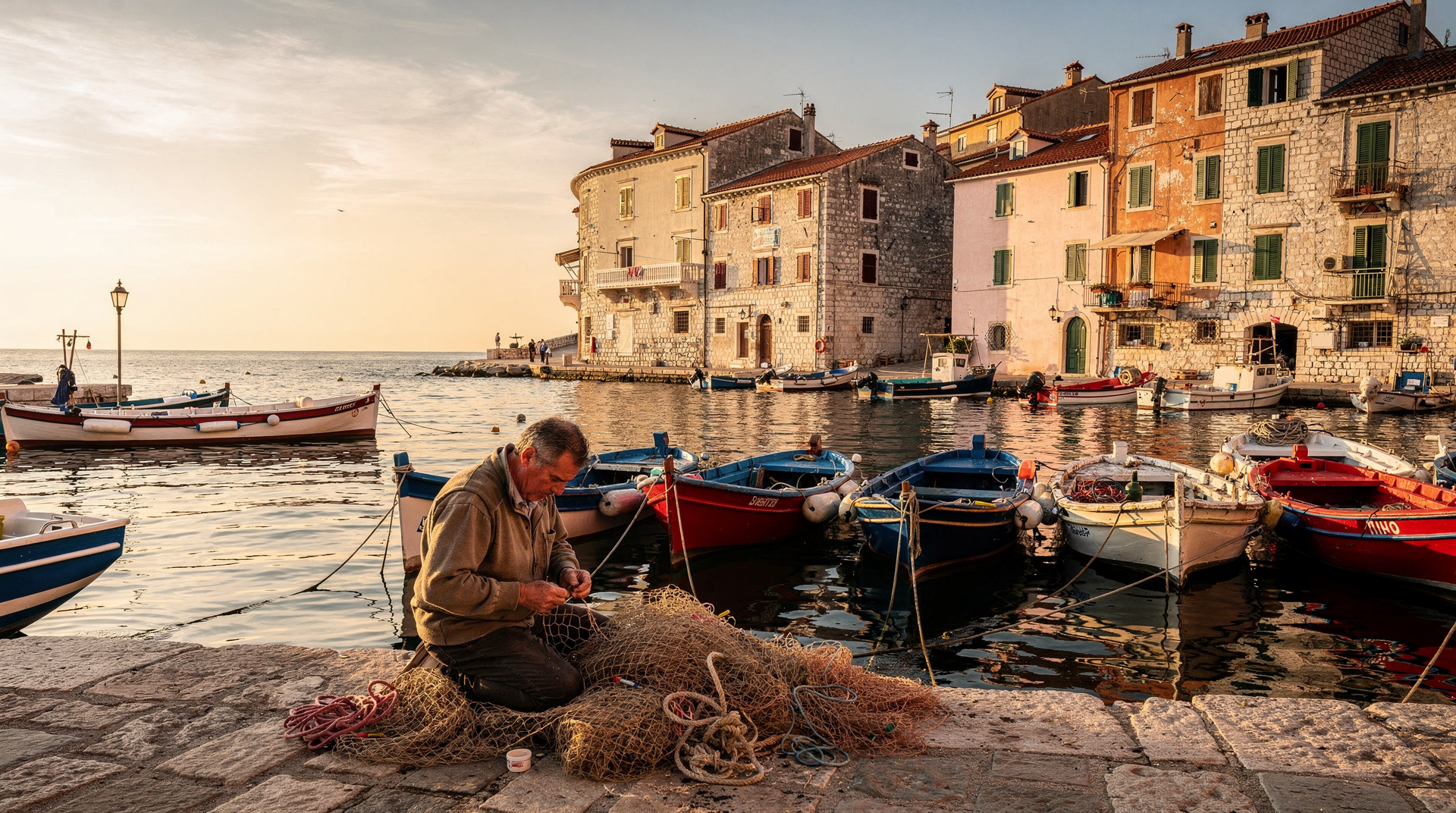
Izola: private Adriatic boat tour to Strunjan and Piran
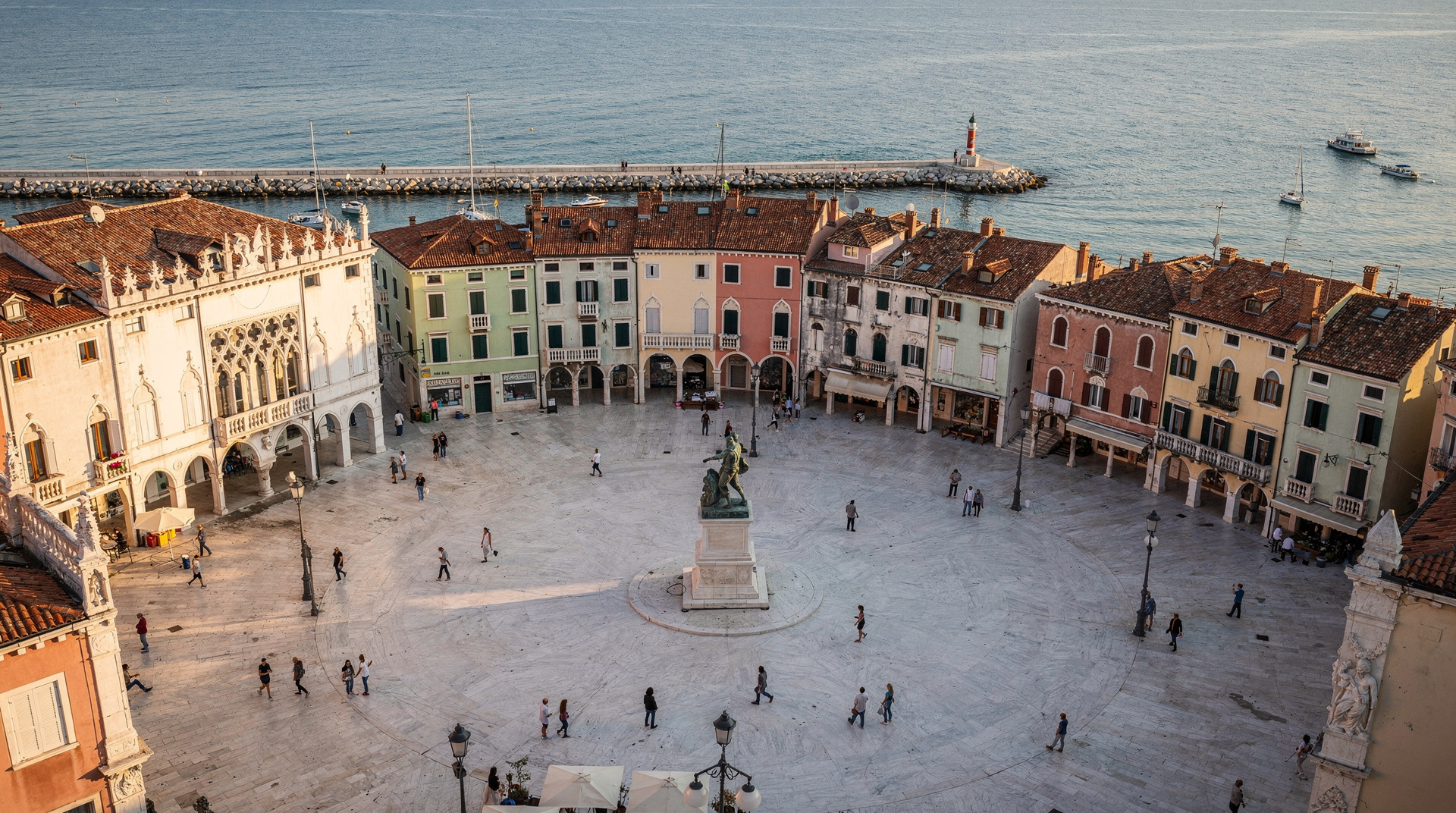
Slovenian coast: Koper, Izola, Piran half-day e-bike tour
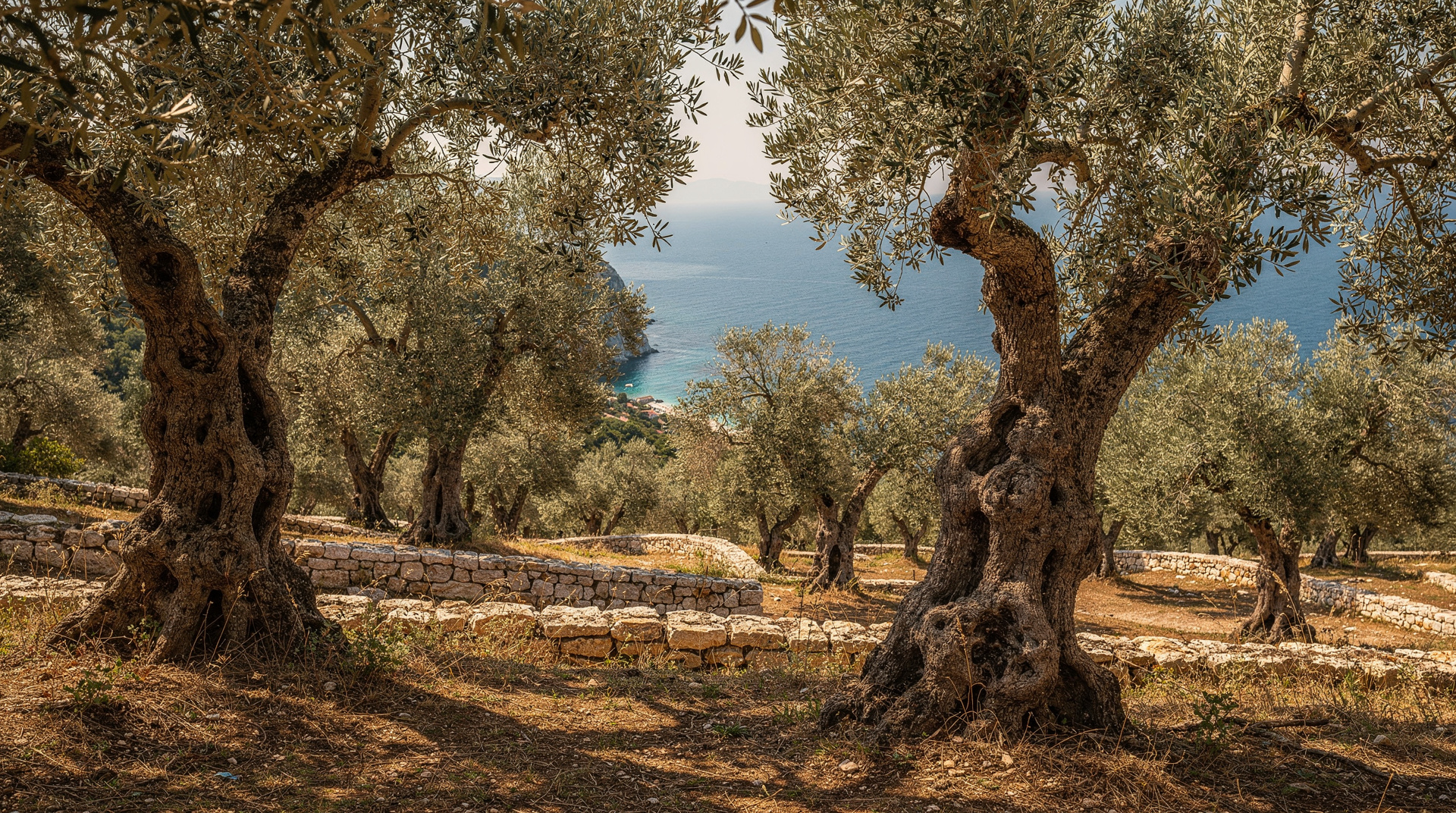
Land and sea riviera: Koper, Izola and Piran with tastings