Olive oil on the Slovenian coast: Istrska Belica and where to taste
Slovenian Istria: olive oil tasting experience
What olive oil does Slovenia produce?
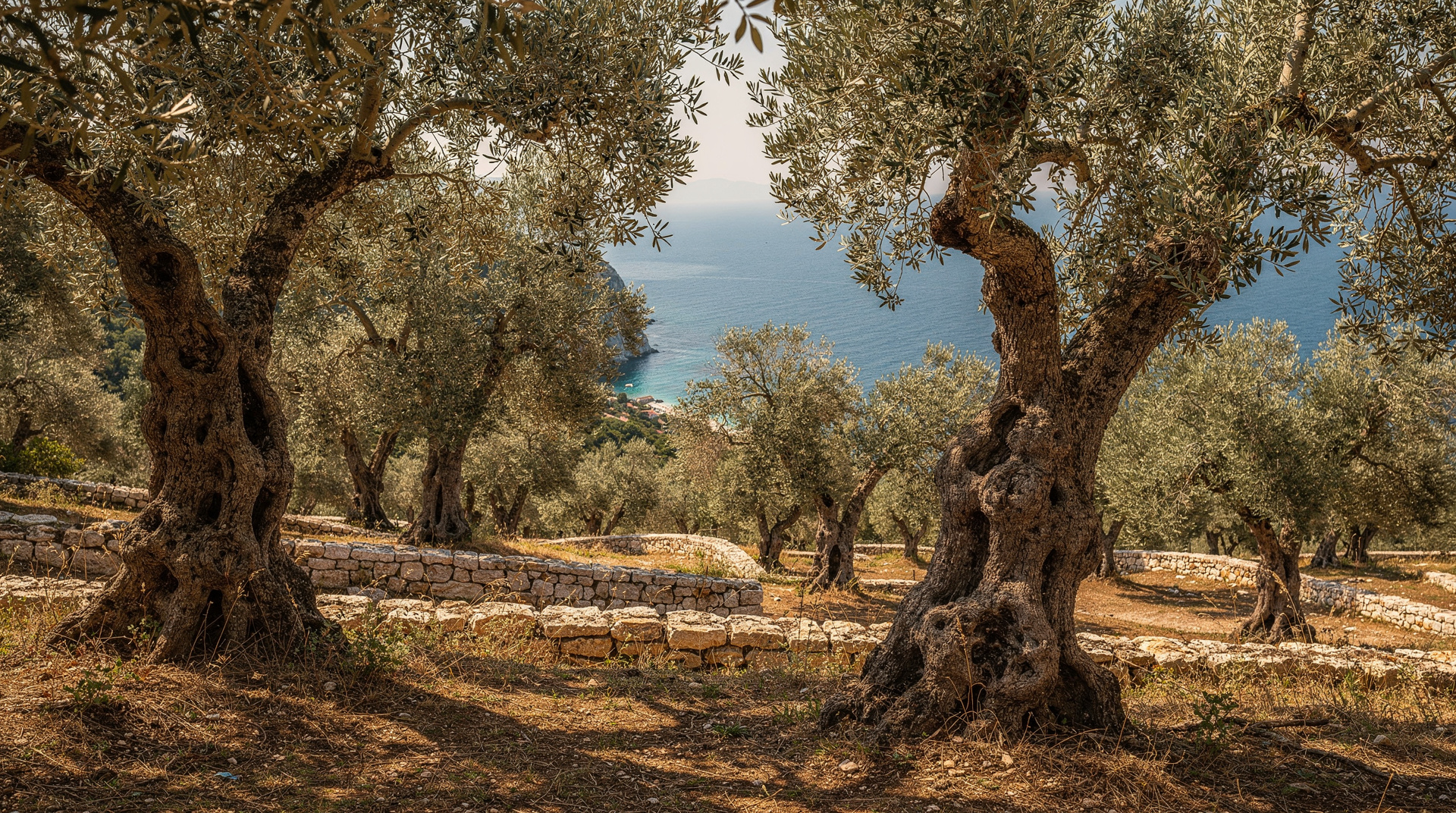
Slovenia's olive oil comes from the coastal zone around Koper, Izola and Piran. The dominant variety is Istrska Belica — an indigenous Istrian cultivar producing a grassy, peppery, intensely aromatic oil with PDO (protected designation of origin) status. It is among Europe's finest olive oils and significantly cheaper at source than in export markets.
Slovenia’s secret: some of Europe’s best olive oil
| Where | Hills behind Koper, Izola and Piran, Slovenian coast |
| Cost | Farm-direct EUR 12–18/500ml; specialist shops EUR 18–25 |
| Time needed | Half a day for 2–3 farm tastings |
| Getting there | Car recommended; bus to Koper, taxi/tour into the hinterland |
| Best time | October–November for harvest; January–June for peak stored oil |
Most visitors to Slovenian Istria come for the coast — the medieval town of Piran, the salt pans at Sečovlje, the Adriatic light. The olive oil is a secondary discovery, often bought at a farm stand as an afterthought. This is a mistake. The oil produced in the hills behind Koper from the indigenous Istrska Belica variety is, in exceptional years, among the finest cold-pressed olive oils in Europe — comparable to the best Tuscan or Cretan production at a price that has not yet caught up with the quality.
Slovenia’s total olive oil production is very small by European standards — the country’s 380,000 olive trees produce a tiny fraction of what Spain or Italy exports. But small production concentrated in a narrow coastal zone, with a single dominant variety rigorously managed, produces consistency and character that larger regions struggle to maintain. The Istrska Belica is not a fashionable variety — it is rare outside the Slovenian-Croatian Istrian peninsula and genuinely unknown in most export markets. Its comparative obscurity is part of why it is still good value.
Istrska Belica: the indigenous variety
Istrska Belica (“white Istrian”) is the indigenous variety of the Slovenian-Croatian Istrian peninsula. In Slovenia, it dominates the Koper olive oil zone — more than 85% of Slovenian olive trees are Istrska Belica. The variety matures later than most Mediterranean cultivars (harvest in October–November, sometimes into December) and is more cold-tolerant than typical Italian varieties, which is why it survived on the northern edge of the olive tree’s natural range.
The oil characteristics: intensely green when fresh-pressed in October, turning gold over the winter months; grassy and bitter on entry, with a strong peppery finish that persists for several seconds. The bitterness and pepper are not flaws — they are indicators of high polyphenol content, the same compounds that make early-harvest Tuscan oils coveted for their health properties and shelf stability. A high-polyphenol olive oil oxidises more slowly, tastes more complex, and pairs better with food than a mild, sweet oil.
What poor Istrska Belica tastes like: flat, slightly rancid, without the pepper finish. This indicates old oil, oxidised oil, or fruit that was harvested too late in the season when the polyphenol content drops. The difference between good and poor within the same variety and region is significant.
PDO status and what it means
Slovenian Istria’s olive oil holds PDO (protected designation of origin) status under EU regulation — the full name is “Istrsko oljčno olje” (Istrian olive oil, Slovenian). This means the olives must be grown in the designated zone (the coastal strip and hinterland behind Koper), processed within the zone, and the final oil must meet specific chemical and sensory standards including maximum acidity and a sensory panel assessment.
In practice, the PDO covers the best oils from established producers but does not prevent mediocre oil from being sold under the broader Slovenian Istrian label without PDO certification. Ask specifically whether an oil is PDO-certified when buying, particularly at farm stands and markets.
Where to taste and buy
Oljarna Oljčni Gaj (near Koper, family olive oil mill) is the largest estate winery in the area and the easiest for visitors to access. Open for tastings and guided olive grove walks in harvest season (October–November). The oils are available year-round at the farm shop; prices are significantly lower than in Ljubljana shops or export markets.
Župnc (Osp village, in the karst above Koper) is a smaller producer whose oils consistently appear at the top of Slovenian olive oil competition rankings. The estate is in the dramatic limestone village of Osp, visible below the Osp climbing crag. Contact ahead for a visit.
Petek (Malija village, south of Koper) has a well-regarded tasting room open for visits; one of the more approachable estates for casual visitors without extensive prior planning.
Koper Saturday market: fresh-pressed oil in season (November–January), alongside the regular food market. Less guaranteed for quality than a farm visit but useful if you are passing through without a detour into the hills. Ask the seller directly which village the oil comes from and whether it carries PDO certification — market stalls vary considerably in reliability, and a specific, confident answer is a reasonable proxy for a producer worth trusting.
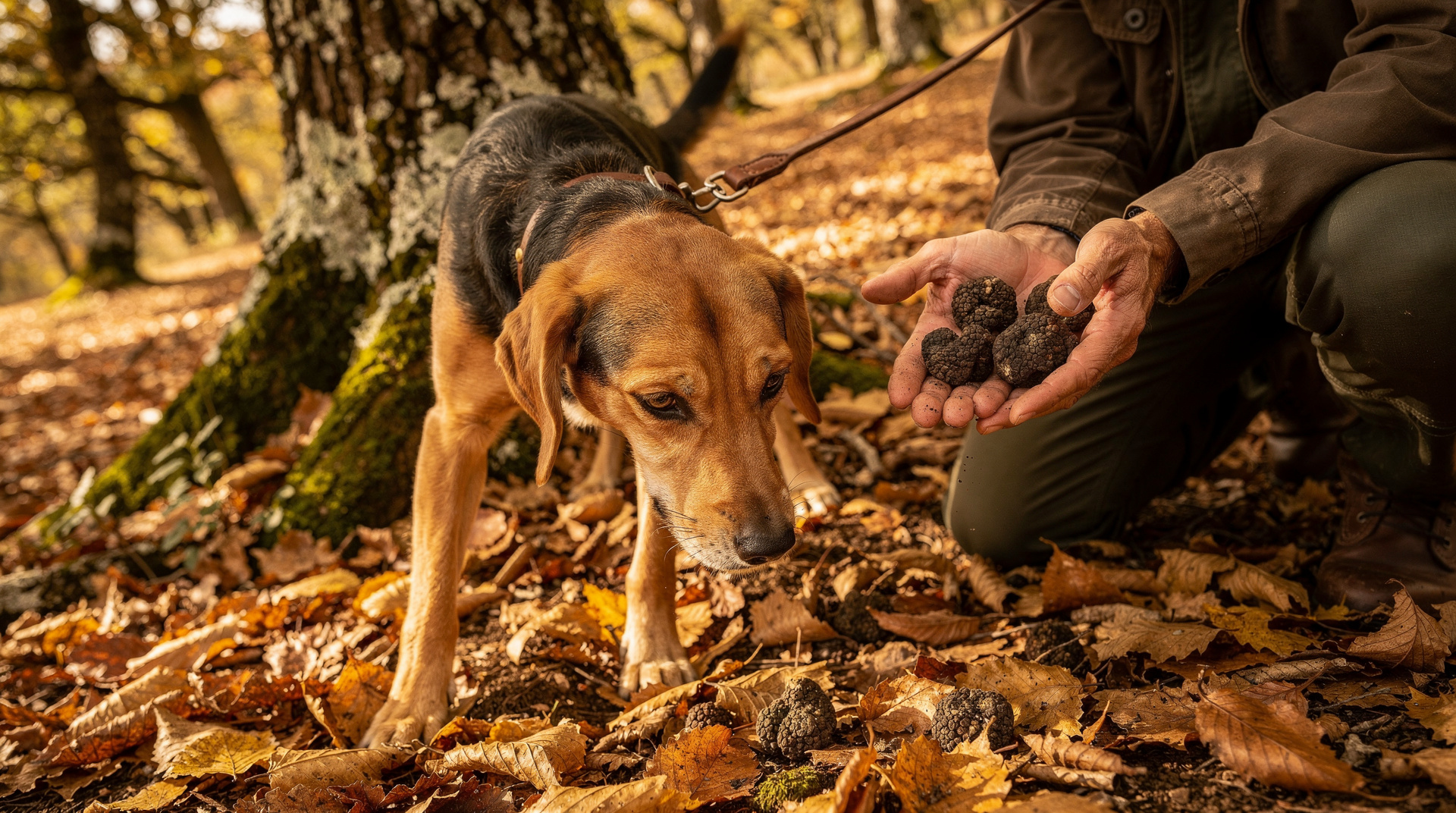
For a structured introduction to Slovenian Istrian olive oil with a guide, an Istrian olive oil tasting experience covers the production process, variety characteristics and tasting technique in a single session. Combining this with a truffle hunting tour in autumn covers the two signature Istrian food products in one day.
How to taste olive oil properly
Good olive oil should be tasted at room temperature (not chilled), in a small glass (preferably dark to mask the colour — colour indicates freshness but can distract from aroma and flavour assessment). Warm the glass in your palm for 30 seconds. Inhale: you should get fresh-cut grass, green apple, artichoke, tomato leaf, or almond — any of these in some combination. Sip a small amount and let it coat the back of your throat; swallow and wait for the pepper finish. Count the coughs: a single cough indicates medium polyphenol content; two to three sustained coughs indicates high polyphenol content. This is called the “three-cough oil” in Italian tasting vocabulary.
An oil with no pepper finish is either old, from a mild variety, or from fruit harvested after peak polyphenol point (usually mid-October for Istrska Belica). An oil with a rancid note (crayon, old butter, stale walnut) has been oxidised and should not be purchased.
At a farm tasting, ask to taste the same oil from the current harvest against an oil from two years ago. The difference in pepper intensity and freshness illustrates how olive oil ages.
Using Slovenian olive oil in cooking
Istrska Belica oil is a finishing oil — it is used raw, drizzled over dishes, not for high-heat frying. The classic applications in Slovenian Istria and Istrian Croatia:
Prosciutto and cheese: a plate of air-dried ham (Kraški pršut from the Karst, or Istrian pršut) with semi-soft sheep’s milk cheese, drizzled with fresh oil and black pepper. The simplest and often the best.
Fuži with fresh truffle and oil: the Istrian hand-rolled pasta with fresh Istrian truffle, a generous pour of fresh oil. In October–November when both the truffle and the new-harvest oil are available simultaneously, this is the local dish of the season.
Grilled fish: freshwater trout or Adriatic fish (brancino/sea bass, orada/gilthead bream) grilled simply with a squeeze of lemon and the local oil. Fish restaurants in Piran use their own olive oil as a matter of pride.
Bread and oil: the simplest test of a good oil. Freshly baked rustic bread, a pool of fresh-pressed Istrska Belica, coarse sea salt. Served at every farm tasting; the correct way to evaluate what you are buying.
The harvest season
The Istrska Belica harvest runs from mid-October through late November, depending on altitude and year-to-year variation. In some years it extends into December. This is the most interesting time to visit — the farms are active, the pressing mills are running, and the fresh-pressed oil (olio nuovo) in the first two weeks after pressing is at its most intense and aromatic.
The Olive Oil Festival in Koper (typically November) is a regional celebration of the new harvest, with producer tastings, competitions, and local food stalls. Worth timing a coastal visit to coincide with it if your trip falls in autumn.
Outside harvest season, the farms are quieter but still operational for visits. The oil from the previous October harvest, if stored properly (cool, dark, sealed), is at its best between January and June. After June the pepper intensity begins to drop; by the following October, even well-stored oil from the previous harvest is past its peak.
The broader Istrian food context
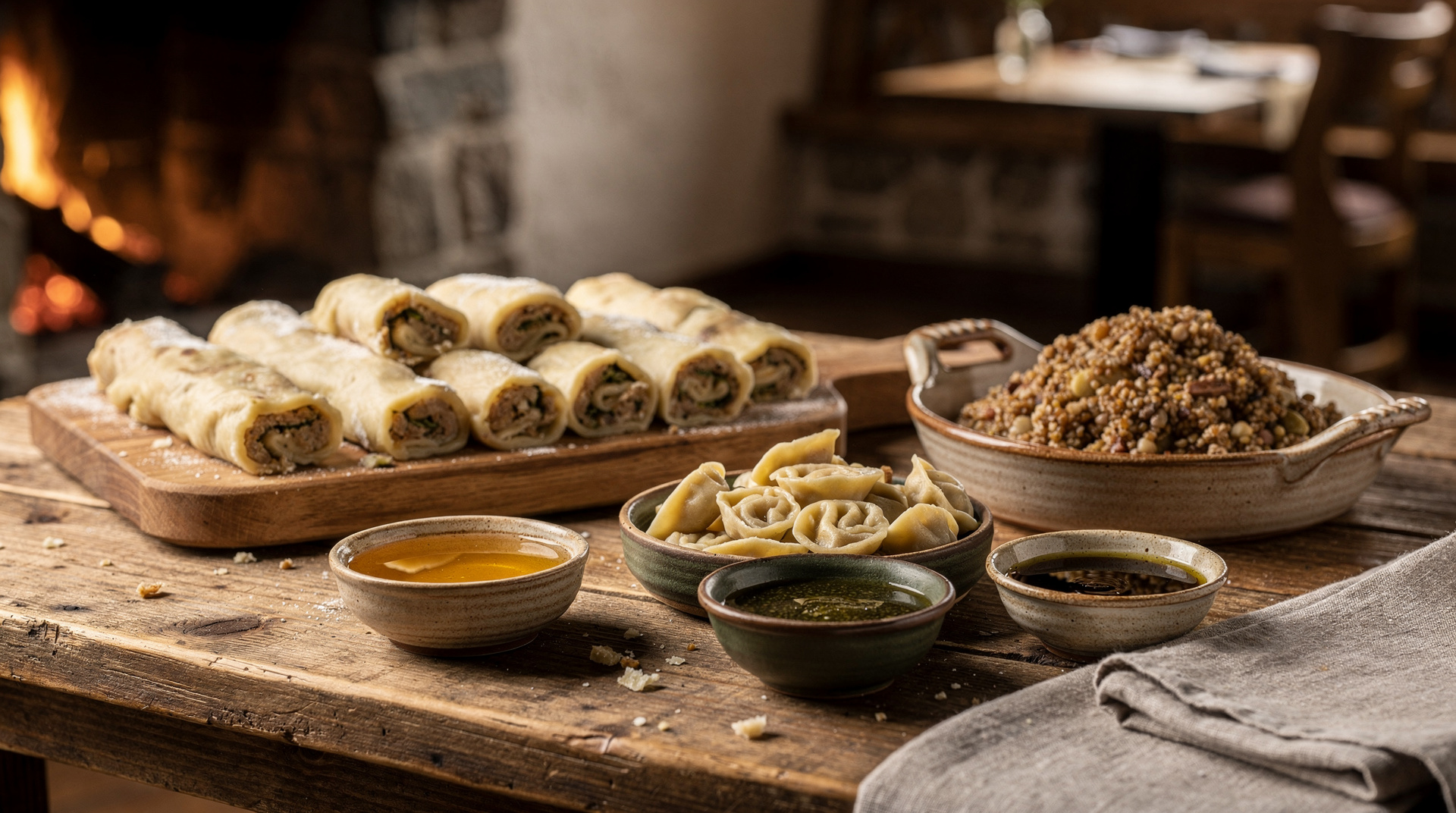
Olive oil does not stand alone in Slovenian Istrian food culture — it is part of a Mediterranean food identity that distinguishes the coastal zone sharply from inland Slovenian cooking. The Istrian peninsula, shared between Slovenia and Croatia, has a unified food culture regardless of the border: olive oil, prosciutto, Istrian pasta (fuži, pljukanci), fresh fish, truffles, Malvazija wine.
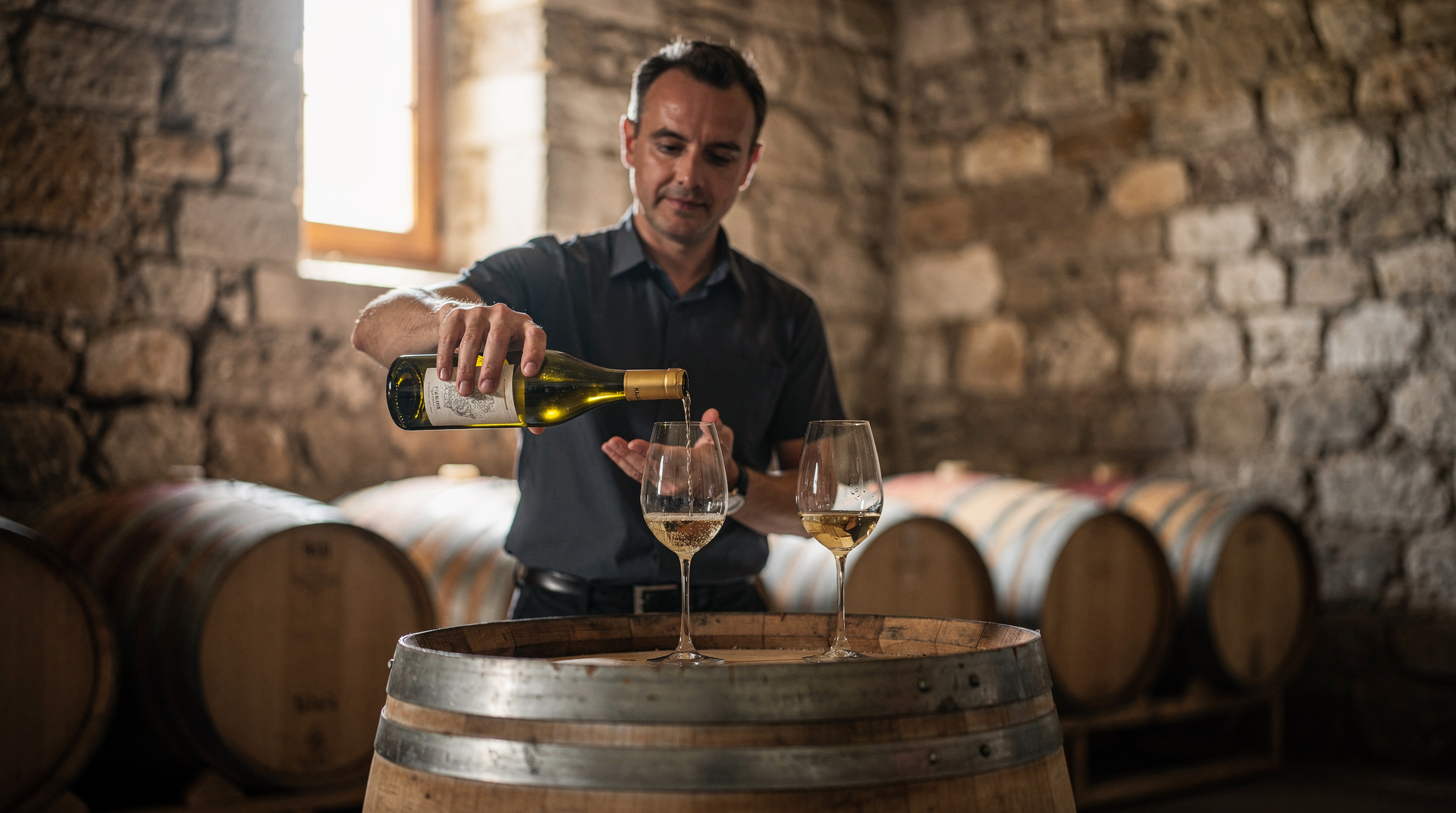
The best meal in Slovenian Istria is typically a simple one: fresh grilled fish at a Piran seafront restaurant, dressed with local oil; a glass of Malvazija from a Koper-area producer; bread dipped in oil while you wait. This is not elaborate cooking. It is good ingredients, competently handled, in a setting that is genuinely beautiful.
A guided food and wine walk in Piran — the Piran wine and food walking experience — covers the oil, wine and local producers of the coastal zone in a structured half-day. For the broader context of Slovenian food, the Slovenian food guide covers the full national picture. The truffle hunting guide covers the other key Istrian food experience.
Getting to the olive oil zone
The Koper-area olive estates are 100 km from Ljubljana — 1 hour by motorway. Most farms with tasting rooms are a further 10–20 minutes into the hills behind the coast. A car is the most practical way to visit multiple producers. Koper is accessible by bus from Ljubljana (Nomago coaches, EUR 8–12, 1.5 hours) but public transport into the farming hinterland is limited.
If you are based in Piran, the farms are 15–25 km inland — a straightforward car or taxi journey. Many farm tasting tours offer collection from Piran or Koper on request; confirm when booking.
What to pay and what to take home
Fresh-pressed Istrska Belica oil direct from a farm: EUR 12–18 per 500ml, EUR 20–30 per litre. The same quality in a Ljubljana specialist shop: EUR 18–25 per 500ml. In export markets (London, Vienna, Zurich): where it appears at all, EUR 25–35 per 500ml.
Buy direct from the farm in autumn when the oil is fresh. A 500ml bottle is the right size for taking home — enough to last two to three months of regular use, the window in which the oil is at its best. A larger 1-litre bottle makes sense only if you cook with it frequently.
Look for PDO certification on the label (the EU logo plus “Istrsko oljčno olje / ZOP”). This guarantees the oil meets the chemical and sensory standards of the designation. Estate-bottled oils from farms you have visited directly are typically reliable even without the PDO label if you tasted and liked the oil before buying.
The coastal hinterland beyond olive oil
The hills behind Koper and Piran are not only olive oil country. The same terrain produces local wine (Malvazija Istrska and Refošk), a small but increasing production of artisan cheeses, and — in autumn — truffles from the oak forests of the Dragonja valley. The truffle season overlaps almost exactly with the new-harvest olive oil season (October–November), making this the best possible time for a food-focused visit to the Slovenian coast.
A walking tour of Piran that includes local food producers, wine tastings and olive oil is the most efficient way to experience the coastal food culture without a car: the Piran wine and food walking experience covers the key producers and products of the coastal zone in a structured half-day. For a dedicated olive oil deep-dive, the Istrian olive oil tasting is the more focused version.
Comparing Slovenian olive oil to Italian and Croatian
Honest comparison: at its best, Istrska Belica oil from Slovenia is genuinely competitive with the best Tuscan monocultivar oils (Frantoio, Moraiolo, Correggiolo) and with the top Croatian Istrian Buža oils. The polyphenol content of well-made Istrska Belica is among the highest in Europe in good vintage years.
What the Slovenian oil does not have: the marketing infrastructure, the international recognition, the consistent supply, or the restaurant presence of Tuscan or Greek oil. You will not find it in Michelin-starred restaurants outside Slovenia. The comparative obscurity of the variety and the small production volume work simultaneously in favour (low price, authentic producer access) and against (hard to find outside Slovenia, inconsistent availability).
The Croatian comparison is more direct — Buža olive oil from the Šibenik area and Leccino-based oils from Istrian Croatia are in the same quality and price tier. If you are visiting both sides of Istria, tasting the Slovenian and Croatian productions side by side at a farm stand at the Koper Saturday market is an instructive exercise.
Slovenian Istria as a food destination year-round
The olive oil season (October–November) is the peak food-focused visit time for the Slovenian coast, but the coastal zone is a genuine food destination year-round:
Spring (April–June): the Malvazija wine is at its freshest and most aromatic in the spring following the October harvest. Asparagus from the hinterland appears. The fishing season is active — fresh anchovies (inčun) in May and June are served marinated or in the local brodetto (fish stew).
Summer (July–August): peak tourist season but also peak quality for Adriatic fish. The fish market in Koper and the daily catch displays in Piran’s restaurants are at their most varied. The combination of fresh fish, new-harvest Malvazija (now 9 months old, showing well), and the coastal climate is the most consistent pleasure Slovenian Istria offers.
Winter (December–February): the coast is quiet. The olive oil is at its most intense and fresh (November–January is the best window). Some restaurants close or reduce hours; the ones that remain open are the ones with regular local clientele and genuinely good kitchens. A winter visit to the coast offers access to the best restaurants without the summer crowds, at prices that more accurately reflect the food than the location.
See the truffle hunting guide for the autumn Istrian truffle season, and the Slovenian food guide for the national food context.
Planning a coastal food day: which base to use
Where you stay affects how easily you reach the olive oil hinterland. Koper is the practical base for farm visits — the estates in the hills are a short drive away, and the town itself has the Saturday market for a lower-commitment taste. Izola sits between Koper and Piran and works as a quieter, less touristy base with similar access to the hinterland. Piran is the most scenic base but adds 15–25 minutes to reach most farms — worth it if the town itself is a priority, less so if olive oil and truffles are the main focus of the trip.
A realistic one-day itinerary
For visitors with a single day dedicated to the olive oil zone: start mid-morning at Oljarna Oljčni Gaj near Koper for an introductory tasting and grove walk, continue to Osp village to see the dramatic karst setting and taste at Župnc if arrangements allow, then finish with lunch in Koper or Izola featuring bread, oil and local prosciutto.
This covers the range from large accessible estate to small specialist producer in a manageable half-day, leaving the afternoon free for Piran or the Sečovlje salt pans. Booking the guided Istrian olive oil tasting experience ahead of a self-driven day removes the uncertainty of contacting smaller estates directly, particularly outside peak harvest season when opening hours are less predictable.
Frequently asked questions about Olive oil on the Slovenian coast
Is Slovenian olive oil the same as Croatian Istrian olive oil?
They come from the same Istrian peninsula and share the same Mediterranean growing conditions, but Slovenia's production is dominated by the indigenous Istrska Belica variety with its own PDO status, while Croatian Istria grows a wider mix including Buža and Leccino. Quality at the top end is comparable between the two — a side-by-side tasting is genuinely instructive — but the varietal character differs, and Slovenian PDO rules apply only within the designated Slovenian coastal zone.When is the best time to buy fresh olive oil on the Slovenian coast?
November through January, right after the mid-October to late-November harvest, is when fresh-pressed Istrska Belica is at its most intense and aromatic. Buying directly from a farm during or just after harvest also tends to be the best value, since you're getting oil at its peak without the markup of specialist shops or export markets. Oil bought and stored properly stays good through around June of the following year, after which the pepper intensity fades noticeably.
Top experiences
Bookable activities with verified prices and instant confirmation on GetYourGuide.