Izola: the quiet fishing town the Slovenian coast keeps to itself
Izola is Slovenia's most authentic coastal town: Roman ruins, working harbour, family beaches, and food worth the trip. Honest guide with prices.
Izola: private Adriatic boat tour to Strunjan and Piran
Quick facts
- Best time to visit
- May–June, September–October
- Days needed
- 1–2 days
- Getting there
- Bus from Ljubljana (2h) or Koper (15 min); no direct train
- Budget per day
- EUR 55 to 130
The coast town that resisted becoming a resort
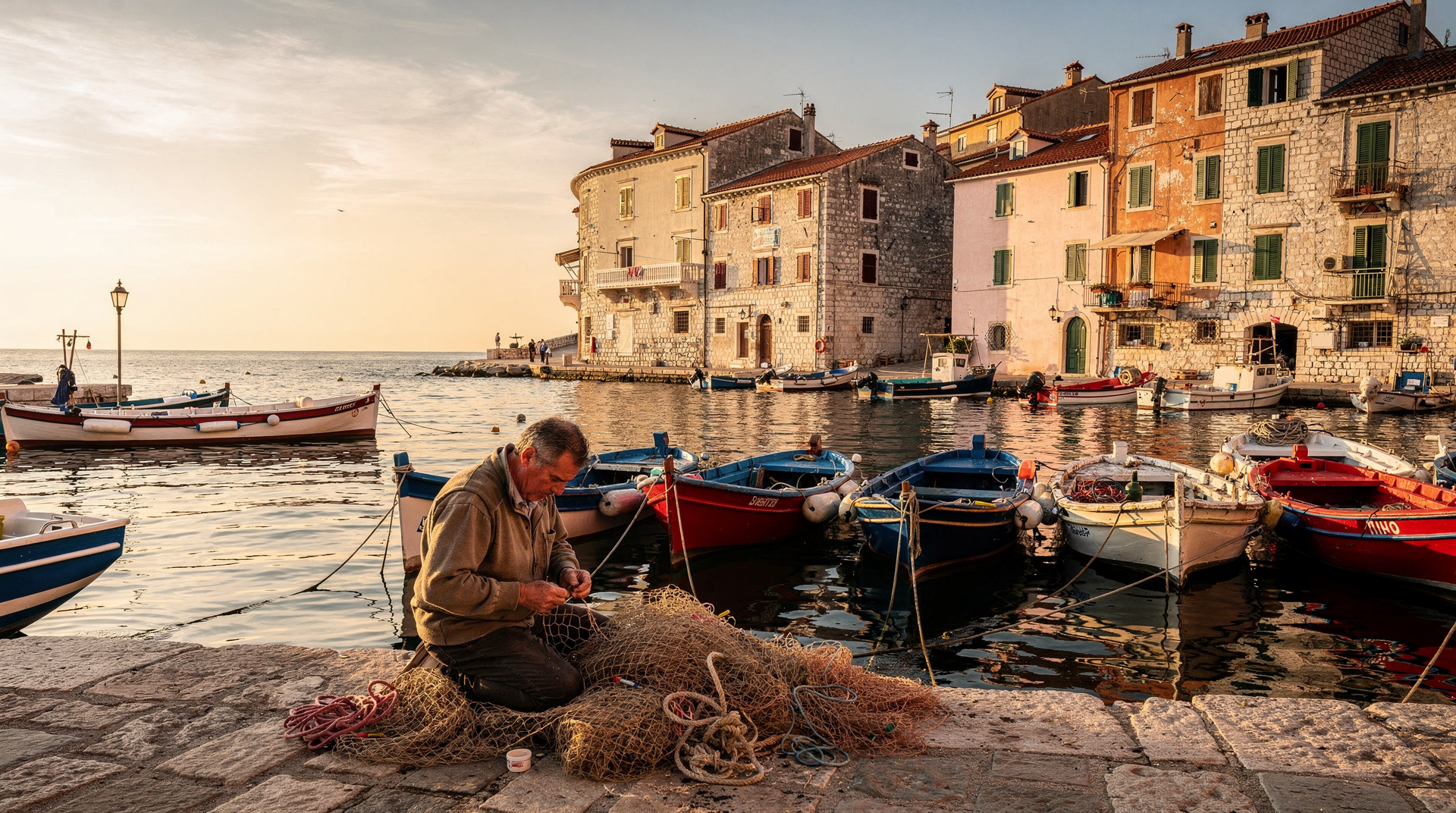
Izola sits on a small peninsula between Koper and Piran, and it has managed something rare on the Adriatic: it stayed a working town. Fishing boats still go out at night and return in the morning. The covered market by the harbour sells local sea bass, mullet and squid at prices the restaurants themselves pay. Old Italian-speaking families still live in the medieval core, and the narrow streets off the main promenade fill with locals, not just tourists, on summer evenings.
That is not to say Izola is undiscovered. It has a lively seafront, good beaches, and a restaurant scene that punches above its weight for a town of 11,000 people. But compared with Piran — which is stunning and saturated — Izola offers breathing room. You can almost always find a parking space, a free spot on the beach, and a table at dinner without a reservation.
If you are visiting the Slovenian coast and want to use a single base, Izola is arguably the smartest choice.
| Where | Slovenian coast, between Koper and Piran |
| Time needed | 1–2 days, or as a coastal base for 2–3 nights |
| Getting there | Bus from Ljubljana (2h) or Koper (15min); no direct train |
| Budget per day | EUR 55–130 |
| Best time | May–June and September–October for quieter beaches and mild sea temperatures |
What to see and do
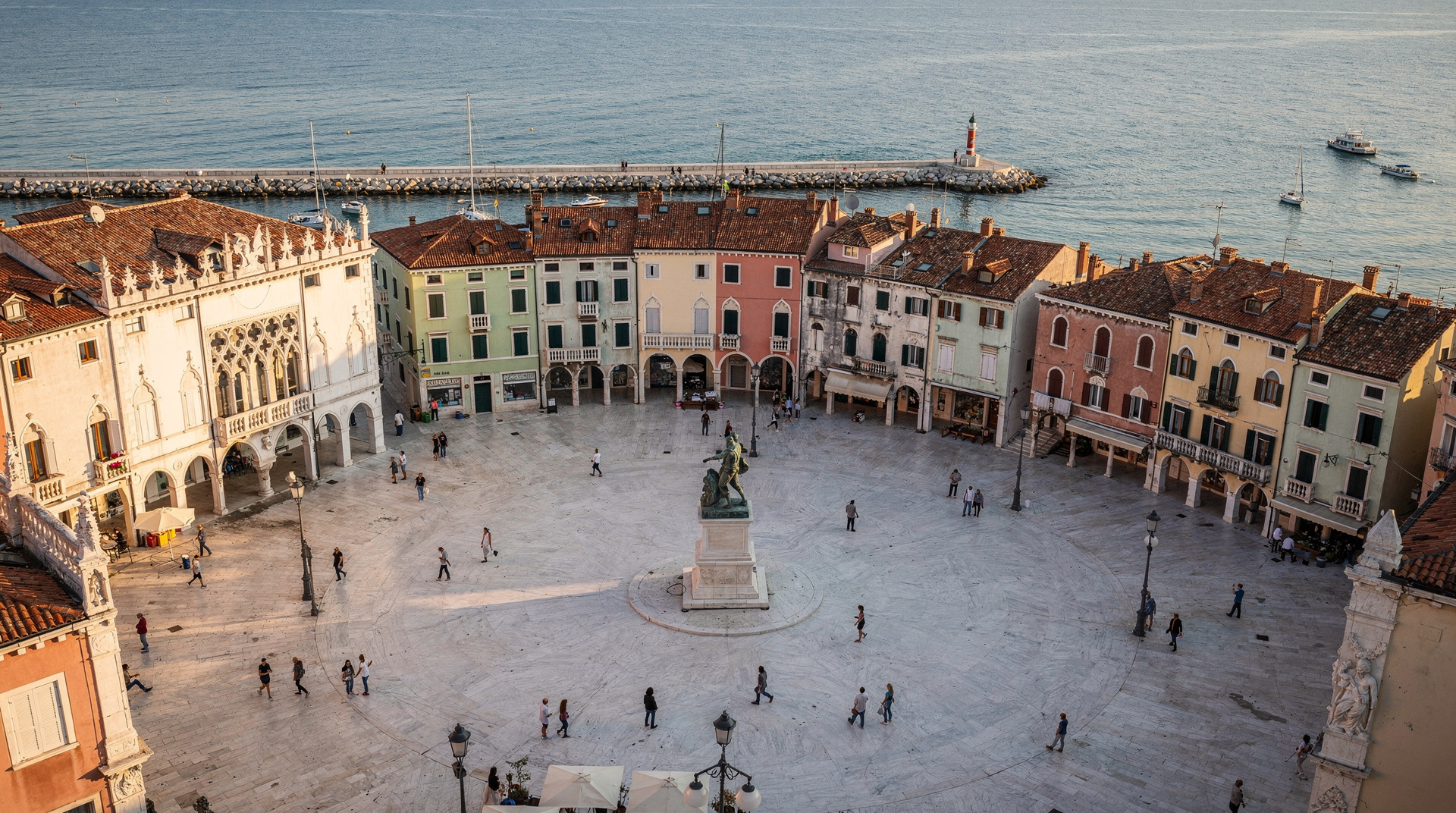
The old town and harbour area. The medieval core, built on what was once an island (Izola means island in Italian), rises steeply from the waterfront. The Church of St Maurus and St Nazarius at the top is a plain Baroque structure with a campanile that signals Venetian influence clearly. Walk the Prešernov trg and the back streets behind it — the architecture is genuinely lovely and uncrowded for most of the year.
The harbour itself is functional and appealing: fishing vessels, a small marina, and the Parenzana Museum in the old customs building. The Parenzana was a narrow-gauge railway connecting Trieste to Poreč that ran from 1902 to 1935; the museum is small (entry around EUR 3) but the photos and models are worth 30 minutes, especially if you plan to cycle the Parenzana trail.
Beaches. Izola’s main beach, Simonov zaliv (Simon’s Bay), is a broad pebble and concrete-platform beach about ten minutes’ walk south of the old town. It is well equipped — showers, cafes, sun lounger rental around EUR 6–8 — and gets busy in July and August but is perfectly manageable in June or September. There is also a quieter shingle beach directly below the old town walls. For sandy options, you need to go to Portorož (20 minutes by bus or bike).
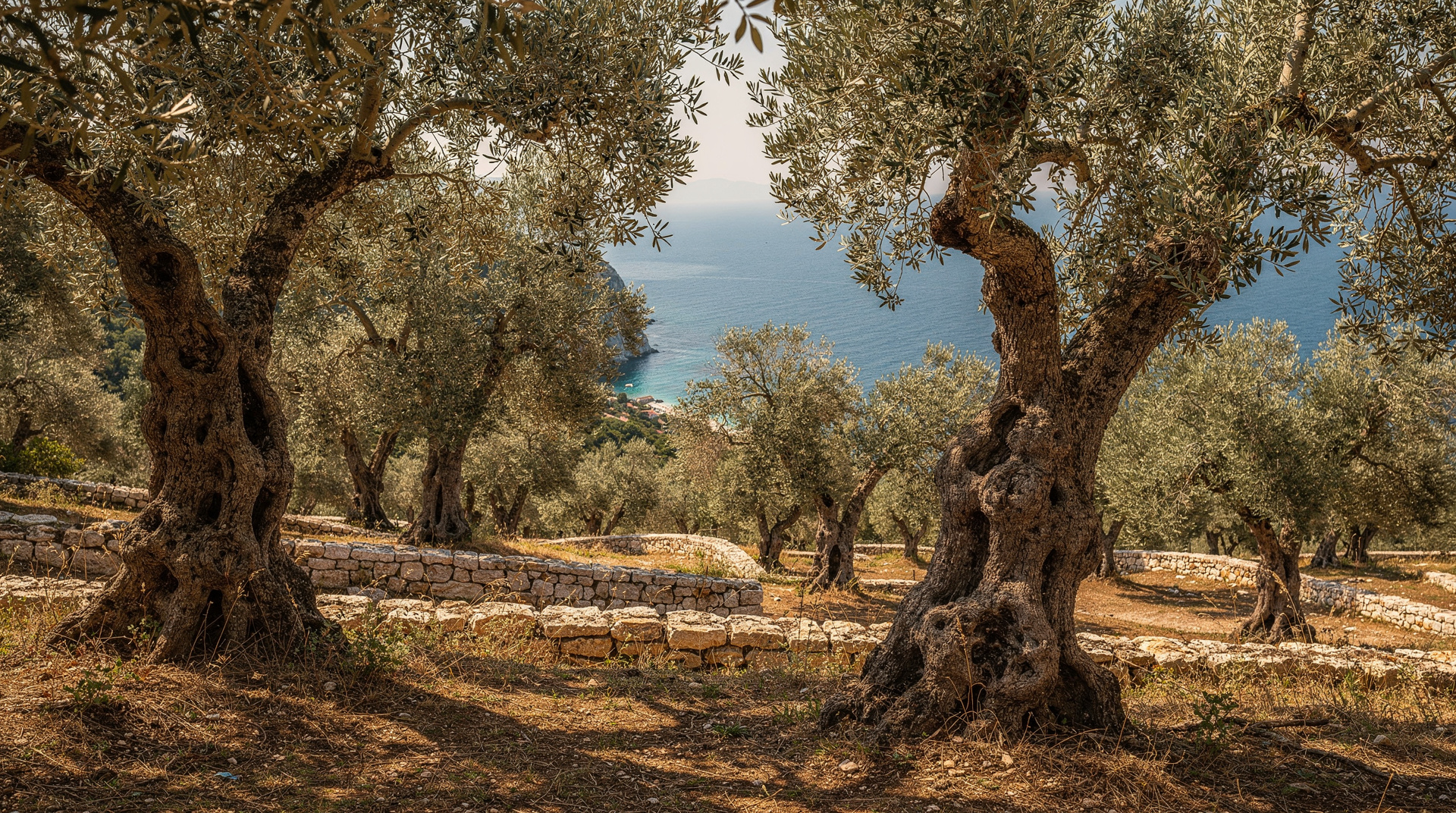
Cycling the Parenzana trail. The converted railway bed runs from Koper through Izola and all the way inland to the Croatian border, 79 kilometres in total. The section from Izola towards Dragonja valley is particularly scenic — olive groves, vineyards, karst limestone outcrops, and virtually no traffic. E-bikes are available for rent in the harbour area (around EUR 20–25/day). An organised Parenzana e-bike tour from the coast is a good option if you want a guide and a structured route rather than navigating solo.
The boat between Izola, Piran and Strunjan. One of the genuinely pleasant ways to see the coast is from the water. A boat tour connecting Izola, Piran and the Strunjan nature reserve shows you the limestone cliffs of Strunjan — among the highest on the eastern Adriatic — and the medieval skyline of Piran from an angle that land travellers miss entirely. Strunjan itself is a protected bay with excellent snorkelling and the cleanest water on the Slovenian coast; the boat stops there for swimming.
Roman Haliaetum. Izola sits above the ruins of a Roman settlement called Haliaetum. Most of what has been found is still underground or in the Regional Museum in Koper, but a small display at the town museum (Palača Besenghi, Gregorčičeva 5, entry around EUR 3) explains the layering of civilisations here — Roman, Byzantine, Venetian, Habsburg, Yugoslav, Slovenian — in a compact and accessible way.
Where to eat
Izola has the best-value seafood on the Slovenian coast, partly because the catch is local and partly because it is not performing for a postcard backdrop the way Piran is.
Gostilna pri Plavi Laguni (Drevored 1. maja 6) is the local benchmark for honest fish cooking: grilled bream, squid in olive oil and garlic, octopus salad. Expect EUR 14–18 for a main. No tourist menu; the staff will tell you what came in that morning.
Restavracija Ribič on the harbour is a step up in price (mains EUR 18–25) but the terrace looks directly onto the fishing boats and the fish soup is exceptional — a deep saffron broth with shellfish and white fish, served with toast and rouille.
Konoba Bujol (behind the main promenade) is informal, small, and the kind of place that fills with locals at lunch. Try the pasta with buzara (shellfish in white wine and tomato) and the local Malvazija wine by the glass (around EUR 3–4).
Capo d’Istria is the place for a longer lunch focused on Istrian ingredients: truffles in season (autumn), local olive oil, house-cured fish. Not cheap (EUR 25–35/person), but genuinely good.
For breakfast and coffee, the bakeries around Trg Sv. Mavra open early and sell the best burek on the coast.
Getting there
Izola is not on any rail line. By bus from Ljubljana (using the Arriva or Nomago network), journey time is around 2 hours with a change at Koper — total fare around EUR 8–10. Direct coaches run several times daily from the capital.
From Koper, Izola is 15 minutes by bus (approximately every 20–30 minutes, EUR 1.80). From Piran, the bus takes 20–25 minutes. The coastal service connecting Koper, Izola, Strunjan and Piran is the most useful local route.
By car from Ljubljana, take the A1 motorway southwest and then the A5/E751 towards Koper (about 100 km, under 1.5 hours). Note that you will need a valid Slovenian highway vignette (EUR 15 for 7 days, available online before arrival). Parking in Izola is available at the main car park on the edge of the old town (around EUR 1.50/hour in summer).
From Trieste (Italy): about 45 minutes by car or bus. Several operators run a daily service between Trieste bus station and the Slovenian coast towns.
Combining with nearby destinations
Izola works best as part of a coast-focused stay rather than a standalone trip from Ljubljana. Two nights here gives you enough time to explore the town, do the boat trip to Piran, and cycle a section of the Parenzana.
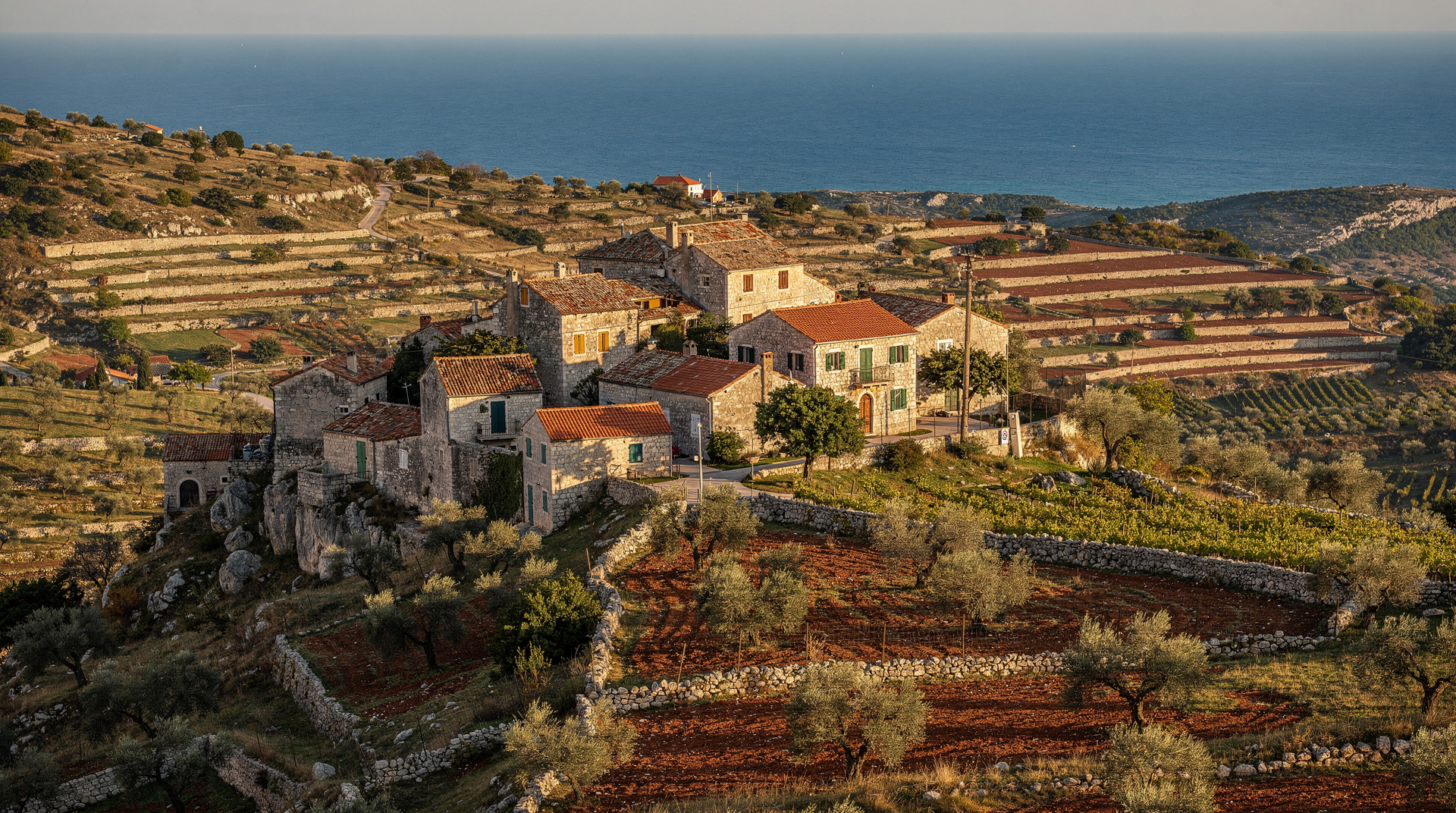
The natural combination is to spend one day in Piran — walk up to the cathedral, visit the salt pans at Sečovlje (45 minutes south), and eat dinner there — and another day exploring the Slovenian Istria hinterland: the hilltop villages of Hrastovlje (with its medieval frescoes), Grožnjan, and the olive oil country around Buzet just across the Croatian border.
A coastal food and drink half-day tour is well worth your time if you want to understand the Istrian olive oil and Malvazija wine culture without driving yourself: the Slovenian Riviera land-and-sea tastings tour covers local producers with a guide who can translate the stories behind the bottles.
The Vipava Valley is about 45 minutes’ drive inland — a logical add-on for wine lovers who want to contrast coastal Malvazija with the more structured whites and reds of the valley.
Honest advice
Parking in summer: Izola’s old town streets are narrow and the main car park fills by 10 am in July and August. If you arrive by car, come before 9 am or budget time for the larger peripheral car park and a ten-minute walk.
Piran vs Izola: Piran is architecturally more impressive and worth seeing, but it can feel overwhelmed in high season. If you want to stay overnight on the coast and can only choose one, Izola gives you a more authentic experience and notably lower accommodation prices — EUR 20–40/night cheaper for comparable rooms.
Beaches: The concrete platforms and pebbles are the reality here and all along the Slovenian coast. If a sandy beach is non-negotiable, the nearest options are Portorož (20 minutes south) or, for something more natural, the beaches at Savudrija in Croatia just across the border.
Restaurants near the harbour: as with any fishing town, the places on the waterfront promenade are the most expensive and not always the best. Walk two streets back and prices drop by 20–30%.
Accommodation options
In the old town: the most characterful accommodation is within the medieval core itself — a handful of apartments and small B&Bs occupy renovated townhouses on the narrow streets above the harbour. Prices for a double room in June or September run EUR 70–110/night; July–August expect EUR 100–150. Book directly when possible — local hosts typically undercut OTA prices by 10–15%.
Serviced apartments near the waterfront: a cluster of newer apartment-style accommodation has developed along the promenade south of the harbour, mostly self-catering with good equipment and sea views. These are better value for stays of three nights or more. Expect EUR 80–130/night for a two-person apartment with a kitchen.
Budget: Izola does not have hostels in the standard backpacker sense, but rooms in private houses (sobe) are available through locals and occasionally via rental platforms. These tend to be in the residential areas a few streets back from the waterfront. EUR 40–65/night for a double.
Nearby higher-end options: for resort-style accommodation with pools and spa facilities, the hotels at Portorož (20 minutes south) are the nearest option — Kempinski Palace Portorož is the luxury benchmark on the Slovenian coast, at EUR 250–500/night. These are a different product entirely from what Izola offers.
A note on Piran vs Izola
Piran is objectively more photographed and more talked about on travel sites. Its Venetian-Gothic buildings, the cathedral of St George on the hilltop, and the view from the harbour are all genuinely impressive. But the practical experience of staying in Piran in July or August — fighting for parking, paying restaurant prices inflated by captive tourist demand, navigating narrow streets so crowded that walking in a straight line becomes a problem — is a different thing from the town’s photogenic reputation.
Izola is quieter, more honest, and in some ways more representative of what the Slovenian coast actually is: a working Adriatic town that has tourism but is not defined by it. If you can only stay in one, the accommodation price differential alone (EUR 20–40 cheaper per night for equivalent rooms) makes a strong argument. Piran deserves a day visit — it does not require an overnight stay to reveal its best.
Strunjan nature reserve
The Strunjan Nature Reserve (Naravni rezervat Strunjan) lies between Izola and Piran — about 5 km from Izola’s old town by the coastal path or bicycle lane. It protects the highest natural cliff on the eastern Adriatic (Strunjan cliff, 80 metres of flysch directly above the sea), a saltwater lagoon, and the cleanest swimming water on the Slovenian coast.
The reserve is accessible on foot or by bicycle from Izola along the coastal promenade — a flat, well-maintained path that takes about 45 minutes each way. The swimming area at the base of the cliffs (Mesečev zaliv, or Moon Bay) is a shingle beach with exceptionally clear water. There are no facilities at the beach itself; bring water and sun protection.
The boat trip covering Izola, Piran and Strunjan (referenced above) reaches Strunjan by sea and stops for swimming in Moon Bay — the most efficient way to combine all three if your time is limited.
Day trips to Koper and Piran from Izola
Using Izola as a base, both neighbouring coastal towns are easy half-day trips. Koper, 15 minutes north by bus, has Slovenia’s finest Venetian civic square (Titov trg) and a working-port character with almost no tourist infrastructure — worth a morning for the architecture and the covered market. Piran, 20–25 minutes south, is the coast’s most photographed town: the cathedral hilltop, the Venetian-Gothic townhouses, and the harbour views justify a day visit even though Izola makes the better overnight base. Portorož, just beyond Piran, is the resort alternative if a sandy beach and hotel pool matter more than old-town architecture.
A practical one-day loop without a car: morning bus to Koper, walk the old town and market, early-afternoon bus to Piran via Izola, walk the peninsula and climb to the cathedral for the view, then the coastal bus back to Izola for dinner.
Diving and snorkelling near Izola
The Slovenian coast is not a major diving destination compared with Croatia or Italy, but the stretch around Izola and the Strunjan reserve has a handful of dive sites worth knowing about: shallow reef and wreck dives in the 5–20m range, visibility that is best in late spring before summer algae bloom, and water temperatures reaching 22–24°C by August. Local dive centres in Izola rent equipment and run guided dives for certified divers; snorkelling at Strunjan’s Moon Bay is the easier, no-certification option and arguably delivers more of the coast’s clearest water for less effort.
Frequently asked questions about Izola
Is Izola better than Piran for a base?
For most travellers, yes. Izola has lower accommodation prices (EUR 20–40 cheaper per night for comparable rooms), easier parking, and a more relaxed evening atmosphere, while still being 20 minutes from Piran’s architecture. Choose Piran itself as a base only if you specifically want to be inside the medieval core for early-morning and late-evening photography before and after the day-trippers arrive.
How many days should I spend in Izola?
One full day covers the old town, a beach afternoon and a good dinner. Two to three days lets you add the Parenzana cycling route, the boat trip to Piran and Strunjan, and a day trip into the Slovenian Istria hinterland villages, which is the more satisfying way to experience this stretch of coast.
Planning Izola into a wider trip
Izola rarely needs to be a trip on its own. It slots well into a route that pairs the sea with the mountains, such as the coast and mountains itinerary, or into a longer loop that lets the coast be the slow, restful stretch, as in the summer lakes and beaches itinerary. If you are building a trip around good food, the slow travel and gastronomy itinerary fits the town’s character well.
Food is the strongest reason to linger. The olive oil of the Slovenian coast is worth understanding before you taste it, and the truffle hunting guide for Istria explains the autumn season mentioned above. For a broader picture of what to eat across the country, see the Slovenian food guide.
If you are comparing the towns before booking, the Izola guide and the Piran vs Portorož comparison help you decide where to sleep, and the best beaches in Slovenia sets expectations for the shoreline. Anyone arriving by road should read the vignette and driving guide first.
The Slovenian coast guide covers the full 46-kilometre stretch from Ankaran to Sečovlje with practical transport and seasonal information. See also the getting around Slovenia guide for intercity bus and car logistics.
Top experiences
Bookable activities with verified prices and instant confirmation on GetYourGuide.