Getting around Slovenia: complete transport guide for 2026
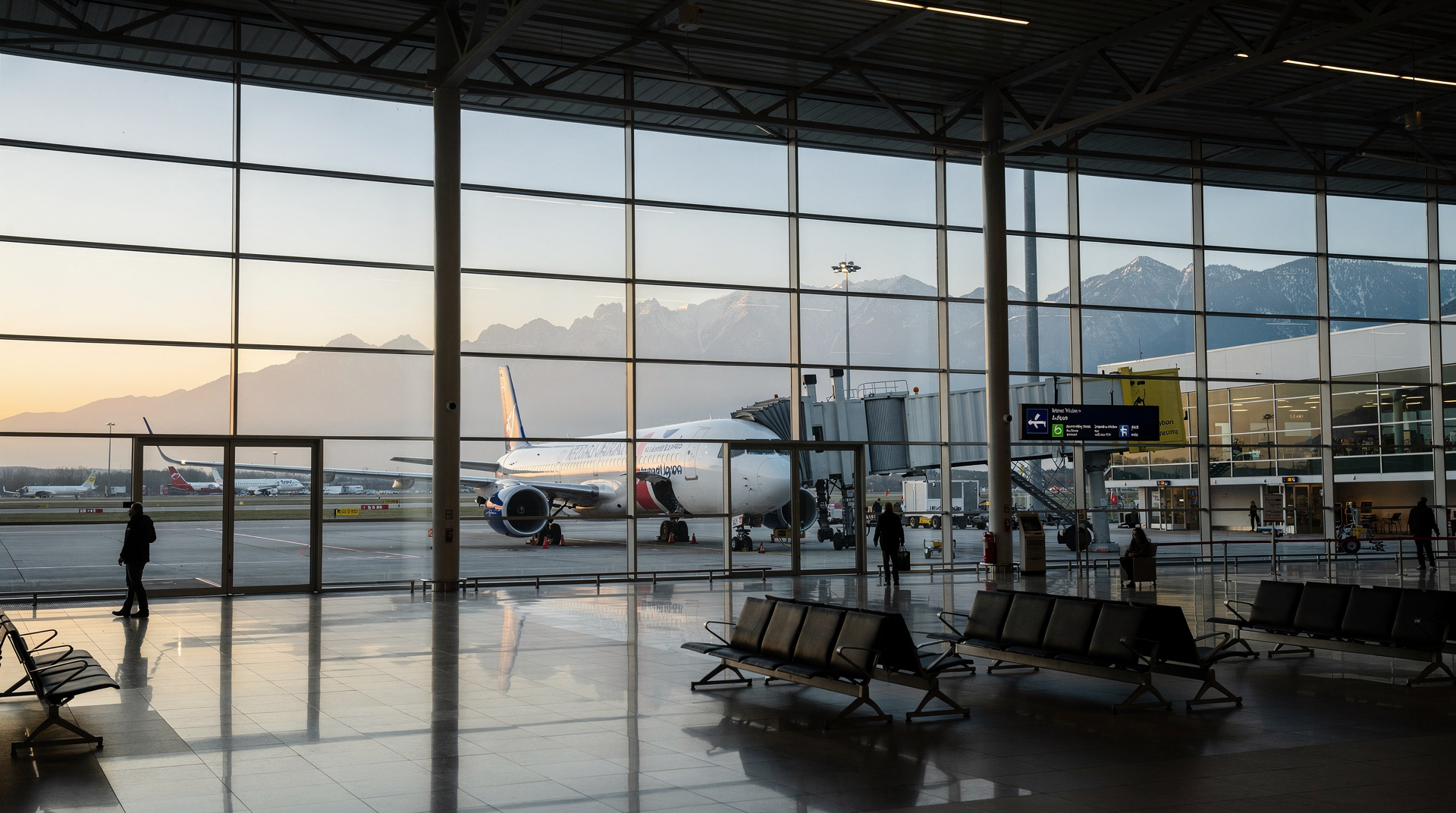
Ljubljana: airport bus transfer to/from the station
What is the best way to get around Slovenia?
A rental car gives you the most freedom, especially for the Julian Alps, Soča Valley and rural areas. For Ljubljana–Bled–Bohinj, buses and shared transfers work well without a car. Trains are limited but reliable on the Ljubljana–Maribor corridor. For most visitors spending 5–10 days, renting a car from day 2 or 3 makes sense once you've settled in Ljubljana.
The honest guide to getting around Slovenia in 2026
Slovenia is compact — roughly 250 km from its westernmost point to its eastern border, and about 160 km north to south. That compactness is one of its great advantages as a travel destination: you can cover a lot of ground in a short time. It also means the transport decisions you make early in your trip have a bigger impact than they would in a larger country.
The honest summary: a car unlocks Slovenia fully. Public transport covers the main tourist corridor (Ljubljana–Bled–Postojna–coast) adequately, but the places that make Slovenia special — the Soča Valley, Logar Valley, Triglav’s back roads, the wine villages of Goriška Brda — are largely unreachable without one.
| Best for flexibility | Rental car, EUR 35–80/day |
| Best for the main corridor | Arriva bus, EUR 5–15 per route |
| Best for Ljubljana–Maribor | Train, EUR 8–12 |
| Vignette needed if driving | Yes, EUR 16/week |
| Areas that need a car | Soča Valley, Goriška Brda, Logar Valley |
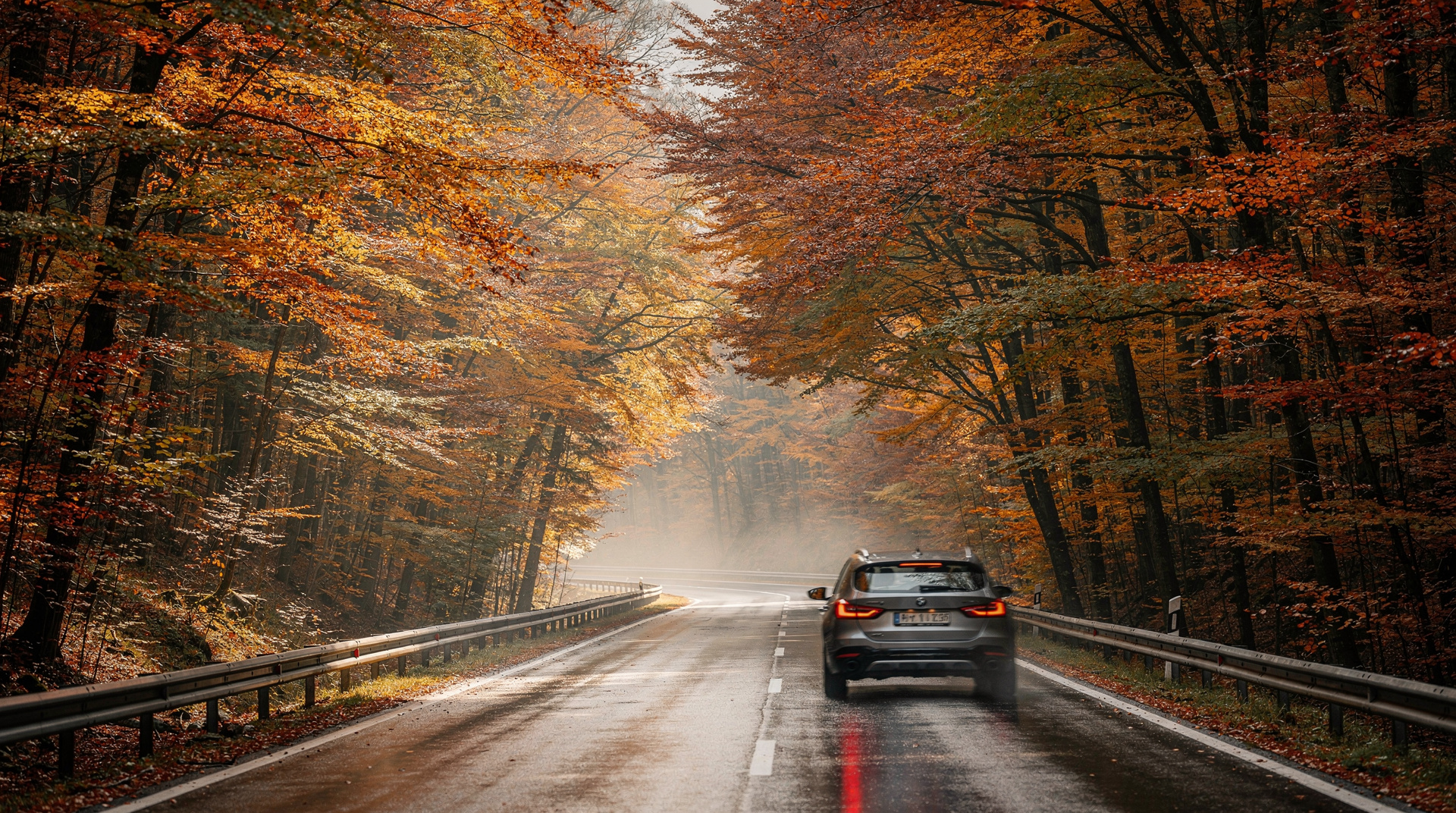
By car: the default for most itineraries
Car hire is available at Ljubljana Airport, Ljubljana city centre, Bled, Maribor and Koper. Expect to pay EUR 35–60 per day for a small car in shoulder season, EUR 50–80 in July–August. The Slovenian road network is excellent — motorways are well-maintained and signposted, secondary roads through the Alps are scenic and manageable (if occasionally steep and narrow), and GPS coverage is reliable throughout.
Critical: the e-vignette. Slovenia operates an electronic motorway vignette system. You must buy a vignette at evinjeta.dars.si before driving on the avtocesta (motorway) or hitra cesta (expressway). The weekly vignette costs EUR 16, the monthly EUR 32. It is tied to your number plate, not a sticker. Fines for non-compliance run EUR 300–800 — enforcement is regular and automatic cameras are in use. Rental cars sometimes include the vignette; always confirm this in writing when collecting the car.
Practical driving notes:
- Speed limits: 130 km/h on motorways, 110 km/h on expressways, 90 km/h on open roads, 50 km/h in towns
- Blood alcohol limit: 0.05% (0.00% for drivers under 21 and with less than 3 years’ experience)
- Headlights must be on at all times, day and night, year-round
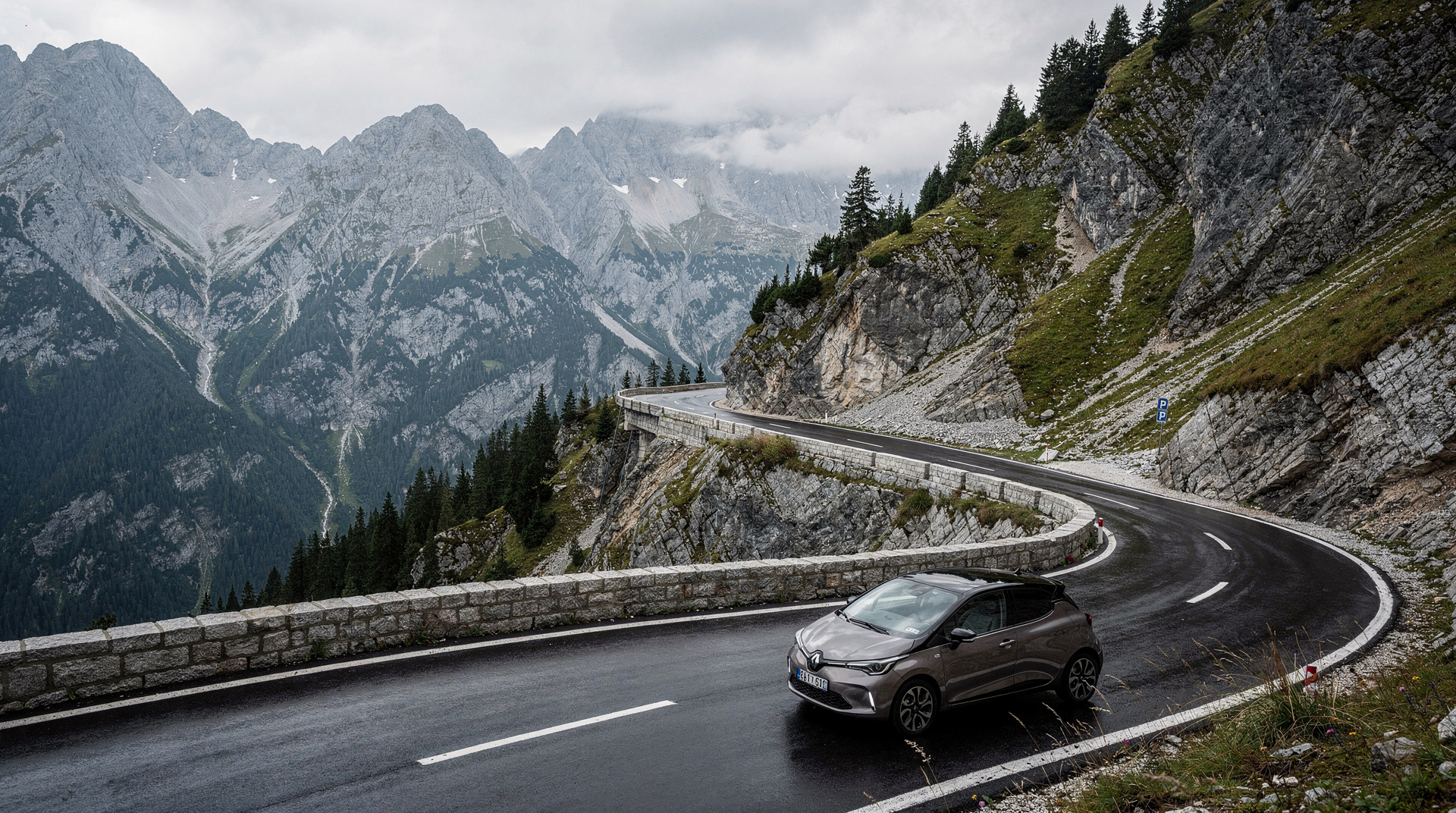
- Vršič Pass (connecting Kranjska Gora to the Soča Valley) is typically closed November–May due to snow
- Mountain passes in general may require snow chains October–April
Key journey times by car from Ljubljana:
- Bled: 55 km, 50 min
- Bohinj: 80 km, 1h10
- Kranjska Gora: 85 km, 1h
- Postojna: 50 km, 45 min
- Piran: 125 km, 1h30
- Bovec: 130 km, 1h50
- Maribor: 135 km, 1h30
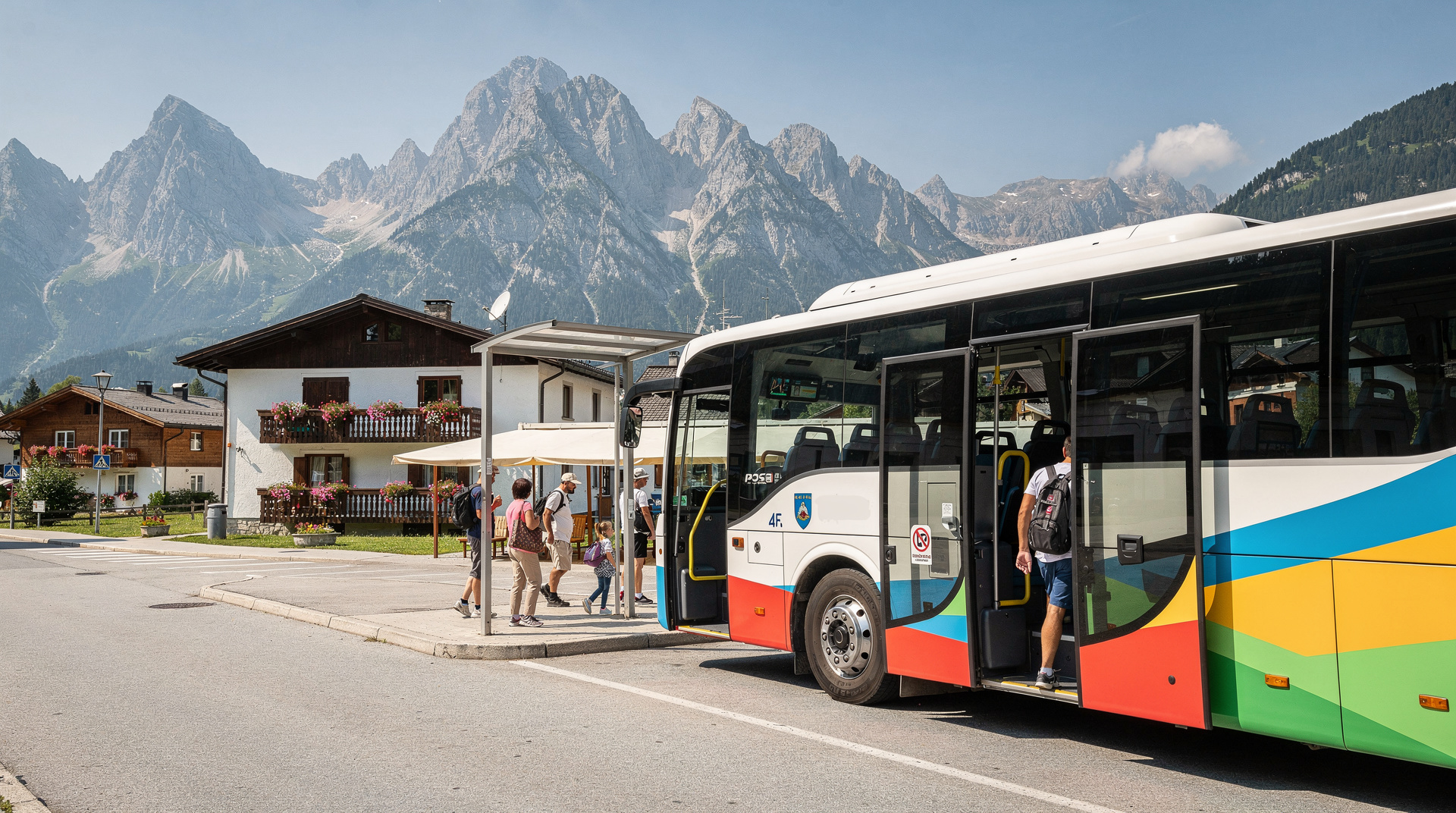
By bus: reliable on the main routes
Arriva operates most of the intercity bus network in Slovenia. The services are generally punctual, modern coaches and well-priced — usually EUR 5–13 for the most common tourist routes.
Best bus routes:
- Ljubljana ↔ Bled: roughly every 30–60 minutes, 1h20, EUR 6
- Ljubljana ↔ Koper/Piran: several daily, 2h–2h30, EUR 11–13
- Ljubljana ↔ Postojna: several daily, 1h, EUR 6–7
- Ljubljana ↔ Maribor: multiple daily, 2h15, EUR 10–12
- Ljubljana ↔ Bovec: 2 services daily in summer, 3h, EUR 13–15
Book at arriva.si. Tickets can also be bought on the bus, but booking ahead on popular routes in summer is sensible. The main Ljubljana bus station is adjacent to the railway station, a 20-minute walk or 5-minute taxi from the old town.
Limitations of the bus network:
- Sunday and evening services are significantly reduced on most routes
- The Soča Valley is served but infrequently; you’ll feel constrained without a car
- Rural villages rarely have more than 2–3 services per day
- No direct bus between Bled and Postojna (you must change in Ljubljana)
By train: scenic but limited
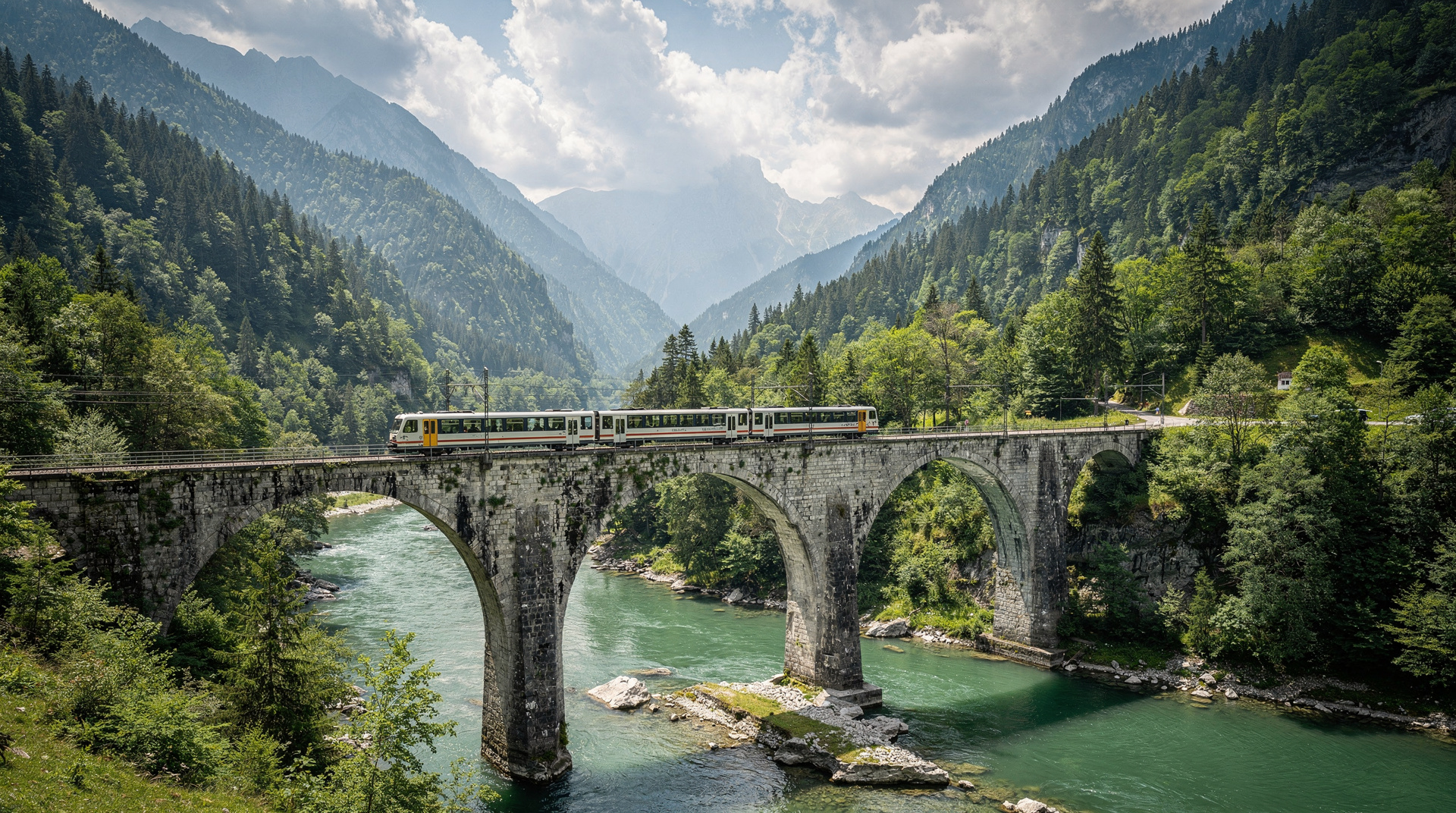
Slovenian Railways (SŽ) operates a network of about 1,200 km. The trains are clean and comfortable, the scenery on several routes is excellent — particularly the Ljubljana–Koper line through the Karst — but the network does not reach most of the places tourists want to go.
Useful train routes:
- Ljubljana → Maribor: 1h45, EUR 8–12, multiple daily
- Ljubljana → Sežana (via Postojna): 1h50, scenic Karst route
- Ljubljana → Koper: direct summer services, 2h30
Lake Bled’s nearest station is Lesce-Bled, 4 km from the lake; you need the connecting bus to Bled town. There is no practical train to Bovec, Bohinj village, Piran or the main Soča Valley destinations.
Shared transfers and private taxis
Shared transfers bridge the gap between expensive private taxis and the constraints of the bus schedule. For Ljubljana Airport arrivals, a shared transfer to Ljubljana city (EUR 15–20 per person) or to Bled (EUR 20–25 per person) is often the best first-day option — quicker than the bus, much cheaper than a private car.
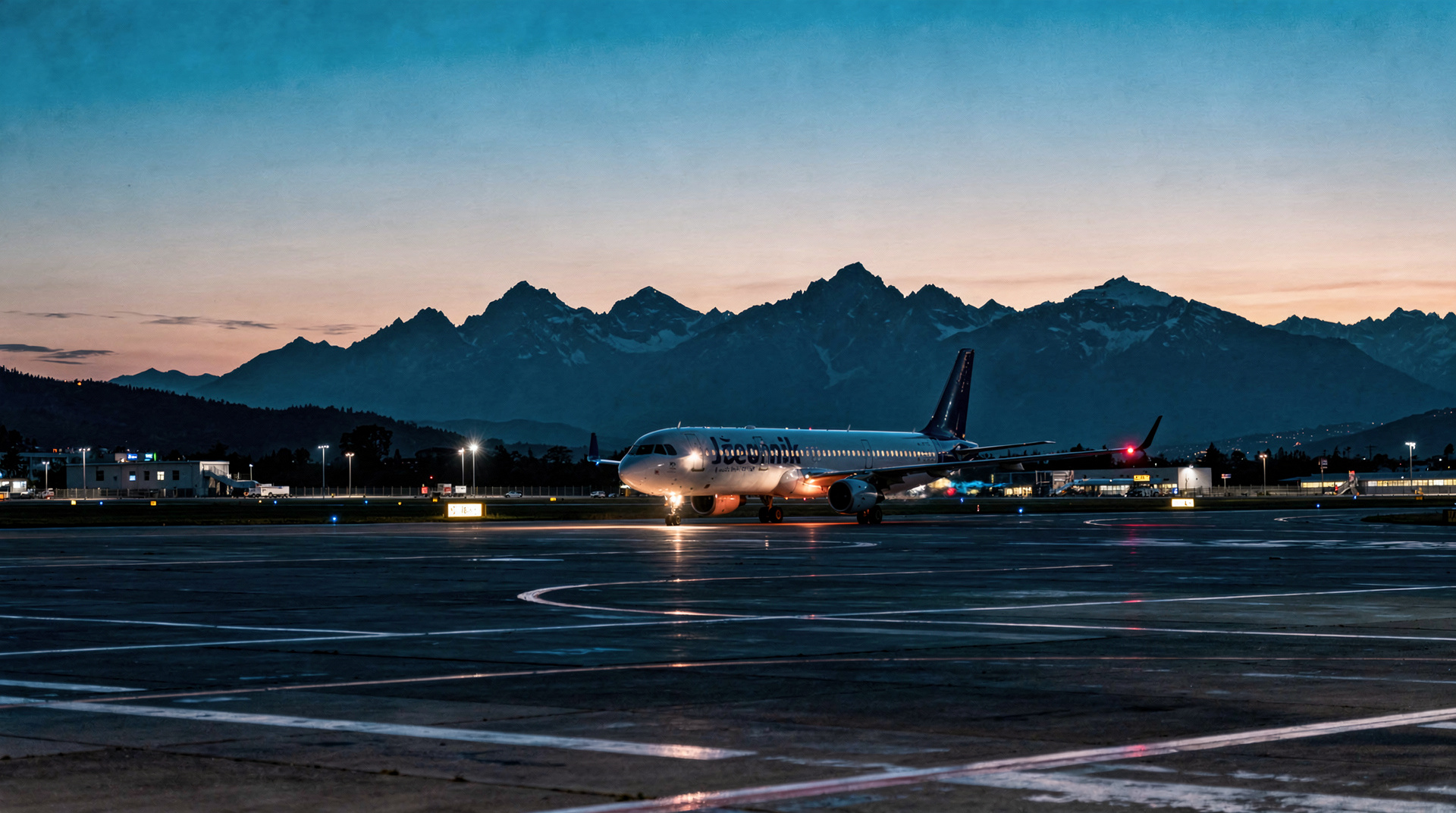
The official airport bus to Ljubljana station costs around EUR 4–6 and is the cheapest way into the city. A private transfer from Ljubljana Airport makes more sense for families or groups arriving with luggage. For the Bled corridor, the direct airport-to-Bled transfer takes about 40 minutes and removes the need to navigate Ljubljana with bags.
Cycling and e-bikes
Slovenia is increasingly cycle-friendly, with a developing national cycle route network. Dedicated routes exist along the Soča Valley, around Lake Bled (flat 6 km circuit), along the Vipava Valley and in the coastal region near Piran. E-bike rental is widely available at Bled, in Ljubljana and at Bovec.
Cycling between major towns on main roads is possible but requires some tolerance for traffic on busier regional routes. The most pleasant cycling is on dedicated paths or quiet secondary roads — the Brda hills, the Karst plateau and the Bohinj Valley are all rewarding by bike.
The national cycle tourism network is organised around EuroVelo routes and Slovenian regional routes (maps at bikeslovenia.com). Key cycling regions:
- Lake Bled and Radovljica valley: flat, family-friendly, well-signed
- Soča Valley Cycle Route: follows the river from Bovec to Tolmin, mix of tarmac and gravel
- Kranjska Gora to Bled: moderate, stunning alpine backdrop
- Vipava Valley: rolling terrain, vineyard routes, quieter roads
- Coastal Parenzana route: converted railway line from Koper to Trieste, easy gravel cycling
E-bikes change the calculation significantly — they make hilly terrain accessible to riders who wouldn’t manage it on a standard bike. A full day on an e-bike in the Bled or Bohinj area, including some climbs, is genuinely one of the best ways to experience the Julian Alps region.
Getting around Ljubljana
Ljubljana’s city centre is compact and almost entirely walkable. The old town, central market, castle and main river promenade are all within 15 minutes on foot of each other. Cycling is easy on dedicated lanes. Taxis and the Bolt app are reliable. The city’s public bus network (LPP) is useful for reaching residential areas and the train/bus stations.
The Kavalir electric buggies offer free rides in the traffic-free pedestrian zone for those who prefer not to walk. Ljubljana is one of the most pleasant European capitals to navigate on foot — this is one of its genuine selling points.
Useful Ljubljana transport details:
- The old town, Prešeren Square, Triple Bridge and Central Market are all within a 10-minute walk of each other
- The train and bus station are 20 minutes on foot from the old town or 5 minutes by taxi/Bolt
- City bike hire (BicikeLJ) is available at docking stations throughout the city — EUR 1/hour after a free first 30 minutes
- The Bolt app works reliably for taxis; standard taxis are slightly more expensive
- Parking in the city centre costs EUR 1.20–2 per hour; the cheapest option is Slovenika park-and-ride at the ring road (EUR 3.60/day, with connecting bus to centre)
Ljubljana’s city centre is compact and almost entirely walkable. The old town, central market, castle and main river promenade are all within 15 minutes on foot of each other. Cycling is easy on dedicated lanes. Taxis and the Bolt/Uber app are reliable. The city’s public bus network (LPP) is useful for reaching residential areas and the train/bus stations.
The Kavalir electric buggies offer free rides in the traffic-free pedestrian zone for those who prefer not to walk. Ljubljana is one of the most pleasant European capitals to navigate on foot.
Taxis and ride-hailing
Taxis are available at Ljubljana Airport, Ljubljana city centre, Bled and at most tourist destinations. Prices are metered but can be high for longer journeys — negotiate or use the Bolt app, which is cheaper and transparent. From Ljubljana city centre to the airport, a Bolt taxi typically costs EUR 25–35 compared to EUR 35–45 for a regular taxi at the rank.
Outside Ljubljana, taxis are less ubiquitous. In smaller towns and villages, you may need to call a local taxi company rather than flag one down. Hotel reception staff can always call a taxi for you. Response times outside the capital can be 15–30 minutes.
River boats and lake transport
A few seasonal water transport options exist:
- Lake Bled: pletna (traditional rowboats rowed by local boatmen) to the island — not strictly transport but integral to the Bled experience. Rowboat hire available from the south shore
- Ljubljanica river cruise: short sightseeing boats run from the embankment in Ljubljana summer — more of an activity than a transport option
- Lake Bohinj: electric boat service runs along the lake to the western end in summer (approx. EUR 5–8 per trip)
None of these replace road or rail as primary transport, but they add an enjoyable dimension to the lake experiences in particular.
Getting around with children
Slovenia is family-friendly in transport terms. Car seats are available from rental companies (book in advance — they run short in peak season, EUR 8–15/day). Buses accept prams and pushchairs, though fold-flat strollers are more practical. Trains have reasonable space for buggies.
Key family transport notes:
- Children under 6 travel free on buses and trains
- Ages 6–14 pay half fare on trains; bus discounts vary by operator
- The pletna ride to Bled Island is popular with children (about 15 minutes each way)
- Lake Bled’s flat 6 km circuit is ideal for family cycling
- The Postojna Cave train is a genuine child-friendly experience
Getting around with luggage
Luggage lockers are available at Ljubljana station. Most larger hotels will store bags. For moving between destinations, taxis and transfers are significantly easier than buses when you have large bags — bus luggage compartments accommodate one large suitcase per person, but the stowage is not always supervised.
If you’re doing a multi-city Slovenia trip with rolling luggage, the most efficient pattern is a hub-and-spoke model: leave big bags at Ljubljana (storage at hotel or station locker) and do day trips with a daypack. For multi-night stays in different places, private transfers with your bags are worth the extra cost compared to wrestling luggage on to buses.
Combining transport modes
The most practical approach for a 7–10 day trip:
Days 1–2 (Ljubljana): arrive by airport bus or transfer, explore on foot Days 3–5 (Bled/Julian Alps): bus from Ljubljana or direct transfer from airport, hire a car from Bled for day trips to Bohinj/Vintgar/Kranjska Gora Days 6–7 (Soča or Postojna/coast): drive from Bled via Vršič or Kranjska Gora to Bovec, or south to Postojna and the coast Days 8–10 (coast/return): drive or bus back to Ljubljana for departure
This pattern avoids needing a car in Ljubljana (parking is expensive and unnecessary) while giving you full flexibility in the regions where public transport fails.
Shared transfers between Ljubljana and Bled are a useful tool for this kind of itinerary — you avoid paying for a rental car on the days you don’t need it.
Day trips from Ljubljana without a car
Ljubljana makes an excellent base for car-free day trips to the main Slovenian highlights. Bus connections cover Bled (1h20), Postojna (1h) and the coast (2h30–3h). Organised day tours to Lake Bled from Ljubljana include transport and a guide, which is often the easiest option for first-timers.
For Postojna and Predjama on the same day, the Postojna and Predjama half-day tour from Ljubljana is efficient — the two sites are only 9 km apart and awkward to connect by public bus.
Getting around in each region
Ljubljana and surroundings: entirely manageable on foot and by bus. No car needed for the first day or two.
Julian Alps (Bled, Bohinj, Kranjska Gora): public buses cover the corridor, but a car gives you the freedom to arrive at Bled before 08:00 (essential in peak summer), day-trip easily to Vintgar Gorge and Lake Bohinj, and continue over Vršič into the Soča Valley without backtracking. Rent from Bled if you arrive by bus from Ljubljana.
Soča Valley (Bovec, Kobarid): a car is essentially required for exploring the valley fully. The main road from Bovec to Kobarid to Tolmin is excellent, but without wheels you’re stuck in one place. Bus connections exist but are infrequent.
Karst region (Postojna, Škocjan, Lipica, Predjama): a car is the most efficient way to combine multiple sites. The 9 km between Postojna Cave and Predjama Castle has no regular bus — without a car, you either take a taxi or book a tour.
Slovenian coast (Piran, Portorož, Koper, Izola): manageable without a car — local buses connect the coastal towns. The old town of Piran is car-free in any case. Parking charges at coastal towns are high in summer.
Eastern Slovenia (Maribor, Ptuj, Celje): well-connected by bus and train from Ljubljana. A car makes the wine country (Jeruzalem, Haloze) much easier, but the main towns are train-accessible.
Wine country (Goriška Brda, Vipava Valley): definitely needs a car. The vineyard villages of Brda in particular are scattered across rolling hills with no useful public transport.
Seasonal transport notes
Winter (November–April): Some mountain roads close seasonally. The Vršič Pass is typically closed from November to May. Snow chains may be required on mountain passes. Bus frequency on tourist routes reduces outside summer. Book in advance for the Ljubljana–Piran route in winter as services thin out.
Summer (July–August): Peak season means full buses on the Ljubljana–Bled route and booking ahead is advisable for long-distance journeys. Parking at Bled fills before 10:00. Ljubljana Airport is busiest; expect queues at car hire desks.
Shoulder season (May–June, September–October): the best balance of transport availability, reasonable prices and manageable crowds. This is when getting around Slovenia is most enjoyable.
Practical information
- Arriva bus bookings: arriva.si
- Slovenian Railways: potniski.sz.si
- E-vignette purchase: evinjeta.dars.si
- Ljubljana Airport (LJU): lju-airport.si, 27 km north-west of city centre
- Emergency number: 112 (EU standard)
- Roadside assistance (AMZS): 1987
For each mode of transport in detail, see the individual guides: Ljubljana Airport guide, driving in Slovenia and vignette rules, public transport in Slovenia, car rental in Slovenia, trains in Slovenia, and the Ljubljana to Bled transport guide.
Booking transport in advance versus on arrival
Most Slovenian transport does not require advance booking, but a few exceptions genuinely matter. Arriva buses on the Ljubljana–Bled and Ljubljana–Piran routes rarely sell out outside peak summer weekends, so booking on the day or even boarding without a ticket is usually fine.
The exceptions: shared airport transfers in July–August benefit from a day or two of notice as vehicles fill up, rental cars should be booked weeks ahead in peak season (especially for larger vehicles or specific car seat requirements), and any guided tour to the Soča Valley or a combination of Postojna and Predjama is worth securing 2–3 days ahead in summer since group sizes are capped. Trains rarely require reservations for the short domestic routes Slovenia operates, unlike longer European rail journeys.
Car versus public transport: an honest cost comparison
For a 7-day trip covering Ljubljana, Bled, Postojna and the coast, the two approaches land closer in total cost than many visitors expect:
| Rental car | Public transport + tours | |
|---|---|---|
| Base cost (7 days) | EUR 245–560 (car + fuel) | EUR 60–100 (buses/trains) |
| Vignette | EUR 16 | Not needed |
| Parking | EUR 10–20/day at busy sites | None |
| Flexibility | Full — spontaneous stops, early arrivals | Fixed to timetables |
| Soča Valley access | Included | Requires a guided tour, EUR 60–120/person |
The honest takeaway: public transport plus the occasional guided tour is genuinely cheaper for visitors focused on the main corridor (Ljubljana, Bled, Postojna, the coast), while a rental car pays for itself once the Soča Valley, Goriška Brda or spontaneous early starts at Bled become priorities. Many visitors do both — bus or transfer for the first two or three days in Ljubljana and Bled, then a rental car for the second half of the trip.
Getting between the regions without backtracking through Ljubljana
A subtlety that catches out visitors planning a circular route: most bus and train services radiate out from Ljubljana rather than connecting regions directly. Getting from Bled to the coast, for instance, is far easier by car (a direct 1h30–2h drive) than by public transport, which typically requires returning to Ljubljana first. If your itinerary is Ljubljana → Bled → Soča Valley → coast → Ljubljana in a loop without a car, expect several backtracking journeys through the capital, adding real time to the trip. This is one of the clearest arguments for renting a car from day 2 or 3 once you have explored Ljubljana on foot, even for visitors who would otherwise prefer not to drive.
Frequently asked questions about Getting around Slovenia
Do I need a car in Slovenia?
It depends on your itinerary. Ljubljana, Lake Bled and the Postojna–Predjama combo are all reachable by public transport or shared transfer. Bovec, the Soča Valley, Škocjan Caves, Goriška Brda, Logar Valley and most rural wine country really do require a car. If your trip is split between cities and one or two major lakes, you can manage without. If you want to explore freely beyond the main tourist corridor, hire a car.Is the Slovenian motorway vignette mandatory?
Yes. You must buy an e-vignette before driving on any Slovenian motorway (avtocesta) or expressway (hitra cesta). The fine for not having one is EUR 300–800. A weekly e-vignette costs EUR 16, a monthly one EUR 32. Buy it online at evinjeta.dars.si before you arrive — it's registered to your number plate, so there's nothing to stick to the windscreen. Rental cars sometimes include it, but confirm in writing.How do buses work in Slovenia?
Arriva operates most intercity bus services. The main routes — Ljubljana to Bled (1h20, EUR 6), Ljubljana to Postojna (1h, EUR 6–7), Ljubljana to Piran (2h30, EUR 11–13) — run frequently and are reliable. Timetables thin out in the evenings and on Sundays. Book online at arriva.si or buy at the station. Most local bus stops in towns and villages are served far less frequently.Are there trains in Slovenia?
Slovenian Railways (SŽ) covers the main Ljubljana–Maribor route well (1h45, EUR 8–12). The Ljubljana–Sežana route passes through stunning Karst scenery and serves Postojna. Direct Ljubljana–Koper/coastal trains run in summer. Lake Bled has a train station at Lesce-Bled (4 km from the lake), requiring a bus connection. The network is limited but scenic. See the full trains guide for detail.What are the best ways to get from Ljubljana Airport to Ljubljana city?
The Nomago airport bus runs to Ljubljana bus station in 45 minutes for around EUR 4–6 and is by far the cheapest option. Private transfers (shared or solo) take the same time and cost EUR 15–30 per person shared, or EUR 50–60 for a private car. Taxis from the official rank cost EUR 30–40. There is no direct train.Can I get from Ljubljana to Bled without a car?
Yes, easily. Arriva buses run every 30–60 minutes from Ljubljana bus station and take about 1h20 for around EUR 6 each way. The bus stops right in Bled town. Shared transfers and private taxis are also common and cost EUR 15–25 per person shared. The journey from Ljubljana Airport to Bled takes around 40 minutes by car or transfer.Is cycling practical in Slovenia?
Cycling is excellent in certain areas — the Soča Valley, the Karst plateau, Goriška Brda and the coastal paths near Piran are all well-suited to bike touring. The route around Lake Bled is flat and popular. Long-distance cycling between major towns on main roads is possible but involves some motorway-adjacent sections. Dedicated cycling routes are expanding. E-bike rental is widely available at Bled, in Ljubljana and in Bovec.