Trains in Slovenia: routes, timetables and honest travel advice 2026
From Koper: Postojna Cave with train ride group tour
Are trains useful for tourists in Slovenia?
Yes — on specific routes. The Ljubljana–Maribor line is fast and reliable. The Ljubljana–Koper/Trieste route through Karst scenery is genuinely beautiful. The Ljubljana–Lesce-Bled connection is useful with a connecting bus. For Lake Bohinj, Bovec, Piran and most rural destinations, trains either don't serve the area or are far less practical than the bus.
Train travel in Slovenia: the honest guide
Slovenian Railways (SŽ — Slovenske železnice) operates a network of about 1,200 km across a country slightly smaller than Switzerland. It is not a high-speed network, not a comprehensive network, and — on certain routes — not the most practical option. But on the right routes, the train in Slovenia is a genuinely good choice: well-priced, reliable and often far more scenic than the motorway alternative.
| Best route | Ljubljana–Maribor (1h45) |
| Most scenic route | Ljubljana–Koper via the Karst plateau |
| Booking | Rarely needed; buy same-day except peak summer coastal line |
| Bled access | Lesce-Bled station, 4km from town — bus usually more convenient |
| No train to | Bovec, Lake Bohinj town, Piran |
| Cycling | Bikes carried on most trains; fee on the official SŽ website |
This guide covers when to use trains, when not to, and how to get the most from the network.
The network in brief
Slovenia’s main railway lines radiate from Ljubljana. The busiest is the east–west corridor to Maribor and beyond. The most scenic is the route south to Koper and the coast. Several branch lines serve the Julian Alps, the Soča Valley and eastern wine country, though with limited frequency.
The gauge is standard European gauge. Rolling stock ranges from modern InterCity express units to older regional diesel trains on rural branches. Air conditioning is standard on IC and EC trains; variable on regional services. Punctuality is generally good.
The best routes for tourists
Ljubljana → Maribor (1h45)
The main intercity route. Multiple daily services, some continuing to Austria (Graz, Vienna). The trains are fast, the fares reasonable and the service reliable. If you want to see Maribor or Ptuj without renting a car, this is the practical option.
From Maribor station, the old town is a 20-minute walk. For Ptuj (Slovenia’s oldest town, 45 km south-east), take a connecting regional train from Maribor (30 minutes).
Ljubljana → Koper / Trieste (2h30–3h)
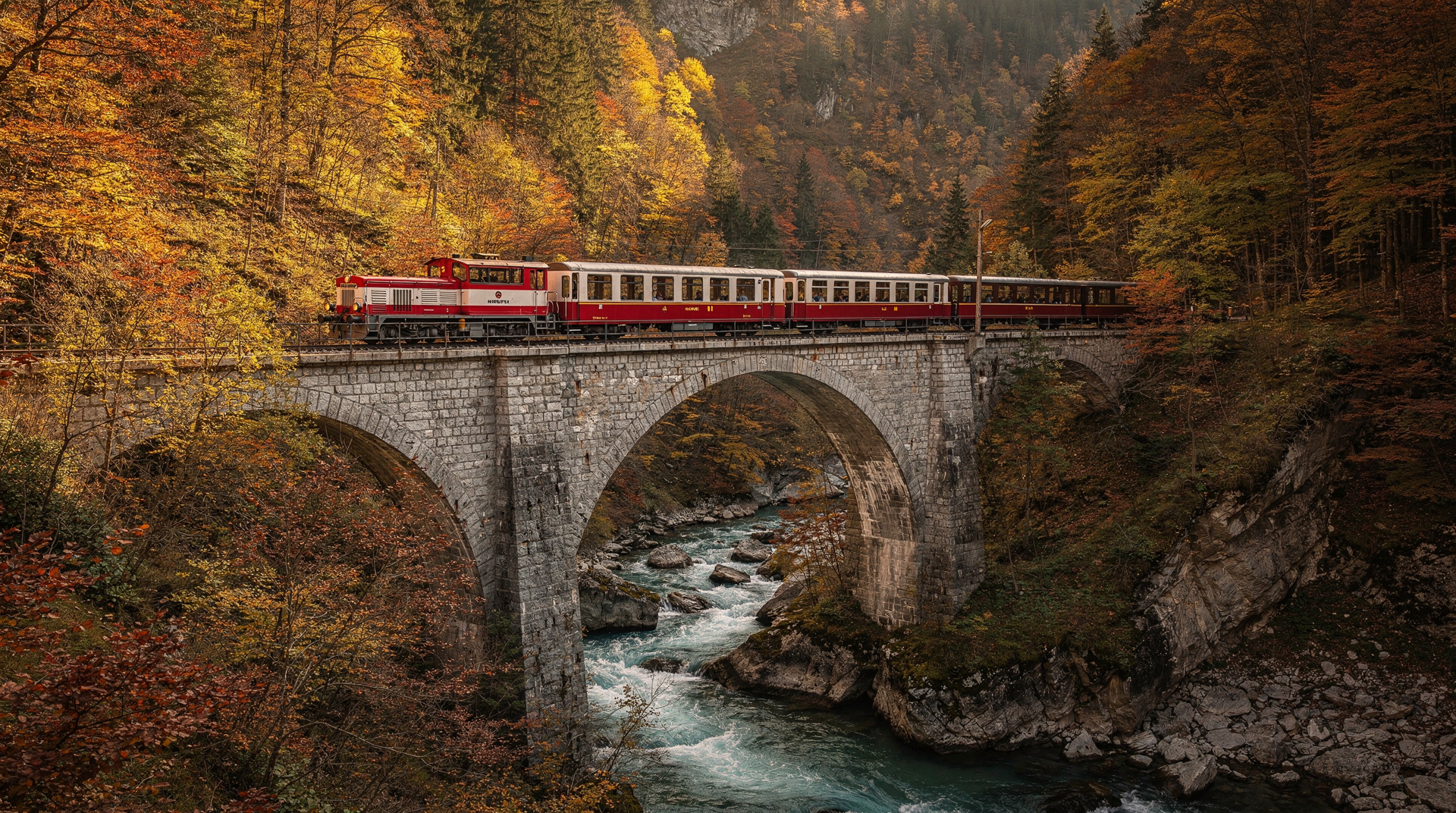
The most attractive train journey in Slovenia. From Ljubljana, the route climbs through the Karst plateau, past the Divača junction where branches head to Škocjan Caves and the coast, then drops steeply to the Adriatic. The descent to Koper, through tunnels and across viaducts, has views the motorway completely hides.
Direct trains to Koper run mainly in summer. Year-round, you can travel to Divača or Sežana and connect to a bus or taxi for the coast. For Trieste, through tickets are available on the Ljubljana–Trieste route via Villa Opicina — check SŽ and Trenitalia together. If you would rather not piece together the Karst connections yourself, a group tour from Koper that combines a train ride with a visit to Postojna Cave covers that stretch for you.
Ljubljana → Lesce-Bled (50 min)
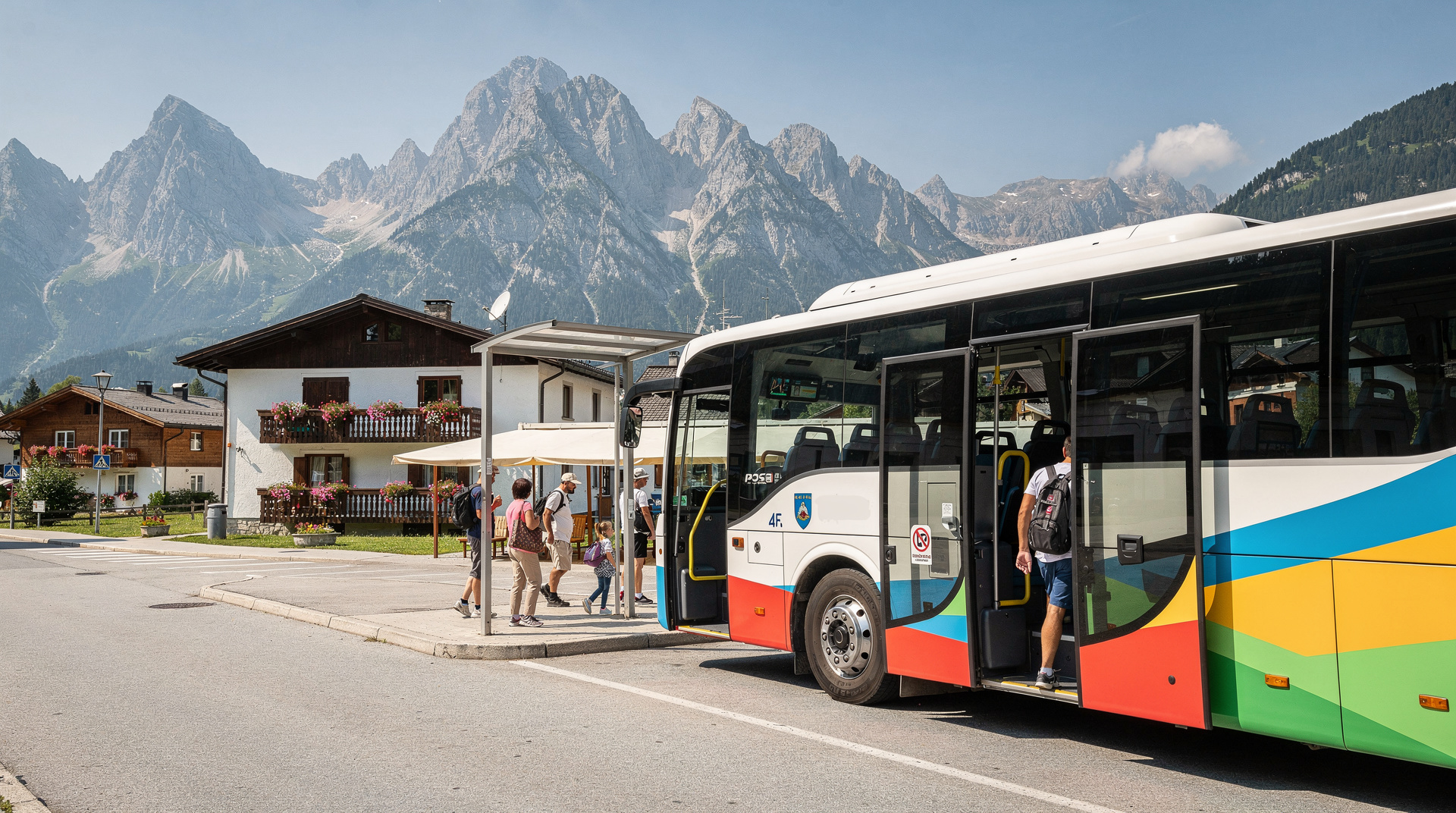
Trains stop at Lesce-Bled station a few times daily. The station is 4 km from Bled town centre. Bus #35 runs between the station and Bled, or a taxi takes about 10 minutes. The total journey by train plus bus is about 1h15 — similar to the direct Arriva bus to Bled, which drops you in the town centre. For most visitors, the direct bus is more convenient.
Ljubljana → Jesenice → Kranjska Gora (1h15, then 20 min bus)
Trains reach Jesenice from Ljubljana (55 minutes, several daily). From Jesenice, connecting buses run to Kranjska Gora (20 minutes). There is no train station at Kranjska Gora itself. In winter, Kranjska Gora is a ski destination reachable this way without a car, though morning services are limited.
Ljubljana → Bohinjska Bistrina (scenic, 2h, limited services)
A branch line west of Ljubljana winds through the lower Sava Valley to Jesenice, then via a different route to Bohinjska Bistrina at the foot of the Bohinj Valley. Very limited services — check the SŽ timetable carefully. From Bohinjska Bistrina, Bohinj lake is 6 km by bus. Logistically complex, but the valley section of this line is exceptionally beautiful.
Nova Gorica (for Goriška Brda and Soča Valley access)
A route from Ljubljana to Nova Gorica runs via Jesenice and through the upper Soča Valley — one of the most scenic railways in Slovenia, crossing the famous Solkan stone bridge over the Soča. Limited services. Nova Gorica itself is a useful base for Goriška Brda wine country.
International train connections
To/from Vienna: Direct Eurocity trains run Ljubljana–Vienna (Maribor, Graz), taking about 6h. Austrian Federal Railways (ÖBB) operates nighttrains from Vienna to Ljubljana — the Nightjet arrives early morning, useful for those wanting to start the day in Ljubljana.
To/from Zagreb: A few trains daily, journey about 2h15–2h30. Check SŽ and HŽ (Croatian Railways) together.
To/from Venice: No direct train. You can take a train to Trieste or Villa Opicina and continue by Italian regional train to Venice (adding about 2h). The bus is more direct.
To/from Budapest: Via Zagreb and Gyékényes, or via Maribor and a change in Austria. Long journeys — check Rail Europe or the Interrail planner.
Passes and discount tickets
Slovenia is covered by Interrail (European residents) and Eurail (non-European residents). Given the modest domestic fares, a pass rarely pays off for Slovenia alone — but if you’re also travelling by train in Austria, Croatia or Italy, the regional pass covering those countries can be worth calculating.
SŽ offers discounted fares for advance booking on the Ljubljana–Maribor route. Other domestic routes have limited yield management — you pay roughly the same whether you book the day before or six weeks ahead.
Children: Under 6 travel free. Ages 6–14 pay half fare. Students with valid ID get discounts on some services.
Practical information
Ljubljana station: Trg Osvobodilne fronte 6, adjacent to the bus station. Left-luggage lockers available. The station is about a 20-minute walk from the old town, or 5 minutes by taxi.
Tickets: Buy at the station counter (queues can be long at peak times), from the ticket machine (multilingual interface), at potniski.sz.si or on the SŽ app. On-board ticket purchase is possible but costs more on IC trains.
Seat reservations: Not required on most Slovenian routes. Recommended on IC trains on busy summer days.
Luggage: There is no size limit, but overhead racks on older regional trains are small. One large suitcase plus a daypack is manageable; touring-style luggage is better suited to car travel.
Cycling: Bikes can be transported on most trains for a fee. Check the SŽ bicycle policy and current fee for the specific service — not all trains have space.
Using trains for wine and cultural tourism
A few lesser-known train journeys in Slovenia are worth knowing about for specific interests.
Maribor wine region: Train to Maribor (1h45 from Ljubljana) places you at the gateway to the Mariborsko Vinorodna wine region and the Maribor Old Vine (the oldest living wine-producing vine in the world, in the city centre). The Štajerska wine country east of Maribor is best explored by car, but Maribor itself is fully pedestrian-friendly from the train station.
Ptuj (oldest town in Slovenia): Train from Maribor to Ptuj takes 30 minutes. The medieval old town and castle sit above the Drava River and are perfectly walkable. A Maribor–Ptuj day trip by train from Ljubljana is a full but rewarding day.
Celje: Train from Ljubljana (55 minutes, several daily). The upper castle ruins above town, the Roman excavations at Celeia and the Celje Museum are all within walking distance of the station. Under-visited.
Tickets, passes and costs in detail
Single fares: SŽ charges by distance, with IC surcharges. Regional trains are cheaper than IC trains. Check the current fare for your route on the official SŽ website.
Return tickets: Return-ticket discounts and other reductions are listed on the official SŽ website; check them when booking.
Weekly or multi-day passes: SŽ does not offer a standalone Slovenian rail pass, but international passes (Interrail, Eurail) cover the network. Interrail One Country Pass for Slovenia is available in 3-day, 4-day and 5-day options — check whether the math works for your specific itinerary. With cheap fares and limited destinations, it rarely does for Slovenia alone.
Family and group discounts: Children 6–14 pay 50% of the adult fare. Groups of 6+ get 30% off on some trains. Senior discounts (60+) of 20% apply on regional trains.
Station facilities
Ljubljana station (Trg OF 6): the main hub. Left-luggage lockers, café, newsagent, ATM. Clean and well-maintained. Taxis immediately outside; city buses from the stop on the street.
Maribor station: functional, adequate. The old town is a 20-minute walk north, or a short taxi.
Koper station: near the main bus station, a 20-minute walk from the old town. Some summer trains from Ljubljana terminate here.
Smaller stations: often unstaffed or with limited hours. Buy tickets online or at Ljubljana before travelling, or purchase on the train (slightly more expensive on IC trains).
Cycling on trains
Bikes can be carried on most Slovenian trains. The fee is listed on the official SŽ website. Space is limited on IC trains; check when booking. Folding bikes count as luggage. This opens up the option of cycling one way (e.g., Bohinj to Ljubljana downhill) and returning by train — a popular local combination.
Travel with scenic intent: the Bohinjska Proga (Bohinj Railway)
The Bohinjska Proga deserves special mention as the most scenically rewarding rail journey in Slovenia. Built in 1906 by the Austrian government as an alternative to the main Vienna–Trieste line, the route was an extraordinary engineering achievement: it crosses the Soca River on the Solkan Bridge (at 85 m, the world’s largest stone arch bridge at the time of construction), passes through the 6.3 km Bohinj Tunnel under the Julian Alps, and drops through the Soča Valley to Nova Gorica.
The full route: Ljubljana → Jesenice → (through Karavanke Tunnel into Austria, or:) south → Bohinjska Bistrica → Bohinj Tunnel → Most na Soči → Nova Gorica.
Services are limited (typically 4–6 per day on various sections) and the journey requires patience — total Ljubljana to Nova Gorica by this route takes about 3h. But the landscapes are extraordinary: the alpine descent into the Soča Valley, the river valley and the stone bridge are unforgettable from the right window.
If you’re going from Ljubljana to Nova Gorica or Goriška Brda regardless of transport, this train journey is worth taking for its own sake.
Night trains to/from Slovenia
Austria’s ÖBB Nightjet offers overnight trains to Ljubljana from Vienna, Graz and Klagenfurt. These are full sleeper-train services with seats, couchettes and private sleeping compartments. Departing Vienna in the evening and arriving Ljubljana early morning, the Nightjet is a genuine alternative to flying for those coming from Austria or Germany — and it saves a night’s accommodation cost. Book at oebb.at.
Using trains for day trips from Ljubljana
For visitors based in Ljubljana who want to explore by train, a few day trips work well:
Ljubljana → Maribor → Ptuj (return in a day): leave Ljubljana at 07:30, arrive Maribor 09:15, local train to Ptuj 10:00. Walk the old town and castle (2–3 hours), lunch at a local gostilna, return train to Maribor then Ljubljana — back by 19:00. A full, rewarding day using only trains.
Ljubljana → Sežana → drive to Škocjan/Piran: this works only if someone at the destination picks you up, or if you rent a car on arrival. Not a pure train day trip.
Ljubljana → Postojna (train to Postojna station): several trains daily, about 1h. The Postojna Cave entrance is a 20-minute walk from the station (or a short taxi). Returning by train after the cave tour is straightforward. This is a practical alternative to the bus if the timing works better.
If you start from the coast instead, a guided group tour from Koper that includes a train ride to Postojna Cave saves you from working out the connections yourself.
Ljubljana → Koper (summer direct train): in summer, direct trains reach Koper in about 2h30. From Koper, the coastal bus (or taxi) connects to Piran (15–20 min). A full coast day by train is possible in summer, though the evening return requires checking the last train carefully.
Train travel for wine tourism
The Styrian wine regions of eastern Slovenia — the area around Maribor, Ptuj and the Jeruzalem hills — are accessible by train in a way that other Slovenian wine regions are not. The base combination of train to Maribor, then local train or taxi to the villages, works reasonably well for a wine-focused trip to eastern Slovenia.
Jeruzalem wine hills: from Maribor, a local train to Ormož (45 min), then taxi or walk to the Jeruzalem plateau — the most famous Slovenian white wine area east of Maribor. Wines: Laški Riesling, Šipon, Sauvignon.
Ptuj wine country: from Ptuj station, the old town is walkable and the surrounding wine villages (Videm, Haloze) are accessible by taxi. The Haloze rolling hills south of Ptuj make for excellent slow travel.
The Vipava Valley and Goriška Brda wine regions in the west are train-accessible to a point (Nova Gorica by the scenic Bohinjska Proga), but the individual wine estates and villages require a car or taxi from Nova Gorica.
Practical tips for first-time train users in Slovenia
- Platform numbers: Ljubljana station displays platform numbers on the departures board. Platforms are numbered; trains don’t always arrive at the advertised platform — check the board 10 minutes before departure
- Announcements: on-train announcements are in Slovenian. The conductor will announce major stations. If you’re uncertain, show your ticket to the conductor and confirm your destination
- Refreshments: IC trains have a buffet car or trolley service. Regional trains typically have nothing. Bring food and water for journeys over 2 hours
- Seat reservations: not required for most Slovenian services. IC seats may be reservation-only during peak summer — check when buying
- Real-time information: the SŽ app shows live train positions and delays. Slovenian trains are generally reliable but delays of 10–20 minutes on regional services are not uncommon
When to take the train vs the bus
The train wins on the Ljubljana–Maribor route (faster and more comfortable) and for the scenic Karst/coast journey where the views are genuinely better than the motorway. The bus wins for Bled (direct, more frequent, central drop-off), for Bovec (summer-only bus, no train) and for most coastal destinations. For Piran specifically, there’s no train — it’s bus or car only.
Trains as part of a car-free Slovenia itinerary
For visitors planning to see Slovenia entirely without a hire car, trains cover a useful but partial slice of the country. A workable car-free week might combine: train to Maribor and Ptuj for the eastern circuit, bus to Lake Bled and Lake Bohinj for the alpine lakes, and bus or an organised transfer to Piran for the coast. See the getting around Slovenia guide for how trains and buses fit together, and the public transport in Slovenia guide for city-level transport once you arrive.
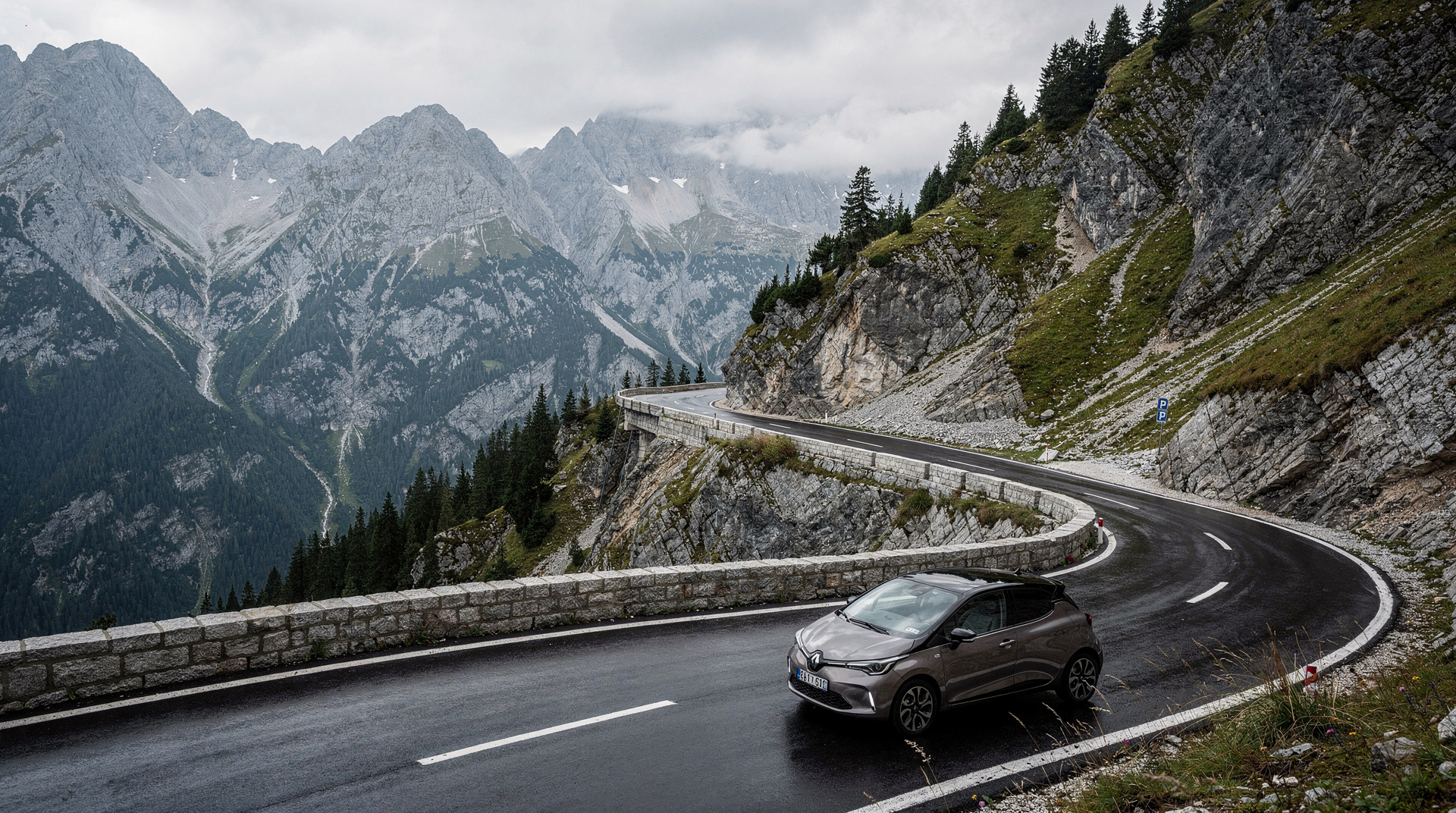
For those who do want the flexibility a car brings — particularly for the Soča Valley, Vintgar Gorge and rural wine country — the car rental Slovenia guide covers the honest trade-offs against relying on trains and buses.
Where to go next once you step off the train
A train ticket is only the first leg of most trips, so it helps to know what waits at the other end. In the east, Maribor and Ptuj are the natural train destinations, and the Maribor city guide and the Ptuj guide explain what to see once you are out of the station. Celje is another easy stop for anyone who likes castles, and the Celje Old Castle guide covers the visit in detail.
Towards the coast, the line through the Karst puts you within reach of Koper, where the Koper guide is a good starting point, and the Škocjan Caves and Postojna Cave are both worth weighing up with the Postojna vs Škocjan comparison. If Trieste is on your list, the Trieste from Slovenia guide shows how the cross-border trip fits together.
Combining trains with a wider route
Trains work best as one building block rather than the whole plan. Travellers who want to see the country without a car can follow the Slovenia in 5 days without a car itinerary, which leans on the same mix of rail and bus described above. For a first visit that links Ljubljana with the alpine lakes, the Ljubljana and Bled in 3 days itinerary shows how to sequence the transfers. And if you are still deciding how to get from the capital to the lake, the Ljubljana to Bled transport guide compares the options side by side.
Frequently asked questions about Trains in Slovenia
How do I buy train tickets in Slovenia?
Tickets are sold at station counters, via the SŽ website (potniski.sz.si), and via the RailPlanner app. The website works in English. You can print at home or use a mobile ticket. For most internal Slovenian routes, tickets can be bought on the day — there's little need to book weeks ahead except during peak summer on the coastal line.Is there a train from Ljubljana to Lake Bled?
The nearest station to Bled is Lesce-Bled, 4 km from the lake, served by trains from Ljubljana (about 50 minutes, a few daily; current fares on the official SŽ website). You need the local bus #35 to reach Bled town, adding 20–30 minutes. Given the inconvenience, most visitors take the direct Arriva bus to Bled (about 1h20) instead. The bus drops you in the centre of town.What is the most scenic train route in Slovenia?
The Ljubljana–Koper line through the Karst is the most scenic in Slovenia — it passes the Divača Karst area, drops through dramatic limestone terrain to the Adriatic and offers views that the motorway entirely misses. The narrow-gauge Bohinjska Bistrica–Most na Soči–Nova Gorica branch through the Soča Valley is also beautiful, though services are very limited.Can I get from Ljubljana to Trieste by train?
Yes. Slovenian Railways connects to the Italian network at the border, and there are through trains from Ljubljana to Trieste via Postojna and Divača. The journey takes about 2h30. You may need to change at Sežana or Villa Opicina. Check both SŽ (potniski.sz.si) and Trenitalia for the best connection. The border crossing is seamless within Schengen.Does Slovenia have any high-speed trains?
No. Slovenia has no high-speed rail. InterCity trains on the Ljubljana–Maribor route are the fastest, averaging about 80 km/h. The country is too small for high-speed rail to make practical sense. Journey times are perfectly manageable for domestic travel, and the scenery on most routes rewards looking out the window rather than sleeping through it at 300 km/h.