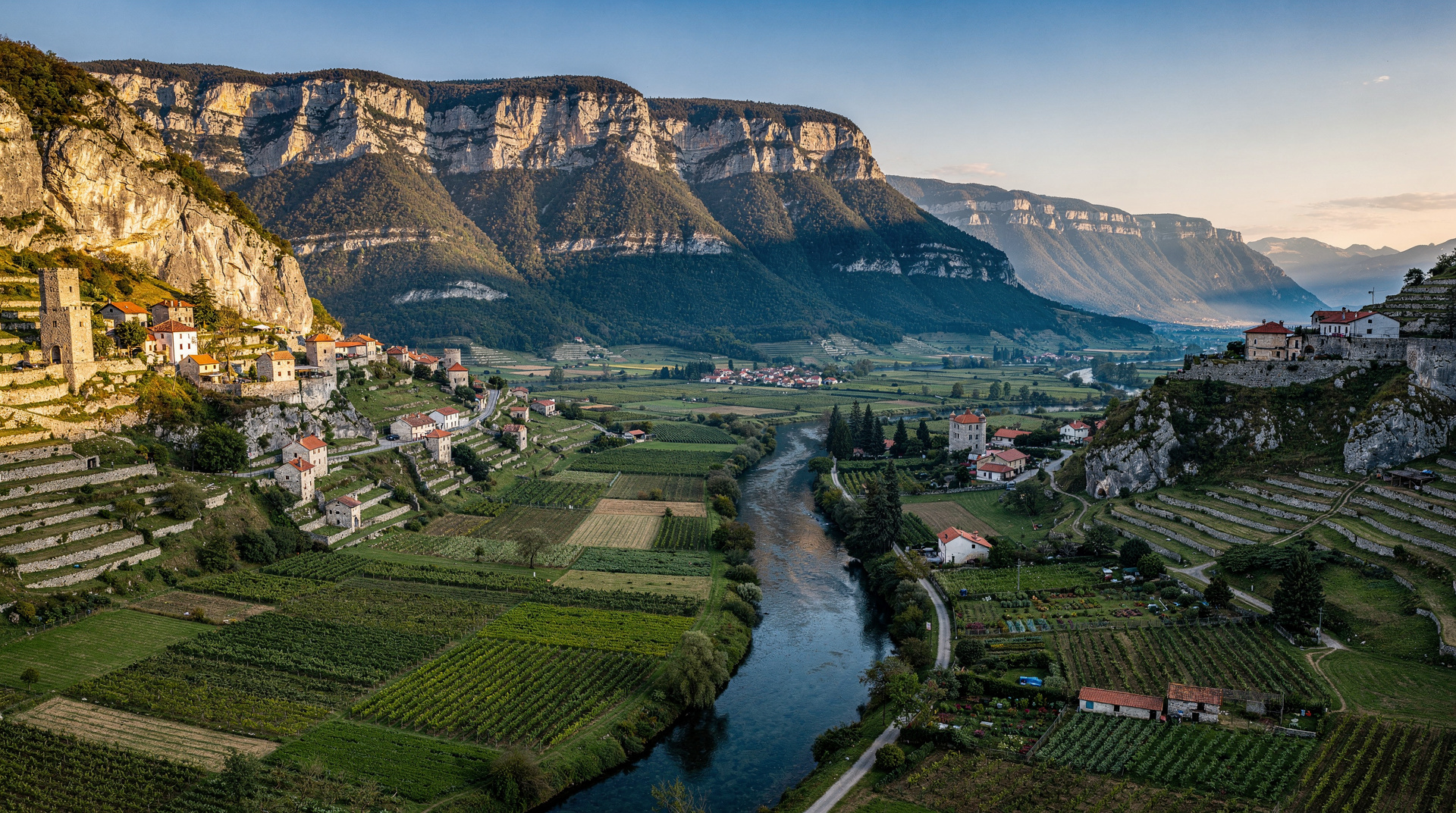
Slovenian Istria: hilltop villages, olive oil and Istrian wine
Slovenian Istria beyond the coast: medieval frescoes at Hrastovlje, olive oil estates, truffles, and Malvazija wine. Practical guide with EUR prices.
Slovenian Istria: olive oil tasting experience
Quick facts
- Best time to visit
- April–June, September–November
- Days needed
- 1–3 days
- Getting there
- Car recommended; buses to Koper, Izola, Piran from Ljubljana (2h)
- Budget per day
- EUR 60 to 150
Beyond the beach: the other Istria
Most visitors to Slovenia’s coast spend their time in Piran, Portorož and Izola — the three main waterfront towns. They are worth your time. But the most distinctive part of Slovenian Istria is inland: a landscape of terraced olive groves, karstic limestone ridges, medieval hilltop villages, and a food culture built on truffles, wild asparagus, porcini, and the region’s distinctive golden olive oil.
| Where | Southwest Slovenia, hinterland behind Koper/Izola/Piran |
| Cost | Around EUR 60 to 150/day depending on tastings and stays |
| Time needed | 1–3 days |
| Getting there | Car recommended; bus to Koper from Ljubljana (2h) |
| Best time | April–June or September–November |
Slovenia’s share of the Istrian peninsula is small — a roughly triangular wedge bounded by Trieste to the northwest, the Croatian border to the south, and the coast to the west. But it is dense with interest. Hrastovlje has some of the finest surviving medieval frescoes in central Europe. Lipica, just outside Sežana, is the origin of the Lipizzaner horse. The Vipava Valley starts just over the karst ridge to the north. And the olive oil produced between Koper and Buje (just across the border in Croatia) regularly wins international competitions.
A car is strongly recommended for exploring the hinterland. Most villages are not on bus routes, and the roads — narrow, winding, with sudden views over olive terraces to the sea — are genuinely enjoyable to drive.
Hrastovlje: the fresco church you should not skip
The Church of the Holy Trinity at Hrastovlje, 20 minutes northeast of Koper, contains a complete cycle of late medieval frescoes covering every surface of the interior — walls, arches, vaults — painted around 1490 by the Koper master Johannes de Castua. The most famous section is the Dance of Death (Danse Macabre), a long frieze showing figures from every social rank being led by skeletons. It is the most complete example of this iconography in Slovenia and ranks among the best-preserved medieval fresco cycles in the entire eastern Adriatic.
The church sits within a defensive wall that was built to protect it from Ottoman raids, and the whole compound — tiny church, thick stone walls, the village of a dozen houses around it — makes for one of the most atmospheric stops on any Slovenian itinerary. Entry costs around EUR 3.50 (purchase the ticket at the house near the gate). Opening hours vary seasonally; ring the bell if the gate looks closed.
Hrastovlje is easily combined with a stop at Lipica (15 minutes north), where the Spanish Riding School’s horses have been bred since 1580. The stud farm offers guided tours (EUR 15–20 depending on whether you catch a training session) and a good small museum about the Lipizzaner breed’s history.
Olive oil and truffles
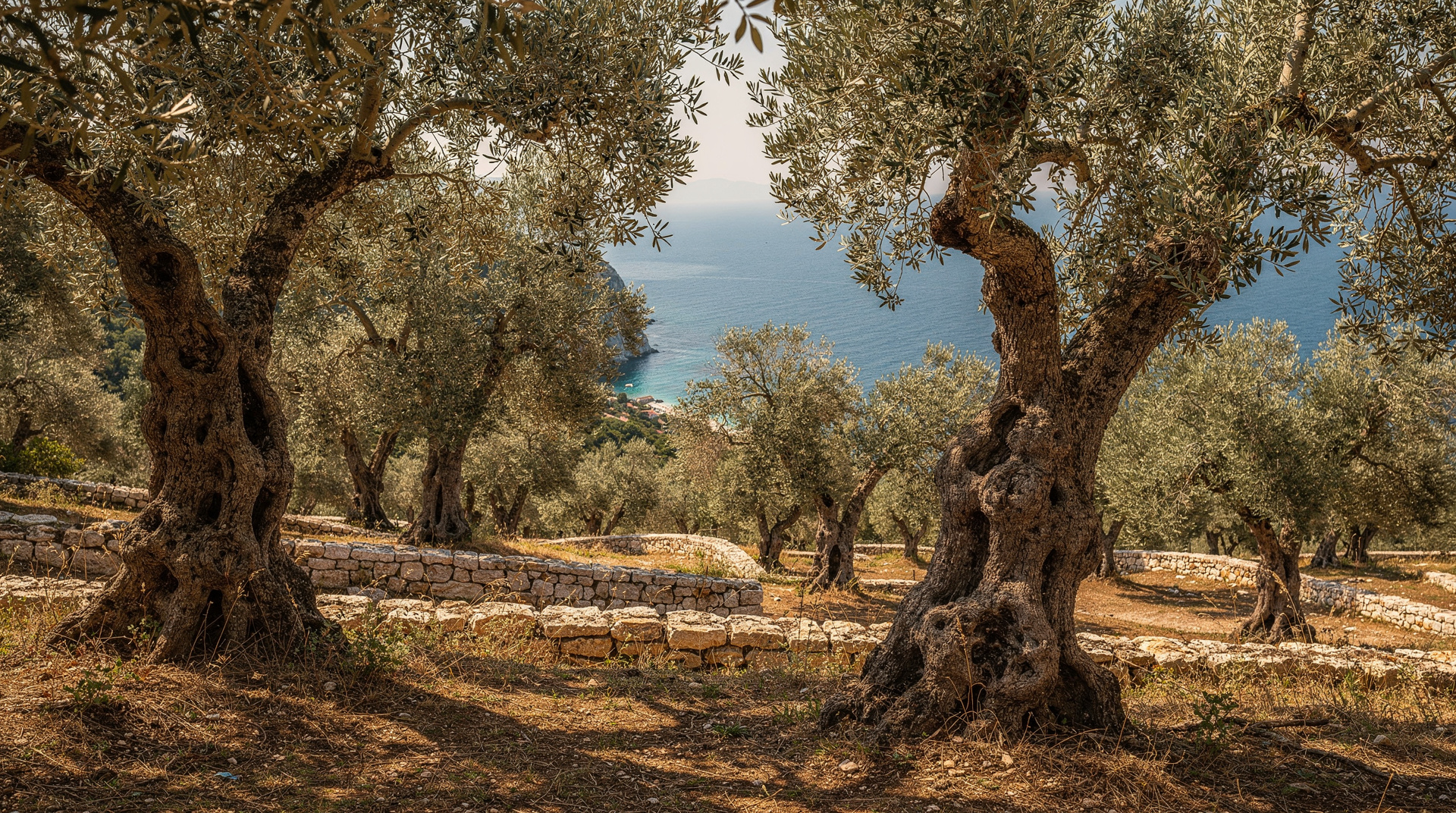
Slovenian Istrian olive oil comes from groves that have been continuously cultivated since Roman times. The main variety is Istrska Belica, a small-fruited cultivar unique to this corner of the Adriatic, which produces a notably peppery, intensely green oil when harvested early (late October). The oil regularly beats Tuscany and Greece in international blind tastings — something the producers are quietly proud of but don’t shout about much.
An Istrian olive oil tasting experience typically visits two or three small family estates, explains the production process, and pairs the oils with local bread, prosciutto and aged Istrian sheep’s cheese (ovčji sir). The best estate visits happen in late October and November during harvest, but the tasting experience is available year-round.
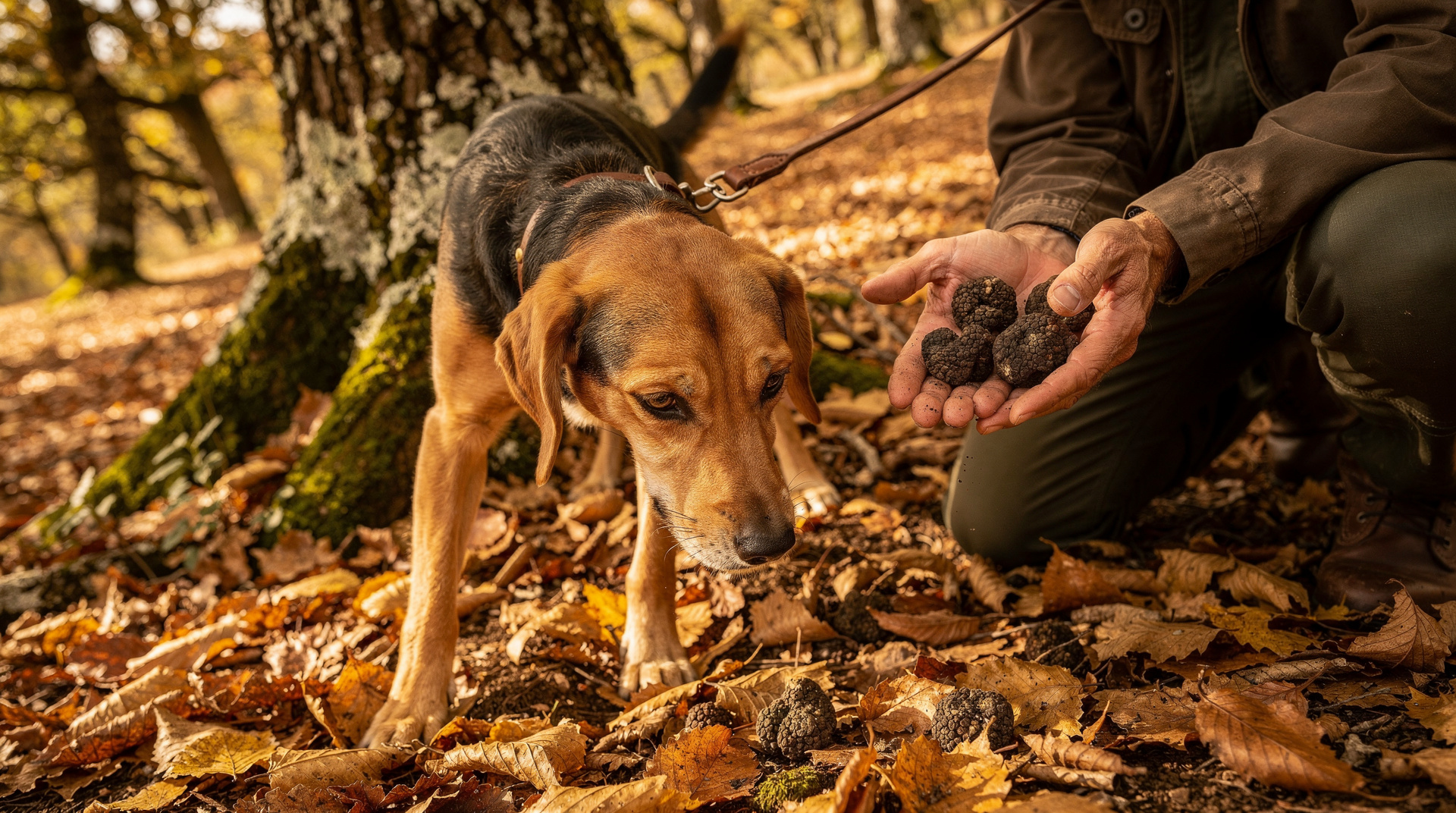
Truffles — both black Périgord-style truffles and the more prized white variety related to the famous Tartufo Bianco d’Alba — grow in the forest zones of Istria on both sides of the Slovenian-Croatian border. The hunting season for white truffles runs roughly October to January; black truffles are found from late November through March. An Istrian truffle hunt with a local guide and dog is the most direct way to experience this — you follow trained dogs through oak and hazel forest, and the guide explains how truffles are found, graded and used. Most tours end with a truffle-based meal.
Note: the term “truffle” is used loosely across Istrian tourism. Real truffle hunts use dogs and find actual truffles in season; some tours are effectively just a tasting with a theatrical walk. Ask your operator to confirm what you are actually doing.
The wine: Malvazija and Refošk
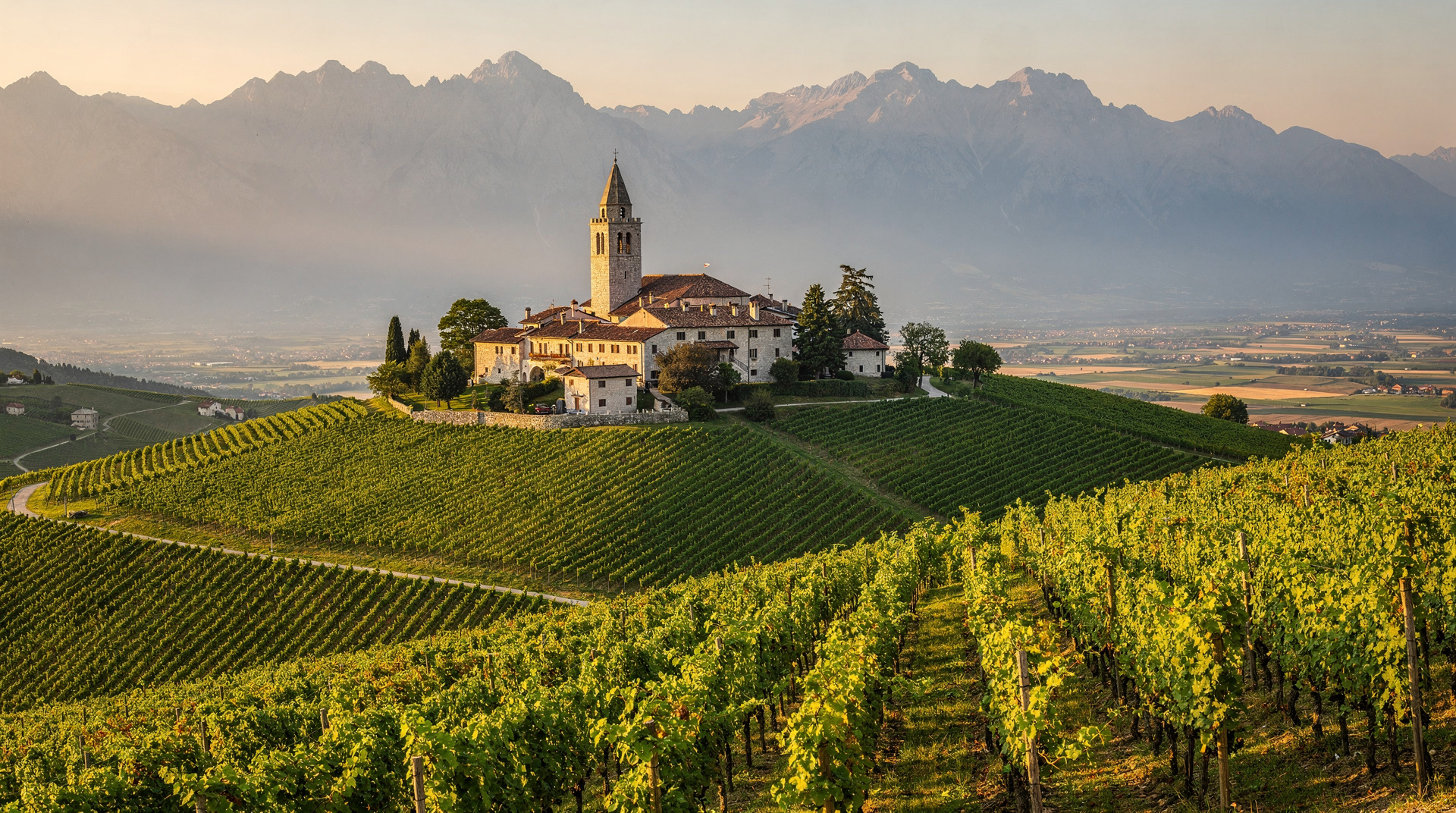
The two signature grapes of Slovenian Istria are Malvazija Istrska (a white grape producing aromatic, medium-bodied whites with a slightly bitter finish — nothing like Malvasia from Greece or Italy) and Refošk, a red grape producing dark, tannic wines with a characteristic bitterness and high acidity. Refošk is an acquired taste but pairs extremely well with prosciutto and game.
Both grapes are grown across the Koper hills and the wider Istrian subregion, which extends into Croatia. The wine zone is compact enough to cover on a day trip from the coast. Several producers near Dekani, Kolomban and Šmarje welcome visitors without appointments, but calling ahead is good practice. Prices at the cellar door run EUR 8–14 per bottle for solid everyday wine.
For a broader view of the region’s food and wine culture, the Slovenian wine guide covers all the wine regions including Istria. The Vipava Valley page covers the adjacent wine region 40 minutes north.
Hilltop villages
Štanjel is the most dramatically positioned village in Slovenian Istria — a fortified hilltop settlement on the edge of the Karst plateau overlooking the Vipava Valley. The Ferrari garden (a modernist landscape garden from the 1930s designed by Maks Fabiani) is a quiet surprise inside the castle walls. Štanjel is also the gateway to the Karst region: Lipica and Škocjan Caves are within 25 minutes.
Grožnjan is technically in Croatia (about 30 minutes south of the border crossing), but it is so closely linked to the Istrian cultural circuit that most visitors to Slovenian Istria include it. It is a hill town that reinvented itself as an artists’ colony in the 1960s; today about 30 galleries and studios operate there, mostly open in summer. The views over the Croatian karst from the church square are excellent.
Movraž and Socerb are smaller Slovenian villages near Koper with good views and traditional gostilne serving house-cured meats and local wine. Not tourist infrastructure — just genuinely local places to eat.
Getting around
The hinterland villages are all within 20–40 minutes of Koper or Izola by car, but the roads are not signposted well enough for comfortable navigation without GPS. Download offline maps (Maps.me or Google Maps offline) before you set out.
The border crossing into Croatia is open and straightforward (both countries are Schengen members, so no passport checks). The main crossing points are at Dragonja on the coast road and at Sočerga inland. Note that Croatia uses the Croatian kuna, not the euro — this changes if you are crossing from Slovenia into Croatia to visit Rovinj or Poreč, where your payment setup matters.
From Izola or Koper, you can reach Hrastovlje, Lipica and Štanjel in a comfortable half-day loop by car. Allow a full day if you are adding a winery visit or a truffle hunt.
Best time to visit
The shoulder seasons are notably better here than in summer. April through June brings wildflowers in the olive groves, mild temperatures (18–23°C), and the spring asparagus season — wild asparagus grows in the limestone scrub and appears on restaurant menus from March through May.
September and October are exceptional: harvest time for olives, grapes and truffles simultaneously, temperatures comfortable for walking (20–26°C), and the landscape turning gold and ochre. The white truffle season starts in October.
July and August are busy on the coast but the inland villages are much quieter than the beaches. The heat (30–34°C inland) makes midday exploring uncomfortable, so start early and stop by early afternoon.
Winter (November–February) is quiet and cold but the Karst plateau can have the Bora wind — a fierce northeast wind that descends from the plateau to the coast with little warning and can make cycling or outdoor dining genuinely unpleasant. The truffle season is excellent, and the olive oil producers are pressing; it is worth knowing about if you plan off-season travel.
Practical notes
Language: Slovenian is the first language in the villages; Italian is widely understood (this was Italian territory until 1954). English works in tourist-facing businesses and increasingly in restaurants. In very small villages, basic Italian or German is more useful than English.
Food prices: A lunch or dinner at a village gostilna will typically cost EUR 12–18 per person for two courses and wine. The coast restaurants are 20–40% more expensive for equivalent food.
The salt pans at Sečovlje — 45 minutes south of Izola on the Croatian border — are not strictly Slovenian Istria hinterland, but they belong to any honest coast itinerary: a Ramsar-protected wetland where salt has been harvested by hand since medieval times. The Salt Museum is open April to October (entry around EUR 6). The salt sold there (fleur de sel, dried with dried lavender) is one of the best souvenirs from the entire coast.
Accommodation in the hinterland
The coast towns (Koper, Izola, Piran, Portorož) have the fullest range of accommodation and are the conventional base for exploring both coast and hinterland. But if your primary interest is the interior — olive oil estates, truffle hunting, hilltop villages — staying in the countryside itself is a more immersive experience.
Agriturismo stays: a number of olive oil and wine estates in the Slovenian Istria hinterland (the area around Dekani, Kolomban and Šmarje) offer rooms alongside estate visits and meals using their own produce. These range from basic farmhouse rooms (EUR 50–70/night) to renovated stone-house apartments (EUR 90–130/night). The experience is closer to staying with a local family than a hotel stay — breakfast will be estate olive oil, local honey and house-cured meats.
Štanjel has two or three small guesthouses in the fortified village — limited availability, very distinctive. Book well ahead for summer and autumn weekends.
Koper is the most practical base if you need hotel infrastructure: several mid-range hotels at EUR 80–120/night, good train and bus connections to Ljubljana and Trieste, and 15–25 minutes by car from most hinterland sites.
Koper
Koper deserves a brief mention as the regional capital of Slovenian Istria, even though it is primarily a port city rather than a tourist destination. The medieval old town occupies a former island (like Izola, connected to the mainland in the 18th century by land fill) and contains some genuinely good Venetian architecture: the Cathedral of the Assumption, the Praetorian Palace on Titov trg (the main square), and a loggia that would not look out of place in Verona.
Most visitors pass through Koper briefly on the way to Piran or Izola. An hour in the old town, a coffee at the loggia, and a walk to the belltower is a good use of a transit stop.
The covered market (Tržnica) near the main square is among the best on the Slovenian coast for local produce: honey from the karst plateau, Malvazija wine, dried figs, and the bitter-orange marmalade that is an Istrian specialty.
Entry to the old town’s churches and tower is minimal (EUR 2–4). Free parking is available at the port area car parks; paid parking in the old town zone costs around EUR 1.50/hour.
The Slovenian coast guide has a full logistics section covering the coast towns plus transport from Ljubljana. See the getting around Slovenia guide for intercity bus and car hire details.
Coast base vs hinterland base: which suits your trip
| Base | Best for | Trade-off |
|---|---|---|
| Piran or Portorož | Beach time, walkable old towns, nightlife | Hinterland villages are a 20–40 min drive away |
| Izola or Koper | Central position, ferry/bus links | Less charming than Piran itself |
| Agriturismo (Dekani/Kolomban/Šmarje) | Immersive food and wine focus | No walk-to-the-beach convenience |
| Štanjel guesthouse | Atmosphere, hilltop views | Very limited rooms, book early |
Travellers splitting time between beach days and hinterland exploring generally do best based in Izola — central enough for both without the summer intensity of Piran’s old town lanes.
A one-day hinterland loop from the coast
For visitors with a single free day and a car, the most efficient loop starts in Koper or Izola: drive first to Hrastovlje (30–40 minutes) for the frescoes before the mid-morning coach groups arrive, continue to Lipica for the stud farm and a light lunch, then finish at Štanjel for the Ferrari garden and a slow walk through the fortified lanes before the golden-hour drive back to the coast.
This covers the region’s three most distinctive inland stops without backtracking, and leaves the wine and olive oil estates for a second day if you have one. Pairing this loop with the Škocjan Caves, which sit just north of Lipica, extends it into a full karst-and-Istria day for visitors based further inland.
Honest verdict
Frequently asked questions about Slovenian Istria
Do I need a car to visit Slovenian Istria’s hinterland?
Yes, realistically. Hrastovlje, Štanjel, and the wine and olive oil estates around Dekani, Kolomban and Šmarje have little to no bus service, and the scenic value of the drive itself is part of the experience. The coast towns (Koper, Izola, Piran) are reachable by bus from Ljubljana without a car.
How many days should I spend in Slovenian Istria?
A single day covers the highlights (Hrastovlje, Lipica, one hilltop village) if you’re based on the coast already. Two to three days allow a proper wine-tasting circuit, a truffle hunt in season, and an unhurried visit to Štanjel or Koper without rushing.
Is Slovenian Istria the same as Croatian Istria?
No — they share the same peninsula and cultural roots (Istrian cuisine, Malvazija/Refošk-style wines), but Slovenia holds only the small northwestern wedge, while the much larger Croatian Istria lies south of the border. Grožnjan, often visited alongside Slovenian Istria, is actually just across that border in Croatia.
Top experiences
Bookable activities with verified prices and instant confirmation on GetYourGuide.