Slovenian wine guide: regions, grapes and where to taste
From Ljubljana: Vipava Valley wine express tour
What are the best wine regions in Slovenia?
Goriška Brda (Mediterranean whites and orange wine), Vipava Valley (indigenous varieties Zelen and Pinela), and the Štajerska around Maribor and Jeruzalem are Slovenia's three main wine regions. Brda and Vipava are the most accessible from Ljubljana.
| Best regions | Goriška Brda, Vipava Valley (west); Štajerska (east) |
| Signature style | Orange (skin-contact) wine, indigenous grapes |
| Cellar door prices | EUR 10–20 standard, EUR 25–45 premium |
| Best time to visit | May–June or September–October (harvest) |
| Without a car | Ljubljana wine bars or a guided day tour |
| Language | English widely spoken at established producers |
Why Slovenian wine deserves your serious attention
Slovenia is a wine country that most wine drinkers outside Europe have not yet noticed, which means the cellar doors are unhurried, the producers are genuinely pleased to see you, and the prices have not yet caught up with the quality. That will change. The combination of indigenous grape varieties found almost nowhere else, a strong natural wine movement, and landscapes dramatic enough to justify the detour make Slovenia one of the most interesting wine travel destinations on the continent.
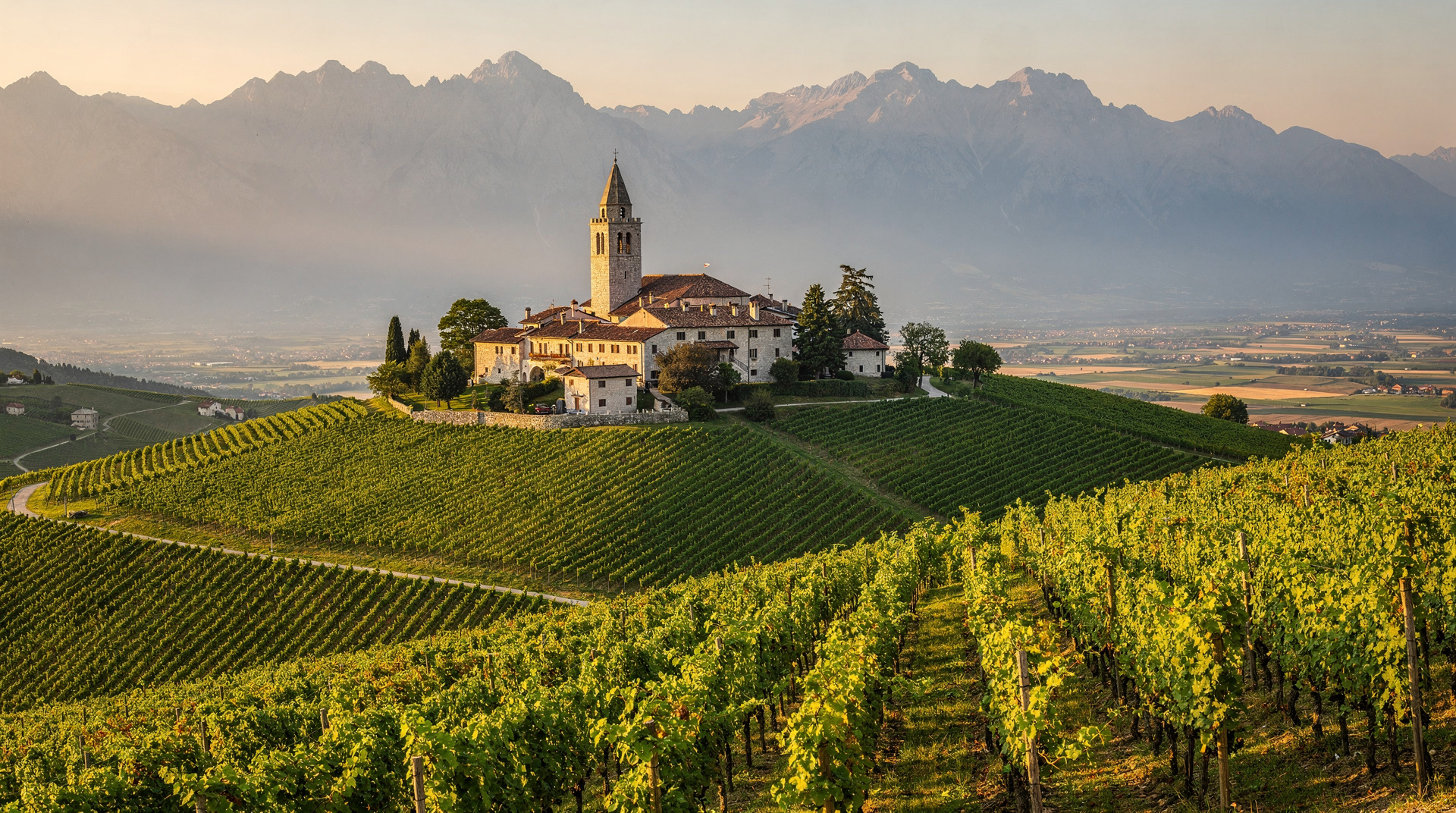
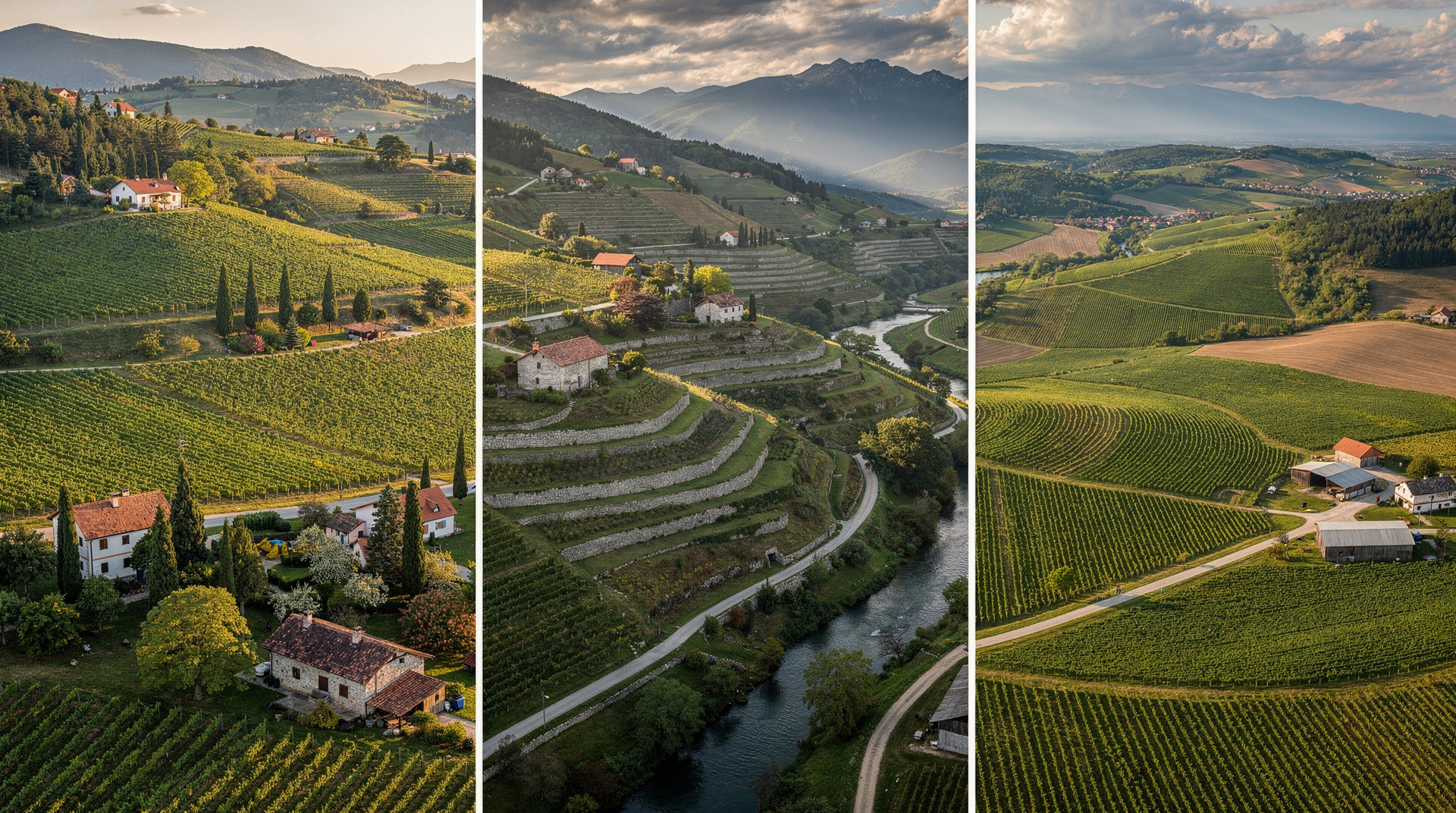
The country has three main wine-growing zones. The western zone — Goriška Brda and the Vipava Valley — shares its latitude and some of its geology with the Friuli-Venezia Giulia region of Italy directly across the border. Mediterranean air reaches these valleys and moderates what would otherwise be a continental climate. The eastern zone — Štajerska, centred on Maribor and the Jeruzalem hills — is cooler and more continental. The coastal strip around Slovenian Istria produces Malvazija and olive oil in a setting that resembles Istrian Croatia or Friulian Collio more than anything typically “Slovenian.”
Each zone has its own grape logic and its own food culture. A tour of Slovenian wine is effectively three different wine trips in a country smaller than Switzerland.
The western zone: Brda and Vipava Valley
These two valleys, separated by 30–45 minutes of driving, together form the most internationally known part of Slovenian wine. They share the Rebula (Ribolla Gialla) grape, a tendency towards skin-contact and orange wine styles, and a history of winemaking that predates the Austro-Hungarian and Yugoslav eras alike.
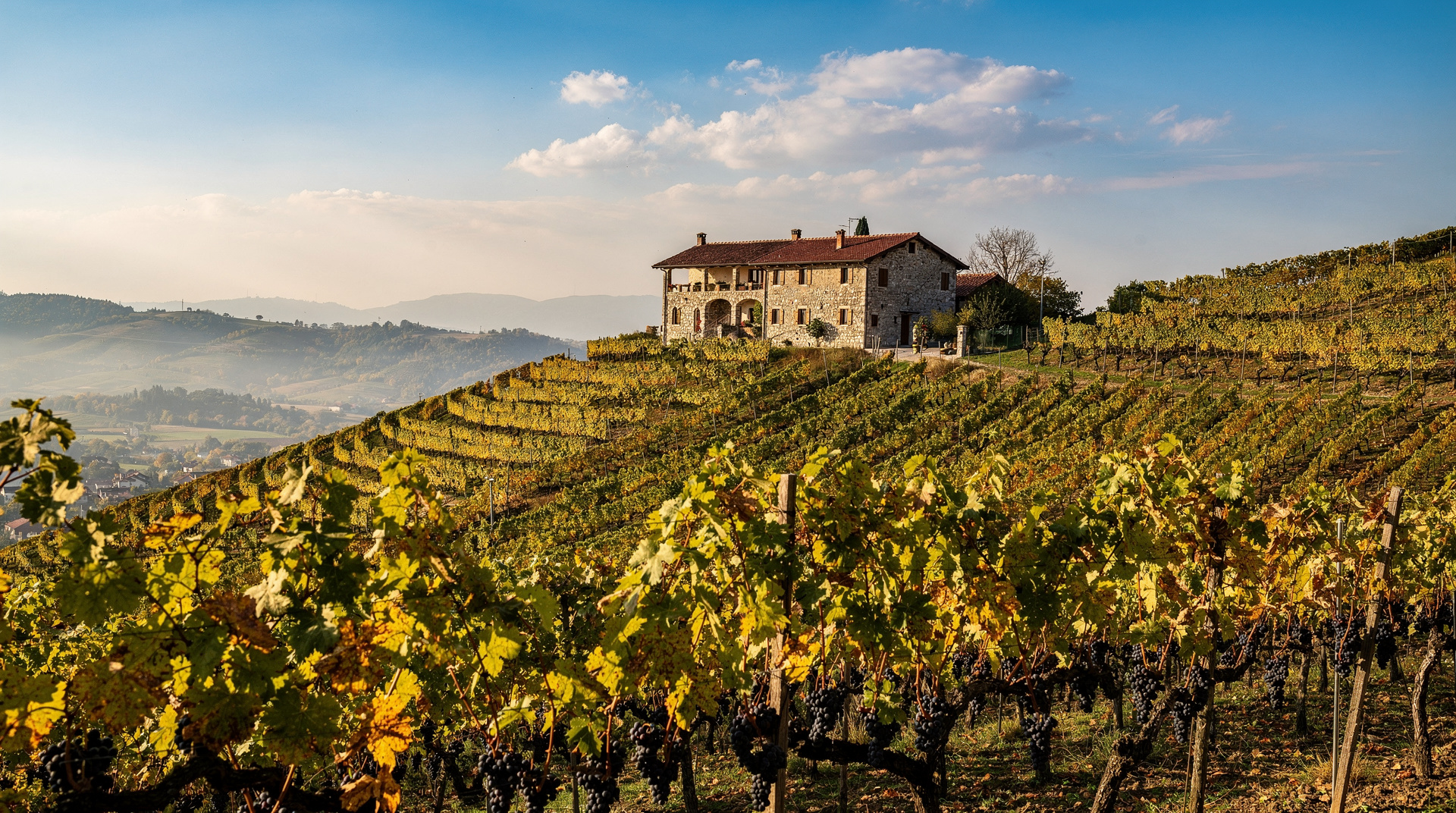
Goriška Brda is the more celebrated of the two — rolling hills of Eocene flysch, the same geology that produces Collio across the Italian border. The wines here are fuller, richer in alcohol, and more consistently ripe than the Vipava Valley. The flagship grapes are Rebula, Pinot Gris, Sauvignon Blanc, and Merlot for reds. The top producers — Movia, Kabaj, Edi Simčič, Klet Brda (the local cooperative) — export widely and are recognisable names on the international natural wine circuit.
Orange wine from Brda can age remarkably well. Movia’s Lunar, fermented on skins for months without sulphur, is one of the most distinctive expressions of Rebula anywhere. Kabaj produces a range of skin-contact wines of unusual consistency across vintages. Neither winery requires an appointment for standard tasting visits, though calling ahead is always advisable for small-group tours.
A Goriška Brda wine walk through the villages and vineyards of the Brda hills, with tastings at local producers, is one of the best-structured ways to understand the landscape and the wine together.
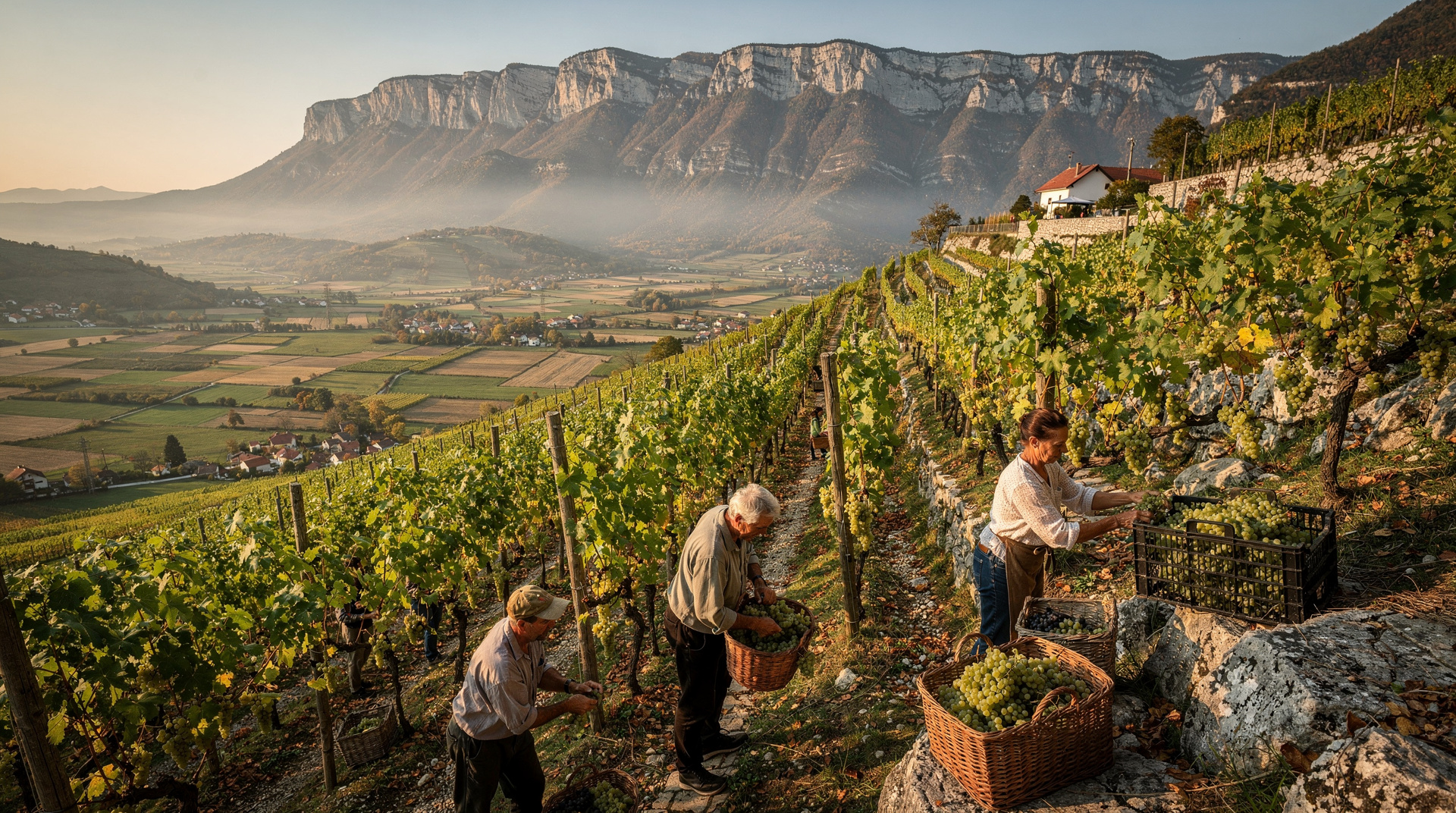
Vipava Valley is geologically different — limestone walls, the drying Burja wind, lower altitudes, and a set of indigenous grape varieties that exist in commercial quantity almost nowhere else. Zelen (“green” in Slovenian) is a white grape of significant herbal, almost phenolic intensity — mineral, high-acid, unusual enough that it requires explanation even to experienced wine drinkers. Pinela is the opposite: delicate, floral, easily lost if the winemaker is not careful. Klarnica is an indigenous red grape that almost went extinct before a handful of producers rescued it.
The Vipava natural wine community — Burja Estate, Guerila, Batič, Scurek — has developed over the past two decades into a recognisable scene with its own aesthetic: precise, low-intervention, not afraid of phenolic texture. A Vipava wine express from Ljubljana makes it straightforward to reach the valley without a rental car — transport, a guide, and structured producer visits included. For a day that covers both Vipava and Brda in one sweep, a Winexpedition Vipava and Brda combines both regions with shared transport and a knowledgeable local guide.
The Maribor zone: Štajerska and Jeruzalem
Eastern Slovenia’s wine country is physically different from the west: gentler, greener, cooler, with a heavily continental climate that produces markedly different styles. The flagship region is Štajerska (Styria in German), centred on Maribor and extending east through the Jeruzalem-Ormoš appellation.
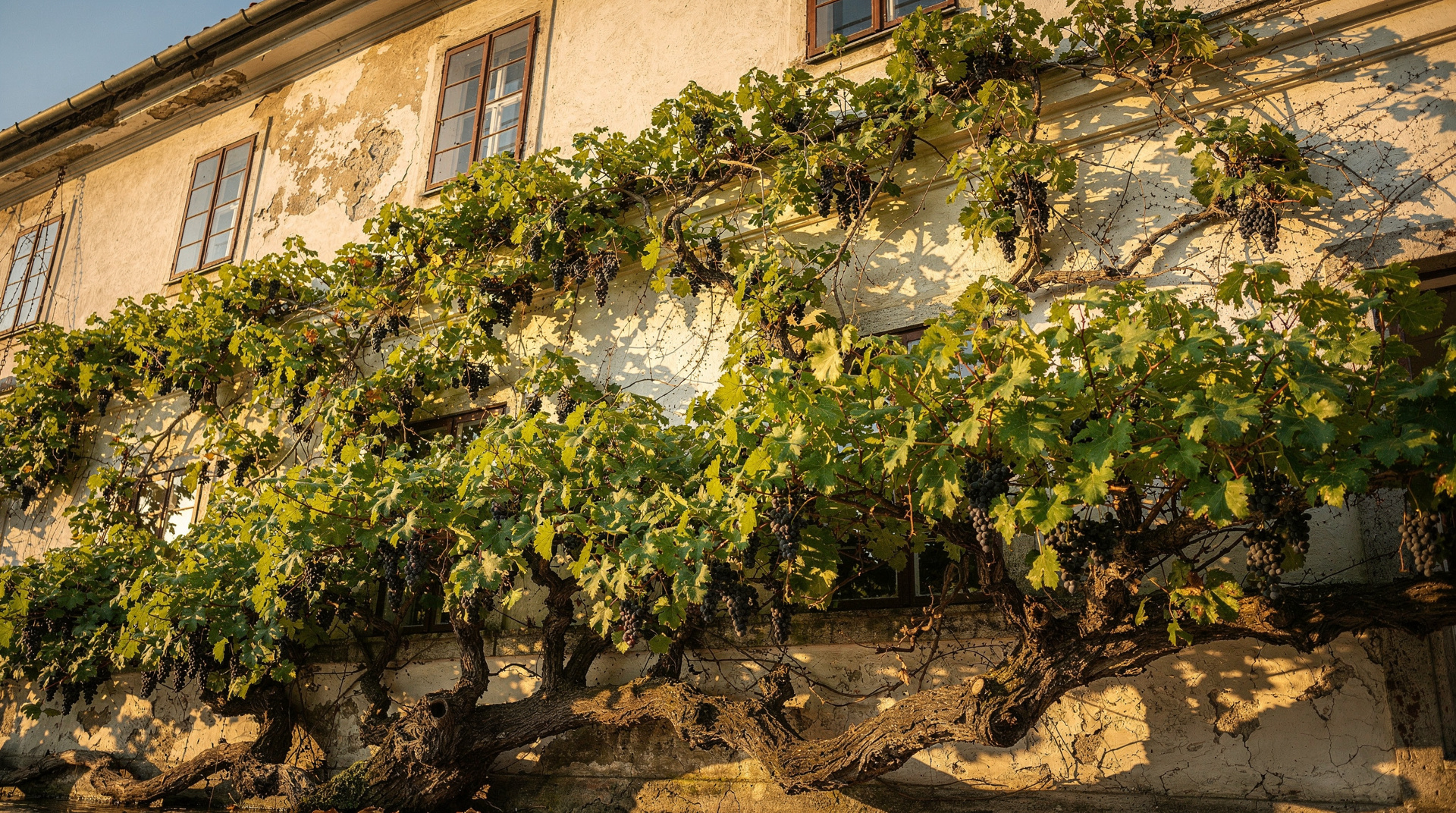
The Old Vine in Maribor — a Žametovka vine planted over 400 years ago that still produces fruit each year — is the starting point for the local wine story. The annual harvest ceremony in October (the Old Vine Festival) draws crowds from across Slovenia and is the biggest wine event in the country. Small bottles of wine from the Old Vine are presented to visiting heads of state; this is simultaneously a marketing exercise and a genuine source of local pride.
Jeruzalem is the most scenic part of the eastern zone: rolling hills at 200–300 metres altitude, south-facing slopes planted with Welschriesling (Laški Rizling, the dominant local variety), Pinot Blanc, and small amounts of Šipon (Furmint). The wines are lighter and higher in acidity than those from the west, often with a distinct mineral character. The name “Jeruzalem” is said to derive from medieval pilgrims who found the landscape so beautiful they called it the land of plenty — though linguistic historians are skeptical of this etymology.
The Maribor Vinag wine cellar — a 6-kilometre network of vaulted cellars under the city — is one of the more dramatic wine experiences in the country. A guided tour takes you through historical wine infrastructure that dates to the 1800s, with tastings of the cellar’s own production.
The coastal strip: Malvazija and olive oil
Slovenian Istria is Slovenia’s smallest wine zone and its most distinctly Mediterranean. The clay-limestone hills around Piran and Koper produce Malvazija Istrska — a white grape of considerable aromatic intensity, full body, and natural affinity for the local seafood and olive oil culture. This is not a wine region for barrel-aged blockbusters; the style is fresh, mineral, food-oriented.
The coastal zone also produces small amounts of Refošk (Refosco), a red grape shared with Friuli and Istrian Croatia. Good Refošk is deeply coloured, earthy, and tannic in youth — it needs food and ideally a year or two of ageing to show well. Most producers make it in a lighter, ready-to-drink style for local restaurant consumption.
Orange wine: Slovenia’s contribution to the global conversation
Slovenia is not where orange wine began — skin-contact wines have been made in the Caucasus for thousands of years, and the Georgians have a legitimate claim to origin. But in the modern revival of this style, Slovenian and Italian Collio producers were among the first to bring it back to international attention, primarily through the work of Joško Gravner in Friuli and Ales Kristancic at Movia in Brda.
The mechanism is straightforward: white grapes are fermented in contact with their skins for anywhere from a few days to several months. The skins give the wine colour (amber to deep orange), phenolic structure (tannin-like texture), and aromatic complexity beyond what a conventional white fermentation produces. The resulting wines can be polarising — the texture can seem bitter to drinkers expecting a clean white, and the colour looks like a mistake if you are expecting Chardonnay. But at their best (Movia Lunar, Kabaj’s Amfora, Batič’s Rebula orange) they are wines of unusual depth and ageability.
Most producers in Goriška Brda and the Vipava Valley now make at least one skin-contact wine. Quality varies significantly. The best ones justify their price premium; poorly made skin-contact wines are simply oxidised whites with no structure. Asking to taste a clean example alongside an orange example at the same producer is the fastest education.
How to plan a Slovenian wine trip
A realistic three-day wine itinerary from Ljubljana: day one in the Vipava Valley (two producer visits, lunch at Gostilna Mahorčič), overnight in Ajdovščina; day two in Goriška Brda (morning walk through the Brda hills, afternoon at Movia or Kabaj), overnight in Dobrovo or Nova Gorica; day three a drive back through the Karst to Ljubljana, stopping at Štanjel. This covers the heart of western Slovenian wine in a manageable loop.
A wine trip extending to the east adds two days: day four to Maribor (Old Vine, Vinag cellar tour), day five through Jeruzalem back south. The total driving distance is very manageable for a small country — Ljubljana to Maribor is 130 km.
If you do not have a car, Ljubljana has a surprising density of good wine bars (Vino-Vino, Dvorni Bar, Pop’s Place) where Slovenian producers are well-represented by the glass. Several structured Ljubljana wine tasting experiences provide a focused introduction to the full range of Slovenian wine styles without requiring transport.
Key producers to know
Goriška Brda: Movia (established, internationally exported, strong orange wine range); Kabaj (Rebula-focused, skin contact specialist); Edi Simčič (technically precise, modern style); Klet Brda (cooperative, reliable mid-range wines, widely available).
Vipava Valley: Burja Estate (indigenous variety specialist, appointment required); Guerila (best Zelen in the valley, open for visits); Batič Winery (three-generation family, orange Rebula benchmark); Scurek (approachable, well-priced, good tasting room).
Štajerska: Pullus (the premium label of Ptujska Klet cooperative, widely exported); Dveri-Pax (biodynamic, serious Welschriesling); Marof (new-wave small producer in Jeruzalem).
Coastal: Čotar (the best Malvazija in Slovenia, available at restaurants and direct from the estate); Santomas (reliable coastal wines, easy to visit).
What to buy and bring home
Most cellar door prices for quality Slovenian wine are EUR 10–20 per bottle, with premium single-vineyard or aged wines reaching EUR 30–45. This represents the best value in the country — the same bottles in Slovenian restaurants are typically marked up 100–150%, and in export markets the markup is higher still.
The indigenous varieties — Zelen, Pinela, Malvazija Istrska — are the most interesting souvenirs because they are genuinely unavailable outside Slovenia. A bottle of Burja Zelen or Batič Pinela is something that cannot be bought at home, which makes the cellar door visit itself the most rational shopping decision of the trip.
Frequently asked questions about Slovenian wine
What are the best wine regions in Slovenia?
Goriška Brda and the Vipava Valley in the west are Slovenia’s most internationally known wine regions, producing the country’s most distinctive whites and orange wines. Štajerska around Maribor produces elegant continental-climate whites. The Slovenian coast makes Malvazija. For a first visit, Brda and Vipava together offer the greatest diversity in the smallest area.
What grapes are native to Slovenia?
The most notable indigenous varieties are Zelen and Pinela from the Vipava Valley, Rebula (Ribolla Gialla) shared with Friuli, Malvazija Istrska from the coast, Žametovka from the Maribor area, and Šipon (the local name for Furmint, better known from Hungarian Tokaj) from eastern Štajerska.
What is orange wine and where does it come from in Slovenia?
Orange wine is white wine fermented in contact with its grape skins, which gives amber colour, tannin-like texture, and greater complexity than conventionally made whites. Goriška Brda is the heartland of Slovenian orange wine — Movia, Kabaj, and others have been making skin-contact wines since the 1990s. The Vipava Valley also has strong orange wine production, particularly at Batič.
Can you visit Slovenian wineries without speaking Slovenian?
Yes. Producers in Brda and Vipava Valley routinely receive English-speaking visitors and most established estates have someone who speaks English, Italian, or German. Calling or emailing ahead is essential — most small estates do not have walk-in tasting rooms during the week. Weekends are more likely to have staffed tasting rooms without an appointment.
What is the best time of year to visit Slovenian wine regions?
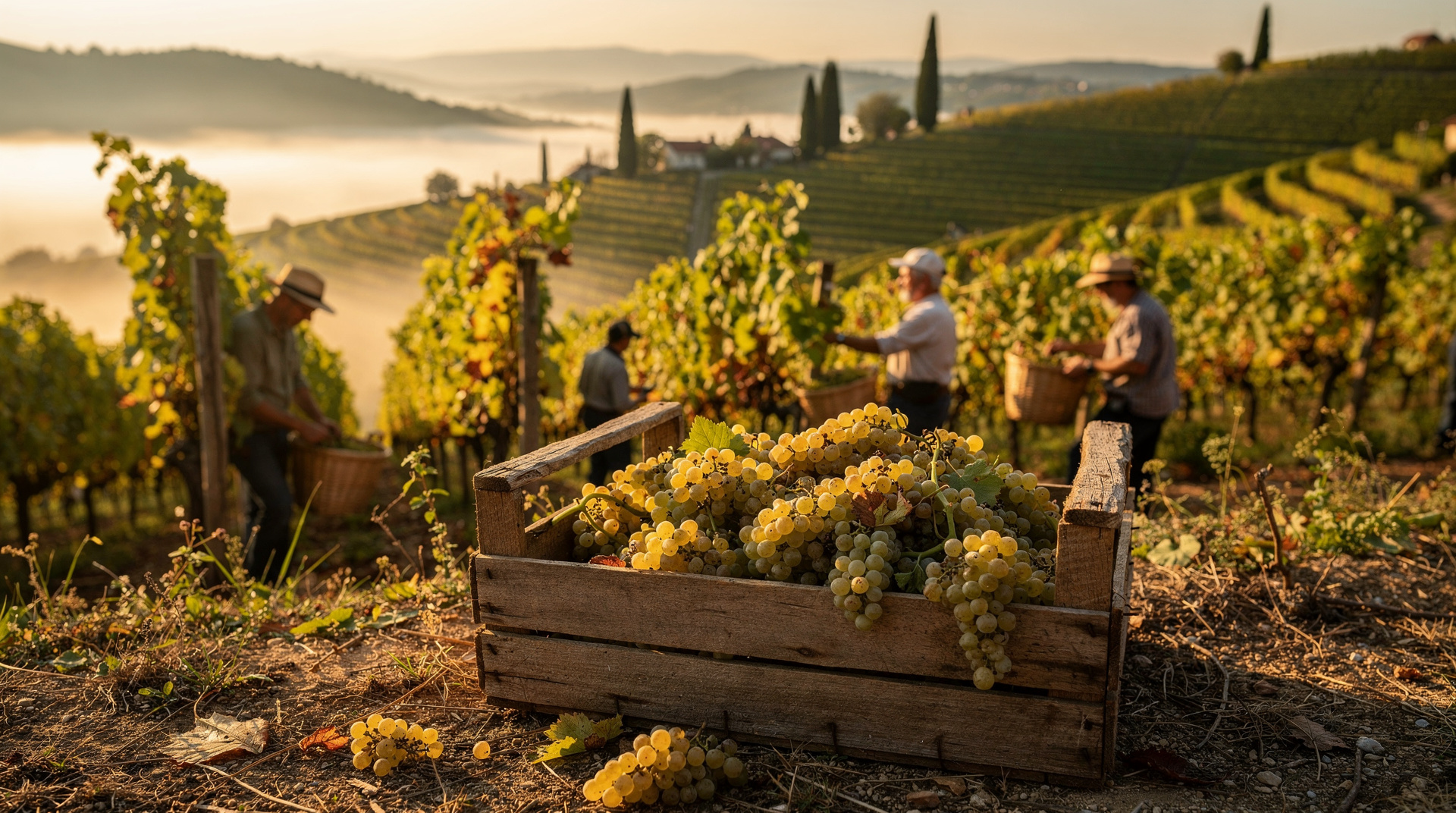
May–June is ideal for green landscapes and the opening of the outdoor season; September–October brings harvest activity to the vineyards and is the most educationally interesting time to visit. July and August work but can be hot in the valley. Winter visits are possible but require more advance planning as some producers reduce visiting hours.
How does Slovenian wine compare in price to other European wines?
Cellar door prices are competitive — EUR 10–20 for quality wines from small producers, EUR 25–45 for premium aged wines. By comparison with Burgundy, Burgundy-style Collio, or top Austrian whites of similar quality, Slovenian wines offer very good value. This advantage partly disappears in export markets.
Is Slovenia part of the natural wine movement?
Yes, with particular depth in the Vipava Valley and Goriška Brda. Producers like Burja Estate, Guerila, Movia, Kabaj, and Batič have been working with minimal-intervention methods for decades. The style ranges from technically disciplined skin-contact wines to more experimental fermentations. Not all Slovenian wine is natural — there are conventional and certified-organic producers at every quality level.
Can I taste Slovenian wine in Ljubljana without visiting a vineyard?
Yes. Vino-Vino and Dvorni Bar both stock deep selections of Slovenian producers by the glass, with knowledgeable staff. A structured guided wine tasting experience in Ljubljana covers Brda, Vipava and Štajerska styles in one sitting. This is a good option if you have no car or limited time, though it doesn’t replace the experience of visiting a producer directly.
How many wine regions should I try to visit in one trip?
Two adjacent regions per day is realistic - for example Vipava Valley and Goriška Brda together, since they are only 30-45 minutes apart. Adding Maribor and Štajerska requires a separate day or two given the distance (around 130 km from Ljubljana). Trying to cover all three zones in a single day rushes each one and cuts into tasting time.
What food goes with Slovenian wine?
Zelen pairs well with trout, asparagus, and young cheeses. Rebula (orange style) handles richer dishes — smoked meats, mushroom risotto, aged sheep cheese. Malvazija from the coast is the natural match for Adriatic seafood and olive-oil dishes. The full-bodied reds from Brda (Merlot, Cabernet blends) go with roast meats and aged cheeses.
Planning a wine trip without a car
If you don’t want to drive, Ljubljana itself offers a legitimate way to explore Slovenian wine without visiting a single vineyard. Vino-Vino and Dvorni Bar both stock deep, well-curated Slovenian producer lists by the glass, and staff at both are knowledgeable enough to guide a tasting flight across regions. For a more structured approach, a Ljubljana wine tasting experience covers Brda, Vipava and Štajerska styles side by side with guided commentary — genuinely useful if you want the regional picture before deciding where (if anywhere) to visit in person.
For those who do want to see a vineyard but don’t want to drive, guided day trips from Ljubljana to the Vipava Valley or Goriška Brda handle transport, appointments and language, removing the two main barriers (advance booking and navigating rural roads) that make independent producer visits harder than they should be.
Top experiences
Bookable activities with verified prices and instant confirmation on GetYourGuide.