Maribor: Slovenia's second city and the world's oldest vine
Maribor combines a lively old town, the world's oldest productive grapevine, serious wine cellars, and easy access to the Štajerska wine hills. Honest
Stories and tastes of Maribor: city tour with wine tasting
Quick facts
- Best time to visit
- May–June, September–October
- Days needed
- 2–3 days
- Getting there
- Train from Ljubljana (1h30) or Koper (3h); direct trains also from Vienna and Graz
- Budget per day
- EUR 60 to 140
A city that earns its visit
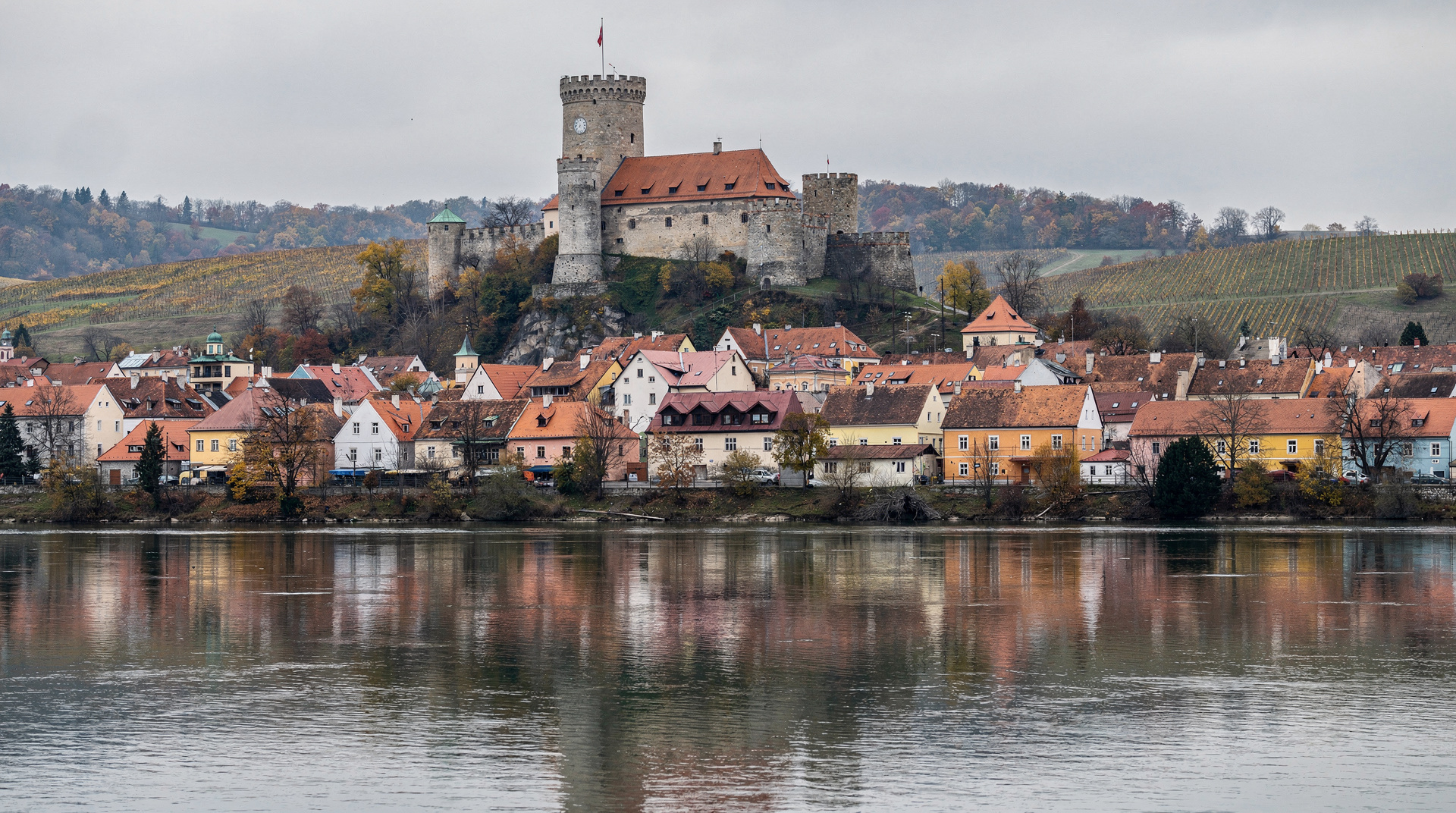
Maribor is the kind of place that travel writers used to describe as an “underrated gem” before the phrase stopped meaning anything. But it is genuinely undervisited for what it offers. Slovenia’s second city has a compact, walkable old town, a serious wine culture (Maribor sits at the heart of the Štajerska wine region, the largest in Slovenia by planted area), international tram and rail connections, and — the detail that always catches visitors off guard — the oldest productive grapevine in the world, growing on a building in the old town, verified by Guinness, probably 450 years old.
| Where | Eastern Slovenia, on the Drava river, 130km from Ljubljana |
| Cost | around EUR 60–140/day |
| Time needed | 2–3 days |
| Getting there | Train from Ljubljana, around 1h30, EUR 8–12 |
| Best time | May–June or September–October |
It is not a dramatic destination. There are no mountains looming over it and no lake at its feet. What it has is human scale, good food, and wine that is worth drinking — things that matter when you are there for two or three days rather than two hours.
The old vine and Lent district
The Old Vine House (Stara trta, Vojašniška ulica 8) is a functioning wine-producing grapevine on the facade of a restored building in the Lent riverside district. The vine has been continuously cultivated and harvested since at least the early 1600s — Guinness World Records verified it in 2004. Each autumn it produces around 35–55 kg of Žametovka grapes, from which about 25 litres of wine is made. These bottles are given as diplomatic gifts by the Slovenian state; you cannot buy them. What you can do is visit the attached wine cellar, taste other wines from the region, and buy local Štajerska bottles.
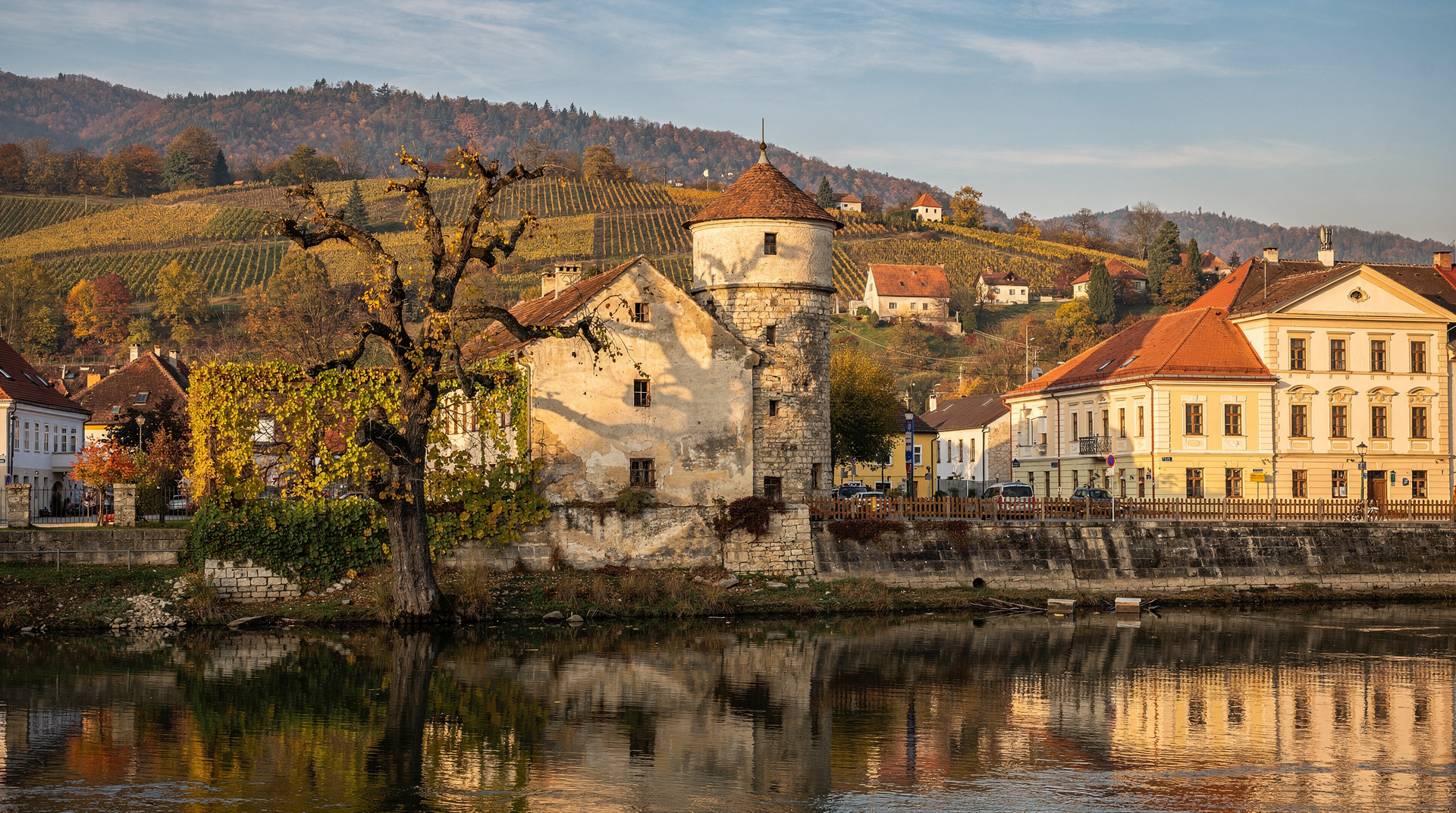
The Lent district itself, along the Drava river embankment, has been pedestrianised and is pleasant to walk even when nothing specific is happening. The medieval Water Tower and the Synagogue (one of the oldest in central Europe, now a museum) are both a short walk from the vine.
In June, Lent hosts the Festival Lent, one of the largest open-air festivals in the Balkans and central Europe — over two weeks of concerts, theatre, folk music and street food spread across the riverbank and old town. If your dates overlap with the festival (mid-June through late June), expect large crowds and excellent atmosphere; book accommodation months in advance.
Wine: the Vinag cellar and beyond
Maribor’s wine culture is less internationally known than the Goriška Brda or Vipava Valley, but the Štajerska region produces serious whites — Šipon (Furmint), Laški Rizling, Chardonnay, Sauvignon Blanc — and increasingly interesting reds.
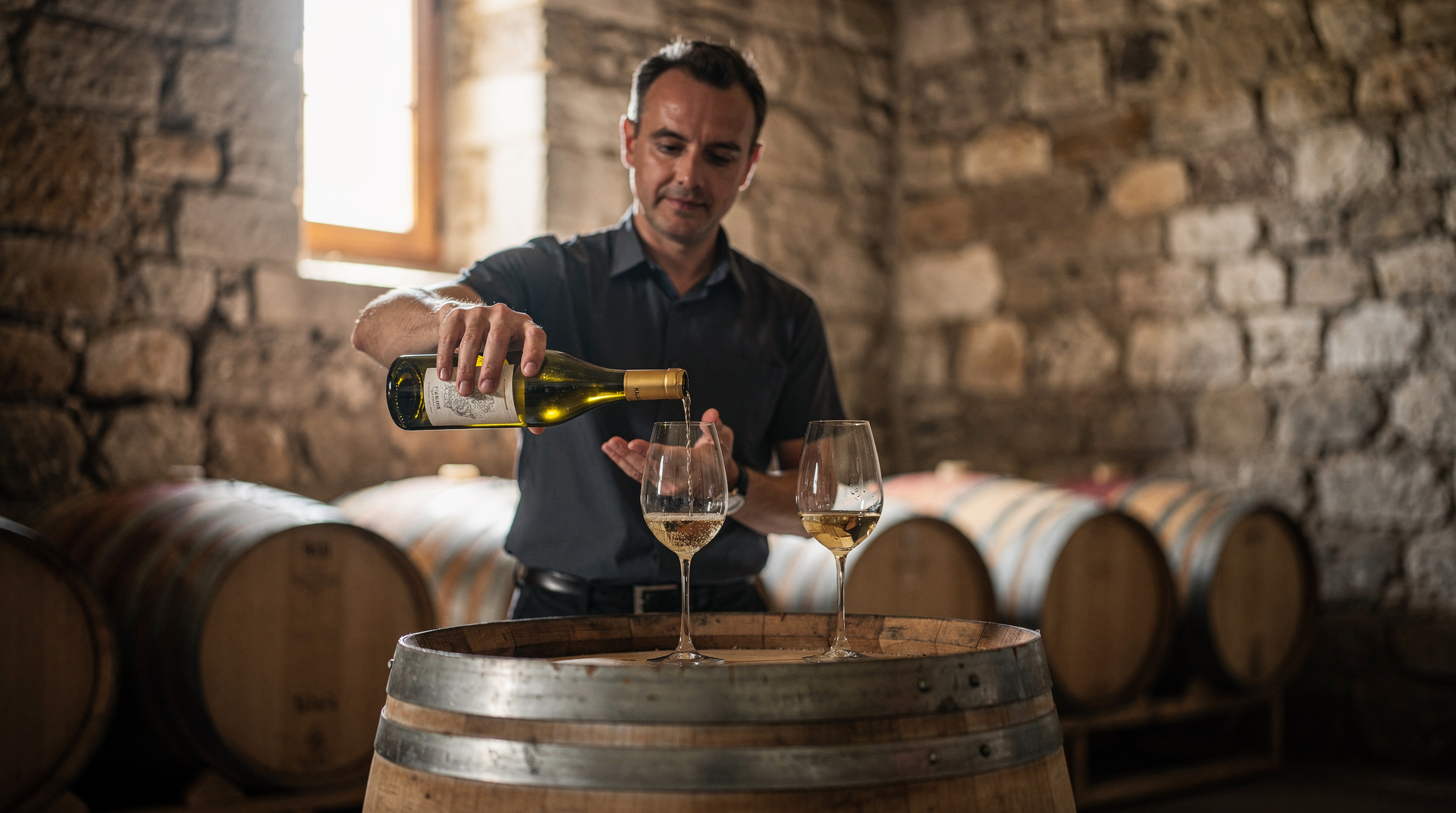
The most impressive wine experience in the city is the Vinag cellar under the old town. This is one of the largest and oldest wine cellars in central Europe: 2.5 km of underground passages, Baroque vaulting, and oak barrels that have been in continuous use since the 19th century. A guided tour of the Vinag wine cellar with tasting gives you access to the full underground labyrinth and ends with a structured tasting of regional wines (EUR 15–25 depending on the tasting level). The cellar is open daily April to October; limited hours November to March.
For a broader introduction to Maribor’s wine and food culture, a Maribor stories, tastes and wine tour combines the old town’s history with stops at local producers and traditional restaurants. This is a good option if you have one afternoon and want context alongside the tasting.
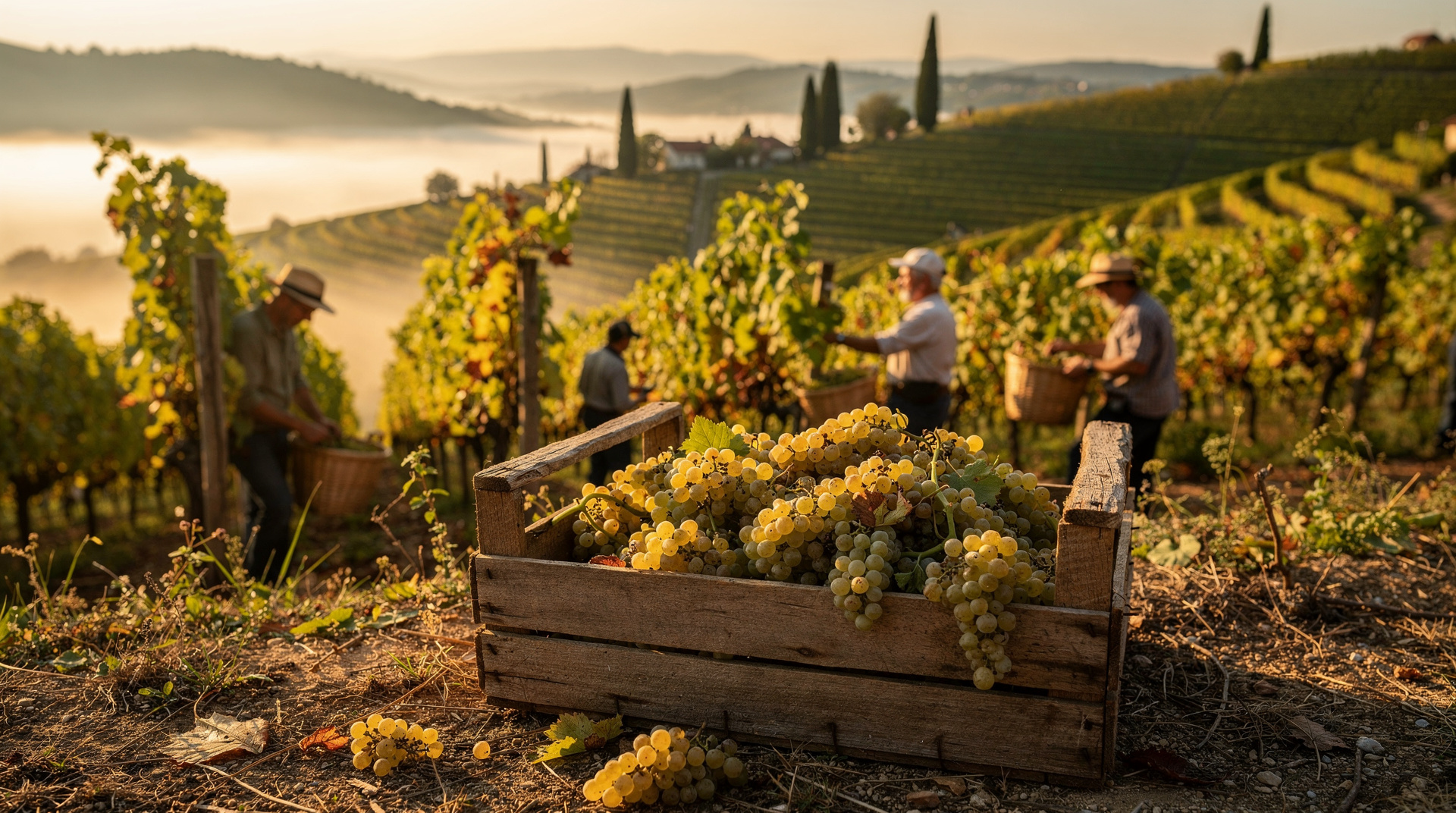
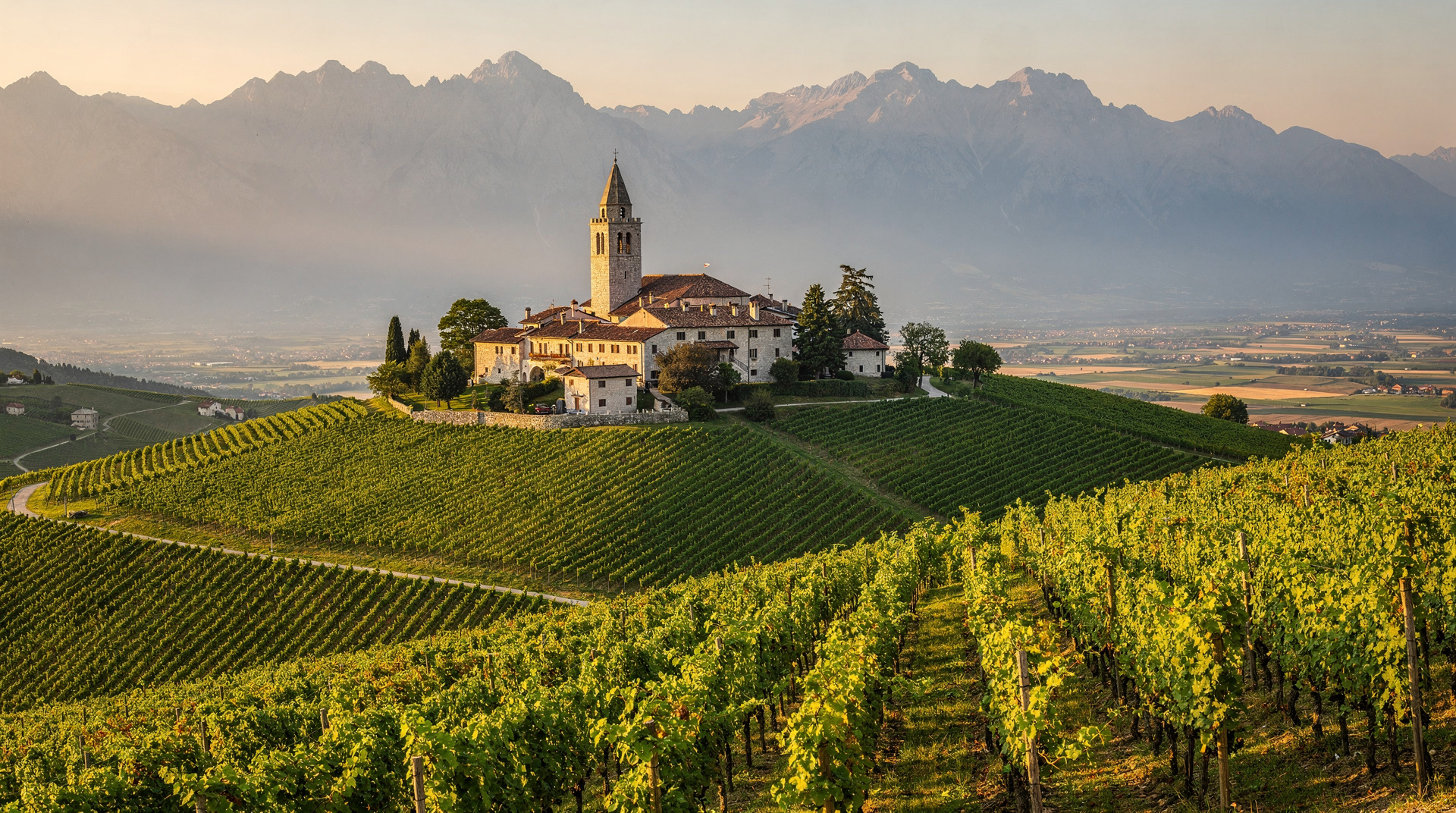
Outside the city, the wine road along the Maribor and Pesniška dolina hills to the northeast takes you to family estates that mostly sell direct — Šipon from the Radgona-Kapela area is worth seeking out specifically. The Maribor wine hills experience covers this territory with transport included.
Old town sights
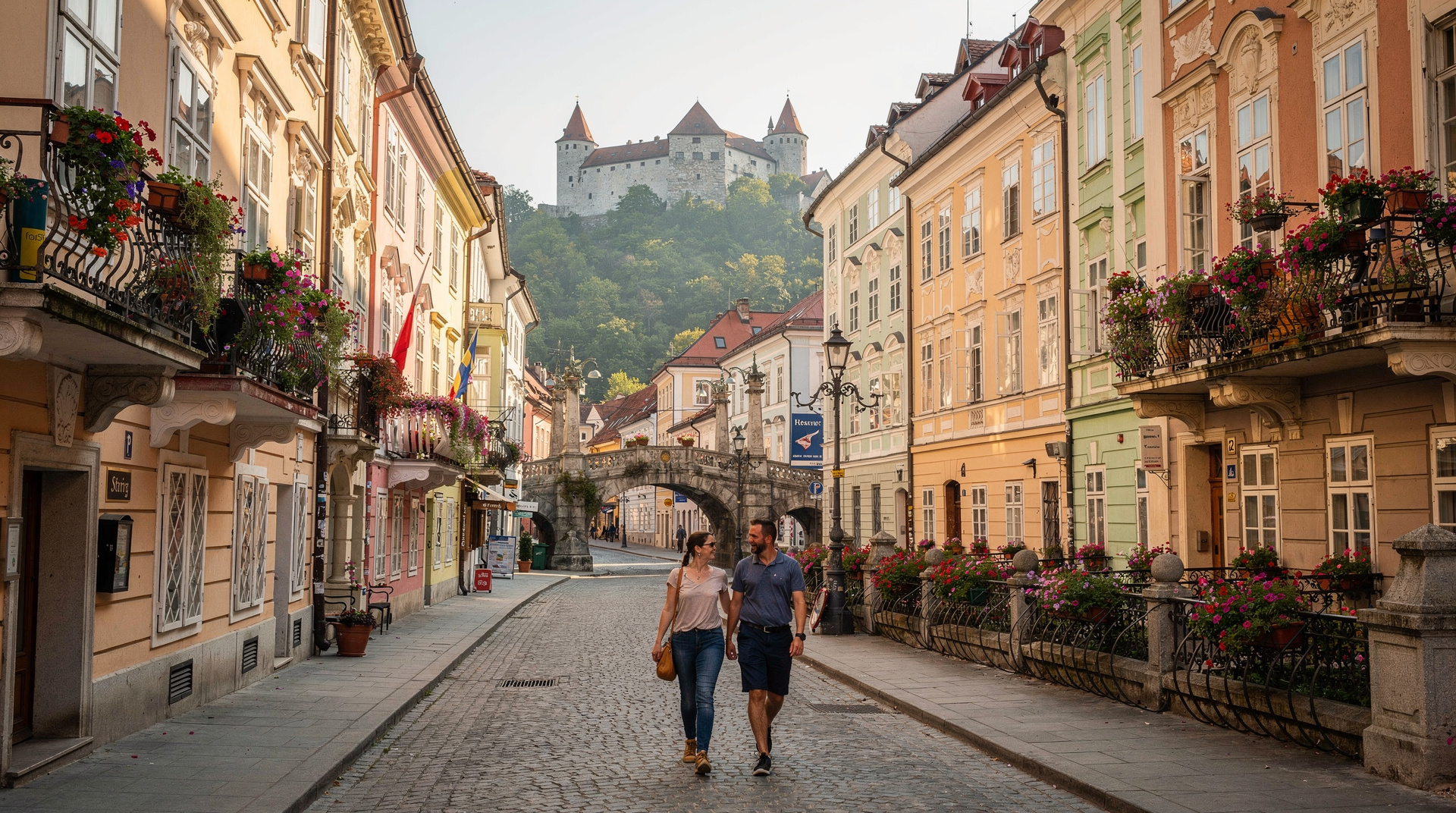
The old town is compact enough to walk thoroughly in half a day. The main square (Glavni trg) is anchored by the 16th-century Plague Column and surrounded by Baroque townhouses. The Town Hall (Rotovž) opposite has a Gothic core under later additions. The Cathedral (Stolnica) at Slomškov trg is the seat of the Archdiocese of Maribor and contains some remarkable Gothic stonework alongside heavy Baroque overlay; the interior is worth 20 minutes.
The Regional Museum Maribor (Pokrajinski muzej, Grajska ulica 2) is inside the castle and covers the archaeology and history of the Štajerska region from prehistory through Yugoslav era. The permanent collection is solid; entry around EUR 4.
For a structured walking introduction, a guided tour of Maribor’s old town covers the key history — the medieval town plan, the Jewish quarter (before the expulsion of 1497), the river fortifications — in about two hours. This works well on arrival afternoon before you explore independently.
Where to eat
Gostilna Maribor (Vojašniška ulica 7, a few metres from the Old Vine) is the most honest traditional restaurant in the city centre: slow-cooked goulash, knödl (bread dumplings), roast pork, and the local Laški Rizling by the carafe. Mains EUR 12–16. No tablecloths, no pretensions.
Mak (Strossmayerjeva ulica 10) is the best contemporary restaurant in the city — Maribor’s most interesting kitchen, working with local ingredients and a serious wine list focused on Štajerska and the neighbouring Prekmurje region. A three-course dinner will cost around EUR 35–45. Reserve ahead on weekends.
Gostilna Rizibizi near the covered market is a workers’ lunch restaurant that serves decent daily specials (soup, main, salad) for EUR 7–9 between 11 am and 2 pm on weekdays. Useful if you are budget-conscious.
Café Slonje by the Drava embankment is the best coffee spot in the centre — proper espresso, good cakes, outdoor seating with a view of the river.
The covered market (Tržnica) on Trg Leona Štuklja opens daily until early afternoon and has the best selection of local cheese, honey, dried mushrooms and Štajerska wines in the city.
Getting there and around
By train: Maribor is on a main rail corridor. Trains from Ljubljana run roughly hourly, journey time 1h30–2h (EUR 8–12 one way). Direct trains also connect Maribor with Graz (1h10), Vienna (3h), Budapest and Zagreb. The train station is about 15 minutes’ walk from the old town.
By car: Maribor is 130 km northeast of Ljubljana via the A1/E57 motorway (about 1h30). Parking in the old town area is metered (around EUR 1.20/hour); larger free car parks are on the periphery.
Within the city: The old town and Lent district are entirely walkable. Maribor also has an urban bus network and one of Slovenia’s few tram lines (actually a historical tram that runs between the main square and the Pohorje cable car station — more of a tourist feature than a practical service).
Pohorje hill: The Pohorje massif rises directly above the city on its western side and is accessible by cable car from the Vurnik station (about 10 minutes from the old town by tram or bus). The plateau on top offers hiking in summer and skiing in winter — Maribor Pohorje is one of Slovenia’s main ski resorts and has hosted World Cup slalom races. In summer, the trails through beech and spruce forest are peaceful and uncrowded.
Best time to visit
May–June is ideal: the weather is settled (20–25°C), the old town is not overcrowded, and the wine hills are in full green. The Festival Lent in late June fills the city with life but also with people — decide whether that suits you before booking.
September–October brings harvest season: the Old Vine is picked in October in a public ceremony, wineries along the Maribor hills are pressing, and the city is at its most characterful. This is the best time for wine tourism specifically.
Winter: Maribor hosts a substantial Christmas market from late November through December (Maribor has won “Best European Christmas Market” awards). The Pohorje ski area opens December–March. It is a legitimate winter destination in a way that most Slovenian cities are not.
July–August is fine weather-wise (25–30°C) but the city is quiet — students are away, locals are at the coast or mountains, and the energy is lower than shoulder season.
Maribor versus Slovenia’s other wine regions
| Maribor / Štajerska | Goriška Brda | Vipava Valley | |
|---|---|---|---|
| Style | Full-bodied whites, some reds | Fruitier, structured whites | Leaner, mineral whites |
| Signature grape | Šipon (Furmint) | Rebula | Zelen, Pinela |
| Setting | Old vine, cellar, city base | Rolling hills, villages | Wind-swept valley |
| Best paired with | The Old Vine, Festival Lent | A dedicated wine road trip | Nova Gorica as a base |
For visitors trying to choose one wine region to prioritise, Maribor has the advantage of combining wine with a proper city — old town, museum, restaurants — rather than requiring a rural base. See the Goriška Brda wine guide for the western alternative if your itinerary allows only one.
Honest advice
Maribor is a university town and has a student culture that lends it a livelier feel than its reputation suggests. The old town cafes and bars along the Drava fill up on Thursday and Friday evenings.
The city centre is genuinely compact — if you have done the old town, the Vine, and the Vinag cellar, you have seen the essentials. Do not over-schedule: two unhurried days works better than three rushed ones.
For context on the wine region around Maribor, see the Slovenian wine guide. The neighbouring city of Ptuj is 30 minutes away and makes a logical half-day extension. The Maribor oldest vine story goes deeper into the viticulture history if you want more than an overview.
If you have more time, Celje (about 45 minutes southwest) adds a well-preserved medieval castle to an eastern Slovenia loop, and the Logar Valley extends the trip into genuine alpine scenery for hikers willing to add a day.
Where to stay
Central Maribor: the most convenient base is within the old town or within a 10-minute walk of it. The Hotel Orel (Volkmerjev prehod 7, city centre) is a solid mid-range option with comfortable rooms and an indoor pool — EUR 90–130/night for a double depending on season. The Piramida Hotel is slightly older but similarly positioned and priced.
Boutique options: a small number of apartments and designer guesthouses have opened in the old town and Lent district over the past five years. These tend to be better value than the full-service hotels for stays of two nights or more and have more character. Prices EUR 70–100/night.
Budget: the Maribor Hostel and several private room (sobe) options near the university are available from EUR 25–45/night per person. The university quarter (around Koroška cesta) has a cluster of cheap cafes and restaurants within walking distance.
On the Pohorje: two or three mountain hotels on the Pohorje plateau above the city are primarily ski-season operations but stay open in summer for hikers and trail-bikers. A night up here with dinner on the terrace is a genuine contrast to the city below.
A sample two-day itinerary
Day one: morning walking the old town (Glavni trg, the Cathedral, the Regional Museum in the castle), lunch at Gostilna Maribor near the Old Vine, afternoon at the Vinag cellar for a guided tasting, evening along the Lent embankment ending at a wine bar or Café Slonje for a nightcap.
Day two: morning trip up the Pohorje by cable car for a forest walk or, in winter, a morning of skiing, back down for lunch, afternoon devoted to Ptuj (30 minutes by train) for the castle museum and old town, return to Maribor for dinner at Mak if you’ve booked ahead.
This pacing avoids the mistake of trying to see everything on day one and leaves the Jeruzalem wine hills or Rogaška Slatina as an optional third-day add-on for travellers staying longer.
The university and student life
Maribor is home to the University of Maribor, Slovenia’s second-largest, and the roughly 10,000 students give the city a livelier evening scene than its size would otherwise suggest. The university quarter around Koroška cesta and Gosposvetska cesta has a concentration of cheap cafes, bars, and casual restaurants aimed at student budgets rather than tourists — useful if you want an evening away from the old-town restaurant prices. The student presence also explains why Maribor supports a genuine live music and DJ scene on weekends, something smaller Slovenian towns generally lack. Term time (October–June, with a summer break) is when this energy is most visible; visiting in July or August, the city feels noticeably quieter as a result.
Day trips from Maribor
Jeruzalem wine hills (about 45 km east) are the most scenic part of the Štajerska wine region — a ridge of wooded hills and vineyards overlooking the Mura river and the Hungarian plain. The Jeruzalem-Ormož subregion produces particularly good Šipon and Traminec (Gewürztraminer). A Sunday drive on the Jeruzalem wine road, stopping at two or three producer cellars, is a reliable way to spend an afternoon from Maribor.
Rogaška Slatina (about 40 km south) is a 19th-century spa town with grand Habsburg architecture and a functioning mineral water spring — the Donat Mg water is among the most magnesium-rich mineral waters in the world and is taken as a health cure by a dedicated following. The Spa Park is pleasant, the Hotel Strossmayer is handsome, and the whole place has the gentle melancholy of a town built for a type of leisure that is mostly gone.
The Mariborsko Pohorje above the city is reached by cable car from the Vurnik station (Pohorska ulica, about 10 minutes from the old town by bus; cable car runs year-round, around EUR 9 one way). The plateau above is criss-crossed with marked paths through beech and spruce forest. The Pisker mountain hut serves lunch and has a terrace with a view. A half-day loop on the plateau works well as a recovery walk between wine tastings.
See the best time to visit Slovenia guide for seasonal advice on Maribor and eastern Slovenia more broadly.
Fitting Maribor into a wider trip
Most visitors reach Maribor from the capital, so it helps to know what you are trading off. Ljubljana gives you the larger museum and café scene, while Maribor gives you a quieter, more local rhythm and a wine culture you can walk to. If you are weighing the two, the Ljubljana vs Zagreb comparison shows how the region’s cities differ in feel, and the same logic applies here: Maribor is the smaller, calmer option.
Getting between cities is straightforward once you know the options. The trains in Slovenia guide explains how the rail network works and why the train is the natural way to arrive, and the getting around Slovenia guide covers when a car becomes worth it for the wine hills.
If you want to see how Maribor fits into a longer route, the slow travel and gastronomy itinerary is built around exactly the kind of unhurried eating and drinking that suits this part of the country. For a sense of the food you will meet at the table, the guide to Slovenian food worth trying is a useful companion before you book your restaurants.
Top experiences
Bookable activities with verified prices and instant confirmation on GetYourGuide.