Best time to visit Slovenia: honest month-by-month guide
From Ljubljana: Lake Bled day tour
When is the best time to visit Slovenia?
May–June and September–October are the best months for most travellers: warm weather, manageable crowds, and everything open. July–August is best for swimming and festivals but Bled and Postojna are at peak tourist density. Winter suits skiers and Christmas market lovers but several key attractions close.
How to think about seasons in Slovenia
Slovenia’s small size hides significant climate variation. The country spans the Alpine, Continental, and Mediterranean zones — a distance of 120km separates the ski slopes of Kranjska Gora from the Adriatic seafront at Piran, and the weather in each can be entirely different on the same day. Snow falls on Triglav National Park while the coast basks in late-spring warmth.
The practical consequence for planning: “when to visit Slovenia” depends partly on what you want to do. The answer for a winter skier is different from the answer for a white-water rafter, which is different again from the answer for someone who simply wants pleasant weather and manageable crowds at Bled.
This guide gives the honest picture for each season, including what closes and what the crowds look like. A detailed month-by-month temperature and precipitation chart is in the Slovenia weather month by month guide.
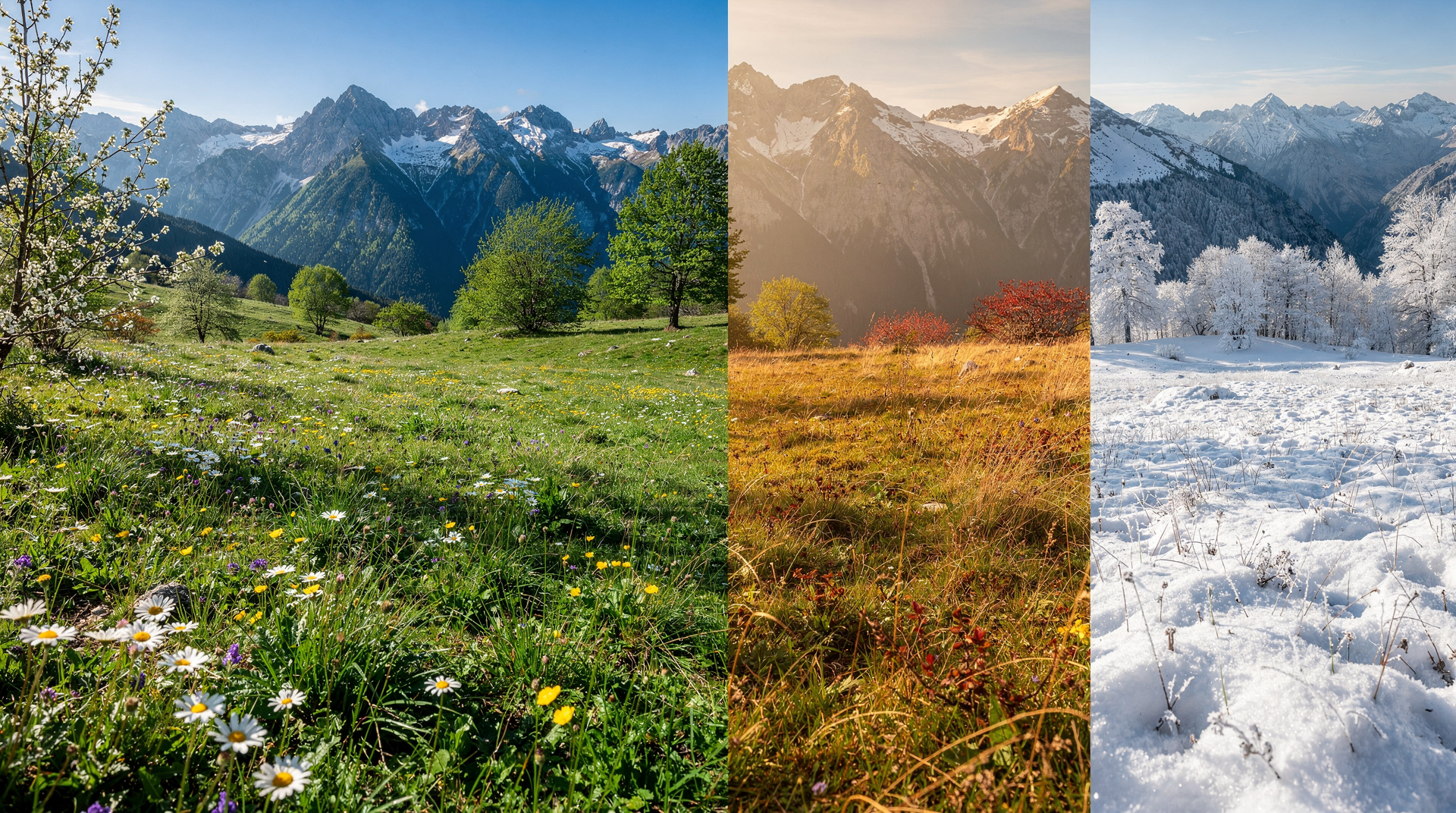
Season overview
| Season | Months | Conditions | Crowds at Bled | Price level |
|---|---|---|---|---|
| Spring | March–May | Variable → warm | Low → Medium | Low → Mid |
| Summer | June–August | Warm to hot | High in July–Aug | Mid → High |
| Autumn | September–October | Warm → cool | Medium → Low | Mid → Low |
| Winter | November–February | Cold, snow possible | Very low | Low (ski resorts higher) |
Spring (March to May)
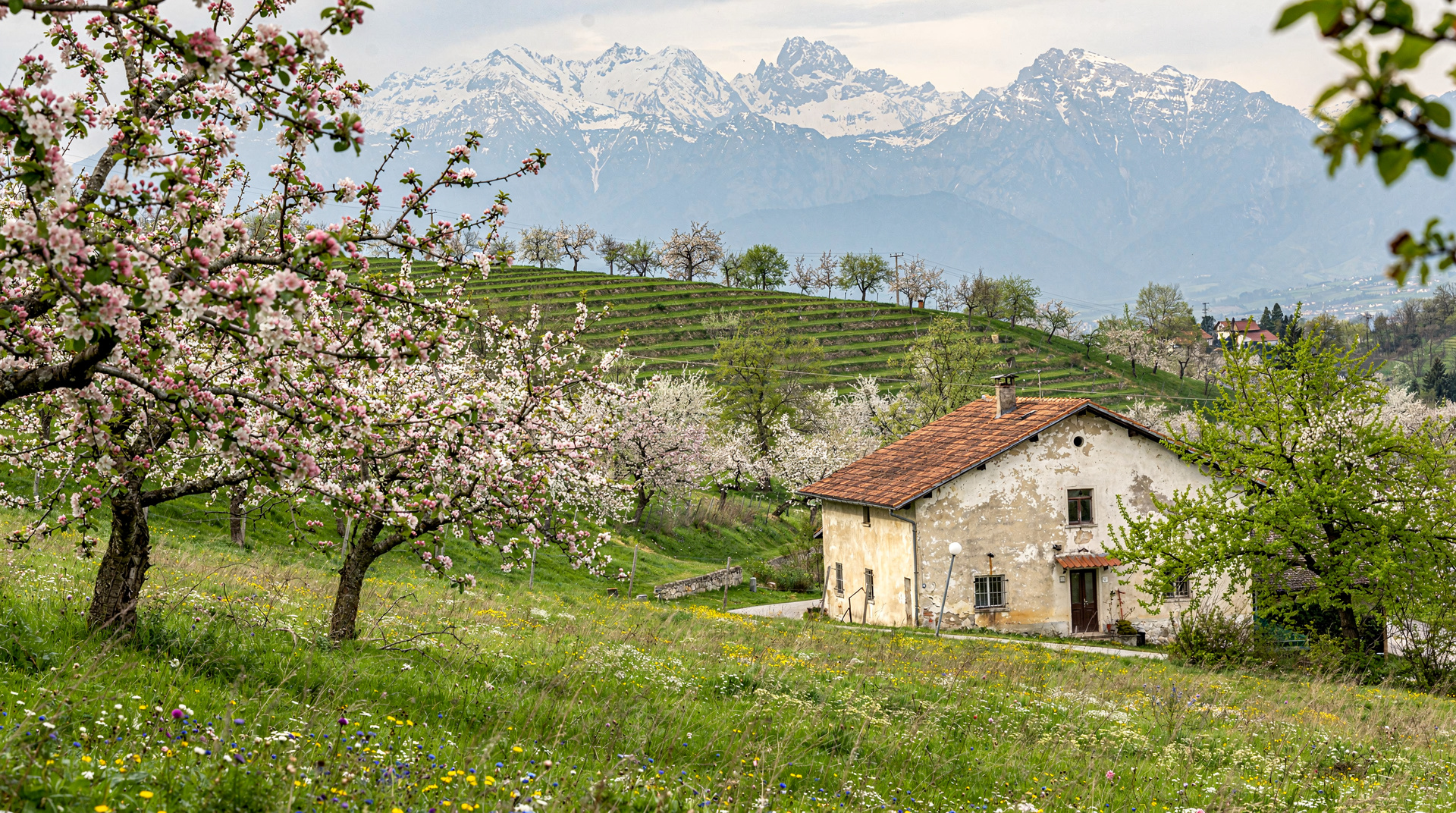
Spring is the underdog season that rewards travellers who discover it. March remains wintry in the mountains (Vršič Pass and Vintgar Gorge still closed); by late April, wildflowers cover the Alpine meadows, the Soča River runs at its most dramatic high-water volume, and the main tourist sites are empty.
Weather: March is cold (5–12°C in Ljubljana); April warms to 10–17°C; May reaches 17–22°C in the valleys, still cool at altitude. Rain is frequent in spring, particularly in April. The mountain weather is changeable.
What opens in spring:
- Vintgar Gorge reopens approximately late April (check the official site each year — the exact date varies with snowmelt)
- The Vršič Pass road reopens approximately mid-May (sometimes later; check DRSI.si road conditions)
- Rafting on the Soča starts from late April (cold water, maximum flow, the most dramatic conditions for experienced riders)
- Most accommodation reopens after winter closure from Easter onwards
Best for:
- Soča Valley (high water volume; dramatic rafting and scenery)
- Julian Alps wildflower walks (late April–May)
- Ljubljana (the city is pleasant year-round; spring café culture is lively)
- Wine touring in Goriška Brda (the vines leaf out in April; tastings without summer crowds)
Avoid if: You need Vintgar Gorge or the Vršič drive, which may still be closed until late April or May.
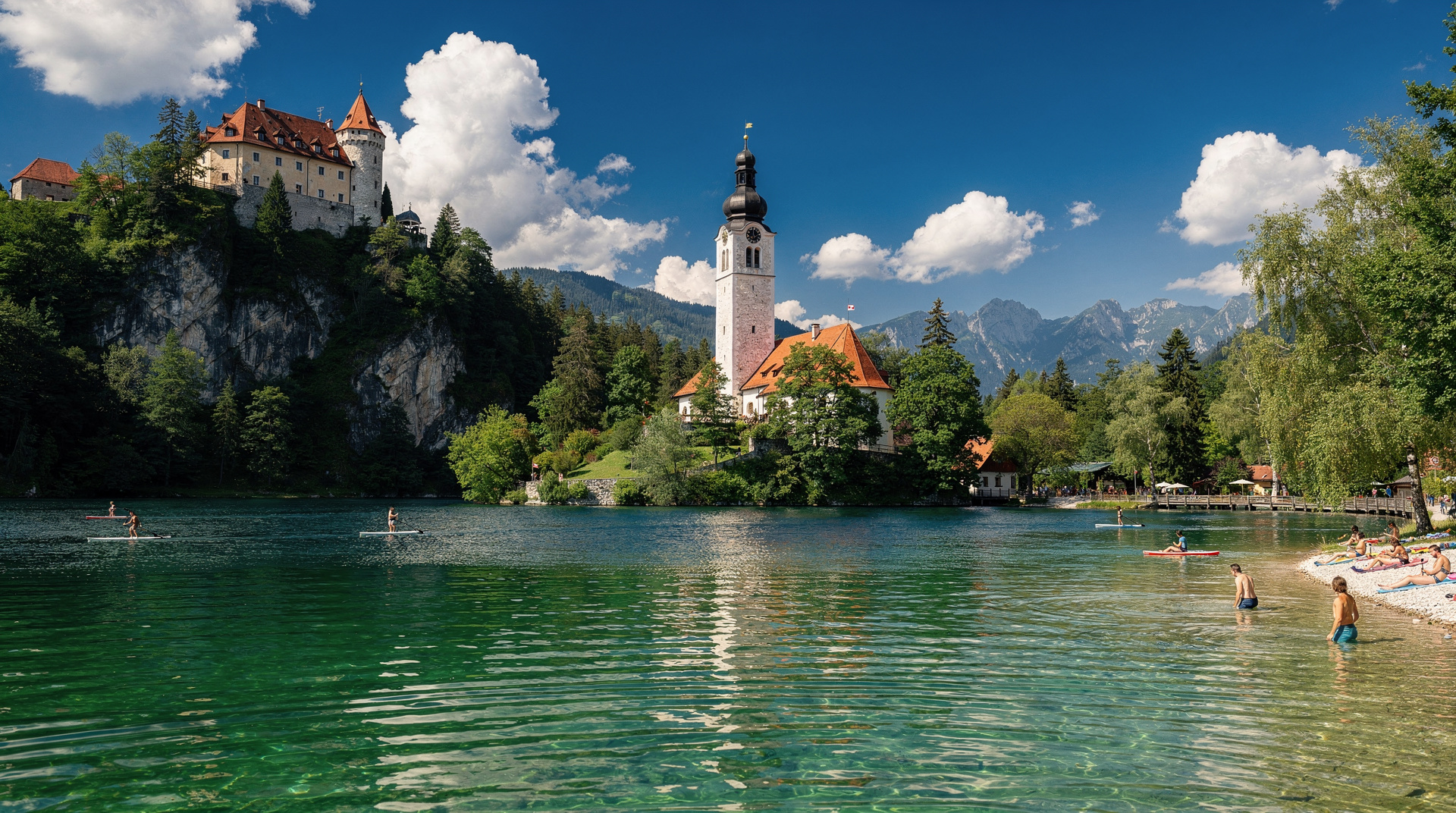
A guided day trip to Lake Bled from Ljubljana in spring is an excellent introduction — the lake is beautiful without summer crowds, and the light in May is particularly good:
Summer (June to August)
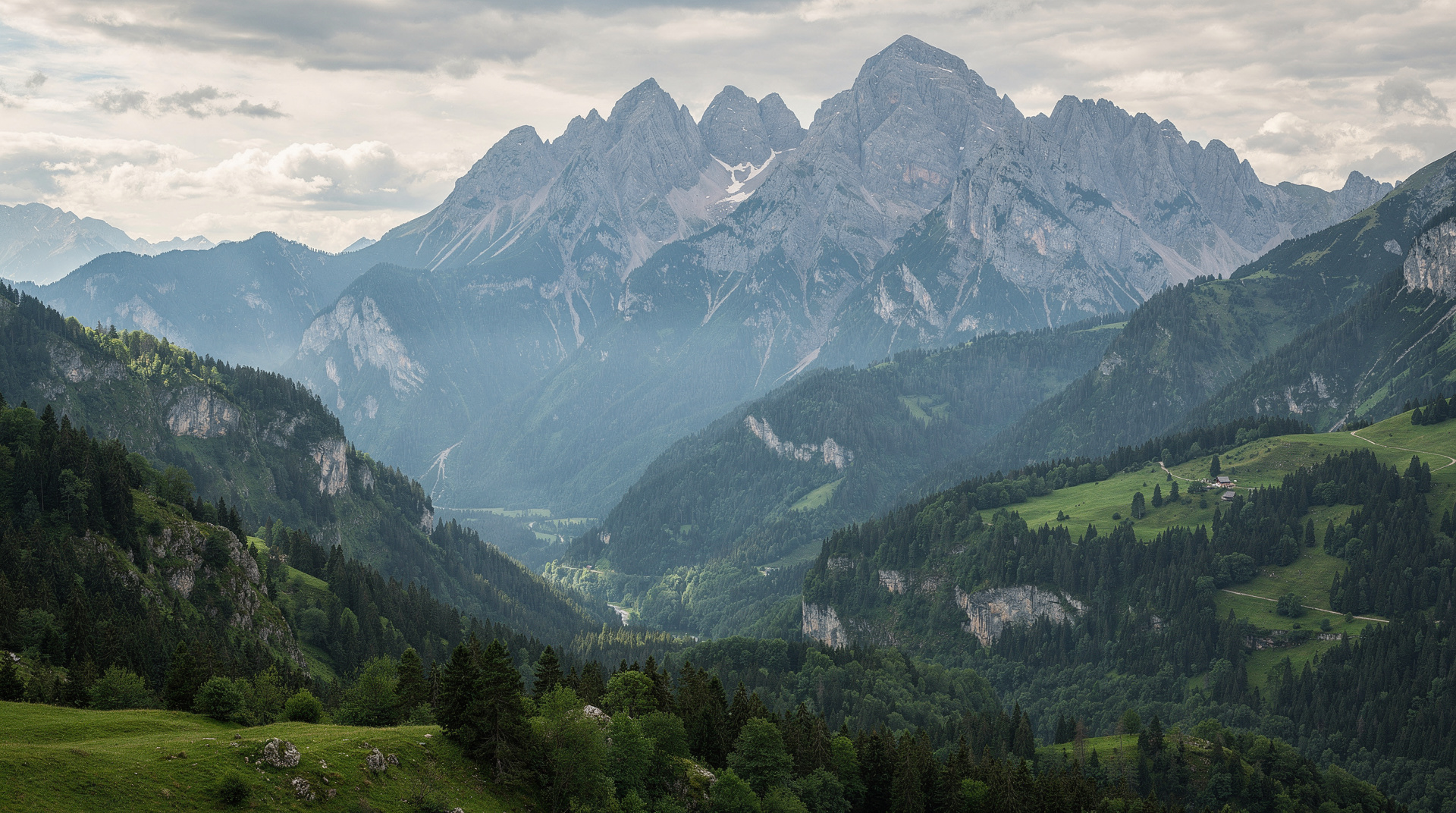
Summer is the peak season and for good reason: the weather is reliably warm, all attractions are open, the festivals calendar is full, and the Soča River is at swimmable temperatures. The caveats are real but manageable.
June is the sweet spot of the season. School holidays have not yet started across Europe; temperatures are warm (22–28°C in the valleys); all attractions are open; Vintgar Gorge and the Vršič Pass are both accessible; the Soča is perfect for rafting and early-season swimming.
July and August are the high weeks. Temperatures reach 30–34°C in Ljubljana and the valleys on hot days. The coast reaches 25–28°C. Lake Bled and Postojna Cave reach maximum crowd density — coach queues, full car parks, 90-minute waits at Postojna without pre-booking. This does not make them worth skipping, but managing the timing helps significantly: arrive at Bled before 8am or after 6pm; pre-book Postojna Cave online.
July–August weather: Afternoon thunderstorms are common in the Julian Alps — typically fast-moving storms that clear within an hour, but occasionally more sustained. Always check the mountain weather forecast (Arso.si) before hiking above 1,500m.
Best for:
- Lake swimming (Bohinj, Bled, the Soča near Kobarid — all excellent in July–August)
- Adventure sports in the Soča Valley
- The Ljubljana Summer Festival (late June–late August — outdoor concerts, theatre, opera in historic settings)
- Coastal Piran (warm evenings, outdoor dining, Adriatic swimming)
- Ski resort walking and cycling (Kranjska Gora’s lifts operate in summer for hikers and mountain bikers)
Practical tips for summer:
- Arrive at Bled before 9am or you will fight for parking and viewpoints
- Pre-book Postojna Cave tickets online — saves 60–90 minutes
- Book accommodation in peak areas (Bled, Bovec, Piran) 2–3 months ahead
- Carry sun protection; the Alpine sun at altitude is stronger than at sea level
Autumn (September to October)
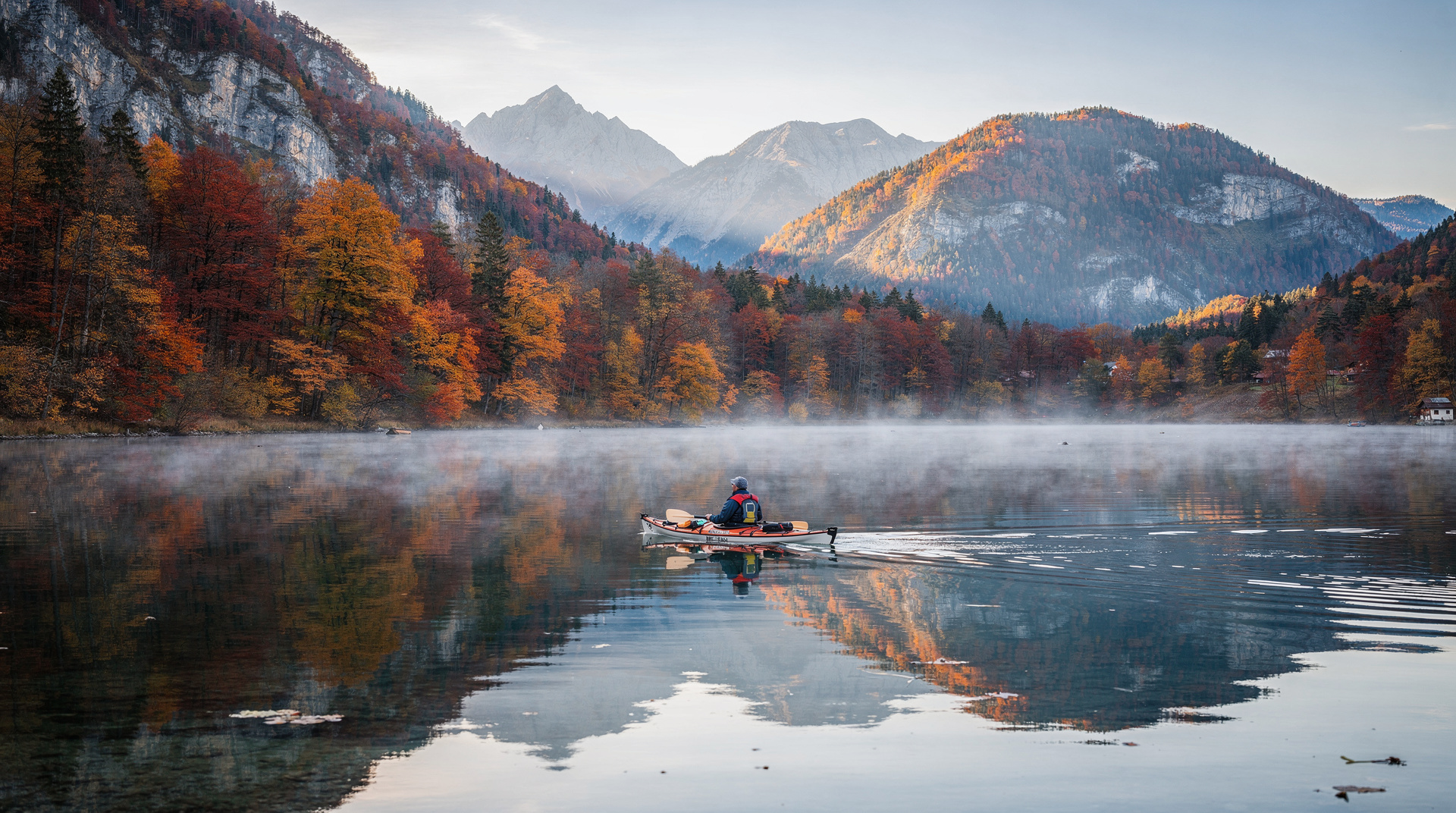
Autumn is the season that repeat visitors prefer. September delivers summer-level warmth with a fraction of the July–August crowds. October transforms the Alpine landscape — the larch and beech trees turn gold and amber, and the Triglav National Park becomes genuinely spectacular in colour terms that summer cannot match.
September is arguably the single best month for most travellers: lake temperatures are still swimmable (Bohinj remains pleasant through mid-September), the Soča Valley has a second activity peak as river levels rise again after summer, school holidays have ended, and accommodation prices drop from their July–August peaks.
October cools quickly, particularly after mid-month. Temperatures in Ljubljana drop to 12–18°C; mountain mornings are frosty. The wine harvest in Goriška Brda and the Vipava Valley runs through October — excellent for wine touring with harvest activity underway.
What starts closing in autumn:
- Most lake swimming services and some seasonal restaurants close from mid-October
- Vintgar Gorge closes approximately early November (check each year)
- The Vršič Pass may close as early as late October if early snowfall occurs
- Many adventure sports operators in Bovec close by the end of October
Best for:
- Mountain hiking (the best light of the year for photography; clear days after summer thunderstorm season)
- Wine harvest tourism (Goriška Brda, Vipava Valley)
- Piran and the coast (warm, quiet, off-season atmosphere; seafood season continues)
- Mushroom foraging (October is truffle and mushroom season across the Karst and forests)
Winter (November to February)
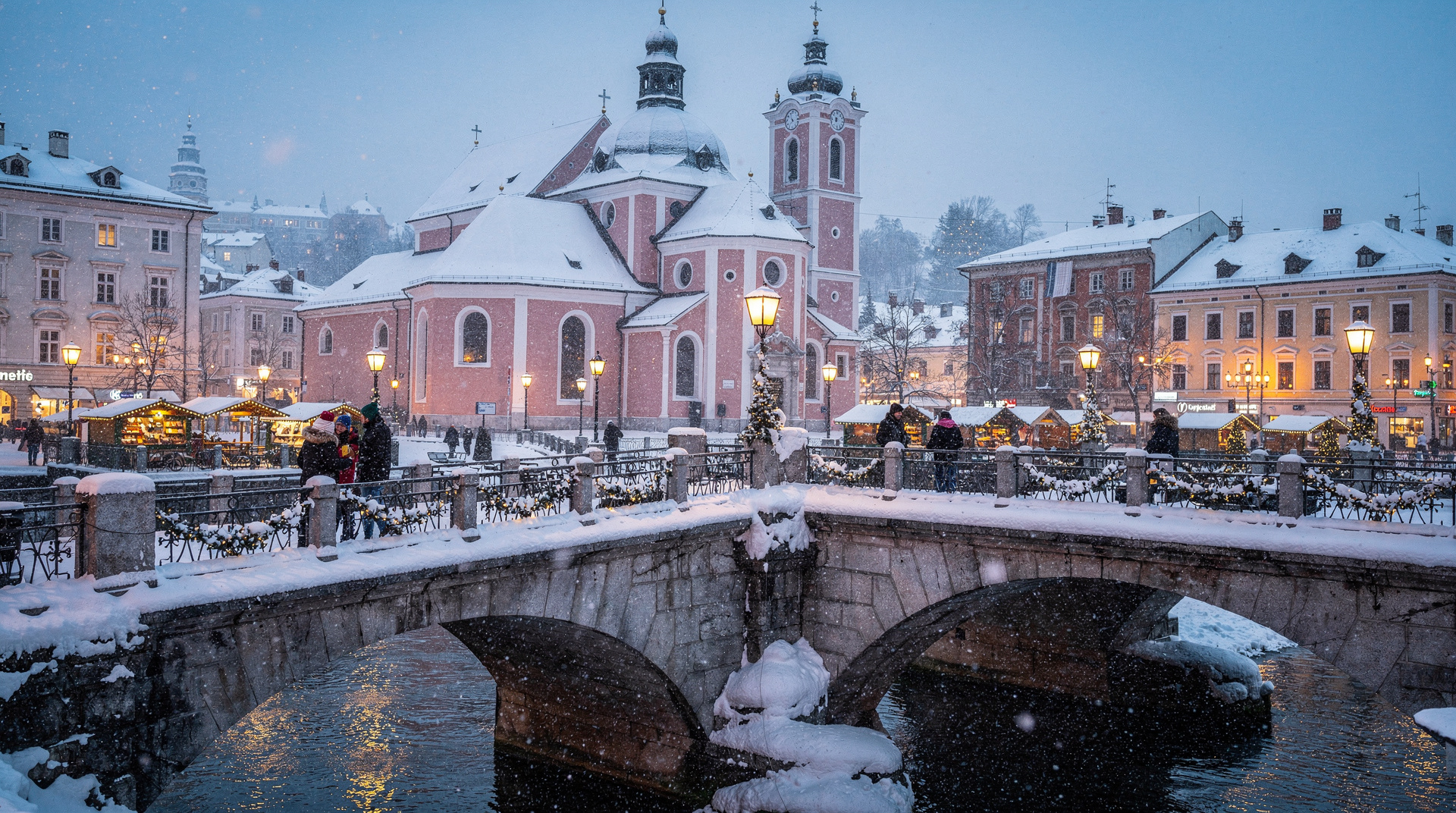
Winter in Slovenia is a niche season with a specific and genuine appeal. The ski resorts at Kranjska Gora, Vogel (above Bohinj), and Krvavec (above Ljubljana) are the headline draws. Ljubljana’s Christmas market is consistently rated among the best in Central Europe. The rest of the country — particularly the cave circuit and the coast — is quiet, cheap, and accessible without summer’s crowds.
Weather: Ljubljana winters are grey and cold (2–8°C December–February, occasional snow). Mountain areas receive substantial snow from December, with the ski season running reliably December through March and sometimes April. The coast stays milder than the interior (8–13°C in winter).
What closes in winter:
- Vintgar Gorge: closed approximately November through April
- Vršič Pass road: closed November through May (snow; accessible only to skiers on skis in some sections)
- Most seasonal lake restaurants and tour operators at Bled and Bohinj
- Many Soča Valley adventure operators (November–March)
What stays open:
- Postojna Cave and Predjama Castle (year-round; cave temperature is a consistent 10°C, which feels warm in winter)
- Škocjan Caves (year-round)
- Ljubljana’s museums, restaurants, and city attractions (fully operational; the city is at its most local and least tourist-dense)
- Piran (the old town stays open; fewer tourists, some restaurants closed, but the atmosphere is authentic)
- All ski resorts from approximately December 10–March 31 (snow-dependent; artificial snowmaking backs up natural snow)
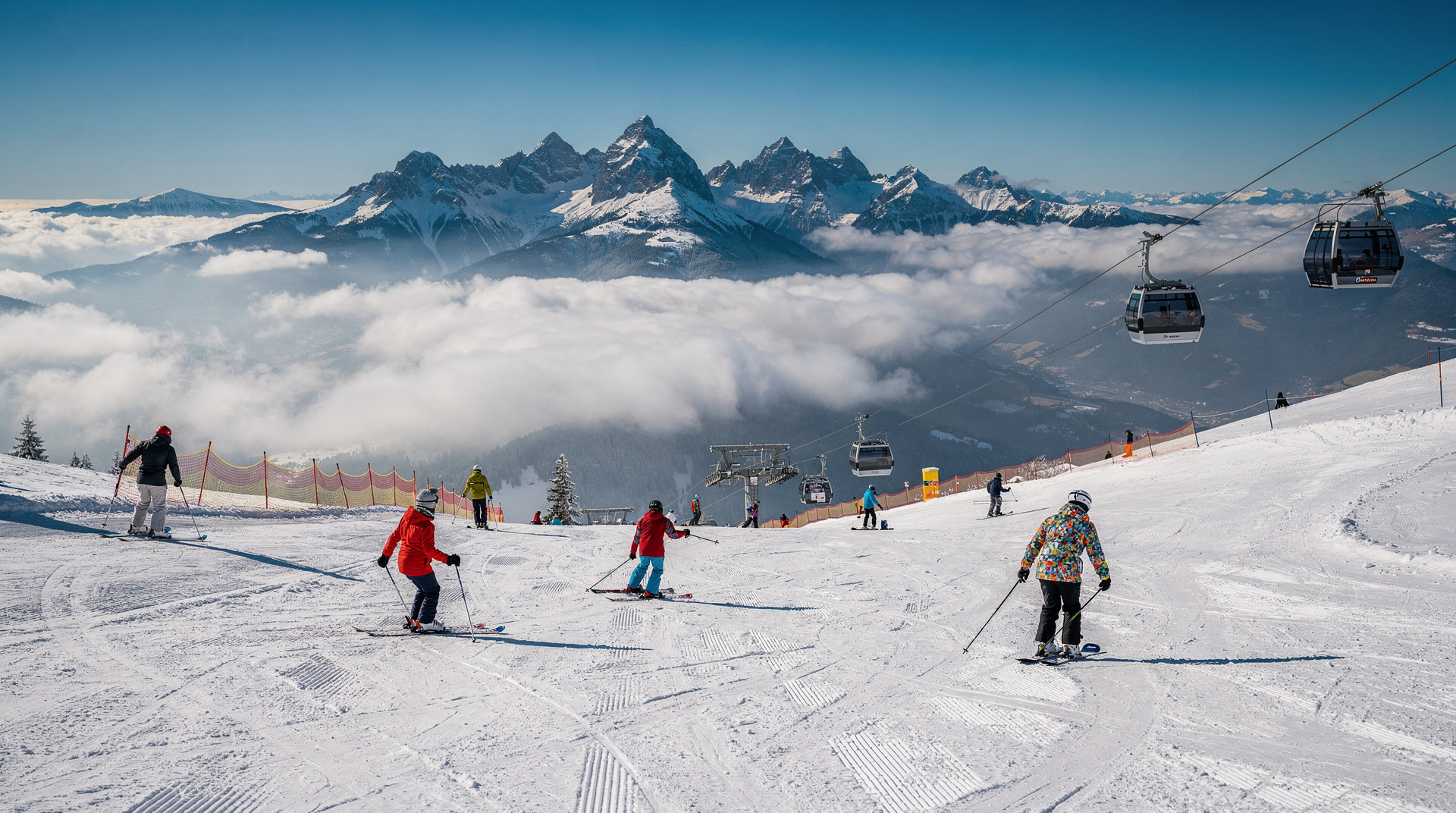
Skiing: The Vogel ski centre above Bohinj has excellent views of the Julian Alps and is served by a cable car from Ribčev Laz. It suits intermediate and beginner skiers. A day’s skiing with an instructor from Bled is a well-established option:
Kranjska Gora is the largest resort and suits families and intermediate skiers most. Krvavec (30 minutes from Ljubljana) is the most accessible resort and the best choice if you want a day trip from the capital.
Best for:
- Skiing (December–March; Kranjska Gora, Vogel, Krvavec)
- Ljubljana Christmas market (December; rated one of the best in Central Europe)
- Budget-conscious travellers (accommodation prices 40–60% lower than summer at Bled and Piran)
- Postojna Cave (no queues; the cave temperature actually feels warm in winter)
- Quiet coastal break at Piran (atmospheric, affordable, genuinely slow-travel pace)
The verdict by traveller type
First-time visitor wanting good weather + manageable crowds: May–June or September.
Couple wanting a romantic long weekend: September at Piran or Bled; Ljubljana any time.
Active adventure traveller (rafting, hiking): June or September in the Soča Valley.
Skier: December–March; Kranjska Gora for resort experience, Vogel for views.
Family with young children: June or early September (warm, swimmable, not peak-crowded).
Photography focused (autumn colours): October, particularly in the Julian Alps and Triglav NP.
Budget traveller: November–March (excluding Christmas week at Ljubljana).
Wine enthusiast: October (harvest in Goriška Brda and Vipava Valley).
Seasonal events calendar
January–February
- Ski season peak (Kranjska Gora, Vogel, Krvavec)
- Kurentovanje carnival in Ptuj (February; one of Slovenia’s most distinctive folklore events)
- Quietest period in most tourist destinations; lowest accommodation prices
March
- Ski season winds down (some resorts run into April)
- Planica Ski Flying World Championships (late March; valley near Kranjska Gora)
April
- Easter (moveable date; significant domestic travel spike)
- Soča rafting season opens (late April)
- Bohinj narcissus season begins (late April into May)
May
- Vintgar Gorge reopens (late April–early May; varies)
- Vršič Pass road reopens (mid-May approximately)
- Ljubljana Marathon (typically May)
- Julian Alps wildflower peak
- All major tourist infrastructure fully operational
June
- Ljubljana Summer Festival opens (late June–late August)
- Ana Desetnica Street Theatre Festival, Ljubljana (June–July)
- Lake swimming season begins (mid-June at Bled and Bohinj)
- Ljubljana LGBTQ+ Pride Parade (June)
July–August
- Peak tourist season
- Ljubljana Summer Festival in full swing
- Cross Triathlon, Bovec (July)
- Craft beer festivals across Ljubljana (rotating, check lovelytrip.com/slovenia)
September
- Crowd numbers drop; conditions maintain summer quality
- Second Soča rafting peak
- Ljubljana design and cultural season opens
October
- Alpine colour season (larch and beech turning gold and amber)
- Wine harvest in Goriška Brda and Vipava Valley
- Portorož Film Festival (late October)
- Seasonal closures begin (cave tour queues disappear; Bled and Bohinj restaurants start closing)
November
- Ljubljana Christmas Market preparation begins (late November opening)
- Quietest tourist month
- Good time for city breaks and cave visits
December
- Ljubljana Christmas Market (late November–December 30)
- Ski season opens (mid-December approximately; snow-dependent)
- New Year celebrations in Ljubljana (Prešeren Square fireworks)
The crowds question: a more detailed answer
Crowd levels in Slovenia are highly concentrated. The busy destinations (Bled, Postojna) do get genuinely crowded in summer in ways that can degrade the experience. The empty destinations (Bohinj, eastern Slovenia, the wine country, Logar Valley) are uncrowded in essentially every season.
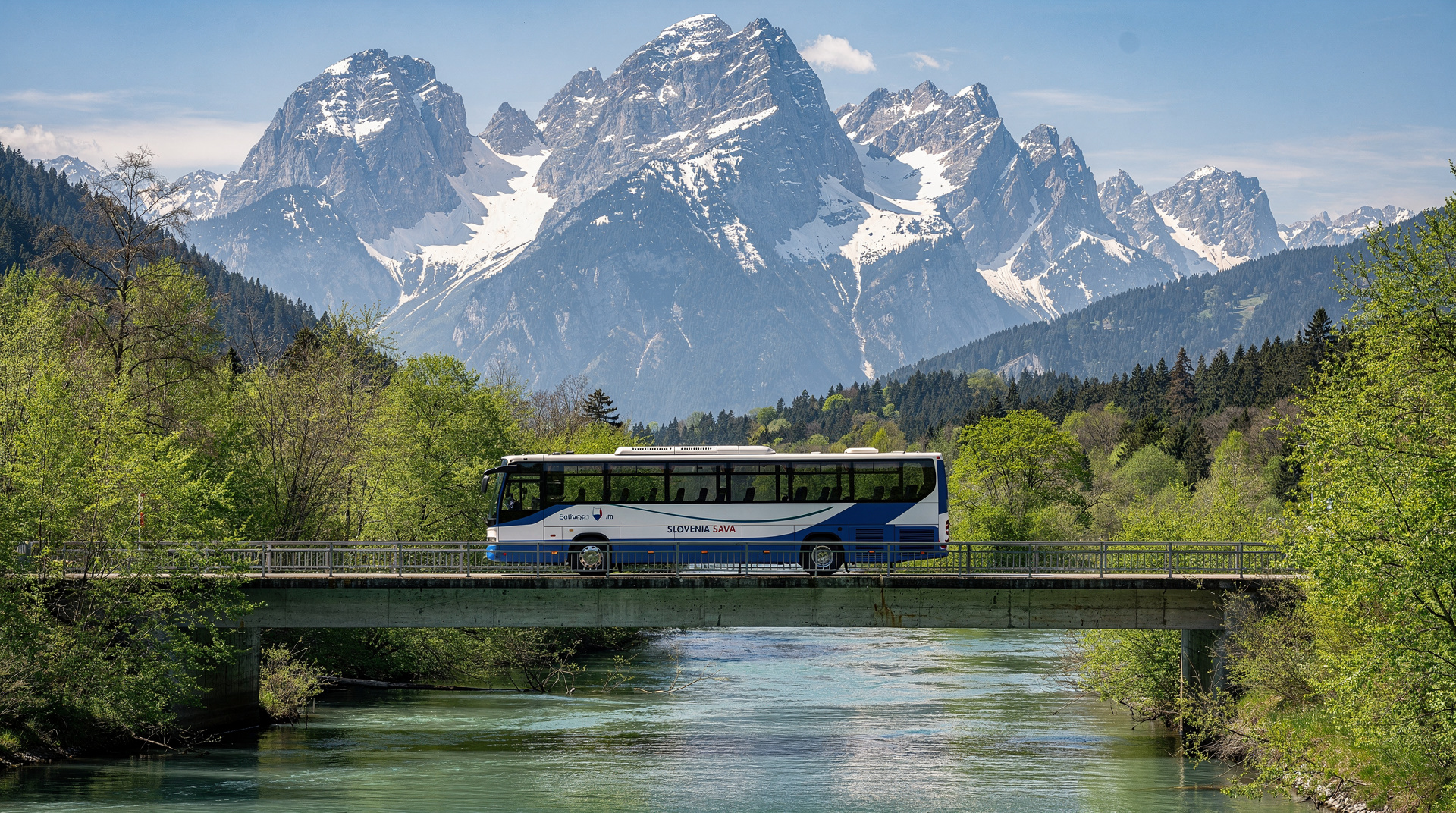
At Bled: The lake circuit walk and the Ojstrica/Mala Osojnica viewpoint path get busy but rarely unbearably so — they are outdoor spaces with no queue mechanism. The pletna boat to the island has a queue at the ticket counter in summer (plan 30–45 minutes). The car parks along the lake fill by 10am on summer weekends. Strategies: arrive before 9am, park at the edge of town and walk, or use the bus from Ljubljana.
At Postojna: The cave is a fixed-capacity experience with timed entries. In July–August, the walk-up queue can mean a 90-minute wait for the next available slot. Online pre-booking eliminates this entirely. This is the single most useful logistical action for a summer visit to Postojna.
At Ljubljana: The old town is never overwhelmed in the way that Prague or Amsterdam are overwhelmed. It is a functioning city with a resident population that uses the same streets. Even in August, the old town is navigable and the restaurants are accessible without hour-long waits.
How weather affects the experience at each destination
Lake Bled in different conditions:
- Rain: The lake takes on a flat, grey quality that is beautiful in its own right and makes the castle emerge dramatically from mist. The viewpoints (Ojstrica) are less satisfying in rain and potentially slippery. The lake circuit walk is fine in light rain with appropriate gear.
- Clear and cold (spring/autumn morning): The best photography conditions. The water mirrors the castle and mountains without summer haze.
- Hot and sunny (July midday): The most crowded and also the most conventionally photogenic. The lake colour is at its most saturated.
Soča Valley in different conditions:
- High water (spring, after autumn rain): The river runs powerful and dramatic; the turquoise is at maximum intensity against the green banks.
- Low water (late summer): The river shrinks; more of the streambed is exposed; the swimming pools in the flat sections are more accessible but the rafting is less dramatic.
- Rain: The valley walls become waterfalls; the forest deepens; the atmospheric quality increases. Rain in the Soča Valley is not a reason to stay inside.
Postojna Cave in different conditions:
- Summer outside, 30°C: Entering a 10°C cave is genuinely refreshing. The cave becomes an air-conditioned refuge.
- Winter outside, -2°C: The 10°C cave feels warm. The stalactites and cave formations are unaffected by season.
- Any weather: The cave is always exactly 10°C, always lit exactly the same, always the same geological wonder. It is the one Slovenian destination entirely independent of weather.
Booking flexibility by season
High flexibility needed (July–August): Book 2–3 months ahead for Bled, Piran, and Bovec accommodation. Cave tickets should be pre-booked online. Car hire for this period should be confirmed well in advance.
Medium flexibility (May–June, September): Booking 2–4 weeks ahead is usually adequate, though the best options fill faster in peak-June. Spontaneous booking is possible for most secondary destinations.
Maximum flexibility (November–April excluding Christmas): Walk-in booking is generally possible. The ski resorts (Kranjska Gora, Vogel) book up for peak ski weekends in January–February; mid-week ski stays are available close to the date.
Related guides
- Slovenia weather month by month — monthly temperature and rainfall charts
- Slovenia in spring — March through May in detail
- Slovenia in summer — June through August in detail
- Slovenia in autumn — September and October in detail
- Slovenia in winter — November through February in detail
- Slovenia travel guide — the complete planning reference
- How many days in Slovenia? — itinerary planning by duration
Frequently asked questions about Best time to visit Slovenia
What month is best for visiting Lake Bled?
May, June, and September are the best months for Lake Bled: the iconic views without the July–August crowds. If you must visit in July or August, arrive before 8am to beat the coach tours. October is beautiful for autumn colour but some services close and swimming ends. Avoid peak weeks in late July–early August if you dislike crowds.When is the Soča Valley at its best?
May–June for high water volume and dramatic rafting. July–August for warmer swimming conditions. September for a second high-water season with excellent adventure sports and near-empty trails. The Soča Valley is a summer destination; November–April sees most operators closed and limited services.Is Slovenia worth visiting in winter?
Yes, for the right traveller. Ljubljana's Christmas market (December) is one of Central Europe's best. Kranjska Gora and Vogel offer skiing from December through March. The caves (Postojna, Škocjan) stay open year-round. But: Vintgar Gorge closes November–March, the Vršič Pass closes November–May, and many rural restaurants and mountain huts close for the winter.What are the shoulder seasons in Slovenia?
May–early June and September–October are the shoulder seasons — lower prices than July–August, smaller crowds, and most attractions open. These periods offer arguably the best combination of conditions for most travellers. Spring wildflowers in the Julian Alps (late April–May) and autumn colour in the mountains (October) are specific visual rewards.When does Slovenia have the most tourists?
July and August are the peak months at Bled and Postojna. Ljubljana is busy throughout summer but more manageable than the lake and cave circuit. The coast (Piran, Portorož) peaks in July–August with domestic tourism from Central Europe. Easter weekend and the Christmas market period bring short but significant crowd spikes.What is closed in winter in Slovenia?
Vintgar Gorge closes approximately November through April. The Vršič mountain pass road closes approximately November through May. Many seasonal restaurants, boat hire operators, and tour companies in the Bled and Bohinj area close October–April. The Soča Valley's adventure sports operators mostly close November–March. Most major museums, caves, and cities remain open year-round.When is the cheapest time to visit Slovenia?
November through March (excluding the Christmas market period in December) is the cheapest time for accommodation and flights. Prices at Bled and Piran drop 40–60% from summer peaks. January–February is the quietest month of the year in most tourist destinations; good for Ljubljana city breaks and ski trips to Kranjska Gora or Vogel.
Top experiences
Bookable activities with verified prices and instant confirmation on GetYourGuide.