Slovenia in summer: what to expect in June, July and August
Ljubljana: Lake Bled and Bohinj tour with Savica Waterfall
What is Slovenia like in summer?
Slovenia in summer is warm to hot, beautiful, and busy. Lake Bled and Postojna Cave reach peak crowd density in July–August. June is the sweet spot: warm, all attractions open, and school holidays have not yet begun across Europe. The Soča Valley and coast are best July–August for swimming temperatures.
What summer looks like in Slovenia
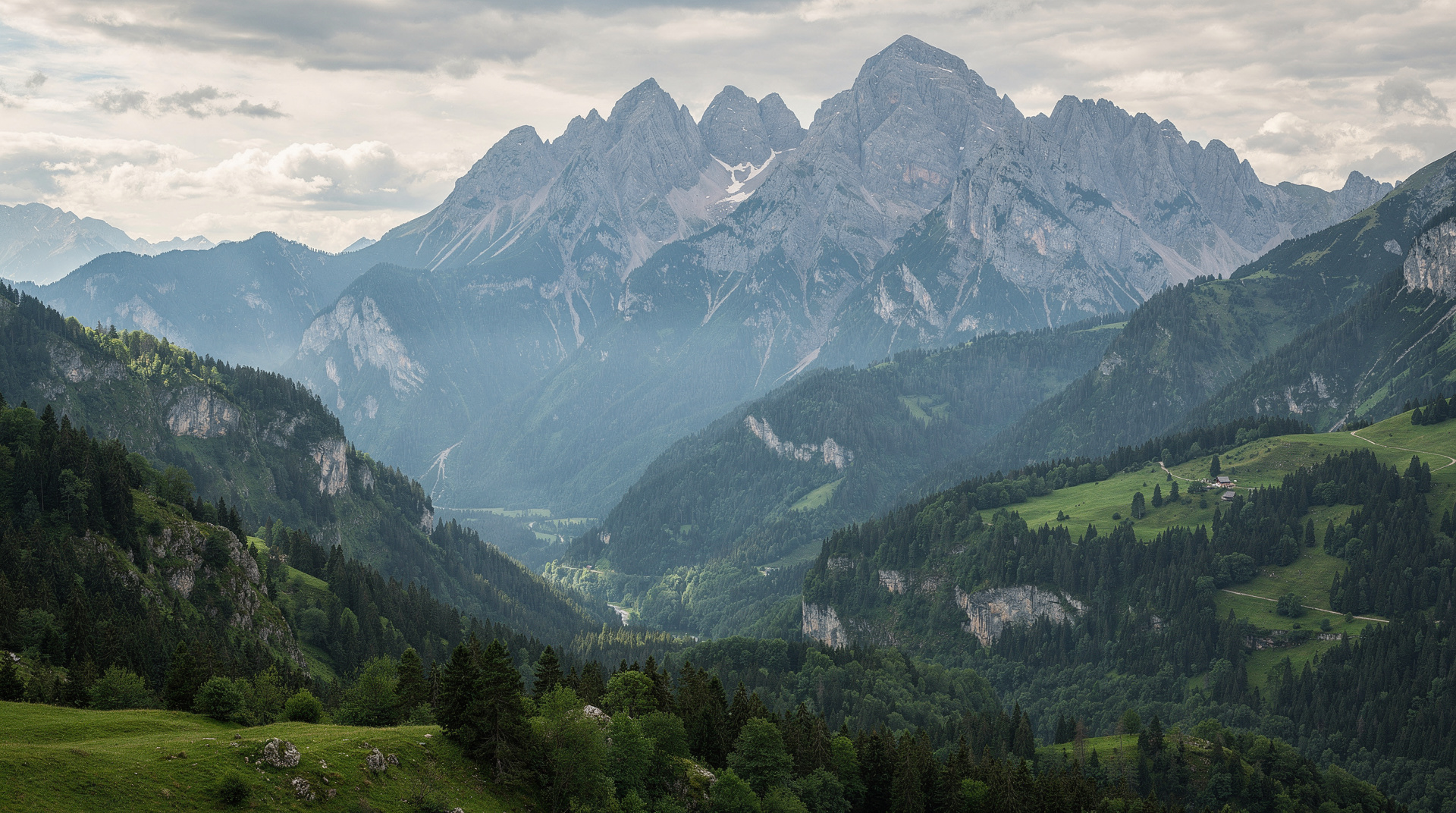
Summer arrives in Slovenia with a distinctive combination of Alpine warmth, turquoise rivers, and the annual influx of European tourists who have discovered that a small country can hold an extraordinary variety. June through August is the season when Slovenia is most photogenic, most active, and most tested by its own success as a destination.
| Month | Ljubljana highs | Crowds | Best for |
|---|---|---|---|
| June | ~25°C | Low–moderate, before school holidays | Best all-round month, wildflowers, rafting |
| July | ~29°C | Peak | Warmest lake and sea swimming, festivals |
| August | ~28°C | Peak (first half), easing (second half) | Coast, late-August is underrated |
The basic proposition: summer in Slovenia offers the best weather, the full roster of activities (rafting, canyoning, lake swimming, hiking at all altitudes, coastal beach time, outdoor festivals), and the country at its greenest and most alive. The trade-off is the crowds at the top attractions — Lake Bled and Postojna Cave — and the accommodation prices at their annual peak.
June is the recommended sweet spot. By June, the Vršič Pass has reopened (usually by mid-May; confirmed open by early June), Vintgar Gorge is fully operational, the Soča River is at ideal water levels, and the European school holiday rush has not yet begun. July and August deliver better swimming temperatures but considerably more company.
Month-by-month summer detail
June
Average temperatures (Ljubljana): Lows ~14°C, highs ~25°C. The warmest week of June can touch 30°C; cooler days are pleasant rather than cold.
What makes June the best summer month:
- Everything is open: Vintgar Gorge, Vršič Pass, all adventure operators, all mountain huts, the full hiking season
- School holidays have not begun in most European countries until the last week of June or early July
- Accommodation prices are below July–August peaks at Bled and Piran — sometimes 20–30% lower
- The Julian Alps are at their most floriferous (wildflower season extends from late April through June)
- The Soča River runs at good rafting levels with water temperature rising through the month
June weather nuances: Rain is still relatively frequent in the first half of June, particularly in the mountains. The second half of June tends to be more settled. Always check the mountain forecast (Arso.si) for any Alpine activity.
What’s happening: The Ljubljana Summer Festival officially begins in late June. The main lake beaches begin their lifeguard season.
July
Average temperatures (Ljubljana): Lows ~17°C, highs ~29°C. Regular hot days above 30°C. The hottest month of the year.
The peak month: July is the busiest month in Slovenian tourism. The school holidays across Europe and beyond funnel visitors to the main destinations.
At Lake Bled: July is when the classic experience of arriving at 10am and finding the lakeside car park full, the Ojstrica viewpoint selfie-queued, and the pletna boat ticket queue running out the door occurs. This is not a reason to avoid July — it is a reason to arrive before 9am. The lake at 7am in July is still beautiful and significantly quieter.
At Postojna Cave: pre-booking online is functionally mandatory in July. Walk-up tickets may be available but the waiting time without a pre-booked slot can be 90 minutes in peak weeks.
July advantages:
- The Soča River’s swimming sections are at their best (water warms to 14–18°C near Kobarid and Tolmin)
- Lake Bled reaches peak swimming temperature (~22–24°C)
- The Ljubljana Summer Festival is in full swing
- Piran and the coast are at peak Adriatic warmth (seawater 23–26°C)
July afternoon storms: Thunderstorms in the Julian Alps are common in the afternoons of hot July days — typically fast-moving and dramatic. Plan Alpine hikes for mornings and be off exposed ridges by 1–2pm.
August
Average temperatures (Ljubljana): Lows ~16°C, highs ~28°C — very slightly cooler than July on average but with similar weather patterns.
August specifics: The first two weeks of August are usually the busiest of the year at Bled and Postojna. Domestic Slovenian summer holidays overlap with European tourists. Accommodation prices are at their annual peak.
The second half of August is noticeably less crowded than the first half — families with school-age children begin returning home from mid-August onwards, and the atmosphere shifts slightly. Late August has a quality that regular visitors appreciate: summer warmth, beginning-of-autumn light, the first hints of amber in the higher tree lines.
Late August is underrated: The lakes are still warm, the Soča is still excellent for swimming, but the most intense crowd pressure has begun to ease. If you have flexibility, the last two weeks of August can be better than early August.
What to do in summer
Water activities
Summer is the season for Slovenia’s water. The options:
Lake Bled swimming: The main Mlino beach and the smaller Mala Žaka beach are accessible without charge. Paddleboat and rowing boat hire is available at multiple lakeside points (~€15/hour for a rowing boat). The classic lake photography is from the Ojstrica viewpoint — 20 minutes’ steep walk from the lake level.
Lake Bohinj: Larger, colder, and less crowded than Bled. The Savica waterfall walk (30 minutes each way) is a reliable summer activity; if you have no car, a guided day trip combining Lake Bled, Lake Bohinj and the Savica waterfall removes the logistics. The Vogel cable car runs year-round and gives the Julian Alps panorama at 1,540m. The lake swimming area at Ribčev Laz is excellent in July–August.
Soča River: The flat swimming sections near Kobarid (the Nadiža confluence area) and near Tolmin are exceptional in July–August — turquoise water, flat rocks, extraordinary light. Swim only in marked areas. The river’s temperature in official swimming sections is cold but survivable (12–18°C depending on location and time of year).
Soča rafting and canyoning: The prime season for adventure water sports is May–October, with July–September offering the best combination of water levels and temperature for participants. See the Soča Valley destination guide for operator details.
Full-day Soča rafting with riverside picnicPiran and the Adriatic: The Slovenian coast is short and the beaches are mostly pebble or lido platforms rather than sand, but the seawater quality is excellent and the temperatures reach 25–26°C in July–August. Portorož has the best beach facilities; Piran’s old town is the best atmosphere.
Hiking
Summer is when most of Slovenia’s hiking trails are fully accessible, including the high-altitude routes in Triglav National Park.
Lower altitude (up to 1,500m): July–August is the most reliable weather window. Trails to Mala Osojnica (Bled), the Bohinj valley circuit, and the lower Soča Valley walks are busy but not overwhelmed.
Higher altitude (Triglav summit, Kanin plateau, Razor ridge): The main Alpine hiking season runs July–September. The Triglav summit (2,864m) is accessible to fit, well-prepared hikers using the marked routes. Go with a guide if you have not done Alpine hiking before; the weather window on Triglav can change fast.
Mountain huts (planinska koča): Open from approximately late June through September. Booking ahead is strongly advised for the most popular routes (Triglav, Dom Planika). The huts provide basic meals, bunks, and emergency shelter; they are an important part of any multi-day Alpine hike.
Cultural events
Ljubljana Summer Festival: The main outdoor cultural season, running from late June through late August. The programme includes classical concerts, opera, theatre, and dance performances at outdoor venues including Ljubljana Castle courtyard and Kongresni trg. Some events are free; headline performances require tickets.
Odprta Kuhna (Open Kitchen): Every Friday from spring through autumn, Ljubljana’s riverside market area hosts a street food festival. About 60 vendors from restaurants across the city and region. An excellent, lively experience that is disproportionately popular with locals.
Lent Festival, Maribor: One of the largest outdoor festival events in the Balkans and Central Europe, running in late June–early July in Maribor. Music, theatre, dance, and local food vendors along the Drava riverside. A reason to visit Slovenia’s second city.
Summer packing
For Slovenia in summer, the key items beyond the universal list:
- Swimwear (multiple pairs if spending time in the Soča or at the lakes — quick-dry is better)
- A rash vest or thin wetsuit top if planning Soča swimming (the water is cold; body temperature management matters)
- Sun hat and SPF 30+ (the Alpine sun at altitude is stronger than you expect)
- A light waterproof jacket (afternoon storms are real; they pass quickly but a soaked walk is unpleasant)
- Light fleece or sweater for evenings (even hot summer days cool noticeably after sunset in the mountains)
- Footwear that handles both cobblestones and trails (a trail shoe that is also acceptable for restaurants is the ideal compromise)
See the Slovenia packing guide for the full seasonal breakdown.
Honest summary of summer
Summer in Slovenia is genuinely excellent for the right traveller. The best experience requires some advance organisation — booked accommodation, pre-bought Postojna tickets, and a willingness to start the day early at Bled. The worst summer experience is the improvised one: arriving at Bled at noon in August without a hotel reservation to find the car parks full and the cream cake café queued to the door.
The key mental shift: Slovenia’s summer highlights are best experienced at the margins of the day. Early mornings and late evenings at Bled are transcendently beautiful. Midday in July is when they are merely crowded.
Summer transport notes
Bled parking: The lakeside car parks at Bled fill by 10am on summer weekends and by 11am on weekdays in peak season. Options: arrive before 9am; use the P+R (park and ride) car park at the edge of town and walk or take the local shuttle; or take the bus from Ljubljana (€7.30, roughly hourly service). The bus deposits you 400m from the lake.
Ljubljana traffic: The city sees increased traffic in summer from domestic and international visitors. The ring road can be slow on Friday afternoons and Sunday evenings. For city-centre access, park at one of the ring-road P+R facilities and take the bus or cycle.
Car hire prices in summer: July–August hire car prices can be 40–60% higher than May prices. If you planned a spontaneous hire in July, you may find limited availability at reasonable prices. Book ahead.
The Vršič Pass in summer: The pass (50 hairpin bends, 1,611m summit) is one of the best drives in the Eastern Alps. In July–August it is heavily used by cyclists, motorcyclists, and tourists. Drive slowly, use the pull-off points for oncoming coaches, and do not attempt the pass in thunderstorm conditions. Go early morning for the best combination of light and minimal traffic.
What not to do in summer
Do not queue walk-up at Postojna in July–August: Buy your ticket online before arriving. The saving is 60–90 minutes of standing in a queue outside, which in summer heat is particularly unpleasant.
Do not arrive at Bled at noon: By noon on a July weekend, the main lakeside viewpoints and car parks are at maximum density. The lake is beautiful; the experience of fighting for a parking space and a viewpoint photo is not. Plan the lake for the early morning or late afternoon.
Do not over-schedule rain backup plans: Summer afternoon thunderstorms in the Julian Alps are brief and dramatic — typically 30–60 minutes and then clearing. Do not cancel a hiking plan because the afternoon forecast shows a 40% storm chance. Aim to be off exposed ridges by 1pm; the lower trails and valley walks are fine in light rain and better after it.
Do not book the tourist restaurants on the main Bled and Ljubljana riverfront strips: The restaurants visible from the main tourist viewpoints exist on high-rent locations. Move two streets away for equivalent or better food at meaningfully lower prices.
Summer itinerary structures
The two most common successful summer itinerary structures for first-time visitors:
Structure 1: Base Ljubljana, day-trip outward (5–7 days) Best for: travellers without a car, those who prefer city culture, those combining Slovenia with other Central European cities.
- Day 1–2: Ljubljana city and surroundings
- Day 3: Bus to Bled (day trip; arrive early; depart late afternoon)
- Day 4: Bus to Postojna and Predjama (day trip; pre-book cave ticket)
- Day 5: Bus to Piran (day trip; long summer day)
- Days 6–7: Return to Ljubljana or continue by bus toward Croatia/Austria
Structure 2: Moving itinerary with hire car (7–10 days) Best for: those with a hire car, travellers who want to include the Soča Valley, those staying longer.
- Days 1–2: Ljubljana
- Days 3–4: Soča Valley (Bovec/Kobarid; drive via Vršič Pass if open)
- Days 5–6: Lake Bled and Bohinj area
- Day 7: Postojna and Predjama (on the way south)
- Day 8: Piran (coast day)
- Day 9–10: Return to Ljubljana or connect south toward Croatia
The hire car structure is more flexible and adds the Soča Valley — the most commonly cited highlight among returning visitors — at the cost of driving roughly 400km over the trip.
Where to go next for summer planning
Once you know summer suits you, the next step is choosing which corners of the country to build the trip around. A few guides on this site go deeper on the places mentioned above.
Lakes and swimming: Lake Bohinj is the calmer alternative when Bled feels too busy, and the Bled vs Bohinj comparison helps you decide where to base yourself. If crowds are your main worry, avoiding crowds at Bled collects the practical tricks, and the swimming lakes guide covers the other places to get into the water. For a different way onto the lake, see SUP on Lake Bled.
Rivers and adventure: The Soča river rafting guide and the canyoning guide explain what to expect from the main summer water activities, while Bovec as an adventure base shows how to string several days together in the valley.
Mountains and drives: For high-altitude days, the Julian Alps hiking guide and the Vršič Pass driving guide are the natural companions to the sections above. The Vintgar Gorge page is worth reading before you plan a morning walk near Bled.
Coast and city: The Slovenian coast guide and the best beaches in Slovenia cover the Adriatic side, and things to do in Ljubljana helps fill the hottest midday hours with museums, markets and shaded terraces.
Whole-trip planning: If you want a ready-made route, the summer lakes and beaches itinerary puts several of these ideas into a single plan, and Slovenia’s weather month by month is useful for fine-tuning your dates.
Summer evenings: an underused part of the day
Slovenian summer days are long — sunset in Ljubljana is around 9pm in late June — and the evening hours from 6pm onward are consistently underused by visitors who structure their day around a conventional 9-to-5 sightseeing block. At Lake Bled, the golden hour from about 7–8:30pm empties the lakeside viewpoints of the day’s coach groups and delivers the best light of the day for photography. In Ljubljana, the old town and riverside restaurant terraces come properly alive from 7pm, when the daytime heat has eased and the outdoor dining culture is at its best.
On the coast, a Piran evening stroll after an 8pm dinner, watching the light fade over the Adriatic from the town’s harbour wall, is one of the more memorable low-key experiences the coast offers. Building at least one evening activity into each day of a summer itinerary — rather than treating evenings purely as dinner-and-sleep time — makes noticeably better use of Slovenia’s long summer daylight.
Summer and the national park system
Triglav National Park covers 880 square kilometres of the Julian Alps — roughly 4% of Slovenia’s total territory. Entry to the park is free; what costs money is guided ascents of Triglav itself and overnight stays in the mountain huts.
Summer is when the park is fully accessible and at its most dramatic. The management authority publishes trail condition reports and safety advisories at the park’s information centres in Bled, Bohinj, and Trenta. If you plan any hiking above 1,500m, register your route at one of these centres or with your accommodation.
The summer hiking season in the park (July–September) is also the period when mountain hut bookings are most pressured. Dom Planika and the Triglavski dom na Kredarici (the hut just below Triglav’s summit) book out weeks ahead in July and August. If a multi-day Alpine hike is on your agenda, book the huts at the start of your planning process, not as an afterthought.
Summer thunderstorms and the park: The afternoon storm pattern described earlier in this guide is most relevant to Triglav National Park and the high ridges. The park rescue statistics show that most summer incidents involve hikers caught by afternoon weather on the upper ridges having underestimated the forecast’s 30–40% storm probability as acceptable odds. In mountain weather, 30% is enough to plan around.
The Soča Valley in July and August: honest assessment
July and August are the peak adventure sports months in the Soča Valley. The river is at lower flow than spring but warmer for swimming; the operators are fully staffed; the conditions for family rafting are at their best.
The honest complement: the river is also the most crowded it will be all year in July and August. The main swimming sections near Kobarid and the pebble beaches near Tolmin are busy on sunny July weekends. The Bovec operators run multiple groups per day. This does not make the experience bad — it is still excellent — but setting expectations around the level of solitude is useful.
If the Soča Valley appeals primarily for its aesthetic quality (the turquoise colour, the mountain backdrop, the feeling of wilderness) rather than purely for the activities, consider visiting in late September or early October instead. The river will be higher, the light will be better, and there will be almost nobody there.
Summer accommodation booking: the timeline
8+ weeks ahead: Book your primary accommodation at Bled, Piran, and Bovec. The best mid-range guesthouses at these destinations fill first.
4–8 weeks ahead: Book Ljubljana accommodation (more supply; more forgiving timeline). Book any specific tours or activities with fixed date requirements.
1–2 weeks ahead: Most cities and secondary destinations are still fine at this lead time. Book Postojna Cave online (saves queuing even if capacity is not at risk).
Walk-up: Acceptable in Ljubljana and secondary destinations outside peak weeks. Never advisable at Bled or Bovec for the best options in July–August.
Managing kids and heat on summer travel days
Families travelling in the hottest weeks of July and August benefit from a few Slovenia-specific adjustments to the usual heat-management advice. Ljubljana and the inland valleys can reach 30–34°C on the hottest days, considerably warmer than the Julian Alps or the coast, which stay a few degrees cooler thanks to altitude or sea breeze respectively.
Timing sightseeing around the heat: Ljubljana old town walks are far more comfortable before 10am or after 5pm; the shaded riverside cafés are the natural retreat for the hottest midday hours. Museums (air-conditioned, quiet) are a sensible midday activity on the hottest days rather than an outdoor itinerary item.
Car temperatures: A car left in direct sun at a Bled or Postojna car park in July can reach dangerous interior temperatures within 15–20 minutes — never leave children or pets in a parked car, even briefly, and use a sunshade if available.
Hydration on hikes: Summer humidity in the valleys combines with heat to increase dehydration risk on even moderate walks like Vintgar Gorge or the Bled lake circuit. Carry more water than instinct suggests, particularly for children, and build in shade breaks.
The mountain cooling effect: If a hot spell makes lower-altitude activities unappealing, the Vogel cable car (to 1,540m) or a drive up the Vršič Pass offers genuine relief — mountain temperatures at altitude in summer are commonly 10–15°C cooler than the valley floor, and the contrast itself becomes part of the day’s appeal.
Is summer the right season for your trip?
Summer is the right choice if warm swimming water, the fullest range of open trails and huts, and outdoor festivals matter more to you than solitude and low prices. It’s the wrong choice if you dislike crowds, want the best photography light, or are travelling on a tight budget — in which case June specifically, or the shoulder seasons (spring, autumn), will serve you better. Families with young children who need reliable warm water for swimming are the group summer suits best; photographers and budget travellers are the group it suits least.
Related guides
- Best time to visit Slovenia — the full seasonal comparison
- Slovenia in spring — before the summer crowds
- Slovenia in autumn — the quieter, colourful alternative
- Slovenia weather month by month — temperature and rainfall data
- Slovenia packing guide — what to bring
- Where to stay in Slovenia — summer accommodation planning
Frequently asked questions about Slovenia in summer
How hot does Slovenia get in summer?
Ljubljana and the inland valleys reach 28–34°C on hot days in July and August. Lake Bled stays slightly cooler (24–28°C). The coast averages 25–28°C. The Julian Alps above 1,500m are significantly cooler — temperatures drop roughly 6°C per 1,000m of altitude, so Triglav's summit can be near freezing on summer afternoons when the valley is 30°C.Is summer the best time to visit Lake Bled?
Summer is the most photogenic season at Bled and delivers the best swimming, but it comes with the most crowds. July and August are when the coach tour operations peak; arriving before 9am or after 6pm makes the difference between a pleasant experience and a scrum. June is the best summer month at Bled: warm, all services open, fewer crowds.Can you swim in Slovenian lakes and rivers in summer?
Yes. Lake Bled reaches around 22–24°C in July–August — comfortable for swimming. Lake Bohinj is slightly colder but perfectly swimmable from mid-June. The Soča River is cold (12–18°C) but swimmable in July–August in marked areas near Kobarid and Tolmin. The Soča's colour in sunshine is extraordinary. Adriatic seawater at Piran reaches 23–26°C in summer.What festivals happen in Slovenia in summer?
Ljubljana Summer Festival (late June–late August) is the main cultural event: outdoor concerts, opera, and theatre in the Ljubljana Castle courtyard and Kongresni trg. Planica Ski Flying World Championships (March; not summer) and the Cross Triathlon in Bovec (July) are the main outdoor sports events. Ana Desetnica Street Theatre Festival (Ljubljana, July) is excellent for families.How should I handle the summer crowds at tourist sites?
At Bled: arrive before 9am or after 6pm for the viewpoints; pre-book any activities; avoid the lakeside car parks and use the P+R on the edge of town. At Postojna: buy tickets online (saves 60–90 minutes of queuing in peak weeks). At Ljubljana: the old town is busy but not overwhelmed — early mornings and late evenings are the best times for atmospheric walking.