Slovenia in autumn: the honest case for September and October
Goriška Brda: wine walk and tasting
Is autumn a good time to visit Slovenia?
Autumn is arguably the best time to visit Slovenia for most travellers. September delivers summer warmth with a fraction of July–August crowds. October brings exceptional mountain colour, the wine harvest in Goriška Brda and the Vipava Valley, and the quietest hotels of the year. The main trade-off: some services close by late October.
The underrated season
Autumn occupies an odd position in the Slovenian travel imagination. It does not appear on the obvious search terms — “best time to visit” results consistently promote June as the top recommendation, with summer generally. But among those who have visited Slovenia multiple times, autumn is frequently their preferred season, particularly October.
The reasons are practical and aesthetic. Practical: the crowds at Lake Bled and Postojna Cave disappear almost entirely from mid-September onwards. Accommodation prices drop 20–40% from summer peaks. Hiking trails are uncrowded. Restaurant reservations are easy. Aesthetic: October in the Julian Alps is one of the more beautiful things in Central European nature.
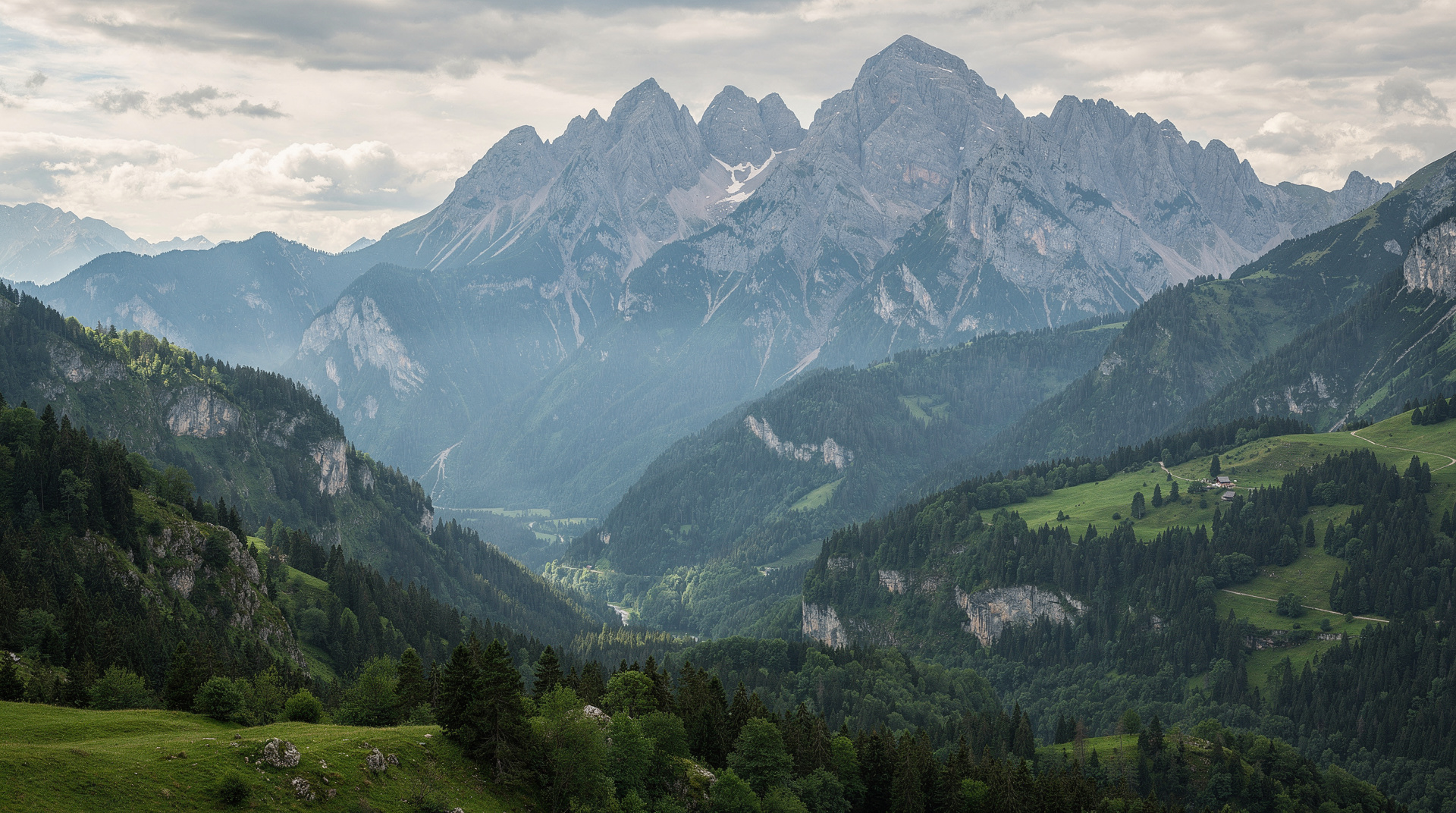
The larch trees above Bohinj and the upper valleys turn gold; the beech forests of the Karst turn amber; the Soča River reflects the clear autumn sky in a colour that photographs cannot quite reproduce. The light in autumn is different — lower angle, warmer tone, longer golden hours — and it rewards anyone with an interest in photography or simply in looking at beautiful things.
| Month | Ljubljana highs | Crowds | Best for |
|---|---|---|---|
| September | 22–24°C (early), 18–20°C (late) | Low, easing from summer | Lake swimming without crowds, Soča rafting |
| October | 15–18°C, variable | Very low | Alpine colour, wine harvest, mushroom foraging |
September: the sweet spot
September in Slovenia operates in two phases that are meaningfully different.
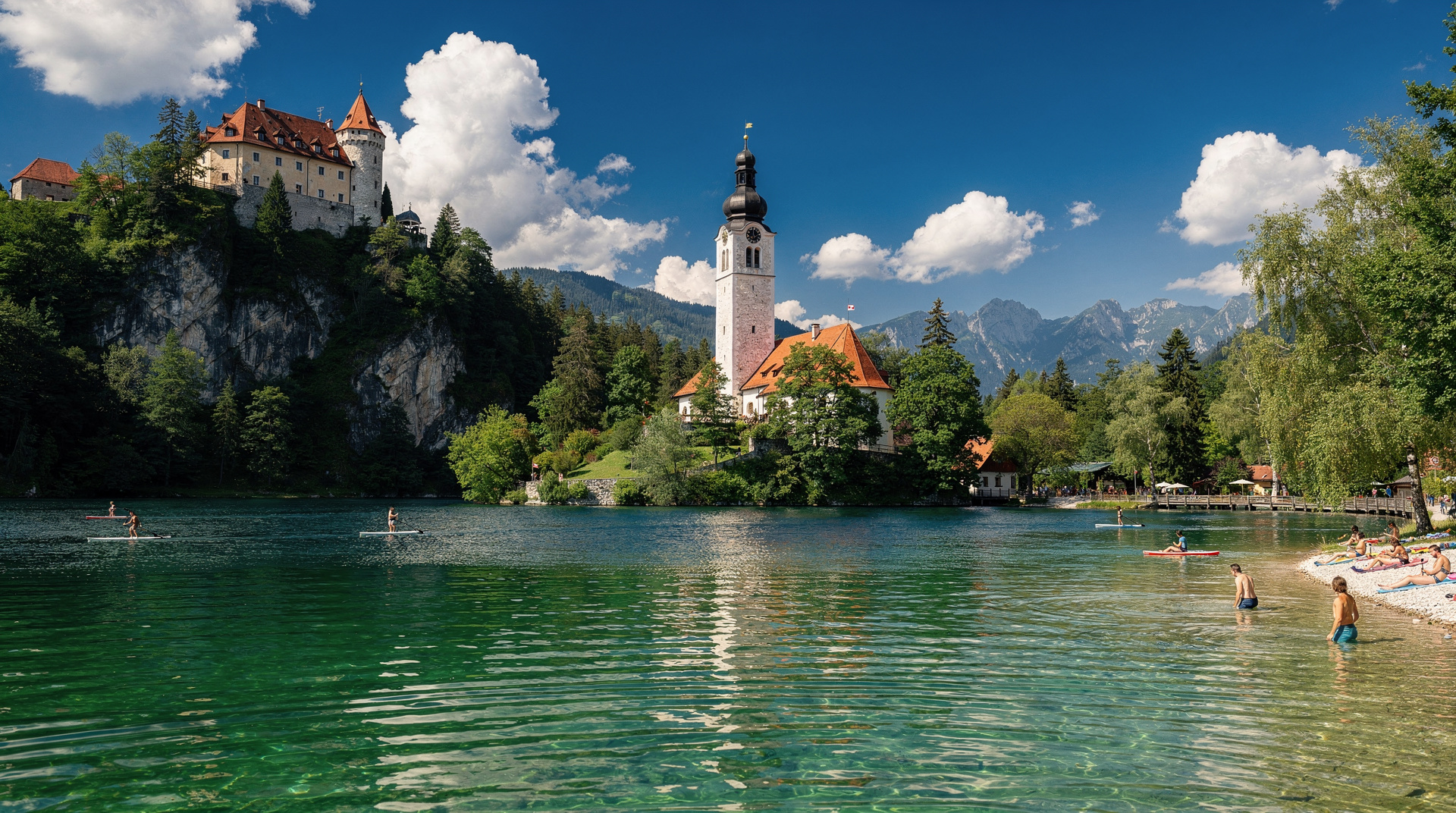
Early September (1–15): Functionally an extension of summer. Temperatures in Ljubljana average 22–24°C; the lakes are still warm (Bled ~20°C, Bohinj ~18°C); the Soča is swimmable in calmer sections; the Adriatic coast at Piran reaches 22–24°C in the water. The school holidays have ended across most of Europe, which means the peak crowds at Bled and Postojna are gone — but the infrastructure that serves them (activity operators, restaurants, boat hire) is still fully running.
This is the single best fortnight of the year for many visitors: summer conditions without summer crowds.
Late September (15–30): The season shifts. Temperatures drop noticeably — highs of 18–20°C rather than 24°C; evenings cool to 10–12°C. Rain becomes more frequent. The first frost appears at altitude. Some seasonal services begin closing: boat hire on the lakes, certain mountain huts, a proportion of the lakeside restaurants.
The Soča Valley is excellent throughout September. The river level rises after summer as rainfall increases — the rafting conditions in September are often rated by operators as better than August for volume and drama. Hiking in Triglav National Park is at its best in September: the summer crowds are gone, the trails are in excellent condition, and the mountain weather is often more settled than in July–August (which has more convective storm activity).
October: colour season
October is the month that rewards those who have looked beyond the standard tourist calendar.
The transformation of the Julian Alps in October is one of Central Europe’s underappreciated natural spectacles. The larch (macesen) is the key tree — Slovenia’s only native deciduous conifer, and it turns a luminous golden yellow in October that is distinct from the russet of the beeches and quite unlike any colour in the summer palette. The concentration of larches above Bohinj, in the upper Trenta Valley, and on the slopes of Triglav creates a landscape that is categorically different from July’s green. If you have seen the Alps in summer, October is worth the return trip purely for visual reasons.
October weather: Variable. Days of 15–18°C sunshine alternate with grey, rainy periods. The first snow can fall above 1,500m in October; the Vršič Pass may close with first heavy snowfall (check DRSI.si road conditions if the pass is part of your plan). Lower-altitude hiking and walking is excellent in October; high-Alpine routes become risky as conditions deteriorate.
Wine harvest: Goriška Brda (Slovenia’s most celebrated white wine region, bordering Italian Collio) holds its harvest through September–October. The small hilltop towns — Šmartno, Dobrovo, Kozana — are accessible within 90 minutes of Ljubljana and deliver a wine-country experience without the crowds or prices of Tuscany or Burgundy. Rebula, Malvazija, and the local orange wines (full skin-contact whites — Slovenia is one of the world’s centres for this style) are the specialities. Several wineries (Movia, Ščurek, Štekar) accept visitors; book ahead in October as the harvest period sees local activity. The Vipava Valley, 30 minutes east, offers similar quality with different grape varieties (Zelen, Pinela) and comparable quiet.
Mushroom and truffle foraging: October is the primary mushroom season across Slovenia’s forests. Porcini (jurček), chanterelles (lisička), and several truffle species are found in the forests of the Karst region and the Julian Alps foothills. Commercial foraging tours run from several operators in the Karst area; alternatively, any local gostilna worth its salt will have fresh mushroom dishes on the menu.
What to do in autumn
Hiking the Julian Alps in October
October hiking in Triglav National Park is excellent below 1,800m and increasingly risky above. The classic lower trails — the Soča source path in Trenta, the lake circuit at Bohinj, the lower Triglav routes up to the first mountain huts — are superb in October colour. Above 2,000m, ice can form on shaded rock faces and early snowfall is possible; routes requiring fixed equipment or via ferrata should only be attempted by those with appropriate experience.
The Bohinj valley is particularly rewarding for autumn colour. The walk from Ribčev Laz to the Savica waterfall (30 minutes each way) is straightforward and showcases the gold-and-green of the valley floor against the limestone walls.
The Soča Valley in September–October
Bovec and the Soča Valley are at their most atmospheric in the first weeks of autumn. The tourist season has ended but the river operators are still active. Rafting in September with high post-summer flows is the experience that guides recommend most: the drama of the river is at a maximum and the group sizes are at a minimum. The light in the gorge in October — low angle, clear air — is extraordinary.
The Kobarid Museum deserves more attention in autumn, when the combination of the outdoor war trail (the Kobariški Stok walk) and the indoor museum experience can be done in uncrowded, contemplative conditions.
Wine country: Goriška Brda and the Vipava Valley
Slovenia’s wine regions are best visited October–November (post-harvest, when the cellar work is done and vignerons have time for visitors) or May–June (before the harvest season’s activity). October allows you to see the harvest in progress at some estates and to taste the most recent vintages while the year’s grapes are being processed — a specific pleasure that summer cannot deliver.
From Ljubljana, Goriška Brda is 90 minutes by car. The main road through the Brda hills from Nova Gorica (itself worth a visit for the Solkan stone bridge, the largest stone arch railway bridge in the world) winds through vine-covered hills and small hilltop villages. Most notable producers: Movia (the most internationally known, run by Aleš Kristančič; biodynamic; book visits ahead), Štekar (reliable quality; welcoming to walk-ins in harvest season), Guerila Wines in Vipava Valley (excellent natural wines; book ahead).
For visitors without a car or who prefer not to plan the winery logistics themselves, a guided harvest-season wine walk covers several producers in a single outing:
Guided Goriška Brda wine walk and tastingCoast in September–October
Piran in autumn is a different kind of experience from summer. The old town is genuinely quiet; the fish restaurants are running their best menus; the light on the stone buildings is the warm amber of late afternoon rather than the harsh midday glare of August. Seawater temperature in September at Piran is 20–23°C — cold but swimmable for those who accept that the Adriatic off-season is not the Mediterranean off-season.
October brings the Portorož Film Festival (usually held in late October) and the Piran Days of Wine — a local wine event that is more gostilna than grand event but enjoyable for those in the area.
Autumn light and where to chase it
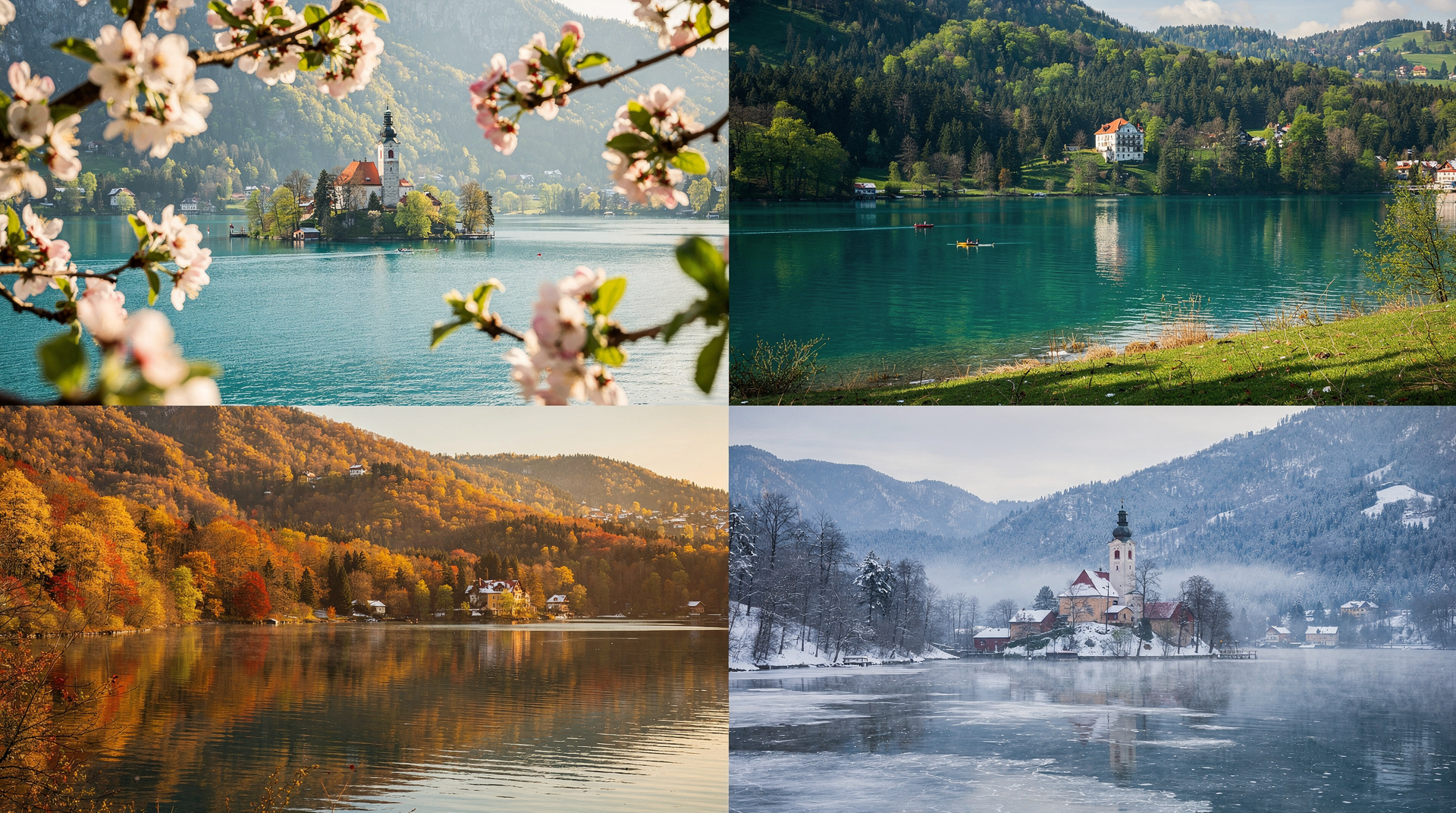
Autumn’s low-angle light is one of the season’s most concrete practical advantages for anyone with an interest in photography, even casual phone photography. The golden hour extends noticeably longer in October than in summer, as the sun tracks a lower path across the sky throughout the day rather than only at dawn and dusk. At Lake Bled, this means the classic island-and-castle shot works well for a wider window of the morning than in July, when the harsh overhead summer sun flattens the same scene by mid-morning.
In the Bohinj valley, the combination of golden larch trees, low sun angle and still lake water in early morning produces some of the most reliably striking images available anywhere in Slovenia during the year. On the coast, Piran’s stone façades take on a warm amber tone in late afternoon October light that the more neutral summer sun doesn’t produce. Visitors serious about photography should prioritise the first and last two hours of daylight for their most important shots and treat the midday hours as a rest or travel window instead.
What closes in autumn
The primary attractions that close or have reduced operations:
- Vintgar Gorge: Closes approximately early November (varies with weather; check officialVintgar.si)
- Vršič Pass road: May close October–November with first significant snowfall
- Seasonal lake services at Bled and Bohinj: Rowing boat hire, some beach facilities, several lakeside restaurants close late October
- Soča Valley adventure operators: Most close by end of October (some close by mid-October depending on weather)
- Mountain huts (planinska koča): Most close September 30 or the first weekend of October; some high-altitude huts close earlier
What remains open year-round: Postojna Cave, Predjama Castle, Škocjan Caves, Ljubljana’s restaurants and museums, Piran old town.
Packing for autumn in Slovenia
The transition between summer and winter packing happens across October. Early September: summer packing still works. October: layering becomes essential.
For autumn visits:
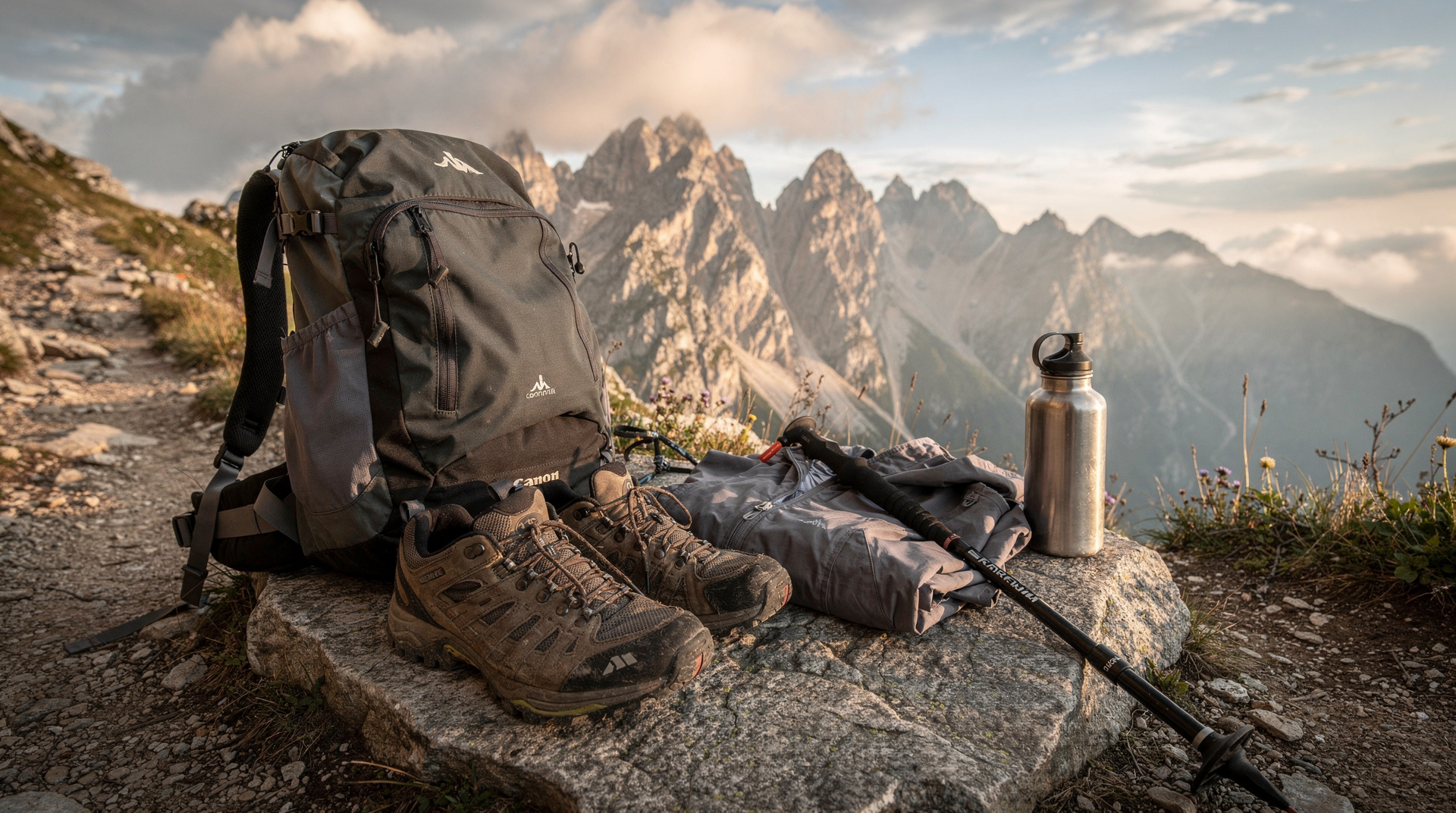
- Hardshell waterproof jacket (not optional; autumn rainfall can be sustained)
- Mid-layer fleece or light down jacket (October evenings are cold)
- Hiking boots (not trail runners — wet autumn trail conditions favour ankle support)
- Warm hat (useful from mid-October)
- Light gloves for mountain hiking
- Durable trousers (avoid jeans — cold when wet)
See the Slovenia packing guide for the full breakdown.
Autumn food and drink culture
Autumn is the best season for Slovenian food. The harvest brings seasonal produce — porcini mushrooms, chestnuts, game (deer, wild boar), the first press of olive oil from the coastal Karst, and fresh wine from the Brda and Vipava vintages. The gostilne that cook seasonally are at their strongest in October: risotto with fresh porcini, venison stew with buckwheat porridge, roast chestnut desserts alongside the standard menu.
Truffle season: White and black truffles are found in the Karst region (around Goriška Brda and the Slovenian Istria near Koper and Piran) from September through November. Commercial truffle searches can be arranged with operators near Goriška Brda and through some of the upmarket restaurants in Ljubljana. Fresh Slovenian truffles are sold in local markets and some specialist food shops — they are significantly cheaper than their Italian equivalents from the same terroir.
New wine (mlado vino / mošt): October brings the first fermentations. Some producers offer unfiltered, partially fermented mošt (grape must) from the cellar — a sweet, fizzy, low-alcohol drink that is specific to harvest time and not available year-round.
Ljubljana food scene in autumn: The city’s restaurant scene launches its autumn menus in September. Several Ljubljana restaurants (Restavracija Šešir, Gostilna Na Gradu) build their menus around seasonal Slovenian produce; autumn is the time to visit these if the food is a priority.
Day trips to the wine country from Ljubljana
Goriška Brda is an easy 90-minute drive from Ljubljana through Nova Gorica. For a self-guided autumn wine day trip:
Leave Ljubljana by 9am. Stop at Nova Gorica for the Solkan Stone Bridge (the largest stone arch railway bridge in the world; a 10-minute detour). Enter the Brda hills from the east — the drive through vine-covered slopes to the hilltop village of Šmartno is the right introduction. Šmartno has a medieval fortified village centre, a handful of wine bars and producers, and excellent views over the hills to the Italian Collio.
From Šmartno, drive west to Dobrovo (the central town; the Renaissance castle hosts occasional tastings) and then to Kozana and the Movia winery (book ahead for a tasting with Aleš Kristančič; considered one of the most interesting winery visits in the region). Return to Ljubljana via Ajdovščina and the Vipava Valley if time allows — the valley has a distinct wind microclimate (the burja), a newer generation of natural wine producers, and the indigenous Zelen and Pinela varieties.
This loop takes a full day and delivers the wine country at harvest pace. If you would rather leave the driving and the planning to someone else, a guided Vipava Valley wine tour that starts in Ljubljana covers the valley side of the trip without a rental car.
The coast in October: an underrated combination
Piran in October operates as a different kind of destination from its summer version. The tour groups are gone; the waterfront restaurants have shifted from tourist menus to what the kitchen actually wants to cook; the light on the Venetian stone façades in October afternoon sun is warmer and lower-angled than August’s harsh overhead glare. The seawater, while below most people’s swimming threshold by October (18–20°C), has a quality that rewards an afternoon swim for those who tolerate cooler water.
The salt pans at Sečovlje, 6km from Piran, are worth visiting in September–October when they are at the end of their harvest season. The Sečovlje Salina Nature Park runs guided tours of the centuries-old salt harvesting operation; the flat, reflective landscape of salt ponds and traditional salter’s cottages is unlike anything else in Slovenia.
The coastline between Piran and Koper has a walking route (Parenzana Trail — on the route of the former Trieste–Poreč narrow-gauge railway) that is accessible by bike or on foot and gives views of the coast and the Karst hills that summer’s heat makes less appealing. October’s cooler temperatures make the coastal walking excellent.
Autumn and the honest-planner angle
Autumn is the season that exposes the gap between Slovenia’s tourist reputation and its actual quality most clearly. The tourist reputation is carried by the summer months: Bled in July, Postojna crowds, coastal beach season. But the country’s actual best versions — Bled in September morning mist, the Soča Valley rafting in high autumn flows, the wine harvest and mushroom season, the mountain colours — are autumn phenomena.
The consequence for the visitor who plans around the tourist reputation: they will visit in July–August, stand in queues, pay summer prices, and come away with a positive but crowded impression. The visitor who plans around the country’s actual character: they visit in September or October, find the prices 25–35% lower, the queues gone, the colours exceptional, and the food at its seasonal peak. This is not a secret or a discovery — it is simply what happens when you plan around what a destination does well rather than around when it is most marketed.
Practical autumn notes
Autumn driving: October driving in mountain areas requires awareness of the first snowfall dates. The Vršič Pass (1,611m) may receive first snow in late October; if it closes, the route from Kranjska Gora to the Soča Valley requires the longer Tolmin alternative. Check DRSI.si before any mountain pass drive in October.
What to wear in October: Layering applies more in October than in any other month. A morning at Lake Bled can be 8°C and misty; the same afternoon in Ljubljana can be 16°C. Pack both warm and light layers, bring waterproofing, and carry the extra mid-layer rather than assuming you will not need it.
Reservations in autumn: September is still busy enough that Bovec and Piran benefit from advance booking (at least 1–2 weeks). October is quiet enough for largely spontaneous travel, though the most desirable accommodation at key destinations fills faster than average for the season on autumn colour-peak weekends.
Leaf colour prediction: The Bohinj valley larch colour peak typically occurs in the second to third week of October, depending on the year’s weather. The Slovenian Alpine Association and local tourist offices publish updates on colour conditions; the tnp.si (Triglav National Park) website is a reliable source during the season.
Sunset times: October sunsets in Ljubljana occur around 6–6:30pm and move toward 5pm by month’s end (when daylight saving ends on the last Sunday of October). Build this into any afternoon activity planning — you have less daylight than in summer, and the evenings close in earlier.
Wine purchase logistics: If you purchase wine during a winery visit in Goriška Brda or the Vipava Valley, check whether your airline allows wine in checked luggage (most do, with appropriate wrapping) and whether your wine is suitable for transport. The winemaker will advise on which wines travel well and which need cellar rest. Many produce padded wine carrier sleeves that fit in a suitcase; wine shipping services are also available from larger producers.
Autumn festivals and events worth planning around
Beyond the harvest itself, autumn brings a handful of events that are worth checking against your travel dates, since several are strong enough reasons to shift a trip by a week or two.
Ljubljana Marathon aftermath and city rhythm: While the marathon itself is a spring event, Ljubljana’s cultural calendar picks back up noticeably from September, with the city’s theatres, concert halls and gallery spaces launching their autumn–winter programmes after the quieter summer festival period. Checking the Cankarjev Dom and Ljubljana Festival listings for September–October dates can add a genuinely good concert or performance to an otherwise sightseeing-focused city stay.
Portorož Film Festival (late September/October): Slovenia’s most significant film festival, held in the coastal resort town, draws regional and occasionally international film industry attention. Screenings are open to the public; the atmosphere along the Portorož waterfront during the festival is livelier than the otherwise quiet autumn coast.
Wine harvest festivals in Goriška Brda and the Vipava Valley: Several villages hold informal harvest celebrations (trgatev) through late September and October — not large tourist events, but genuine local celebrations that visitors staying in the area for a few days may stumble into, particularly around Šmartno and Dobrovo.
Chestnut and game season openings: Rural gostilne across the Karst and Julian Alps foothills mark the start of chestnut and game season with special autumn menus from late September, giving a specific culinary reason to time a countryside visit for this window rather than earlier in the year.
Autumn versus other seasons: the honest trade-off
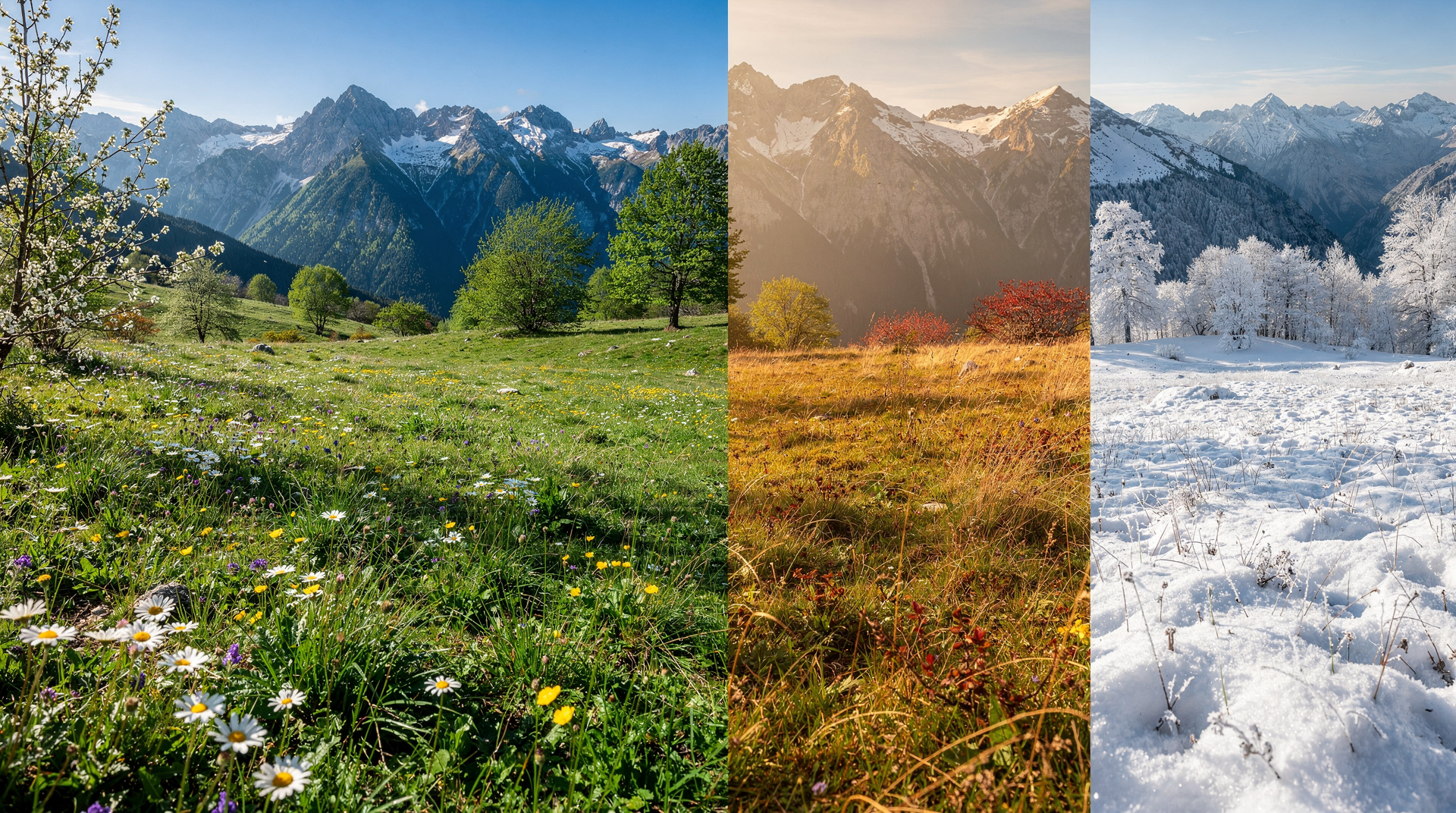
Compared with summer, autumn trades a few degrees of warmth and the reliability of long dry spells for empty trails, lower prices and better light for photography. Compared with spring, autumn has the edge for wine and food (the harvest) while spring wins for wildflowers and river volume. If forced to pick one non-summer season, most repeat visitors choose October for the Alpine colour alone — but September’s swimmable lakes with a fraction of August’s crowds is the better choice for anyone who still wants a beach-and-lake style holiday.
Turning an autumn idea into a trip
Autumn rewards a flexible plan more than any other season. The weather changes the order of your days, so it helps to hold two or three options for each region rather than a fixed schedule. A clear morning belongs in the mountains; a grey, wet one is better spent in a cave, a museum or a long lunch.
For the high country, start with the Julian Alps hiking guide and the Bohinj guide, then read the Savica waterfall guide for an easy walk that suits colour season. If you are torn between the two big lakes, Bled versus Bohinj explains why autumn tends to favour the quieter one, and the Lake Bled complete guide covers the shoreline walk that works well on a misty morning.
On wet days, the Postojna Cave guide and the Škocjan Caves guide give you underground options that do not depend on the sky. Ljubljana is the natural fallback base: the Ljubljana old town guide and the Ljubljana food tour guide fill a rainy afternoon without any sense of compromise.
For the table and the cellar, the Goriška Brda wine guide, the Vipava Valley wine guide and the gostilna dining guide help you choose where to eat and drink during harvest. If you are building a longer route around all of this, the Julian Alps in seven days itinerary and the slow travel and gastronomy itinerary both adapt well to September and October. Travellers interested in the season’s mood more than its logistics will enjoy the autumn colours blog post and the wine harvest story.
If you are driving, read the Vršič Pass driving guide and the vignette guide before you set off, since autumn road conditions in the mountains are the one thing that can reshape a plan at short notice.
Related guides
- Best time to visit Slovenia — the full seasonal comparison
- Slovenia in summer — the busier alternative
- Slovenia in winter — what follows autumn
- Slovenia weather month by month — climate data
- Slovenia packing guide — what to bring in autumn
Frequently asked questions about Slovenia in autumn
What is the weather like in Slovenia in September?
September in Ljubljana averages highs of 22–24°C and lows of 12–14°C. The first week or two of September are often a direct continuation of summer warmth. The second half of September cools and becomes more variable. Mountain weather is generally settled in early September; October sees first frost above 1,500m.Can you swim in Slovenia in September?
Yes, through most of September. Lake Bohinj and Lake Bled remain swimmable through mid-September (~18–20°C). The Soča River flat sections near Kobarid are swimmable in early September (water temperature 14–16°C — cold but fine for the hardy). The Adriatic coast at Piran is warm through September (seawater 20–23°C).What is special about October in Slovenia?
October transforms the Julian Alps. The larch forests above Bohinj and Triglav turn gold; the beech forests across the karst and wine country turn amber and red. The wine harvest in Goriška Brda and the Vipava Valley runs through October — an excellent time for wine touring. And the crowds everywhere are near-zero compared to summer.What starts closing in autumn in Slovenia?
Most seasonal restaurants and tour operators at Lake Bled and Bohinj close by the end of October. Vintgar Gorge closes approximately early November (check each year). The Vršič mountain pass may close in late October or early November with first heavy snowfall. Soča Valley adventure sports operators (rafting, canyoning) mostly close by end of October.Is the Soča Valley good in autumn?
Yes — it is excellent. September is the second peak season for Soča activities: the river level rises after summer, providing excellent rafting conditions; the valley is empty of the summer crowds; the light on the turquoise river in autumn clarity is extraordinary. October adds mushroom and truffle foraging to the experience.