Slovenia in spring: what to expect in March, April and May
From Bled: Julian Alps hiking day trip
Is spring a good time to visit Slovenia?
Yes — particularly May and late April. The crowds are minimal, prices are lower than summer, and the Julian Alps are extraordinary in wildflower season. The main caveats: Vintgar Gorge is closed until late April, the Vršič Pass until mid-May, and March is still genuinely wintry in the mountains.
Spring’s appeal: what most visitors miss
Spring gets underrepresented in travel guides because it does not photograph as dramatically as summer, and because the first two months (March–April) include some genuinely wintry days. But the travellers who discover Slovenia in May frequently count it as their best trip to the country.
| Month | Ljubljana highs | Key opening dates | Best for |
|---|---|---|---|
| March | 9–12°C | Most seasonal sites still closed | Lowest prices, quiet Ljubljana |
| April | 14–17°C | Vintgar reopens ~late April | Bohinj narcissus season, Easter |
| May | 19–23°C | Vršič Pass reopens ~mid-May | Wildflowers, empty trails, spring rafting |
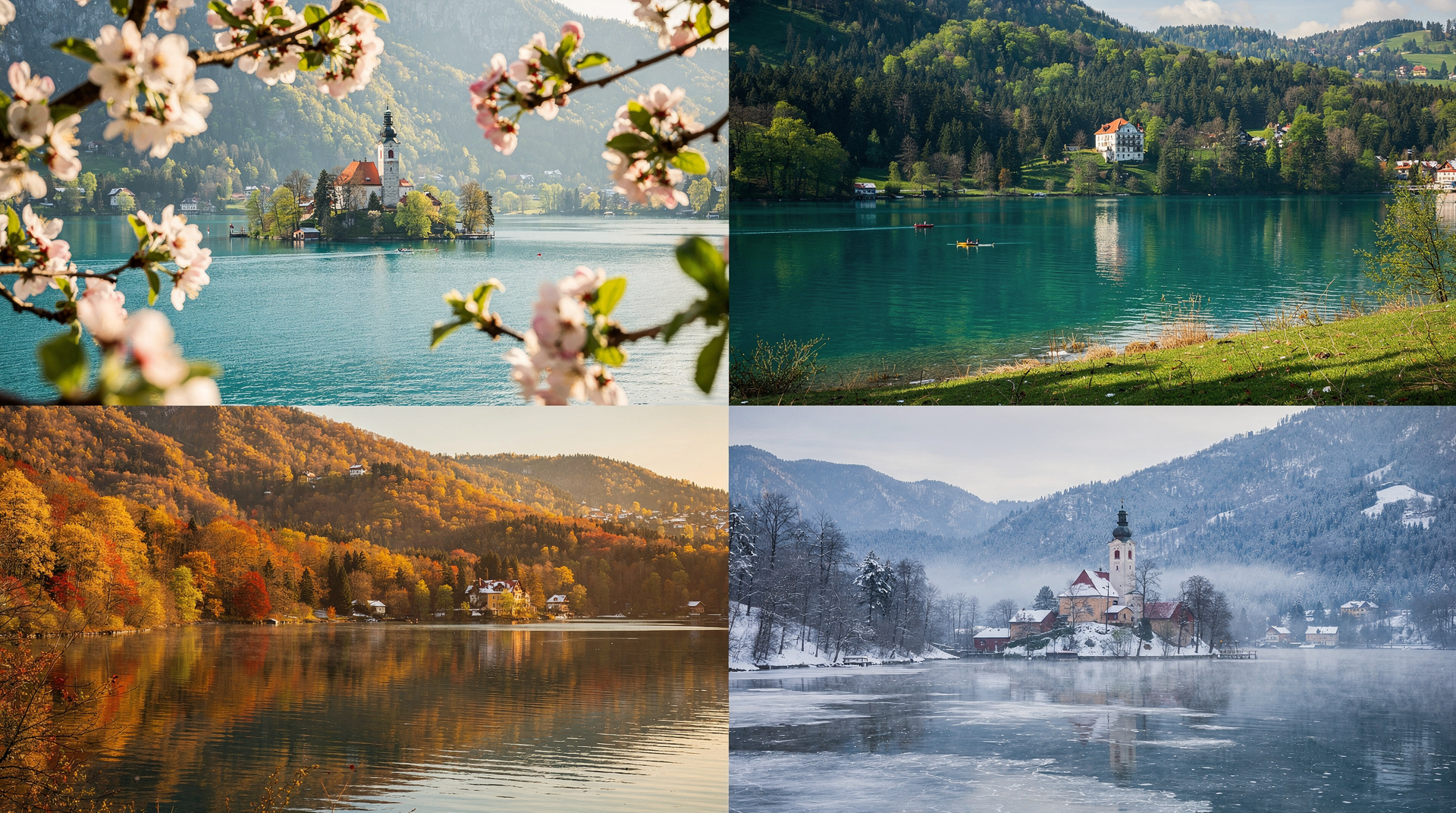
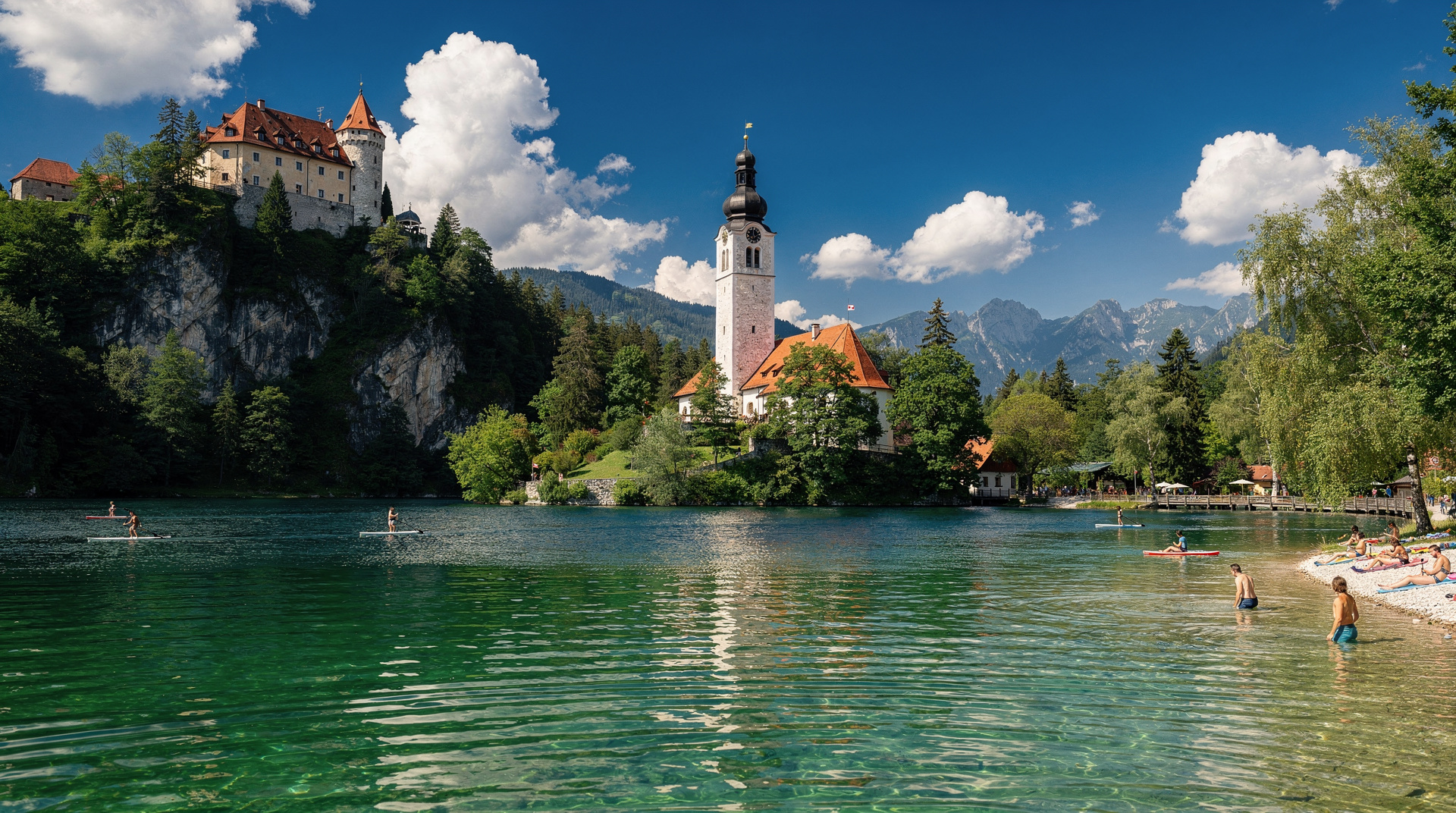
The reasons are specific. The Julian Alps in late April and May have a particular quality: the snowline is retreating, the meadows are saturated with wildflowers, the rivers are running at maximum volume from snowmelt, and the tourist infrastructure is either fully reopening or already open without the crowds that arrive from June. Lake Bled in May is how Bled is supposed to be experienced: the castle and island over the still morning water, with the walking paths uncrowded enough that you can hear the birds.
The honest caveats matter too: March is cold and not particularly rewarding unless you have a specific reason to be there. Some key attractions (Vintgar Gorge, the Vršič Pass) remain closed until late April or mid-May. And spring weather is variable — pack for rain and cold as a baseline, and treat warm days as a bonus rather than an expectation.
March: late winter
Average temperatures (Ljubljana): Highs 9–12°C, lows 2–5°C. Rain and low cloud are common. Snow at altitude.
March is effectively late winter in Slovenia. The ski season at Kranjska Gora and Vogel may still be running in March (often into April); the main tourist circuit is quiet. Ljubljana is a pleasant city in grey winter weather — the café culture is active, the museums are open, and the prices are at their annual low.
What is still closed in March:
- Vintgar Gorge (closes November, reopens approximately late April)
- Vršič Pass road (closed until approximately mid-May)
- Most seasonal restaurant and tour operators at Bled and Bohinj
- Mountain huts in the Julian Alps
Why some travellers choose March:
- The lowest accommodation prices of the year (excluding Christmas)
- Postojna Cave is almost empty — cave temperature is 10°C year-round, which feels warm in a cold March
- Ljubljana is atmospheric in low winter light — the castle hill, the market, the Krakovo neighbourhood without the summer crowd
- The Planica Ski Flying World Championships typically take place in late March — a uniquely Slovenian sporting spectacle in the valley below Kranjska Gora
April: the reopening month
Average temperatures (Ljubljana): Highs 14–17°C, lows 6–9°C. Frequent rain, particularly in the first half. Improving from mid-April.
April is a transitional month. The ski season is mostly over (occasionally still running in April at Vogel if snowfall has been good); the hiking season has not yet begun in earnest. But April has specific rewards:
The Bohinj narcissus season: The meadows above Bohinj lake erupt in white narcissus flowers in late April through mid-May. This is one of the most photographically striking natural events in Slovenia — kilometre-wide meadows of wild daffodils at the foot of the limestone walls. The exact timing varies by year; the Bohinj tourist office (bohinj.si) announces the season as it approaches.
Easter: Easter weekend brings Slovenians home from the cities and sees a spike in domestic tourism at Bled and the coastal towns. If visiting over Easter, book accommodation ahead. The period between Good Friday and Easter Monday is pleasant — the country comes alive with a holiday energy while remaining well below summer crowds.
Vintgar Gorge: The gorge typically reopens in the last week of April or first week of May. Check the official site (vintgar.si) before planning your visit — the date varies with snowmelt and the structural condition of the wooden walkways after winter.
Rafting begins: The Soča River reaches its maximum spring flow in April and May from Alpine snowmelt. Commercial rafting operators begin their season in late April. The water is cold (6–10°C) and operators require full wetsuits, which are provided. Spring rafting is the most dramatic season — the flow is higher and the river runs with greater power than in summer. Suitable for adventurous adults; family sections available from late April.
May: the best month for many travellers
Average temperatures (Ljubljana): Highs 19–23°C, lows 10–13°C. Generally warm, with some rainy periods. The best combination of spring warmth and green landscape.
May is when Slovenia sheds its “off-season” status. By mid-May:
- Vintgar Gorge is fully open
- The Vršič Pass road is open (usually by mid-May; check drsi.si for confirmed opening)
- All major hiking trails are accessible
- Most mountain huts have reopened for the season
- All the main tourist operators and seasonal restaurants are running
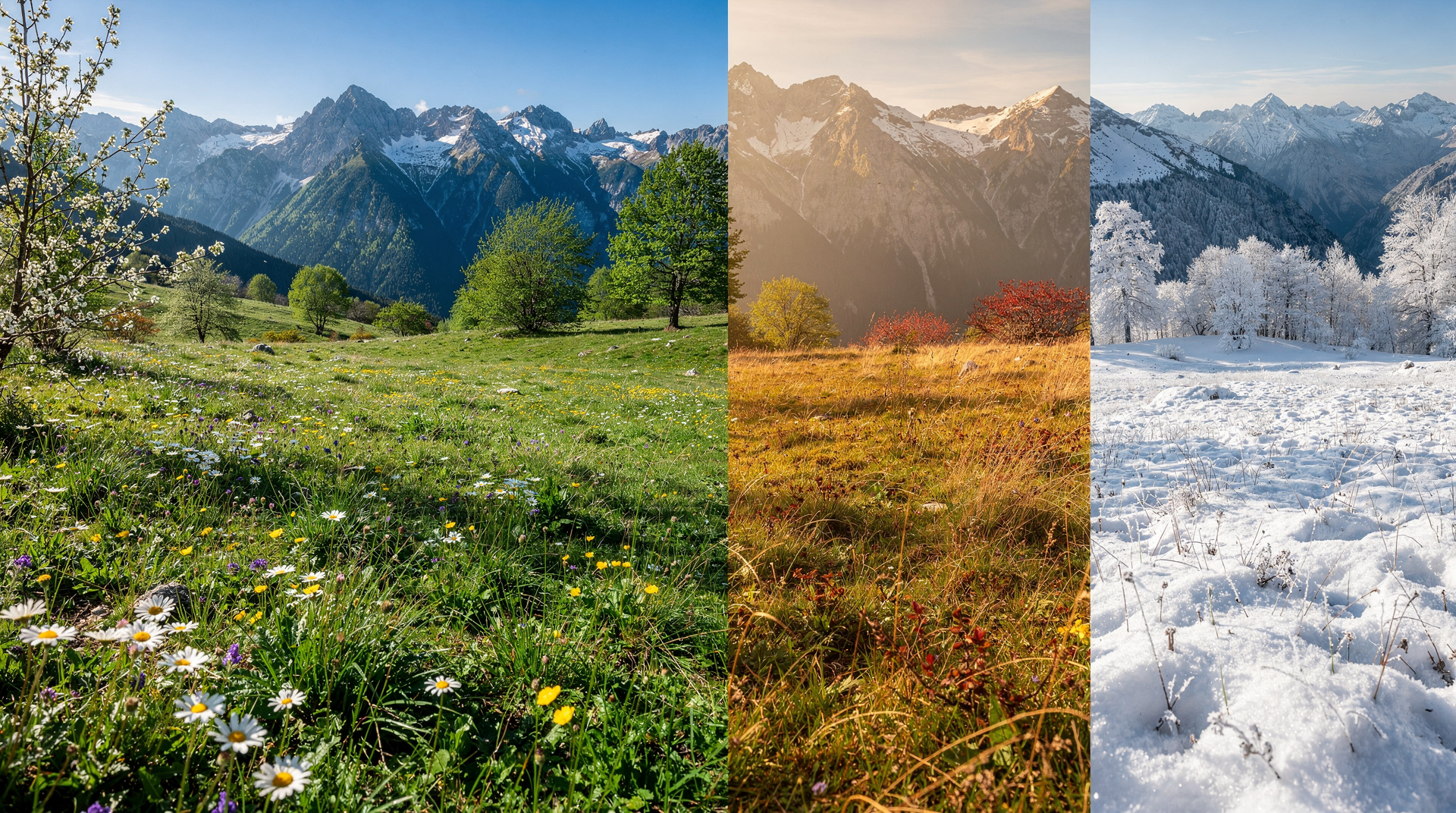
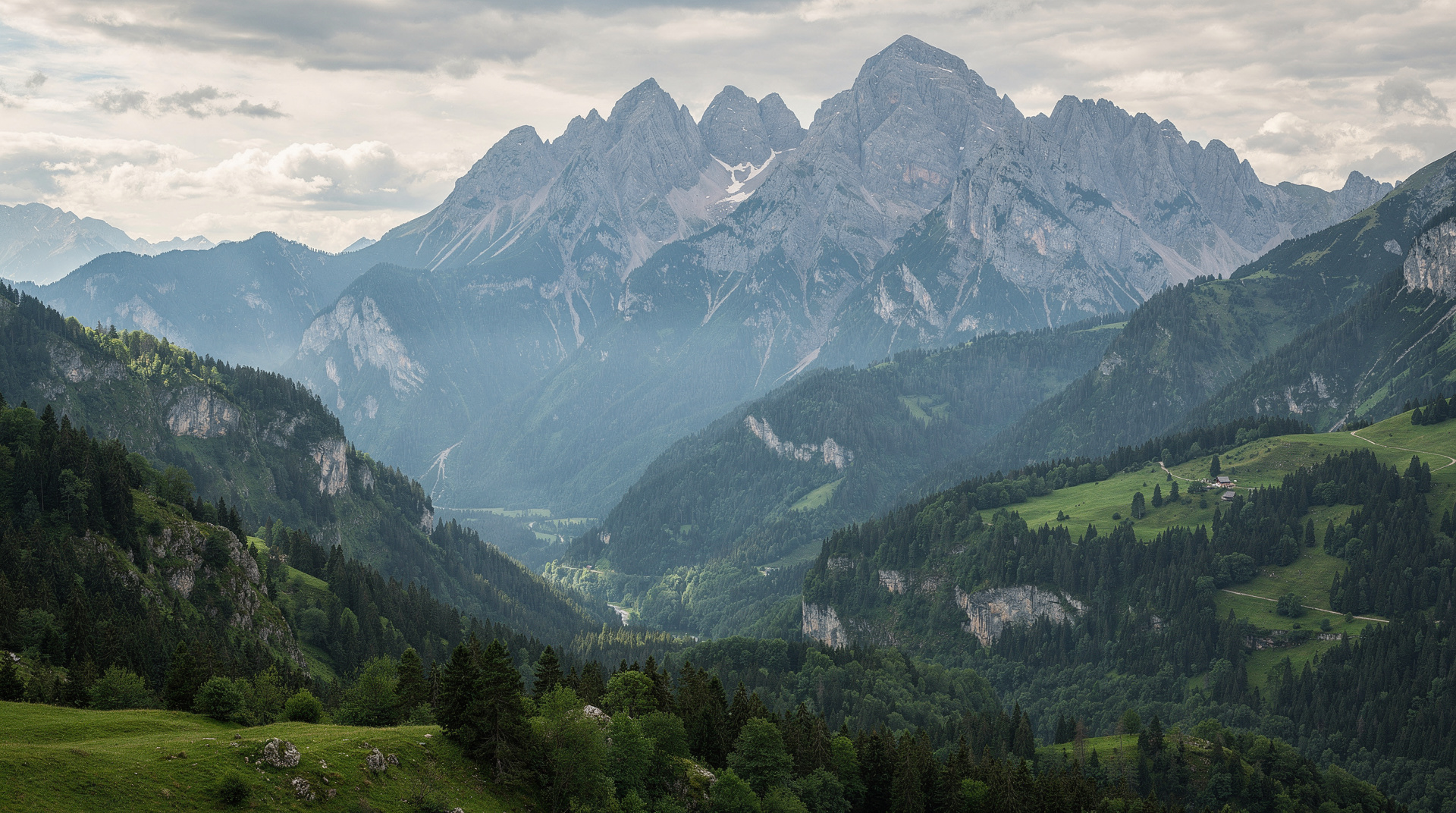
What May delivers: The Julian Alps are at their most extravagantly green. The contrast between the white limestone ridges, the blue-green river, and the intense green of the spring meadows is a specific visual quality that summer — when the grass bleaches and dries — cannot replicate. Walks in Triglav National Park in May are exceptional: wildflowers on the valley floors, snow still visible on the upper ridges, rivers running fast with snowmelt.
The Vršič Pass opening: Driving the Vršič Pass in May is one of the best road experiences in the Eastern Alps. Fifty hairpin bends climb from Kranjska Gora to 1,611m and descend into the Trenta Valley — the road that Russian prisoners of war built during the First World War. In May, with snow visible above the road and the valley floor green below, the landscape is layered in a way that August’s uniform green cannot match. Allow 2.5 hours from Ljubljana to complete the pass and descend to Bovec; stop at the Russian Chapel near the summit (the small wooden Orthodox chapel built in memory of the POWs who died constructing the road).
Ljubljana in May: The outdoor café season is fully underway; the Central Market is busy with spring produce; the Ljubljana Marathon (typically held in May) brings a lively athletic energy to the city. The Botanic Garden (Botanični vrt) in May is exceptional — one of the best maintained university botanical gardens in Central Europe.
Spring activities
Hiking and walking
If you would rather have a guide handle the route-finding and the snow conditions, a guided Julian Alps hiking day trip from Bled is a practical way to get into the mountains early in the season.
May is the best spring hiking month. The lower and mid-altitude trails (up to ~1,500m) are open, snowpack-free, and exceptional for wildflower viewing. Recommended spring walks:
- Vintgar Gorge (once open, late April/May): 4km round trip, spectacular
- Mala Osojnica at Bled: 20-minute climb, the classic view
- Savica waterfall from Bohinj: 30 minutes each way, easy
- Bohinj narcissus meadows: particularly Planina pri Jezeru (May)
- Soča source path (Trenta Valley): flat, extraordinary — the Soča emerges from a rock wall as an already-significant spring
Not recommended in early spring: High Alpine routes above 1,800m, where residual snow and ice can make paths hazardous for unequipped hikers. The Triglav summit season typically opens in late June or July.
Rafting and water sports
As noted above, spring (April–June) is the most dramatic rafting season. Operators in Bovec open from late April. Family sections available; experienced sections deliver conditions that summer cannot match.
Soča River whitewater rafting near BovecWine touring
Spring is an excellent time to visit Goriška Brda and the Vipava Valley — before the harvest crowds and the summer tourist groups. May wine tours have the benefit of spring growth in the vineyards: the leaves are just unfurling, the flowers not yet open. Winemakers tend to have more time for visitors in May than in the busy autumn period. The Rebula and Malvazija vines are particularly photogenic in spring growth.
Photography
The spring light in Slovenia, particularly in May, has a quality that attracts serious landscape photographers. The combination of new-green vegetation, snow on upper ridges, and the unpredictable light of passing weather fronts creates dramatic and variable conditions. Triglav National Park and the Bohinj valley are the primary destinations for landscape photography in spring.
Spring light and photography conditions
Spring’s variable weather, often frustrating for planning, is precisely what makes it rewarding for photography. Passing weather fronts create dramatic skies over the Julian Alps that settled summer high-pressure systems rarely produce — shafts of light through breaking cloud, rainbows after showers, and the contrast of snow-capped peaks against vivid green valley floors.
The Bohinj narcissus meadows in late April and early May are a specific, time-limited subject that draws dedicated landscape photographers from across Europe; the best light for the white flower fields against the dark forest backdrop is early morning, before the day’s foot traffic through the meadows. At Lake Bled, spring mist on still mornings — more frequent in April than in the drier summer months — gives the island church a quality that the more crowded, harshly lit summer photographs lack entirely.
Practical spring notes
Accommodation: Book ahead for Easter weekend specifically — it is the biggest domestic holiday spike. All other spring dates are generally available without advance booking, though the best Bled guesthouses fill up even in May.
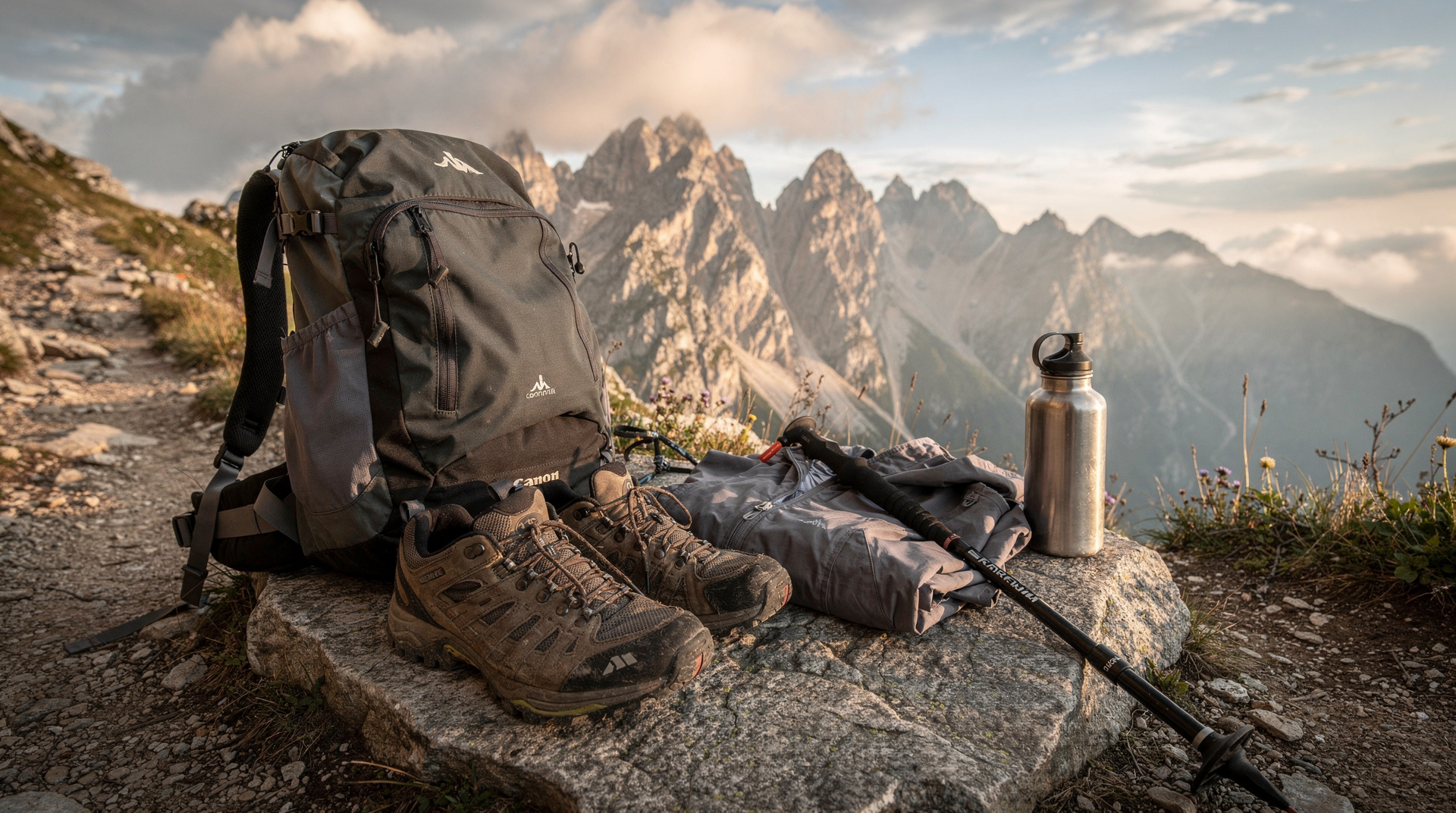
What to pack: Layers are essential. May in Ljubljana can be T-shirt weather; the same May day in the Julian Alps at 1,500m will be cold and potentially rainy. Waterproof jacket, hiking boots, and a warm mid-layer are needed for any mountain activity through May.
Road conditions: The Vršič Pass opens in mid-May on average; check DRSI.si before planning a Trenta Valley trip. Other mountain roads are generally open from April but may have snow patches on shaded sections.
See the Slovenia packing guide for the full spring packing list.
Spring food: what is on the menu
Spring in Slovenia brings the first fresh produce of the year. March and April menus at gostilne are still heavy on winter staples (jota, golaž, štruklji), but May sees the transition to spring ingredients:
- Wild garlic (medvedji česen): collected from forest floors in April and used in salads, soups, and pastas. Restaurants near the karst and Julian Alps forest areas feature it in limited-season dishes.
- Asparagus: grown in the Vipava Valley and warmer valleys from late April. The asparagus-focused menus at Vipava Valley restaurants in May are a specific local pleasure.
- Trout: the Soča trout season opens in spring, and the quality of freshly caught Soča or Bohinj lake trout in May is exceptional. Order it simply grilled (na žaru) at any gostilna near the rivers.
- Lamb: the Easter lamb tradition means roast lamb dishes appear on menus in late March and April. The Karst region’s Bovec lamb (Bovška ovca, a protected-designation cheese and meat product) is considered among the finest in Slovenia.
Wine in spring: The previous year’s wines are now in their early development. Winemakers in Goriška Brda and the Vipava Valley release new vintages in spring tastings — April and May are the right time to taste the most recent harvest from the previous October.
Spring day trip: Škofja Loka
Škofja Loka, 25km northwest of Ljubljana, is one of the best-preserved medieval towns in the Eastern Alps and an excellent spring day trip. The drive from Ljubljana takes 30 minutes. The old town sits on a hill above the Selška Sora river — the main square (Mestni trg), the bishop’s castle above, and the surrounding streets are largely intact from their medieval form.
In spring, the town’s market (held on Saturday mornings) has early-season produce. The nearby Polhov Gradec hills have gentle walking routes through flowering meadows. The gostilna Na Gradu in the castle serves local food with a view over the rooftops.
Škofja Loka is almost entirely absent from international travel itineraries focused on Bled, which is its best quality.
The Soča Valley in spring: managing expectations
The Soča Valley in April and May is extraordinary in its own way but requires specific expectations.
What spring delivers: The river is at maximum volume — swollen with snowmelt from the Julian Alps, running turquoise-green at a power that July’s reduced flows cannot match. Commercial rafting at Grade 3–4 intensity is at its most dramatic. The valley itself is dramatically empty of tourists. Prices are 30–40% below summer levels. The forest along the river is in new-leaf green that summer bleaches away.
What spring does not deliver: Warm water for swimming (the Soča in April is 6–8°C — wetsuits are provided for activities but casual swimming is not pleasant). Full dining and accommodation options (many seasonal operators have not yet opened for the season in early April; most are open by early May). The upper valley roads may still have snow patches.
The practical approach for a spring Soča visit: Aim for mid-May to early June for the best combination of high river, accessible roads, open operators, and beginning-of-season quiet. April is for committed rafters who accept cold water and potentially limited services.
Spring in Ljubljana: the best café season
Ljubljana’s café and outdoor dining culture comes alive in spring. From mid-April, the riverside terraces begin setting out their tables; by May, the evening air is warm enough for outdoor dining until 10pm. This is the season the city’s residents enjoy most, and the season when the food is freshest.
The Friday Odprta Kuhna (Open Kitchen) outdoor market begins its season in spring — usually from April or early May. The weekly street food event near the castle draws around 60 vendors from Ljubljana restaurants and fills the riverside plaza with a genuine cross-section of the city’s food culture. Arriving at noon on a Friday and spending two hours eating through different vendors is one of the most enjoyable low-cost experiences Ljubljana offers.
Ljubljana’s parks are at their spring best in May. The Tivoli City Park has a formal rose garden, chestnut alleys, and a pond circuit that are particularly pleasant in spring light. The Botanical Garden (Botanični vrt) is exceptional in May — orchid meadows, mature specimen trees in new leaf, and the riverside garden sections that flood with wildflowers.
Practicalities for spring travel
Verification before every mountain plan: The two critical spring verification checks — Vintgar Gorge reopening and Vršič Pass opening — require checking the official sources, not travel blogs. The exact dates vary by up to four weeks between years depending on snowfall. For Vintgar: vintgar.si. For the Vršič Pass: drsi.si (road conditions section). Both update in real time.
Easter weekend traffic: Slovenians travel in significant numbers over Easter weekend. The Ljubljana–Bled bus fills; the lakeside car parks at Bled reach summer-level density on Easter Sunday. If your visit falls over Easter, book accommodation ahead and arrive at Bled early.
Spring accommodation: Availability is generally good in March and April; May sees the beginning of the demand build-up. The best guesthouses at Bled book 4–6 weeks ahead for May weekends. Rural farm stays and sobe in the Julian Alps reopen from Easter; book directly with the property.
What to check before hiking above 1,000m in spring: The Arso.si mountain weather forecast for the specific area. Trail status updates from the Slovenian Mountain Association (pzs.si). Whether the trail in question has permanent snow or ice patches that require crampons (unusual below 1,500m after mid-May, but possible in cold years). The turnaround discipline applies from the first spring hike: set a turnaround time and stick to it regardless of how good the conditions feel at the midpoint.
Spring wildlife: what’s active and visible
Spring is a particularly good season for wildlife encounters in Slovenia, and worth planning around if nature is a priority for your trip.
Bird migration: The Ljubljana Marshes (Ljubljansko barje) and the Sečovlje saltpans near Piran are on major migratory routes, and spring (March–May) sees significant movement of waterfowl, waders and raptors. The Sečovlje Salina Nature Park runs guided birdwatching walks in spring; the marshes closer to Ljubljana are accessible independently via marked cycling and walking paths.
Brown bears: Slovenia’s brown bear population, concentrated in the Kočevje and Notranjska forests south of Ljubljana, becomes more active as it emerges from winter denning in March and April. Specialist bear-watching hides, bookable through licensed operators, offer a realistic (though never guaranteed) chance of a sighting in the evening hours — spring and early summer are considered the better months for this compared to high summer, when bears are less active during daylight hide-watching hours.
Alpine wildlife: As snow retreats above 1,500m through April and May, chamois and occasionally ibex become visible on the lower slopes of the Julian Alps, particularly around the Vršič Pass approach and the Trenta valley, before moving to higher summer pastures. Marmots begin emerging from hibernation in late April at higher elevations.
Amphibians and the olm: Spring rainfall increases activity in Slovenia’s cave water systems, and while sightings of the olm (Proteus anguinus) are never guaranteed outside the Postojna vivarium, guides at Škocjan and Križna Jama report slightly higher incidental sighting rates in the wetter spring months.
Spring versus the other shoulder season
Spring and autumn are Slovenia’s two shoulder seasons, and they suit slightly different travellers. Spring wins for river drama (snowmelt rafting), wildflowers and the narcissus meadows above Bohinj; autumn wins for wine, mushroom foraging and mountain colour. Both offer 25–40% lower accommodation prices than summer and a fraction of the crowds. If your visit depends on the Vršič Pass or Vintgar Gorge being open, note that spring’s opening dates (mid-May and late April respectively) are less predictable than autumn’s closing dates — always verify before committing to a route.
Building a spring trip around what is open
Spring rewards a flexible plan. Because the opening dates of the mountain sites shift from year to year, the most reliable approach is to anchor the first days of a trip in places that never close, then move into the Alps as the conditions allow. Ljubljana in one day and things to do in Ljubljana cover the capital, while the Ljubljana old town guide is a good companion for a grey, showery afternoon. The Ljubljana Central Market guide is worth reading if spring produce is part of your reason for coming.
If the weather turns, the caves are the obvious fallback. The Slovenia caves overview compares the options, and the Škocjan Caves guide is the one to read if you want something less crowded than Postojna. Underground, the weather outside simply does not matter.
For the mountains, start with the Julian Alps hiking guide and the best hikes in Slovenia, then check each route against the snow conditions before you go. The Lake Bohinj guide and the Bled versus Bohinj comparison help you decide where to base yourself for the narcissus season, and avoiding crowds at Bled explains why an early start matters even in the quieter months. The Vintgar Gorge guide and the Vršič Pass driving guide are the two to consult once you know your dates.
On the water side, the Soča River rafting guide and the Bovec adventure base guide go deeper on the high-water season, and the Soča Valley day trip works if you only have a single day. Food-minded travellers can pair the spring menus described above with the gostilna dining guide and the Goriška Brda wine guide.
Getting around is easy in spring because the roads and trains are not yet busy. The car rental guide and the driving and vignette guide cover the practical side, and the five days without a car itinerary shows how far public transport can take you. If you are putting together a first visit, the Ljubljana and Bled in three days itinerary is a sensible template to adapt to spring conditions, and the Slovenia spring reopening blog post and Slovenia off-season travel add more context on the shoulder-season mood.
Related guides
- Best time to visit Slovenia — the full seasonal comparison
- Slovenia in summer — what follows spring
- Slovenia in winter — what precedes spring
- Slovenia weather month by month — monthly climate data
- Slovenia packing guide — what to bring in spring
- Slovenia travel guide — the complete planning reference
Frequently asked questions about Slovenia in spring
What is the weather like in Slovenia in spring?
March is cold (5–12°C in Ljubljana) with frequent rain and snow at altitude. April warms gradually (10–17°C) but remains changeable. May is reliably warm (17–23°C in the valleys) with some rain but increasing settled periods. Mountain temperatures are significantly lower — add cold-weather gear for any walk above 1,000m.What opens in spring that is closed in winter?
Vintgar Gorge reopens approximately late April (exact date varies by year with snowmelt — check the official site). The Vršič Pass road reopens approximately mid-May. Rafting and water sports on the Soča start from late April. Most mountain huts open from late May. Many seasonal restaurants and tour operators at Bled and Bohinj reopen from Easter onwards.When do the wildflowers bloom in the Julian Alps?
Late April through May is the peak wildflower window at valley floor and mid-altitude. The Triglav National Park's meadows are particularly impressive in May: narcissus fields near Bohinj (late April–mid-May), gentians, cowslips, and Alpine anemones at higher altitudes through May–June. The Bohinj narcissus season is a specific visual event that attracts photographers.Is the Soča good for rafting in spring?
Yes — spring (April–June) is the most dramatic season for Soča rafting. Snowmelt from the Julian Alps pushes the river to high water levels, creating powerful Grade 3–4 conditions that experienced paddlers prefer to summer's lower flows. The water is cold (6–10°C), and operators provide full wetsuits. Family rafting on the calmer sections starts from late April.Are there crowds in Slovenia in spring?
Spring is the quietest shoulder season at most destinations. March is nearly empty. April sees Easter weekend as a significant spike (book accommodation for Easter in advance). May sees the beginning of the tourist build-up but remains significantly quieter than June–August. Bled in May is a pleasure compared to its July self.