Slovenia packing guide: what to bring for every season
Vogel Ski Center: half-day skiing with instructor
What should I pack for Slovenia?
Slovenia's weather varies dramatically by season and altitude. The core list for most visits: layers (temperatures swing 10–15°C between morning and afternoon in the mountains), comfortable walking shoes that handle cobblestones and light trails, waterproof jacket, plug adapter (Type F Schuko), and a reusable water bottle. The tap water is excellent.
The honest pre-packing briefing
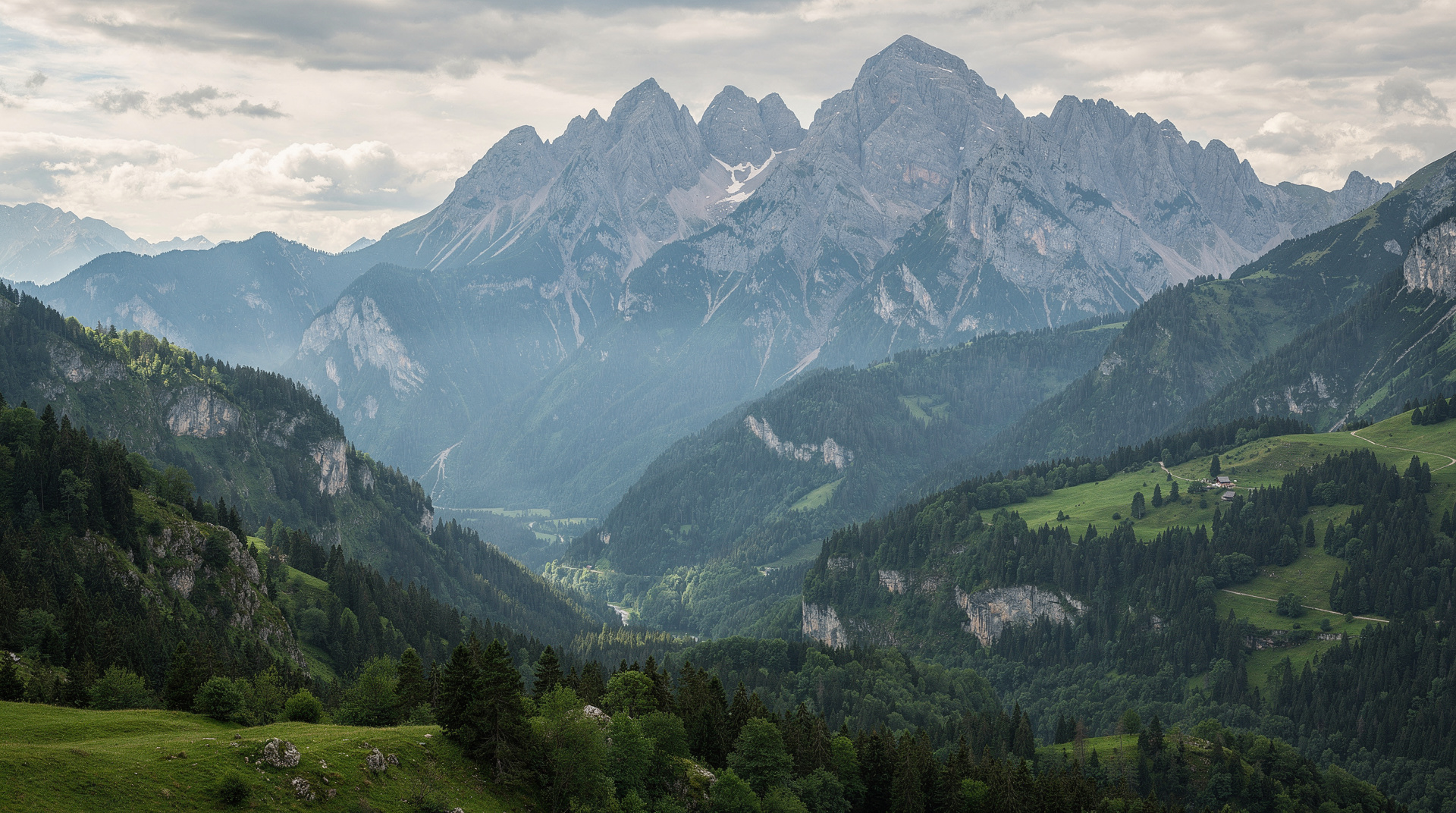
Slovenia is a layering country. The combination of Alpine mountains, river gorges, limestone karst, and an Adriatic coast means you can experience 10°C at an Alpine lake in the morning and 28°C on the coast by afternoon in the same June day. The mountain weather changes fast. The Julian Alps generate their own weather systems; a clear blue sky at 9am at Triglav National Park can become a thunderstorm by 2pm without warning. Pack for flexibility rather than volume.
The good news: Slovenia is a well-equipped country. If you forget something, Ljubljana and Maribor both have outdoor gear shops (Intersport, Dekatlon/Decathlon, local mountaineering specialists), pharmacies with full ranges, and regular supermarkets. You do not need to over-pack against the risk of not finding things.
| Core principle | Layers, not volume — temperatures swing 10–15°C by altitude |
| Plug type | Type F (Schuko), 230V |
| Buy locally if needed | Ski gear, wetsuits, trekking poles (all hireable) |
| Skip entirely | Formal wear, currency converter, most insect repellent |
| Always pack | Waterproof jacket, layerable base, closed shoes |
The universal list: what everyone needs year-round
Documents and money
- Passport (valid; check your country’s Schengen entry requirements)
- Travel insurance documents (digital and printed backup)
- European Health Insurance Card (EHIC) or UK GHIC card if applicable
- Credit and debit cards (Visa and Mastercard accepted almost everywhere; Amex less so)
- Small cash reserve in euros (€50–100; useful for mountain huts, small gostilne, and parking meters)
Electronics
- Type F (Schuko) plug adapter if coming from UK, Ireland, or North America
- Phone charger and/or portable battery pack
- Headphones
- Download offline maps before you go: Maps.me or Google Maps offline covers Slovenia well; mobile data can be patchy in gorges and remote valleys
Practical
- Reusable water bottle (tap water is excellent throughout Slovenia; save money and plastic)
- Small day pack (20–25L) for day trips
- Lightweight dry bag or waterproof cover for river days
- Sunscreen (the Alpine sun at altitude is strong even in spring)
- Lip balm with SPF (often forgotten, frequently needed at altitude)
- Small first aid kit: plasters, blister treatment, ibuprofen, antihistamine
Spring packing (March–May)
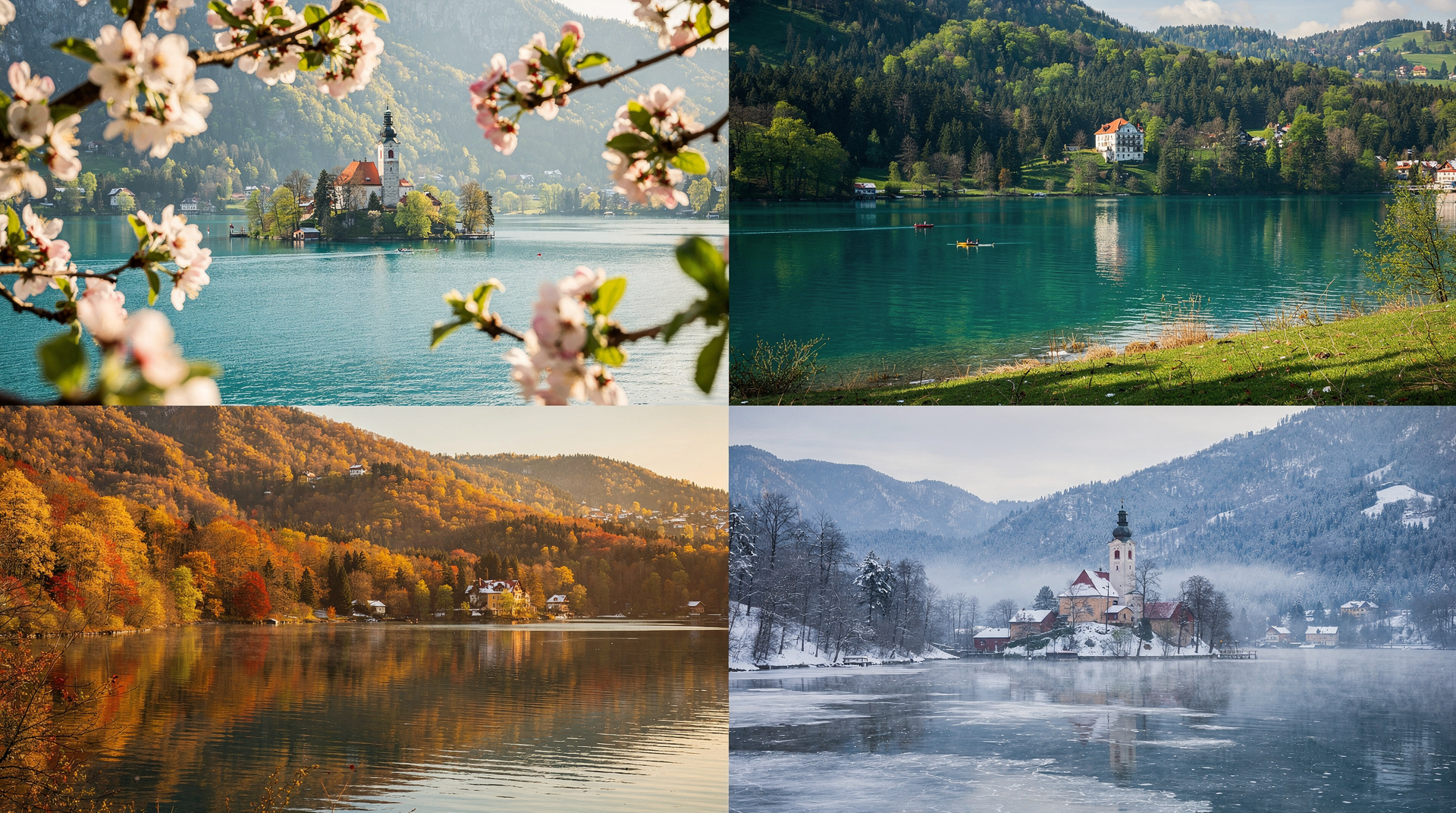
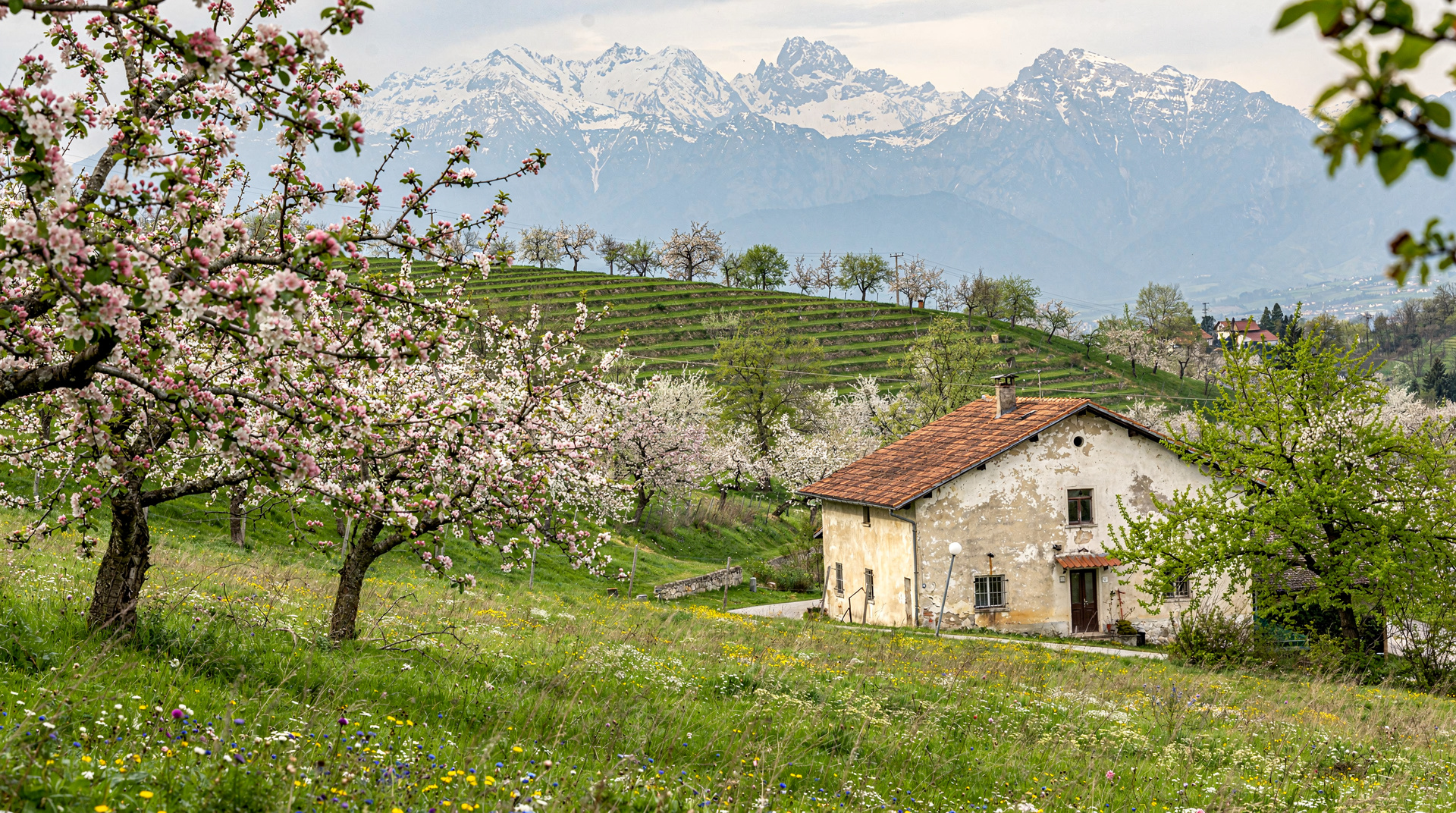
Spring in Slovenia is one of the better-kept secrets on the European travel calendar. Lake Bled is quiet, the Soča River runs at its most dramatic with snowmelt volume, and the Julian Alps bloom with wildflowers from late April. The trade-off: mornings are cold (5–12°C), rain is frequent, and mountain passes may still be closed into May.
Clothing:
- Waterproof hardshell jacket (essential — not a packable rain jacket; proper waterproofing)
- Mid-layer: fleece or light down jacket
- 2 long-sleeve base layers
- 2 T-shirts
- 1–2 pairs of trousers/hiking pants (avoid jeans — they are cold when wet)
- Light walking shoes for towns
- Waterproof hiking boots for any trail walking
- Warm hat and gloves (still needed at altitude in April)
- 3–4 pairs hiking socks (wool or merino — worth the investment)
Notes for spring:
- Vintgar Gorge typically reopens in late April — check before planning around it (it’s closed November through April).
- The Vršič Pass reopens approximately May; if you plan to drive it, check the DRSI.si road conditions site.
- River activities start from late April (water is very cold — wetsuits provided by operators).
Summer packing (June–August)
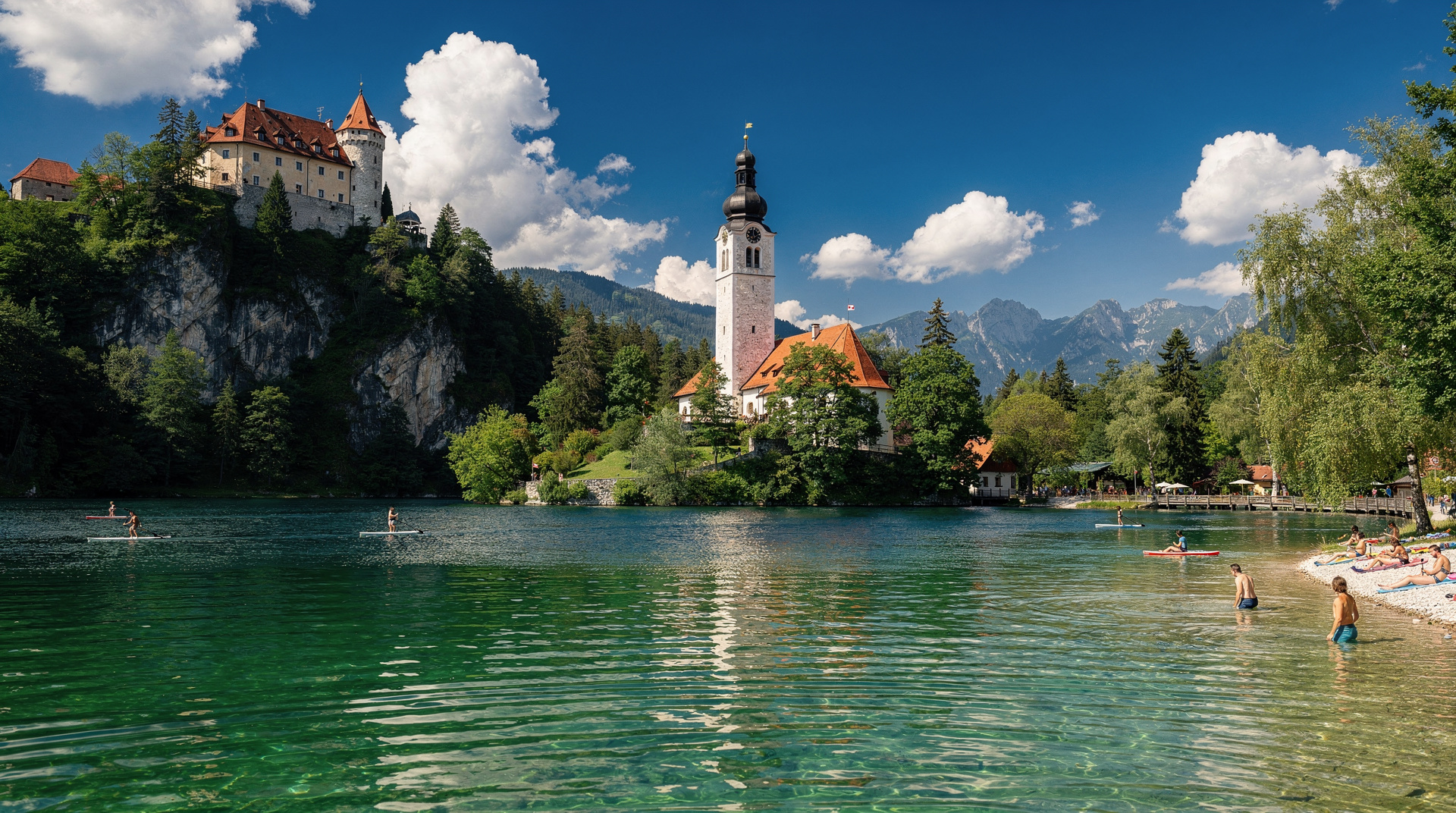
Summer is warm to hot in the valleys and consistently warm in the mountains. July and August bring afternoon thunderstorms in the Alps — usually fast-moving and dramatic, clearing within an hour. The Soča River warms to swimmable temperatures by July.
Clothing:
- Waterproof jacket (lighter weight than spring; still needed for mountain storms)
- Light fleece or sweater (evenings at altitude drop to 15°C even in August)
- 4–5 T-shirts
- Shorts (2 pairs) and 1 pair of light trousers
- Swimwear (essential: the Soča and Bohinj lake are excellent; even Bled is swimmable)
- Rash vest or thin wetsuit top if planning river swimming in the Soča (water is cold)
- Light walking shoes or trainers
- Trail shoes or hiking boots
- Sandals for evening wear and hostel use
- Sun hat (strong Alpine sun)
- Sunglasses
Notes for summer:
- Lightweight, quick-dry fabrics are better than cotton in humid summer conditions.
- Pack a small dry bag for riverside days — your phone, wallet, and any non-waterproof electronics will thank you.
- If rafting or canyoning, operators provide wetsuits, helmets, and buoyancy aids. Bring old trainers or river sandals that strap on securely.
- Pack darker colours for evenings and restaurant visits — Slovenia is casual, but Bled and Piran attract a dressier crowd in high season.
Autumn packing (September–October)
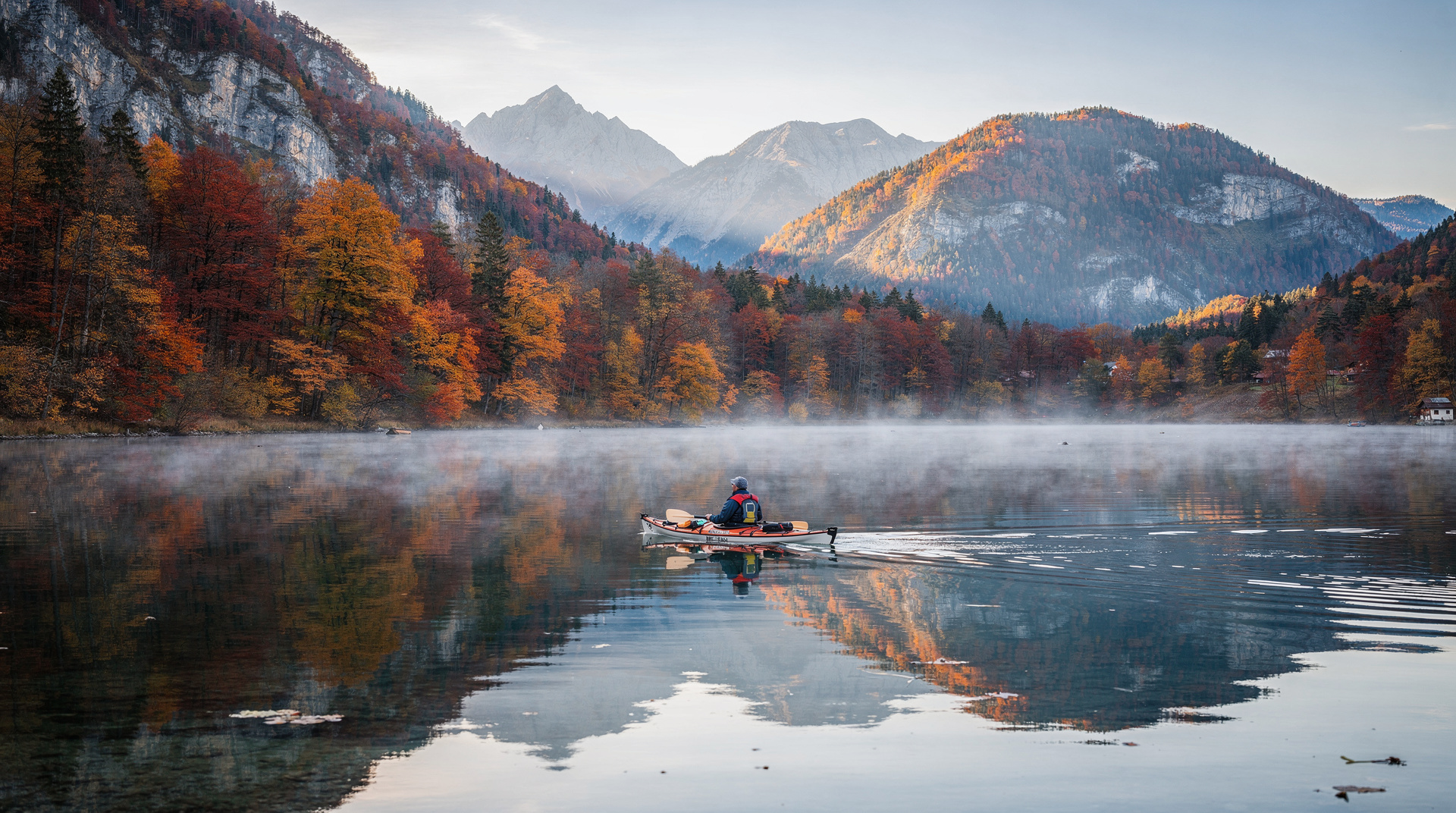
Autumn is the most underrated season. Temperatures are warm through September (22–26°C in the valleys), the lake and river water is still swimmable through mid-September, the crowds disappear, and the Julian Alps turn extraordinary shades of gold, red, and amber from late September. October cools quickly.
Clothing:
- Hardshell waterproof jacket
- Mid-layer: fleece plus option of light down jacket for October
- 3 T-shirts
- 1 long-sleeve layer
- Light trousers and 1 pair of shorts (for September)
- Hiking boots
- Light walking shoes
- Warm hat (useful from mid-October at any altitude)
Notes for autumn:
- This is excellent hiking season in Triglav National Park — the trails are clear, the crowds are gone, and the mountain light is extraordinary.
- Wine harvest time in Goriška Brda and the Vipava Valley (September–October) — bring a bottle holder or wine sleeve for purchases.
- Lake swimming is still good through mid-September; October is brisk.
Winter packing (November–February)
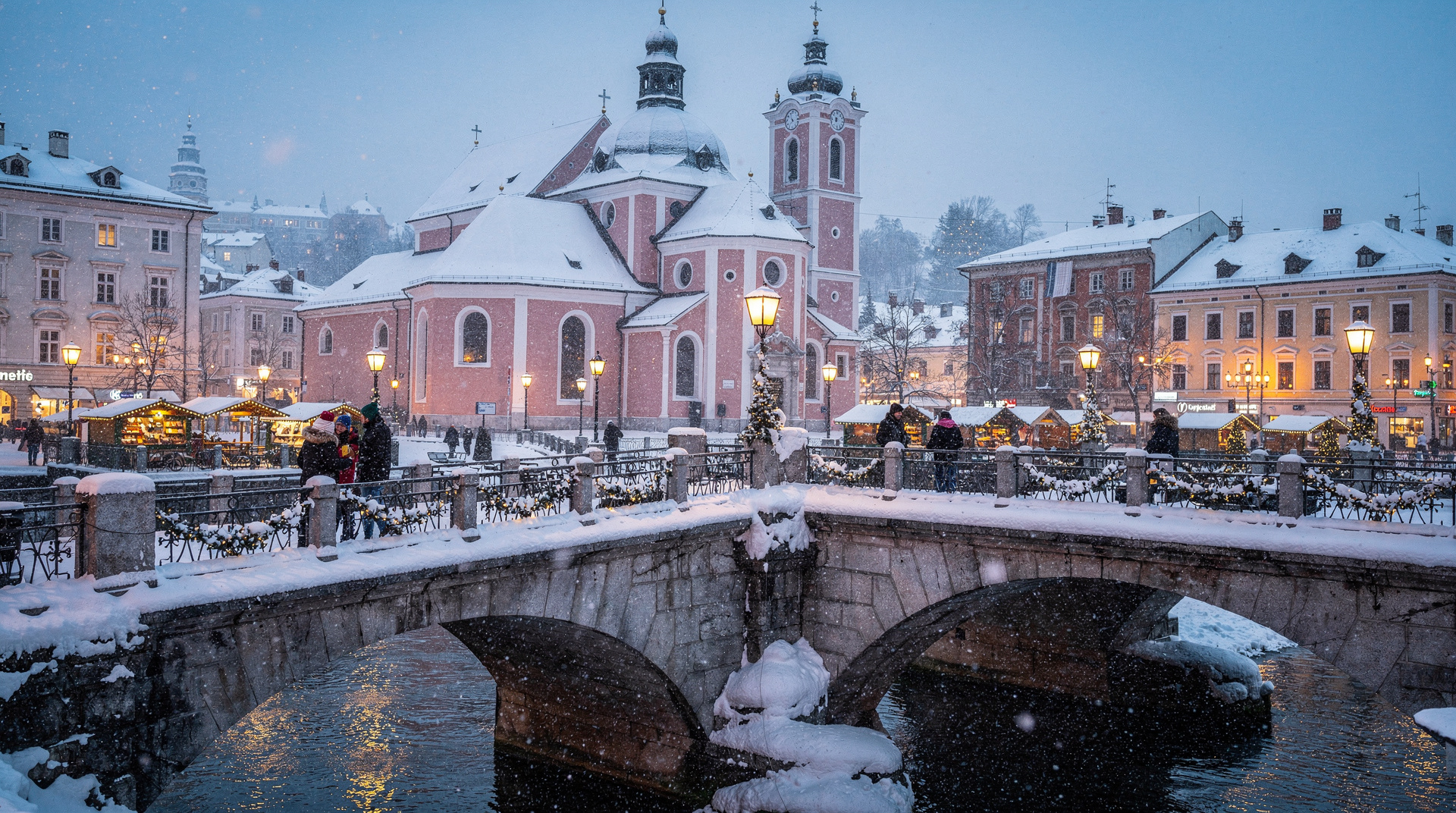
Winter transforms Slovenia’s identity. The Julian Alps become a ski destination; Kranjska Gora fills with Austrian and Italian skiers; Ljubljana’s Christmas market is widely regarded as one of the best in Central Europe. The coast and lower-altitude destinations are accessible but quiet and often grey.
Clothing:
- Insulated, waterproof winter jacket
- Thermal base layers (top and bottom) — merino wool preferred
- Mid-layer fleece or down jacket
- Warm trousers (or ski/snow trousers if skiing)
- Waterproof boots with a warm lining (essential; Ljubljana pavements are icy December–February)
- Warm hat, gloves (waterproof outer layer for skiing)
- Neck gaiter or scarf
- Ski socks (5–6 pairs if skiing)
Ski gear notes:
- Skis, boots, poles, and helmets can be hired at Kranjska Gora, Vogel, and Krvavec resorts. Daily hire is €25–40. Buying your own gloves and thermals is worthwhile if skiing more than two days; hire quality varies.
- Goggles are one item worth bringing your own — hire goggles are often scratched.
- Helmets: hire is fine; quality is regulated at Slovenian resorts.
- If you would rather not pack or manage ski kit for a first day on the snow, you can book a half-day ski session with an instructor at Vogel and keep your luggage to warm layers, gloves and goggles.
Notes for winter:
- Several major attractions close November–March: Vintgar Gorge is closed; the Vršič mountain pass closes to vehicles.
- Postojna Cave, Predjama Castle, and Ljubljana’s major museums remain open year-round.
- Driving in winter: carry snow chains if renting a car and planning mountain roads. Rental companies may require them as part of the contract.
Activity-specific additions
For hiking and trekking
- Trekking poles (collapsible; allowed in cabin luggage)
- Blister prevention tape (Sports Compeed or K-Tape)
- Headtorch with spare batteries (essential for cave walking or early alpine starts)
- Emergency whistle
- Map: the 1:25,000 Freytag & Berndt maps of the Julian Alps are the best physical maps for trail navigation
If you would rather not carry full navigation and safety gear for a single day out, a guided option removes the need for your own map, poles or route-finding kit entirely:
Guided Julian Alps hiking day trip from BledFor multi-day route planning and gear specific to Triglav’s higher trails, see the Julian Alps hiking guide and the climbing Mount Triglav guide.
For water sports
- All equipment (wetsuit, helmet, buoyancy aid) is provided by commercial rafting and canyoning operators. Bring: swimwear, old trainers, a dry bag, and a change of warm clothes for after.
For cycling
- Padded shorts if cycling more than a day
- Gloves
- A Garmin or cycling GPS download (the Soča Valley cycle routes are well-waymarked but a GPS backup is sensible)
For wine touring
- Sturdy bag or wine carrier for bottle purchases
- Camera — the Goriška Brda hillside vineyards are photogenic
What not to bother bringing
Formal wear: Slovenia is genuinely casual. Even Ana Roš’s Michelin-starred Hiša Franko in Kobarid does not require a jacket and tie. Smart casual (clean trousers, a collared shirt, or a simple dress) is more than adequate everywhere.
Heavy guidebooks: Download offline or use a Kindle. Physical guidebooks add weight and are usually six months out of date on prices and opening times.
Insect repellent: Midges and mosquitoes exist in the river valleys and around lakes in summer but are not a major problem at altitude. A small bottle is useful; a full stock is unnecessary.
Currency converter: Slovenia uses the euro. No calculation required.
Travel towels (mostly): Most hotels, guesthouses, and apartments provide towels. Bring a compact travel towel if you are camping, staying in budget hostels, or spending river days where you want your own dry towel.
Gear you can buy or hire in Slovenia
You do not need to pack everything from home. Slovenia has good gear supply:
Outdoor gear shops: Intersport has multiple branches in Ljubljana and larger towns. Decathlon (Dekatlon) is near the BTC shopping centre in Ljubljana. Specialist mountaineering shops in Ljubljana (Frischmann, Elan shop) stock alpine gear. Ski hire at all three main resorts (Kranjska Gora, Vogel, Krvavec) is reliable and reasonably priced.
What to hire rather than carry:
- Ski equipment at the resort (€25–40/day for skis, boots, poles; helmets included or separately)
- Wetsuit, helmet, and buoyancy aid for rafting and canyoning (all provided by operators — do not bring your own)
- Trekking poles (if you only need them for one or two days, hire is cheaper than travel damage)
- Child carriers and backpacks (some outdoor hire shops in Ljubljana and Bled offer day-rate rental)
Pharmacies (lekarna): Well-stocked with EU-standard over-the-counter medication. Available in all towns. If you take prescription medication, bring a sufficient supply from home — Slovenian pharmacies may not carry all international brand equivalents, though generic alternatives are usually available.
The digital packing list
Beyond physical items, several apps and digital resources are worth loading before you travel:
Maps: Google Maps offline download for Slovenia is comprehensive. Alternative: Maps.me (fully offline-capable, includes hiking paths). For serious hiking: Outdooractive and Wikiloc have user-contributed GPX tracks for Slovenian trails.
Weather: Arso.si for Slovenian meteorological service forecasts — particularly important for mountain weather, where international apps are significantly less accurate. Download the app or bookmark the site before departure.
Transport: Promet.si for live road conditions, including mountain pass closures (important for the Vršič Pass). Nomago.si for intercity bus schedules and booking.
Mountain rescue: Download the GRS app (Gorska reševalna služba) before any Alpine hiking. It transmits your GPS coordinates automatically when you call for rescue, saving critical minutes in an emergency.
Caves: The Postojna Cave app provides a tour guide overlay — useful for the independent-minded.
Packing for multiple zones in one trip
If your trip combines multiple climate zones — say, Ljubljana, then the Soča Valley, then Piran — the key challenge is packing versatility rather than volume. The practical approach:
Pack for the most demanding environment (usually the mountain section) and remove layers for warmer zones. A hardshell jacket that is also used as a windbreak at the coast is more efficient than packing a separate rain jacket and coastal windbreaker. Trail shoes that can handle cobblestones (Bled old town) and dirt paths (Vintgar) are more useful than separate shoes for each. A Merino wool base layer regulates temperature in both cool mountain mornings and warm coastal evenings and takes up less space than multiple heavier layers.
The universal inefficiency to avoid: packing “nice” shoes for dinners. Slovenia’s restaurant culture is casual. The most respected restaurants in Ljubljana do not require formal footwear. A clean pair of everyday shoes covers everything.
The one-bag approach for Slovenia
Slovenia suits the one-bag philosophy well. The country’s combination of good gear shops, good laundry infrastructure, and compact geography makes over-packing unnecessary. A 40L carry-on sized pack covers most itineraries of up to two weeks if used efficiently.
The one-bag system for a 7-day Slovenia trip:
- 3–4 merino wool T-shirts (dry overnight; resist odour; compress well)
- 1–2 pairs of hiking/travel trousers (zip-off are efficient if you want shorts; otherwise a separate pair of shorts takes minimal space)
- 1 hardshell jacket (this is the biggest single item; get a packable one that compresses to around 1 litre)
- 1 mid-layer fleece or light down jacket
- 4–5 pairs of merino wool socks and underwear
- 1 pair of trail shoes (handle cobblestones and light trails; not running shoes; not heavy boots)
- 1 pair of sandals for evenings (or skip and wear the trail shoes throughout)
- Toiletry kit (solid toiletries — shampoo bars, solid deodorant — save significant liquid weight and eliminate airport liquid restrictions)
- Documents, chargers, camera
This fits in a 35–40L pack that functions as carry-on luggage on most European airlines, eliminating checked bag costs on easyJet, Wizz Air, and similar.
Medical and health items worth packing
Slovenia’s pharmacies (lekarna) are well-stocked and available in all towns, so running out of standard medication is manageable. However, a few items are worth bringing from home:
- Your regular prescription medication (with original packaging and enough for the full trip plus a few days buffer)
- Blister prevention strips (Compeed; preventive application before long walks is better than treating blisters after)
- Ibuprofen or equivalent (available in Slovenia but easier to have on hand)
- Antihistamine (useful for tick reactions and general allergies; also available in Slovenia)
- Tick removal tool (a tick card or tick tweezer; lightweight, cheap, and important from April through October in forested areas)
- Rehydration sachets (useful after long hot hiking days or if unwell; not always stocked in small rural pharmacies)
- Personal medical history card (if you have relevant conditions; in Slovenian or with a translation to assist medical staff in an emergency)
Packing for specific trip types
A Ljubljana-and-Bled long weekend needs the lightest packing of any Slovenia trip: city shoes, a waterproof layer, and one warmer layer for evenings. Skip the full hiking kit unless you plan the Ljubljana to Bled transport route with a lakeside walk in mind.
A Soča Valley adventure trip (rafting, canyoning, kayaking) needs the least specialist gear of all, since operators supply wetsuits, helmets and buoyancy aids — your job is old trainers, swimwear, a dry bag and warm clothes for afterwards.
A full Triglav National Park hiking trip is the one itinerary where under-packing has real consequences: proper boots, full waterproofs, and a paper map backup are not optional above 1,600m, since weather changes fast and mobile signal is unreliable.
Fine-tuning your bag for where you are going
Once the season is settled, the destination decides the details. A few pointers that connect this list to the rest of the site:
Mountains and lakes. If your days centre on the water and the peaks, the Lake Bled complete guide and the Lake Bohinj guide help you judge how much walking you will really do. Swimwear and a quick-dry layer earn their place around swimming lakes in Slovenia, while a drive over the pass is easier with the advice in the Vršič Pass driving guide. For waterfall walks, sturdy shoes matter more than anything else, as the Vintgar Gorge guide explains.
The coast. A windproof layer and sun protection are the two coastal essentials. The Slovenian coast guide and the Piran travel guide will tell you what the days there look like, and the best beaches in Slovenia are worth a look if you are deciding whether to add a towel and sandals to the bag.
Cities and spas. Ljubljana rewards comfortable shoes above all else, and the Ljubljana old town guide is a good preview of the cobbled streets you will be walking. If a thermal spa is on the plan, check the thermal spas guide and saunas in Slovenia for what to bring: swimwear, a light robe-friendly outfit and flip-flops are the usual extras.
Getting your bags there. How you move around changes how much you want to carry. The getting around Slovenia guide and the public transport guide are worth reading if you will be hauling a bag on buses and trains, and the car rental guide covers the other side of the question. A lighter pack is far easier on a bus platform than a heavy suitcase.
Planning around the weather. If you are still choosing dates, the weather month by month page and the first time in Slovenia guide make it easier to decide which of the seasonal lists above applies to you. Packing for the wrong month is the most common mistake, and the common mistakes in Slovenia guide lists others worth avoiding.
Related guides
- Slovenia travel guide — the complete planning reference
- Slovenia in summer — what the season actually looks like
- Slovenia in winter — skiing, Christmas markets, and the quiet season
- Slovenia in spring — hiking and river season warm-up
- Slovenia in autumn — colours, harvest, and the best hiking weather
- Accessible travel in Slovenia — specialist equipment and mobility considerations
Frequently asked questions about Slovenia packing guide
What shoes do I need for Slovenia?
Bring two pairs: comfortable city shoes or trainers for Ljubljana, Piran, and flat walking, and trail shoes or light hiking boots if you plan any walking above the valley floor. For serious trails in Triglav National Park or the Vršič area, proper ankle-support hiking boots are not optional. Cobblestones in Ljubljana's old town and Piran are slippery in rain — avoid smooth-soled dress shoes.What should I wear in Slovenia in summer?
Summer (June–August) is warm and often hot in the valleys (28–34°C in July) but cool at altitude. T-shirts and shorts for the towns, a light fleece or sweater for evenings, and a waterproof layer for afternoon mountain thunderstorms. If you are swimming in the Soča River, a rash vest or thin wetsuit top keeps you warm in the 8–14°C water.What should I pack for winter in Slovenia?
Warm mid-layer (down jacket or thick fleece), waterproof outer layer, thermal base layers if skiing, warm hat, gloves, and waterproof boots. Ljubljana in December–February can be grey and cold (2–8°C). Mountain areas see heavy snow — ski gear can be hired at Kranjska Gora, Vogel, or Krvavec resorts.Do I need plug adapters for Slovenia?
Slovenia uses Type F (Schuko) plugs at 230V/50Hz. UK travellers need an adapter; US travellers need an adapter and potentially a voltage converter for non-dual-voltage devices, though most modern electronics (phones, laptops) are dual-voltage. EU travellers need no adapter.Is there anything I should not bother bringing?
Towels (most accommodation provides them; bring a quick-dry travel towel only for camping or ultrabudget hostels), formal dress (Slovenia is a relaxed country — even good restaurants rarely require it), insect repellent in the mountains (midges are present in summer but not a serious problem at altitude), and a currency converter app (Slovenia uses the euro).Do I need special gear for cave visits?
Not for Postojna or Škocjan — both are managed sites with lit, maintained paths, and a light jacket is enough since the caves hold a constant 10°C year-round. For Križna Jama's small-group boat tours, the operator provides lamps and any specialist equipment; you just need warm layers and closed shoes.Should I pack differently for Ljubljana versus the mountains or coast?
Yes, if your trip covers all three. Pack for the most demanding environment (usually the mountains) and shed layers elsewhere — a hardshell jacket doubles as a coastal windbreaker, and trail shoes handle both Ljubljana's cobblestones and Vintgar's dirt paths. See the multi-zone packing section below for the specific approach.