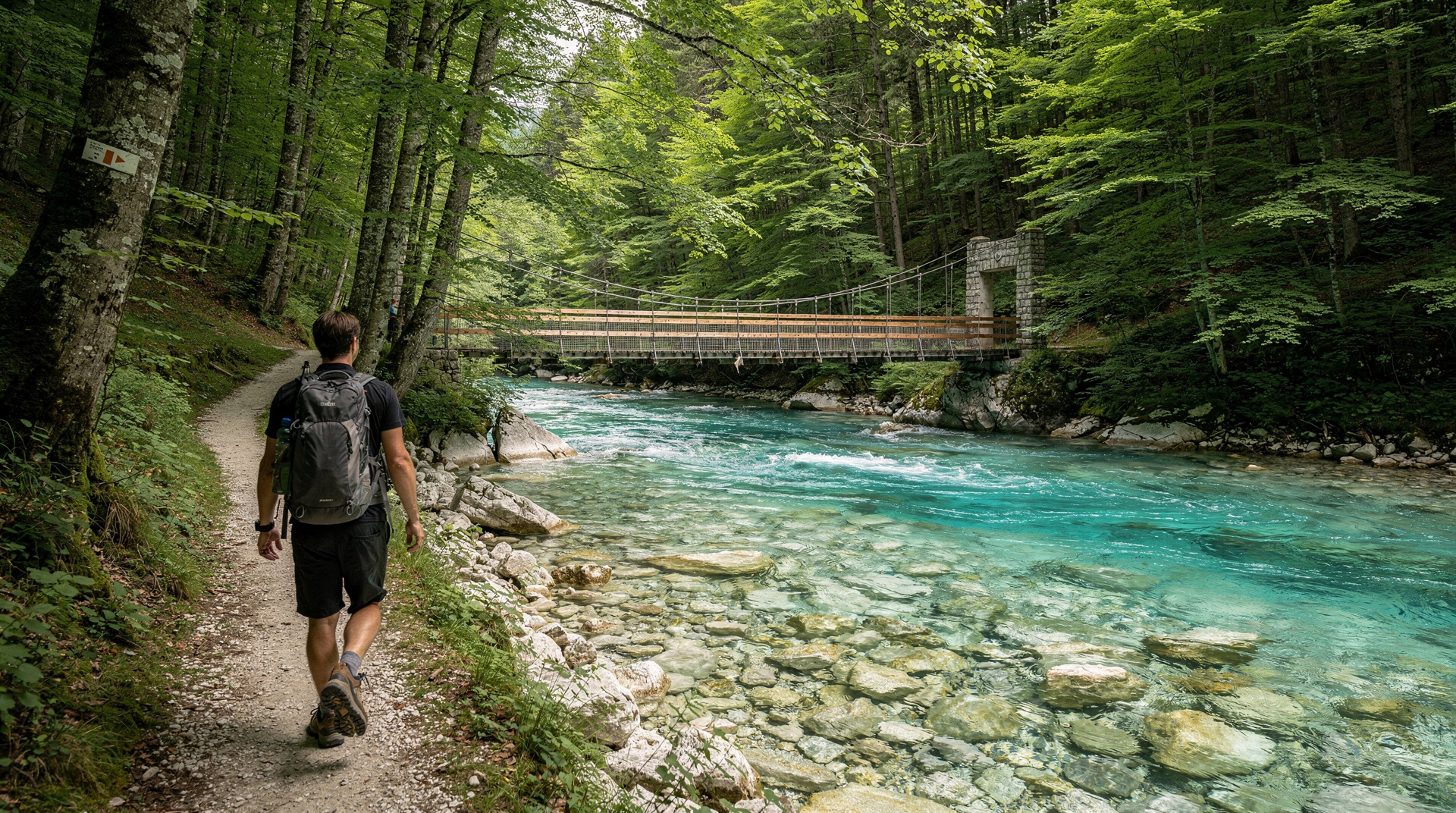
Julian Alps hiking guide: routes, difficulty, and how to plan your time
From Bled: Julian Alps hiking day trip
When is the best time to hike in the Julian Alps?
Late June to September for most trails. July and August are busiest. May offers beautiful wildflowers but high routes may be snowbound. September is ideal — good weather, fewer crowds, huts still open.
Hiking the Julian Alps: a practical guide
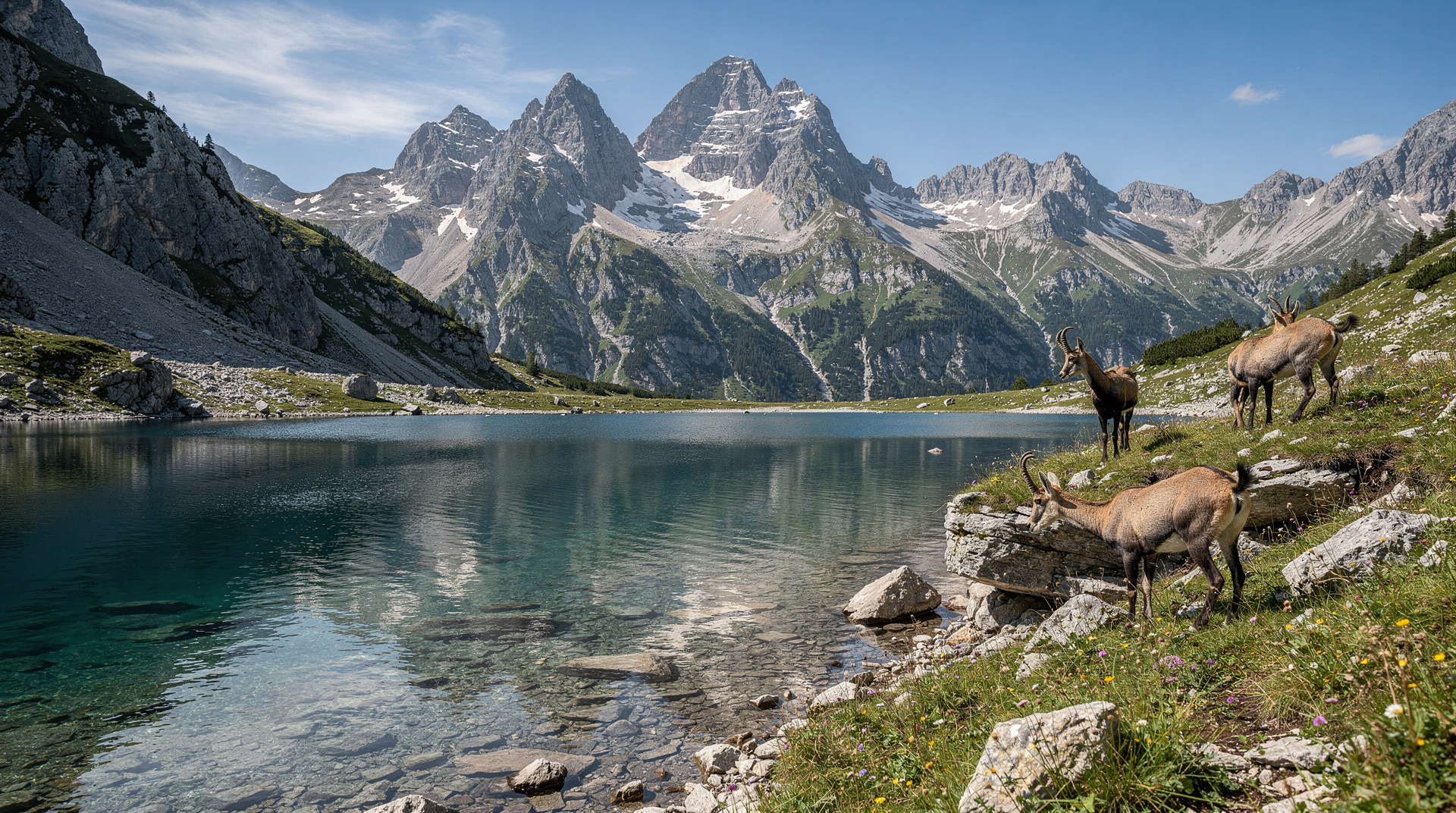
The Julian Alps stretch across northwest Slovenia and into northeast Italy, covering around 4,000 square kilometres of limestone mountains, glacial valleys, and alpine meadows. The Slovenian portion — almost entirely within or adjacent to Triglav National Park — contains some of the finest hiking in Central Europe: well-marked trails, a network of staffed mountain huts, and a range of difficulty levels from easy valley walks to serious via-ferrata routes.
This guide covers the Julian Alps as a hiking destination — the trail network, difficulty grades, key routes by level, logistics, and how to plan a multi-day trip.
| Where | Triglav National Park, northwest Slovenia |
| Season | late June–September for most trails; September best for crowds |
| Difficulty range | easy valley walks to via-ferrata and summit routes |
| Base options | Bled, Bohinj, Kranjska Gora, Bovec |
| Booking | mountain huts 4+ weeks ahead for July–August |
Why the Julian Alps stand apart
The Julian Alps are the easternmost range of the Alps — the chain begins at the Adriatic coast near Trieste and rises to its highest point at Triglav (2,864 m) before the terrain descends into Slovenia’s lowlands. They share geological origins with the Dolomites to the west: Triassic limestone uplifted by tectonic collision and carved by glaciation into the valley-and-peak landscape visible today.
What makes them exceptional for hiking specifically: the trail network is dense and well-maintained (over 7,000 km of marked paths in the Julian Alps region), the staffed mountain hut system is the most accessible in the Eastern Alps, and the range of terrain within a very compact area is extraordinary. From a single base at Bled, you can reach valley walks, plateau hikes, via-ferrata routes, and summit approaches within 30–60 minutes of driving.
The comparable ranges in the Alps — the Dolomites, the Bernese Oberland — have roughly analogous scenery but are more expensive, more crowded, and require longer logistical planning. The Julian Alps, and Triglav National Park specifically, reward visitors who do their research without requiring the extensive preparation (and cost) that the Western Alps demand.
Understanding the trail marking system
Slovenian mountain trails use a simple colour system:
- Green (easy): wide paths with no significant obstacles, suitable for families
- Red (moderate): marked trails with steeper sections, requiring good footwear
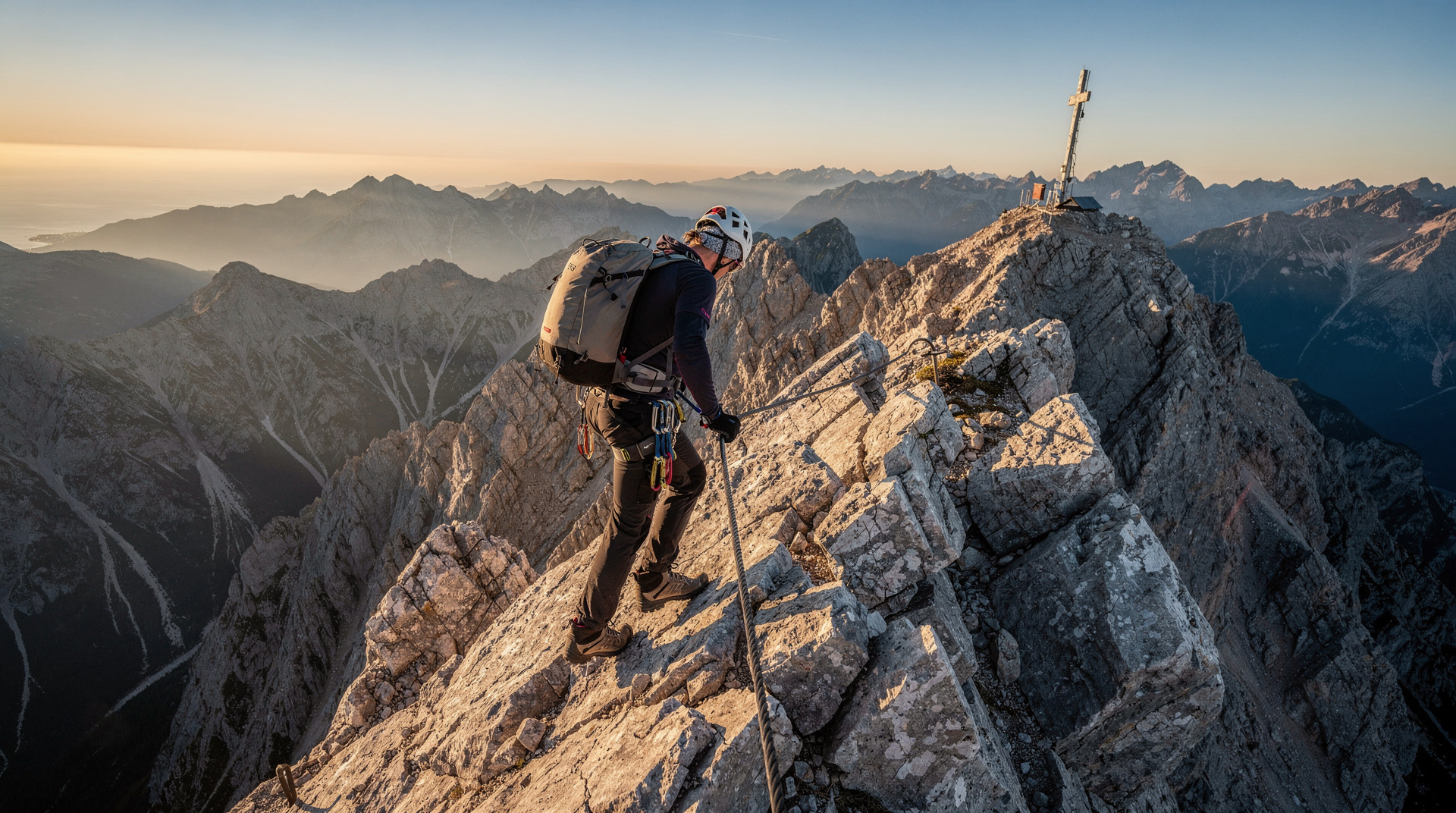
- Red with ladder symbol (difficult): via-ferrata sections or exposed terrain requiring fitness and confidence on steep rock
- Black (technical): reserved for technical climbing routes
The standard red-marked trail covers the majority of the Julian Alps hiking network, including most of the routes described in this guide. “Red” in Slovenia is comparable to “moderate to strenuous” in other trail systems — it does not mean easy. Good ankle-supporting boots are required, not trail runners, for anything above 1,500 metres on rocky terrain.
Difficulty and time at a glance
| Route | Difficulty | Time | Suitable for |
|---|---|---|---|
| Vintgar Gorge | Easy | 1h–2h | Families, all ages |
| Martuljek Falls | Easy–moderate | 2h–3h | Ages 8+ |
| Pokljuka Plateau | Moderate | 3h–4h | Families, altitude without steep terrain |
| Seven Lakes Valley | Strenuous | Full day+ | Experienced hikers, not under 12 |
| Mojstrovka / Mangart | Strenuous, exposed | 3h+ from access point | Confident hikers, no vertigo |
| Triglav summit | Technical, via-ferrata | 2 days typical | Guided, prior experience recommended |
Valley-level hikes (easy to moderate)
Vintgar Gorge (1h–2h): a wooden boardwalk 1.6 km through a limestone gorge carved by the Radovna River, 4 km from Bled. The gorge ends at the Šum waterfall. Extremely popular (and genuinely impressive); arrive early to avoid crowds. Open approximately April to October — closed in winter. Access by tourist bus from Bled or a 20-minute walk/cycle from the lake.
Martuljek Falls (2h–3h): from Gozd Martuljek near Kranjska Gora, a loop trail through a karst gorge to two waterfalls. The lower fall is 30 m high; the upper (Zgornji Martuljški Slap) is 75 m and requires an additional 45 minutes of steeper path. Excellent early-season option (open even when higher routes are snowbound).
Soča Trail (25 km, multiple access points): the flat riverside route along the Soča from Trenta to Bovec is one of the finest valley hikes in the Alps. No significant elevation, but the scenery — turquoise river, white rock, high peaks on both sides — is extraordinary. Do a section or the full 25 km; it works either way. Full route guide: Soča Trail hike.
Savica Waterfall: from Bohinj, a 30-minute walk from the car park to the 78 m Savica waterfall — the highest in Slovenia. Admission charged (EUR 4 from age 16, free under 16). A popular first stop when exploring Lake Bohinj.
Mid-altitude hikes (moderate, 1,500–2,000 m)
Pokljuka Plateau circuit (3h–4h): the high plateau above Bohinj at 1,300 m is a flat, forested landscape — completely different in character from the limestone peaks. Good for families and those wanting altitude without steep terrain. Several circuits are possible, all well-marked. See the Pokljuka Plateau guide.
Vogel via cable car (2h–4h above the cable car): the gondola from Bohinj rises to 1,535 m and opens up a limestone plateau with views over the entire lake and valley. From the top, several marked trails continue to higher viewpoints at 1,800–2,000 m. The cable car itself costs EUR 32–35 return; the hikes above are free.
Peričnik Waterfall (1h–2h): near Mojstrana in the Vrata Valley, a 2-tier waterfall (52 m lower fall, 16 m upper) set in the forest. You can walk behind the lower falls. One of the most accessible and dramatic waterfalls in the Julian Alps; free to access. Guide: Peričnik Waterfall.
Dom na Komni: from Bohinj, a 2–3 hour climb to the Komna plateau (1,520 m), a broad highland above the lake with its own mountain hut. A good overnight destination before continuing toward the Seven Lakes or Triglav.
High-altitude hikes (strenuous, 2,000 m+)
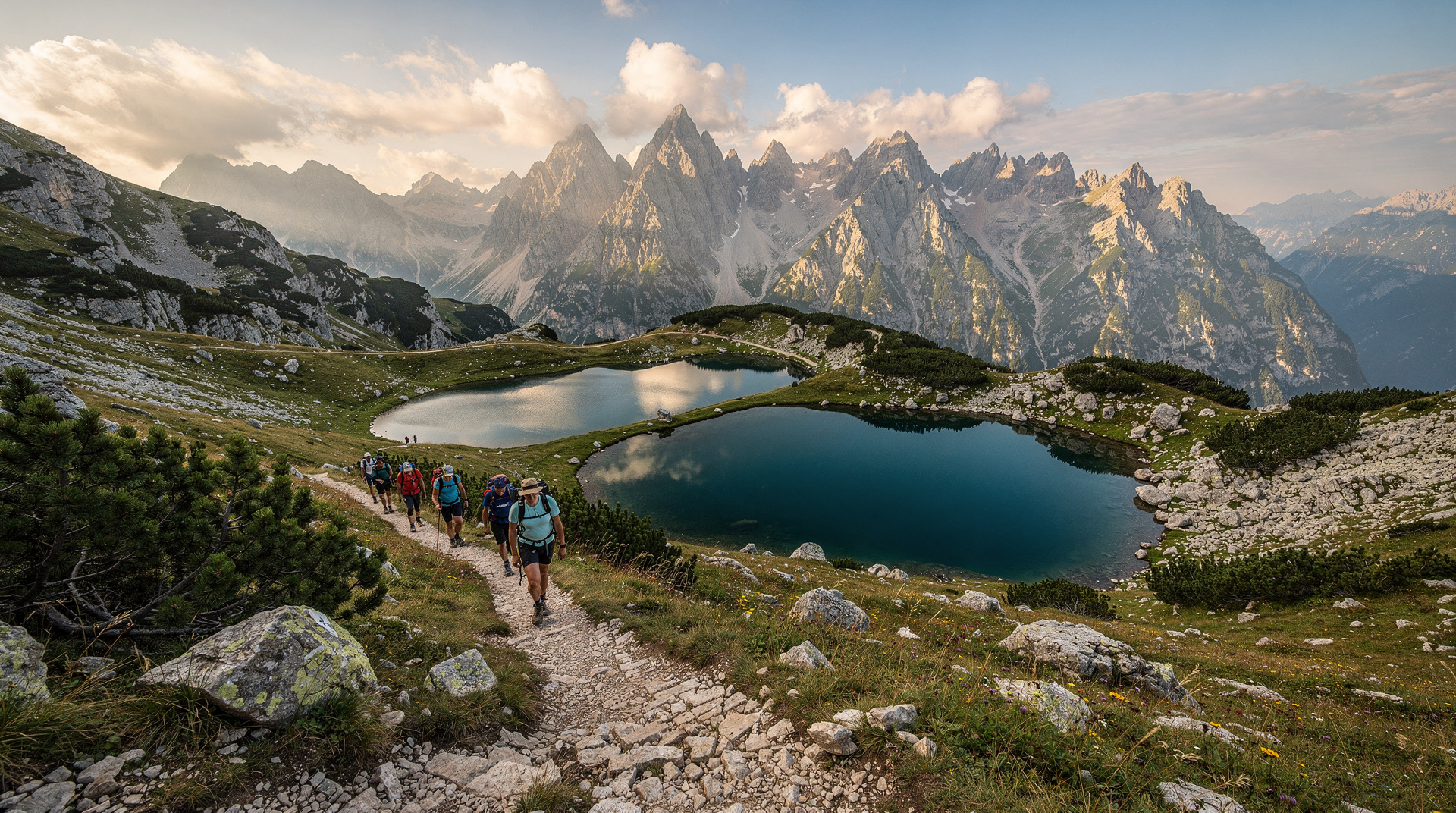
Seven Lakes Valley (full day or multi-day): the classic route from Bohinj through a series of alpine lakes to the edge of the Triglav massif. One of the most rewarding trails in the park for experienced hikers who want panoramic alpine scenery without the summit. Full guide: Seven Lakes Valley hike.
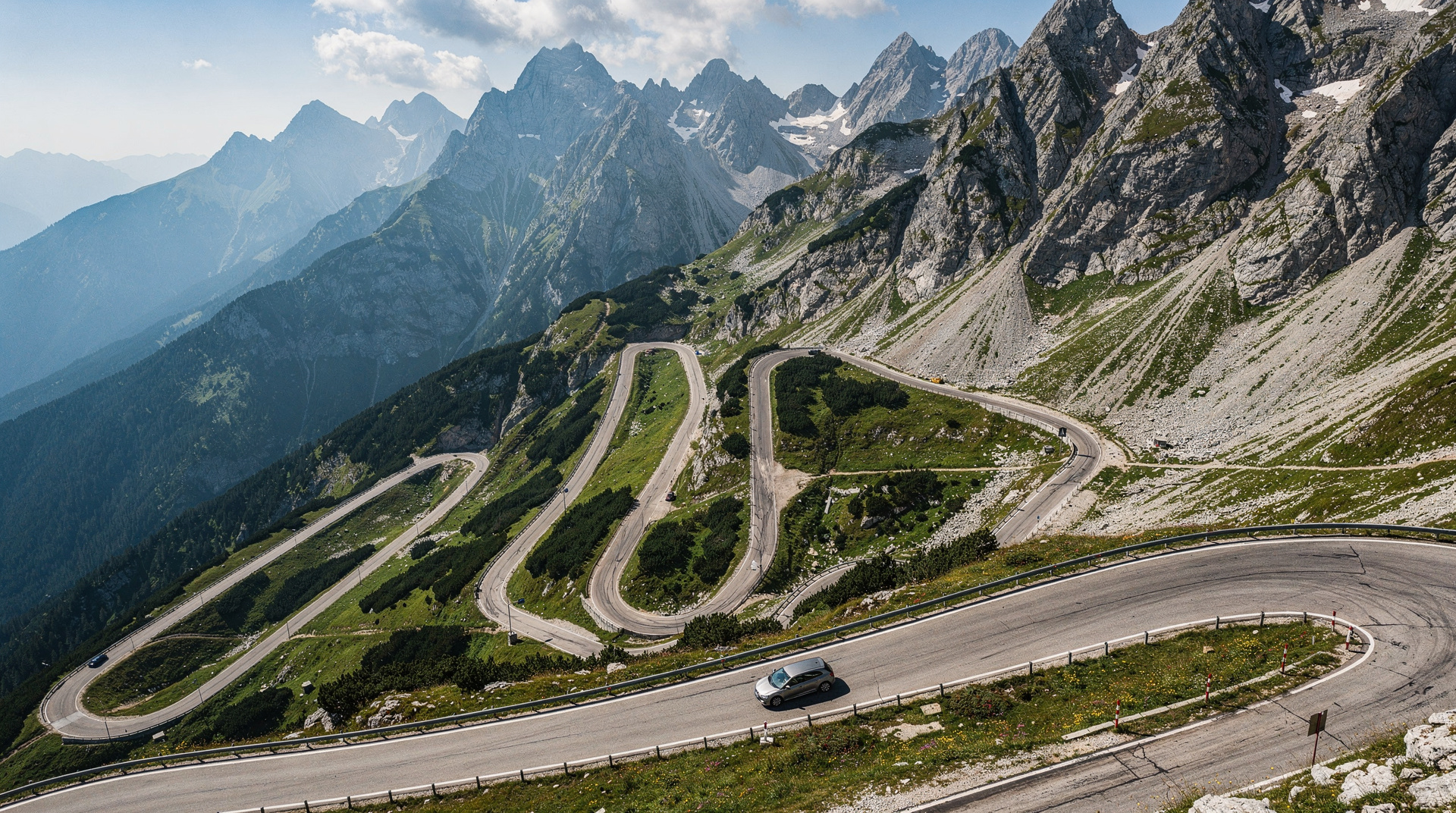
Mangart Saddle (3h from the road): the road to the Mangart Saddle (2,055 m) is the highest driveable road in Slovenia. From the saddle, a marked trail continues to Mangart summit (2,679 m) — a strenuous, exposed ridge walk requiring confidence on steep terrain. Full guide: Mangart Saddle guide.
Mojstrovka (3h from summit of Vršič): from the Vršič Pass summit, a clear trail leads to the Mala and Velika Mojstrovka summits (2,366 m). This is a fine exposed ridge walk with extraordinary views down both sides of the pass, and one of the best day hikes accessible directly from the road.
Triglav summit: the park’s defining experience and Slovenia’s highest peak, requiring via-ferrata gear and solid preparation. Full guide: Climbing Mount Triglav.
Planning a multi-day hiking itinerary
2–3 days from Bled base
Day 1: Vintgar Gorge in the morning, then drive or bus to Bohinj for the Vogel cable car. Explore the Vogel plateau in the afternoon.
Day 2: Early start from Bohinj for the Seven Lakes Valley — a full-day hike. Return to Bohinj by late afternoon.
Day 3: Drive over Vršič Pass to the Trenta Valley, hike to the source of the Soča, and walk a section of the Soča Trail before returning via the pass.
5–7 days for a serious hiking circuit
Day 1–2: Arrive Bled. Day 1 afternoon: Vintgar Gorge and orientation hike. Day 2: Bohinj, Vogel cable car, plateau hike.
Day 3: Seven Lakes Valley — either a day hike or overnight at the Seven Lakes Hut.
Day 4: Over Vršič Pass, stop at the Russian Chapel and source of the Soča. Arrive Bovec.
Day 5: Mangart Saddle hike and Soča Trail section.
Day 6: Continue to Kobarid — Napoleonic Trail or Soška Pot hike above the Soča Valley.
Day 7: Return to Ljubljana or Bled.
Guided hiking options
Guided hiking tours are a strong choice for anyone unfamiliar with the Julian Alps, without a car, or wanting local expertise on conditions, route selection, and hidden spots. Full-day Julian Alps hiking tours from Bled offer flexible difficulty levels and cover different parts of the park depending on the day. For those focused on the Bohinj area, the Seven Lakes and Bohinj guided hike is one of the most popular options in the park.
For a longer exploration across both sides of the Alps, Julian Alps and Trenta Valley tours from Bled cross Vršič Pass and spend time in the Soča headwaters — a compelling combination.
Gear and preparation
Footwear: mountain boots with ankle support and sticky rubber soles are essential for anything above 1,500 m on rocky terrain. Trail runners work on forested valley paths but are not adequate on limestone.
Weather: the Julian Alps generate local weather quickly. Clear valley conditions do not guarantee clear summit conditions. Afternoon thunderstorms are common in July and August — start early and be below 2,000 m by 2pm if storms are building.
Navigation: the 1:25,000 Triglav National Park map (available in bookshops in Bled and Ljubljana, or as a printed/PDF download from Kartografija) is the standard reference. Most trails are well-signed with red-and-white marks, but the map matters when mist reduces visibility.
Water: most mountain huts sell water. Streams above 1,500 m in the Julian Alps are generally clean, but the practice of treating stream water is sensible. Carry at least 1.5 litres as a base.
Mountain rescue: Slovenia’s GRZS mountain rescue operates throughout the park. The emergency number is 112. Registering your planned route with the nearest hut or via the GRZS website before a solo unsupported hike is a sensible precaution.
Hiking bases
Lake Bled is the most convenient base for the northern and central Julian Alps — central, well-connected, with the most accommodation options. The downside is the crowds in July and August; booking accommodation two months ahead for peak season is essential.
Lake Bohinj suits hikers focusing on the southern part of the park. Quieter and cheaper than Bled, and closer to the Vogel cable car and Seven Lakes trailhead.
Kranjska Gora is the base for the northwest — the Tamar Valley, Martuljek, and Vršič Pass. See the Kranjska Gora summer guide.
Bovec in the Soča Valley is the base for the western park — Mangart, the Soča Trail, and the adventure-sports area.
What to know before you go
- Vršič Pass closes approximately November to late May — plan accordingly for early-season trips
- Mountain huts in the Triglav Lakes Valley and near the summit fill quickly in peak season; book at least 4 weeks ahead for July and August
- The Slovenian e-vignette is required on motorways — get it before you leave Ljubljana
- Dogs must be kept on leads throughout the national park
- No drones without a permit in the national park
- Leave no trace strictly applies — fines for littering are enforced
Trail food and resupply
The Julian Alps hut network is one of the best in the Eastern Alps for hikers who want to eat well without carrying much. Most mountain huts (planinska koča) serve hot meals from early morning to late evening during the open season. Typical offerings: goulash, jota (bean and sauerkraut stew), polenta with mushrooms, žganci (buckwheat porridge), and local cheese. Beer, wine, and homemade spirits (schnapps, homemade liqueur) are available at most huts. Prices are higher than in the valley — EUR 10–18 for a main course — but reasonable given the supply logistics.
For day hikers who want to carry their own food, the best items to bring from valley shops: dense dark bread (kruh), local sliced cheese (locally made semi-hard cheeses are widely available in Bled, Bohinj, and Kranjska Gora supermarkets), dried meats, nuts, and chocolate. Fresh fruit weighs relatively little for the calories provided. Local shops in Bled have everything you need; don’t rely on the small kiosks at trailheads having specific items.
Water: the mountain streams above 1,500 m in the Julian Alps are generally clean (the karst filters the water naturally and there is minimal agricultural land at altitude). Most experienced hikers drink directly from fast-running streams above 1,800 m without treatment. Below 1,500 m, in areas near farms and grazing, treat or filter. Carry at least 1.5 litres from the last reliable water source before a long ridge section without huts.
The first aid kit
The minimum kit for a day hike in the Julian Alps: blister treatment, elastic bandage (ankle sprains are the most common hiking injury), paracetamol, antiseptic wipes, emergency whistle. For multi-day trips add: knee support, sun cream SPF 50+, electrolyte tablets for hot days. Mountain rescue in Slovenia is free for EU citizens with an EHIC card (European Health Insurance Card); non-EU citizens should check their travel insurance covers mountain rescue, which is helicopter-assisted and can cost EUR 3,000–10,000 without coverage.
Family hiking in the Julian Alps
The Julian Alps are not just for serious hikers. With the right route selection, families with children can have exceptional days in the park:
Suitable for ages 5 and up: Jasna Lake walk (Kranjska Gora, flat), Vintgar Gorge boardwalk (near Bled), Savica Waterfall (Bohinj), lower Peričnik Waterfall (Vrata Valley), and most of the Pokljuka Plateau circuits.
Suitable for ages 8–10 and up: Martuljek Falls loop, Vogel cable car + plateau walk, upper Peričnik Waterfall, lower sections of the Soča Trail.
Not suitable for children under 12: Seven Lakes Valley (steep sustained climbing), anything above 2,000 m with exposed terrain, Triglav and via-ferrata routes.
The cable car at Vogel (Bohinj) is the single best investment for families wanting alpine views without the effort — the top station has flat walking trails, a restaurant, and a playground. The ride itself is exciting for children.
Sustainable hiking
The Julian Alps, and Triglav National Park specifically, have seen significant increases in visitor numbers in recent years. The pressure on the popular trails — particularly the Seven Lakes Valley, the Vogel plateau, and the Triglav summit routes — is real. A few practices that reduce your impact:
Go off-peak: September and October give excellent conditions with far fewer people. Tuesday to Thursday is much quieter than weekends at any time of year.
Use the huts: staying in mountain huts rather than camping concentrates visitor impact in managed facilities and supports the hut network that maintains the trails.
Stay on marked trails: shortcutting switchbacks causes erosion. The limestone of the Julian Alps is fragile — compressed or broken soil on steep terrain starts a degradation cycle that is hard to reverse.
Carry out all waste: the huts can dispose of organic food waste, but all packaging and non-organic waste should leave the park with you. The park management takes this seriously and rangers do check.
For the fullest overview of the park’s geography and access points, see the Triglav National Park guide. For an honest ranking of the park’s best hikes across difficulty levels, see best hikes in Slovenia.
Reading a Slovenian trail signpost
Trailhead and junction signposts in the Julian Alps follow a consistent format worth understanding before you set out: a yellow-tipped signpost gives the destination name, the estimated walking time in hours (not distance in kilometres, which surprises many first-time visitors), and sometimes the difficulty colour. Times on signposts are generally realistic for a fit, unladen hiker moving steadily — add 20–30% if hiking with children, a heavy pack, or in poor conditions.
Red-and-white circular paint marks (the “Knafelc” marking system, named after the Slovenian mountaineer who standardised it in the early 20th century) confirm you are on the marked route between signposts; if you haven’t seen one in 10–15 minutes, backtrack to the last confirmed marker rather than pushing on into unmarked terrain.
Top experiences
Bookable activities with verified prices and instant confirmation on GetYourGuide.