Kranjska Gora in summer: hiking, cycling, and the Julian Alps gateway
From Ljubljana: best of the Julian Alps
What is there to do in Kranjska Gora in summer?
Kranjska Gora in summer offers hiking in the Tamar and Martuljek valleys, cycling on mountain trails, the Jasna Lake viewpoint, easy access to Vršič Pass, and a relaxed base for exploring the northwest Julian Alps.
Kranjska Gora in summer: beyond the ski resort
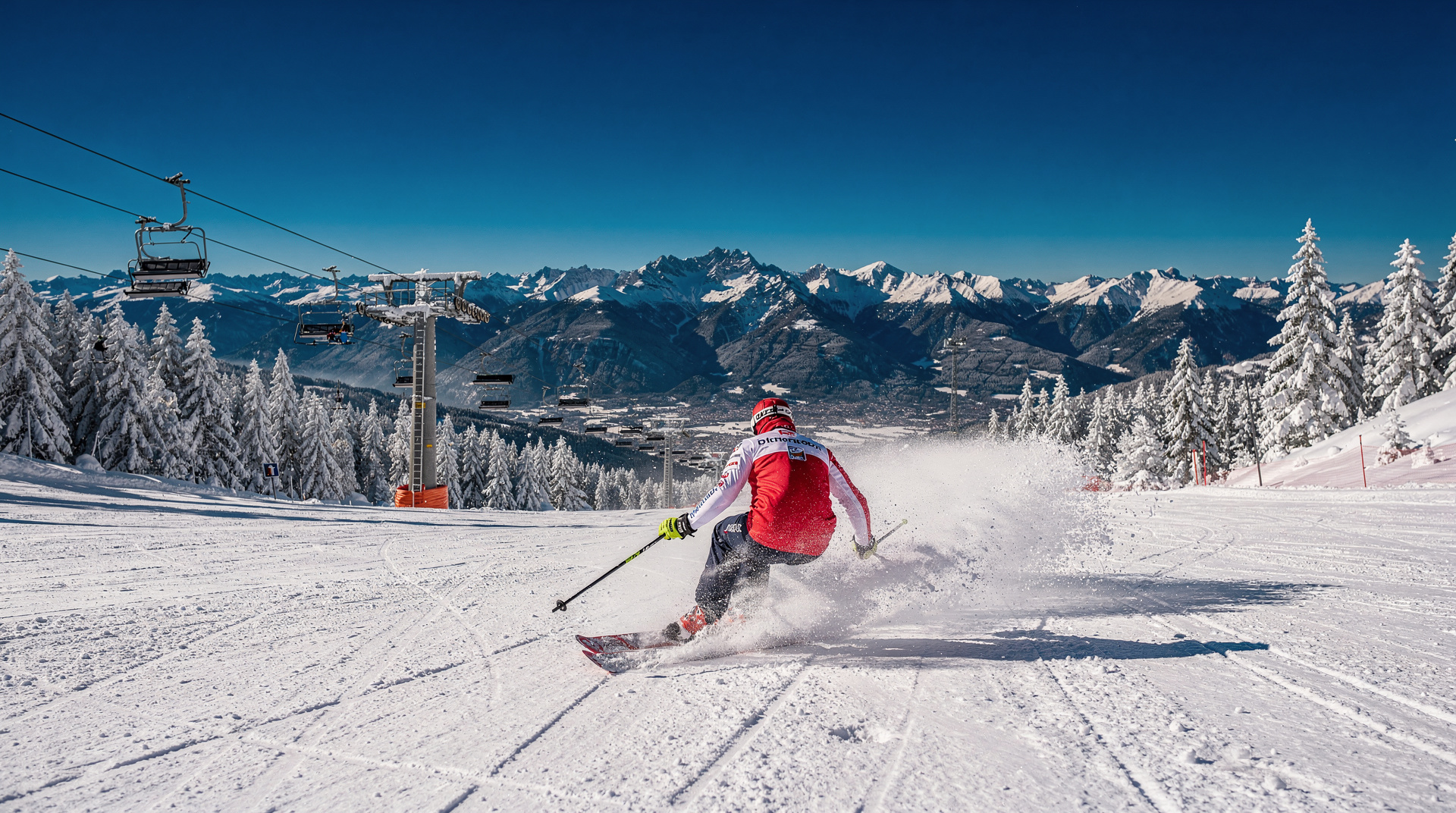
Kranjska Gora is best known internationally as a World Cup ski racing venue — the FIS Alpine World Cup slalom and giant slalom races held here every January draw 25,000 spectators. In summer, the same mountain setting is quieter, greener, and largely off the international tourist radar. The town becomes a relaxed base for exploring the northwest corner of Triglav National Park — with immediate access to Jasna Lake, the Tamar and Martuljek valleys, and the Vršič Pass road.
This is not a destination that tries to manufacture summer activities. It works because the landscape around it is exceptional and the town is small enough to feel like a real place rather than a resort. At an altitude of 810 m, summer temperatures are comfortable (20–25°C in July) and the surrounding peaks provide an immediate backdrop.
| Where | Kranjska Gora, northwest Slovenia, Julian Alps |
| Time needed | 2–3 days for the main hikes and the Vršič Pass day trip |
| Getting there | 1h15 by car from Ljubljana, 35 min from Lake Bled |
| Best time | June–September; Vršič Pass typically open May–October |
| Free highlights | Jasna Lake, Martuljek Falls trail, Tamar Valley walk |
| Book ahead for | July–August accommodation; guided Vršič/Soča day tours |
Why base in Kranjska Gora rather than Bled?
The honest answer: Kranjska Gora makes sense as a base if you are specifically interested in the northwest Julian Alps — the Tamar Valley, Martuljek, Vršič Pass, and the Planica Valley — rather than the Bohinj or Triglav summit routes. Bled is more centrally located for the full park and has more accommodation variety and services.
Where Kranjska Gora wins: prices are lower than Bled for equivalent accommodation. The town has less tourist crowd infrastructure — the sport shops and hiking equipment stores serve a serious mountain clientele, not souvenir shoppers. The immediate walking options from the town (Jasna Lake, the valley paths, access to Vršič in 15 minutes) are better than Bled’s immediate surroundings. And in high summer, the accommodation here is easier to book at shorter notice than in Bled.
If you have 5–7 days and want to use two bases — Bled/Bohinj for 3–4 nights, then Kranjska Gora for 2–3 nights — this is a logical and varied approach to the Julian Alps.
The town itself
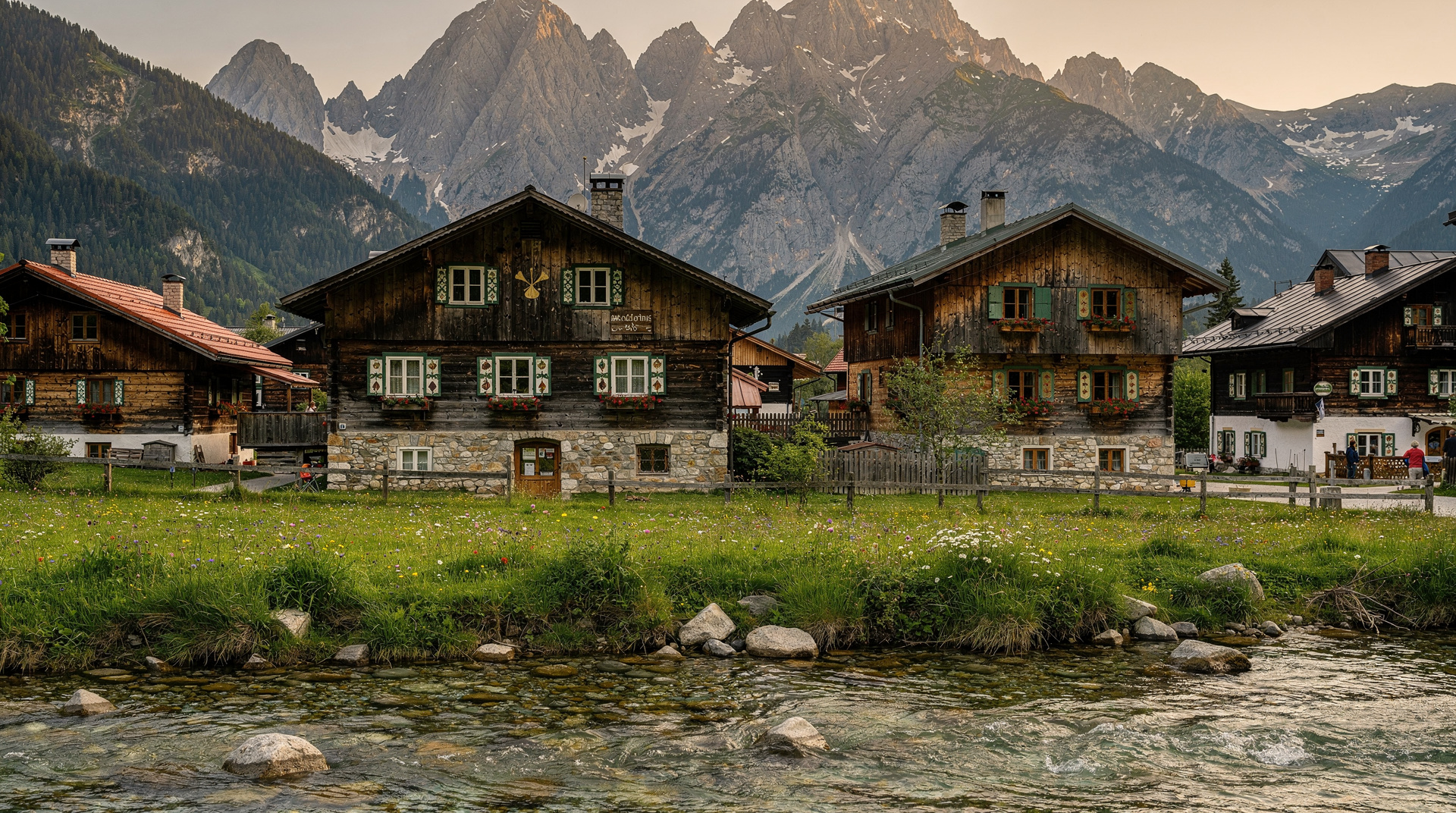
Kranjska Gora is a small town of around 1,500 inhabitants. The main street (Borovška cesta) has cafes, sport shops, and accommodation. The town centre has a 16th-century church and a handful of traditional buildings, but the architecture is mostly post-war. The reason to be here is not the town but the mountains behind it.
The Prisojnik (2,547 m) and Razor (2,601 m) peaks are visible from the town centre. The Tamar Valley cuts west from the town, the Martuljek Valley curves northeast, and the Vršič road begins 3 km south at Jasna Lake.
Jasna Lake
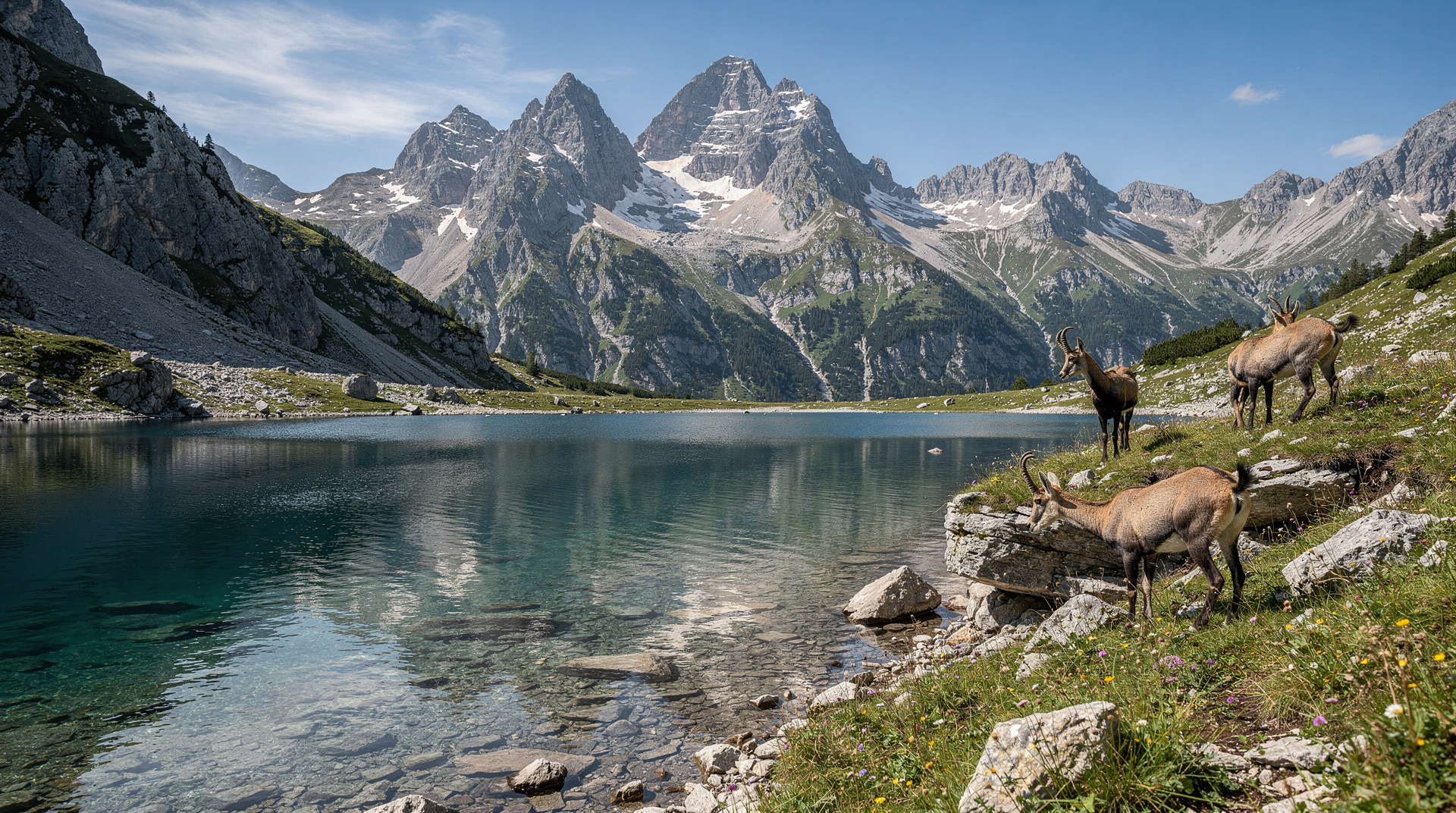
Two kilometres south of the town centre, Jasna Lake is arguably the finest mountain viewpoint in the whole northwest Julian Alps. The lake is a pair of small glacial lakes (the lower fed by a stream from the upper) with a reflective turquoise surface, a statue of the Zlatorog (golden-horned chamois) at the water’s edge, and the peak of Prisojnik rising directly behind. On a still morning, the reflection is extraordinary.
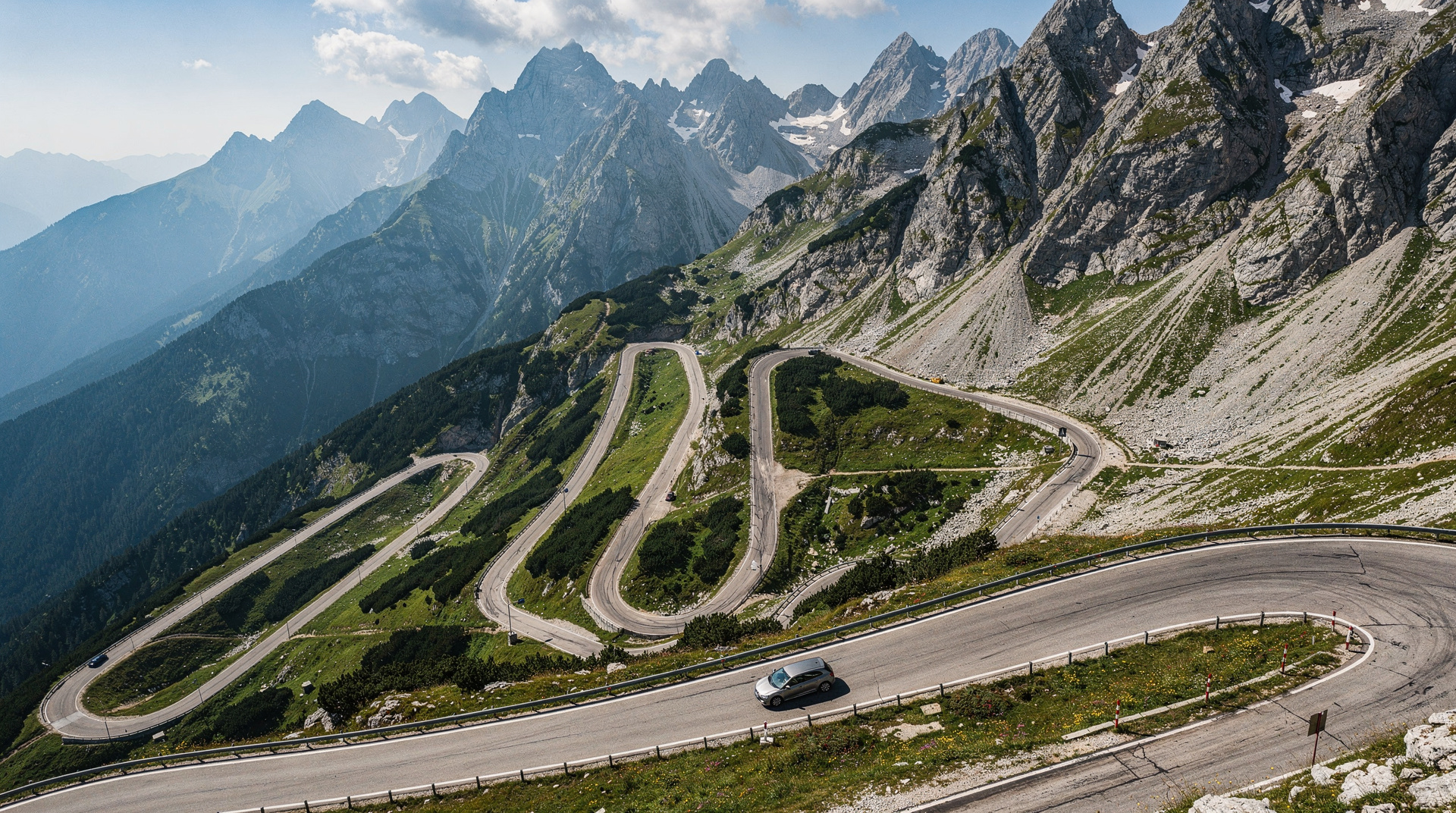
The lake has a car park, a popular café-restaurant (Gostilna Jasna), and several walking paths around the shore. The surrounding meadows are flat and accessible. This is also the start of the Vršič Pass road — the hairpins begin immediately south of the lake.
The short walk from the lake to the first viewpoint above the Nadiža gorge (30 minutes, gentle, well-marked) gives a different perspective on the lake and the Sava Dolinka valley below. This is suitable for all fitness levels.
The Tamar Valley
The Tamar Valley runs 8 km west from Kranjska Gora to a cliff-walled cirque at the valley head, closing beneath the north face of Jalovec (2,645 m). The valley floor is flat and forested; the trail from the Tamar hut (Dom v Tamarju, 1,108 m) to the valley head takes about 45 minutes. The hut itself has been operating since 1911 and serves hot food; a beer here with Jalovec above is one of the uncelebrated pleasures of the northwestern Julian Alps.
The valley is an excellent option for families or those wanting easy, scenic walking without significant elevation. The trailhead is at the Tamar hut car park, 8 km west of Kranjska Gora on a good road.
Above the valley floor, the Jalovec summit route begins — a strenuous via-ferrata climb requiring preparation similar to Triglav.
The Martuljek Valley and Falls
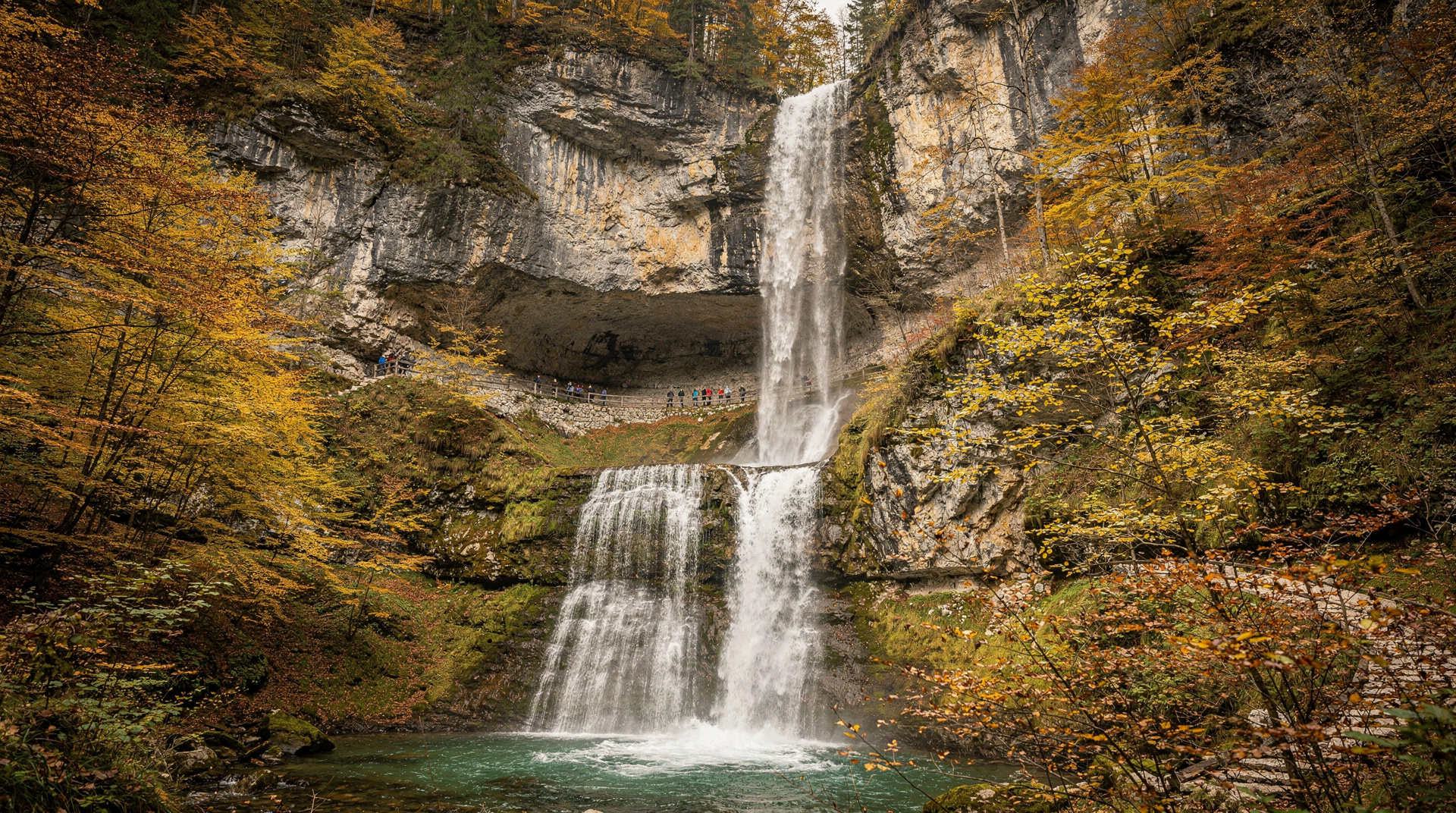
Eight kilometres northeast of Kranjska Gora (toward Jesenice), the village of Gozd Martuljek marks the entrance to the Martuljek gorge. A well-marked loop trail (2–3 hours) passes through the limestone gorge to two waterfalls. The lower Martuljek Falls (Spodnji Martuljški Slap) is a 30 m drop visible in 45 minutes from the car park; the upper falls (Zgornji Martuljški Slap, 75 m) requires another 45 minutes of steeper, forest path.
The gorge is one of the most scenically satisfying half-day excursions in the entire region. The trail is well-maintained but requires good footwear for the upper section. No entry fee. Parking at the Martuljek car park is EUR 3.
Cycling and mountain biking
The Kranjska Gora area has an extensive network of cycling paths and mountain bike trails. The main Cycling Route (Kolesarska pot) follows the valley floor east-west along the Sava Dolinka River — largely flat, suitable for families, and connectable to a wider Karavanke valley circuit. Bikes can be hired in Kranjska Gora from several sport shops on the main street (expect to pay EUR 20–30/day for a decent hybrid or mountain bike).
Mountain bikers have access to marked trails climbing into the surrounding forests, ranging from gentle climbs to the cross-country trails used for the UCI MTB World Cup (which has been held in Kranjska Gora and Planica). The trails are categorised by difficulty; the tourism office (Turistično-informacijski center, Borovška cesta 99a) provides a current trail map.
The cross-country routes to the Karavanke ridge (the range forming the Austrian border) are a particular highlight for capable mountain bikers — the ridge path gives views of both the Julian Alps to the south and the Austrian Alps to the north. Allow a full day for the ridge circuit.
Wild swimming and cold water
The Sava Dolinka River running through the valley is cold (10–16°C in July, fed by snowmelt from the surrounding peaks) and fast-moving in the main channel, but several sections near Kranjska Gora have calm pools suitable for a cold plunge. The Jasna Lake stream is the most accessible cold-water swimming spot — small, clear, and startlingly cold even in August. Not suitable for children as a swim, but excellent for a quick dip on a hot afternoon.
The nearest warm swimming (outdoor pool, 24–28°C): the Terme Kranjska Gora wellness centre or the pools in Lesce (25 km east, 25 min by car). Both are open in summer and attract local families.
Kranjska Gora with children
Several of the area’s best walks suit families without significant hiking experience. The lakeside paths at Jasna Lake are flat and short, making it an easy first stop with young children — allow 30–45 minutes for a gentle loop plus time at the café. The lower Martuljek Falls (45 minutes from the car park, moderate but well-maintained) is achievable for children aged around 6 and up with sturdy shoes; the upper falls add a steeper 45 minutes and are better suited to older children.
The Tamar Valley walk is the most family-friendly of the longer options: flat, forested, and with a hot meal waiting at the historic hut at the end. For families wanting a full guided day without route-planning themselves, the full-day Triglav National Park tour from Bled covers the Vršič Pass and the northwest Julian Alps with a guide handling logistics, which removes the driving and navigation burden for parents.
Bikes for children: the flat Sava Dolinka valley cycling route is suitable for children from about age 8 on a suitably sized bike; rental shops on the main street carry children’s sizes in summer, though it is worth calling ahead in peak weeks (July–August) to confirm availability.
Vršič Pass day trip
The most dramatic experience from Kranjska Gora is driving over Vršič Pass to the Trenta Valley and down to the Soča headwaters. The pass summit is 12 km south of Kranjska Gora and the hairpins begin at Jasna Lake. Allowing a full day for this — with stops at the Russian Chapel, the pass summit, the Prisank viewpoint, and the source of the Soča — is the right approach.
Alternatively, guided tours that use Kranjska Gora as a transit point cover the pass and continue to Bovec or Kobarid. The Best of Julian Alps tour via Kranjska Gora is the standard guided option. For a longer circuit combining Kranjska Gora, Bovec, and Bohinj, the three-valley day tour from Bled covers the northwest Julian Alps comprehensively.
The Karavanke mountains and the Austrian border
The Karavanke range forms the northern wall of the Kranjska Gora valley — the long, relatively low ridge (peaks at 2,000–2,200 m) that marks the border with Austria. The ridge is crossed by the Karavanke road tunnel (the main transit route between Slovenia and Austria, on the A2) and by several mountain passes used by hikers.
The Ljubelj Pass (1,367 m), 25 km east of Kranjska Gora, is a classic mountain crossing between Slovenia and Austrian Carinthia. The pass road is open year-round and gives a historical alternative to the tunnel. The Second World War concentration camp at the pass site (KZ Loibl, where prisoners built the wartime tunnel) has a memorial and museum.
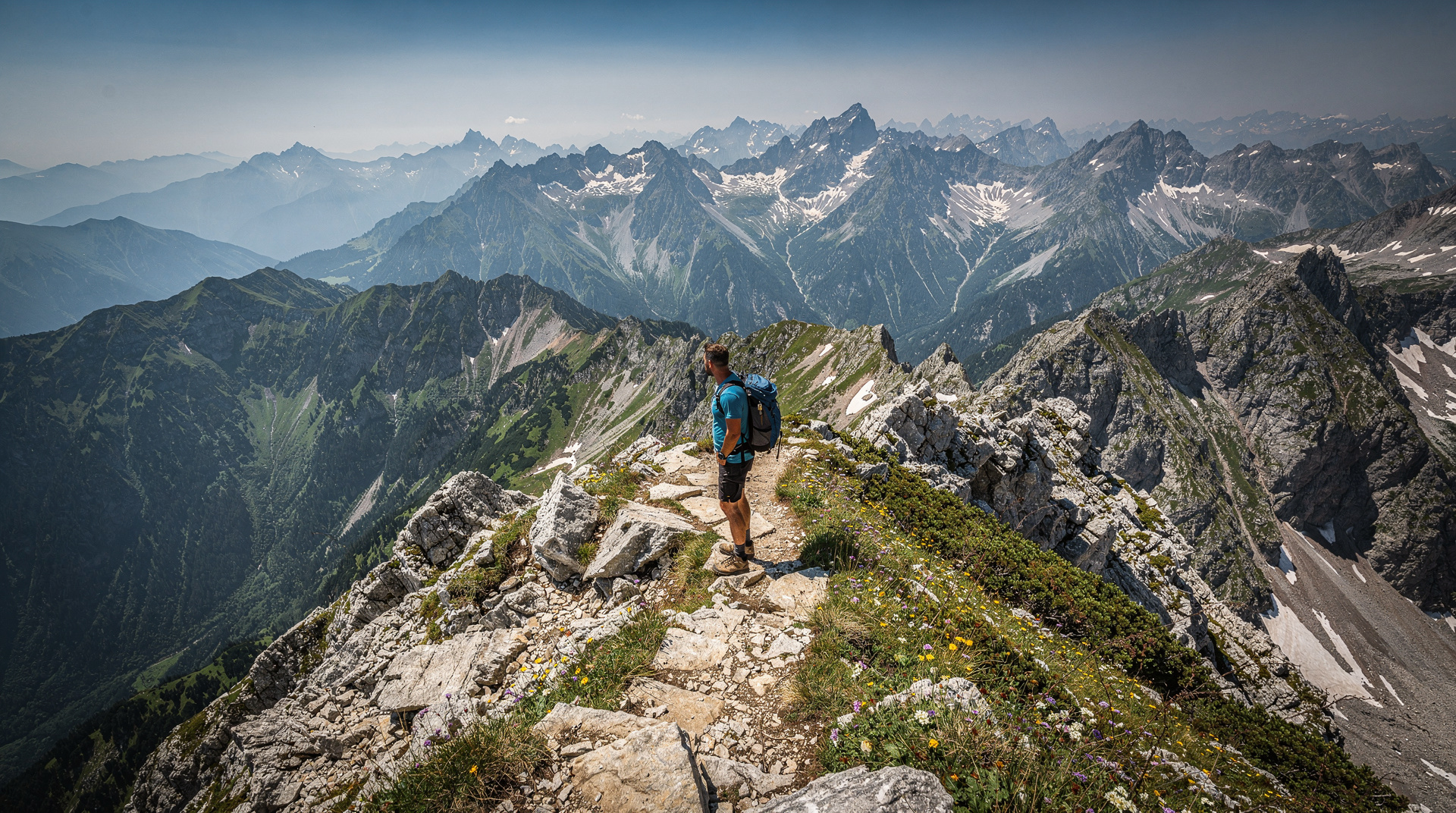
The Dovška Baba summit (1,980 m) above Kranjska Gora is accessible on a marked trail from the town and gives the best views of both the Julian Alps to the south and the Karavanke to the north. Allow 3–4 hours return.
Food in and around Kranjska Gora
The town’s restaurant scene is small but functional. Beyond the Gostilna Jurček and Gostilna Jasna mentioned earlier:
Pizzeria Mihovc (near the gondola station): simple pizza and pasta, popular with local families. EUR 10–15 for a main course.
Rateče village (3 km west): the Gostilna Rateče is a traditional inn serving štruklji, roasted meats, and local beer in a setting unchanged since the 1970s. Sunday lunch here with local families is genuinely local — not a tourist-facing operation.
The mountain huts: the Tamar hut (Dom v Tamarju, at the end of the Tamar Valley) serves substantial mountain food — goulash, buckwheat žganci, local cheese — at EUR 10–15 per dish. Eating at the hut is part of the Tamar Valley experience; plan lunch here if you do the valley walk.
Supermarkets: a Spar and a Mercator in town for self-catering supplies. Both carry good-quality local products including Tolminc cheese, local honey, and the regional salami (kraška salama) from the Carst region further south.
Getting to Kranjska Gora
From Ljubljana: 85 km via the A2 motorway. Take the exit for Kranjska Gora at Hrušica and follow the valley road west. Approximately 1h15 by car. The motorway e-vignette is required.
By bus: Arriva operates buses from Ljubljana to Kranjska Gora approximately hourly on weekdays (2h, EUR 8). There is no direct bus from Bled — change at Lesce.
From Bled: 35 km by car, approximately 35 minutes. The road follows the Sava Dolinka valley west through Radovljica and Jesenice. No direct bus — change at Jesenice or Lesce.
Where to stay
Kranjska Gora has a range of hotels and apartments at prices generally lower than Bled for comparable quality. The Hotel Larix is a reliable mid-range option. Several ski-era hotels have been recently renovated. In summer, demand is lower than in winter season — room availability is rarely a problem, though booking ahead is still sensible for July and August.
For meals: Gostilna Jurček on the main street serves reliable traditional Slovenian food at local prices. The Gostilna Jasna at the lake is more tourist-facing but has a beautiful setting.
Nearby day trips beyond the immediate hiking area
Bled (35 km, 35 min): Lake Bled is the logical half-day side trip — either the lake itself, Vintgar Gorge (another 10 km from Bled), or the Pokljuka Plateau (15 km beyond Bled toward Bohinj). See the Triglav National Park guide for an overview of what’s in range.
Vršič Pass and Soča Valley (40 min to the pass, 1h30 to Bovec): the most compelling day trip from Kranjska Gora. Drive Vršič, stop at the Russian Chapel and the pass summit, continue to Trenta and the source of the Soča, return via the same road or loop south through Kobarid. A full day. See the Vršič Pass guide.
Austrian Carinthia (30 min via Karavanke tunnel): crossing into Austria via the Karavanke tunnel puts you in the Drau/Möll valley. Villach (40 min from the border) is a pleasant Austrian market town; the Worthersee lake 20 km beyond is warm and popular for swimming. This works as an easy Austrian afternoon if you want a change of country.
Combining with Bled or Bohinj
Kranjska Gora and Lake Bled are 35 km apart — close enough for a comfortable day trip in either direction. Lake Bohinj is a further 30 km from Bled (65 km from Kranjska Gora). A circuit of all three — Bled, Bohinj, Kranjska Gora — is possible in two to three days based at any of them. See the broader Julian Alps hiking guide for suggested multi-day itineraries combining all three areas.
The Planica Valley and ski jumping
Three kilometres west of Kranjska Gora, the Planica Valley is home to one of the most famous ski jumping facilities in the world. The Letalnica bratov Gorišek ski flying hill is visible from the valley road as an enormous ramp against the hillside. In summer, guided tours of the jump are available, and walking into the valley to view the facility at close range is free. The valley walk from the car park to the Tamar hut passes the jump facilities and continues 6 km to the cliff-walled cirque below Jalovec. Allow 2–3 hours return from the valley entrance car park.
The E7 long-distance trail and Radovljica
The European long-distance trail E7 passes through Kranjska Gora, connecting this corner of the Julian Alps to the broader trans-European trail network. For day hikers, the E7 coincides with the Tamar Valley and Vršič approaches.
On the road between Kranjska Gora and Bled (in Radovljica, 30 min southeast), the Slovenian Beekeeping Museum is a small but excellent stop — Slovenia has one of the highest proportions of beekeepers per capita in Europe, and the painted beehive panels (some 300 years old) in the museum are genuinely remarkable folk art. Open Tuesday to Sunday, EUR 5.
What Kranjska Gora lacks
Honesty note: Kranjska Gora is a ski resort in summer mode. The town centre is pleasant but not beautiful — it lacks the dramatic lake-and-island scenery of Bled. The value is in the mountain surroundings and the convenient access to trails and the Vršič road, not in the town itself. Visitors who come expecting a picturesque alpine village are sometimes disappointed; those who come to use it as a hiking base are consistently satisfied.
For a broader exploration of the northwest Julian Alps including the Vršič Pass, see the Vršič Pass driving guide. For the full hiking context, the Julian Alps hiking guide covers route options across the whole range. For a comparison of the best hikes in the country, see best hikes in Slovenia.
| Base | Best for | Trade-off |
|---|---|---|
| Kranjska Gora | Tamar/Martuljek valleys, Vršič Pass, lower prices | Less scenic town, fewer services than Bled |
| Lake Bled | Central location, full park access, more accommodation | Higher prices, busier in July–August |
| Lake Bohinj | Quiet, closer to Triglav summit routes and the Seven Lakes Valley | Fewer restaurants, less nightlife |
Frequently asked questions about Kranjska Gora in summer
How many days do you need in Kranjska Gora in summer?
Two full days covers the essentials well: one for Jasna Lake and either the Tamar or Martuljek valley walk, one for the Vršič Pass day trip to the Soča headwaters. A third day allows a more relaxed pace, a cycling loop, or a side trip to Lake Bled or Bohinj. It works equally well as a 2-night stop within a longer Julian Alps itinerary.Is Kranjska Gora walkable without a car in summer?
The town itself and Jasna Lake (2 km, an easy walk or short taxi) are accessible without a car, and the Tamar Valley trailhead is reachable on foot for fit walkers, though most visitors drive or taxi the 8 km. The Martuljek Falls trailhead and the Vršič Pass genuinely require a car, taxi or organised tour, since there is no public transport running that route.
Top experiences
Bookable activities with verified prices and instant confirmation on GetYourGuide.