Best hikes in Slovenia: 15 trails ranked by difficulty and reward
From Bled: Julian Alps hiking day trip
What is the best hike in Slovenia?
For experienced hikers: the Seven Lakes Valley from Bohinj or the Triglav summit. For all levels: the Soča Trail from Trenta to Bovec. For an easy day: Vintgar Gorge near Bled or Peričnik Waterfall near Kranjska Gora.
The best hikes in Slovenia, ranked honestly
| Easiest highlight | Vintgar Gorge, 1.5–2h return, flat boardwalk |
| Best full-day hike | Seven Lakes Valley from Bohinj, 7–9h |
| Hardest | Triglav summit (2,864m), 2 days, via-ferrata gear needed |
| Season | Late June–September for high routes; April–October for valley walks |
| Cost | Trails free; huts EUR 20–35/night, gondolas EUR 14–16 |
Why Slovenia for hiking?
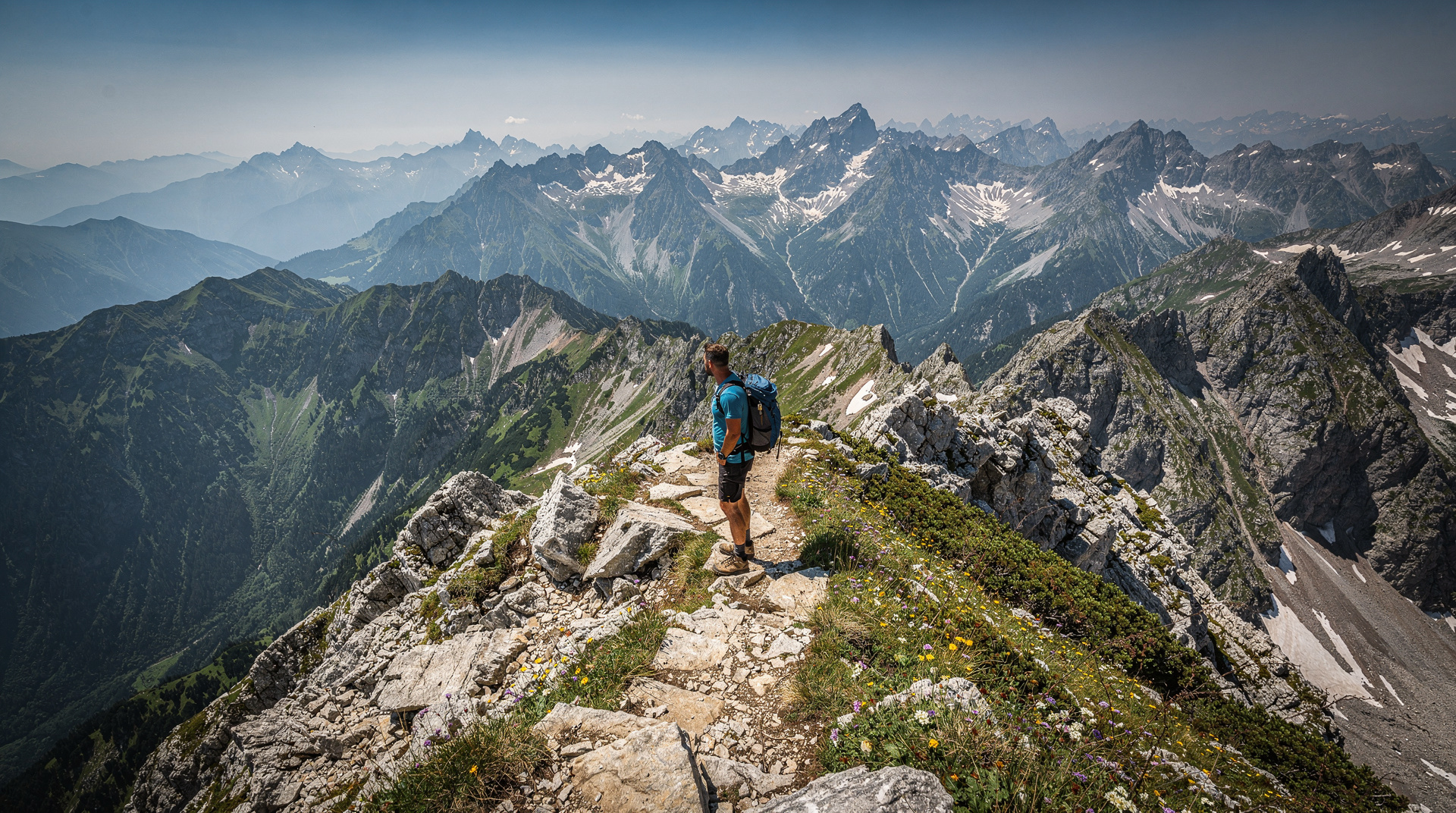
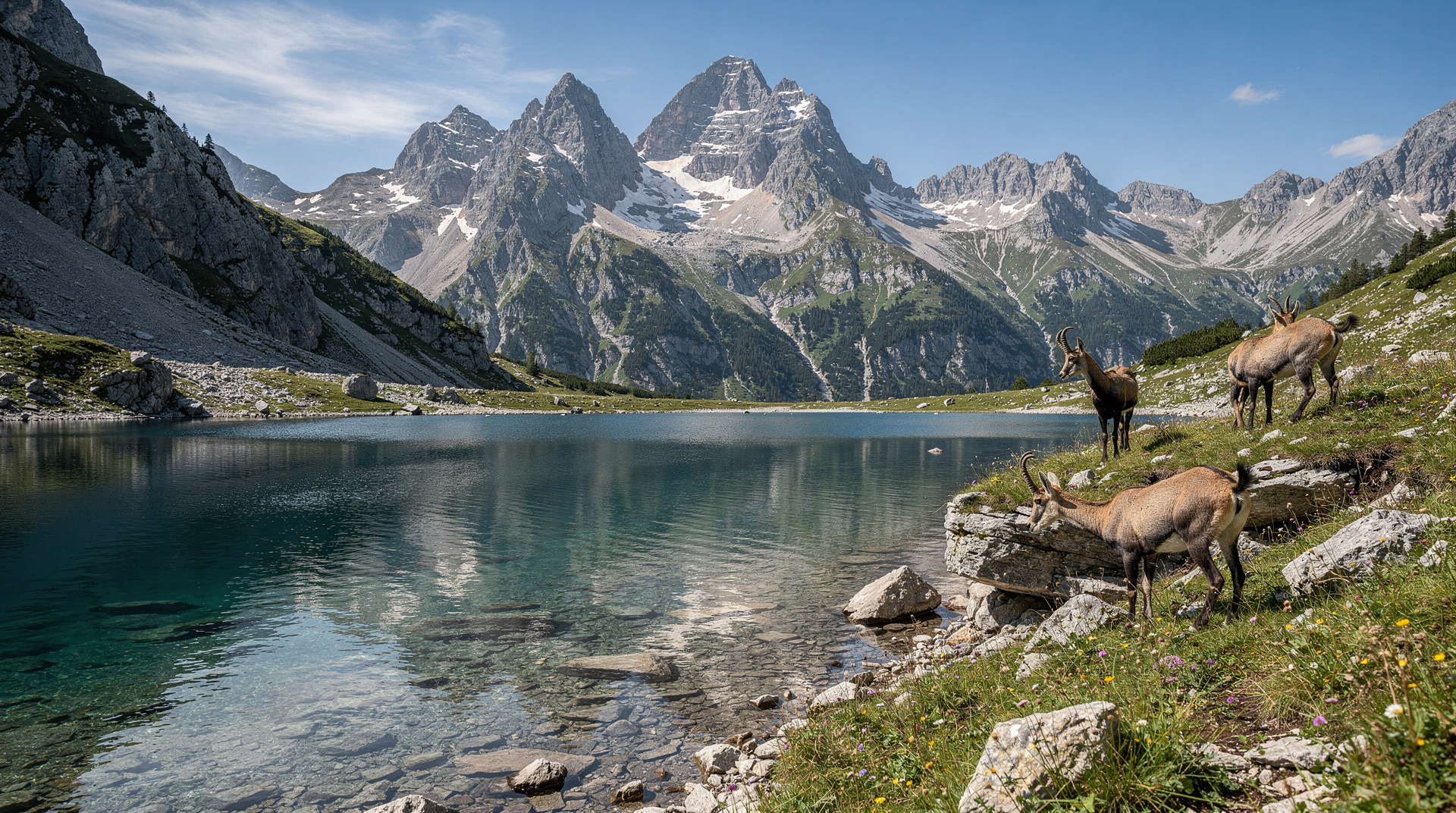
Slovenia is a small country — roughly 20,000 square kilometres, about the size of Wales or New Jersey — with a density of hiking infrastructure that punches well above its size. The Julian Alps in the northwest are the primary draw: a compact mountain range with marked trails at every difficulty level, staffed huts at regular intervals, and the Julian Alps’ most famous peak (Triglav, 2,864 m) as the centrepiece. The Kamnik-Savinja Alps to the northeast — less visited, arguably more dramatic at valley level — add a second major hiking area. The Soča Valley on the western border offers something different again: a river landscape of impossible colour with trail access throughout.
The infrastructure is excellent by Eastern European standards. Trail marking is consistent (red-and-white blazes, clear wooden signposts at junctions), the 1:25,000 Triglav National Park map is widely available and accurate, and the hut network provides hot food and accommodation at regular intervals on multi-day routes. English is widely spoken at huts and by trail rangers.
The honest drawback: the most popular routes (Vintgar Gorge, Vogel cable car, the Seven Lakes Valley) are genuinely crowded in July and August on weekends. Arriving mid-week or in shoulder season (September, early June) substantially changes the experience.
Slovenia is a small country with a disproportionate density of excellent hiking. Within an area the size of Wales, you have the Julian Alps, the Kamnik-Savinja Alps, the Soča Valley, the Karst region, and the Karavanke range — each offering a different character and a different kind of trail. This ranking covers the 15 best hikes across all difficulty levels, with honest assessments of what makes each one worth doing (and what its drawbacks are).
The hikes are grouped by difficulty. All distances and times are for the full route including descent.
Easy hikes (suitable for most fitness levels, families)
1. Vintgar Gorge, near Bled A 1.6 km boardwalk through a limestone gorge carved by the Radovna River. The gorge ends at the 16 m Šum waterfall, with deep pools of green water visible through the wooden platform beneath your feet. The scenery is genuinely dramatic and the path is completely flat. Duration: 1.5–2 hours return. Open approximately April to October — check before visiting in early spring or late autumn as it closes in winter. Best time: early morning to avoid the crowds that build from 10am in July and August.
2. Savica Waterfall, Bohinj A 30-minute forest walk from the car park at Ukanc (western end of Lake Bohinj) to the Savica Waterfall — 78 m high, one of the most powerful in Slovenia, channelled through a narrow cliff slot. Small admission fee (EUR 4 from age 16). Combined well with the Bohinj lake walk (flat, 4.5 km circuit of the lake, 1.5 hours).
3. Jasna Lake walk, Kranjska Gora From the Jasna Lake car park south of Kranjska Gora, a flat 2 km walk circles the lake and continues to a viewpoint over the Nadiža gorge. The lake setting — turquoise water, the Zlatorog statue, Prisojnik reflected in the surface on still mornings — is one of the best easy views in the Julian Alps. 1–2 hours.
4. Velika Planina plateau walk Take the gondola to 1,500 m and walk to the shepherd village and beyond across the high meadows. Gentle gradients, extraordinary cultural landscape. See the Velika Planina guide for details.
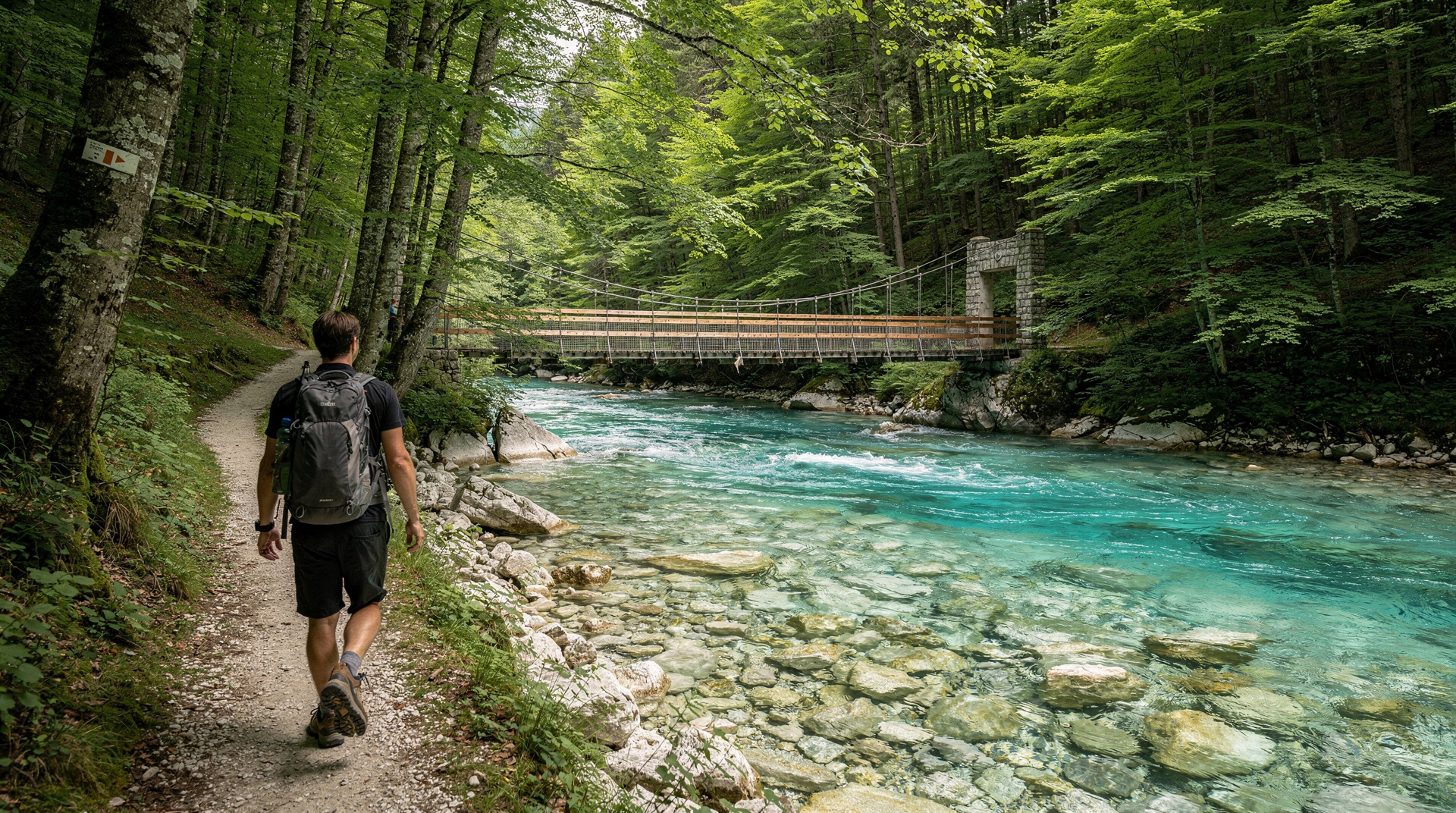
5. Soča River section, Bovec area Along the river between Bovec and Trenta, several short sections of the Soča Trail pass the best pools and cataracts — deep, still water the colour of aquamarine with white limestone bedrock. The emerald pool (Emerald Window) near the Bovec bridge is 15 minutes on foot from a car park. A flat 2–3 km section of the trail gives the full river experience without significant effort.
Moderate hikes (solid fitness required, good footwear essential)
6. Martuljek Falls loop, near Kranjska Gora A 2–3 hour circuit from Gozd Martuljek through a limestone gorge to a 30 m lower waterfall and a 75 m upper waterfall. The lower section is easy; the upper section requires more energy and good footwear. One of the most rewarding moderate hikes in the Julian Alps for the time invested.
7. Pokljuka Plateau circuit, above Bohinj A 3–4 hour loop across the limestone plateau at 1,300 m above Bohinj. Well-marked, forested, with meadow openings. Suits families and those wanting altitude without steep terrain. Full guide: Pokljuka Plateau.
8. Vogel plateau walk, above Bohinj Take the cable car from Bohinj to Vogel (1,535 m), then walk to the various viewpoints on the plateau — the best gives a direct view down to the whole lake. Trails from the cable car top station range from 1–4 hours, all on maintained paths. The cable car costs EUR 32–35 return.
9. Mangart Saddle Drive the highest driveable road in Slovenia (Mangart Saddle road, 2,055 m — narrow, no guardrails on sections, not suitable for all drivers) and hike from the saddle. The flat section around the saddle is walkable by most; the summit trail to Mangart (2,679 m) is strenuous and exposed. See the Mangart Saddle guide.
10. Soča Trail, Trenta to Bovec (25 km one-way) The most beautiful riverside walk in Slovenia. Mostly flat, following the turquoise Soča through Triglav National Park. Do sections or the full 25 km. Full guide: Soča Trail.
Strenuous hikes (experienced hikers, full-day commitment)
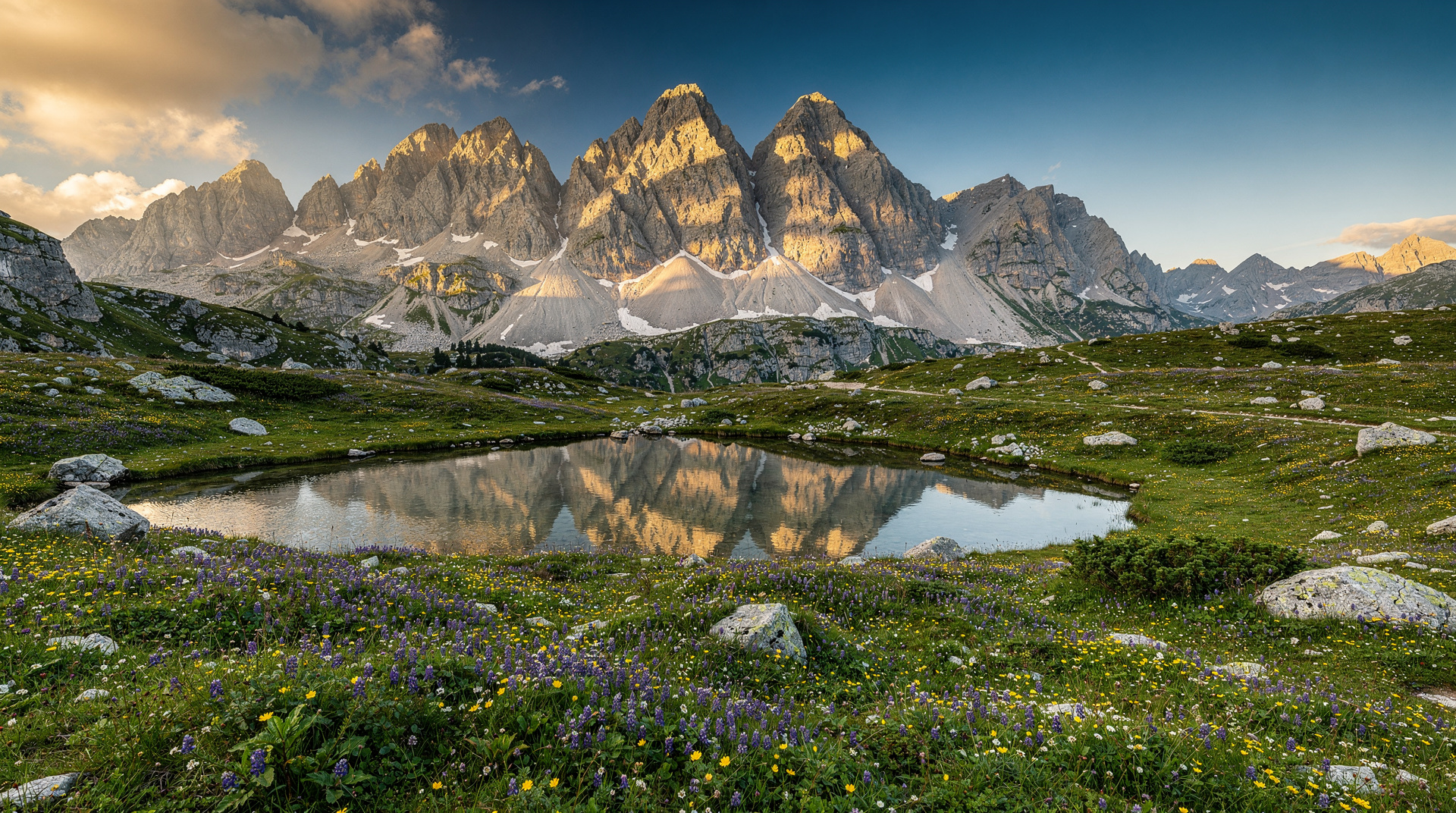
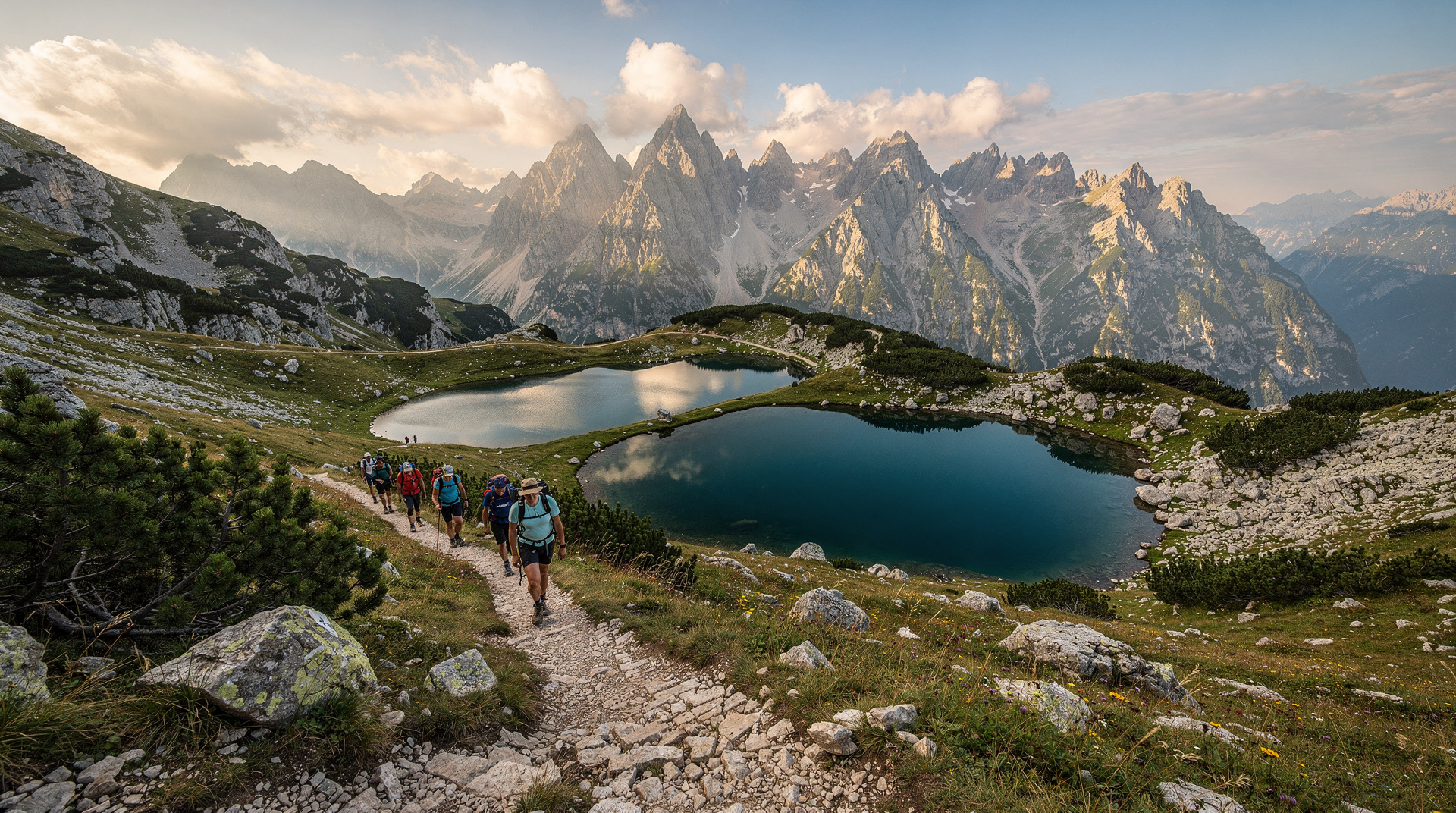
11. Seven Lakes Valley, from Bohinj The finest full-day hike in the Julian Alps that doesn’t involve a summit. The Triglav Lakes Valley from Bohinj via the Komna plateau: 7–9 hours, 1,200 m of elevation gain, seven alpine lakes at up to 1,990 m. A genuinely extraordinary route. Full guide: Seven Lakes Valley hike. Guided Seven Lakes Valley hike available.
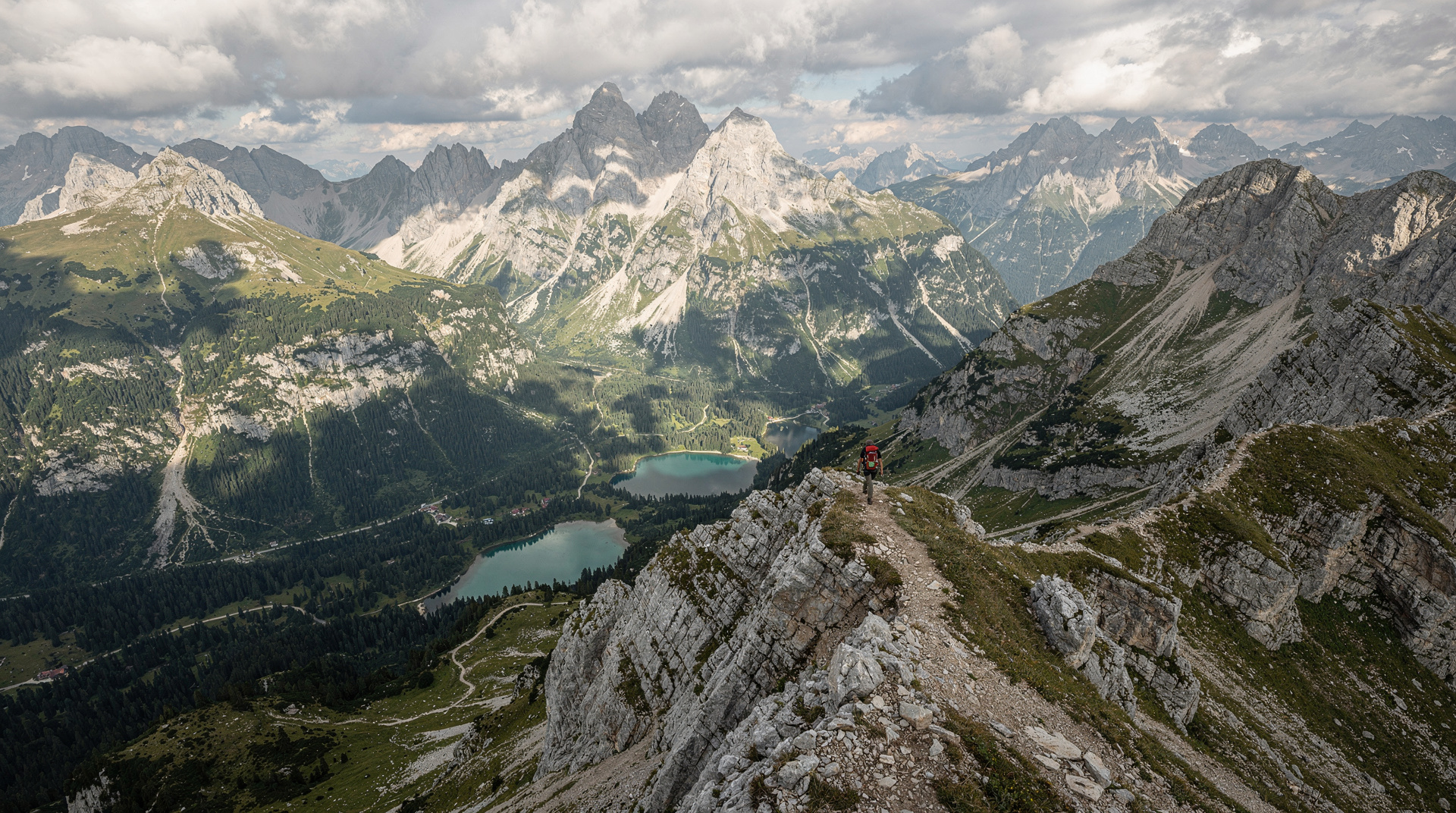
12. Mojstrovka ridge, from Vršič Pass From the summit of Vršič Pass, a marked trail climbs the exposed Mojstrovka ridge to the Mala and Velika Mojstrovka summits (2,366 m). The best aerial view of the pass and both sides of the Alps. 4–5 hours return from the pass, strenuous above the col, no via-ferrata sections.
13. Dom na Komni circuit, Bohinj From Bohinj, climb to the Komna plateau and the Dom na Komni hut (1,520 m), then continue along the high plateau edge for panoramic views before descending. A full day on the high karst. 6–7 hours, 700 m gain.
Very strenuous (experienced mountain hikers only)
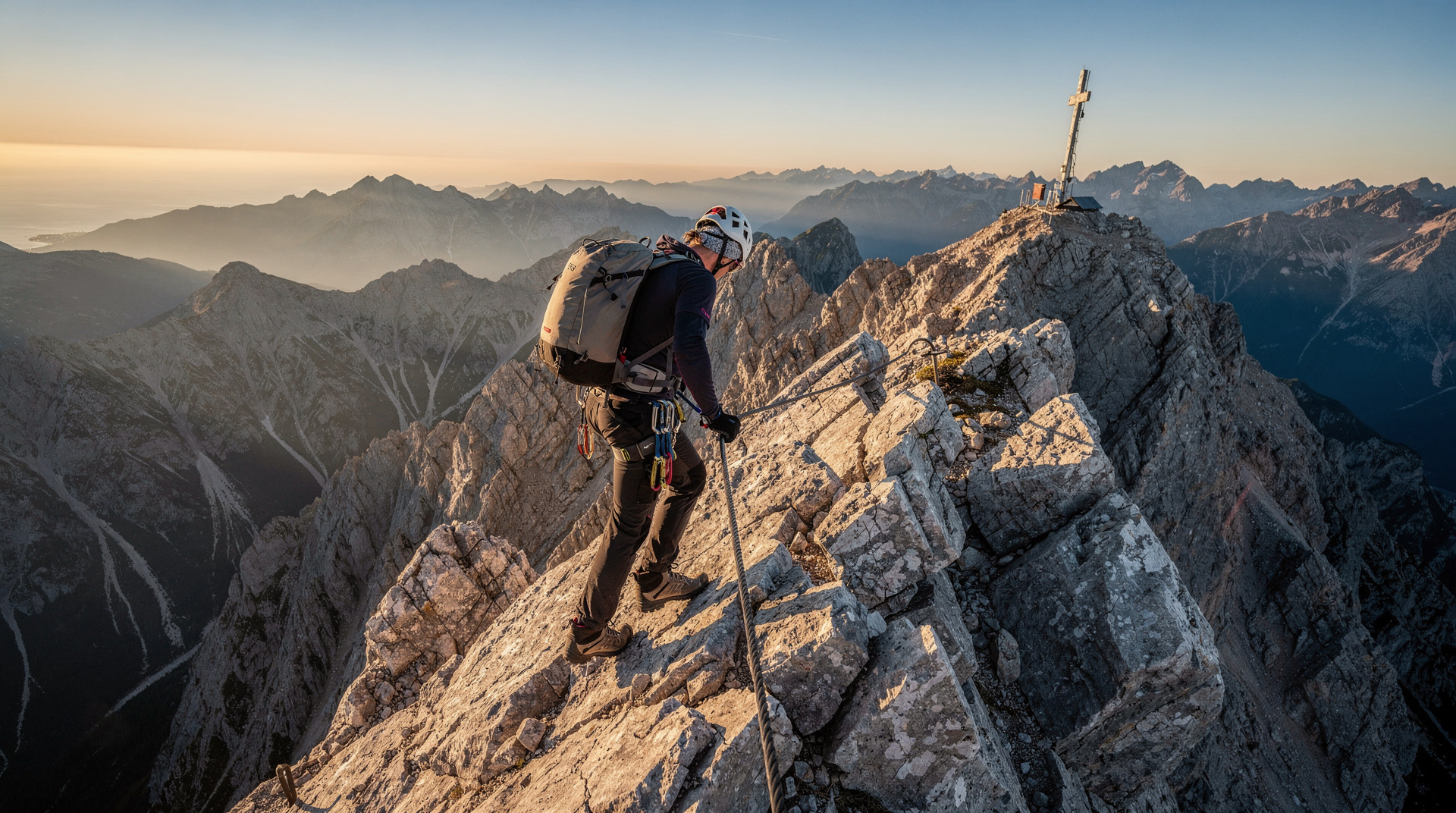
14. Triglav via Seven Lakes Valley (2-day) The standard route for most first-time Triglav climbers. Day 1: Bohinj to Seven Lakes Hut or Planika Hut (via cable car and lakes). Day 2: summit and descent. Via-ferrata gear (harness, helmet) strongly recommended. Full guide: Climbing Mount Triglav. Guided two-day Triglav summit climbs include equipment and guide.
15. Triglav via Vrata Valley (2-day) The north-face approach from the Aljažev Dom hut in the Vrata Valley — 1,849 m of gain, dramatic north wall scenery, fewer hikers than the Bohinj route. Harder logistics (requires getting to the Vrata Valley) but the most impressive approach to the summit. Not suitable without via-ferrata experience.
Practical summary
For first-timers: Vintgar Gorge + Savica Waterfall gives a strong introduction to Slovenian natural scenery in a single day from Bled or Bohinj. Accessible by bus.
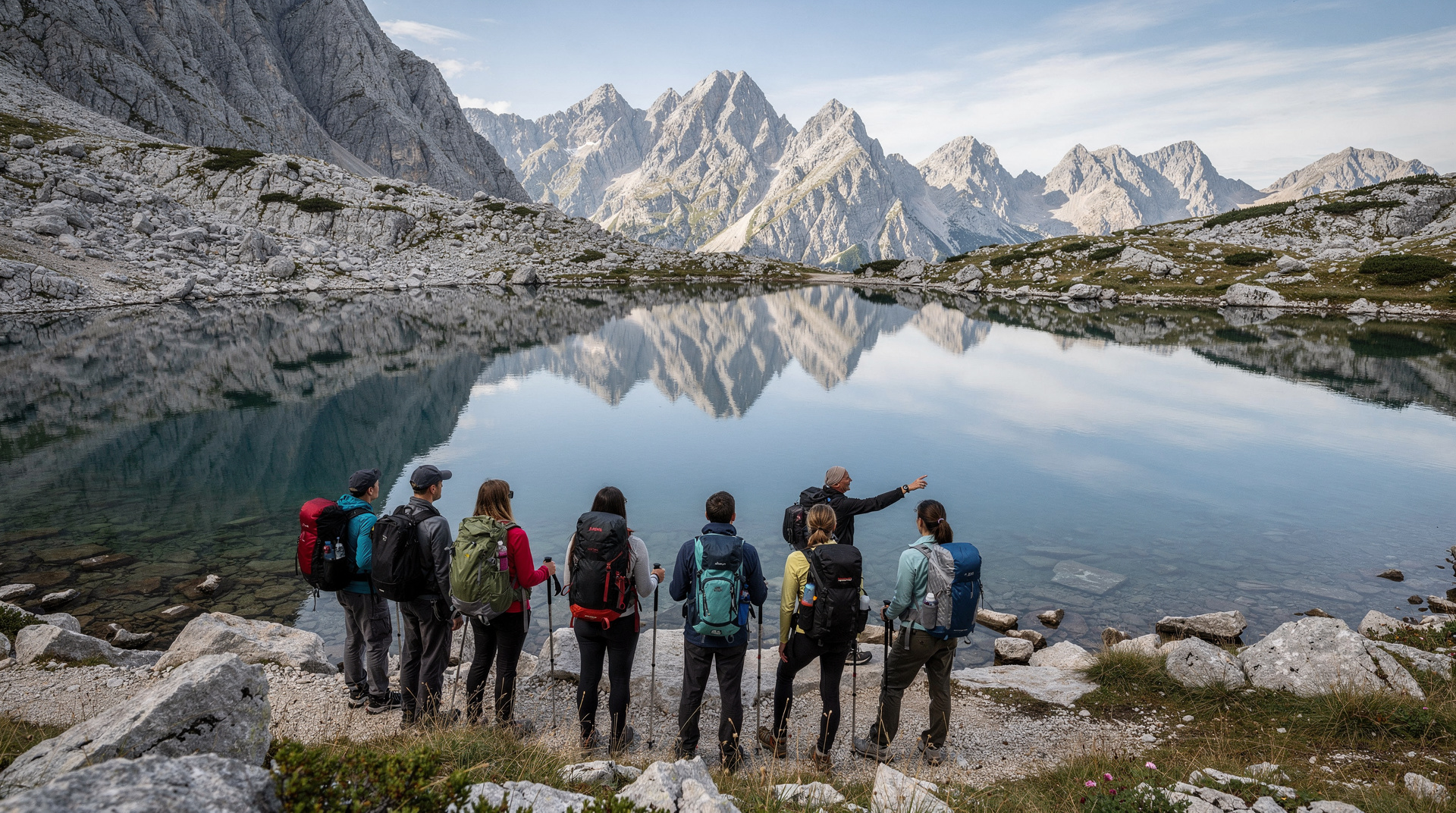
For one serious hike: Seven Lakes Valley from Bohinj is the route that most experienced hikers remember most clearly. Guided Julian Alps day hikes from Bled offer flexible routing based on fitness and conditions.
For a multi-day trip: combine two or three areas — Bled/Bohinj, Kranjska Gora/Vršič, and the Soča Valley — for a full week of hiking without repetition. The Julian Alps and Trenta Valley tour covers the Vršič and Soča section efficiently if you don’t have a car for that part.
When to go: September is the best single month for almost everything on this list — good conditions, open huts, thin crowds, golden light. July and August for the hut culture; June for wildflowers and waterfalls at maximum flow.
Frequently asked questions about hiking in Slovenia
Do you need to be an experienced hiker to hike in Slovenia?
No. The trail network covers all levels. Vintgar Gorge, Jasna Lake, the Savica Waterfall, and the Pokljuka Plateau are accessible to virtually anyone. The Julian Alps’ higher routes — Seven Lakes Valley, Mojstrovka, and Triglav — require fitness and proper footwear, but not technical experience.
When is the best time to hike in Slovenia?
For high-altitude routes (above 1,800 m): late June to late September, with September the clear peak for conditions and atmosphere. For valley and waterfall hikes: April to October. Key seasonal warning: Vršič Pass is closed to vehicles approximately November to late May; high routes may be snowbound in early June.
Can you hike in Slovenia without a car?
For many routes, yes. Lake Bled and Lake Bohinj are well-served by bus from Ljubljana. Vintgar Gorge, the Savica Waterfall, and the Vogel cable car are accessible from these bases. For the Soča Valley, Kranjska Gora, and the Logar Valley, a car or guided tour is the practical solution.
Do Slovenian mountain trails require permits?
No permits are needed for any marked hiking trail in Slovenia, including all routes in Triglav National Park. Mountain hut accommodation requires advance booking in July and August. Entry fees apply for Vintgar Gorge (EUR 15 for adults), Savica Waterfall (EUR 4 from age 16), and a few other managed natural sites.
How much does hiking in Slovenia cost?
Trails are free. Main costs: transport from Ljubljana (bus to Bled EUR 6 return, Bohinj EUR 8); gondola/cable car fares (Vogel EUR 32–35); mountain hut accommodation (EUR 20–35/night dorm); meals at huts (EUR 8–15). A full independent day including transport and meals: EUR 30–60.
Are there good guided hiking options?
Yes, particularly departing from Bled and Ljubljana. Guided tours are the best option for those without a car, for first-timers unfamiliar with the terrain, and for Triglav summit attempts. Quality and group sizes vary — look for small-group tours (max 8–10) with qualified guides.
What gear do I actually need for hiking in Slovenia?
For the easy and moderate trails: comfortable walking shoes with grip are fine for Vintgar Gorge, Jasna Lake, and most valley walks. For anything above 1,500 m on rocky terrain — particularly the Seven Lakes Valley, the Pokljuka upper circuits, and the Soča Trail’s gorge section — sturdy footwear with ankle support and non-slip soles is necessary. Trail runners are adequate for well-maintained paths; mountain boots are needed for rocky and steep terrain.
For Triglav and via-ferrata routes: mountain boots are non-negotiable, and a via-ferrata harness and helmet are strongly recommended. These can be hired in Bled and Kranjska Gora for EUR 15–25/day.
All hikers above 1,500 m should carry: waterproof jacket, warm mid-layer, sun protection, 1.5+ litres of water, and some emergency food. Weather changes rapidly in the Julian Alps — what is clear at 8am can be storming by 2pm.
How do I get between the different hiking bases?
Bled to Bohinj: Arriva bus, approximately 30 minutes, EUR 3. Departs regularly throughout the day.
Bled to Kranjska Gora: no direct bus — change at Jesenice or Lesce (1h+ total). By car: 35 minutes.
Ljubljana to Bled: Arriva bus approximately every 30–60 minutes, 1h20, EUR 6. Reliable and comfortable.
Ljubljana to Bovec: change at Nova Gorica or Tolmin, approximately 3h total. By car: 2h via Vršič or 2h30 via the southern route.
For connecting multiple hiking bases in a single trip without a car, guided tours that depart from Bled or Ljubljana are the most practical solution — they handle the logistics and cover multiple areas in a single day.
What is the Slovenian mountain rescue service?
Slovenia’s mountain rescue service (GRZS — Gorska reševalna služba) is volunteer-based, well-equipped, and internationally respected. Response times to most locations in the Julian Alps are 1–3 hours by helicopter in good conditions; foot rescue takes longer. The emergency number is 112. Registration of planned routes before solo or unsupported multi-day hikes is strongly recommended.
Mountain rescue in Slovenia is technically free (funded through the Alpine Association), but the helicopter costs (if used) can be charged back in some circumstances. EU citizens should carry their EHIC card; non-EU visitors should ensure their travel insurance explicitly covers mountain rescue and helicopter evacuation.
Top experiences
Bookable activities with verified prices and instant confirmation on GetYourGuide.