Velika Planina: Slovenia's highland shepherd village above the clouds
From Ljubljana: Velika Planina guided hike
How do you get to Velika Planina?
Take the gondola from Kamniška Bistrica valley to the plateau (1,500 m). The gondola runs year-round. From the top station, Velika Planina village is a 30-minute walk. The plateau is also reachable on foot in 2–3 hours from the valley.
Velika Planina: the shepherd plateau that time almost forgot
What makes Velika Planina different from every other “scenic viewpoint”
Most alpine attractions offer a version of the same experience: high altitude, mountain panorama, cafeteria, souvenir shop. Velika Planina is structurally different. The gondola does bring you to 1,500 m. There are views of the surrounding peaks. But the central experience is not the view — it is the human presence on the plateau.
A working seasonal shepherd settlement that has operated continuously for centuries, on the same ground, in the same building form, with the same agricultural purpose, is extraordinary in 21st-century Europe. The huts are not reconstructions; the cattle are not props. The shepherd who sells you cottage cheese from the doorway of a 5-metre-wide oval hut has been coming here every June since childhood, as did the generations before. This is a living culture, not a heritage display, and the distinction is palpable.
For travellers who have already seen Lake Bled’s postcard scenery and are looking for something genuinely different in Slovenia, Velika Planina is the correct answer.
| Where | Kamnik-Savinja Alps, ~50 min drive from Ljubljana |
| Getting up | Gondola from Kamniška Bistrica valley, return fare on the official Velika Planina website |
| Best time | June–July for the full shepherd season |
| Time needed | Half day (3–5 hours including gondola and village walk) |
| Cost on the plateau | EUR 5–10 for dairy tasting; meals extra |
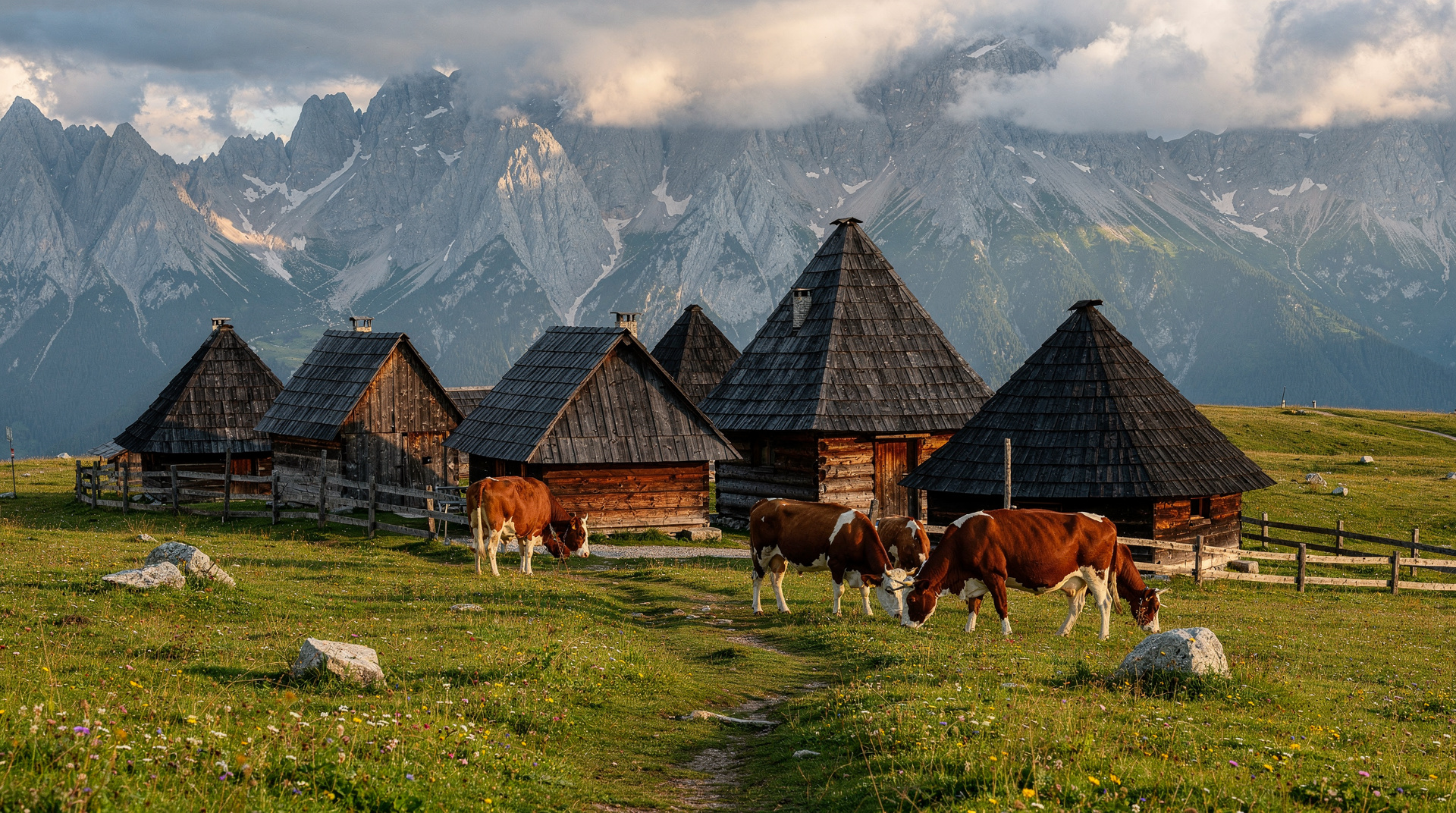
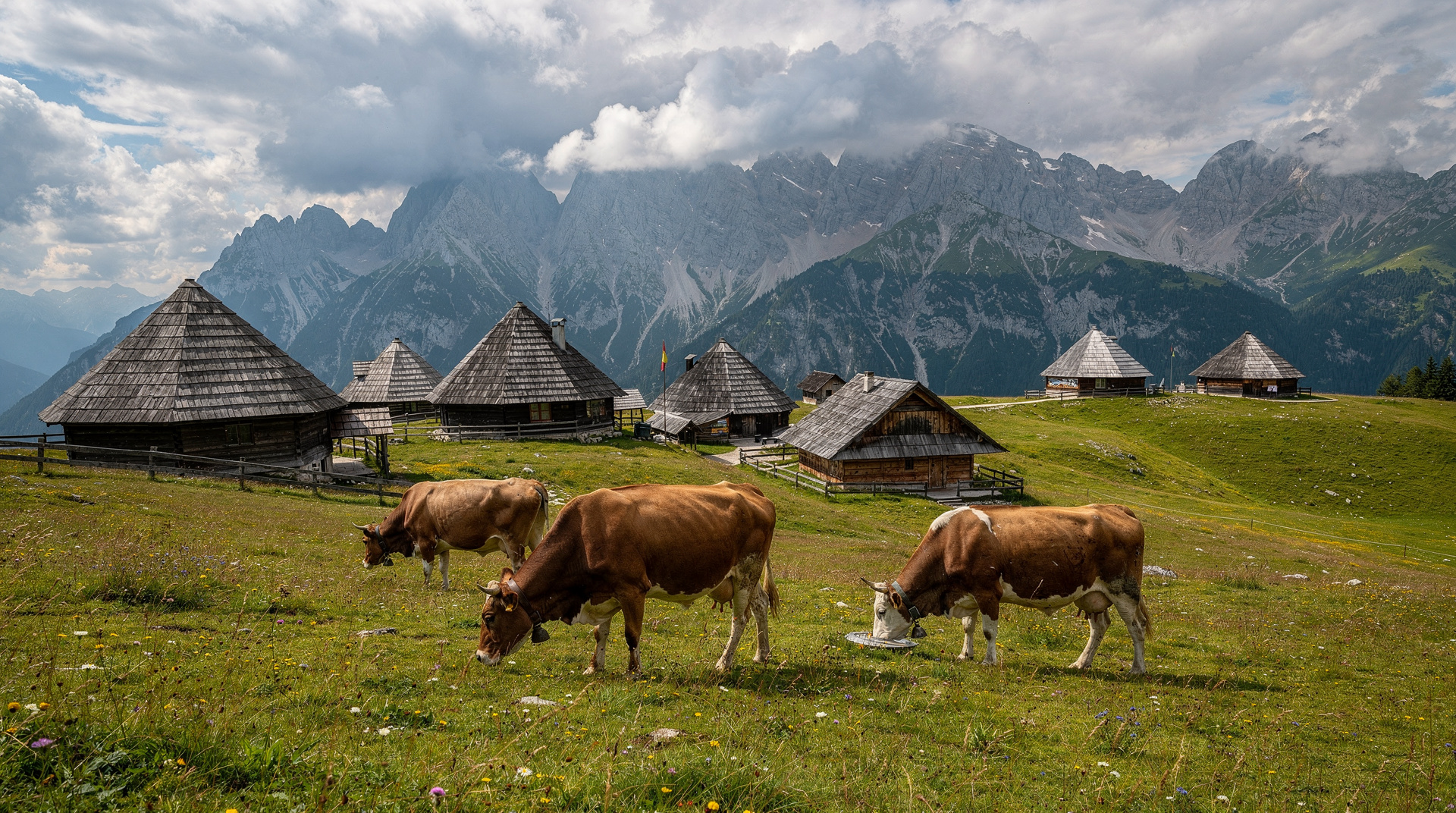
Velika Planina (“Great Pasture”) is a high alpine plateau at 1,500 metres in the Kamnik-Savinja Alps, northeast of Ljubljana. What makes it unusual — what makes it arguably the most distinctive day trip in Slovenia — is the village on the plateau itself: a collection of around 50 wooden shepherd huts in a style found nowhere else in the Alpine world. These conical, wood-clad huts have been built and rebuilt on the same footprints for centuries, housing shepherds who bring their cattle up each summer as they have done since at least the 15th century.
The plateau is not a museum or a reconstruction. It is a working seasonal settlement. In June and July, cattle graze on the plateau, shepherds live in the huts, and you can buy fresh cottage cheese and cream directly from the people who made it.
Planning your visit: what to prioritise
The two most important variables: timing within the season (June–July for the full shepherd experience; August–September for easier weather), and timing within the day (arriving by 10am on weekends to avoid gondola queues). Everything else is secondary.
If you can only do one thing on the plateau: walk to the shepherd village and buy dairy from whichever hut has the door open. This takes 45 minutes and costs EUR 5–10. It is the irreducible experience.
If you have a full day: gondola up, village visit and dairy tasting, walk to Malo Polje, optional climb to Mali Rogatec for summit views, lunch at the hut restaurant near the gondola station, then either gondola down or the 2–3 hour walk descent.
What Velika Planina actually looks like
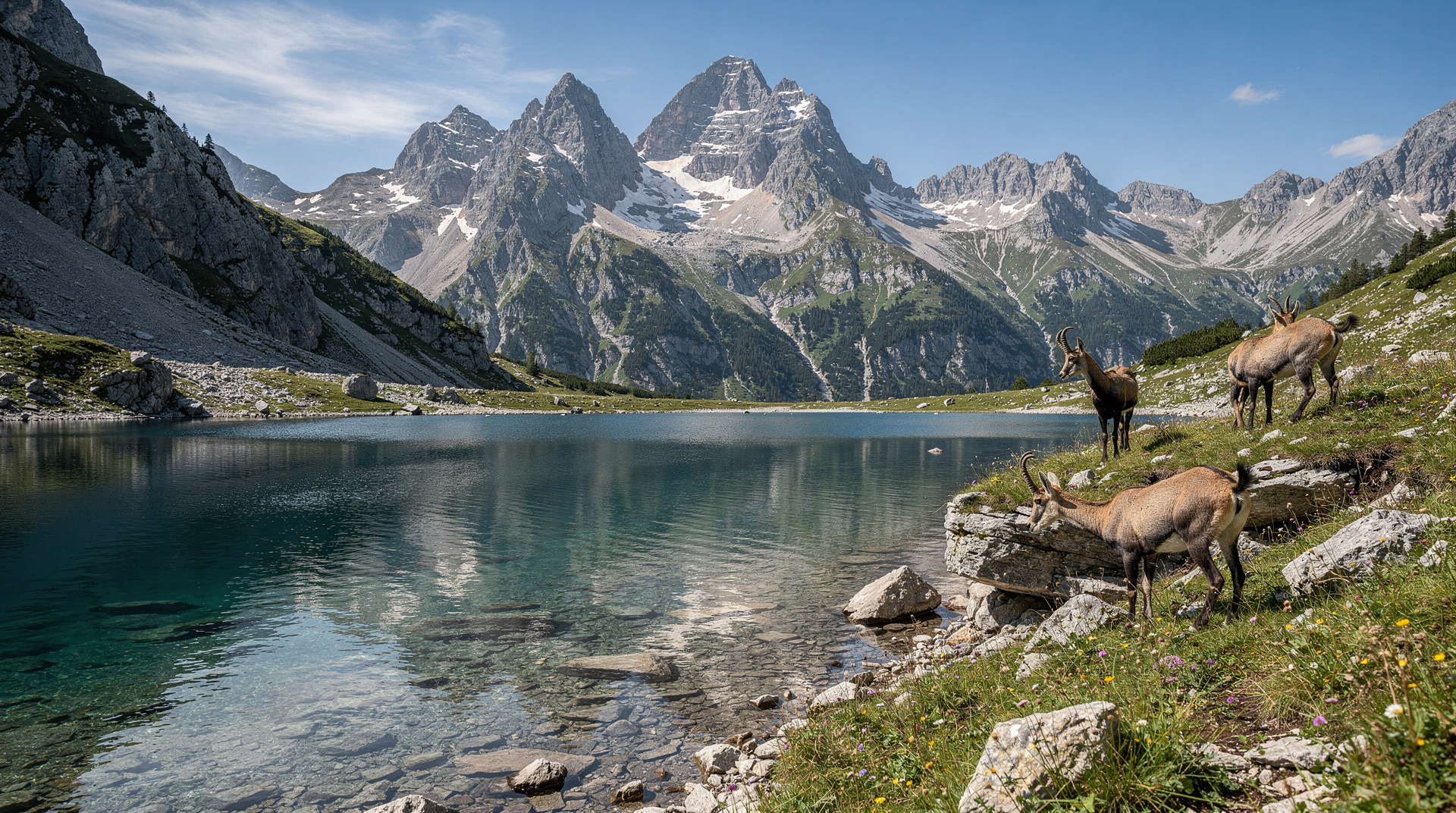
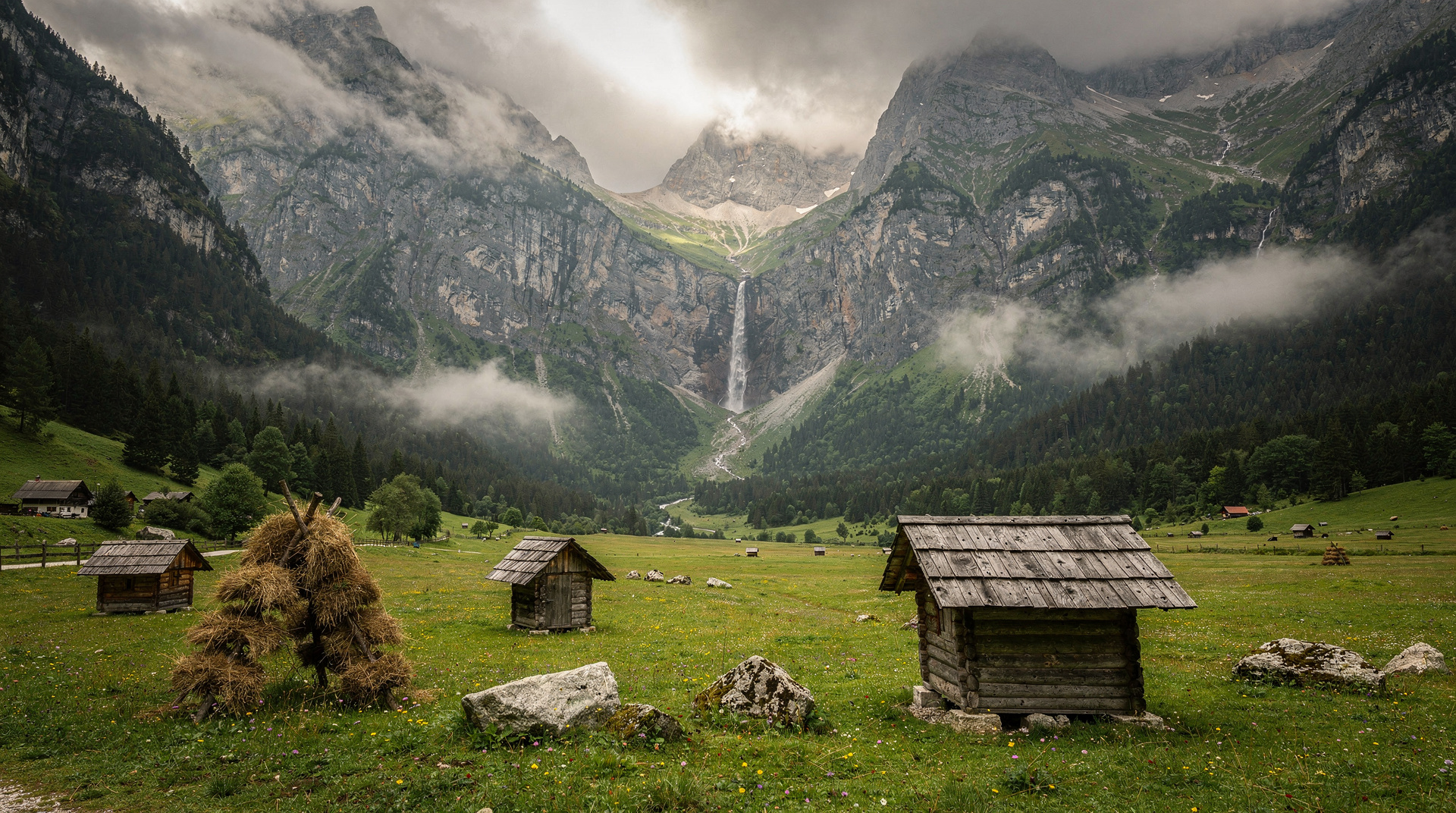
The plateau is a broad, gently undulating highland about 2 km across, ringed by higher limestone peaks — Grintovec (2,558 m) and Planjava among them. In summer, the grass is brilliant green, the huts are scattered across the meadow with cattle moving between them, and the Kamnik Alps rise steeply on all sides. In winter, the same plateau becomes a cross-country skiing destination.
The shepherd huts are remarkable objects. They are oval in plan, with domed roofs covered in overlapping wooden shingles — a shape that has evolved to shed snow efficiently and to be easily reconstructed after the fires that periodically devastate the settlement. The interior of each hut is tiny: a single room with a hearth, sleeping platform, and very little else. In a normal summer, 25–30 families occupy the huts.
The village has a small chapel (the Church of Our Lady of the Snows, rebuilt after a fire during the Second World War) and a few larger huts that serve as informal dairy shops. There is no electricity in the original huts.
How to get there
By gondola: the most popular approach. A cable gondola departs from the Kamniška Bistrica valley (near the mountain hut Domžalski dom) and ascends to the lower station at Mali Vrh (1,060 m). A second gondola then continues to the plateau itself (1,500 m). The total ride takes about 10 minutes. The gondola runs year-round apart from a yearly maintenance closure (15 October to 15 November in 2026); current return fares are listed on the official Velika Planina website.
On foot (from the valley): the walking trail from the Kamniška Bistrica valley car park to Velika Planina takes 2–3 hours and 800 m of elevation gain. Well-marked, forested for the lower section, then open meadow above the tree line. Fit walkers can make this a one-way trip (walk up, gondola down, or vice versa).
From Kamnik town: Kamnik is 25 km northeast of Ljubljana, accessible by train (40 min, EUR 3) or bus (1h). From Kamnik, a local bus or taxi runs to the Kamniška Bistrica valley and the gondola station.
By car from Ljubljana: take the A1 motorway north toward Kranj, then exit toward Kamnik. Continue on the valley road toward Kamniška Bistrica. The gondola car park is at the road end (approximately 50 min drive).
What to do on the plateau
Walk to the shepherd village: from the upper gondola station, a well-marked path crosses the plateau to Velika Planina proper (30 min). The walk itself is scenic — limestone karst underfoot, wide views of the surrounding peaks.
Buy dairy from the shepherds: in summer (typically June–August), several shepherd families sell fresh skuta (cottage cheese), smetana (sour cream), and hard cheeses from their huts. Prices are modest and the quality is excellent. This is the reason to go in June and July rather than late summer.
Continue to Malo Polje: a further 20-minute walk across the plateau to Malo Polje gives different views of the Kamnik Alps and is usually much quieter than the main village area.
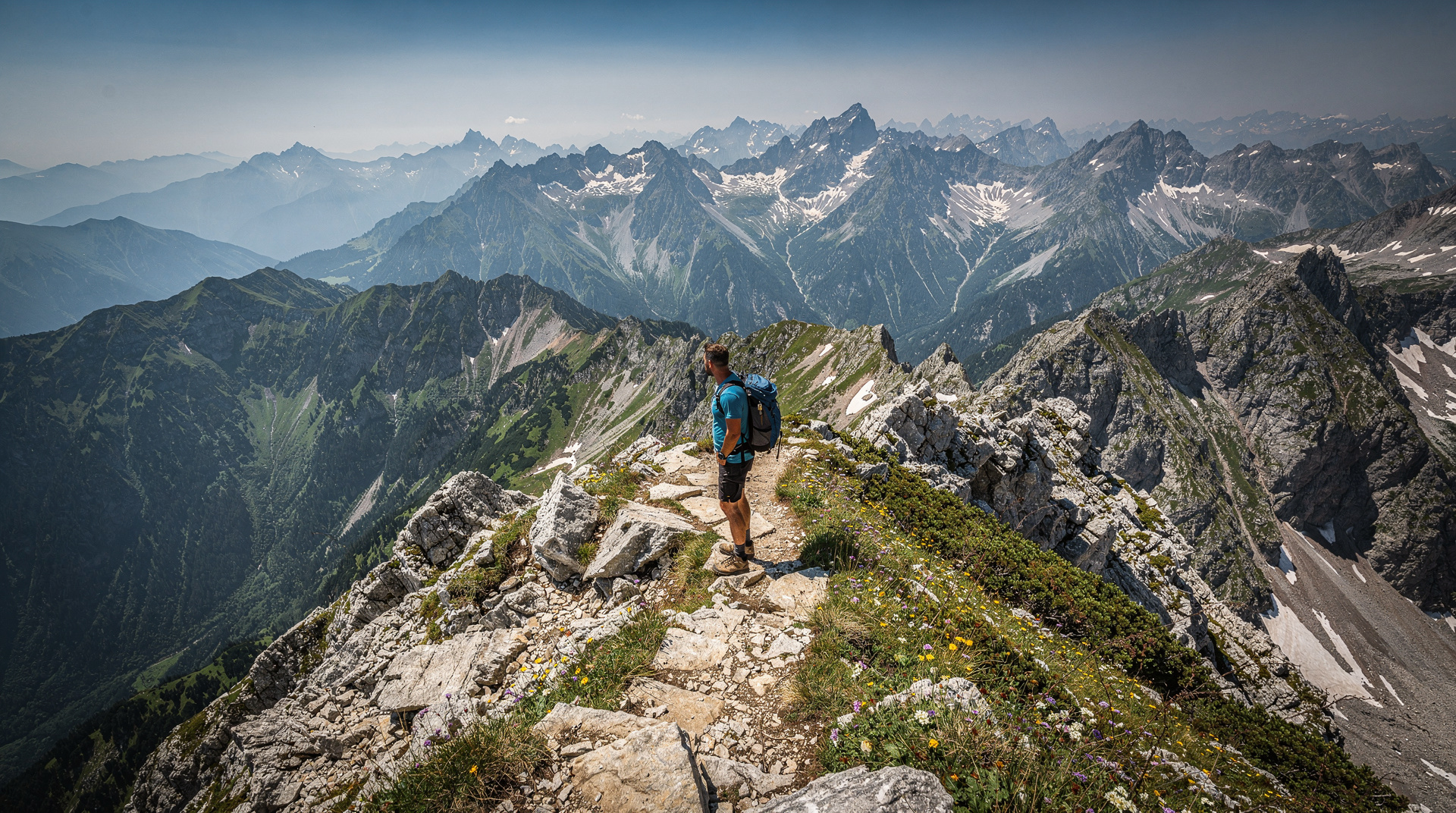
Hike to Mali Rogatec (2,022 m): for those wanting more elevation, a marked trail from the plateau leads to Mali Rogatec summit (2 hours return from Velika Planina). The view from the top extends to Triglav, Stol, and on clear days to the plains north of Ljubljana.
Mountain biking: the plateau is popular with mountain bikers who ride up on the gondola and then explore the highland tracks. Bike hire is available near the gondola station.
Photography on the plateau
Velika Planina rewards photographers who arrive early. Morning light between 07:00 and 09:00 catches the oval huts side-on, throwing their domed roofs into relief against the meadow and the Kamnik Alps behind — a much softer, more textured result than the flat overhead light of midday. Cloud inversion mornings (common in late spring and early autumn, when valley fog sits below the plateau) produce some of the most striking images in the region: the huts and cattle appear to float above a sea of white cloud, with only the higher peaks visible beyond.
The huts themselves are best photographed from a respectful distance with a moderate telephoto (70–100mm equivalent) rather than up close — this keeps the human presence and privacy of the working huts intact while still capturing their distinctive oval, domed form. Wide-angle shots work well for the overall plateau landscape from the ridge above Mali Rogatec, where the full scattering of huts across the meadow is visible in one frame.
Getting the timing right by month
For visitors weighing exactly which week to go, the practical differences are meaningful. Early June brings the newly arrived cattle and the annual blessing ceremony but can still have patchy snow in shaded hollows. Mid-July through mid-August is peak operation with every hut active, but also peak visitor numbers on weekends. Early September retains most of the dairy activity with noticeably fewer visitors than August, which many repeat visitors consider the sweet spot. Late September onward sees the settlement empty out, trading the shepherd culture for quiet, golden-grass scenery and clearer long-distance mountain views.
Guided options
Guided Velika Planina hiking tours combine the gondola with a guided walk on the plateau, explanation of the shepherd culture, and often include a dairy tasting. For those who want a more immersive experience, a traditional Velika Planina meal at one of the highland huts brings together food, setting, and context in a way that a self-guided visit doesn’t.
When to visit
June and July: the best time — shepherds are on the plateau with cattle, dairy is available, the meadows are in full bloom. Weather can be unsettled (afternoon storms are common), but this is when the plateau is most alive.
August: still excellent. A little drier, fewer cattle by late August as some families start descending. The village atmosphere begins to thin from mid-August onward.
September: the shepherds have mostly descended by late September. The plateau is quiet, the light is beautiful, and the grass has turned golden. No dairy available.
Winter (December–March): Velika Planina operates as a cross-country ski area. The gondola runs, the plateau is snow-covered, and a completely different character emerges. The huts are closed, but the mountain hut restaurant near the gondola station serves food.
Spring (April–May): the gondola runs, the snow may still lie on parts of the plateau, and the shepherds have not yet arrived. This is the quietest period and has a raw, pre-season beauty.
Combining Velika Planina with Kamnik or the Logar Valley
With Kamnik: the town of Kamnik is a worthwhile stop on the way — the two medieval towers (Mali Grad and Stari Grad) overlook the town, and the old centre is pleasant for an hour. Combine Kamnik town + Velika Planina for a full day from Ljubljana.
With the Logar Valley: Velika Planina and the Logar Valley are both in the Kamnik-Savinja Alps, and some guided day tours from Ljubljana combine both. The Logar Valley is 40 km east of Velika Planina by road and offers a completely different (and equally rewarding) landscape. See the Logar Valley guide.
Practical notes
- The gondola can have queues on peak summer weekends — arrive before 10am or after 3pm
- Weather on the plateau changes quickly; bring a waterproof jacket even in July
- The plateau has a mountain hut restaurant near the gondola station and basic refreshments near the shepherd village — but this is not a place with extensive food options
- Mobile phone coverage is limited on the plateau
- Dogs are allowed but should be kept under control around cattle
- The hut village is a living settlement, not a tourist display — respect the shepherds’ privacy
The history of the shepherd huts
The oval, domed huts of Velika Planina are a genuinely distinct form. The design is not found elsewhere in the Alps — its origins are a matter of some scholarly debate, with theories ranging from Celtic roots to practical evolution from simpler structures. What is known is that the huts have been built in this form for at least several hundred years, and that the current settlement maintains the same layout and building techniques as the 18th and 19th century versions.
The huts are privately owned by shepherd families and inherited across generations. Each family uses the same footprint and builds (and rebuilds after fires, which are periodic hazards) in the traditional form. The settlement was largely destroyed by German troops in 1945; it was rebuilt after the war using the traditional technique and occupies the same ground as before. The post-war reconstruction is partly why so much of the original building culture was preserved — the community came together to rebuild collectively, reinvigorating the traditions in the process.
The Church of Our Lady of the Snows (Marijina cerkev na Veliki Planini) was also destroyed in 1945 and rebuilt in 1954 on the same site. The annual blessing of the cattle — held when the animals first ascend to the plateau in early summer — is one of the few surviving shepherd ceremonial traditions in the Kamnik-Savinja Alps.
The dairy products: what to look for
The dairy sold directly by shepherds on Velika Planina is not the supermarket version of the same products. The skuta (fresh cottage cheese) is made from the milk of cows that have been grazing on alpine herbs and grasses — the flavour is distinctively different from lowland dairy, with a clean, slightly herbal character. The smetana (sour cream) is thick and rich. The hard cheeses, where available, are aged in the huts for weeks.
Prices are modest by tourist standards: expect to pay EUR 4–8 for a small pot of skuta, EUR 5–10 for a portion of hard cheese. Some shepherds also sell homemade butter. Not all families sell to tourists — the ones who do display a small sign or are identified by the presence of visitors already at the hut door.
The best time to buy dairy is June and early July, when the milking season is in full swing. By late August, many families have started preparing for the descent and the dairy quantities are reduced.
What the plateau looks like in different seasons
Early June: snow is often still present in north-facing hollows. The cattle arrive in the first week of June with the annual blessing ceremony. The grass is at its most vivid green. The huts are newly opened and the atmosphere has a freshness — the early-season quiet is genuine.
Mid-July to mid-August: full summer operation. All huts open, cattle visible across the plateau, dairy available. The most comfortable walking conditions. Also the period with the most visitors — weekends can bring significant numbers, particularly from Ljubljana.
September: the descent of the cattle typically happens in mid-to-late September, again with a ceremony. After the descent, the plateau is empty and the huts are shuttered. The autumn colours on the surrounding peaks are often spectacular.
Winter: the plateau transforms into a cross-country ski area. The gondola runs year-round, and groomed tracks extend across the snow-covered meadow. The shepherd huts are locked, but the mountain hut restaurant near the gondola station is open.
The Kamnik-Savinja Alps context
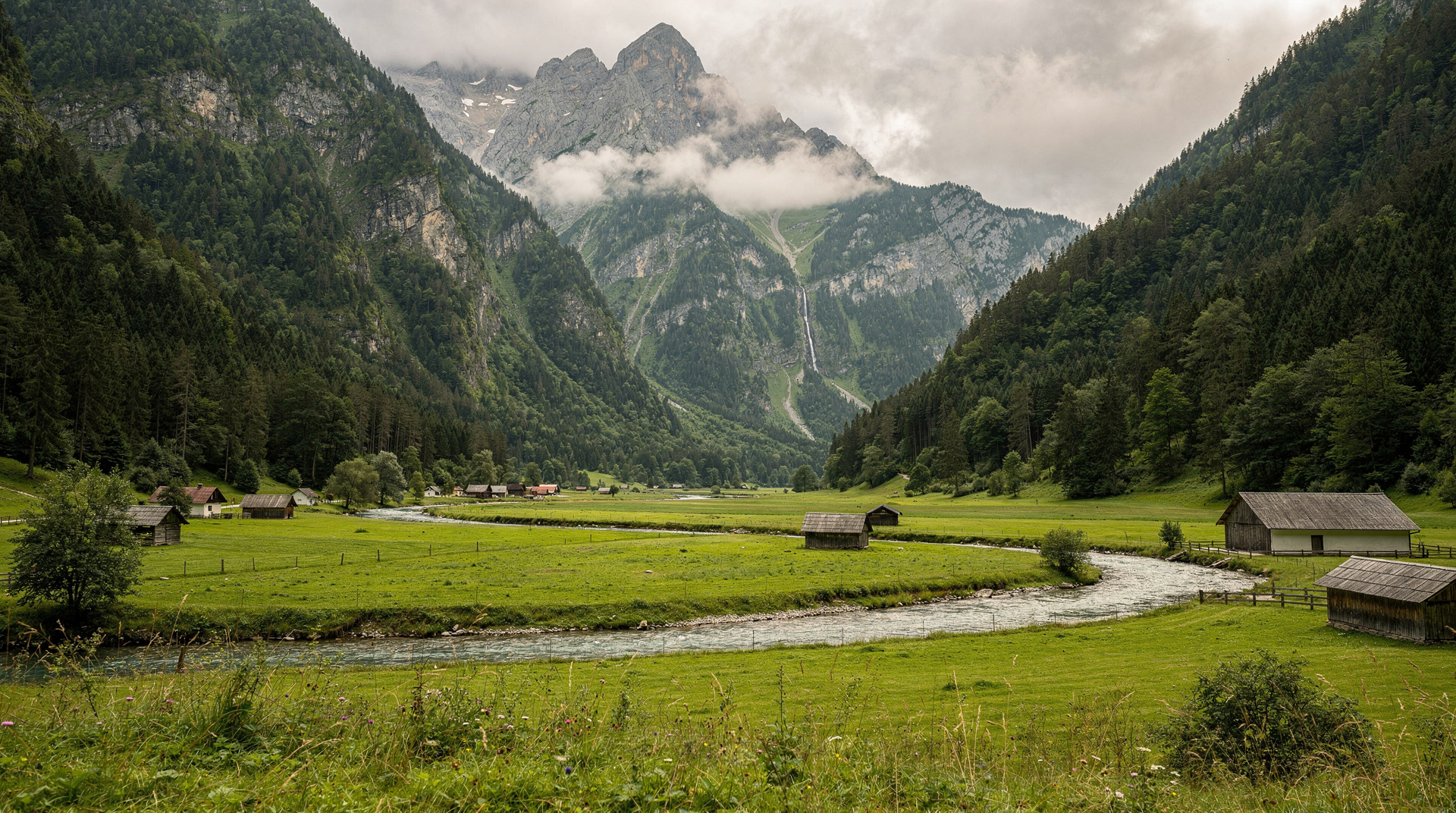
Velika Planina is in the Kamnik-Savinja Alps — a separate range from the more famous Julian Alps but arguably more varied in landscape. The range extends from the Slovenian-Austrian border in the north to the Savinja Valley in the south, and includes peaks up to 2,558 m (Grintovec). The Logar Valley at the eastern end of the range is another highlight — dramatic, accessible, and little-visited by international tourists. See the Logar Valley guide.
The town of Kamnik below the plateau is a pleasant stop on the way: two medieval towers, a historic old town, and the Museum of Kamnik covering local history. Allow an hour for the town.
Getting there from Ljubljana without a car
Without a car, the most practical route from Ljubljana is: Kamnik by train (40 min, EUR 3 from Ljubljana) or bus (1h), then a local bus from Kamnik toward Kamniška Bistrica (30 min), then a 15-minute walk or taxi to the gondola station. The frequency of the local bus is limited — check the timetable before departure. A taxi from Kamnik to the gondola station costs approximately EUR 15.
Alternatively, guided day trips from Ljubljana handle all transport to Velika Planina directly. The guided Velika Planina hiking tour includes transport from Ljubljana and a local guide on the plateau. For those wanting to combine food with the landscape, the Velika Planina traditional meal experience pairs the gondola visit with a set meal at one of the highland huts.
Velika Planina is one of those places that surprises visitors who expect another Alpine viewpoint. The shepherd culture is tangible, the landscape is unusual, and the distance from Ljubljana (under an hour) makes it very accessible. For a broader look at Slovenia’s highland areas, see the Julian Alps hiking guide and the overview in best hikes in Slovenia.
Velika Planina versus other Slovenian highland experiences
Visitors deciding between Velika Planina and Slovenia’s other highland destinations should weigh what each place actually offers. Triglav National Park delivers bigger mountains and more demanding hiking, but nothing resembling a living shepherd village. The Logar Valley gives a dramatic glacial trough with waterfalls but is a scenic drive-through rather than a place with resident culture. Velika Planina’s distinction is specifically the human element — you are not just looking at a landscape, you are meeting people whose working lives are organised around it, which is a rarer thing to find within an hour of a European capital city.
For day-trippers deciding between Velika Planina and Lake Bohinj’s alpine scenery on a tight schedule, the honest advice is: choose Bohinj if lake scenery and hiking trailheads are the priority, choose Velika Planina if cultural distinctiveness and a lighter, gondola-accessed half-day suit the itinerary better. Both are excellent; they answer different questions about what makes a highland day worthwhile.
Frequently asked questions about Velika Planina
Do you need to book Velika Planina in advance?
The gondola itself does not require booking — tickets are sold at the base station. Guided hiking and meal experiences can be booked ahead and are worth reserving for July and August weekends, when both the gondola queue and the shepherd huts see the most visitors.Is Velika Planina worth visiting if you have already seen Lake Bled?
Yes, and arguably more so — Velika Planina offers a genuinely different experience from Bled's postcard scenery: a living shepherd settlement rather than a lake view. Visitors who have already done the classic Bled circuit consistently rate Velika Planina as the more memorable half-day.
Top experiences
Bookable activities with verified prices and instant confirmation on GetYourGuide.