Logar Valley guide: Slovenia's overlooked alpine gem
Logar Valley day trip from Ljubljana
How do you get to the Logar Valley from Ljubljana?
By car, approximately 1h30 via Kamnik and Mozirje. No direct bus connection — a car is strongly recommended. Guided day trips from Ljubljana are the best option if you're not driving.
Why the Logar Valley deserves more visitors than it gets
| Where | Kamnik-Savinja Alps, 95 km / around 1h30 northeast of Ljubljana |
| Cost | Entry around EUR 5–7/car in peak season; lunch EUR 12–25 |
| Time needed | Half a day minimum, full day recommended |
| Getting there | Car essential, or a guided day trip from Ljubljana |
| Best time | May–June (waterfall flow) or September (quiet, golden light) |
The honest case for going out of your way
Most visitors to Slovenia follow the triangle: Ljubljana → Bled → Postojna. Some extend to Bohinj or the Soča Valley. Almost none make it to the Logar Valley, which requires a deliberate detour northeast from the main tourist circuit.
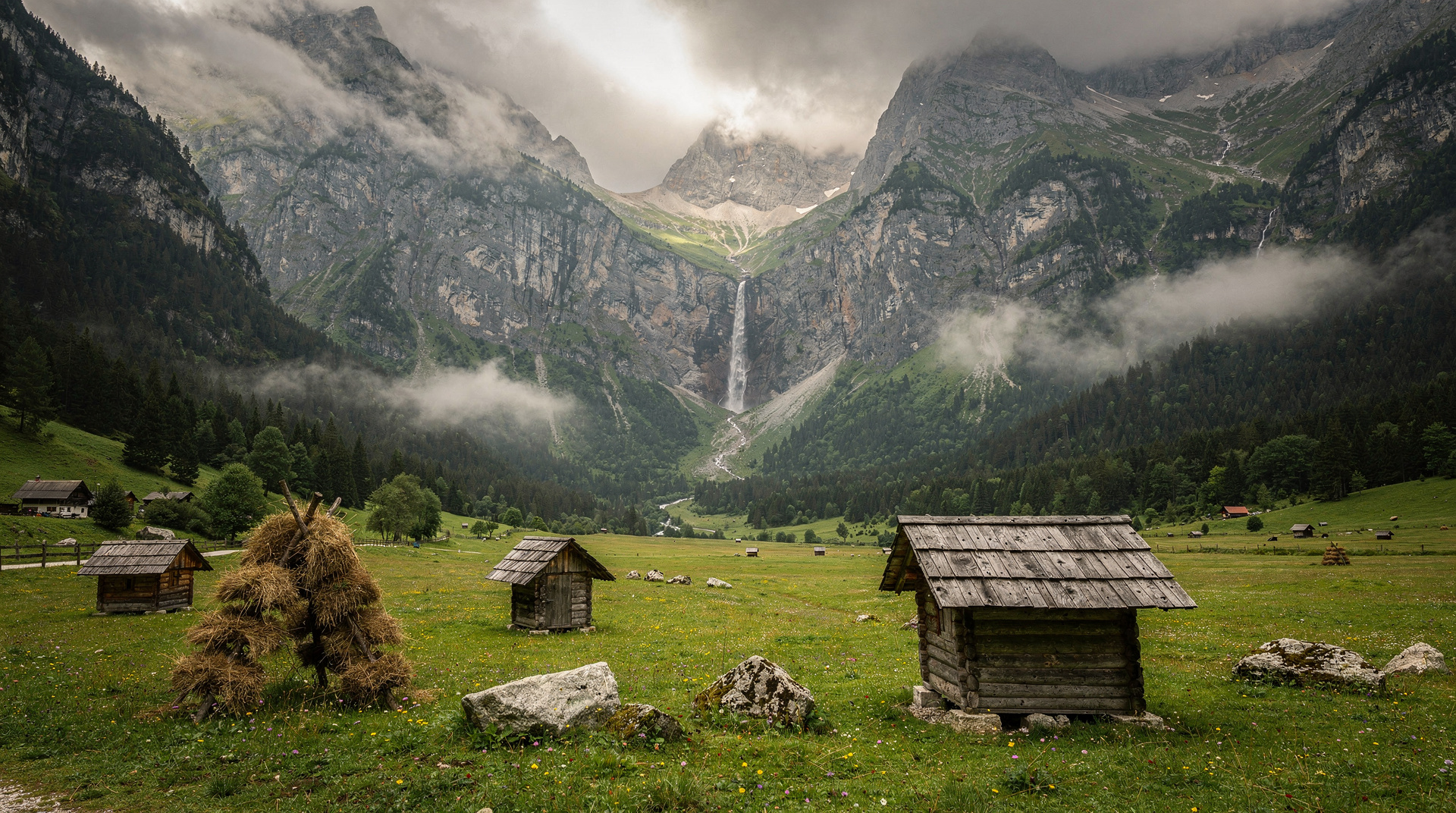
The case for that detour: the Logar Valley is, in the considered opinion of a number of Slovenian mountaineers and outdoor writers, the most beautiful valley in the entire country. Not the most famous, not the most photographed, not the most convenient — the most beautiful. The combination of the glacial U-shape, the enclosing limestone peaks, the working farm landscape on the valley floor, the 90-metre Rinka waterfall at the head, and the near-total absence of international tourist infrastructure makes it a fundamentally different experience from Bled or Bohinj.
The practical barrier is transport. Without a car, getting here independently is not practical. But guided tours from Ljubljana make it accessible and handle all the logistics — see the options below.
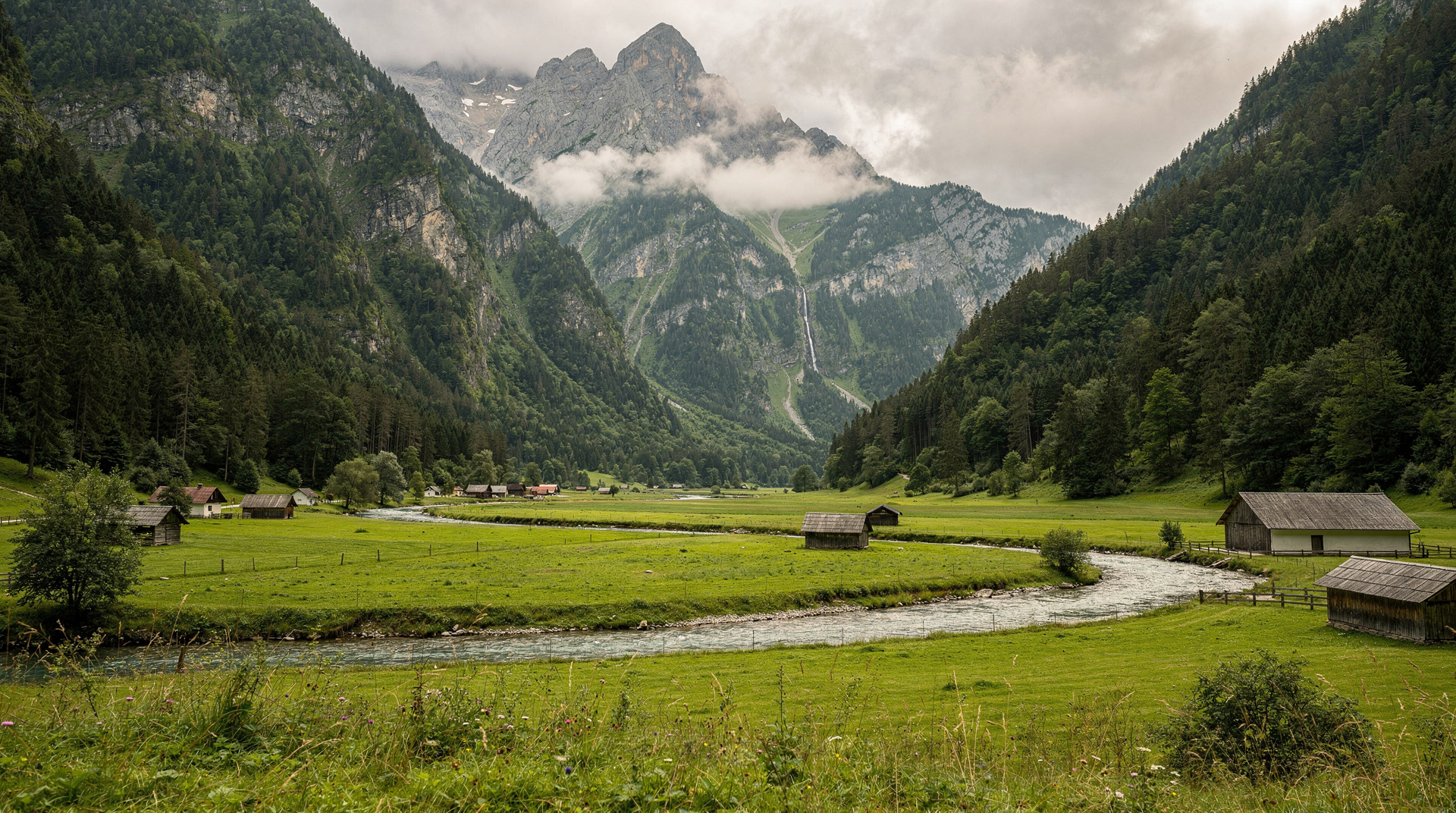
The Logar Valley (Logarska Dolina) is a U-shaped glacial valley at the eastern end of the Kamnik-Savinja Alps, 95 km northeast of Ljubljana. It is enclosed on three sides by limestone peaks rising to 2,500 metres, fed by the Savinja River in its upper course, and contains some of the most dramatic waterfall scenery in Slovenia. It receives a fraction of the visitors that Bled does. This is partly because it’s harder to reach without a car, and partly because it simply doesn’t appear on the standard tourist circuit.
The valley entrance is a protected landscape park (Krajinski Park Logarska Dolina), with a small entry fee charged during peak season. Within, the valley road winds 7 km to its head, where the valley closes into a cliff-walled cirque above the Rinka Waterfall.
What you’ll actually see
Rinka Waterfall (Slap Rinka): the centrepiece of the valley. The Rinka River plunges 90 metres in a single drop from the cliff at the valley head. The walk from the car park at the road end to the base of the falls takes 20 minutes. In spring (April–June), the volume of water is at its maximum and the falls can be heard from 500 metres away. By August, the flow is lower but still impressive.
A climbing trail (marked, steep, with some chain assistance) leads to the top of the falls and a viewpoint across the valley from above. Allow 40 minutes up from the bottom. This upper route continues to the border ridge with Austria.
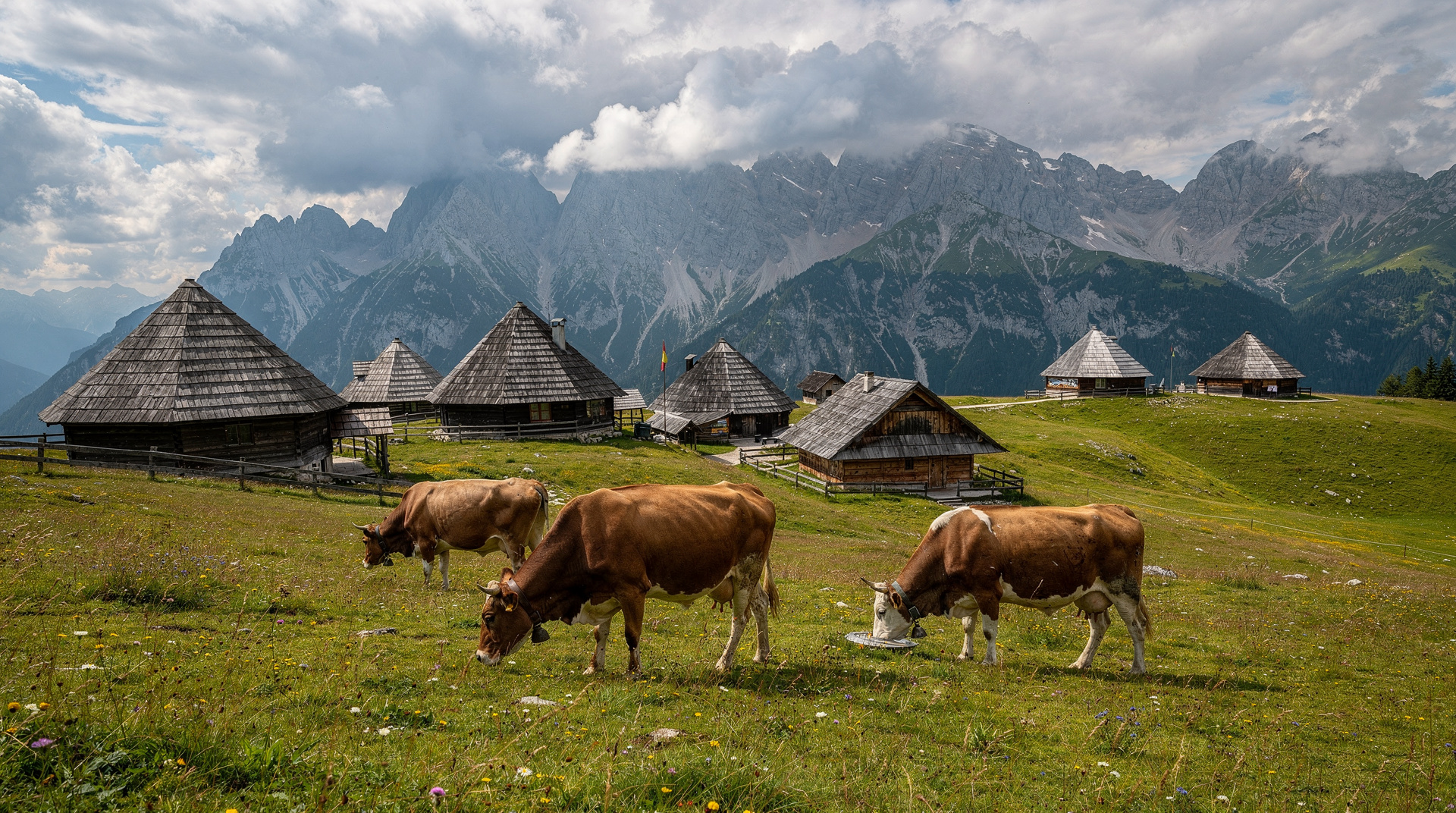
The valley floor walk: a well-maintained path runs the length of the valley floor from the entrance to the Rinka. The walk is mostly flat, shaded by mixed forest, and takes about 1.5 hours one way. Along the way are several traditional farm guesthouses (turistična kmetija) serving local food — particularly recommended are the homemade soups, roasted meats, and the valley’s dairy products.
The Solčava Panoramic Road: above the valley, a narrow mountain road (accessible in summer by most cars, not recommended for large campervans) climbs to a ridge at about 1,200 m with views down into the Logar Valley and across to Austria and the Steiner Alps. The road links the villages of Solčava and Logarska Dolina and is one of the most scenic drives in the Kamnik-Savinja Alps.
The Kamnik-Savinja Alps context
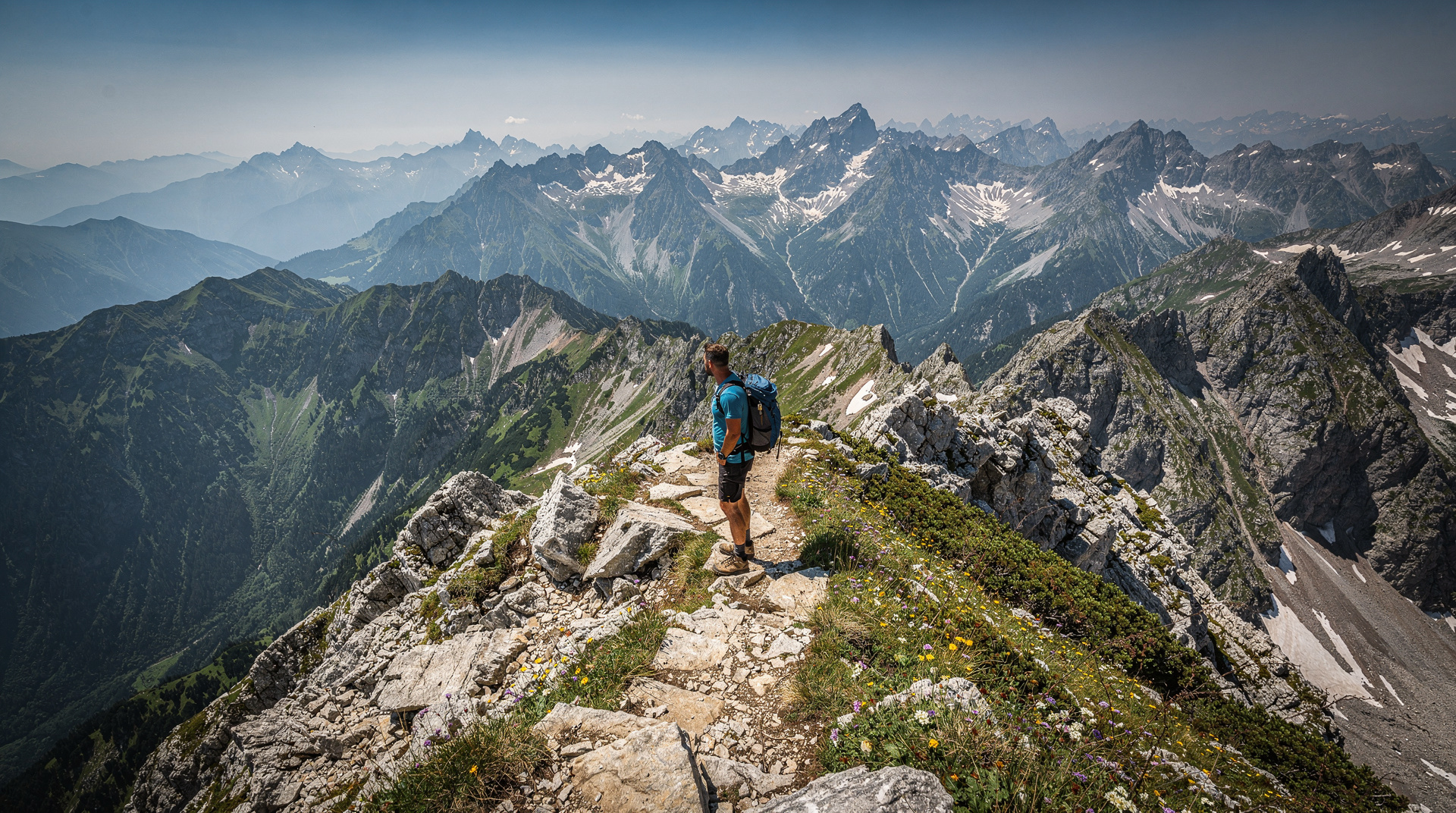
The Logar Valley is in the Kamnik-Savinja Alps, a separate range from the Julian Alps — geologically related but distinct in character. The Kamnik-Savinja peaks are slightly lower (Grintovec, 2,558 m, is the highest) but the valley landscapes are often more enclosed and dramatic. The range is less well known outside Slovenia but is a serious hiking destination with its own set of marked trails and mountain huts.
Key peaks accessible from the valley include the Ojstrica (2,350 m), Planjava (2,394 m), and Ojštrca — all accessible from marked trails starting at the valley floor, and all involving serious elevation gain and some via-ferrata sections on the upper approaches.
Day hikes from the valley
Rinka and the upper viewpoint (3h return): the standard day hike — valley floor to the Rinka base (20 min), up the chain-assisted path to the top of the falls (40 min), continue to the upper viewpoint (20 min), return. Total 3 hours. Excellent for fit families; the chain section is steep but manageable for children over 8 with adult supervision.
Full valley circuit (4h–5h): walk the full length of the valley floor to the Rinka, continue to the upper viewpoint, then descend and walk back along the opposite (southern) bank of the Savinja via farm tracks and forest paths. This circuit visits several working farms and takes in the full range of valley scenery.
Ojstrica via Klemenčevo Sedlo (6h–8h return): a full mountain day from the valley floor to one of the Kamnik-Savinja’s highest summits. The route gains 1,600 m and involves a via-ferrata section on the upper ridge. Strenuous and for experienced hikers only. The summit view encompasses the full Logar Valley and the Austrian border.
Where to eat and stay
Eating in the valley: the tourist farms (turistična kmetija) along the valley road are a genuine reason to visit. These family farms serve simple, local food — jota (bean soup with sauerkraut), pork knuckle, homemade bread and cheese — in farm settings. They are not restaurants in the usual sense; seats are limited and advance booking is advised in July and August. The two best-known are Pri Andreju and Klemenčeva Domačija, both on the valley floor. Budget EUR 15–25 for a main course.
Staying in the valley: several farms in the valley offer accommodation (rooms in traditional farmhouses). This is the most atmospheric way to experience the Logar Valley — waking to the sound of the Savinja and the cowbells. Prices are typically EUR 40–70 per person per night including breakfast.
Solčava village: at the valley entrance, the small village of Solčava has a guesthouse and cafe. This is also the junction for the Panoramic Road.
How to get there
By car from Ljubljana: take the A1 motorway toward Celje, exit at Šentrupert toward Mozirje, then follow the Savinja Valley road north through Mozirje and Ljubno to Solčava. Total distance 95 km, approximately 1h30.
Without a car: this is the valley’s biggest limitation. There is no regular bus connection to the Logar Valley. The nearest town with bus connections is Mozirje, 35 km south — from there you would need a taxi. The practical car-free option is a guided day tour from Ljubljana, which handles all the transport.
The Logar Valley day trip from Ljubljana is exactly this — guided transport and guide through the valley. For those wanting to combine the Logar Valley with the Solčava Panoramic Road in a single day, the Logar Valley and Solčava Panoramic Road tour covers both efficiently.
Combining with Velika Planina
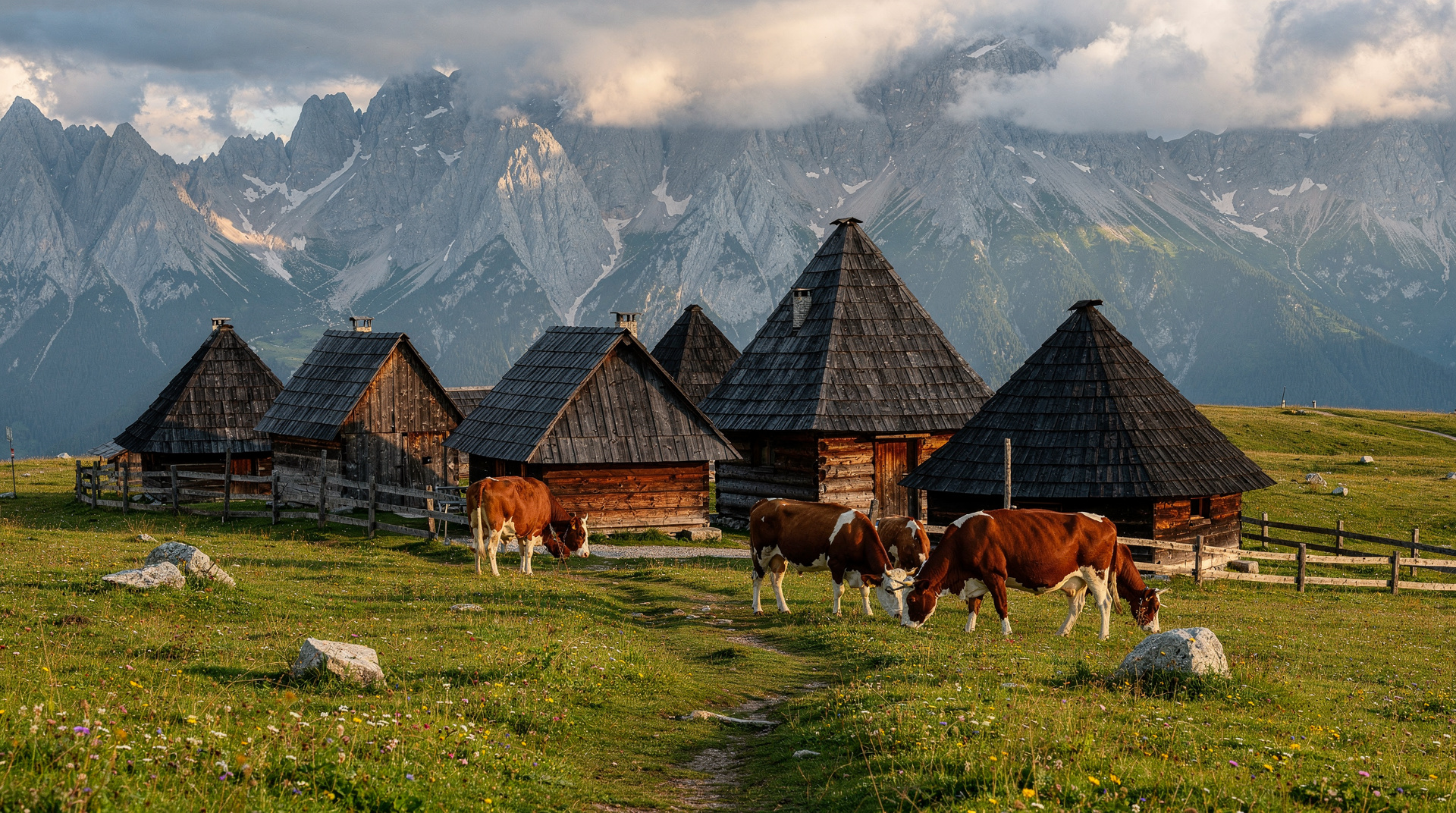
The most satisfying way to see this corner of Slovenia is to combine the Logar Valley with Velika Planina: take the gondola to the shepherd plateau in the morning, then drive east to the Logar Valley in the afternoon. The total driving time between the two is about 40 minutes. This combination gives you the two most distinctive highland landscapes in the Kamnik-Savinja Alps in a single long day. See the Velika Planina guide.
When to visit
May and June: the waterfall flow is at its strongest, the wildflowers are at peak, and the valley is at its greenest. The tourist farms may not all be open in early May — check ahead.
July and August: the busiest period, but the valley never approaches the crowds of Bled or Bohinj. The flow at the Rinka decreases in dry summers. Very popular with Slovenian families on weekends.
September: excellent — golden light, quiet, and the tourist farms are still open.
Winter: the valley is accessible in winter by car (with snow tyres or chains), and the waterfall can be impressive when partially frozen. The tourist farms are mostly closed November–April.
What the Logar Valley is not
It is not an easy car-free destination, and it is not a place where you arrive and find infrastructure waiting for you. It is a quiet, working agricultural valley with exceptional natural scenery and good local food — but you need a car or a guided tour to access it properly. The valley rewards those who seek it out; it simply doesn’t advertise itself.
The Solčava Panoramic Road in detail
The Solčava Panoramic Road (Solčavska panoramska cesta) is a 12 km mountain road that connects Solčava village with the Logar Valley, climbing to a ridge at around 1,200 m with views in both directions. It is narrow, paved, and manageable by most cars in dry conditions. Campervans and large vehicles should check current restrictions before attempting.
The road passes through mixed forest and opens to meadow viewpoints at three or four points along the ridge. The most popular is the viewpoint above the Logar Valley — looking directly down 500 m into the U-shaped glacial trough with the Savinja River glinting at the bottom and the Kamnik-Savinja peaks on both sides. On clear days, the view extends north to the Austrian Carinthian Alps.
Along the road, several farms and guesthouses serve food and offer accommodation — the tourist farm Pri Andreju is a consistent recommendation for its traditional food and the valley views from the terrace. Book ahead in July and August.
Guided tours combining the Logar Valley and the Solčava Panoramic Road handle the driving and logistics, which is the most practical approach for visitors without local knowledge of the road conditions.
The First World War heritage
The Kamnik-Savinja Alps were on the fringes of the Isonzo (Soča) Front during the First World War. While the main fighting was further west in the Soča Valley, the mountain passes and ridges above the Logar Valley were fortified and used as supply routes. Remnants of military paths, fortifications, and the occasional unexploded ordnance (found occasionally during trail maintenance — do not touch anything metallic and unusual in the soil) remain in the upper reaches of the valley.
The Logar Valley itself has several interpretive panels covering the wartime history. The local museum in Mozirje (35 km south) has a more extensive collection.
Wildlife and nature in the valley
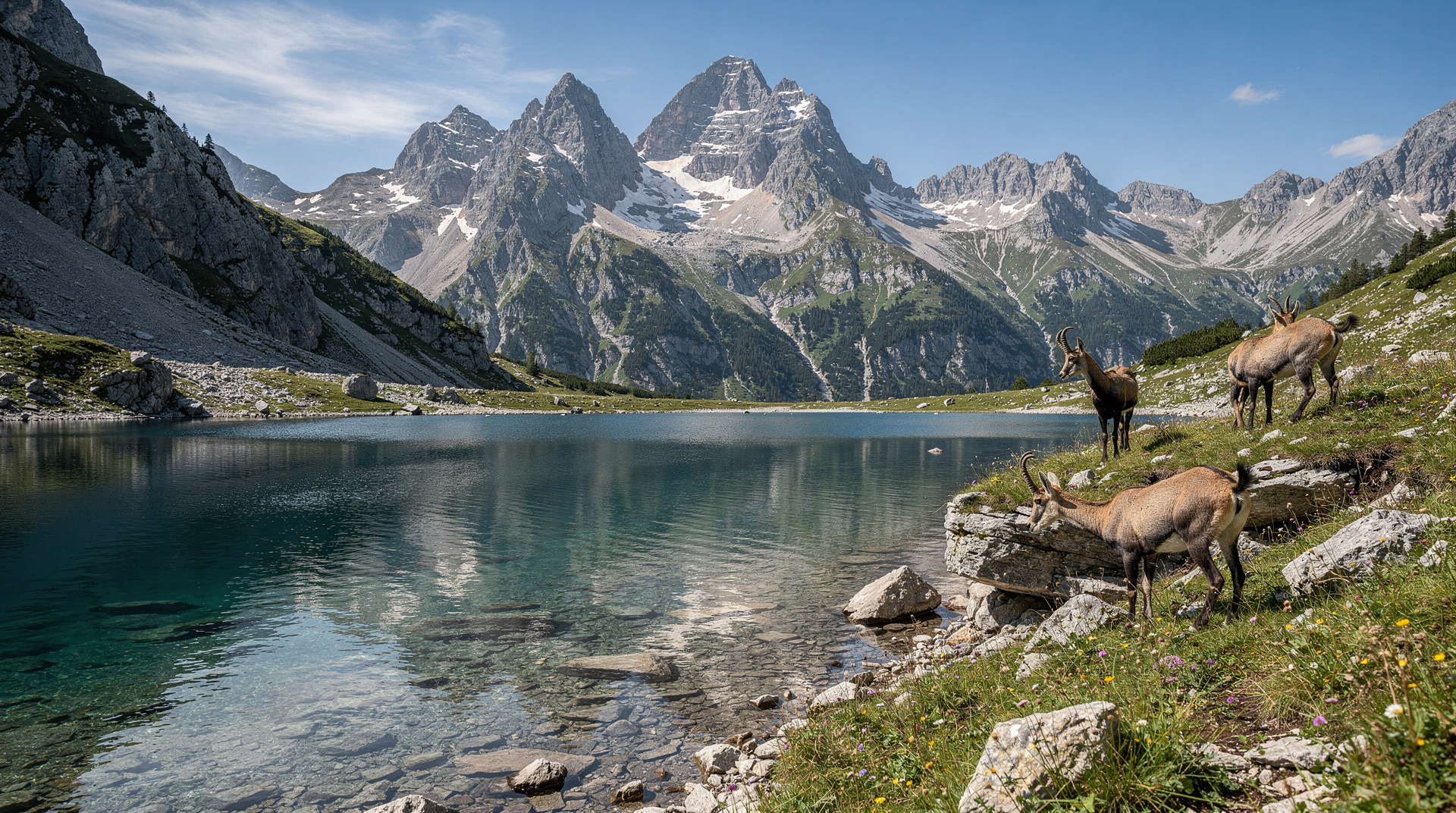
The Logar Valley is a landscape park (not a national park), which means private land and working farms coexist with the natural protection. The valley is one of the best places in Slovenia for brown bear observation — the population density is higher here than in the Julian Alps, and several local guides offer bear-watching excursions from a hide at dawn or dusk in spring and autumn. Contact the Logar Valley information centre (Dom Savinje, at the Rinka car park) for current guide contacts.
The Savinja River in the valley is a trout fishing stream — grayling and brown trout are abundant, and fishing is strictly regulated with day permits. Permits are available from the Logar Valley information centre.
Bird species in the valley include the Ural owl, black woodpecker, grey wagtail, and (at higher altitude) the golden eagle and alpine chough.
A note on the tourist farms
The turistična kmetija (tourist farm) is a specifically Slovenian institution: a working farm that is also licensed to serve food and accommodation to guests. The Logar Valley has some of the finest examples in the country. These are not restaurants — they are farms that also feed you. The food comes from the land the farm stands on.
The experience is different from a restaurant meal: you eat what is available (usually one or two main courses, often slow-cooked), at shared tables if the place is full, with the farmyard outside the window. Service is informal. The best ones fill up on summer weekends — book at least a week ahead.
Budget: EUR 12–22 for a main course. The hearty jota (bean and sauerkraut soup), bograč (meat stew), and oven-roasted pork are particular specialties. Local drinks include homemade schnapps and the regional Savinja Valley lagers from nearby microbreweries.
Logar Valley vs. the Julian Alps: what’s different
International visitors often choose between the Julian Alps (Bled, Bohinj, Triglav) and the Kamnik-Savinja Alps (Velika Planina, Logar Valley). The differences:
The Julian Alps are more dramatic in the vertical sense — Triglav and the surrounding 2,500–2,864 m peaks create an alpine grandeur that the Kamnik-Savinja range doesn’t quite match. The infrastructure in the Julian Alps is better developed: more mountain huts, more guided tours, better bus connections.
The Kamnik-Savinja Alps, and the Logar Valley specifically, offer a more authentic, less touristed experience. The tourist infrastructure exists but is lighter-touch; the farms are working farms, not tourist operations. The wildlife is more accessible (particularly bears). The sense of discovering something undiscovered by the international circuit is real.
The ideal trip combines both: Julian Alps for 4–5 days, then a day or two in the Kamnik-Savinja as a counterpoint.
Practical logistics: getting the most from a limited visit
For visitors with one day in the Logar Valley:
Priority 1: drive or be driven to the Rinka car park at the valley head. Walk to the base of the falls (20 minutes). Spend time at the base — the waterfall is the visual centrepiece. Continue to the top viewpoint if you have the energy (40 minutes up).
Priority 2: lunch at one of the tourist farm restaurants on the valley floor. Book ahead if visiting on a summer weekend.
Priority 3: a section of the Solčava Panoramic Road on the way out, either north toward Solčava or the upper viewpoint.
What to skip on a single-day visit: the summit hikes (Ojstrica, Planjava) require more time than a day visit provides. The Mozirje Gorge (south of Solčava) is a minor attraction by comparison. Focus the day on the valley floor and the Rinka.
Budget for the day: parking at the valley entrance (EUR 5 in peak season), lunch at a tourist farm (EUR 15–25 per main course), and a coffee at the Dom Savinje information centre. Total day cost including transport from Ljubljana: EUR 60–100 per person on a guided tour.
For a broader look at Slovenia’s hiking areas, see the Julian Alps hiking guide and best hikes in Slovenia. For the Kamnik-Savinja Alps’ other highland highlight, see the Velika Planina guide.
Guided tour vs self-drive: what actually makes sense
| Self-drive | Guided day trip from Ljubljana | |
|---|---|---|
| Cost | Fuel + parking, around EUR 20–30 total | Around EUR 60–100 per person |
| Flexibility | Full control of pace and stops | Fixed schedule, but zero navigation stress |
| Solčava road | Requires confidence on narrow mountain roads | Handled by an experienced local driver |
| Best for | Confident drivers, longer stays in the region | First-time visitors, no rental car, time-limited trips |
Neither option is objectively better — a rental car makes sense if you’re also visiting Velika Planina or the Triglav National Park on the same trip, while the guided option removes the single biggest source of stress for visitors unfamiliar with Slovenian mountain roads.
Waterfalls and wider context
The Rinka is the valley’s headline waterfall, but it’s part of a wider pattern across Slovenia’s alpine regions — the waterfalls of Slovenia guide covers the others worth comparing it against, including Savica and Vintgar, both easier to reach but each with a different character. For visitors weighing up which waterfall deserves the time, the honest answer is that Rinka rewards the extra travel precisely because it comes with the emptiest surroundings of the three.
Bear-watching in practical terms
The brown bear population in the Kamnik-Savinja Alps is genuinely significant, and the Logar Valley is one of the more accessible places in Slovenia to arrange an observation hide visit — see the brown bears in Slovenia guide for how these excursions work, what to expect, and the ethical guidelines reputable operators follow. Visits run at dawn or dusk in spring and autumn, are silent and hide-based, and sightings are never guaranteed — treat it as a bonus to the valley trip rather than the main reason to come.
Frequently asked questions about Logar Valley guide
Is the Logar Valley worth visiting if I've already seen Lake Bled?
Yes — the Logar Valley is a fundamentally different landscape from Bled: a working agricultural valley with almost no tourist infrastructure, versus Bled's polished lakeside resort feel. If you have more than three days in Slovenia and enjoy quieter, less-photographed scenery, the Logar Valley is a strong addition rather than a repeat of what Bled already offers.Can I visit the Logar Valley as a day trip without a car?
Yes, but only via a guided day trip from Ljubljana — there is no regular public bus service to the valley. The nearest bus connection is Mozirje, 35 km south, which would still require a taxi for the final stretch. A guided tour is the practical car-free option and also handles the Solčava Panoramic Road, which is not something most visitors want to navigate themselves on a first visit.
Top experiences
Bookable activities with verified prices and instant confirmation on GetYourGuide.