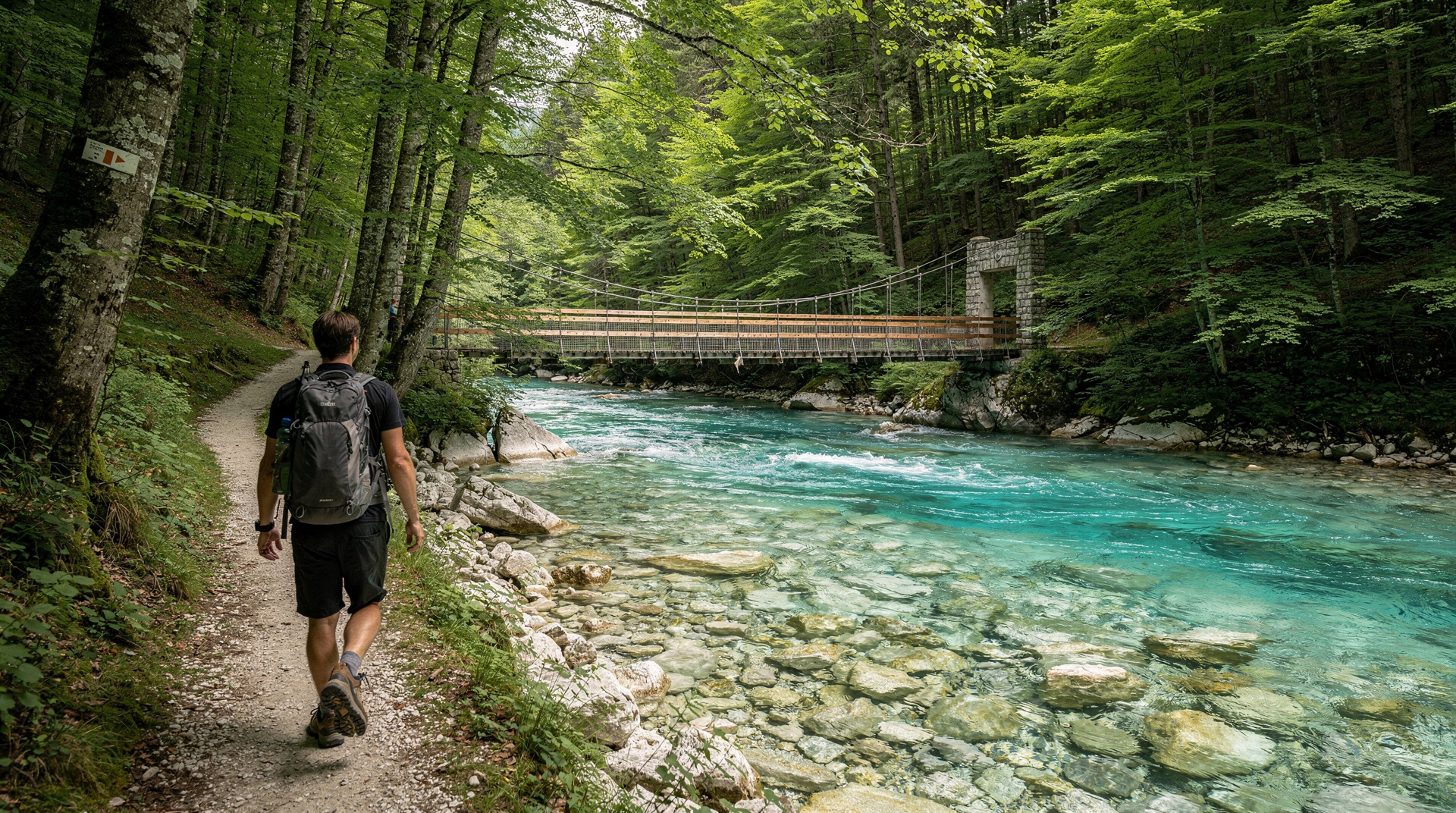
Triglav National Park: the complete guide to Slovenia's alpine heart
From Bled: Julian Alps hiking day trip
What is the best time to visit Triglav National Park?
Late June to September for hiking, with July and August being the busiest. May and early June are beautiful but some high routes remain snowbound. Vršič Pass opens around late May.
Slovenia’s only national park — and why it defines an entire country
Triglav National Park covers 840 square kilometres in the northwest corner of Slovenia, wrapping around Mount Triglav (2,864 m) and stretching from the limestone karst plateaus of Pokljuka in the east to the turquoise gorges of the Soča Valley in the west. It is, quite simply, the finest alpine wilderness in the Eastern Alps — and it is almost entirely unknown outside Central Europe.
| Size | 840 km², Slovenia’s only national park |
| Best base | Lake Bled (northern/central), Bohinj (south), Bovec (west) |
| Entry fee | None |
| Best season | Late June–September for hiking |
| Triglav summit | Grade 1 via ferrata, usually a 2-day trip |
| Getting around | Car easiest; buses and guided tours cover the main bases |
The park takes its name from Slovenia’s highest peak, which appears on the national coat of arms. Climbing Triglav at least once in a lifetime is considered a Slovenian rite of passage, though the park has far more to offer than a single summit. This guide covers the full scope of the park — where to enter, what to hike, where to stay, and what to expect by season.
What makes Triglav National Park different
Unlike many national parks in Western Europe, Triglav remains genuinely wild. There are no entrance barriers, no shuttle bus queues at the main trailhead, and no parking lots with souvenir shops at 2,000 metres. The park has around 50 mountain huts (called “koče” or “planinske koče”), most of which serve hot food and overnight accommodation — some with extraordinary settings above 2,000 metres.
The landscape changes dramatically across the park’s width. In the east, the Pokljuka Plateau is a high spruce forest that gives way to limestone meadows — the start of the Bohinj-area trails. In the centre, the Bohinj Valley and the Triglav Lakes Valley form the heart of the park, with the highest terrain above them. In the west, the Trenta Valley and the Soča River carve through a different kind of landscape — lower in altitude but wilder in character, with the famous emerald-green water running over white limestone.
The five zones you need to know
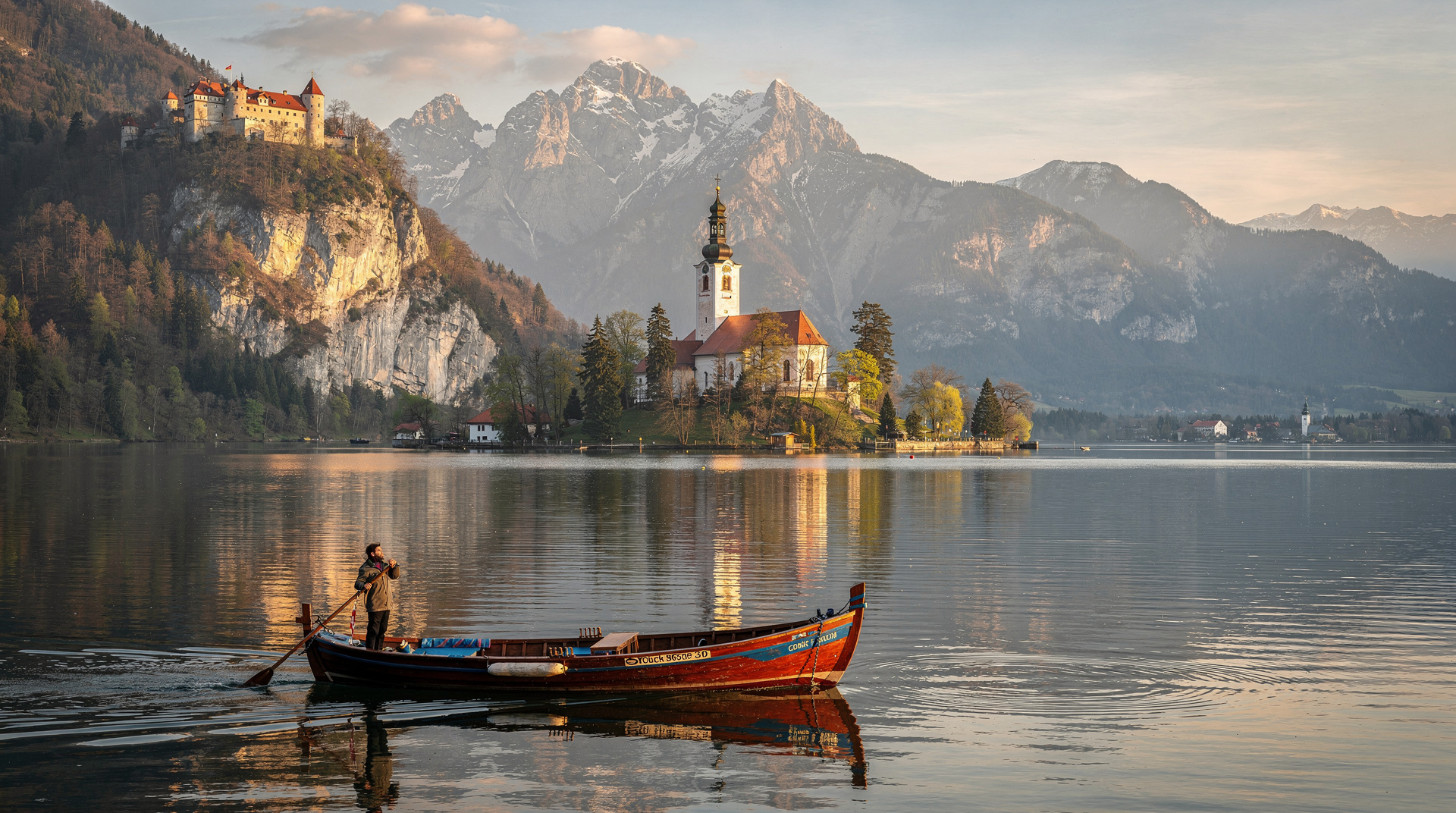
The Bled area (northern gateway): Lake Bled itself is just outside the park boundary, but it serves as the primary gateway. The Vintgar Gorge is 4 km from Bled and makes an excellent warm-up hike. From Bled you can reach the park’s northern entrances — via Pokljuka, via the Radovna Valley, or via the road to Kranjska Gora — within 30–40 minutes by car.
Kranjska Gora (northwest): the highest village in the park’s northwest, at the foot of the Planica Valley. From here you access the Tamar Valley, the Martuljek Falls, and the road over Vršič Pass to the Trenta Valley. A favourite base for winter sports in ski season and for lower-altitude hiking in summer.
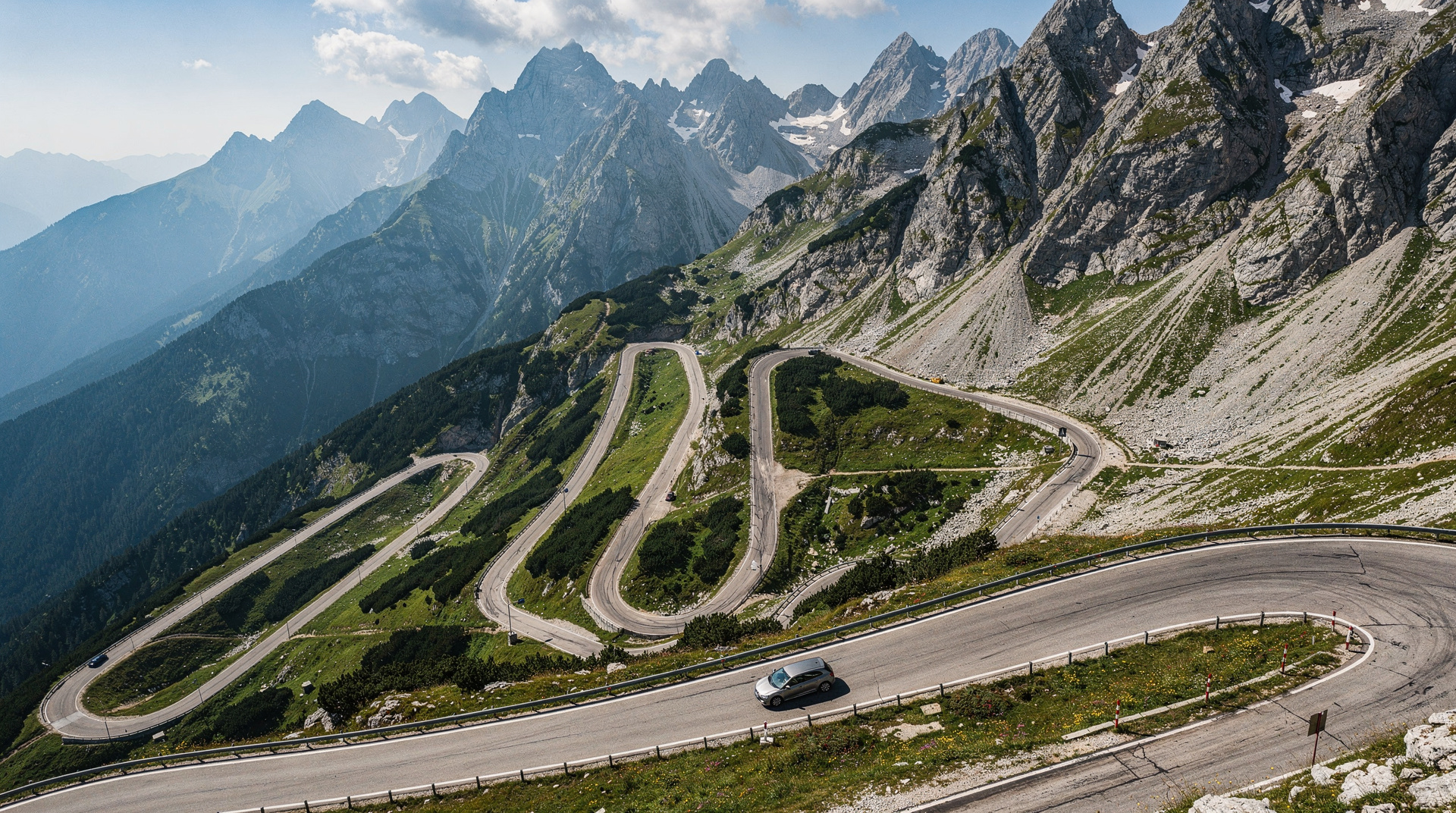
Vršič Pass and Trenta Valley (west): the 50-hairpin mountain pass at 1,611 m is one of the most dramatic drives in the Alps. On the other side, the Trenta Valley descends to the headwaters of the Soča — quiet, largely uncrowded, and home to some of the park’s best moderate hikes. The Soča Trail starts here. In summer, a shuttle bus runs over Vršič from both sides.
Bohinj (south): Lake Bohinj is the park’s largest lake and a genuine alternative to Bled — bigger, quieter, less commercialised, and at 526 metres with a very different feel. The cable car from Vogel rises to 1,535 m and opens up a wide panorama. The Seven Lakes Valley hike begins from the Bohinj plateau and is one of the park’s classic multi-day routes.
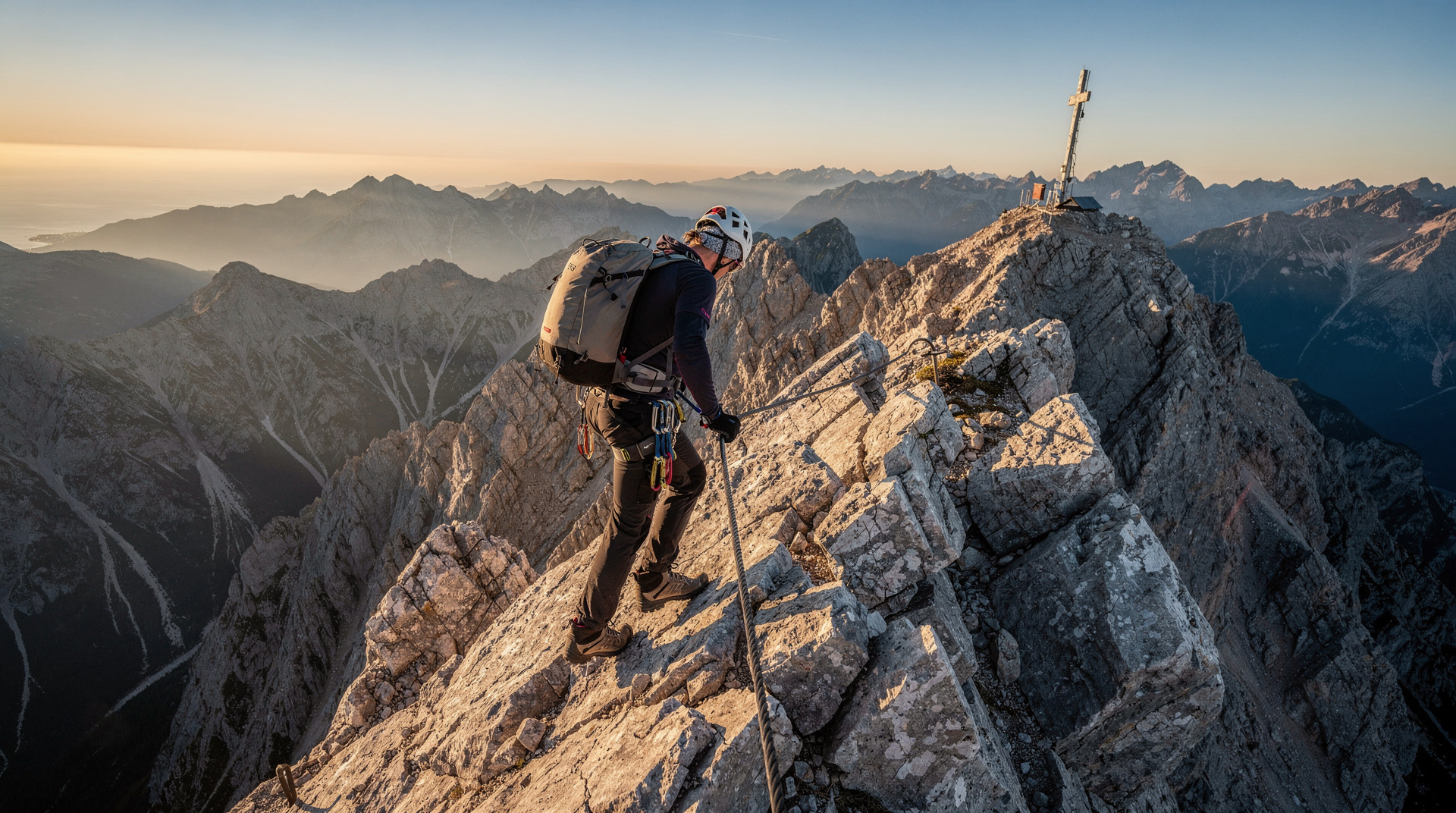
The Triglav summit zone (centre): the central high massif, accessible from multiple valleys. The Triglav summit routes all involve some via-ferrata sections and require preparation. The standard routes take between 6 and 9 hours each way from the nearest valley — most visitors who climb Triglav do so as a two-day trip with an overnight at a mountain hut.
When to visit
Late June to early September is the main hiking season. Snow has typically cleared from the marked routes by late June (though the very highest paths may hold snow patches into July), the mountain huts are open, and the weather is most reliable. July and August bring significant crowds to the lower trails near Bohinj and the cable car at Vogel — but the higher terrain is never overwhelmingly busy.
May and early June are beautiful in the valleys — wildflowers, quiet trails, and excellent light for photography. However, many high-altitude routes are still snowbound in early May, the Vršič Pass road typically opens in late May, and some mountain huts only open in mid-June. Check conditions before planning a high-altitude route in May.
September and October are arguably the best months for experienced hikers. The crowds thin, the light turns golden, and the huts remain open through most of September. October brings autumn colours to the beech forests but shorter daylight hours and increasing chance of early snowfall above 2,000 m.
November to May: most mountain huts are closed, the Vršič Pass is closed to vehicles from around November to late May, and high routes carry serious avalanche risk in winter. The lower valleys and forested trails remain accessible and can be beautiful in snow, but this is not the season for alpine hiking.
The best day hikes in the park
Soča Trail (Pot ob Soči): a 25 km route along the river from Trenta to Bovec, mostly flat, through some of the most dramatic river scenery in Slovenia. The trail passes cataracts, pools of extraordinary colour, and the source of the Soča near the village of Trenta. You can hike the full trail or take sections. One of the park’s most accessible and rewarding routes. Full guide: Soča Trail hike.
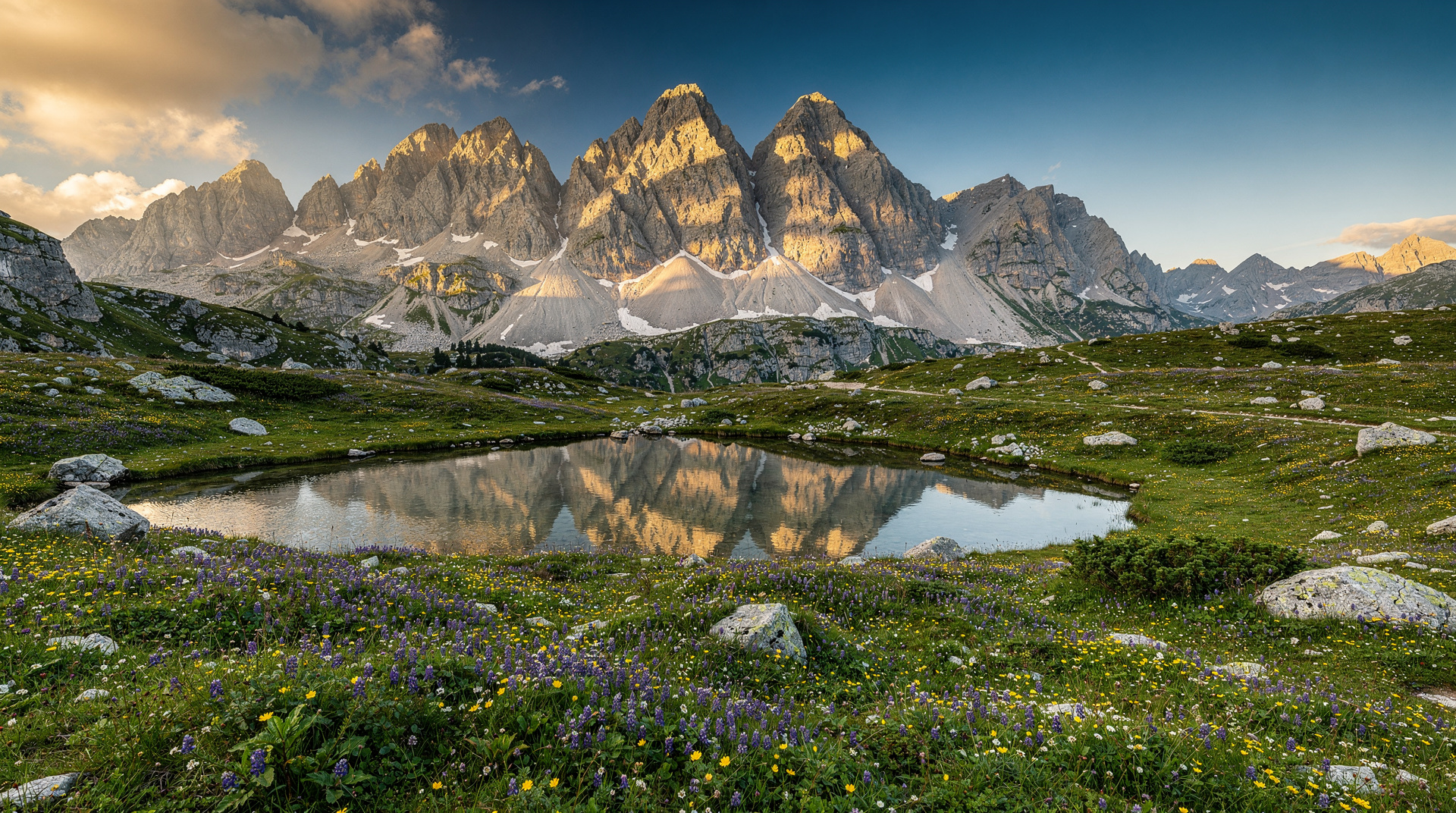
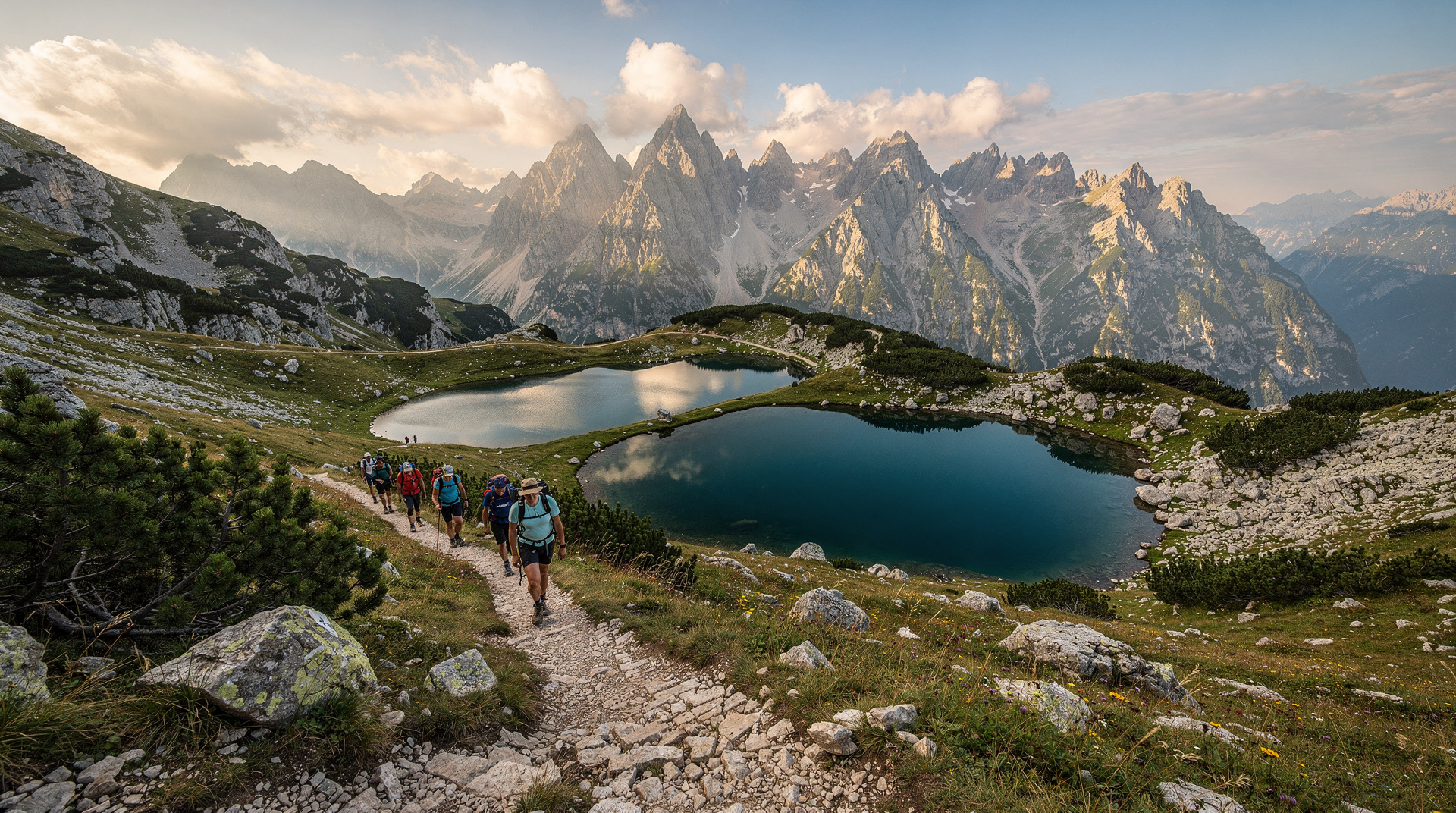
Seven Lakes Valley (Dolina Triglavskih jezer): a full-day or multi-day route starting from above Bohinj. The valley contains seven (or more, depending on season) alpine lakes at elevations between 1,300 and 1,990 metres, set among limestone karst. This is the park’s most famous non-summit route. Full guide: Seven Lakes Valley hike.
Pokljuka Plateau circuit: a gentle highland circuit through spruce forests and meadows at around 1,300 metres, suitable for families and beginners. No significant elevation gain. See the Pokljuka Plateau guide.
Martuljek Gorge and Falls: from Gozd Martuljek near Kranjska Gora, a 2–3 hour loop through a limestone gorge to a dramatic double waterfall. The lower waterfall (Spodnji Martuljški Slap) can be reached in 45 minutes; the upper fall (Zgornji Martuljški Slap, 75 m high) takes another 45 minutes of steeper path.
Triglav Lakes Valley to the summit: for strong hikers with via-ferrata experience, the full Triglav ascent is the park’s defining experience. The most popular two-day route goes from Bohinj via the cable car, up through the lakes valley, overnight at the Planika or Dom Planika hut, summit on day two. Full guide: Climbing Mount Triglav.
Getting into the park
By car: this is the most flexible option. From Ljubljana, take the A2 motorway north to Radovljica, then follow signs to Bled. From Bled, roads branch in three directions into the park — towards Kranjska Gora (northwest), towards Bohinj (southwest), or towards the Pokljuka Plateau (east). The e-vignette is required on Slovenian motorways.
By bus: Arriva operates buses from Ljubljana to Bled (1h20, EUR 6) and from Bled to Bohinj (30 min, EUR 3). Buses also run from Ljubljana to Kranjska Gora (2h, EUR 8). In summer, tourist minibuses connect the major trailheads.
By guided tour: for visitors without a car, guided hiking tours are the most practical option for reaching the park’s interior trails. Full-day Julian Alps hiking tours from Bled cover a range of difficulty levels and include transport, guide, and usually lunch. For those wanting to tackle Triglav, two-day guided summit climbs include mountain hut accommodation and a certified mountain guide.
Where to stay
Lake Bled: the most convenient base for the park’s northern and central areas. A range of hotels, guesthouses, and apartments. Recommended: Hotel Triglav (lake views, mid-range), Vila Bled (historic, higher end), and numerous apartments in the villages around the lake. Bled town fills quickly in July and August — book at least two months ahead for high season.
Lake Bohinj: the best base for the southern park and the Seven Lakes Valley approach. Ribčev Laz and Bohinjska Bistrica have hotels and apartments at generally lower prices than Bled. The Bohinj Eco Hotel is a solid mid-range option near the lake.
Kranjska Gora: good base for the northwest — Vršič Pass, Martuljek, and the Planica Valley. Smaller and quieter than Bled, with a good selection of pension-style accommodation.
Bovec: the base for the western park — Soča Valley, Mangart, and the park’s adventure-sports area. See Bovec guide.
Mountain huts: 50+ huts within or adjacent to the park, ranging from basic dormitory-only huts near the summit to well-equipped facilities with private rooms. The huts at Planika (2,401 m), Vodnikov dom (1,817 m), and Tržaška koča (2,151 m) are among the most visited. In July and August, call ahead — beds are genuinely limited at the highest huts.
What to pack
For any hike above 1,500 m, bring: sturdy hiking boots with ankle support (trail runners are not adequate for rocky terrain above 2,000 m), waterproof layer, warm layer (temperatures can drop 15°C between valley and summit), sun protection, and sufficient water. Mountain huts sell water and food but don’t rely on them exclusively.
For Triglav specifically: via-ferrata harness and helmet are strongly recommended, even if not required on all routes. Poles help significantly on the descent. Full packing notes in the climbing Mount Triglav guide.
Entry fees, rules, and ethics
There is no entry fee for Triglav National Park. Camping outside designated areas is prohibited — fines are enforced. Fires are banned throughout the park. Leave no trace principles apply strictly: take all rubbish out, stay on marked trails, and respect closures for wildlife protection. Dog owners should note that dogs must be kept on a lead in the park at all times.
Mountain rescue (GRZS) operates throughout the park. The emergency number in Slovenia is 112. It is strongly recommended to register with mountain rescue if doing an unsupported multi-day route — you can do this at the nearest mountain hut or via the GRZS app.
Triglav National Park with a guide vs. independently
Going independently is entirely feasible for fit, experienced hikers with good navigation skills and appropriate equipment. The park is well-signed (red-and-white trail markers), and the 1:25,000 Triglav National Park map (available at bookshops in Bled and Ljubljana) is clear and accurate.
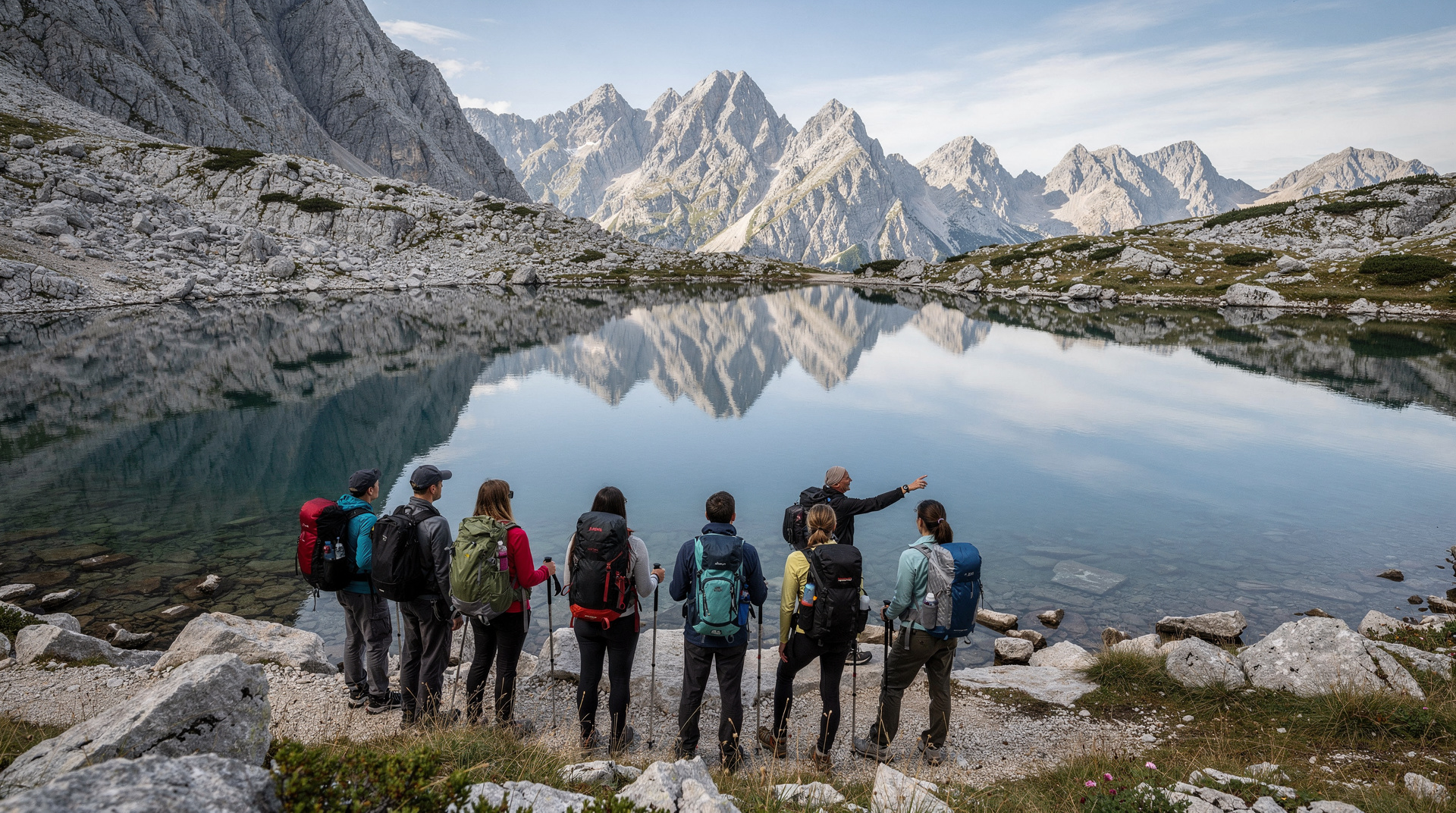
For first-timers, less experienced hikers, or anyone attempting Triglav, a guided experience adds real value — particularly on the summit routes where route-finding matters and weather can change quickly. Full-day Triglav area hikes from Bled are a good introduction to the park’s terrain and give you a guide’s perspective on conditions and logistics.
For a comprehensive introduction to the Julian Alps with flexible routing, the Bohinj and Seven Lakes hike offers one of the park’s most rewarding day routes with a local guide.
Planning your time
One day: focus on one area. The Soča Trail, the Bohinj cable car with a high-plateau walk, or a lower-altitude hike from Bled (Vintgar Gorge + a walk to the Vintgar viewpoints). Don’t attempt to cover the whole park in a single day.
Two to three days: base in Bled or Bohinj, combine a valley hike with the cable car, add a half-day in Kranjska Gora or over Vršič Pass if conditions allow.
Five to seven days: this is the right amount of time for a serious exploration — Bohinj and the Seven Lakes Valley, Vršič Pass and the Trenta Valley, Kranjska Gora area, and a Triglav summit attempt if that’s a priority. See the Julian Alps hiking guide for suggested multi-day itineraries.
Wildlife and what else to know before you go
Triglav’s alpine environment supports chamois, marmots, golden eagles and — more elusively — brown bears and lynx. The wildlife in Triglav National Park guide covers where and when to look. For those focused specifically on the summit, the climbing Mount Triglav guide has the full route breakdown, and the Vršič Pass driving guide covers the logistics of the park’s most dramatic road.
Frequently asked questions about Triglav National Park
Do I need a permit to enter Triglav National Park?
No permit is required to enter the park or hike its trails. However, camping outside designated sites is not permitted, and fires are banned throughout the park. Some mountain huts require advance reservations in peak season — particularly the high-altitude huts on the Triglav summit routes in July and August.
Can you visit Triglav National Park without a car?
Yes, with planning. Lake Bled and Bohinj are accessible by bus from Ljubljana (Bled: 1h20, EUR 6; Bohinj: 2h, EUR 8). Kranjska Gora is reachable by bus from Ljubljana (2h, EUR 8). In summer, tourist minibuses connect some trailheads. Guided hiking tours are the most convenient car-free option for accessing the park’s interior.
How difficult is it to climb Mount Triglav?
Triglav (2,864 m) is graded as a via-ferrata (grade 1). Most routes involve fixed steel cables and iron rungs on the steepest sections. It is not a casual walk — solid fitness and appropriate footwear (mountain boots, not trail runners) are essential. Via-ferrata gear (harness and helmet) is strongly recommended. The standard summit routes take 6–9 hours from the valley floor. Most first-timers do it as a two-day trip.
When does Vršič Pass open and close?
Vršič Pass (1,611 m) typically opens in late May and closes around November, depending on snow. Exact dates vary — check the Slovenian road authority (DRSI) website before planning. In summer, the pass is open 24 hours; in early and late season, check road conditions before departure.
What are the best day hikes for non-climbers?
The Seven Lakes Valley from Bohinj, the Soča Trail from Trenta, the Martuljek Gorge near Kranjska Gora, and the Pokljuka Plateau circuit are all excellent options without summit demands. Most are graded moderate (red trail markers) and suit fit beginners with proper footwear.
Are there bears and wolves in the park?
Brown bears and grey wolves live in the broader Julian Alps ecosystem. Sightings on popular trails are extremely rare — encounters happen far more often to rangers than to day hikers. No special precautions are needed on well-used trails. If camping in the park, standard food-storage practices apply.
Where is the best base for the park?
Lake Bled for the northern and central park. Lake Bohinj for the south and Seven Lakes Valley. Kranjska Gora for the northwest. Bovec for the Soča and western park. Bled has the most accommodation and services; Bohinj is quieter and cheaper.
Top experiences
Bookable activities with verified prices and instant confirmation on GetYourGuide.