Bovec: Slovenia's adventure sports capital
Bovec is the Soča Valley's adventure hub — rafting, canyoning, zipline, and paragliding in one compact mountain town.
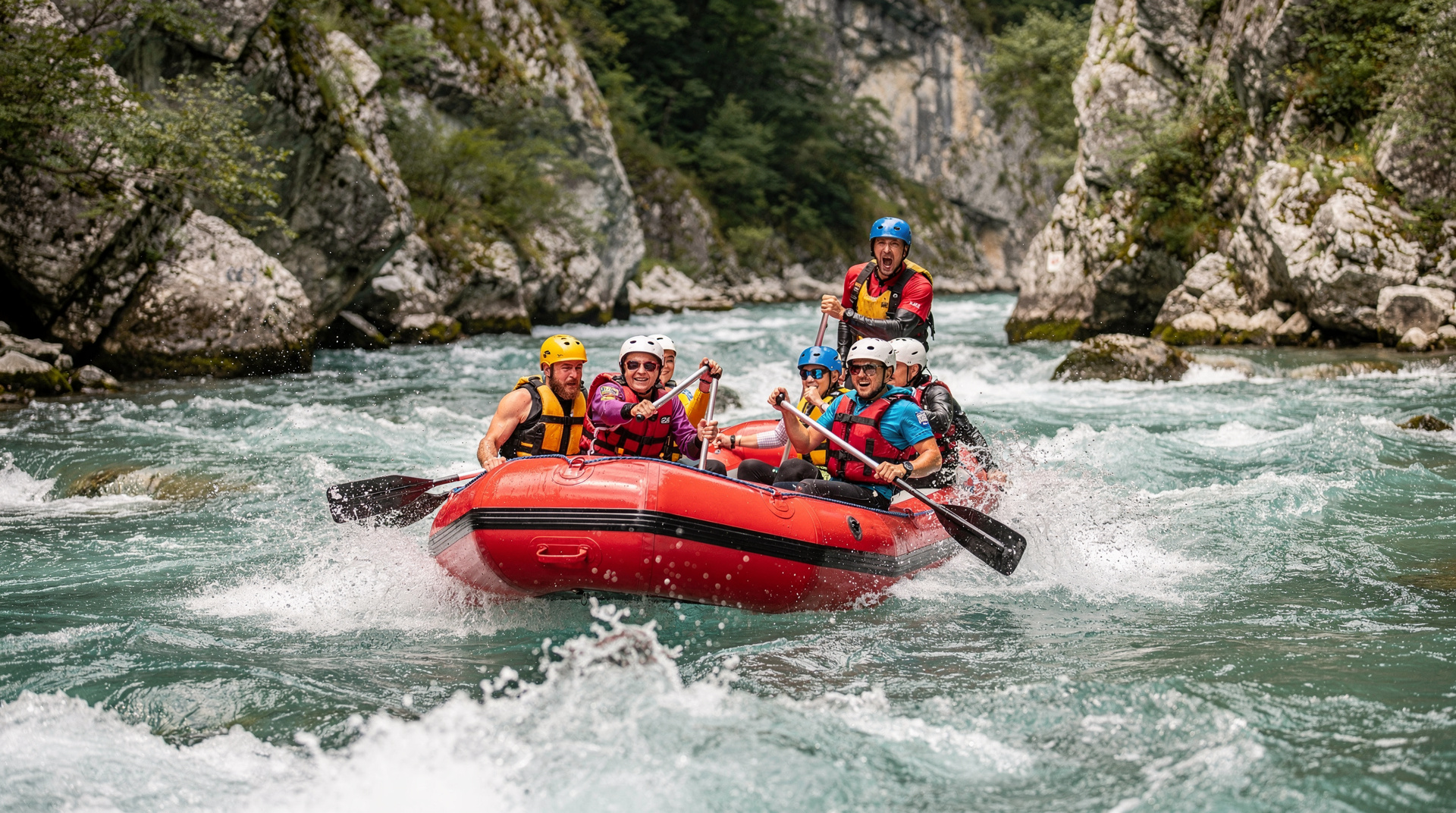
Bovec: Soča River whitewater rafting
Quick facts
- Best time to visit
- May–September
- Days needed
- 2–3 days
- Getting there
- Car or bus from Ljubljana (2h 15min)
- Budget per day
- EUR 70 to 140
Slovenia’s most concentrated adventure town
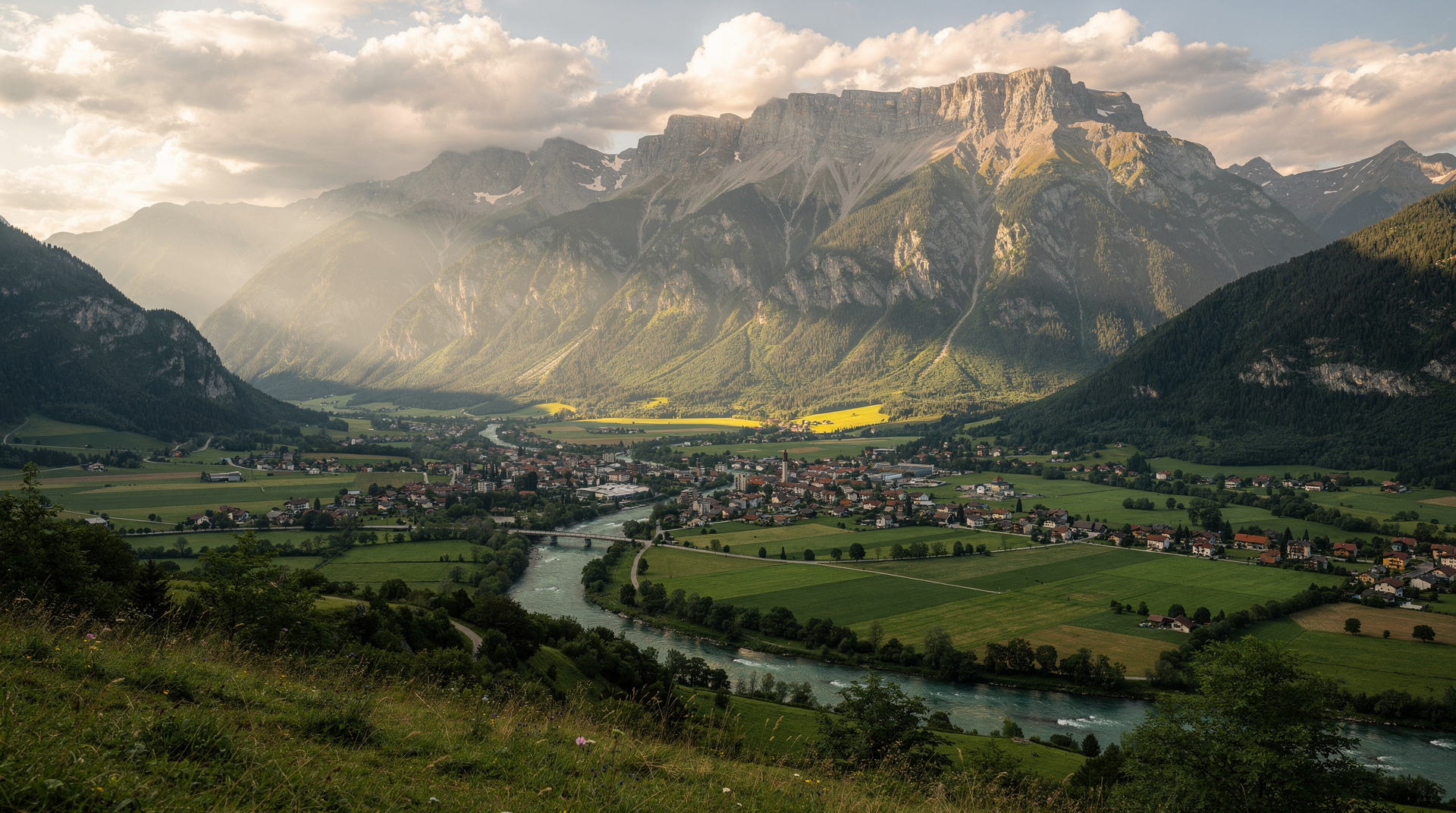
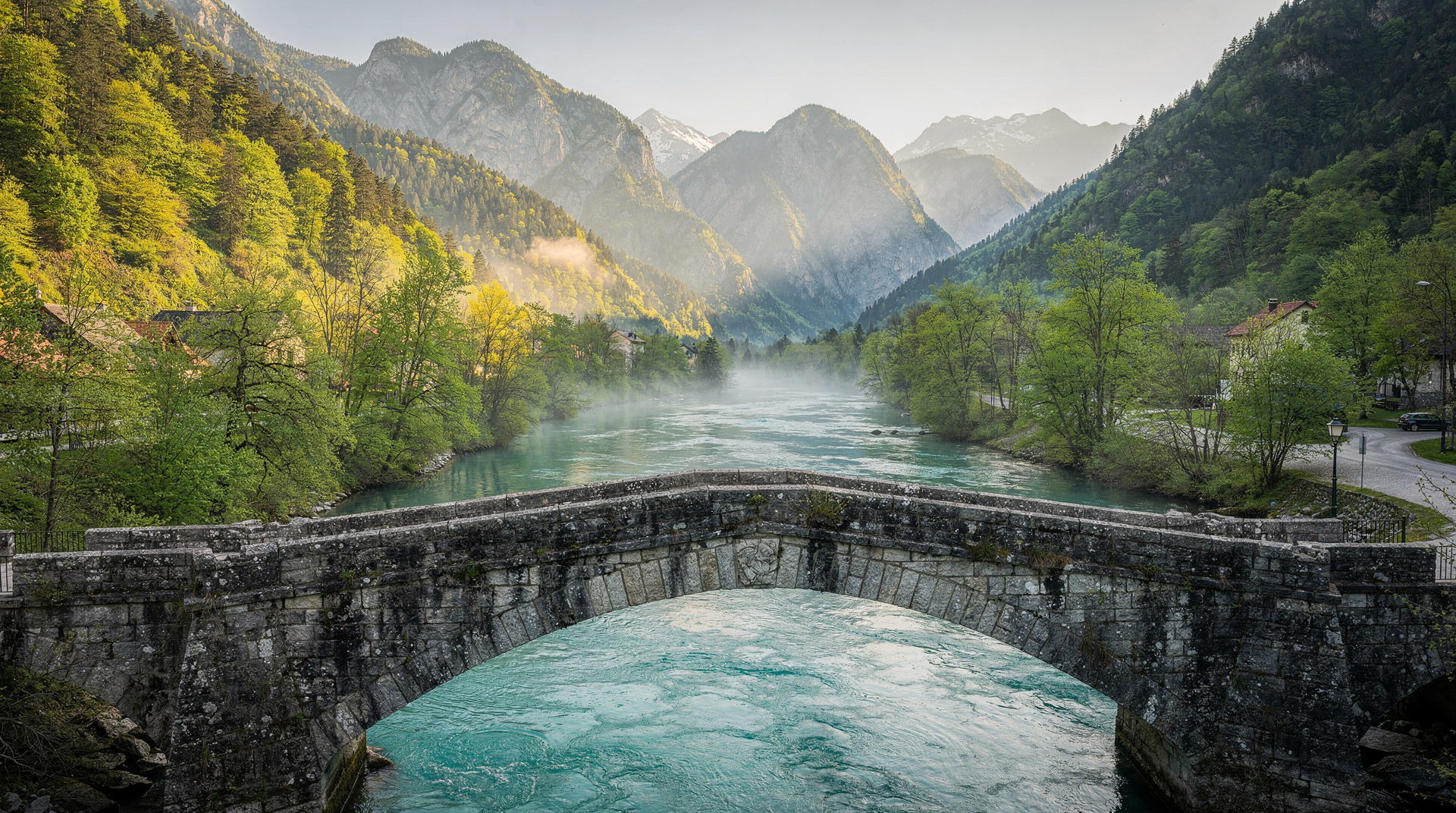
Bovec is a small mountain town — around 3,000 permanent residents — that has built its entire identity around the emerald Soča River and the mountains that rise sharply on three sides. It sits at 475m in a broad alpine valley, flanked to the north by the Kanin massif (2,587m) and to the east by the peaks of Triglav National Park. The result is a place where you can raft Grade III–IV whitewater in the morning, hike a 1,200m ascent in the afternoon, and eat fresh Soča trout for dinner — all without moving more than 20 minutes from the town centre.
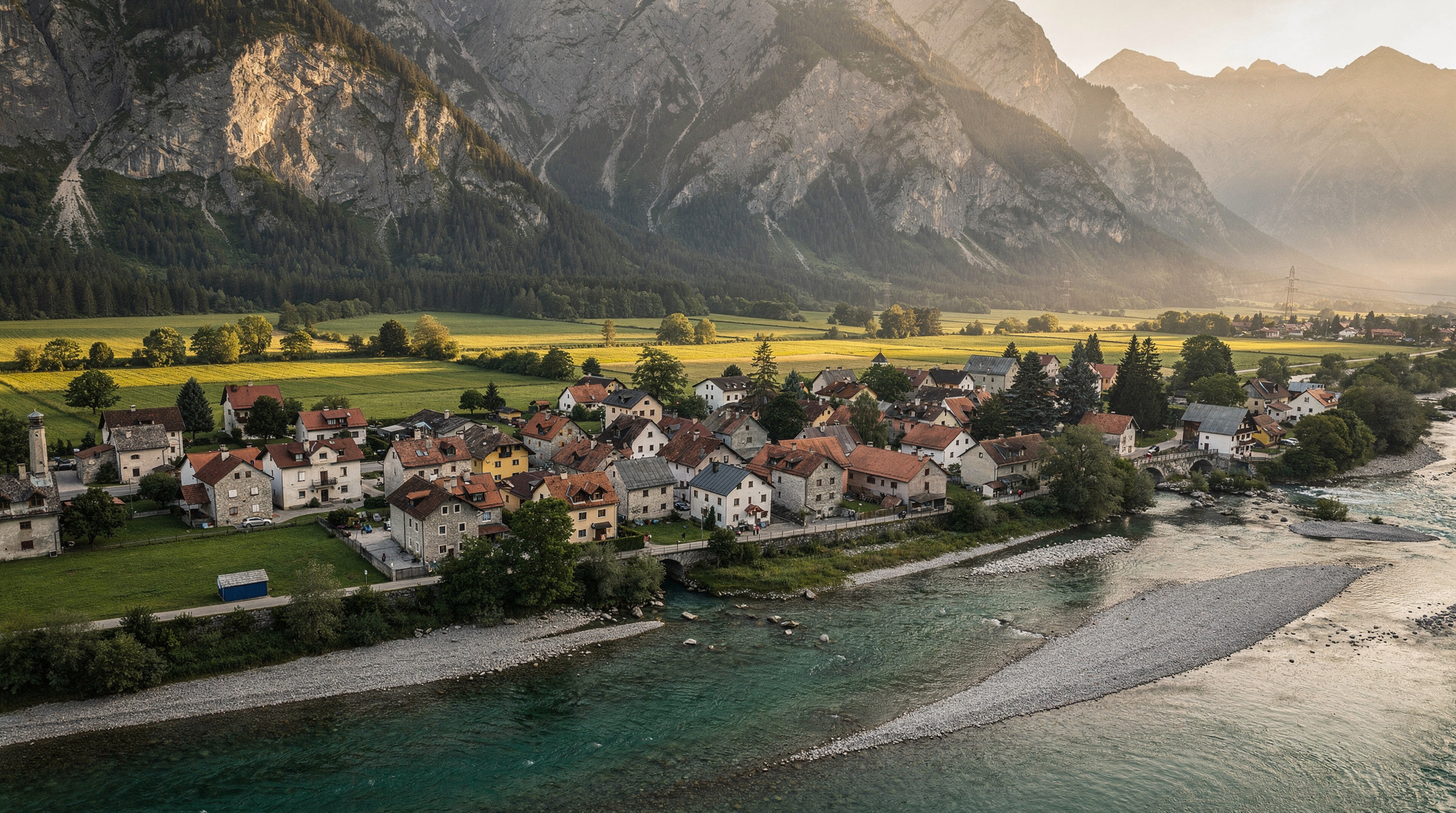
The town itself is modest: a main square with a handful of restaurants and cafés, a cluster of adventure sport operators, a supermarket, and accommodation ranging from backpacker hostels to mid-range guesthouses. It is not pretty in the Alpine-postcard sense that Bled or Kranjska Gora are. What it offers instead is access and atmosphere — the specific energy of a place organized around getting outside.
| Elevation | 475m |
| Population | Around 3,000 |
| Nearest airport | Ljubljana (2h drive) or Venice (2h 30min) |
| Vignette needed | Yes, for the motorway section from Ljubljana |
| Peak booking window | 4–6 weeks ahead for July–August activity slots |
Rafting the Soča
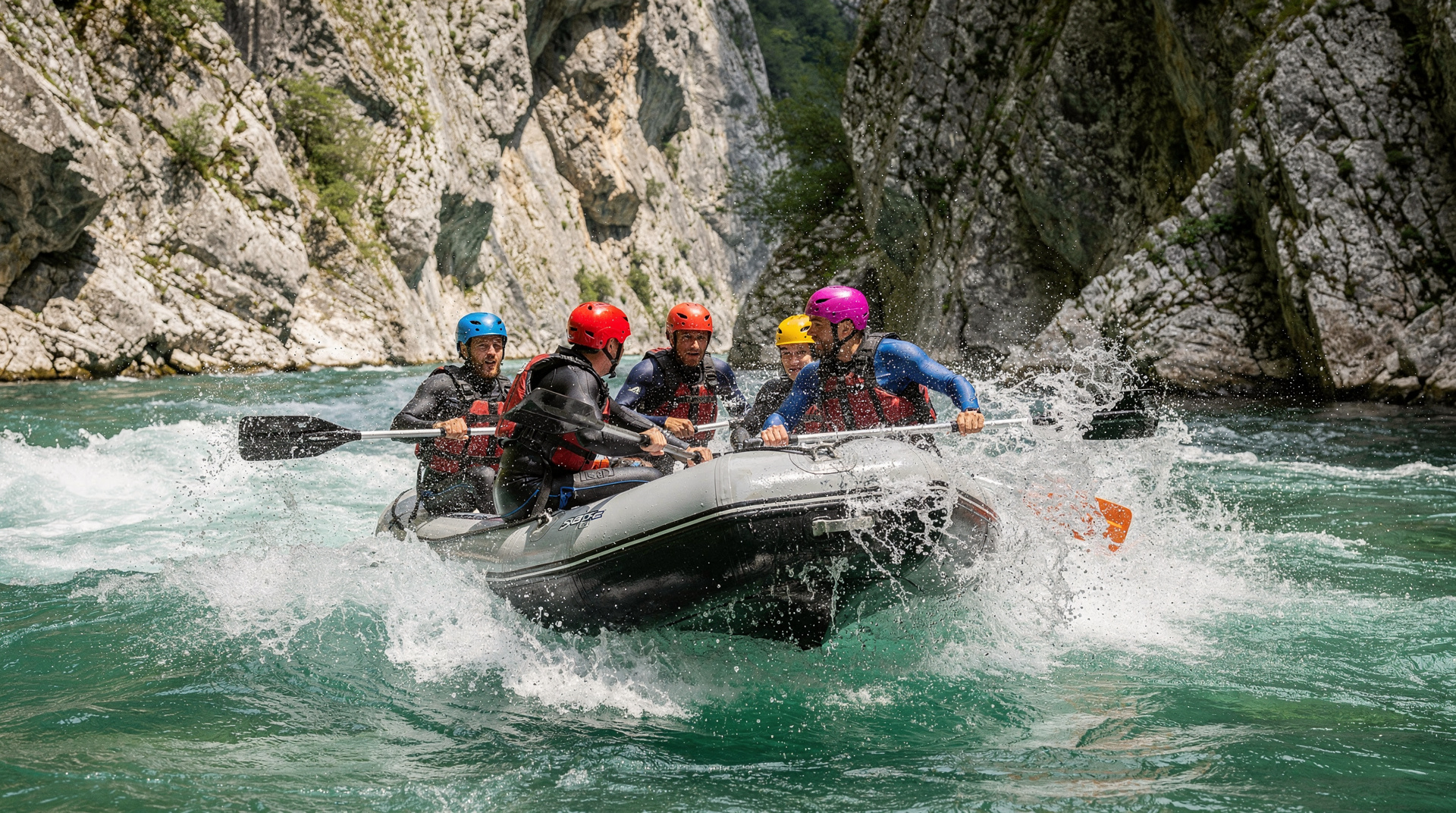
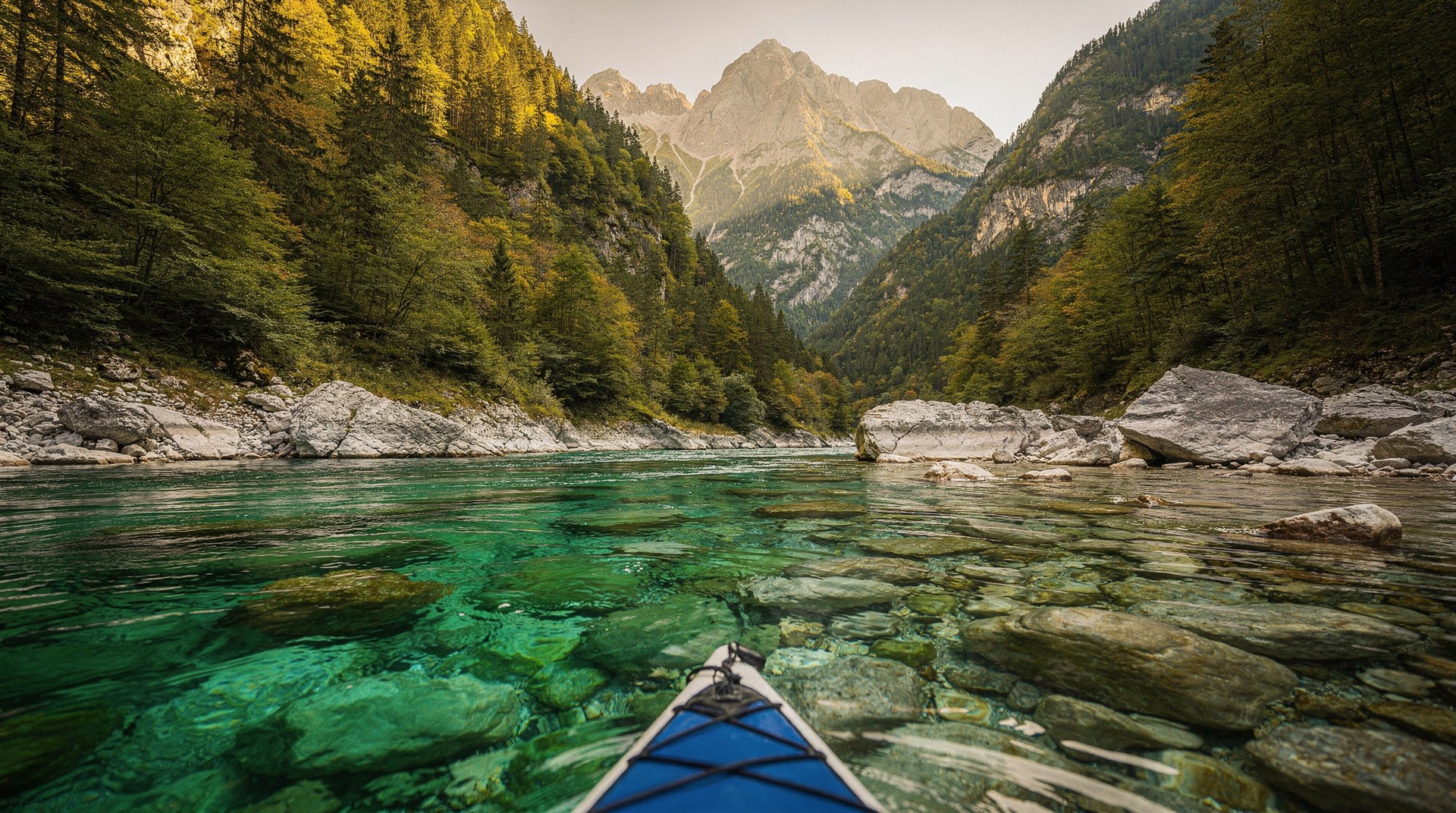
The Soča near Bovec runs Grade III–IV, which means genuine waves, technical features, and moments that feel genuinely fast even for experienced rafters. The standard commercial trip (2.5–3h, EUR 45–60) covers the upper section from Trnovo ob Soči down to Bovec, running through the Soča Gorge where the canyon narrows to a few metres. No prior experience is needed; all operators provide wetsuits, helmets, and briefings.
Book whitewater rafting on the Soča — with photos includedWhen to go for the best water: May and June, when snowmelt from Kanin and the Julian Alps fills the river. The water runs cold (10–13°C) but operators provide full wetsuits that manage this adequately. In July–August the river is lower and warmer; still enjoyable but less intense. September sees levels rise again after autumn rains.
What operators don’t always tell you: Water levels vary day to day. If you arrive after a dry week in August, the upper section may be rated only Grade II. Ask your operator about current levels before booking. The premium photo-package trips are worth it if you want documentation — the canyon walls make for genuinely dramatic shots that you can’t capture yourself while holding a paddle.
Canyoning on the tributaries
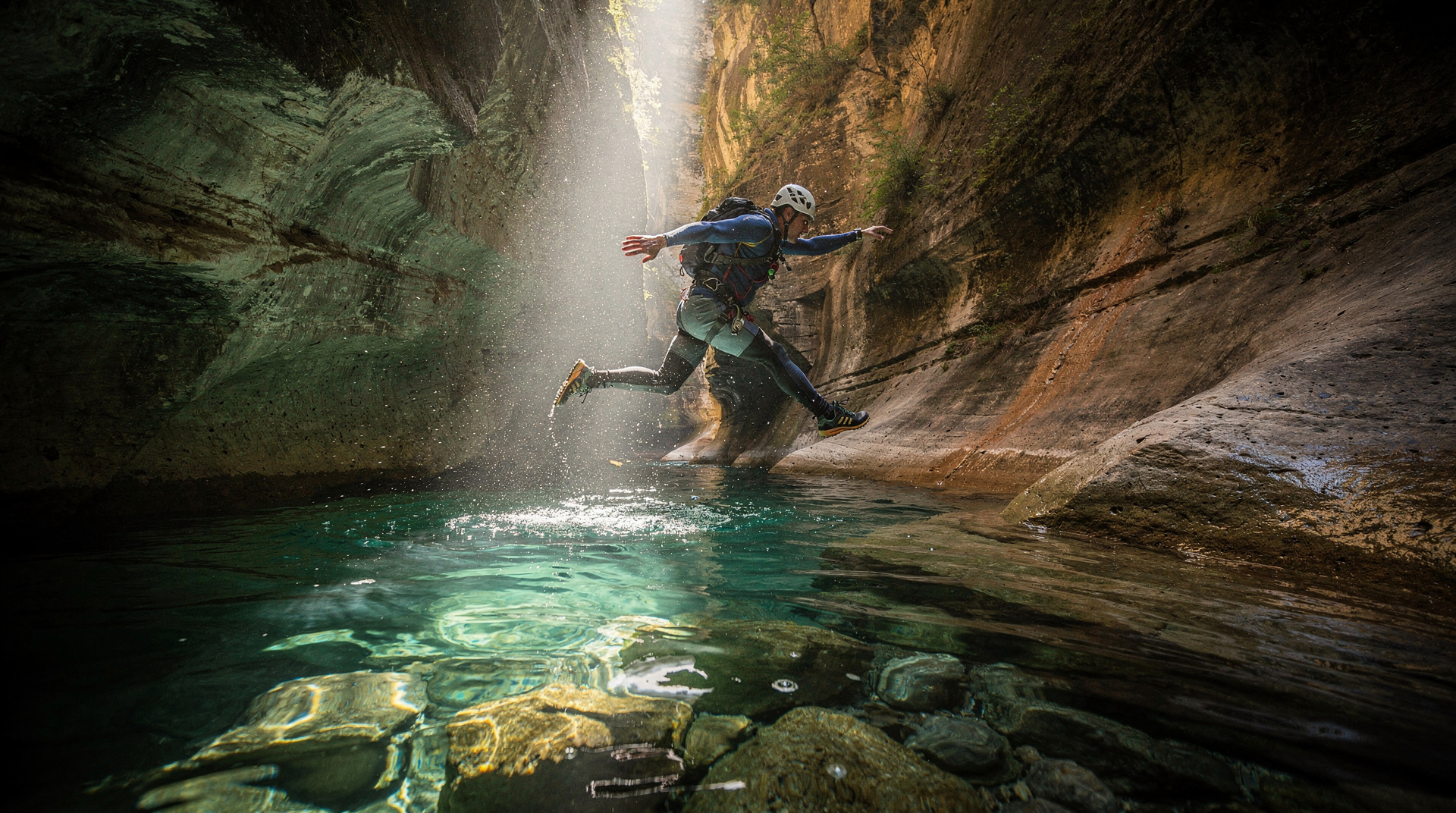
The Fratarica and Sušec streams that drain off the Kanin massif into the Soča have carved tight limestone slot canyons ideal for canyoning. Fratarica in particular has natural waterslides and jumps between 3m and 8m. The beginner-friendly half-day Sušec trip (EUR 50–65) is achievable for anyone comfortable in cold water, with no technical climbing required.
Half-day canyoning for beginners from BovecWater temperature in canyoning is colder than the main river — Sušec runs at 8–12°C even in summer. The wetsuits provided are adequate but if you run cold, ask for a thicker suit or bring a rash guard as an extra layer. The drop-off point is typically 20–30 minutes from Bovec centre by minibus.
The Učja zipline
The Učja zipline is 2km long, crosses a 700m-deep gorge at up to 70km/h, and is one of the longest ziplining systems in Europe. It consists of two lines: the main crossing and a return line, both running from the Slovenian side to the Italian border and back. The whole experience takes about 2–3 hours including transfer and briefing.
What distinguishes Učja from tourist ziplining is the scale: you are genuinely small in that landscape, and the valley below looks like a topographic map rather than a garden. The minimum weight is 35kg and maximum 110kg. Book ahead in July–August as capacity is limited.
Book the Učja zipline near BovecParagliding over the valley
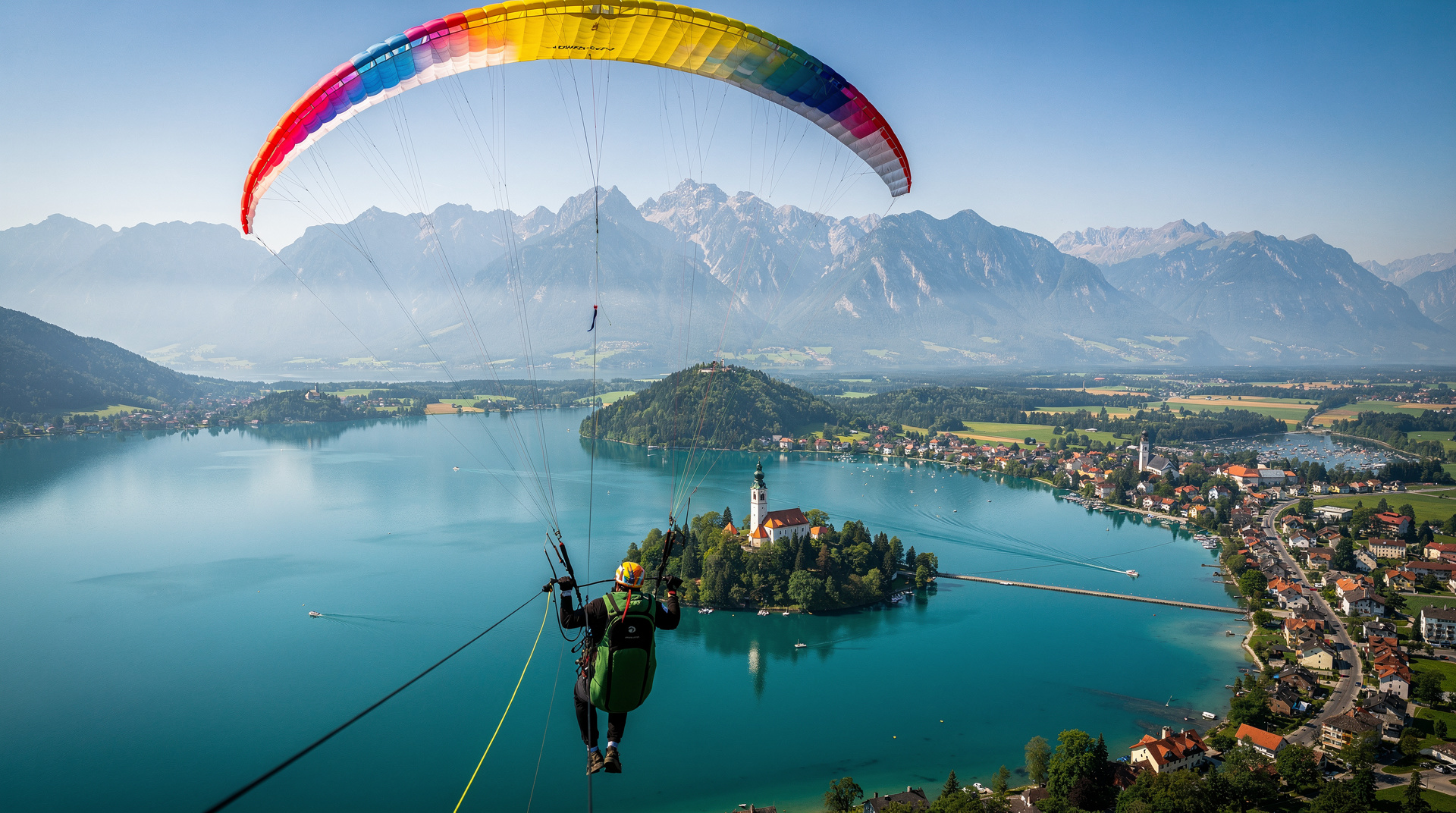
Tandem paragliding from the Kanin area launches offers 20–30 minute flights above the Soča Valley, with views extending on clear days from the Julian Alps to the Adriatic. The launch altitude is around 1,700m; landings are in the valley floor near Bovec. Pilots are certified and experienced — this is not a budget operation. Expect EUR 90–120 for a tandem flight.
The best conditions are morning flights from May through September, before afternoon thermals build. Afternoon and evening slots are also run but wind conditions are more variable. Most operators offer video packages (EUR 20–30 extra) that are worth the cost for the aerial footage.
Hiking and cycling from Bovec
The mountain terrain around Bovec is exceptional but requires honest assessment of difficulty. Most of the good high-altitude routes involve 1,000m+ of ascent on unmarked or minimally marked trails. The Čez Suho route (900m ascent, 4h return) is the best introductory hike from the town — it climbs to a high plateau with views across the valley and does not require a guide in clear weather.
The Soča Trail (Soška pot) follows the river from Trenta down to Bovec and further south — a valley-level walk that can be done in segments. The section from Bovec south toward Žaga (8km one way, minimal elevation gain) is suitable for all fitness levels and delivers constant river views and occasional swimming stops. In late afternoon the low sun turns the river an impossible orange-green.
For the Kanin ridge and the Via Ferrata routes near the ski area, proper footwear, a helmet, and via ferrata equipment are genuinely necessary, not just recommended. Several people are injured annually by underestimating the terrain. The Kanin cable car (when operational — check locally, as it has had closures for maintenance) reaches 2,200m in 20 minutes and opens access to high-altitude plateau hiking without the 1,600m ascent from the valley.
Mountain biking: Bovec has developed a trail network of about 200km of signed routes, ranging from easy valley rides to technical singletrack. Rental shops charge EUR 25–40 per day for hardtail; EUR 45–65 for full suspension. The e-bike explorer route connects Bovec southward toward Tolmin and on toward the coast — see our Tolmin guide for the lower valley sections.
The Soča Gorge
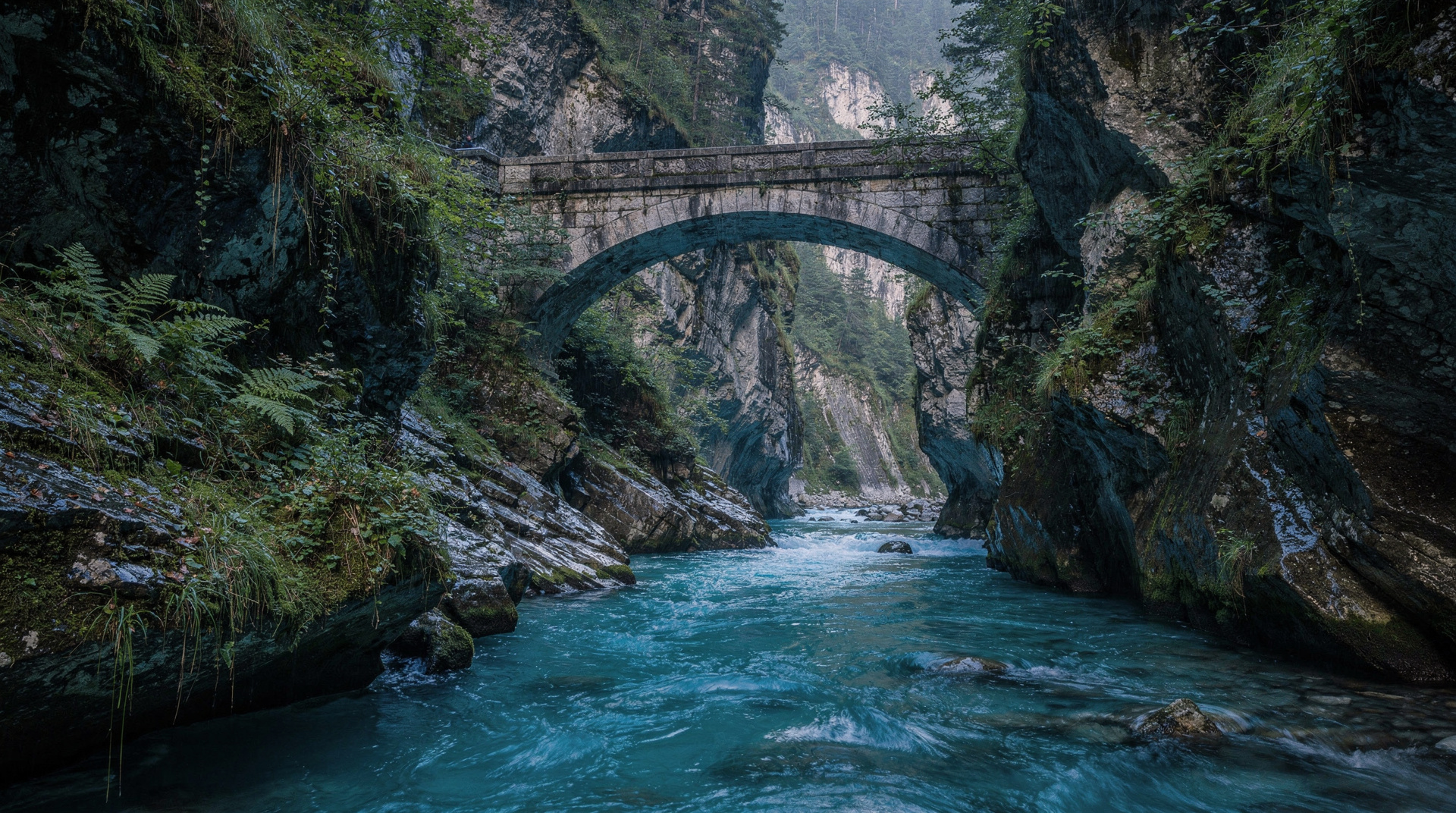
The Soča Gorge (Soška soteska), between Bovec and the village of Srpenica, is one of the valley’s most dramatic pieces of geology — a slot canyon where the river has cut through the limestone to a depth of up to 75m in a section only a few metres wide. The gorge can be viewed from a signed parking area on the main valley road; a 10-minute walk from the layby reaches the best viewpoint. This is one of the locations used in the rafting trips, seen from river level during the trip and from cliff-top level on the walking detour.
The gorge is at its most dramatic when the river is running high — May and June, or following heavy autumn rain — when the water fills the slot and the noise of it reverberates off the walls. In late summer the channel narrows to a fraction of its flood dimensions and the formation is less impressive. If you visit in August, the gorge viewpoint is still worth 20 minutes but the high-water photographs you will see on social media were taken in a different season.
Winter in Bovec: the Kanin ski area
Most coverage of Bovec focuses on summer, but the Kanin ski area above the town is one of the highest in the Eastern Alps at 2,300m and one of the least crowded. The lifts (cable car + drag lifts) open when snow cover is sufficient, typically December through April depending on conditions. The ski area has about 30km of piste, mostly intermediate terrain, with a significant off-piste following that uses the high-altitude bowls when conditions are right.
The advantage of skiing at Kanin: very few lift queues, good snow quality at elevation, and the ability to ski back to Bovec at the end of the day via a long red run that drops 1,800m vertical. The disadvantage: the cable car has had reliability issues (maintenance closures) and Bovec’s ski infrastructure is minimal compared to Kranjska Gora or major Alpine resorts. Check snow conditions and lift status at bovec.si before planning a ski trip.
In winter the valley itself is quiet — accommodation is open but at low season prices (EUR 50–80 double), most adventure operators are closed, and the Soča runs cold and full. The valley road is kept clear; the Vršič Pass north to Kranjska Gora is closed November–May.
What Bovec does not have
An honest guide should note what is absent. Bovec has no museum or cultural institution of note. The old town architecture is modest — the settlement was largely rebuilt after the 1976 earthquake that damaged much of the upper valley. If you need cultural programming alongside your outdoor activities, base yourself in Kobarid (30km south) and day-trip to Bovec for the water sports.
There is also no reliable nightlife beyond a handful of bars on the main square. By 23:00 in mid-summer the town is quiet. This suits the activity culture — people are up early for morning river levels — but if you are expecting alpine resort nightlife, Bovec is not that.
Accommodation guide
Hostels and budget: Hostel Soča Rocks (dorms EUR 20–28, doubles EUR 65–80) is the social hub for backpacking rafters, with an attached adventure booking desk and good local knowledge. Alp Penzion (EUR 55–75 double) is quieter and slightly removed from the main strip.
Mid-range: Dobra Vila Bovec (EUR 120–160 double) is a converted telegraph station with distinctive interiors and a small pool. It is the most characterful stay in Bovec and books out well in advance for summer weekends. The hotel also organizes its own activity itineraries for guests.
Camping: Kamp Soča (2km south of Bovec, EUR 12–18 per pitch) is among the best camping spots in the valley — sites directly above the river, clean facilities, and a young mixed crowd of kayakers and cyclists. Open May–September.
Seasonal guide for Bovec
May–June: The best combination of high water and open access. Snowmelt from Kanin peaks in late May–early June. Cool evenings (12–15°C) but warm enough for most people with the right gear. High-altitude trails may still have snow; check before ascending.
July–August: Peak season. Everything running, water warm (18°C), accommodation full. Prices are 30–50% higher than May. Book accommodation and popular activity slots (zipline, paragliding) 4–6 weeks ahead.
September: Local favourite. River levels rise slightly again after late-summer rains. Temperature perfect for hiking (22–25°C days, 15°C evenings). Tourist numbers fall off sharply after the first week of September; prices drop but all services remain open.
October–April: Most adventure operators close by late October. The valley is quiet, the hiking trails above 1,500m are inaccessible without mountaineering equipment, and Bovec itself runs on a skeleton service. Not recommended for first visits.
Practical information
Accommodation: The main hostel strip offers dorms from EUR 20–30. Mid-range guesthouses (Dobra Vila, Alp Hotel Bovec) run EUR 80–130 for a double. Book 6–8 weeks ahead for July–August weekends.
Eating: Gostišče Stari Kovač on the main square is the reliable local choice — trout with polenta (EUR 14–18), decent house wine. Martinov Hram (side street off the square, mains EUR 13–20) is slightly better quality and less tourist-facing. For something quicker, the local bakeries do good burek (savoury pastry, EUR 2–3) for breakfast. Avoid the EUR 20+ tourist platters on the main square that offer overpriced versions of gostilna food.
Supermarket: The Spar on the eastern edge of town is adequately stocked for self-catering. Stock up here rather than at the small shops on the main square, which charge a premium.
Weather: The valley can receive afternoon thunderstorms from June through August. Outdoor activity operators monitor this and will cancel if conditions are genuinely dangerous. Pack a rain layer regardless of the forecast.
Getting there: By car, 2h 15min from Ljubljana via Tolmin. Direct summer buses from Ljubljana (Arriva/FlixBus, EUR 12–18, 2.5h) run multiple times daily. No train access to Bovec; the closest rail station is Most na Soči (45min by bus). The drive over the Vršič Pass from Kranjska Gora (1h 45min via 50 switchbacks) is spectacular in summer; closed in winter.
Internet and cash: Mobile coverage in Bovec town is adequate; it deteriorates in the gorges and on trails above 1,000m. There is one ATM on the main square; cash is preferred at smaller guesthouses and market stalls.
Bovec with families and less experienced adventurers
Bovec markets itself on Grade III–IV rafting and big-number ziplines, but the town is workable with children and nervous first-timers if you choose the right operator and section. Family rafting trips run on the gentler stretch below Log Čezsoški, usually rated Grade I–II and open to children from around age 8–10 depending on the operator’s own minimum. If your group includes younger kids or genuinely nervous adults, the Kobarid sections of the same river 15–20 minutes south are a better base — the water there is consistently milder and the town itself is calmer in the evenings.
For a first taste of the valley without committing to a full adventure sport booking, walking the flat Bovec–Žaga stretch of the Soča Trail with a swim stop costs nothing beyond your own time, and the best time to visit Slovenia guide has broader seasonal advice for travelling with children in the Julian Alps.
Combining Bovec with the rest of the Soča Valley
Bovec is rarely the only stop in this part of Slovenia, and it shouldn’t be. Kobarid, 15km south, has the WWI museum and a noticeably better restaurant scene for an evening. Tolmin adds the Tolmin Gorge and easy access south toward the coast. Drivers with more time link Bovec to Kranjska Gora over the Vršič Pass — 50 hairpin switchbacks that are one of the great alpine drives in Europe, open roughly May to November — or continue into Triglav National Park proper via the Trenta valley, which sits between the two towns and has the Soča’s actual source.
If you’re building a multi-day Soča itinerary rather than a single Bovec stop, the Soča Valley overview lays out how the towns connect and which activities cluster where.
Frequently asked questions about Bovec
Is Bovec safe for beginners at whitewater sports?
Yes, with the right choice of trip. Rafting and the beginner canyoning routes are run by licensed operators who provide wetsuits, helmets and a safety briefing, and no prior experience is required for the standard commercial trips. The genuine risk sits with the unguided high-altitude hikes and via ferrata routes around Kanin, where underestimating the terrain causes most local injuries — not the commercial water sports, which are conservatively run.
How many days do I need in Bovec?
Two to three days covers the town well: one day for rafting or canyoning, one for hiking or the zipline, and a half-day buffer for weather (afternoon thunderstorms are common June–August and operators will reschedule rather than run in dangerous conditions). A single overnight is workable if you only want one activity, but Bovec rewards a slower pace more than most Slovenian towns.
Do I need a car in Bovec?
Not strictly — summer buses connect Bovec to Ljubljana and the activity operators generally include transfers from your accommodation for booked trips. But a car makes the Soča Gorge viewpoint, the Kanin cable car, and day trips to Kobarid and Tolmin far more flexible, and it’s the only practical way to drive the Vršič Pass.
For valley-wide context and itinerary ideas, read our full Soča Valley guide, our Soča rafting guide, and the getting around Slovenia guide.
Top experiences
Bookable activities with verified prices and instant confirmation on GetYourGuide.