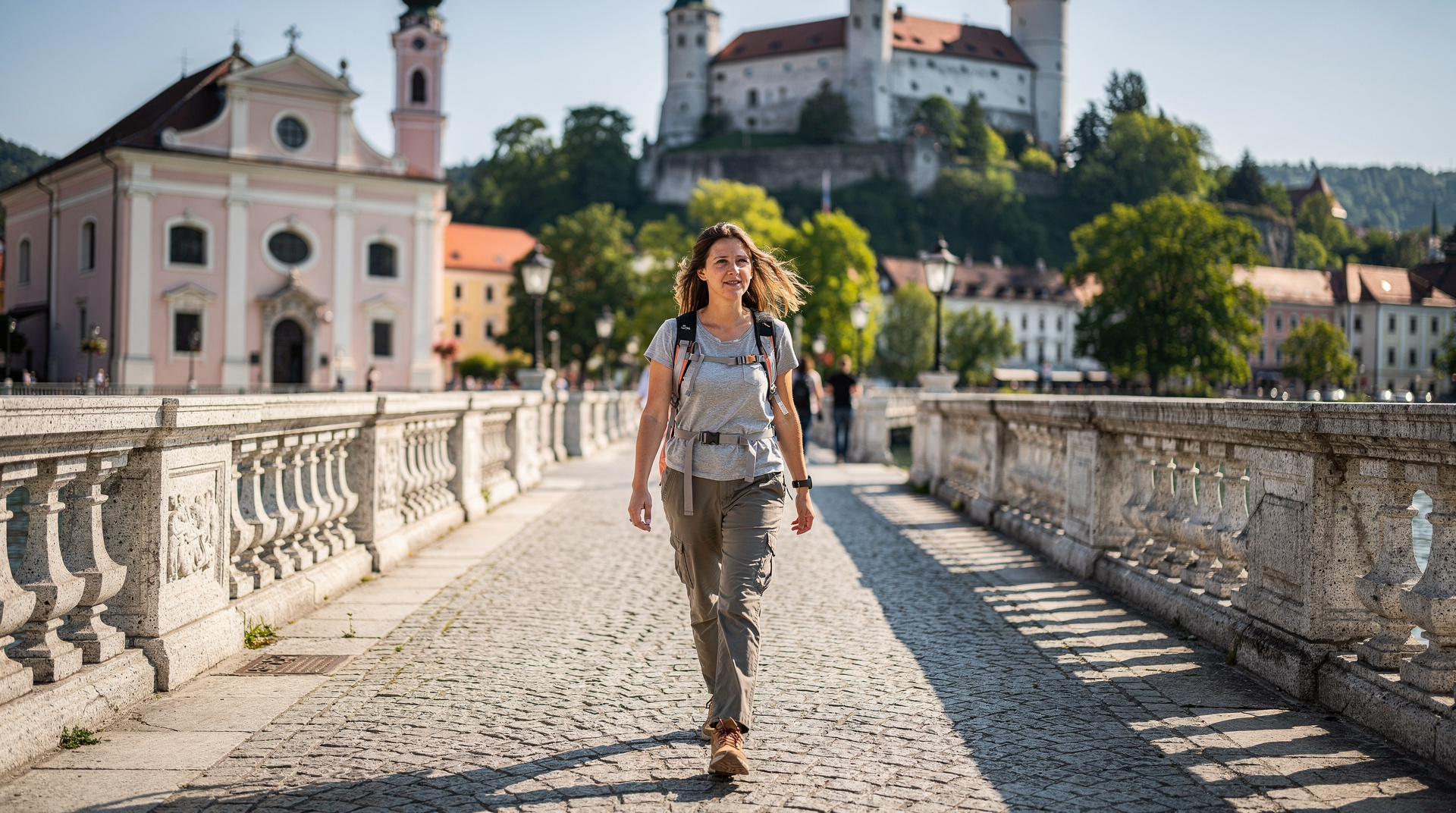
Accessible travel in Slovenia: mobility and disability guide
Ljubljana: city highlights walking tour and river cruise
Is Slovenia accessible for wheelchair users and travellers with disabilities?
Ljubljana's old town and city centre are reasonably well accessible, with improvements made over the past decade. Lake Bled's lake circuit has accessible sections. The Soča Valley, cave visits, and mountain areas are largely inaccessible for wheelchair users. Accessibility is improving but patchy — careful planning and advance enquiry are essential.
The honest accessibility picture
| Best-adapted base | Ljubljana (flat centre, accessible castle funicular) |
| Most accessible attraction | Postojna Cave (adapted cave train + wheelchair loan) |
| Least accessible terrain | Vintgar Gorge, Soča gorge, mountain trails |
| Advance planning needed | Yes — call ahead, do not rely on website claims |
| Adaptive vehicle hire | Book 3–6 months ahead for peak season |
Slovenia has made meaningful improvements to tourism accessibility over the past decade, primarily in Ljubljana and at major attractions. The honest assessment for 2026: the country is considerably more accessible than it was ten years ago, but it lags behind the Netherlands, Germany, or Scandinavia in terms of universal accessibility infrastructure. Visitors with mobility impairments can have an excellent trip with careful planning; those who expect seamless, unadapted access in all settings will face frustrations.
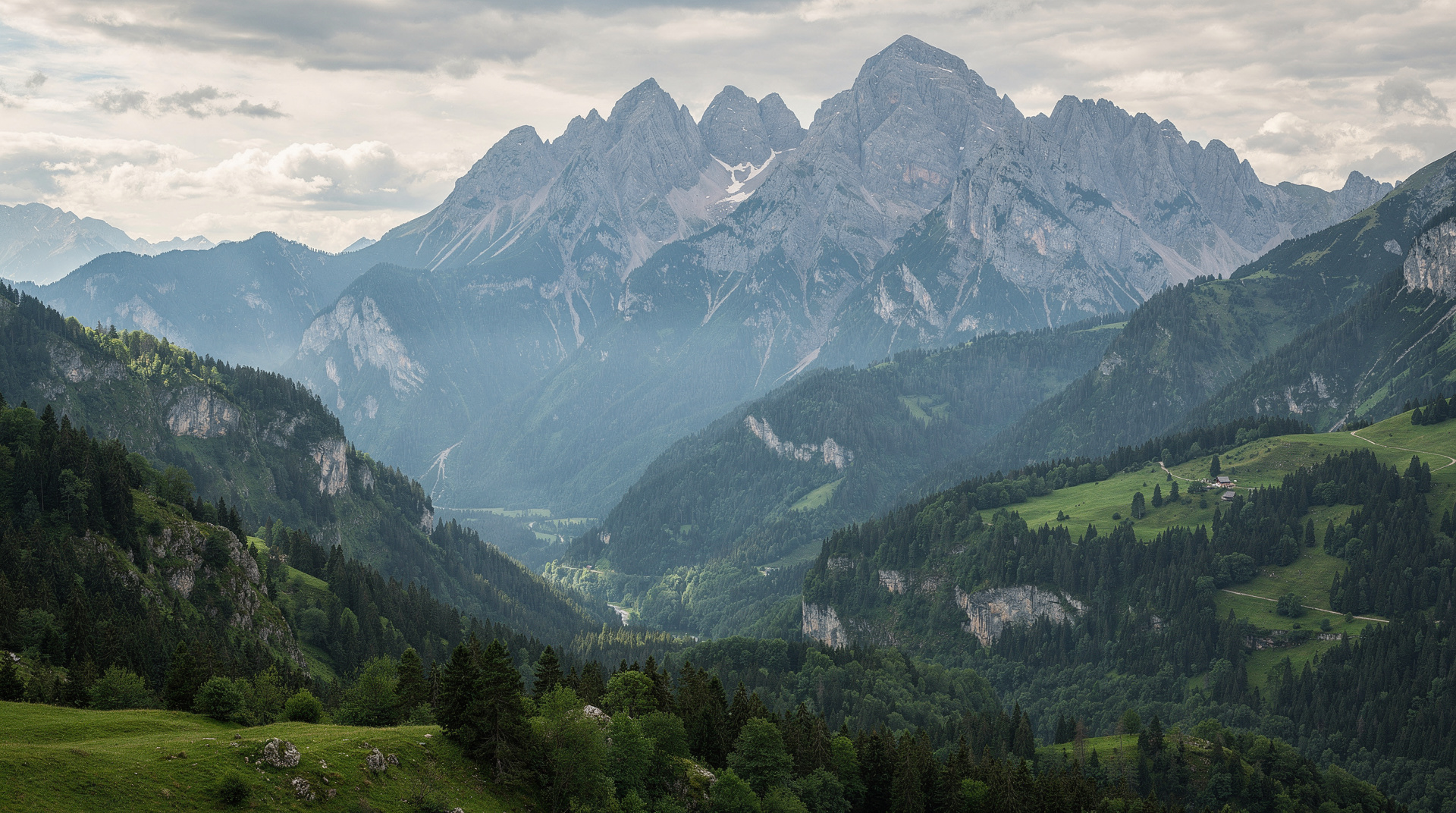
The good news for planning: the main tourist circuit — Ljubljana city centre, Postojna Cave, Lake Bled’s flat lake section, and Piran’s main streets — is largely accessible or has been specifically adapted. The challenging realities: Slovenia’s most dramatic landscapes (the Julian Alps, the Soča Valley gorge, Vintgar Gorge) are mountainous or rocky terrain that is not accessible for wheelchair users except at the very edges. Rural accommodation has largely not been adapted. Public transport reliability for accessible services requires advance confirmation.
This guide gives honest, practical information for travellers with various mobility and disability needs. If anything has changed since publication, please check directly with individual attractions and services — accessibility improvements are ongoing and specific details change faster than we can update.
Ljubljana: the accessible capital
Ljubljana is the best-adapted destination in Slovenia for visitors with mobility impairments.
City centre and old town: The main pedestrian zone along the Ljubljanica river is flat and paved with smooth stone that is generally wheelchair-friendly. Prešeren Square and the Triple Bridge area are accessible without significant barriers. The Central Market’s covered arcades (Plečnik’s work) have level access on the riverside path.
The old town immediately south of the Triple Bridge has sections of historic cobblestone that are uneven and challenging for wheelchairs. The streets around the Ljubljana Castle hill are steep. Use the funicular (accessible cabin, ramped entry) to reach the castle hill without negotiating the steep paths.
Ljubljana Castle: The funicular to the castle is wheelchair accessible. Once at the top, the outer rampart walkways and the main terrace offer the panoramic views. The castle interior involves some level changes and narrow passages; call the castle directly for guidance on current accessible routes.
Museums: The Ljubljana City Museum has a ground-floor entrance and lift access. The Natural History Museum has partial accessibility. The National Museum of Slovenia has accessible main galleries. Confirm current routes when booking.
Seeing the centre from the water: If walking the cobbles is tiring, a walking tour combined with a river cruise lets you see the riverbank from a boat. Ask the operator beforehand about boarding steps and wheelchair space, and about how much of the walking part stays on smooth surfaces.
Public transport: Ljubljana city buses (operated by LPP) are low-floor accessible vehicles with wheelchair spaces and audio announcements. The bike-sharing system (Bicikelj) is not accessible for wheelchair users, but the flat city layout makes taxi and ride-share movement straightforward.
Restaurants and cafés: Central Ljubljana restaurants mostly have ground-floor access. Many old-town restaurants have step entrances or split-level interiors — call ahead for table availability on accessible floors. The riverside terrace restaurants generally have level outdoor access in summer.
Lake Bled
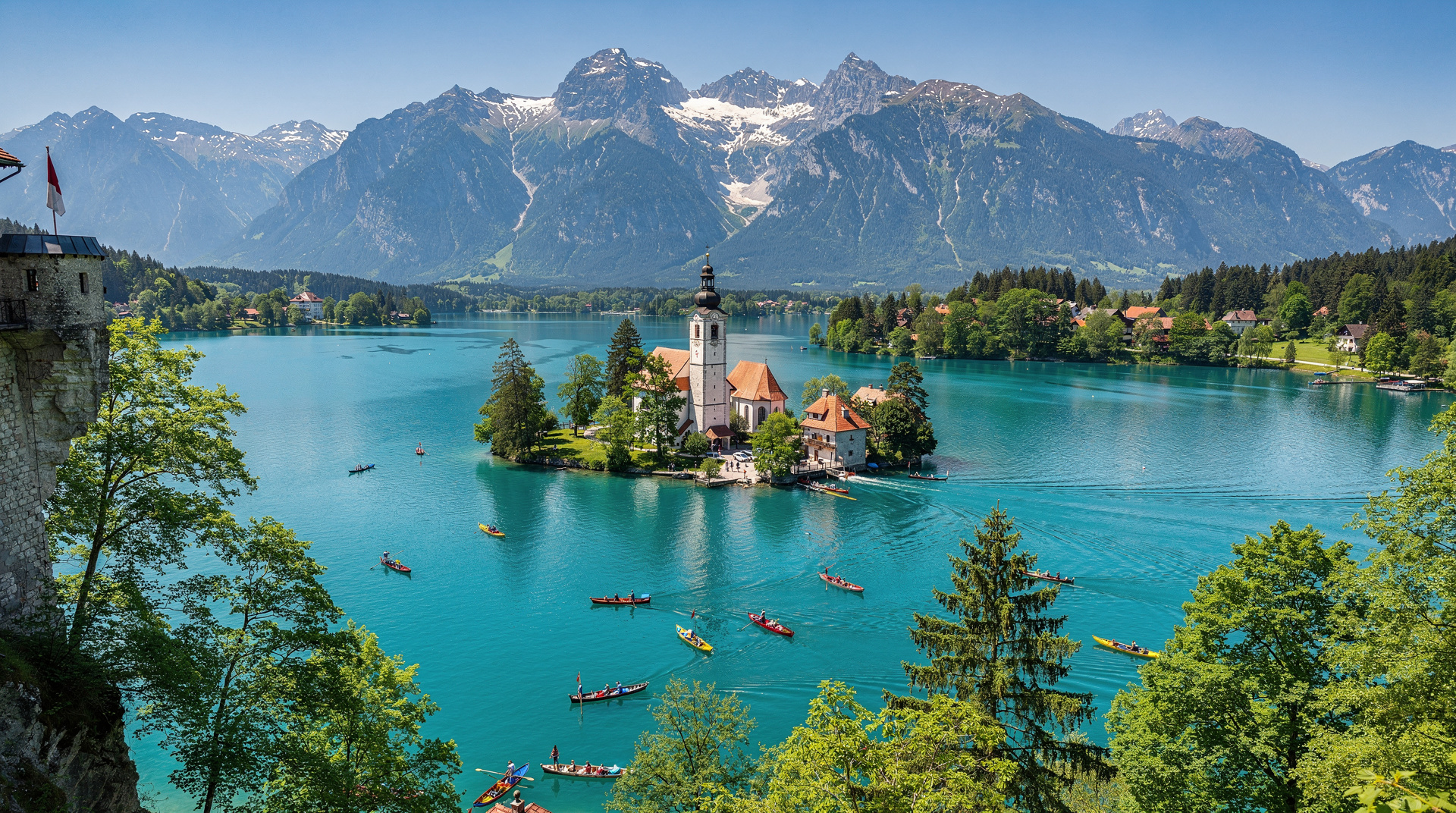
Lake Bled offers accessible and inaccessible elements in roughly equal measure.
Accessible: The main lakeside path on the southern shore (Mlino to Bled) is flat and paved. The rowing boat hire area has level lake access in calm conditions. The lake circuit’s flat sections are usable in a wheelchair.
Inaccessible: The key viewpoints (Ojstrica, Mala Osojnica, Straza Hill) are steep, uneven hiking paths — not accessible for wheelchair users. The pletna boat to Bled Island requires stepping on and off a wooden rowing boat at a dock; this is challenging for wheelchair users and those with significant mobility limitations.
Bled Castle: The castle is reached by a steep road with no accessible alternative (the walking path is also steep and uneven). The cable car that exists is not a passenger lift to the castle. The castle interior has level rooms but the overall site access is poor for mobility-impaired visitors.
Best accessible experience at Bled: Drive or be dropped at the southern shore car park, take the flat lakeside path east as far as comfortable, and use the lake-level views. These are genuinely beautiful and not a compromise — the lake reflects light regardless of whether you have climbed the hill.
If driving yourself is not an option, a guided Lake Bled day trip from Ljubljana can remove the transport puzzle, but ask the operator about wheelchair space in the vehicle before booking.
Postojna Cave
Postojna Cave is one of the most accessible natural attractions in Slovenia. The cave management has invested specifically in accessibility infrastructure.
- The narrow-gauge cave train that carries visitors 3.7km into the mountain can accommodate standard wheelchairs in adapted carriages
- A significant portion of the walking route inside the cave (approximately 3.5km of the 5km tour) has been made accessible with smooth, level paths and gradual ramps
- Wheelchair loan is available at the entrance (small deposit required; electric wheelchairs available for the cave section)
- The visitor centre, shops, and café are accessible
- The proteus aquarium at the exit is accessible
Practical note: The cave temperature is 10°C year-round. Dress warmly; bring a blanket or use the ponchos available for hire at the entrance. The cave terrain, even on accessible routes, involves some gradients and changes of surface — the guided staff are experienced in supporting visitors with various needs.
Pre-booking: Book online and note your accessibility requirements in the comments. Call the cave directly at +386 5 700 01 00 for specific enquiries.
Predjama Castle: The castle exterior and the first floor are accessible via a ramp. Upper floors require stairs. The setting is impressive from the lower level regardless.
Piran and the coast
Piran’s old town is primarily pedestrian and car-free, but the historic street layout presents challenges.
Accessible areas: The main Tartini Square and the seafront promenade are largely flat. Several waterfront restaurants have accessible ground-floor access. The harbour area is flat.
Challenges: Many old town streets are narrow, stepped, or on slopes. The Cathedral of St George is on elevated ground approached by steps. The old town walls are not accessible.
Portorož (2km from Piran) is a more conventional resort town with better disability infrastructure: beach access ramps at the main beach, accessible hotel facilities at larger resorts including the Kempinski Palace Portorož, and more level terrain generally.
National parks and nature
The honest picture: Slovenia’s most dramatic natural environments — Triglav National Park, Vintgar Gorge, the Soča Valley gorge — are mountainous or built along water courses, and are not accessible to wheelchair users except at their fringes.
Triglav National Park: The valley floors along the Trenta and Soča rivers are accessible by car, and some flat walking paths exist at valley level. The park visitor centres (Bled, Trenta) are accessible. All significant hiking routes require mobility above wheelchair level.
Vintgar Gorge: The wooden walkways above the gorge are narrow (approximately 1 metre wide), include steps, and are not wheelchair accessible. Accessible only on foot.
Soča Valley: The river valley can be accessed by car, and some flat sections of the riverside path near Bovec and Kobarid are accessible. The adventure activities (rafting, canyoning) are generally not adapted for wheelchair users, though some operators may accommodate travellers with upper limb or partial mobility.
Transport
Hire cars with adaptive equipment: Vehicles with hand controls, swivel seats, or other adaptive equipment require specialist booking — standard hire companies in Slovenia do not typically stock these vehicles. Companies that can arrange adaptive vehicles include Europcar Slovakia and specialist accessible travel operators. Book well in advance (3–6 months ahead for peak season).
Airport transfer: Ljubljana Airport (LJU) has accessible arrivals and accessible shuttle buses on request. The standard shuttle bus to the city centre is not wheelchair accessible in all vehicles — call ahead. Taxis and accessible transfer services can be booked through the airport.
Slovenian Railways (SŽ) accessibility: Intercity trains have accessible carriages (minimum 1 per train) with wheelchair spaces and accessible toilets. Book the accessible carriage in advance by calling SŽ’s assistance line (+386 1 291 33 32 or enquire at Ljubljana station). Staff will assist with boarding/alighting.
Intercity buses: The Nomago and Arriva bus networks that cover major destinations are partly accessible — newer coaches have low floors and wheelchair spaces. Booking ahead and specifically requesting accessible seating is essential; services cannot guarantee accessibility without prior arrangement.
Useful contacts and resources
Ljubljana Tourist Board (accessible tourism enquiries): tourism@visitljubljana.com — ask specifically about accessible tours and current accessibility updates.
Postojna Cave accessibility team: +386 5 700 01 00 — experienced staff; call directly for tailored accessibility planning.
Slovenian Railways accessibility: +386 1 291 33 32
Mountain rescue (emergencies only): 112
Deaf and hearing-impaired visitors: Ljubljana’s main tourist information centres and many museums have staff trained in basic signed communication. The Ljubljana Tourist Board can arrange guided tours with sign language interpreters with advance notice.
Visual impairment: The Ljubljana City Museum and National Museum of Slovenia have tactile exhibits and audio guides. Calling ahead to arrange adapted visits to major attractions is recommended.
Practical planning for accessible travel
Building your route around accessibility
The most practical accessible itinerary in Slovenia centres on Ljubljana as base and uses the city’s accessible transport network for day trips. The advantage: Ljubljana puts you within reach of both Postojna Cave (fully accessible for wheelchair users) and the flat lakeside path at Bled without needing to navigate the inaccessible parts of either destination.
A suggested accessible 5-day base:
- Days 1–2: Ljubljana old town (largely flat and paved), the Central Market, and accessible museums
- Day 3: Postojna Cave and Predjama Castle (cave is wheelchair accessible; castle has ramp access to lower floors)
- Day 4: Lake Bled — the flat southern shore path from Mlino is accessible; the viewpoints are not
- Day 5: Piran — the main Tartini Square and seafront are accessible; the old town lanes less so
Pre-trip preparation
The most important step for accessible travel in Slovenia is direct telephone or email contact with each attraction and accommodation before booking. Online accessibility claims are often aspirational rather than practical. Specific questions that matter:
- Is there a step at the entrance? How high?
- Is there a lift between floors?
- Is the accessible toilet in the room or shared and on the same floor?
- Is the path from parking to the entrance paved and level?
- Is the bathroom a roll-in shower or a tub?
In Slovenian, the key phrase for accessibility enquiries: “Ali imate dostop za invalidne vozičke?” (Do you have wheelchair access?)
Travel insurance
Standard travel insurance policies may exclude certain pre-existing conditions; specialist accessible travel insurance policies exist for travellers with disabilities and are strongly recommended. Companies including InsureandGo, Staysure (UK), and battleface (international) offer accessible travel cover.
Guided accessible tours
The Ljubljana Tourist Board maintains a list of accessible tour operators and can arrange adapted tours with advance notice. Specifically for visitors with visual impairment, Ljubljana has an audio-guided old town walk available through the tourist information centre. For visitors with hearing impairment, sign language-interpreted tours are available with 2–3 weeks’ advance booking through the tourist board.
What to expect: honest summary by category
| Category | Accessibility level | Notes |
|---|---|---|
| Ljubljana city centre | Good | Main routes flat and paved; some cobblestone in old town |
| Postojna Cave | Good | Wheelchair-accessible with advance notice; cave train adapted |
| Predjama Castle | Partial | Ground floor accessible; upper floors stairs only |
| Lake Bled flat circuit | Partial | Southern shore accessible; viewpoints not |
| Vintgar Gorge | Not accessible | Narrow walkways with steps |
| Soča Valley activities | Limited | Valley floor accessible by car; gorge and activities are not |
| Piran old town | Partial | Main square and seafront accessible; historic lanes not |
| Mountain hiking | Not accessible | All significant routes require full mobility |
Alternative accessible experiences for common destinations
When the primary attraction is inaccessible, a comparable accessible alternative often exists nearby.
When Ojstrica viewpoint at Bled is inaccessible: The southern shore lakeside path from Mlino gives lake-level views that are genuinely beautiful. The pletna boat to the island is accessible with staff assistance for those who can transfer from a wheelchair with support (confirm directly with the operator). The view from the lakeside café terraces is accessible without the steep climb.
When Vintgar Gorge is inaccessible: The Radovna River valley road below Vintgar can be driven or walked on its flat lower sections and gives views of the surrounding landscape. The Bled lake circuit’s flat southern section is a more accessible alternative for water scenery.
When the mountain trails of Triglav National Park are inaccessible: The park visitor centre in Trenta (at valley level; accessible by car) provides educational displays and maps. The valley floor roads through the Trenta and Soča valleys give vehicle-accessible views of the mountain landscape. The Bohinj cable car (Vogel) involves a short flat section from the road to the cable car loading area; the cable car cabin is accessed by a platform that may require staff assistance.
When Bled Castle is inaccessible: The view from the lakeside looking toward the castle (from Ojstrica is inaccessible, but from the flat sections of the lake circuit) is the best framing of the castle exterior. The castle’s visual impact is from outside rather than inside for most visitors.
Travelling with specific conditions
Hearing impairment: Most major attractions in Slovenia use audio guides that are not accessible for profoundly deaf visitors, though an increasing number have written interpretation. The Ljubljana City Museum has a text-based audio guide alternative. Subtitled or signed versions of film and cultural content are available at Ljubljana’s Kinodvor cinema for selected screenings. The tourist board can arrange signed interpretation for tours with advance booking.
Visual impairment: Guide dogs are permitted in all public spaces in Slovenia. Tactile exhibits exist at the Ljubljana City Museum and Natural History Museum. The old town of Ljubljana is walkable with a guide dog — the pavement textures are distinct enough to navigate. Mountain environments require assistance; the valley floor walks are the most navigable with a cane.
Cognitive and neurodiverse visitors: Slovenia’s tourist infrastructure does not specifically cater to neurodiverse visitors. The main attractions are well-explained and follow predictable formats. The cave environments (Postojna in particular) have loud noises (the train) and occasional unexpected crowd density that some visitors find difficult. Visiting caves outside peak season reduces sensory load significantly.
Accessible dining and everyday practicalities
Restaurant accessibility in Slovenia is inconsistent enough to plan around rather than assume. Chain and modern restaurants in Ljubljana and the larger resort towns increasingly have step-free entrances and accessible toilets, but many gostilna-style traditional restaurants occupy older buildings with a step at the door and stairs to any additional seating level. Phoning ahead and asking specifically “Is there a step at the entrance, and is the toilet on the same level?” resolves more uncertainty than any online listing. In Ljubljana, the riverside terrace restaurants along the Ljubljanica are the most reliably level option in the warmer months.
Grocery shopping and pharmacies in city centres are generally accessible — modern supermarkets (Mercator, Spar, Tuš) have automatic doors and wide aisles. Rural village shops can be smaller and more cluttered. Public toilets with accessible stalls are available at the main Ljubljana bus and train stations, at Postojna Cave, and at the larger car parks around Lake Bled; they are scarcer in smaller towns, so plan around known locations.
Money and cards: Slovenia is a heavily card-based economy, which removes one common friction point (handling cash) for travellers with dexterity limitations. Contactless payment is near-universal even in small cafés.
Sample 3-day accessible itinerary focused on Ljubljana and Postojna
For travellers who want a shorter, lower-risk introduction to accessible travel in Slovenia before attempting the fuller 5-day route above:
- Day 1: Arrive, settle into accessible Ljubljana accommodation, gentle afternoon along the flat riverside promenade and Central Market.
- Day 2: Full day at Postojna Cave and the ramped ground floor of Predjama Castle — both bookable in advance with accessibility notes attached to the reservation.
- Day 3: Ljubljana Castle via the accessible funicular in the morning, an accessible museum in the afternoon, and an early, unhurried dinner at a riverside terrace restaurant confirmed by phone.
This compact route avoids the two destinations (Vintgar Gorge, Bled’s viewpoints) that are least forgiving for wheelchair users, while still covering Slovenia’s single best-adapted natural attraction.
Reading other guides through an accessibility lens
Most of our guides are written for travellers with full mobility, so it helps to know which ones translate well to an accessible trip and which ones need adapting. Use them for context, then confirm every detail directly with the venue.
Getting there and getting around. The getting to Slovenia guide and the Ljubljana airport guide cover arrival options; call ahead about assistance whichever route you choose. For moving between cities, getting around Slovenia, public transport in Slovenia and trains in Slovenia explain the network, while the car rental guide and the vignette guide matter if you travel with an adapted vehicle, where having your own door-to-door transport often removes the biggest source of uncertainty.
Choosing a base. Ljubljana is the natural starting point, and the Ljubljana in one day plan and the Ljubljana old town guide show the compact central area. Read them while keeping in mind the cobblestone sections described above, and skip any stop that depends on steep lanes. The Ljubljana castle guide is worth reading before you decide how much of the hilltop to attempt, and where to stay in Slovenia helps you compare areas before you start phoning hotels.
Caves, lakes and the coast. The Postojna Cave guide and the Postojna Cave day trip describe the visit itself, and the Lake Bled complete guide gives the wider picture of the lake. If you want a calmer, flatter alternative to Bled’s busy shoreline, Lake Bohinj is worth a conversation with your accommodation about which parts of the shore are reachable. On the coast, the Piran travel guide and the Portorož guide pair well with the notes above.
Wellness and rest days. Accessible travel is tiring, and building in recovery time is a sensible habit. The thermal spas guide and best thermal spas are good starting points for a slower day, but ask each spa specifically about step-free pool entry, changing rooms and hoists before you commit.
Planning the whole trip. The Slovenia in summer and Slovenia in winter guides help you weigh seasons, since weather affects surfaces, crowds and the comfort of long days. For the pace of the trip, how many days in Slovenia and the Ljubljana and Bled three-day itinerary show how much ground a short trip covers; with limited mobility, you will usually want to do less per day than those plans suggest. The five days without a car itinerary is useful if you prefer not to drive, provided you confirm each transport leg in advance. Finally, common mistakes in Slovenia and Slovenia travel scams are worth a read so that logistics, not surprises, take up your energy.
Related guides
- Slovenia travel guide — the complete planning reference
- Where to stay in Slovenia — accommodation selection
- First time in Slovenia — overview for new visitors
- Slovenia for families — mobility with children
Frequently asked questions about Accessible travel in Slovenia
Is Ljubljana wheelchair accessible?
Ljubljana's city centre is largely accessible. The Triple Bridge, Prešeren Square, and much of the riverside promenade are flat and paved. The old town has some cobblestone sections that are challenging for wheelchairs. The funicular to Ljubljana Castle is wheelchair accessible; the castle outer terrace is accessible; interior spaces vary. The Central Market has accessible paths. Most city-centre restaurants and hotels have at least partial accessibility.Can wheelchair users visit Postojna Cave?
Yes — Postojna Cave is one of the most accessible natural attractions in Slovenia for wheelchair users. The narrow-gauge cave train accommodates wheelchairs, and a significant portion of the cave route is accessible. The cave management provides detailed accessibility maps and will accommodate visitors with advance notice. Call ahead or check the official Postojna Cave website (postojnska-jama.eu) for current route accessibility.Are Slovenian buses and trains accessible?
Urban buses in Ljubljana are equipped with low-floor access and wheelchair spaces. Intercity buses vary — the newer Flixbus and Nomago coaches are more accessible; older regional buses less so. Call ahead to confirm. The main intercity trains have accessible carriages with wheelchair spaces; book in advance through the Slovenian Railways (SŽ) accessibility service.What is the accessible accommodation situation in Slovenia?
Most mid-range and upper hotels in Ljubljana and the main tourist areas have at least one accessible room. Small guesthouses (sobe) and farm stays are generally not accessible. Always contact accommodation directly and ask specific questions (step-free entrance, bathroom grab rails, roll-in shower, bed height) rather than relying on general accessibility claims.Are there guided tours for visitors with disabilities in Slovenia?
Yes, though supply is limited. The Ljubljana Tourist Board coordinates some accessible city tours. Several tour operators in Ljubljana offer adapted private tours with accessible transport. For the cave system, Postojna's management team is experienced in accommodating visitors with various disabilities — enquire directly. Blind and visually impaired visitors can access tactile exhibits at the Ljubljana City Museum.