First time in Slovenia: the beginner's planning guide
Bovec: beginner's canyoning in Fratarica
What do first-time visitors to Slovenia need to know?
Slovenia is easy to travel: safe, English-friendly, and compact. The must-knows: buy a motorway e-vignette (€16) before driving, arrive at Lake Bled before 9am in summer, pre-book Postojna Cave online, and leave time for Bohinj — it is better than Bled for most people and almost nobody goes there first.
What kind of destination is Slovenia, honestly?
Slovenia sits in an unusual position in the European travel imagination. It appears on “hidden gem” lists frequently enough that it is no longer quite hidden — Lake Bled is one of the most photographed lakes in Europe, Postojna Cave is one of the world’s most visited cave systems, and Ljubljana regularly wins “city break of the year” awards from travel publications. Yet beyond these flagships, most of the country remains genuinely off the main tourist trail.
For first-time visitors, the practical experience is one of pleasant surprise: a country that functions smoothly, where English communication is almost never a barrier, where the food is better than expected, and where driving 45 minutes in almost any direction from the main tourist sites deposits you in a landscape of comparable beauty with a fraction of the crowd.
The useful framing for a first visit: Slovenia is not a “budget” destination that requires roughing it, nor is it an expensive luxury destination. It is a competent, well-organised, beautiful small country that rewards planning slightly more than most travellers apply.
| Minimum trip length | 5 days |
| Best first stop | Ljubljana, 1–2 days |
| Currency | Euro; cards work almost everywhere |
| Language barrier | Low; English widely spoken in tourism |
| Biggest early mistake | Not pre-booking Postojna Cave and Bled accommodation |
Before you arrive: the essential checklist
Entry and documents:
- Valid passport (Schengen area; check requirements for your nationality at the official Slovenian embassy website or the EU’s Schengen rules)
- ETIAS pre-authorisation for non-EU visa-exempt nationals is not yet in operation — check the official EU ETIAS website for the launch date before booking
- European EHIC or UK GHIC health card (for EU/UK citizens; covers emergency treatment)
- Travel insurance — strongly recommended, especially if mountain activities are planned
If driving:
- Buy the motorway e-vignette before or at the border: evinjeta.dars.si or any petrol station near entry points
- Cost: €16 for 7 days. Driving without it: €300–800 fine. This is enforced with cameras; do not skip it
- Verify the vignette is included if your hire car is pre-booked (some companies include it; others do not)
Bookings to make before you leave:
- Postojna Cave online tickets (skip the queue — the saving in summer can be 90 minutes)
- Accommodation at Lake Bled for summer (books out 2–3 months ahead)
- Active activities like rafting if dates are fixed
Download before departure:
- Offline maps (Google Maps offline download, or Maps.me — covers Slovenia comprehensively)
- Arso.si (Slovenian weather service — the mountain forecasts are more accurate than international apps)
- Your travel insurance policy document
The beginner’s 5-day itinerary
This is the baseline first visit — not the most adventurous or most comprehensive possible itinerary, but the one that introduces the country’s character effectively and leaves visitors wanting to return.
Day 1 — Ljubljana
Arrive at Ljubljana Airport (LJU) or by bus/train. If landing, the airport shuttle to the city centre takes 45 minutes and costs €4. Central Ljubljana is walkable from the main bus/train station.
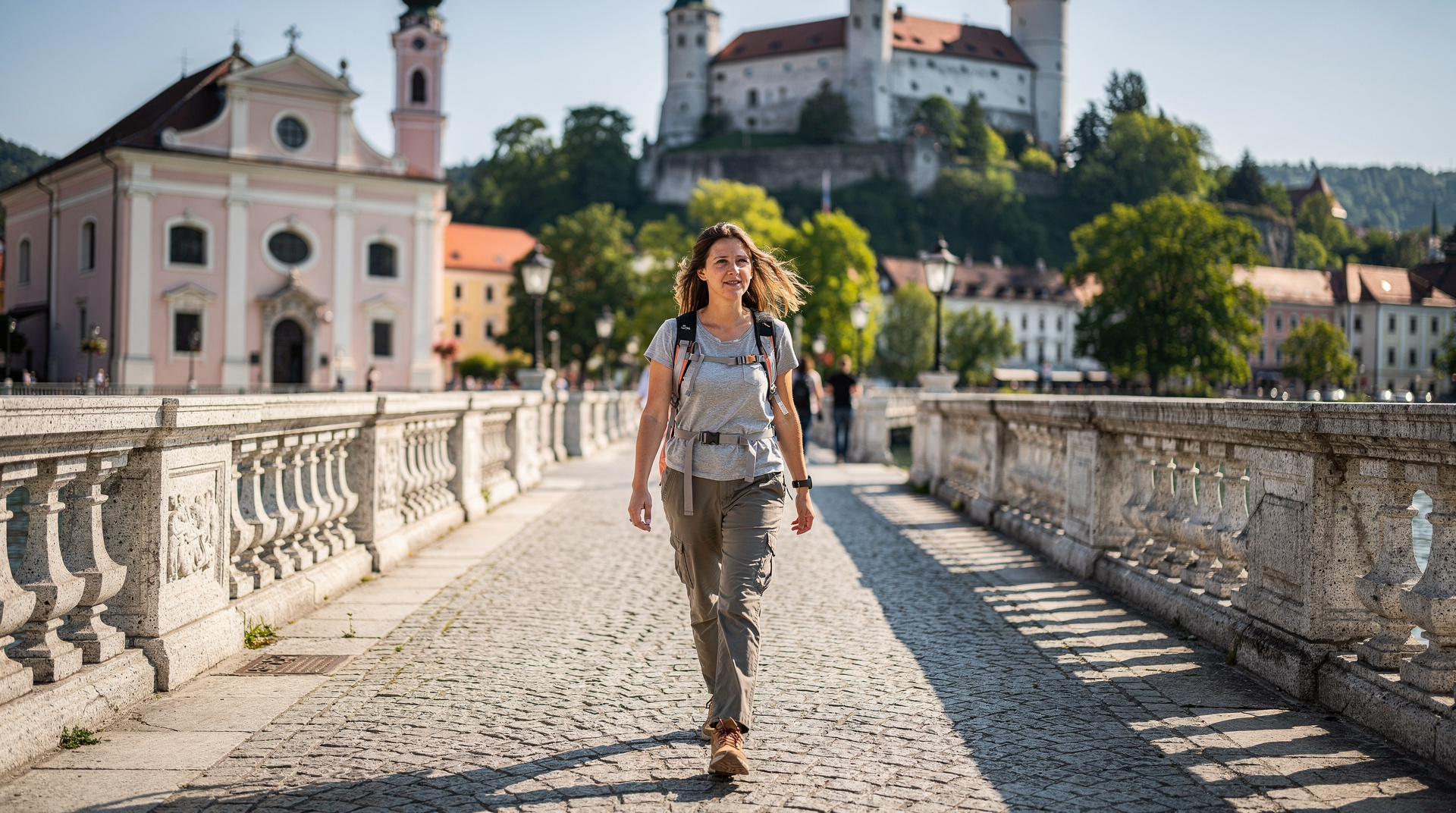
Afternoon: walk the old town circuit — the Triple Bridge, Prešeren Square, the Dragon Bridge, the covered Central Market (closes at 2pm on weekdays). The Plečnik arcades along the market are one of the most distinctive architectural experiences in Central Europe: the work of Jože Plečnik, Ljubljana’s visionary interwar architect, whose influence on the city is total and consistently unexpected.
Evening: dinner in Krakovo (Gostilna Pri Škofu is a reliable traditional option; As restaurant is the step-up for something more refined).
Skip: the Ljubljana Castle interior (the views from the outer ramparts are free and comparable; the exhibitions are minor).
Day 2 — Ljubljana (morning) + drive to Bled
Morning: Central Market, coffee at a riverside café. Browse Cankarjeva Cesta for books and the nearby design and food shops. Check out by noon.
Drive to Bled (~55 minutes). Stop en route at Radovljica (15 minutes before Bled) — this small medieval town’s old square is rarely visited and worth 30 minutes.
Afternoon at Bled: walk the lake circuit (6km, 1.5 hours at a gentle pace). The viewpoint at Ojstrica (take the path from the lakeside near the rowing club — steep, 20 minutes, the view is the one on every postcard) is free and better than any of the paid experiences.
Evening: dinner in Bled town (avoid the tourist lakeside strip; Gostilna Pri Planincu is the reliable local choice).
Day 3 — Lake Bled + Vintgar Gorge
Early start: arrive at Vintgar Gorge before 9am (the car park fills by 10am in July–August). The gorge is a 4km round trip on wooden walkways above the Radovna River. The waterfalls and turquoise pools are genuinely impressive. Cost: €15. Closed November through April.
After the gorge: drive to Bohinj (~30 minutes). Lake Bohinj is larger, wilder, and quieter than Bled. July–August: swim at the Ribčev Laz beach. Any season: take the Vogel cable car (€32–35 return) to 1,540m for the Julian Alps panorama — in clear weather, this is one of the finest viewpoints in the Eastern Alps. Worth it; the weather often closes in by afternoon.
Return to Bled or continue toward Postojna (1h20 south).
Day 4 — Postojna Cave and Predjama Castle
Pre-booked Postojna Cave tour: allow 90 minutes (the tour itself). The cave system is the largest open to visitors in Europe; the narrow-gauge train that takes you 3.7km into the mountain before the guided walk begins is a genuine spectacle. The proteus (cave olm) in the aquarium at the exit is one of those rare wildlife moments that genuinely earns its place in a tourist circuit. Temperature is 10°C year-round — bring a layer.
Predjama Castle: 9km northwest of Postojna. A castle constructed inside the mouth of a cliff cave — there is nothing architecturally comparable in the region. The drive through the Karst landscape is itself atmospheric. Combo ticket with Postojna (check the prices at the time of booking).
Return to Ljubljana (45 minutes from Postojna) for the night.
Day 5 — Piran
Drive west to Piran (90 minutes from Ljubljana). Park outside the old town walls (the town is largely car-free; the car parks just outside the gates are clearly signed).
Piran is a genuine Venetian-era town on a narrow peninsula — the street layout, the campanile of St George’s Cathedral (climb for the view; €2), and the architecture are the product of four centuries of Venetian administration, and the town retains that character in its proportions and colours rather than merely in heritage-listed façades.
Afternoon: walk the old town, swim if visiting May–October (the small beaches and lido platforms are modest; this is not a sand-beach coast), eat fresh fish or seafood at one of the restaurants away from the main Tartini Square (better quality-to-price ratio off the square).
Return to Ljubljana (1h30) for an overnight or late flight.
The honest guide to the tourist hotspots
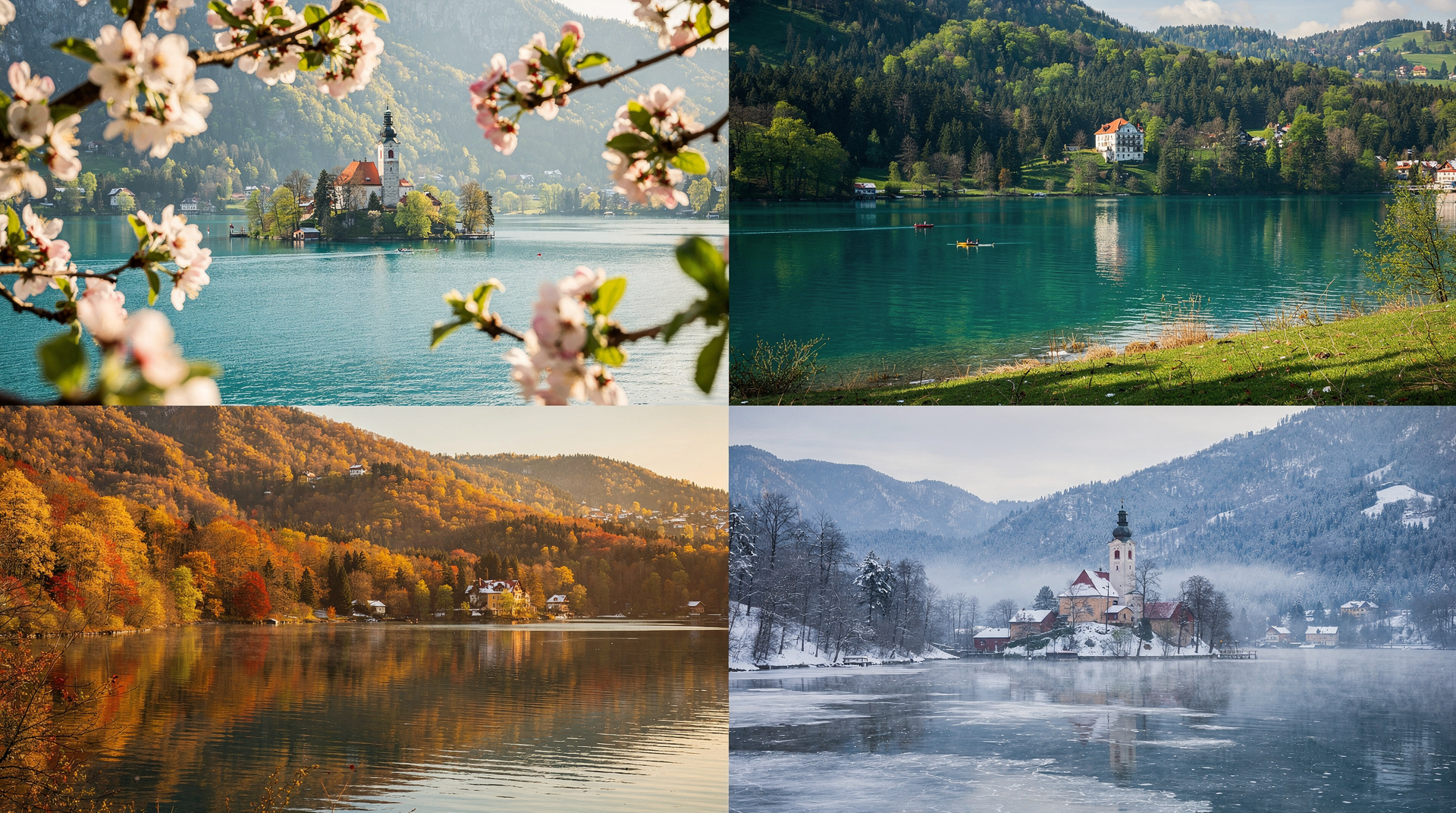
Lake Bled: Beautiful and worth it, with managed expectations. The classic photograph — island church, castle, mountains — exists in real life. The island boat (pletna; confirm the fare at the landing or with the Bled tourist office, bled.si) is fine but not revelatory; from the island, you cannot see the castle over-the-lake view. The castle interior (€19) is optional. The cream cake (kremna rezina) at Park Restaurant or Smon is €6–7 and legitimately good.
What makes Bled great: the viewpoints (Ojstrica, Mala Osojnica, Straza Hill), the 6km lake circuit walk, the proximity to Vintgar and Bohinj, and the surrounding Alpine landscape. What makes it crowded and occasionally disappointing: arriving at 11am in August by tour coach.
Postojna Cave: One of the world’s great cave experiences, unambiguously. It is also genuinely over-managed for maximum visitor throughput. This is not a criticism so much as a calibration: the experience is excellent and worth the €34.90, but it is a smooth tourist operation rather than an adventure into the wild unknown. For a complementary experience that feels wilder and less processed, Škocjan Caves (UNESCO World Heritage Site, 40 minutes away) are highly recommended — particularly the underground canyon.
Ljubljana Castle: The hill is worth climbing. The outer ramparts and the view from the top are free with the funicular (€6 return) or a 15-minute walk through the Krakovo neighbourhood. The paid exhibitions inside are minor. Skip them unless the medieval history of Ljubljana is a specific interest.
Food and drink for first-timers
Slovenian cuisine is genuinely underrated on the European food map. A few pointers:
Gostilna: The traditional Slovenian inn, usually family-run, often serving dishes that have been on the menu for 40 years. This is where to eat local food. Do not dismiss the lack of English on the menu as a problem — point at the dnevni meni (daily menu, usually €10–14 for two courses with a drink) and you will eat well.
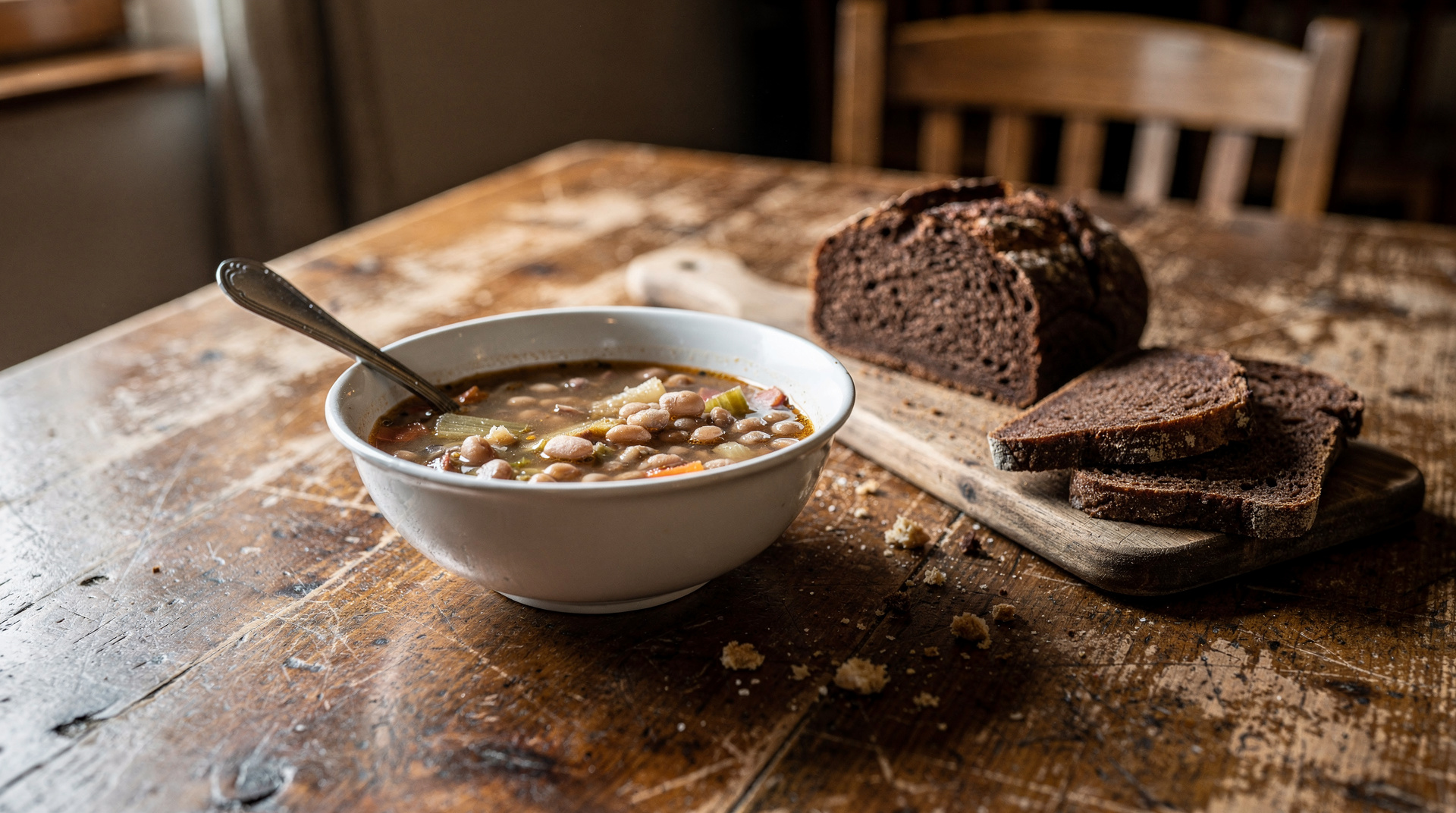
Local dishes to order: Jota (the bean/sauerkraut/smoked pork stew of the Karst region), Soča trout (brown or rainbow; the river water quality makes it exceptional), štruklji (rolled dumplings with cottage cheese or walnut filling, served sweet or savoury), kranjska klobasa (Carniolan sausage — a national institution; try at the Central Market in Ljubljana), and gibanica in Prekmurje (eastern Slovenia’s four-layer pastry).
Wine: Slovenia produces excellent wine in three main regions. Rebula (white, mineral, from Goriška Brda), Malvazija (aromatic white from the Karst and coast), Pinot Gris (Julian foothills), and orange wine (Slovénia pioneered macerated whites — worth trying at a Ljubljana wine bar). A restaurant bottle of good local wine costs €12–20.
Beer: Laško and Union are the mainstream Slovenian lagers — drinkable and cheap. The craft beer scene in Ljubljana has grown significantly; Pelicon, Human Fish, and Reservoir Dogs are worth seeking out.
Language basics
Slovenian is the language of the country. In tourist areas, English is spoken by almost everyone working in hospitality and retail. Outside tourist areas, German is the most useful second language (particularly near the Austrian border).
A few Slovenian words earn significant goodwill:
- Dober dan (DO-ber dan) — good day
- Hvala (HVAH-la) — thank you
- Prosim (PRO-sim) — please / you’re welcome
- En / dve pivi, prosim — one / two beers, please
- Račun, prosim — the bill, please
See the Slovenia language phrases guide for a more comprehensive phrasebook.
Getting oriented: Slovenia’s geography in plain terms
Understanding the country’s geography in advance makes itinerary decisions easier. Slovenia is roughly divided into four travel zones:
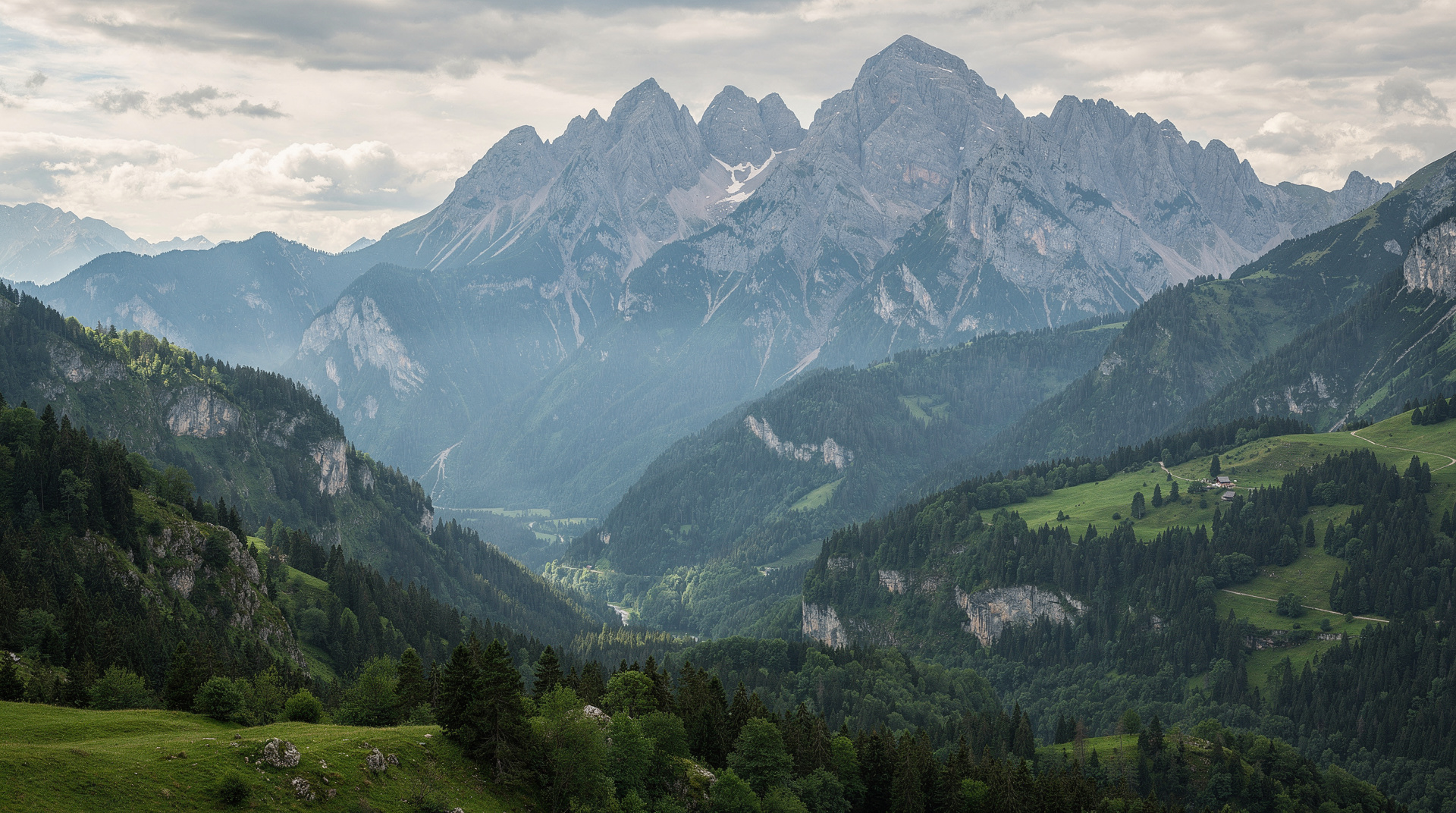
The Julian Alps and lake district (northwest): Lake Bled, Bohinj, Kranjska Gora, Triglav National Park. This is the Alpine Switzerland of Slovenia — dramatic mountains, turquoise lakes, the Vršič Pass. Distance from Ljubljana: 55–80km.
The Soča Valley (west): Bovec, Kobarid, Tolmin. The turquoise river gorge, adventure sports capital, First World War history. Distance from Ljubljana via Vršič: 2–2.5 hours. Via Tolmin: 1h45.
If you want a first taste of the valley’s adventure side without any experience, a guided beginner canyoning outing near Bovec is a gentle way in.
The Karst and coast (southwest): Postojna, Predjama Castle, Piran, the Slovenian Adriatic. Caves, coastal towns, Venetian architecture, seafood. Distance from Ljubljana: 45–90 minutes depending on destination.
Central Slovenia and beyond (Ljubljana + east): The capital itself, then Maribor, Ptuj, Celje, the thermal spa circuit. Distance: Ljubljana is the starting point; Maribor is 1h40 by train.
The key insight for first-timers: the Julian Alps and the Karst/coast are on opposite sides of Ljubljana. You cannot do both from a single non-Ljubljana base without significant driving. The practical itinerary takes you out from Ljubljana to one zone, returns, then goes out to another zone — or you base in Ljubljana for the full trip and day-trip in each direction.
Practical first-day tips
Airport to Ljubljana: The shuttle bus (Markun airport shuttle) runs approximately every 30–60 minutes depending on the season. It stops at Ljubljana bus station and at several city-centre stops. Cost: approximately €4. Journey time: 45 minutes. Taxi: €25–35 and 30 minutes, depending on traffic. The shuttle is almost always the better choice.
Getting a SIM card: Available at the airport and from telecom shops (A1, Telekom, Telemach) throughout the city. EU roaming means EU SIM cards work normally in Slovenia. For UK travellers, major providers have changed post-Brexit roaming terms — check before departing.
Currency: You are already in euros. No exchange required. Card payment works everywhere except some mountain huts and very small village gostilne. Carry €50–100 in cash for contingencies.
Day one logistics: Check in before 3pm if possible (contact your accommodation if arriving later). Leave your bags, walk the old town, and find somewhere for a quiet dinner. The old town takes 30–45 minutes to orient yourself; after that, the city becomes intuitive. Ljubljana is safe at night — walking back to your accommodation at midnight is not a concern.
Things that work differently from what you might expect
Opening hours: Slovenian gostilne often close in the afternoon (between 2pm and 5pm or 6pm). The standard lunch service ends at 2pm; dinner service starts at 6pm. If you arrive at 3:30pm, many kitchens will not serve you. Plan meals around this rhythm rather than fighting it.
Shops on Sunday: Most larger shops close on Sunday in Slovenia (supermarkets at larger shopping centres are exceptions). If you need supplies for a Monday-morning mountain start, shop on Saturday.
Mountain weather checks: Do not use international weather apps for mountain decisions. Arso.si is the national meteorological service and produces specific mountain zone forecasts. It is more accurate than Weather.com or Apple Weather for the Julian Alps.
Tourist tax: A small overnight fee (€0.50–2.50 per adult per night) is collected by accommodation. It is minor but worth knowing about so it does not surprise you at checkout.
What to do if things go wrong
Lost or stolen passport: Report to the nearest police station (policija) and then your country’s embassy or consulate in Ljubljana. The British Embassy, US Embassy, and most EU member embassies maintain Ljubljana offices. Emergency travel documents can typically be arranged within 24–72 hours for most nationalities.
Medical emergency: Call 112. Ljubljana’s University Medical Centre (UKC Ljubljana) is the main hospital. Regional health centres (zdravstveni dom) in each town handle non-emergency care. If you have an EHIC or GHIC card, present it — emergency treatment is covered without immediate payment.
Car breakdown: The AMZS (Automobile Association of Slovenia) breakdown service: 1987. Rental car companies have their own breakdown numbers; find the number in your car rental documents before you need it.
Activity emergency (mountain, river): Call 112 for mountain rescue or water rescue. If hiking, give your GPS coordinates if possible — the GRS app transmits them automatically. If you have registered your route with the tourist information, rescue teams will have a starting point.
Cancelled or missed flights: Slovenia’s small size makes Ljubljana Airport the single relevant departure point for most travellers. The airport has limited capacity; when flights are cancelled or delayed, the situation can be acute. Travel insurance with trip interruption coverage is the practical protection. The airport has direct bus connections to the main Ljubljana hotels; for overnight delays, accommodation will need to be found independently.
Choosing where to base yourself
Most first-timers do best with one or two bases rather than a new hotel every night. Ljubljana works as a hub for day trips in several directions, while a second base in the Julian Alps keeps the lakes and gorges within easy reach. The where to stay in Slovenia guide compares the options, and the Lake Bled complete guide and Lake Bohinj guide help you decide between the two lakes. If you cannot choose, Bled vs Bohinj lays out the trade-offs plainly.
Getting around without stress
Slovenia is small enough that transport rarely becomes a problem once you understand the basics. Getting around Slovenia covers the overall picture, trains in Slovenia and public transport in Slovenia explain what works without a car, and car rental in Slovenia is worth reading before you reserve. Drivers should also read driving in Slovenia and the vignette. If you would rather skip the car entirely, the Slovenia in 5 days without a car itinerary shows how.
Ways to extend or reshape the beginner route
The five-day plan above is a starting point, not a rule. Travellers with an extra day or two can add the Soča Valley or a wine stop in Goriška Brda. Those who prefer a ready-made structure can follow the Slovenia highlights in 5 days itinerary or the Ljubljana and Bled in 3 days plan for a shorter trip. To go deeper on the capital, see the Ljubljana in one day guide, and for the mountains, the Julian Alps hiking guide. If that extra day lands in the Soča Valley and you want something active without prior experience, a beginner-friendly guided canyoning trip fits neatly into a single morning or afternoon.
Reading more before you commit
If you are still weighing the destination itself, is Slovenia expensive? and common mistakes in Slovenia help set realistic expectations, while the blog piece 25 things to know before Slovenia collects practical tips in a lighter format. Slovenia packing guide goes further than the short list above.
The one thing to do before you leave Slovenia
The question worth asking on the last evening: what have you missed that you want to come back for? Almost every traveller who returns from a first Slovenia trip has a list. The Soča Valley (if you did not go). The wine country (if you focused on the lakes). Eastern Slovenia (if you stayed in the northwest). The Logar Valley. Škocjan Caves instead of Postojna. Goriška Brda in autumn.
Slovenia’s size means that a return trip is logistically easy. Ljubljana is within a short flight of most of Europe. The country has enough variety that the second trip will be materially different from the first — not a repetition of highlights but an exploration of the parts you skipped.
How much cash to carry
Slovenia is heavily card-friendly — restaurants, hotels, fuel stations and most shops accept cards without hesitation, and contactless is the default in Ljubljana and at every major tourist site. The exceptions are the ones that catch first-time visitors out: some rural gostilne (especially in the Karst and Julian Alps villages), small parking machines at trailheads and lake car parks, and a handful of mountain huts (koče) are cash-only or strongly cash-preferred.
Carrying EUR 50–100 in small denominations covers these gaps comfortably for a week-long trip without needing to plan around it. ATMs are widely available in every town of any size; airport ATMs charge slightly worse exchange rates than in-town machines, so withdraw only what you need immediately at the airport and top up in Ljubljana.
What to pack for a first trip
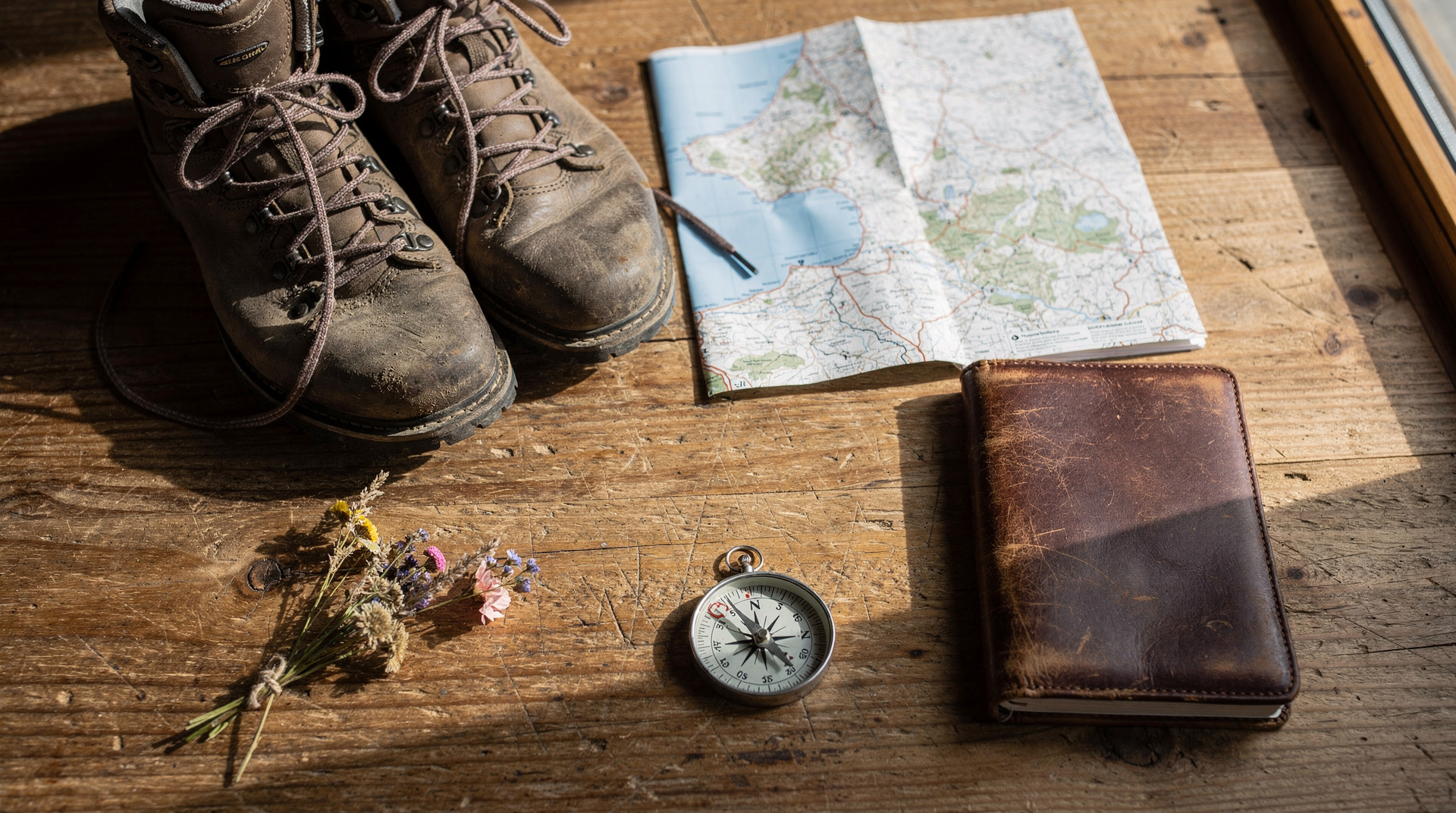
A first-time Slovenia packing list depends on the season, but a few items apply nearly year-round. Comfortable walking shoes are non-negotiable — cobbled old towns, gravel lakeside paths and gorge walkways all favour grip and support over style. A light rain layer is useful even in summer, since Alpine weather changes quickly and afternoon thunderstorms are common June–August.
A reusable water bottle is genuinely worth carrying: Slovenian tap water is excellent everywhere, including in the mountains at most refuges, and refilling is free. If any part of the itinerary includes Vintgar Gorge, Bled’s Ojstrica viewpoint, or a Julian Alps walk, proper footwear with ankle support rather than sandals makes a real difference on the uneven wooden and stone paths.
For swimwear: Bled and Bohinj are genuinely swimmable in summer, and Piran’s beaches (rocky and lido-platform rather than sand) reward a swimsuit packed even on a short trip. A padlock for hostel or car lockers, a portable charger for long driving days with GPS running, and a printed or offline-downloaded map as backup for patchy mountain signal round out the practical list.
What locals wish first-time visitors knew
A few observations that come up repeatedly from Slovenians talking to first-time visitors, worth internalising before you arrive. First, the country is not “the next Croatia” or a cheaper alternative to the Alps — it has its own distinct culture, and comparing it constantly to neighbours undersells what makes it interesting on its own terms. Second, tipping in restaurants is appreciated but not expected at American levels; rounding up the bill is standard, and a large tip can genuinely surprise gostilna staff.
Third, punctuality matters more than in southern Europe — buses, tours and restaurant reservations run close to schedule, and arriving significantly late without notice is considered impolite. Fourth, recycling and environmental care are taken seriously nationally (Ljubljana was a European Green Capital), so following posted waste-sorting instructions at accommodation is noticed and appreciated, however minor it might feel.
Related guides
- Slovenia travel guide — the complete planning reference
- How many days in Slovenia? — itineraries from 3 to 14 days
- Slovenia trip budget — what everything costs
- Best time to visit Slovenia — seasonal planning
- Is Slovenia safe? — safety context for new visitors
- Slovenia language phrases — the essential phrasebook
Frequently asked questions about First time in Slovenia
What surprises first-time visitors about Slovenia?
Three things commonly surprise first-timers: (1) how compact the country is — you can visit three completely different landscapes in a single day. (2) How good the food is — Slovenian cuisine, particularly gostilna cooking and the new generation of Ljubljana restaurants, is consistently better than expected. (3) How genuinely unaffected most of the country is — beyond Bled and Postojna, tourist crowds essentially disappear.What are the most common mistakes first-time visitors make?
Over-scheduling: trying to fit Bled, Bohinj, Postojna, Piran, and the Soča Valley into five days. Not booking Postojna Cave in advance (the queues in July–August can add 90 minutes to your visit). Arriving at Lake Bled at 11am in August (do this before 9am or late afternoon). Skipping Bohinj because it is not as photogenic as Bled. And ignoring Ljubljana's restaurant scene by eating at the tourist riverside strip.Do I need to book things in advance in Slovenia?
For summer (June–August) travel: book accommodation 2–3 months ahead, especially at Bled. Book Postojna Cave online (saves significant queuing). Book active activities (rafting, canyoning) at least a week ahead. Shoulder season (May, September–October): spontaneous booking generally works, though good guesthouses fill quickly. A hire car in July needs to be booked well in advance.What should I eat on a first visit?
Jota (bean, sauerkraut, and smoked meat stew) at a gostilna in autumn or winter. Žganci (buckwheat or corn porridge) as a side. Freshwater fish — the Soča trout is excellent; Bohinj lake also has excellent trout. Prekmurska gibanica if you reach eastern Slovenia (layered pastry with four fillings: poppy seed, cottage cheese, walnut, apple). Bled cream cake (kremna rezina) at least once, despite the tourist price.What is the one thing most first-time visitors regret not doing?
Not leaving enough time for the Soča Valley. The combination of the turquoise river, the mountain scenery, and the First World War history at Kobarid is the experience that most visitors cite as the highlight of their trip — yet the Soča Valley is the attraction most likely to be cut when itineraries are compressed.