Slovenia trip budget: honest cost breakdown for 2026
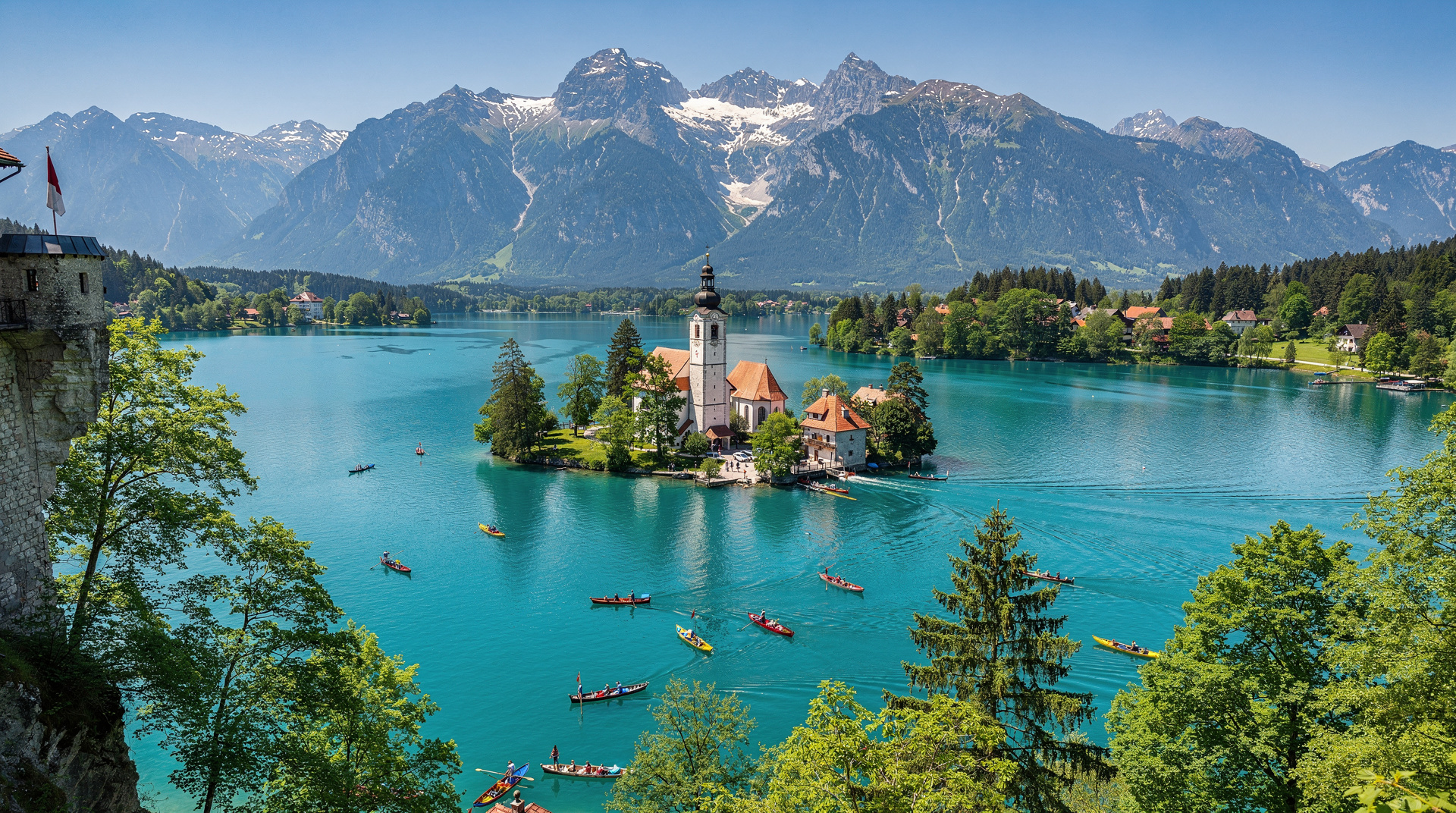
Ljubljana: Lake Bled and Triglav National Park full-day trip
How much does a trip to Slovenia cost per day?
Budget travellers can manage on €45–60 per day. Mid-range travel costs €100–130. Comfortable travel with good hotels and activities comes to €160–200. A 7-day mid-range trip for two people typically costs €1,400–1,800 all-in, excluding flights.
What Slovenia actually costs in 2026
Slovenia is sometimes listed as a “budget” European destination. This is only partially accurate. The country is cheaper than Austria, Switzerland, or France — often substantially so. But it is not cheap in the way that some southeastern European countries are. Ljubljana restaurants charge Central European prices; Bled accommodation in July is not a bargain. The honest framing is: Slovenia offers good value relative to Western Europe, especially if you travel with some flexibility about where you eat and stay.
This guide provides honest current (2026) prices for accommodation, food, transport, and attractions. All prices are in euros — Slovenia has used the euro since 2007 and there is no currency exchange to manage.
| Shoestring | €45–60/day |
| Mid-range | €100–130/day |
| Comfortable | €160–200/day |
| Biggest surprise cost | Postojna Cave (€34.90) |
| Biggest saving lever | Škocjan over Postojna, gostilne over tourist restaurants |
Daily budget by travel style
Shoestring: €45–60 per day
This is possible in Slovenia but requires some discipline. The main levers:
- Accommodation: Hostel dorms cost €20–35 in Ljubljana, €25–40 at Bled in peak season. Outside summer, prices drop substantially.
- Food: Self-catering from supermarkets (Mercator, Spar, Hofer) for breakfast and lunch; one meal at a local gostilna in the evening (€12–16 for two courses and a beer).
- Transport: Regional buses are cheap. Ljubljana to Bled by bus costs €7.30 one-way. Ljubljana to Piran costs €11. A 7-day regional bus pass is not available; buy individual tickets.
- Attractions: Prioritise the free ones — Mala Osojnica viewpoint (free), castle ramparts (free outer access); Vintgar Gorge is €15. Skip Postojna Cave (€34.90) and substitute Škocjan (€18 for guided tour).
Mid-range: €100–130 per day
This is the most common travel style for Slovenia visitors and gets you a comfortable trip.
- Accommodation: €60–100 for a double room at a 3-star hotel or well-reviewed guesthouse. In Ljubljana: Vander Urbani Resort, Vila Veselova. At Bled: several well-reviewed guesthouses in Mlino and Bled. At Piran: apartments on the old town edge are the sweet spot.
- Food: Two sit-down meals per day. Lunch at a konoba or gostilna (€15–20), dinner at a mid-range restaurant (€30–45 for two with a bottle of local wine). Slovenian wine is excellent and inexpensive — a good local bottle runs €8–15 in a restaurant.
- Activities: Budget for one paid attraction per day (€15–30) — a cave visit, a guided walk, a wine tasting.
- Car hire: €35–55/day for a compact car in shoulder season; €50–75/day in July–August. Petrol costs roughly €1.55–1.70/litre.
Comfortable: €160–200 per day
At this level, Slovenia offers genuine quality.
- Accommodation: Boutique hotels and character properties. In Ljubljana: Vander Urbani Resort or Hotel Cubo (€150–220/night). At Bled: Vila Bled (the former Tito summer residence; expensive but extraordinary setting). At Piran: rooms in the old town itself.
- Food: Restaurant dinners with a wine focus. Slovenian cuisine rewards attention at this level — the chef’s tasting menu at Hiša Franko (in the Soča Valley; reserve months ahead) is one of Europe’s most celebrated restaurant experiences, run by Ana Roš.
- Activities: Guided experiences — private walking tours, fly-fishing guides, a private boat on Lake Bled.
Luxury: €250+ per day
Slovenia’s luxury end has grown substantially. The Brdo resort outside Kranj, the Aman Venice-linked properties, and the Kempinski Palace Portorož on the coast represent internationally competitive luxury. The Soča Valley delivers exceptional outdoor luxury — glamping pods above the river at premium lodges, private canyon guiding, chartered helicopter access to Triglav.
Attraction costs
| Attraction | Price (adult, 2026) |
|---|---|
| Postojna Cave (tour only) | €34.90 |
| Postojna + Predjama combo | €49.90 |
| Škocjan Caves | €18.00 |
| Vintgar Gorge | €15.00 |
| Bled Island (pletna boat return) | Confirm at the jetty or with the Bled tourist office (bled.si) |
| Bled Castle | €19.00 |
| Ljubljana Castle (with exhibitions) | €17.10 online / €19.00 at the ticket office |
| Ljubljana Castle (outer access only) | Free |
| Vogel cable car (return) | €32–35 |
| Predjama Castle only | €24.00 |
| Lipica Stud Farm (tour) | See current prices on the official site (lipica.org) |
Activities: white-water rafting on the Soča runs €45–65 for a half-day. Canyoning €50–70. Tandem paragliding €70–100. Guided hiking in Triglav National Park costs €80–120 for a full-day guided ascent.
Transport costs
| Journey | Mode | Cost |
|---|---|---|
| Ljubljana Airport → city | Shuttle bus | €4 |
| Ljubljana → Lake Bled | Bus | €7.30 one-way |
| Ljubljana → Piran | Bus | €11.00 one-way |
| Ljubljana → Maribor | Train | €9–15 |
| Ljubljana → Koper | Bus | €8.50 one-way |
| Ljubljana → Postojna | Bus | €7.00 one-way |
Motorway e-vignette: €16 for 7 days. Purchase at evinjeta.dars.si or petrol stations near entry points. Driving without it incurs fines of €300–800 — this is not a cost that gets overlooked.
Car hire: book well ahead for summer travel. Prices from €35/day in spring, rising to €65–80/day in July–August for a compact car. Car hire at the airport is generally pricier than hiring in central Ljubljana.
Food and drink costs
Coffee: Espresso €1.60–2.00 at a local café. Tourist-area cafés charge €2.50–3.50.
Local lunch (gostilna): Two courses with a soft drink, €12–18. Many gostilne offer a dnevni meni (daily menu) at €10–13.
Dinner at a mid-range restaurant: €25–40 per person with wine.
Local Slovenian wine by the bottle (restaurant): €9–18 for a good Rebula, Malvazija, or Pinot Gris.
Beer: 0.5L draught Laško or Union at a bar, €2.50–3.50.
Supermarket: Bread (€1.50), local cheese (€3/200g), Slovenian ham (~€4/100g), local yogurt (€0.80). Self-catering breakfast costs €4–6 per person.
The money-saving principle applies everywhere: move two streets off the tourist strip and prices drop immediately. The lakeside cafés at Bled, the old town restaurants in Piran, and the castle-adjacent restaurants in Ljubljana all carry a significant tourist premium.
Accommodation costs
| Type | Low season (Oct–Apr) | Peak season (Jul–Aug) |
|---|---|---|
| Hostel dorm | €18–28 | €28–42 |
| Budget guesthouse (double) | €50–80 | €80–120 |
| 3-star hotel (double) | €80–120 | €120–180 |
| Boutique hotel (double) | €120–200 | €180–280 |
| Luxury resort | €200–350 | €320–550+ |
Booking two to three months ahead for summer (June–August) saves 20–40% compared to last-minute prices at popular destinations. Bled and Piran are particularly tight in peak weeks.
Sample 7-day budgets
Two people, mid-range, 7 days (excluding flights)
| Category | Estimate |
|---|---|
| Accommodation (7 nights, double room avg. €110/night) | €770 |
| Food (7 days, 2 meals out + self-catering breakfast) | €490 |
| Car hire (7 days, compact) | €315 |
| Petrol (approx. 700km at €0.09/km) | €63 |
| E-vignette | €16 |
| Attractions (average €25/day each) | €350 |
| Miscellaneous (coffee, tips, ice cream) | €100 |
| Total for two | €2,104 |
| Per person | ~€1,050 |
Solo traveller, budget, 7 days (excluding flights)
| Category | Estimate |
|---|---|
| Accommodation (7 nights, hostel dorm or cheap guesthouse avg. €32/night) | €224 |
| Food (7 days, one gostilna meal + self-catering) | €175 |
| Buses and local transport | €60 |
| Attractions (2 paid per week, avg. €18 each) | €36 |
| Miscellaneous | €50 |
| Total | ~€545 |
Where to save, where to spend
Save on: accommodation outside peak summer (or book well ahead), food by eating local, cave visits by choosing Škocjan over Postojna, and lake accommodation by basing in Bohinjska Bistrica rather than Bled.
Spend on: the Soča Valley if active travel appeals (the experiences are excellent value even at full price), at least one good restaurant meal in Ljubljana or the coast, and a full day in Triglav National Park with a guide if you want to do serious hiking safely.
If you have no car and would rather not piece together buses and entrance fees yourself, a guided full-day trip from Ljubljana to Lake Bled and Triglav National Park is one way to see the Alps in a single, predictable outlay.
Tipping, taxes, and payment
Tipping culture: Tipping is not mandatory in Slovenia but is appreciated. The convention is rounding up the bill or leaving 10% for good service at restaurants. For guided tours and activities (rafting guides, walking tour guides), €5–10 is a standard tip at the end of a half-day experience. Taxi drivers rarely expect tips; rounding up is generous.
VAT: Value added tax (DDV in Slovenian) is included in all listed prices, as required by EU law. Non-EU visitors can claim a VAT refund on purchases above €50 at a single retailer by completing a Tax Free form at purchase and presenting it at the border or airport — useful for significant purchases of wine, craft goods, or electronics.
Payment: Visa and Mastercard are accepted almost universally at hotels, restaurants, supermarkets, and petrol stations. American Express has less coverage, particularly at smaller gostilne and rural accommodation. Contactless payment is widespread. Cash remains useful for mountain huts (some are cash-only), small village gostilne, market stalls, and parking meters.
ATMs: Available in all towns and at most petrol stations. Major banks (NLB, Sparkasse, SKB) charge no fee for EU-issued cards under European payment regulations; non-EU cards may incur a €2–5 withdrawal fee depending on your home bank.
Seasonal price variation
Budget planning needs to account for significant price variation between seasons.
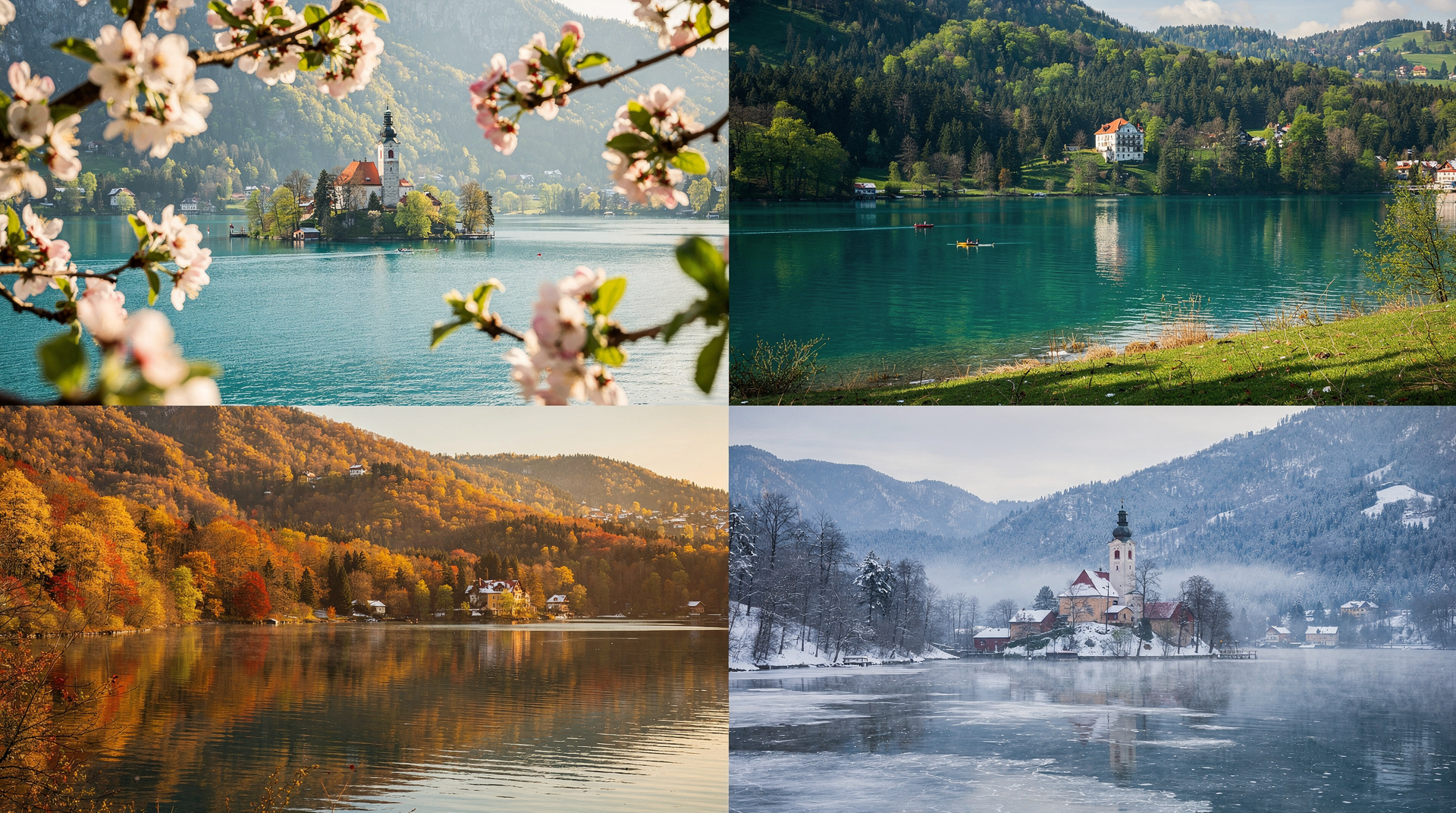
Peak season (July–August): Hotel prices at Bled, Piran, and Bovec are at their annual maximum. A guesthouse that costs €80 in May may cost €150 in August. Car hire at the same time is similarly inflated (30–50% more than spring prices). Pre-booking 2–3 months ahead saves considerably.
Shoulder season (May–June, September–October): The best combination of conditions and price. Accommodation is 20–30% below peak. Most tour operators offer the same prices as summer, but availability is higher.
Low season (November–March): Accommodation at 40–60% below summer peak at most destinations. January in Bled can mean €50 for a double room that costs €150 in August. Main costs (transport, attractions) are unchanged, but the accommodation saving is significant.
Free and cheap experiences in Slovenia
Slovenia has a generous offering of excellent no-cost and low-cost experiences:
Free:
- Ljubljana old town walking and riverfront
- Tivoli City Park in Ljubljana
- Ojstrica and Mala Osojnica viewpoints at Bled (20-minute steep walk; no charge)
- Ljubljana Castle outer ramparts (inner exhibitions cost extra; the view is free)
- Bohinj valley walking paths
- Most of Triglav National Park (hiking is free; mountain hut overnight stays cost extra)
- Piran old town and city walls walk
- Kobarid First World War outdoor trail (free; the museum is paid entry)
- The Soča River swimming sections near Kobarid and Tolmin (free; swimmable July–September)
Under €10:
- Savica waterfall (€4)
- Ljubljana Castle funicular (€6 return)
Under €25:
- Vintgar Gorge entry (€15)
- Vogel cable car (€32–35 return) — one of the most dramatic mountain viewpoints in the Julian Alps
- Škocjan Caves guided tour (€18 — UNESCO World Heritage Site; arguably better value than Postojna and less crowded)
- Bled island pletna boat (fare to be confirmed at the jetty or with the Bled tourist office at bled.si — optional; the lake shore views are comparable and free)
Money-saving strategies that work
Sleep outside the main tourist zone: Staying in Bohinjska Bistrica rather than Bled cuts accommodation costs by 30–40% and puts you 25 minutes from both Bled and Bohinj. Staying in Piran’s residential streets rather than the seafront saves 20–30%. Staying in Ljubljana rather than Bled and day-tripping is the most cost-effective approach for budget travellers.
Eat where the sign says “gostilna” rather than “restaurant”: The price difference between a gostilna dnevni meni (daily menu, two courses with a drink, €10–14) and a tourist-facing restaurant lunch (same two courses, €20–30) is real and consistent.
Book Postojna online: The cave itself is expensive at €34.90, and tickets are sold only on the official website, with the date and time chosen online. Alternatively, swap Postojna for Škocjan Caves (€18, UNESCO, less crowded, arguably more dramatic) and save €16.90.
Travel in shoulder season: May and September give you the same quality of experience as July–August with 20–40% lower accommodation prices and no queues.
Cost comparison: Slovenia versus neighbouring countries
Understanding where Slovenia sits in the regional price landscape helps set expectations.
Slovenia vs Austria: Slovenia is consistently 30–50% cheaper than Austria for equivalent accommodation and dining. The ski resorts (Kranjska Gora, Vogel) are notably cheaper than Kitzbühel or Zell am See while delivering similar scenery. Restaurant meals in Vienna cost 30–40% more than equivalent meals in Ljubljana.
Slovenia vs Croatia: Comparable at the mid-range, with Croatia’s popular coastal destinations (Dubrovnik, Hvar, Split) being significantly more expensive than Slovenia’s coast (Piran, Portorož). Croatian interior prices are similar to Slovenian prices. Slovenia’s Julian Alps are priced comparably to Croatia’s Plitvice Lakes area.
Slovenia vs Hungary: Hungary (Budapest particularly) is somewhat cheaper than Ljubljana for accommodation and food. Eastern Slovenia (Maribor, Ptuj) is priced comparably to Hungarian provincial cities. Ljubljana is more expensive than Budapest.
Slovenia vs Italy (comparable regions): The Italian Dolomites are significantly more expensive than the Slovenian Julian Alps for accommodation and ski passes. Italian Friuli-Venezia Giulia (the nearest Italian region) has comparable prices to Slovenia for similar accommodation types.
Currency, cashless payments, and ATM strategy
Slovenia is a fully eurozone country — no currency conversion, no exchange rate anxiety, no commission fees on transactions within the eurozone. For visitors from outside the eurozone (UK, US, Australia), the practical currency considerations:
Credit and debit card fees: Most UK and international banks charge a foreign transaction fee of 1.5–3% on card payments abroad. Fee-free travel cards (Wise, Revolut, Starling UK, Monzo) eliminate this and are worth having for a trip of more than a few days. On a €800 trip, a 2% transaction fee is €16 — less than a dinner, but a reason to consider a fee-free card.
ATM strategy: Withdraw larger amounts less frequently rather than small amounts frequently. Each withdrawal may incur a fixed fee from your home bank. A single €200 withdrawal at a €3 fee costs 1.5%; four €50 withdrawals at the same fee costs 6%.
Tipping in cash: Even if you pay your restaurant bill by card, tipping in cash (leaving coins or small notes on the table) is common in Slovenia and ensures the tip goes directly to the server rather than through the till system.
Budget allocation for specific activities
For travellers planning an activity-focused trip, these estimates help allocation:
Adventure sports day (rafting + canyoning, Soča Valley): €95–135 per person for both activities combined. Many operators offer package pricing.
Cave day (Postojna + Predjama combo): €49.90 per person, plus transport.
Guided Triglav ascent: €150–250 per person for a full-day guided ascent with an IFMGA-certified mountain guide.
Wine tasting at Goriška Brda (private tour from Ljubljana): €80–120 per person for a half-day guided tour with 4–6 tastings.
Ljubljana food tour: €55–75 per person for a guided 3-hour food walk with tastings.
Ski day at Kranjska Gora or Vogel (lift pass + hire): €60–90 per person all-in.
For a combined cave day that bundles the two best-value Karst attractions into one fixed price rather than paying separately, the joint ticket is the more efficient booking: Postojna Cave and Predjama Castle day trip from Ljubljana
Where budget travellers overspend without noticing
A few patterns come up repeatedly in budget planning for Slovenia. First, attraction stacking: visiting Postojna, Bled Castle and the Ljubljana Castle interior in the same trip adds up to about €71 per person before food or transport, and at least one of those (the castle interior — see the Slovenia tourist traps guide) delivers limited value for the price.
Second, parking at Bled: the lakeside car parks charge up to €10/hour in peak season, and staying just outside the immediate lakefront in Mlino or Ribno cuts this substantially. Third, restaurant location: the price difference between a lakefront café and a gostilna 2km away is consistently 20–40%, covered in more detail in the Slovenia travel guide’s honest advice section.
Turning the numbers into a plan
A budget is only useful once it is tied to a route. The figures above change most with three decisions: how many days you stay, whether you rent a car, and which season you travel in. Settle those first and the rest of the spreadsheet mostly fills itself in.
If you are still deciding on trip length, how many days in Slovenia helps you match time to ambition, and the Slovenia highlights in 5 days itinerary is a compact route to cost out line by line. Travellers who would rather skip the car can look at Slovenia in 5 days without a car, which shows how far public transport can take you and what that does to the transport line of your budget. For the practical side of that choice, getting around Slovenia, public transport in Slovenia and trains in Slovenia compare the options, while car rental in Slovenia and the vignette driving guide cover the costs that come with four wheels.
Questions a budget should answer before you book
Is Slovenia expensive for you specifically? That depends on where you are coming from, and is Slovenia expensive? takes a more direct look at the question. For a first-person view of spending carefully, the blog post Slovenia on a budget is a useful companion to the tables on this page.
Once you know roughly what you can spend per day, the next step is choosing a base. Where to stay in Slovenia explains how the choice of town changes your nightly rate, and the Lake Bled vs Bohinj comparison is especially relevant if the lake is your main stop and you want to see whether a quieter shore suits both your wallet and your plans. If your route includes the south-west, Piran vs Portorož makes a similar comparison for the coast.
Caves are the line item that surprises people most, so it is worth reading Postojna vs Škocjan before you commit to either. Anyone building a day around the Karst can also look at the Postojna Cave day trip to see how the visit fits together.
Timing matters as much as destination. The best time to visit Slovenia and the month-by-month weather guide show what you trade off when you move from peak summer into the shoulder months. Finally, common mistakes in Slovenia and the Slovenia travel scams guide are worth a quick read, because an avoidable error costs more than any careful saving on a coffee.
Related planning guides
- Slovenia travel guide — the full planning reference
- How many days in Slovenia? — itineraries by duration
- Where to stay in Slovenia — accommodation by region
- Best time to visit Slovenia — when prices and crowds vary most
- Slovenia packing guide — what to bring to avoid gear purchases on arrival
- Slovenia tourist traps — where the money goes further elsewhere
Frequently asked questions about Slovenia trip budget
Is Slovenia cheap or expensive?
Slovenia sits firmly in the middle of the European range. It is cheaper than Austria, Switzerland, France, and Germany, but more expensive than Hungary, Croatia, or Bulgaria. Ljubljana restaurant prices are comparable to medium-sized Western European cities. Expect to pay more at Bled and Piran (tourist premiums), and noticeably less off the main tourist trail.What are the biggest unexpected costs in Slovenia?
The motorway e-vignette (€16 for 7 days — mandatory if you drive on motorways), attraction entry fees (Postojna Cave is €34.90 and catches many travellers by surprise), and parking at Lake Bled (up to €10/hour in peak season at the lakeside car parks). Pre-booking accommodation well ahead in summer also helps avoid price spikes.How much does food cost in Slovenia?
A gostilna lunch (traditional inn, two courses with a drink) runs €12–18. A full restaurant dinner costs €25–45 per person with wine. Fast food and bakery lunches cost €5–9. Supermarket meal prep is inexpensive: bread, local cheese, and charcuterie from a Mercator or Spar costs €5–8. Coffee costs €1.80–2.50 at a local café.Are there ways to save money in Slovenia?
Yes. Eat where locals eat (gostilne 2km from the main tourist strip). Visit Škocjan Caves instead of Postojna (€18 versus €34.90, less crowded, arguably better). Stay in Bohinjska Bistrica instead of Bled for lake access at a fraction of the accommodation cost. Travel in May–June or September–October (lower prices, fewer crowds). Book accommodation 2–3 months ahead for summer.Do I need travel insurance for Slovenia?
EU citizens with an EHIC card have public healthcare coverage. UK citizens use the GHIC. All visitors should carry travel insurance regardless — primarily for mountain activities, trip cancellation, and gear theft. Policies covering adventure sports (rafting, hiking) run €4–8 per day for a short trip.Is a combined Postojna and Predjama ticket better value than separate tickets?
Yes. The combined ticket costs €49.90 versus €34.90 for Postojna alone and €24 for Predjama alone (€58.90 bought separately), so buying the joint ticket saves €9 if you plan to see both, which most visitors do given their proximity.What is the cheapest way to see the Soča Valley on a budget?
Base yourself in Bovec or Kobarid rather than day-tripping from Ljubljana, since a single rafting or canyoning session (€45–70) delivers more value than transport costs alone would justify for a day trip. Public buses reach Bovec from Ljubljana, though the frequency is limited outside summer — check timings before relying on it.