Where to stay in Slovenia: the honest region-by-region guide
From Ljubljana: Lake Bled day tour
Where is the best base in Slovenia?
Ljubljana is the best base for first-timers and anyone without a car — it puts you within day-trip range of Bled, Postojna, and Piran. For Alpine scenery, base at Bohinj rather than Bled (quieter, more authentic, cheaper). For adventure sports, Bovec in the Soča Valley is the natural choice.
The accommodation landscape in Slovenia
Slovenia’s accommodation offer has grown and matured significantly over the past decade. The country now has genuine boutique hotels, well-reviewed glamping sites (particularly in the Soča Valley and Bohinj), a growing guesthouse (sobe/apartmaji) culture, and a hostel network that works well for budget travellers. The weak spots are limited luxury supply at Bled in peak season (which drives prices up sharply) and the relative shortage of quality mid-range options in eastern Slovenia.
The most important strategic decision is base location. Because the country is small, you can cover a lot from a single base — but some regions (the Soča Valley, the wine country) genuinely reward an overnight rather than a rushed day trip.
| Best all-round base | Ljubljana (no car, day trips to everywhere) |
| Best Alpine base | Bohinj (quieter, cheaper than Bled) |
| Best adventure base | Bovec, Soča Valley |
| Typical double room | EUR 80–200 depending on region and season |
| Book ahead | 2–3 months for July–August at Bled, Piran, Bovec |
If you are still deciding how long to spend in the country, start with the first-time visitor guide and the month-by-month weather guide, then come back here to match a base to your dates. Seasons change what is open and what is worth paying for, so the best time to visit Slovenia is worth a read before you book anything non-refundable.
Ljubljana
Who it suits: First-time visitors, travellers without a car, those combining Slovenia with other European cities, anyone who values urban food and nightlife culture alongside nature.
Why Ljubljana works: The capital is the easiest arrival point and puts you within reach of nearly every major Slovenian attraction as a day trip. The bus station handles connections to Bled, Bohinj, Piran, Koper, and Postojna. The old town is compact and genuinely pleasant to walk — unusual for a capital with only 295,000 people, it retains a human scale.
Best areas to stay:
- Old town / Krakovo: Walking distance to everything; the most atmospheric. Krakovo is the neighbourhood south of the central market where locals eat — excellent restaurant access. Prices: €80–150 for a comfortable double.
- Tabor neighbourhood: 10 minutes east of the old town; cheaper, perfectly safe, good hostel concentration. Prices: €18–30 for hostel dorms; €60–90 for small private guesthouses.
- Business hotel district (near BTC or Šiška): Not recommended for leisure travel — car-dependent, no atmosphere, primarily useful if attending a conference.
Named options worth knowing: Vander Urbani Resort (design hotel, old town, well-reviewed), Hotel Cubo (boutique, central), Adora Hotel (4-star, riverside), Hostel Celica (former prison, Metelkova arts district, famous in the hostel world).
Parking note: If you have a hire car, park in one of the P+R car parks on the ring road (~€1/day) and take the bus or bike into the old town. In-centre parking is expensive and the old town is largely car-free.
Making the most of a Ljubljana base: Staying in the capital pays off when you use it well. The Ljubljana old town guide and the things to do in Ljubljana list cover the evenings, while the day trips from Ljubljana guide shows how far a single base can stretch. If you land late, the Ljubljana airport guide explains how to reach the centre. For the wider picture of the city itself, see the Ljubljana destination page.
Lake Bled
Who it suits: Anyone who wants the Alpine lake experience; photographers; families; romantic breaks; those who want the postcard Slovenia.
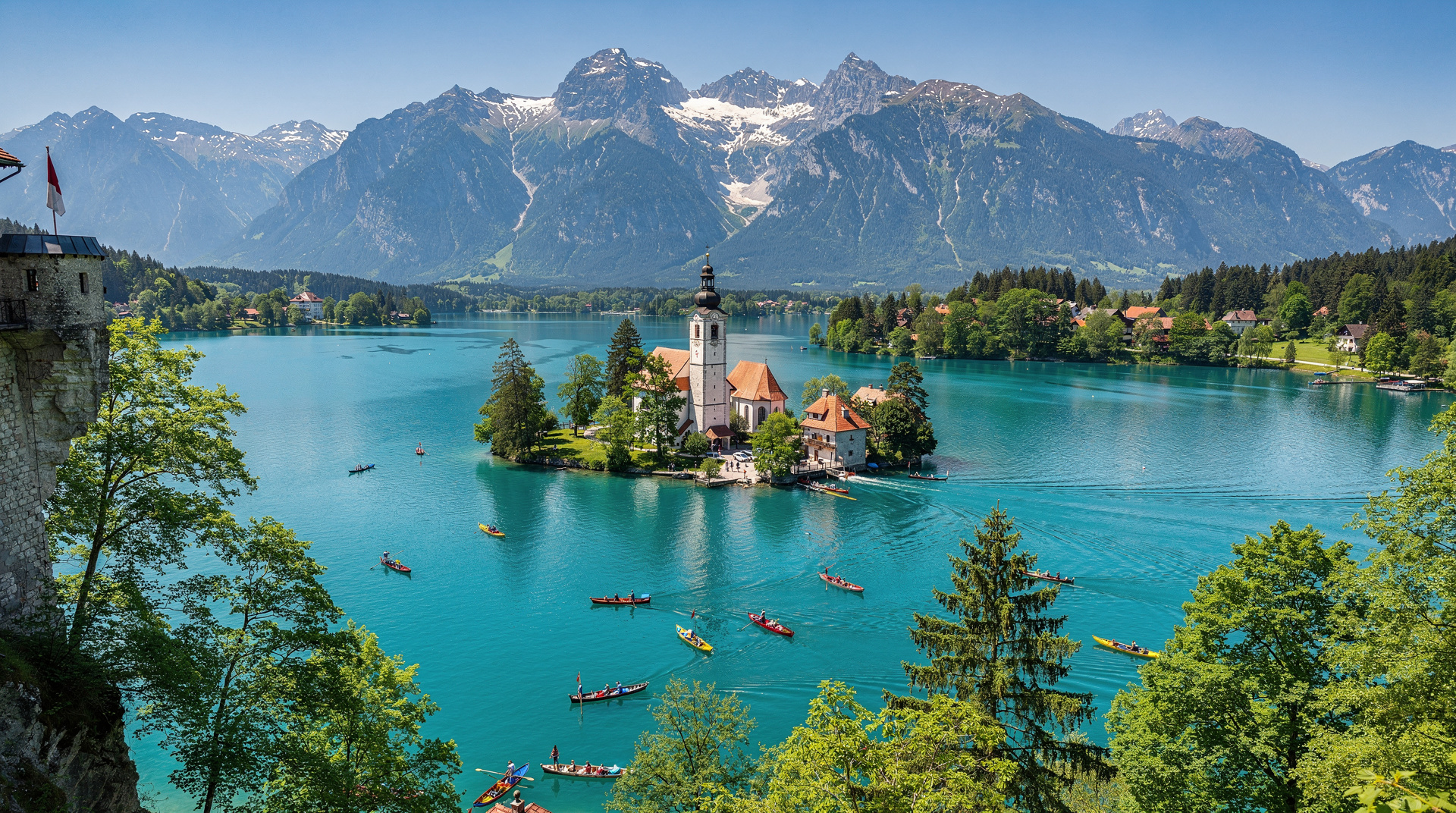
The honest assessment: Bled is beautiful and worth visiting. It is also expensive in summer, crowded at the most photogenic spots, and occasionally disappointing to travellers who expected solitude. Managing expectations helps: if you arrive early (before 9am) and walk to the upper viewpoints (Ojstrica, Mala Osojnica, Straza Hill), Bled is wonderful. If you arrive at 11am in August and join the queue for the island boat, you may have paid Central European hotel rates for a tourist scrum.
Best areas to stay:
- Bled town centre: Convenient for the lake, castle, and bus connections. Most hotels are here. Prices in peak season: €100–200+ for mid-range doubles.
- Mlino: The quieter village on the southwest shore. A 15-minute walk from the main tourist strip, noticeably calmer. Some excellent guesthouses.
- Bohinjska Bistrica / Ribčev Laz (Bohinj): 30 minutes from Bled by car. Prices 30–40% lower than Bled; lake access to the larger, wilder Bohinj lake. The view is not the same as Bled’s castle-over-lake picture, but the overall experience is often preferred by repeat visitors.
Named options worth knowing at Bled: Grand Hotel Toplice (the classic; expensive but on the lake), Vila Bled (former Tito residence; extraordinary; expensive), Penzion Mayer (mid-range guesthouse, well-reviewed, quieter location), Bledec Hostel (decent, central, budget). At Bohinj: Zlatorog Bohinj (mid-range, lakeside), various sobe (private rooms/apartments) in Ribčev Laz.
Choosing between the two lakes: The Lake Bled destination page and the complete Lake Bled guide show what the area offers, while Bled vs Bohinj lays out the trade-offs side by side. If crowds are your main worry, avoiding the crowds at Bled explains how timing and location choices change the experience, and the Lake Bohinj guide covers the quieter option in detail. If you would rather keep Ljubljana as your only base, a guided day tour from the capital to the lake lets you see Bled without changing hotels. Getting between the capital and the lake is covered in Ljubljana to Bled transport.
Soča Valley
Who it suits: Active travellers, adventurers, those who want to raft, canyon, hike, or cycle. Hiša Franko pilgrims (food tourists). Nature lovers who want the Alpine scenery without the crowds.
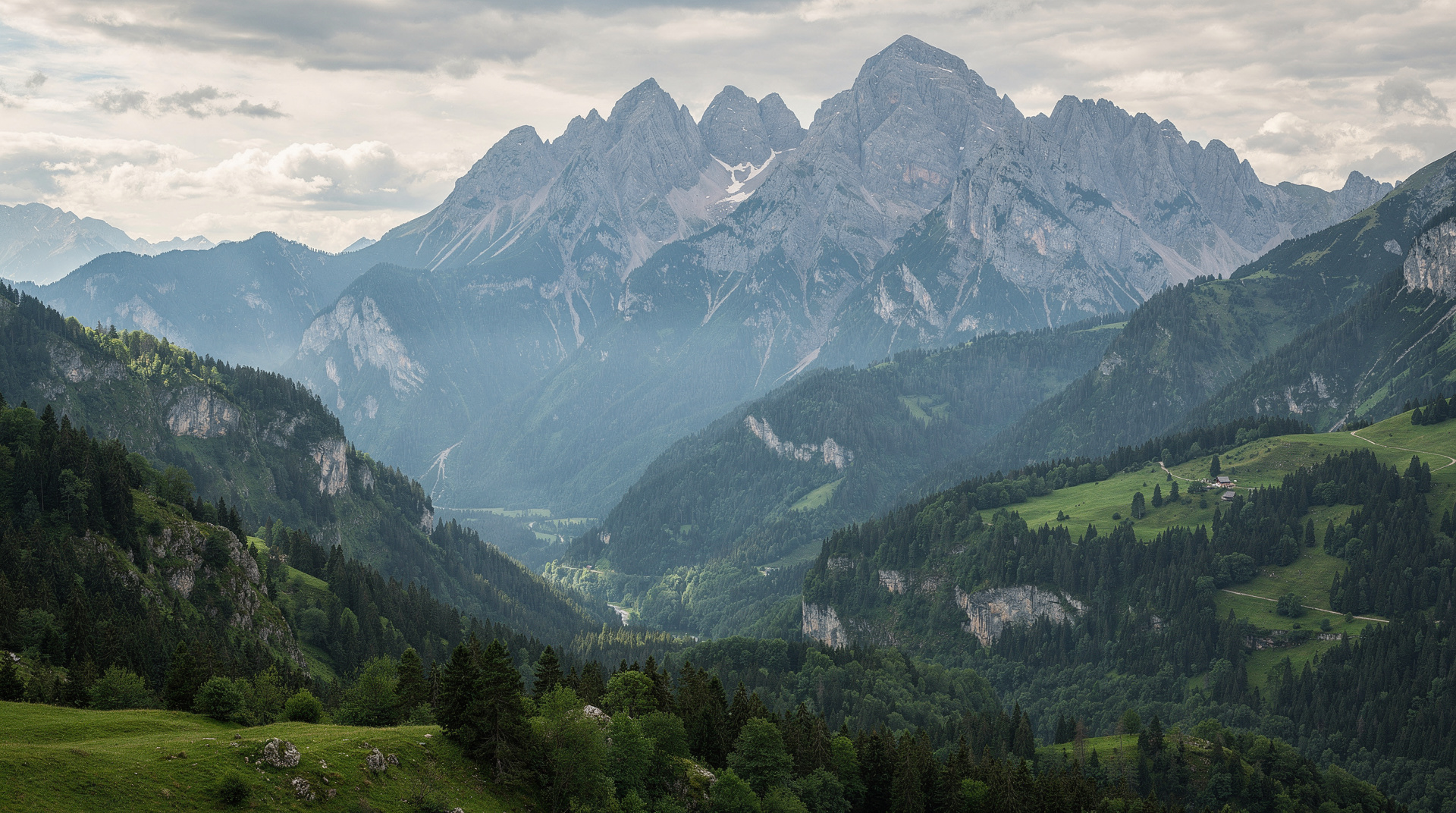
The landscape: The Soča Valley is arguably the most beautiful valley in the Julian Alps. The river’s extraordinary turquoise colour — caused by glacial mineral content — is not a photo filter. The valley is narrower and wilder than the Bled area, with fewer large hotels and more guesthouses, apartments, and glamping sites.
Bases:
- Bovec: The activity hub. Rafting and canyoning operators are mostly within a short walk of the town centre. Excellent food options for an adventure village; several good guesthouses. Very limited availability in peak summer — book two to three months ahead.
- Kobarid: 20 minutes south of Bovec; quieter, more cultivated feel. Home to the Kobarid Museum (First World War, highly recommended), the famous Nadiža River swimming spots, and the area around Hiša Franko. Slightly less central for Bovec-based activities.
- Trenta: Remote, tiny, high-altitude — farmhouse stays for those who want genuine solitude in the national park.
Named options: Dobra Vila Bovec (boutique, excellent; the best hotel in the valley), Hostel Soča Rocks (budget, Bovec), Kamp Liza (camping/glamping, Bovec), Na Razpotju (guesthouse, Kobarid).
Planning your days from the valley: Once you have chosen a base, the Bovec adventure base guide and the Bovec destination page explain what is on your doorstep. The Soča River rafting guide and the canyoning guide help you decide how many active days to plan, and therefore how many nights to book. Visitors who prefer a calmer pace can use Kobarid as the base and take the Soča Valley day trip approach to the main sights.
Piran and the coast
Who it suits: Those wanting sea, Venetian architecture, fresh seafood, and a Mediterranean pace. Beach holiday travellers, couples, slow-travel advocates.
The honest assessment: Piran is genuinely lovely — one of the most attractive small coastal towns in the Mediterranean. It is also small (4,000 people), compact, and car-free within the old town. The Slovenian coast is short — 46km — and gets busy in July and August. Portorož, 2km from Piran, is the larger beach resort town and has more accommodation but significantly less atmosphere.
Best areas:
- Piran old town: Walk to everything; atmosphere maximum. Parking outside the walls. Prices: €100–170 for a double in peak season; significantly cheaper off-season.
- Portorož: More accommodation choice, beach access, casino and spa resort infrastructure. Less authentic but more convenient for families with children wanting beach facilities.
- Izola or Koper: Smaller and less touristy than Piran; cheaper; a 20–30 minute drive along the coast. Good choices for travellers who want the coastal feel without the Piran premium.
Named options: Hotel Tartini (Piran, central, well-positioned), Max Piran (boutique, atmospheric old building), Kempinski Palace Portorož (luxury; the flagship of Slovenian coastal accommodation).
Deciding on the coast: The Piran travel guide and Piran vs Portorož go deeper on the choice above, and the Slovenian coast guide covers the whole shoreline. If you want a calmer alternative, the Izola guide and the Koper guide describe what each town offers as a base.
Kranjska Gora
Who it suits: Skiers in winter; hikers, cyclists, and mountain bikers in summer. A good family destination in both seasons.
The honest assessment: Kranjska Gora is a functioning ski resort in winter and a hiking/cycling hub in summer. The village itself is pleasant rather than remarkable — Tirol-style architecture, good practical facilities — but the mountain setting is exceptional. The resort is popular with Austrian and Italian day-trippers, which means it can feel busy at weekends.
Stay in Kranjska Gora town for the most convenient access to ski lifts and summer trailheads. Hotel Larix and Pr’ Gavedarjo are well-reviewed mid-range options. The Planica ski jump valley, 7km from town, is worth a visit in any season.
For season-specific planning, the Kranjska Gora ski resort guide covers winter stays, and the Kranjska Gora summer guide covers hiking and cycling months. Travellers heading over the mountains can pair a stay here with the Vršič Pass driving guide.
Eastern Slovenia and the spa towns
Eastern Slovenia — Maribor, Ptuj, the Logar Valley, the Jeruzalem wine hills — is the least-visited part of the country and arguably the most authentic. Accommodation prices are 30–50% lower than the Julian Alps or the coast.
Maribor: Slovenia’s second-largest city; good as a two-night base for wine region exploration and the Old Vine house (the world’s oldest continuously producing grapevine). Practical mid-range hotels at Central European prices.
Ptuj: Medieval town with good guesthouse options. Stay one to two nights to absorb the atmosphere of the oldest continuously inhabited town in Slovenia.
Thermal spa resorts (Terme): The thermal spa circuit — Terme Čatež (near the Croatian border), Terme Olimia (near Rogaška Slatina), Terme Radenci — is largely unknown outside the region. Well-equipped, family-oriented, excellent value compared to Austrian equivalents. These are resort stays built around thermal pools and wellness, not architectural gems, but they deliver on their promise.
To compare the options properly, the best thermal spas and spa resorts in Slovenia guides go through what each resort offers, and the thermal spas destination page places them on the map. For the towns themselves, see the Maribor city guide and Ptuj, the oldest town.
Accommodation types explained
Gostilna / gostišče: Traditional Slovenian inn. Usually family-run. May or may not offer rooms; always offers food and drink. The food is almost always better here than at tourist-oriented restaurants.
Sobe: Slovenian for “rooms” — private rooms in someone’s house or outbuilding, the Slovenian equivalent of a B&B or chambre d’hôte. Often excellent value, especially in rural areas. Look for green signs with the sobe notation in villages.
Apartmaji: Self-catering apartments. Common in all tourist areas; usually good value for stays of three or more nights.
Turistična kmetija (tourist farm): Farm stay. Slovenia has an excellent network of working farms offering rooms and sometimes meals. Particularly good in Goriška Brda (wine country) and the valleys above Tolmin. Booking via the local tourist office or the Farmstays Slovenia directory.
Hostel: A functional network in Ljubljana, Bled, and Bovec. Quality varies; read recent reviews. Most range from basic-but-clean to genuinely well-run social hubs.
Booking strategy: getting the most from Slovenian accommodation
Booking platforms: Booking.com has the widest inventory and most user reviews for Slovenia. Airbnb is useful for apartments and rural stays where the guesthouse has not been listed on hotel platforms. Direct booking with the accommodation (using contact details on the property’s website) sometimes gives a 5–10% discount and allows you to negotiate room type or special requests.
When to book:
- July–August at Bled, Piran, and Bovec: Book 2–3 months ahead minimum. The desirable mid-range guesthouses (not the expensive hotels, not the budget options) fill first. By 6 weeks before, the selection at acceptable price points is thin.
- Shoulder season (May–June, September–October): 2–4 weeks ahead is usually adequate, though the best options may go faster in peak June weeks.
- Low season: Largely spontaneous booking is possible. Some guesthouses close in winter — verify before booking.
What to look for in reviews:
- Breakfast quality (Slovenian farm breakfasts can be extraordinary — homemade bread, local honey, homemade jams, cured meat from the farm)
- Parking (significant at Bled and Piran)
- Whether the host speaks English (important for rural areas)
- Noise from nearby roads or late-night hospitality (the Bled lakeside can be noisy near the main road)
Camping and glamping
Camping in Slovenia is excellent and considerably cheaper than hotel accommodation. The Julian Alps, the Soča Valley, and the Bohinj area have well-equipped campgrounds at attractive locations.
Kamp Bled: Directly on the southwestern shore of Bled lake. Large, well-run, popular — book ahead for July–August. Tent pitches and glamping pods available. The location (lake access, mountain backdrop) is exceptional for a campground.
Kamp Bohinj: On the Bohinj lakeshore at Ribčev Laz. Quieter than Kamp Bled; good facilities; excellent for lake kayaking and swimming access.
Kamp Liza, Bovec: The main campground in the Soča Valley. Well-positioned for adventure activities; the Soča River is a short walk. Glamping pods supplement tent pitches.
Eco-glamping: The number of premium glamping sites in Slovenia has grown significantly. Expect: wooden cabins or safari-style tents with real beds, private facilities, and dramatic settings. The Soča Valley and the Bohinj valley area have the highest concentration. Prices range from €80–200/night — more than a gostilna room but less than a hotel of similar quality.
Hiking huts (planinska koča): For multi-day hiking in the Julian Alps, the mountain hut network is well-developed. Huts are staffed May through September and provide bunk accommodation (€20–35/night), basic meals, and emergency shelter. The Triglav huts (Dom Planika, Triglavski dom na Kredarici) book out weeks ahead in July–August — reserve via the Slovenian Mountain Association (pzs.si) or directly with the hut.
Practical booking notes
Tourist tax (turistična taksa): A small overnight tax (€0.50–2.50/night per adult depending on destination category) is added to accommodation bills across Slovenia. This is not always shown in the initial Booking.com price; it is collected by the accommodation on arrival. Expect it and factor it into your budget — it is minor but worth knowing about.
Breakfast inclusion: Many Slovenian guesthouses (particularly the farm stays and smaller hotels) include breakfast. Where offered, it is usually worth accepting — a Slovenian farm breakfast (local cheeses, cured meats, homemade bread, seasonal preserves) is genuinely good and sets the day up well. Confirm whether breakfast is included at the time of booking if it matters to your planning.
Getting to your base: Where you sleep also decides how you travel. If you are arriving from abroad, getting to Slovenia covers the entry points; once inside the country, getting around Slovenia, public transport in Slovenia and the car rental guide help you judge whether a base needs parking or can rely on buses. Drivers should also read about the vignette before the first motorway stretch. Overall spending context is in is Slovenia expensive?. If you land late or would rather not handle a rental car on arrival, a pre-booked airport transfer straight to Bled gets you to your lakeside accommodation without any connections.
Check-in times: Standard check-in is 2–3pm; check-out is 10–11am. Family-run guesthouses may have flexible arrangements; call ahead if arriving outside standard hours.
The real cost of “location premium” in Slovenia
Understanding where the tourist premium is built into accommodation helps with smarter booking.
Bled lake-facing rooms: The rooms with direct lake views at Bled command a 30–50% premium over equivalent rooms in the same hotel without the view. The view from the room is genuinely nice; the view from the free public path is comparable. Whether the premium is worth it is a personal decision, but knowing it exists helps calibrate.
Piran old town centre versus old town edge: Apartments and rooms within 200 metres of Tartini Square carry a premium of 20–30% over equivalent accommodation on the edge of the old town. The edge of the old town is still within 5 minutes’ walk of everything. The trade-off is small for most visitors.
Ljubljana old town versus Tabor: The Tabor neighbourhood east of the old town is 10–12 minutes’ walk from everything and 25–35% cheaper than comparable accommodation in the old town itself. For most trip lengths, this is the better choice unless the atmosphere of an old-town hotel is specifically what you came for.
Mountain views at any destination: “Mountain view” in descriptions of Bled, Bohinj, and Kranjska Gora accommodation commands premiums of 15–30%. In the Julian Alps, mountain views are frequently available for free from public spaces; paying significantly extra for the same view from your window is worth examining.
When to upgrade and when to save
Worth upgrading: The first night in Ljubljana (after a long journey, a comfortable room matters more); accommodation in Piran (the old town atmosphere at night is significantly better than the Portorož alternative, and the price difference is moderate); accommodation in Bovec if doing multiple days of activities (being close to operators saves time and fatigue).
Worth saving: Second and third nights in any location where you are largely out of the room during the day (hiking days, full cave days, active Soča days). Value accommodation in Ljubljana’s Tabor neighbourhood is consistently well-reviewed and the location penalty is small. Bohinjska Bistrica as a lake alternative to Bled saves 30–40% on accommodation.
The false economy: Very cheap accommodation in inconvenient locations that requires taxi costs and time to reach the destinations you came to see. In Slovenia’s case, this most commonly manifests as choosing a guesthouse near the Ljubljana motorway junction to save €20/night, then spending €15/day in taxis and 30 minutes/day commuting that could have been avoided.
Choosing a base by trip length
2–3 days: Base in Ljubljana only. Day-trip to Bled and Postojna; skip the Soča Valley and the coast unless you extend the trip — both need at least one overnight to be worthwhile. See how many days in Slovenia for the full logic.
4–6 days: Two bases — Ljubljana (2 nights) and Bled or Bohinj (2 nights) — with day trips from each. This covers the country’s headline sights without excessive driving.
7–10 days: Three or four bases: Ljubljana, Bled/Bohinj, Bovec (Soča Valley), and Piran or Portorož on the coast. This is the itinerary that most first-time visitors describe as “seeing the real Slovenia” rather than the highlights reel. See the 7-day Julian Alps itinerary or the coast-and-mountains 7-day itinerary for structured versions.
10+ days: Add eastern Slovenia (Maribor, Ptuj, a Terme spa night) or a Croatia extension — see Slovenia and Croatia in 10 days.
Multi-region touring without over-packing your suitcase
Slovenia rewards a “hub and spoke” approach more than constant relocation. Because driving times between regions are short (Ljubljana to Bled 45 minutes; Ljubljana to Bovec 2h15; Ljubljana to Piran 1h15), moving base every single night is rarely necessary and adds unpacking fatigue without adding much travel efficiency. The better pattern: stay 2 nights minimum per base, and treat travel days as half-days rather than full driving days — leave the morning free to enjoy the base you are leaving, then drive after lunch.
Related guides
- Slovenia travel guide — the complete planning reference
- How many days in Slovenia? — building the itinerary
- Slovenia trip budget — accommodation cost context
- Slovenia for families — family-specific accommodation needs
- Accessible travel in Slovenia — wheelchair and mobility access
Frequently asked questions about Where to stay in Slovenia
Should I stay in Ljubljana or Lake Bled?
Both, if you have five or more days. Start in Ljubljana (1–2 nights) for city culture and easy arrival, then move to the Bled area for the lakes. If you only have a few days and must choose, Ljubljana offers more variety and better restaurants. Bled offers the landscape. If Bled's prices seem high, consider Bohinj as your lake base — it is quieter and less expensive.Is it better to stay in Bled town or Bohinj?
Bled town is more convenient, better-connected by bus, and closer to the iconic viewpoints. Bohinj is wilder, less crowded, and more affordable — a double room in Bohinjska Bistrica or Ribčev Laz costs 30–40% less than comparable accommodation at Bled. Both lakes are excellent; the decision is between convenience and authenticity.Where should I stay in the Soča Valley?
Bovec is the activity hub — most rafting, canyoning, and kayaking operators are based there, and there is a good range of guesthouses and small hotels. Kobarid is 20 minutes south and is quieter, with a renowned restaurant scene (including the area around Hiša Franko). If you prefer solitude, the Trenta Valley has a handful of farmhouse stays.What is the best area to stay in Ljubljana?
The old town and Krakovo neighbourhood are ideal for atmosphere. Centre Hotel, Vander Urbani Resort, and the old town area give you walking access to everything. For budget travel, hostels in the Tabor neighbourhood (10 minutes' walk from the old town) offer good value. Avoid the business district hotels near the bus station unless price is the only consideration.Can I do Slovenia in one base?
Ljubljana works as a single base for a 5–7 day trip thanks to Slovenia's compact geography — you can day-trip to Bled, Postojna, and Piran from the capital. However, for the Soča Valley, the driving time (2h+) makes a two-night stay in Bovec more rewarding than a long day trip.