Solo travel in Slovenia: the practical guide
Ljubljana: private walking tour with a local
Is Slovenia good for solo travel?
Slovenia is excellent for solo travel. It is one of the safest countries in Europe, English is widely spoken, the country is compact and easy to navigate, and the hostel and adventure sports communities create easy social opportunities. The main practical challenge is that a hire car makes the country significantly more accessible.
Slovenia as a solo destination
Solo travel in Slovenia benefits from a fortunate combination of factors: a safe, well-ordered country; a compact geography that does not punish a traveller without a car for the first few days; an adventure sports community that is inherently social; and a capital city (Ljubljana) with a genuine café and nightlife culture built partly around a large university population.
| Best base | Ljubljana (compact, walkable, social hostel scene) |
| Safety level | Among the safest countries in Europe |
| Car needed? | No for the main circuit; useful for Soča Valley and wine country |
| Solo premium | Around 60–70% of the double-room rate for a private room |
| Best-value stay | Hostel dorm, around €20–35/night |
| Easiest social scene | Bovec (Soča Valley adventure sports community) |
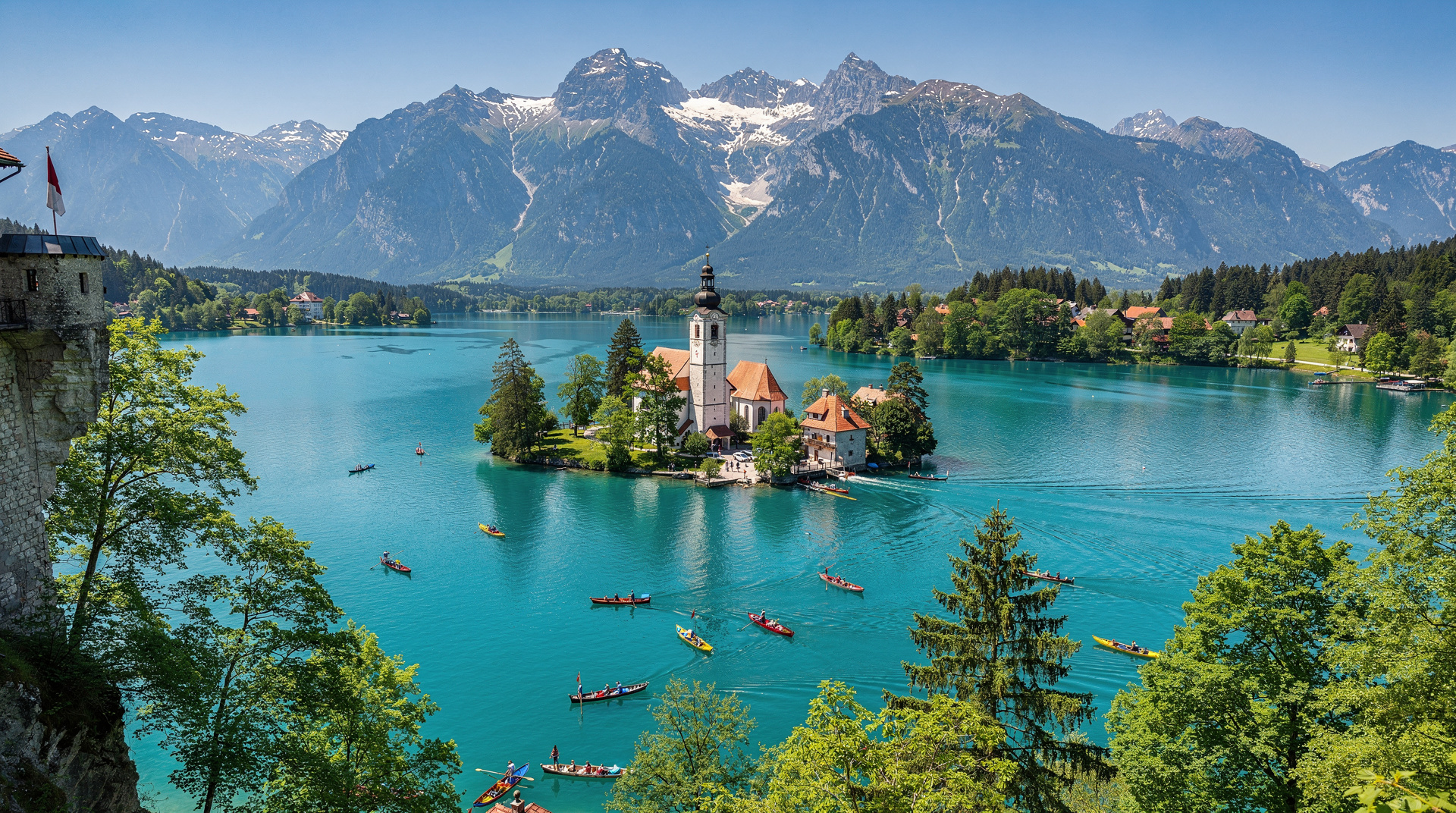
The practical experience of solo travel in Slovenia tends to unfold differently by region. Ljubljana feels like a medium-sized European city and rewards solo exploration — you can spend a full day wandering the old town, the market, the Tivoli Park, and the Krakovo neighbourhood without once feeling conspicuous or isolated. Lake Bled is more couple/family-oriented but the hostels create their own social infrastructure. The Soča Valley is where solo travel in Slovenia is at its best: the adventure sports community in Bovec is informal, multinational, and oriented around shared group activities that put solo travellers naturally alongside others.
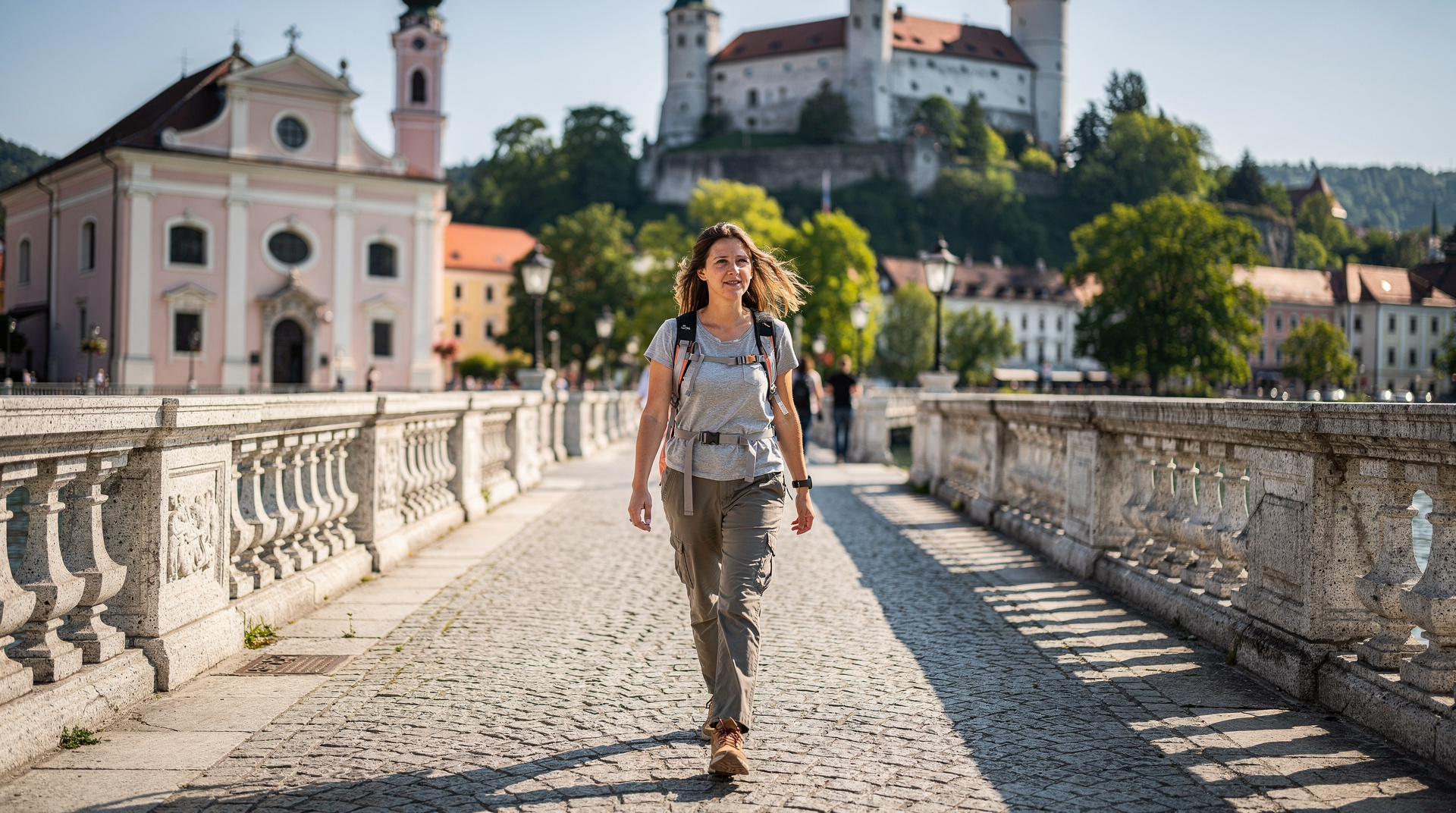
A 2-hour private walking tour of Ljubljana is a good way to orient yourself on day one — a guide who can point you toward the gostilne and cafés that suit a solo traveller, rather than working it out alone from a map.
Safety: the honest picture
Slovenia is, by any objective measure, one of the safest countries in Europe. The Global Peace Index consistently ranks it in the top 10–15 globally. The crime rate is low; violent crime is rare; petty crime (bag snatching, pickpocketing) exists at tourist hotspots in Ljubljana and Bled but at lower levels than comparable Western European tourist cities.
For solo women: The consensus among solo female travellers is strongly positive. Walking alone at night in Ljubljana, Piran, or Bled is consistently described as comfortable and unintimidating. The mountain hiking and adventure sports communities are genuinely mixed and welcoming to solo women. The usual common-sense precautions apply — tell someone your plans if hiking alone, trust your instincts — but there are no specific elevated concerns for Slovenia compared to, say, France or Germany.
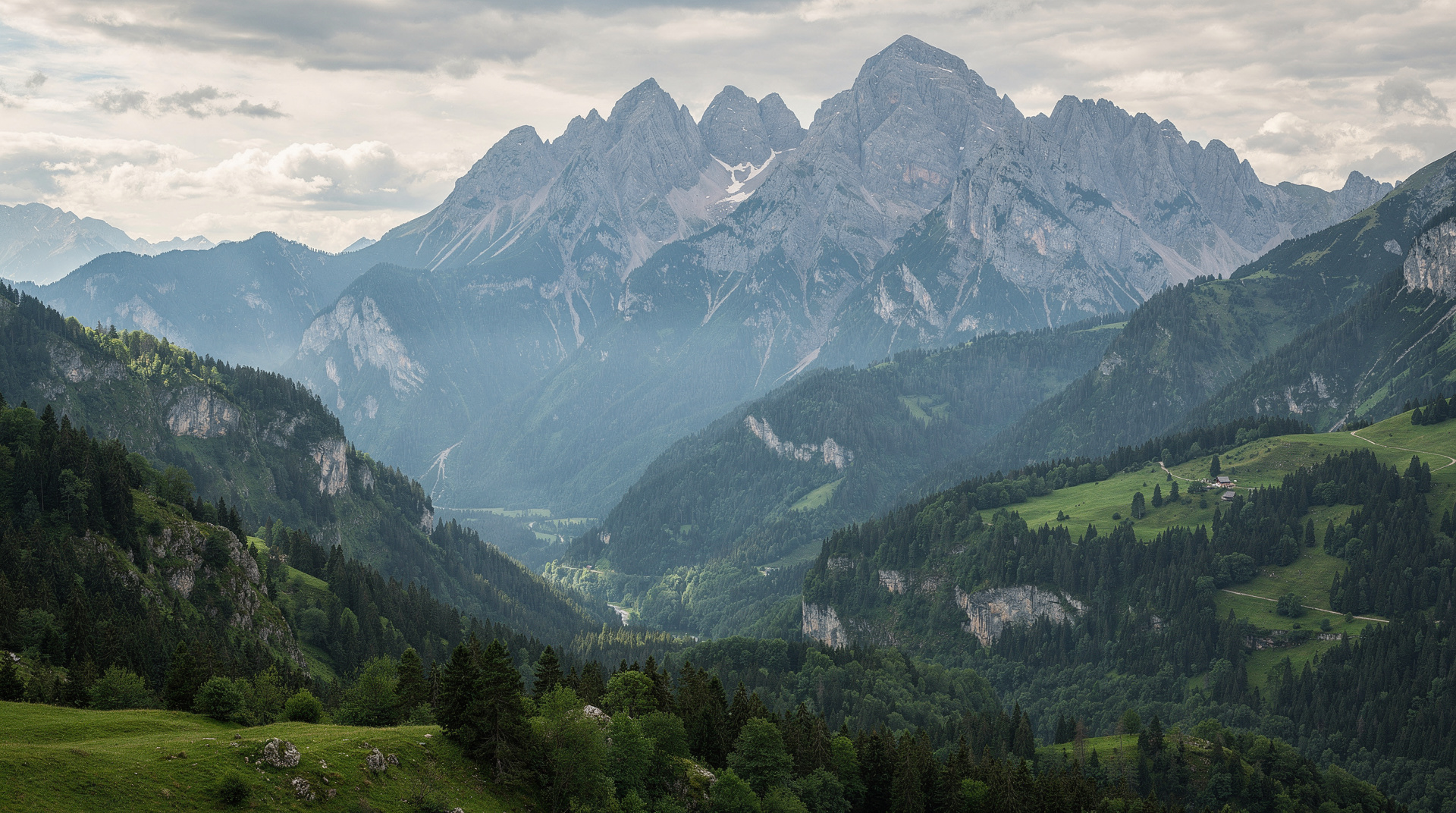
The primary genuine risk: mountains. The Julian Alps are real mountains with real hazards. Weather changes rapidly above 1,500m. Paths above the marked tourist trails require navigational confidence and mountain-appropriate equipment. The Slovenian mountain rescue service (Gorska reševalna služba) handles a steady flow of callouts involving under-prepared hikers every summer. This is not a reason to avoid the mountains — it is a reason to prepare properly.
Mountain safety rules for solo travellers:
- Always register your route with the local tourist information centre or leave a plan with your accommodation
- Carry a fully charged phone (mountain rescue: 112; download the GRS app for your GPS location)
- Have a realistic turnaround time and stick to it
- Check the mountain weather forecast (Arso.si) before any Alpine ascent
- Do not rely on mobile signal above the treeline
Water safety: The Soča River has sections with very powerful current and cold water (8–14°C). Only swim in marked bathing areas or verified flat sections. River drownings occur every few years in the Soča; they are almost always in unofficial sections by people underestimating the current.
Getting around solo
With a car: Slovenia opens up completely. The road network is excellent, distances are short, and driving is straightforward. Solo travellers who want to see the Soča Valley, the wine country, or the eastern parts of the country should strongly consider hiring a car for at least part of their trip. Motorway e-vignette (€16/week) is mandatory — buy at evinjeta.dars.si or a petrol station.
Without a car: The Ljubljana bus station is the hub for all major destinations. Solo travellers can comfortably cover: Ljubljana → Bled (€7.30, 1h15), Ljubljana → Piran (€11, 2h30), Ljubljana → Postojna (€7, 1h), and Ljubljana → Maribor by train (€9–15, 1h40). This covers the main tourist circuit adequately.
For Bovec, the bus service runs but is infrequent (check Nomago and Arriva schedules). Many solo travellers at Bovec-based hostels coordinate shared taxis or lifts from Ljubljana — ask at your hostel or in the Slovenia travel forums (r/solotravel, Lonely Planet Thorn Tree).
Cycling: Ljubljana is excellent on a bike (flat, bike lane network, Bicikelj city bike system for short hops). The Soča Valley cycle trail is well-maintained and popular with touring cyclists. Bikes can be hired in Ljubljana, Bled, Bohinj, and Bovec.
Best hostels and social stays
Ljubljana:
- Hostel Celica (Metelkova): A former military prison converted into a hostel; the cells are artist-designed individual rooms. One of the most distinctive hostels in Europe. Good common areas; strong social atmosphere; well-located for the Metelkova arts district.
- Hostel Tresor: City-centre location; reliable, clean, sociable. More central than Celica.
- Fluxus Hostel: Smaller and quieter; good for solo travellers who want social opportunity without party hostel intensity.
Lake Bled:
- Bledec Hostel: The main budget option at Bled; decent location; dorm and private rooms. Social common areas. Walking distance to the lake.
Bovec (Soča Valley):
- Hostel Soča Rocks and several apartment hostels around town: The Bovec hostel scene is informal and activity-oriented. Most operators will connect you with other solo travellers doing the same activities.
Piran:
- Piran’s budget accommodation is mostly small private rooms and apartments rather than purpose-built hostels. Airbnb and Booking.com yield good options for solo travellers at €35–60 per night for a private room.
Solo activities: what works and what requires company
Works perfectly solo:
- Walking Ljubljana’s old town
- All the free viewpoints (Ojstrica at Bled, Nebotičnik café in Ljubljana, Piran’s city walls)
- Cave tours at Postojna and Škocjan (join any tour group)
- Museum visits anywhere (Ljubljana City Museum, Kobarid Museum, Natural History Museum)
- Wine tasting in Goriška Brda or Vipava Valley (wineries welcome solo visitors)
- Lower-altitude hiking trails
Naturally social when booked solo:
- White-water rafting (you join a group of 6–10 people)
- Canyoning (group activity by design)
- Paragliding (tandem — just you and the pilot)
- Guided hikes in Triglav National Park
- Wine tours from Ljubljana or Maribor
- Cooking classes in Ljubljana (several run weekly; book online)
Requires care or company when solo:
- Alpine hiking above 1,500m — ideally with a registered guide or in a group
- Via ferrata routes — recommended with a guide or experienced partner rather than alone
The Ljubljana solo experience
Ljubljana is an unusually comfortable solo city. The old town is compact enough to walk in 20 minutes but interesting enough to occupy a full day. The Krakovo neighbourhood, just south of the central market, has a cluster of gostilne (traditional restaurants) where solo diners at the bar or a small table are entirely normal. The Friday Odprta Kuhna (Open Kitchen) market near the castle is a summer institution — a mix of food vendors and street socialising where arriving alone causes zero awkwardness.
The café culture is genuine rather than tourist-facing: Čajna Hiša (tea house, old town), Kavarna Rog, and Kaffé are popular with locals and students rather than tourists, and the atmosphere is one of the more pleasant in Central Europe.
Nightlife centres around the Metelkova complex — a former Yugoslav military barracks turned alternative arts and music venue — and the riverside bars of the old town. Both are easy to navigate alone; neither requires company to enjoy.
If you would like company for part of a day without committing to a group, a private city walk with a local guide lets you set the pace and ask the questions you would otherwise keep to yourself.
Solo travel community resources
Online:
- r/solotravel on Reddit: active with Slovenia posts; good for recent first-hand reports
- r/slovenia: the dedicated community has a weekly travel questions thread
- Lonely Planet Thorn Tree: older community but with deep archives on Slovenia
On the ground:
- Ljubljana Free Tour (meets daily outside the town hall): good for orientation and meeting other solo travellers on day one
- Ljubljana Information Centre (Slovenian Tourist Board, Congress Square): helpful for maps, event listings, and transport advice
- Slovenian Mountaineering Association (PZS): the resource for serious hiking; trail conditions and guided tours
Solo travel budget: what changes when you travel alone
Solo travel in Slovenia carries the standard premium of single-room accommodation. Most Slovenian guesthouses and hotels price by room rather than per person, which means a solo traveller pays the full double-room rate for a space meant for two. The practical options:
- Hostel dorms: The most cost-efficient option. Ljubljana, Bled, and Bovec have adequate hostel networks. Expect €20–35 per night in a dorm.
- Shared accommodation: Platforms like Booking.com increasingly list private rooms in apartments or houses. A private room (not a whole apartment) at €35–55 in Ljubljana or €40–60 at Bled gives you privacy at a rate closer to per-person pricing.
- Single rooms: Some guesthouses (particularly the farm stays and rural sobe) offer genuine single rooms at 60–70% of the double rate. Worth asking; not always listed online.
The practical daily budget for a solo traveller:
- Shoestring (hostel dorm, one gostilna meal, bus travel): €45–60
- Mid-range (private room, two meals out, day transport): €80–110
- Comfortable solo (mid-range hotel single, activities, restaurant dining): €130–180
See Slovenia trip budget for the full breakdown.
The best solo day trips from Ljubljana
Ljubljana is an excellent solo base. The bus and train network makes these day trips car-free:
To Lake Bled (€7.30 one-way, 1h15 by bus): Arrive early, walk Ojstrica, do the lake circuit. The morning light on the castle is best before 10am. Return by evening bus.
To Postojna and Predjama (€7 one-way to Postojna, then taxi to Predjama): Pre-book Postojna Cave online. The Predjama Castle taxi from Postojna is €10–12 each way; share with other visitors at the cave exit.
To Piran (€11 one-way, 2h30 by bus): Full day on the coast. Buses run several times daily; the last return is in the early evening. The Piran old town is compact and walkable without a guide.
To Maribor (€9–15 by train, 1h40): The second city is an underrated solo day trip — the Old Vine house (the world’s oldest productive grapevine), the old town, and the Drava riverside promenade are all walkable.
Solo travel with a disability or accessibility need
Accessible travel in Slovenia covers the full picture. For solo travellers with mobility considerations: Ljubljana city centre is largely accessible; Postojna Cave has good wheelchair access and accommodating staff; the mountain and gorge landscapes are largely inaccessible to wheelchair users. The Ljubljana Tourist Board can arrange adapted city tours for solo visitors with advance notice.
Packing for a solo trip
Solo travel packing has some specific considerations versus group travel. The main one: you carry everything yourself, all the time, through airports, on buses, and up cobblestone streets. The case for packing light is stronger for solo travellers than for any other type.
The practical solo packing principle:
- Use a 40–50L carry-on or backpack that you can carry for 20 minutes without stopping. If you cannot, it is too heavy.
- Do laundry mid-trip (Ljubljana, Bled, and most large towns have laundromats or accommodation with washing machine access) rather than packing 14 days of clothes.
- A lightweight packable rain jacket takes up less than a litre of space and is used on almost every trip to Slovenia.
- A 15–20L daypack nested inside your main bag gives you the flexibility to leave your main bag at accommodation and explore hands-free.
What solo travellers forget:
- A portable battery pack for long hiking days (phone as map and camera drains quickly)
- A small padlock for hostel lockers (most good hostels provide lockers; bring your own lock)
- Photocopies or digital copies of passport, insurance, and booking confirmations stored separately from the originals
See the full Slovenia packing guide for season-specific lists.
Building a solo route that stays flexible
A good solo itinerary leaves room to change your mind. Start with a few days in Ljubljana, using things to do in Ljubljana and the Ljubljana old town guide to fill the first days at your own pace. From there, the Lake Bled day trip and the Lake Bohinj guide show how easily the lakes fit into a loop without a car, and Bled vs Bohinj helps if you only have time for one base.
If you would rather not plan everything yourself, the Slovenia 5 days without a car itinerary and the Ljubljana and Bled in 3 days route are both workable alone. For public transport questions, getting around Slovenia and trains in Slovenia explain what to expect when you are not driving.
Adventure-minded solo travellers can look at the Bovec adventure base guide and the Soča River rafting guide, where group bookings make it easy to meet people. If your plans include the high mountains, read the Julian Alps hiking guide before you go, and keep Slovenia travel scams and common mistakes in Slovenia in mind so small slips do not cost you time alone.
The solo travel mindset for Slovenia
Solo travel in Slovenia works best with the following disposition: curiosity over itinerary rigidity, willingness to follow a recommendation from a gostilna owner or hostel dorm neighbour, and comfort with unplanned time.
The country is small enough that if a destination disappoints, the next interesting thing is 45 minutes away. Ljubljana’s café culture rewards solo lingering — reading at a corner table for two hours is entirely normal and nobody will pressure you to leave. The morning of a hiking day at Bled has a specific solo pleasure: arriving before the coaches, walking the lake circuit in genuine quiet, earning the Ojstrica view. These are experiences that scale to one person as naturally as to ten.
The travellers who find Slovenia least rewarding as a solo destination are those who prioritise social density over environmental quality. If you want a city break with a guaranteed nightlife scene and easy conversation, Ljubljana is quiet by some standards (particularly in winter). If you want a country that rewards walking into the landscape and paying attention, Slovenia is exceptional.
Making the most of solo downtime
Solo travel generates more unstructured time than group travel — no one to consult, no consensus to build, no waiting for the group to get ready. How you use this time is the difference between solo travel that feels lonely and solo travel that feels freeing.
Slovenia’s specific opportunities for solo downtime:
Reading and cafés: Ljubljana’s café culture is genuinely one of the most developed in Central Europe. Čajna Hiša (tea house, old town) and Kavarna Rog are specifically suited to long, unhurried afternoons. The social norm is: order something, take a table, stay as long as you need. Two hours with a book and an excellent coffee costs €4–6.
Journaling and people-watching: Prešeren Square and the riverside arcade are among the best people-watching spots in Central Europe. The mix of students, tourists, market traders, and elderly Slovenians creates a continuous low-key theatre. A notebook and a coffee and an afternoon is genuinely pleasant.
Photography: Solo travel gives you total control of pace, which is the most important photographic advantage. Arriving at Bled at 6am on a weekday morning in May, with no one waiting for you and no schedule, and spending two hours with a camera is an experience that cannot be replicated in a group. The lake in dawn light, before the coaches arrive, is why travel photography in Slovenia is so consistently excellent.
Cooking and markets: If you have a self-catering accommodation, Ljubljana’s Friday Open Kitchen is one of the best opportunities for solo culinary engagement — tasting widely, talking to vendors, assembling a varied meal from multiple stalls. The Saturday central market (Tržnica) is similar, with farmers and cheese producers who are accustomed to inquisitive visitors.
Staying connected and organised as a solo traveller
Reliable connectivity matters more when travelling alone — it is your map, your translation tool, and your way of checking in with people at home. A local prepaid SIM (Telemach, A1, or Telekom Slovenije, available at the airport and in Ljubljana city centre) costs around €15–20 for a data package covering a two-week trip, and coverage is excellent even in the mountains, though it drops out in the deepest Soča canyons.
Useful apps for solo travellers in Slovenia: the SŽ app for train times, Nomago and Arriva apps for bus schedules, the GRS mountain rescue app for registering hikes, and Bolt for taxis in Ljubljana and Maribor (cheaper and more transparent than hailing on the street). Google Maps works reliably for driving and walking directions throughout the country.
Check-in habits worth adopting: share your daily plan with someone at home, especially on days involving solo hiking above 1,500m or white-water activity. Slovenian hostels and mountain huts are generally happy to note your onward plan if asked — a small habit that costs nothing and matters if something goes wrong.
Related guides
- Is Slovenia safe? — the full safety breakdown
- Slovenia travel guide — planning basics
- How many days in Slovenia? — structuring your solo itinerary
- Where to stay in Slovenia — hostel and accommodation guide
- First time in Slovenia — the beginner’s baseline
Frequently asked questions about Solo travel in Slovenia
Is Slovenia safe for solo travellers?
Slovenia is consistently ranked among the safest countries in Europe. Violent crime is rare. Solo travellers — including solo women — report feeling comfortable walking at night in Ljubljana, Bled, and Piran. The primary caution is the mountains: solo hiking in the Julian Alps above 1,500m requires proper preparation, a detailed plan left with someone, and the humility to turn back if conditions change.Can I do Slovenia solo without a car?
Yes, but with limitations. Ljubljana, Lake Bled, Bohinj, and Piran are all accessible by bus or train from Ljubljana. The Soča Valley is very difficult without a car — the bus services to Bovec are infrequent and do not align well with activity schedules. If you want the Soča Valley as a solo traveller without a car, look for hostels in Bovec that organise group activity bookings.Are there social opportunities for solo travellers in Slovenia?
Yes, particularly in Ljubljana, Bovec, and Bled. The hostel circuit in Ljubljana has active common areas and organised evening activities. Adventure sports in the Soča Valley naturally create groups — most rafting, canyoning, and paragliding bookings put solo travellers in with other small groups. The Ljubljana open-air cinema (summer) and the Friday Open Kitchen market are good places to meet other travellers.Is solo hiking in Slovenia safe?
Solo hiking is common and generally safe on well-marked lower trails. Above 1,500m in the Julian Alps, the risks increase significantly: mountain rescue calls are regular in summer, often involving under-prepared solo travellers. For solo Alpine hiking, always: register your route with the local tourist information office or mountain rescue service, carry a charged phone with the Gorska reševalna služba (mountain rescue) number (+386 112), and have a realistic turnaround plan.What is the solo travel community like in Slovenia?
Slovenia has a well-established hostel scene in Ljubljana (Hostel Celica, Hostel Tresor), Bled, and Bovec. The adventure sports community in Bovec is particularly good for meeting other travellers — shared group activities break the solo barrier naturally. Ljubljana has a young, international university population that gives the city a sociable energy.