Coast and mountains Slovenia 7-day itinerary
Piran: private walking tour with a local
From Alpine peaks to the Adriatic in one week
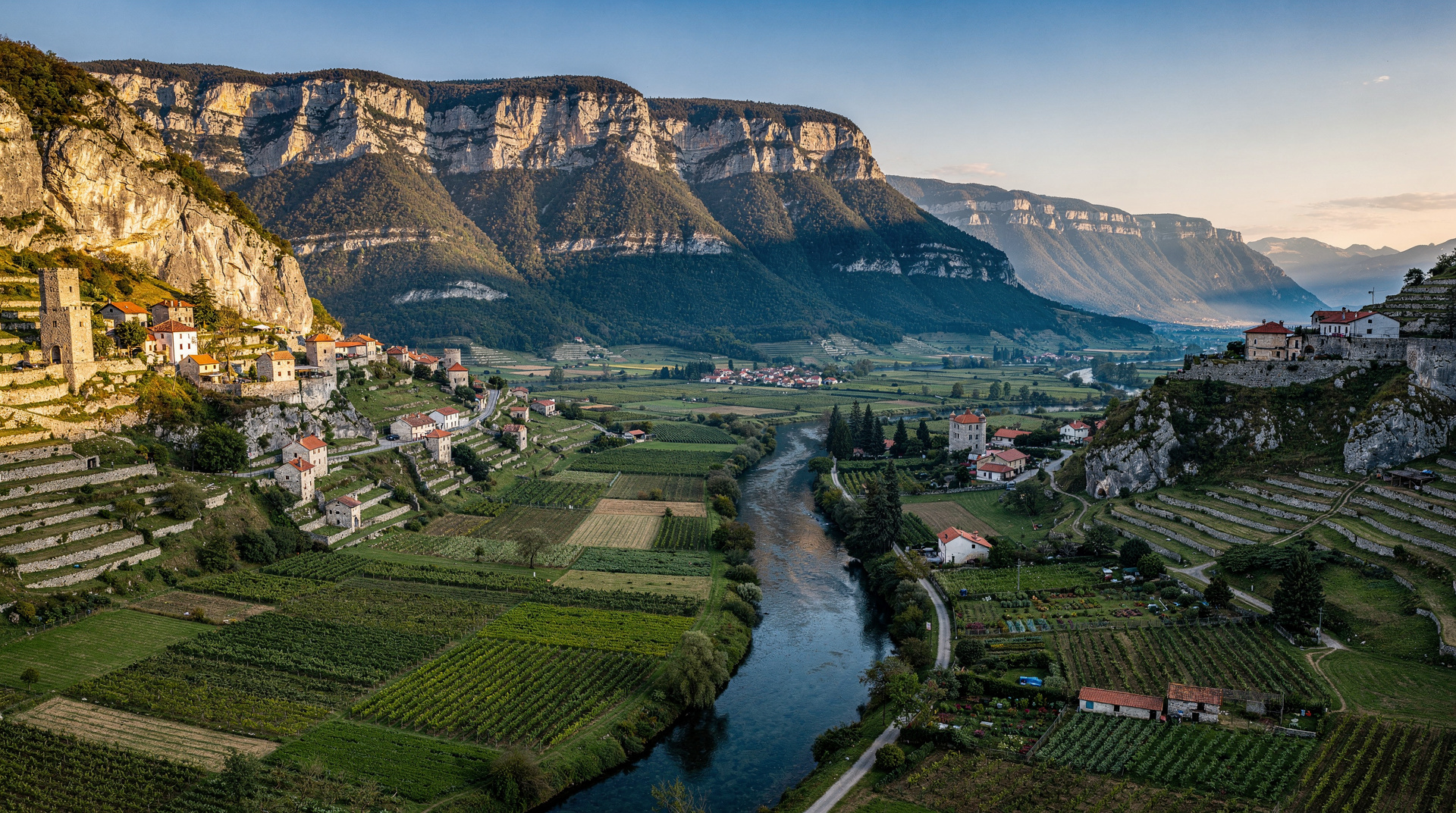
Slovenia has a remarkable geographic range for a country of 20,000 km² — within a two-hour drive you can move from Alpine meadows with Triglav in the backdrop to a Venetian-Gothic coastal town on the Adriatic, passing wine hills that look like Tuscany on the way. This seven-day itinerary makes the most of that variety.
The loop runs Ljubljana → Bled → Ljubljana → Piran → Goriška Brda → Ljubljana, a total of roughly 500 km of driving. Roads are consistently good; the coastal motorway (A1) connects Ljubljana to the coast in about 1 hour 15 minutes.
This trip suits couples and travellers who want to combine landscapes — mountain views, beach afternoons and vineyard lunches — rather than maximising adventure activities or cultural depth. It also pairs well with a connection from Venice or Trieste, where you can start or end the trip at the coast.
| Where | Ljubljana → Bled → Piran → Goriška Brda → Ljubljana |
| Distance | Around 500 km driving over 7 days |
| Best time | May–October; September for the best all-round balance |
| Car needed | Yes — public transport cannot cover Piran and the wine hills on this timeline |
| Vignette | Weekly e-vignette around €16 (dars.si), compulsory on the motorway |
| Budget | Mid-range, roughly €120–160/person/day |
Day-by-day snapshot
| Day | Base | Focus |
|---|---|---|
| 1 | Ljubljana | Arrival, old town evening |
| 2 | Ljubljana | Castle, market, Metelkova |
| 3 | Bled | Island, pletna boat, Vintgar Gorge |
| 4 | Piran | Karst drive, old town, harbour dinner |
| 5 | Piran | Portorož saltpans, Izola |
| 6 | Goriška Brda | Wine walk, Šmartno village |
| 7 | Ljubljana | Vipava Valley, return |
For a shorter version of the same idea, the 5-day Slovenia highlights itinerary covers Ljubljana, Bled and Postojna without the coast and wine legs; this 7-day route trades some pace for the fuller variety.
Day 1 — Ljubljana: arrival and first evening
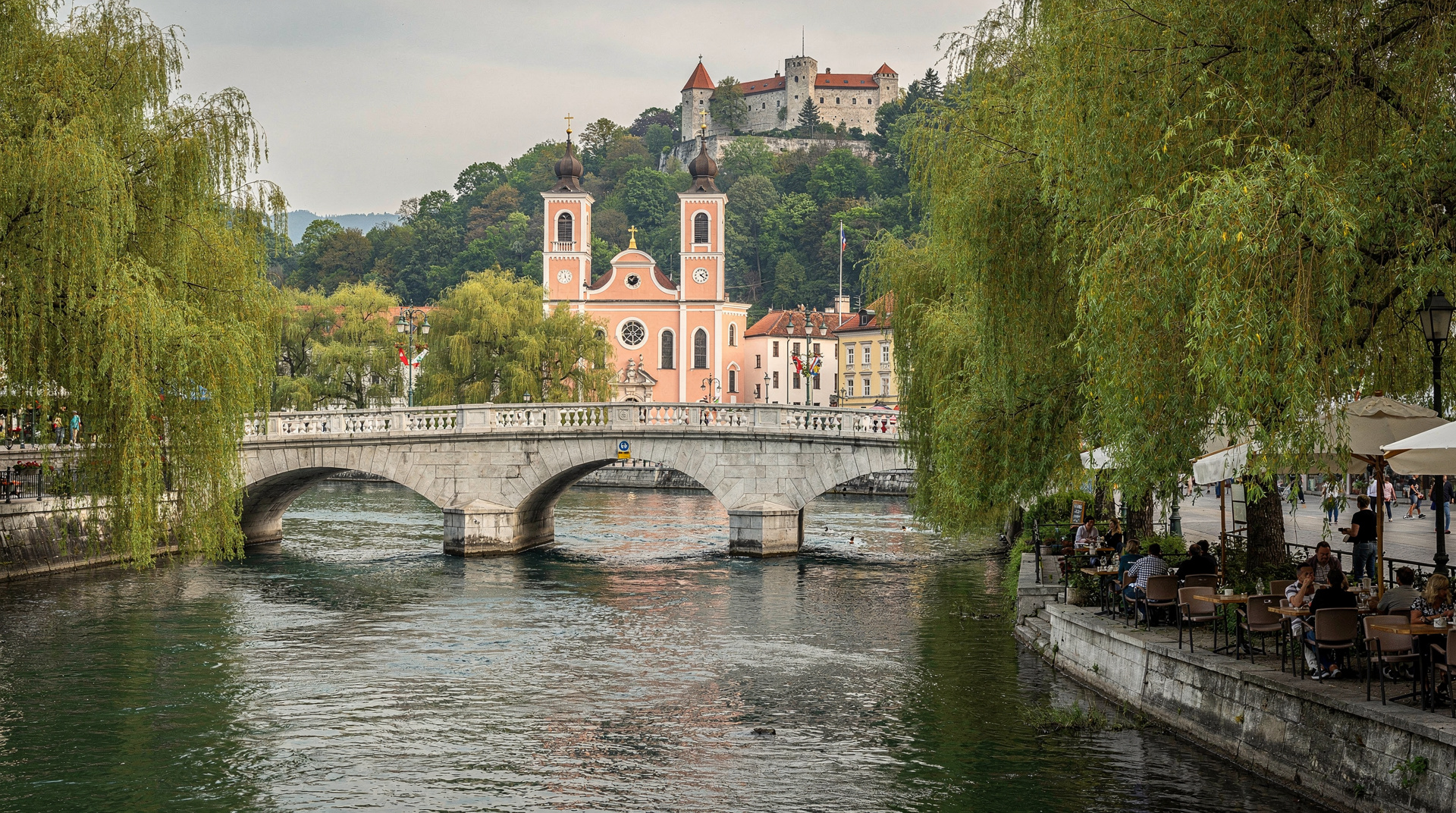
Arrive via Ljubljana Airport (shuttle bus €4 to the centre). If arriving with energy, spend the evening in the old town: the riverside café terraces, the covered market at dusk, the Triple Bridge lit up at night. The passeggiata along the Ljubljanica is the city’s best free experience.
Dinner at Atelje (contemporary Slovenian cuisine, €25–35 per main) or Gostilna Šestica (traditional, reliable, around €15) depending on budget and preference. Stay near Prešeren Square — Vander Urbani Resort (from €120) or the cheaper B&B Sax Hostel (from €40 for private rooms).
Day 2 — Ljubljana in depth
Give Ljubljana the full day it deserves before heading north to Bled tomorrow. The city is genuinely underappreciated by visitors who treat it as a one-night stop on the way to the lakes.
Morning: the open-air riverside market (best on Fridays), then Plečnik’s National and University Library (the reading room interior is extraordinary — ask at the entrance if it is open to visitors), then up to the castle for views. The Nebotičnik (Skyscraper) bar on the 10th floor of the 1930s tower block on Štefanova ulica offers the best rooftop view of the old town for the price of a coffee.
The Ljubljana food tour with 10 local tastings is worth scheduling for the morning — 3 hours covering the market, old-town delis and local food culture, finishing with a lunch of sorts across multiple stops.
Afternoon: the Metelkova arts complex (converted barracks, graffiti-covered, alternative culture) and the Museum of Contemporary Art (Metelkova, €4). Walk south to Trnovo for evening coffee in the student quarter.
Day 3 — Lake Bled: the morning loop and the island
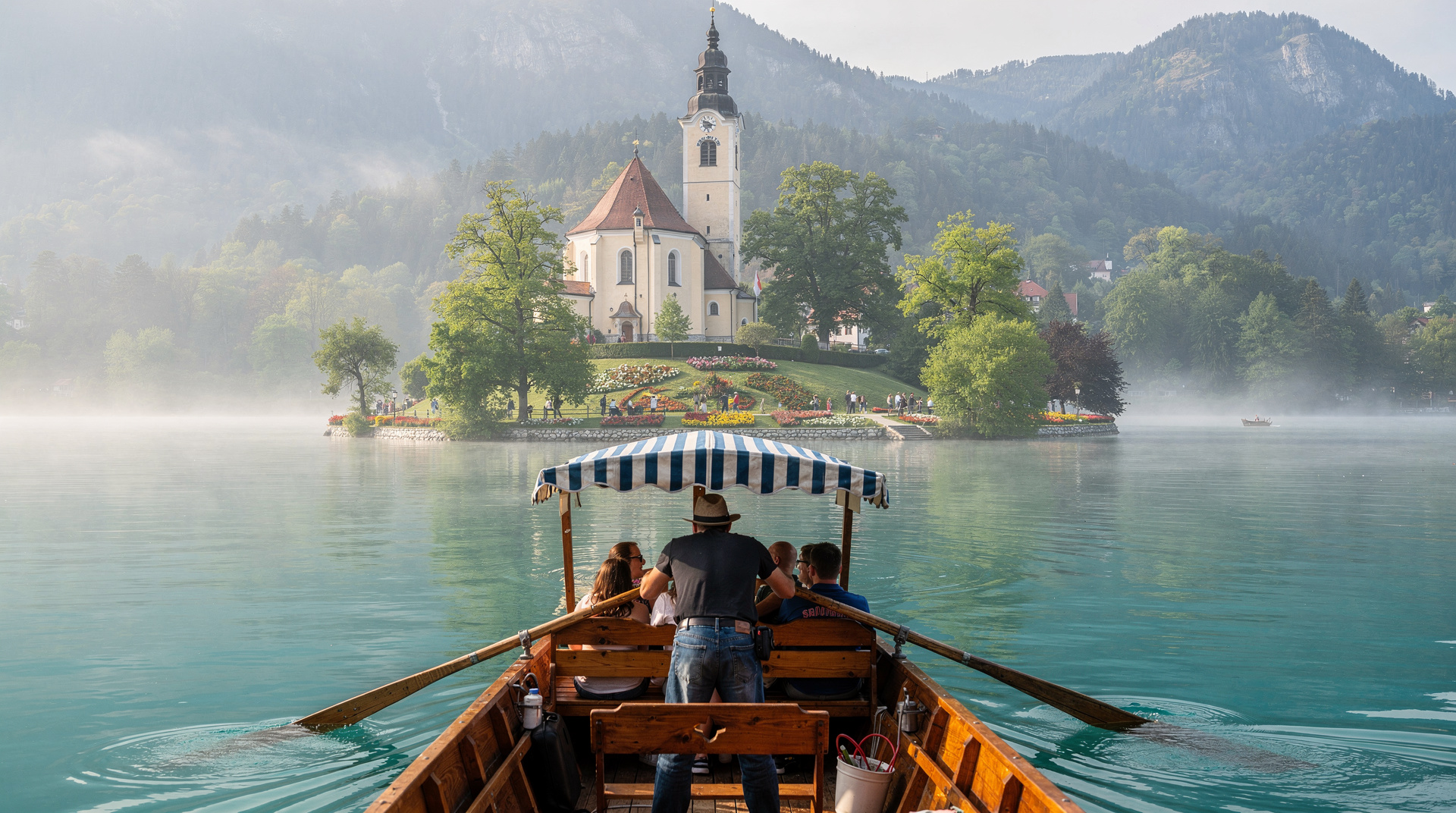
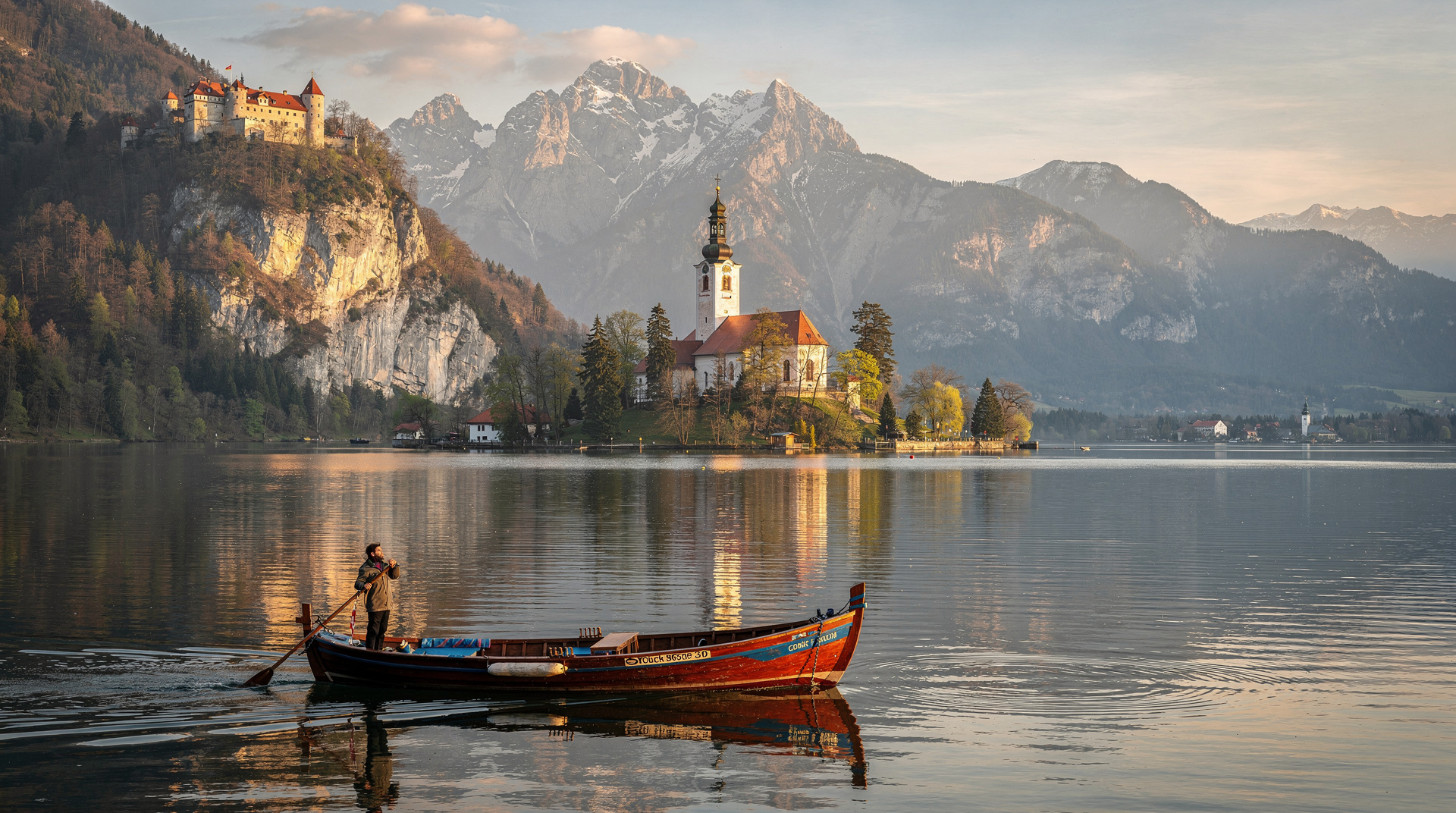
Drive Ljubljana to Bled (55 km, 50 minutes). Arrive early. Walk the entire lake circuit before 9:30 to beat the tour groups. The north shore — below the cliff village of Bled, with the island church and Karavanke peaks behind — is the photograph that defines Slovenia.
The pletna boat to Bled Island is part transport, part cultural experience — the hereditary boatmen have rowed these flat-bottomed boats since 1590. The island church and its 99 steps, the bell, the views from the top — budget 2 hours for the full experience including the cream cake at the landing.
Afternoon: drive to Vintgar Gorge (4 km from the village). The 1.6 km boardwalk above the Radovna River is one of the most visually spectacular short walks in Slovenia. After Vintgar, either swim at Bled’s free beach or drive to Radovljica (15 minutes) — the medieval walled town above the Sava is worth an hour, and the Lectar inn does excellent honey-themed menus.
Return to Ljubljana or stay overnight in Bled.
Day 4 — Drive to Piran via the Karst plateau
This is the longest driving day of the trip — Ljubljana to Piran is 133 km, about 1 hour 20 minutes on the motorway. Take the coastal motorway (A1) south from Ljubljana toward Koper.
Consider a stop at Postojna Cave en route (30 km off the main route). If you have already visited or find the crowds off-putting, continue to the coast and use the afternoon in Piran instead.
Arrive in Piran in the afternoon. Park in the large car park outside the town walls (Fornače, €1.50/hour) — the old town is largely pedestrianised and medieval streets do not accommodate cars. Walk into the historic centre from the landward gate.
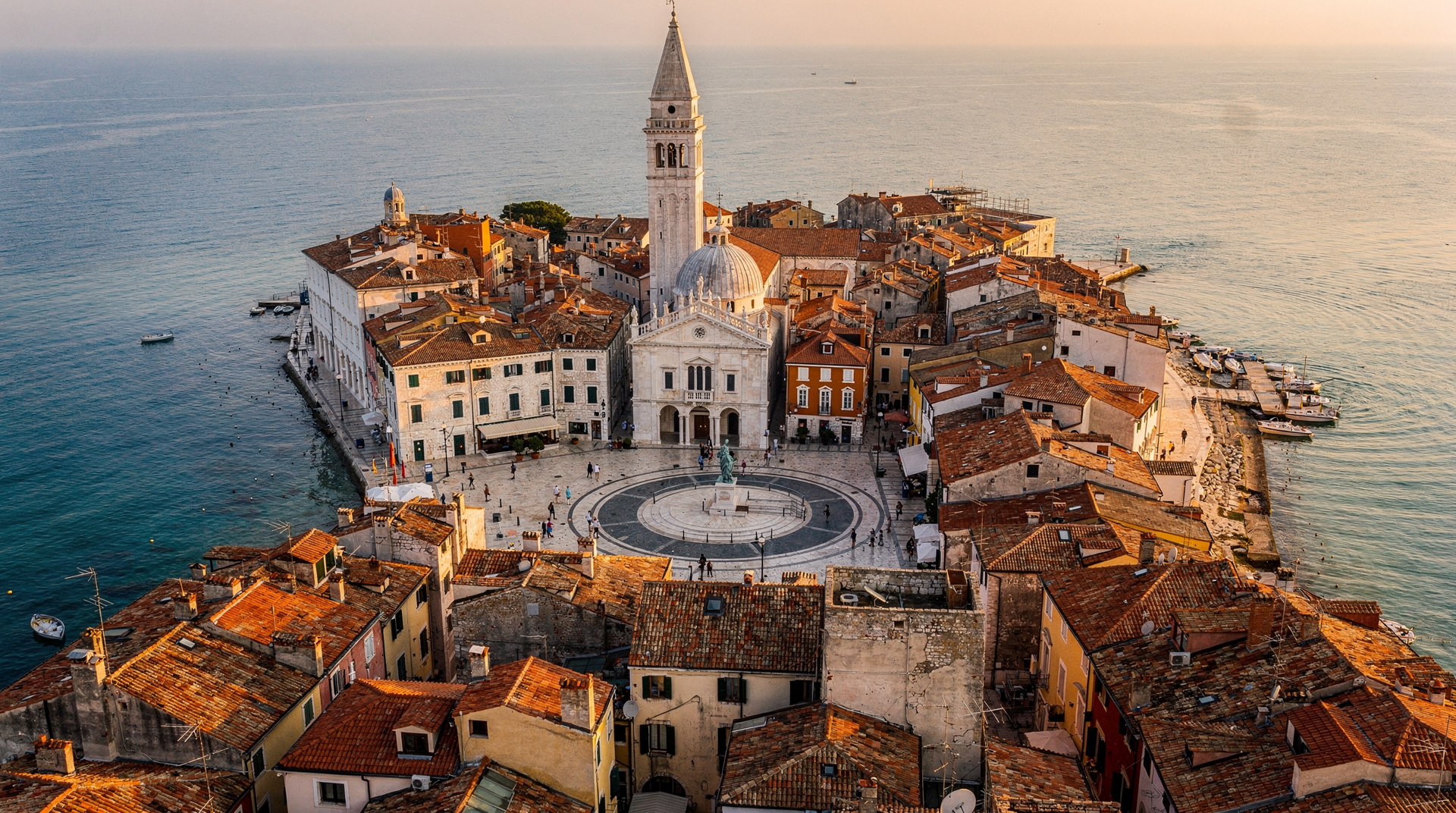
Piran is the best-preserved Venetian coastal town on the eastern Adriatic outside of Venice itself. The Tartini Square (named after the violinist Giuseppe Tartini, born here in 1692) is one of the most beautiful public spaces in Slovenia. Walk the narrow alleys up to the Cathedral of St George for the view over the harbour and, on clear days, across the water to Trieste and Venice.
A private walking tour of Piran with a local guide covers the town’s layered Venetian, Habsburg and Yugoslav history in about 2 hours — particularly good for understanding why Piran looks nothing like the rest of Slovenia.
Evening: eat fish. Piran is a working fishing port, and the restaurant Riva on the harbour front serves some of Slovenia’s best seafood. Grilled fish, octopus salad and local Malvazija white wine, €30–40 per person.
Day 5 — The Slovenian coast: Portorož and Izola
Spend the morning exploring the coast around Piran and Portorož. The Sečovlje Saltpans (5 km south of Portorož, part of a natural park) are an unexpected highlight — medieval salt-harvesting pans still worked by traditional methods, with flamingos and other birdlife in season.
The Piran walking tour with local wine and food tasting is an excellent morning activity — the guide takes you through the old town’s food culture with tastings of local olive oil, prsut (Slovenian cured ham), Malvazija wine and seafood, ending at the fish market.
Drive north to Izola (20 minutes) for the afternoon. Izola is quieter than Piran and more authentically local — a working fishing town rather than a tourist attraction. The harbour front has several good seafood restaurants and a pebble beach.
From Izola, if time allows, drive 15 minutes inland to Slovenian Istria’s olive oil country — the area around Marezige produces award-winning extra-virgin olive oil and several producers offer tastings.
Return to Piran for night two or continue to Goriška Brda (1 hour inland).
Day 6 — Goriška Brda wine hills
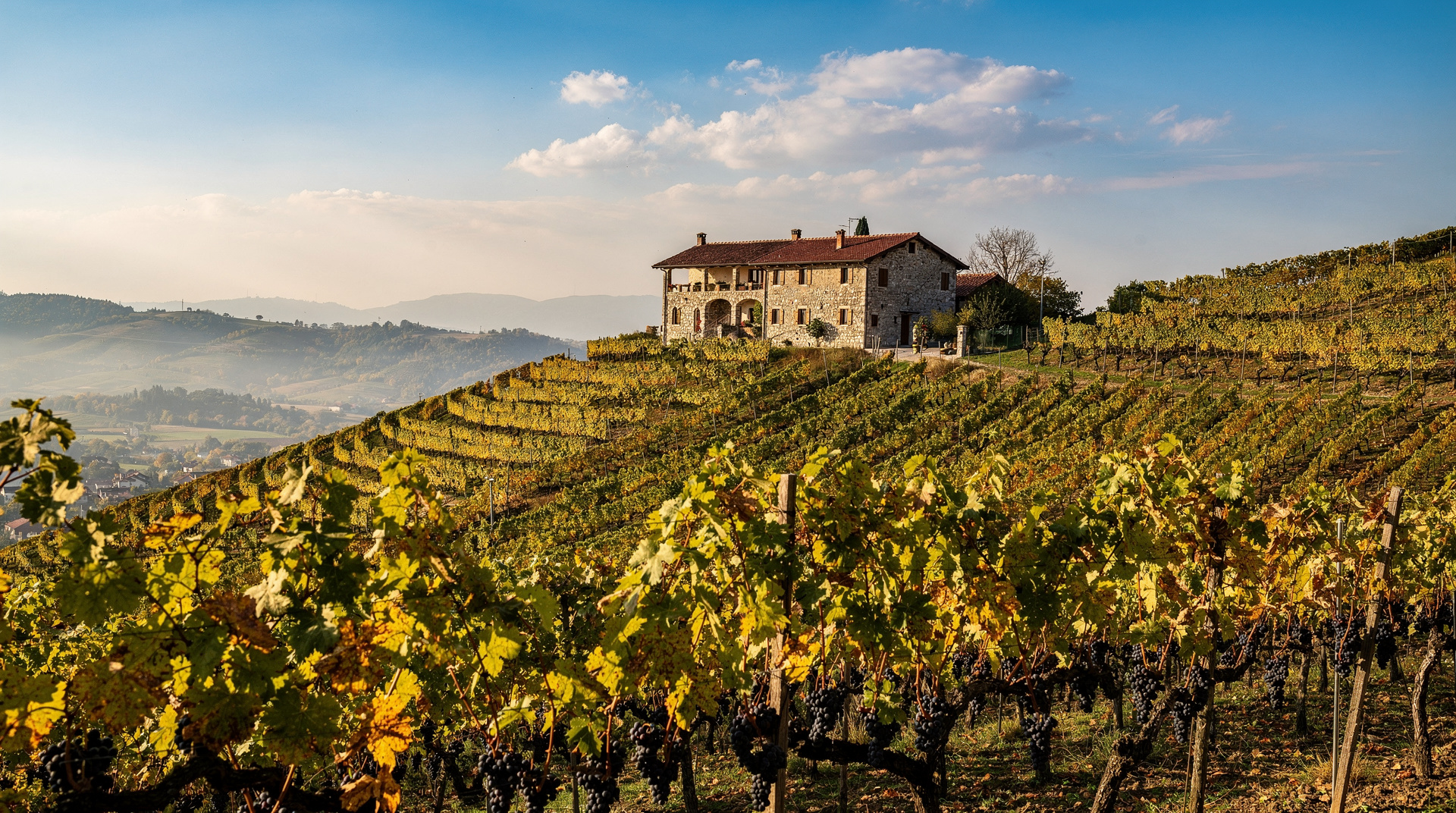
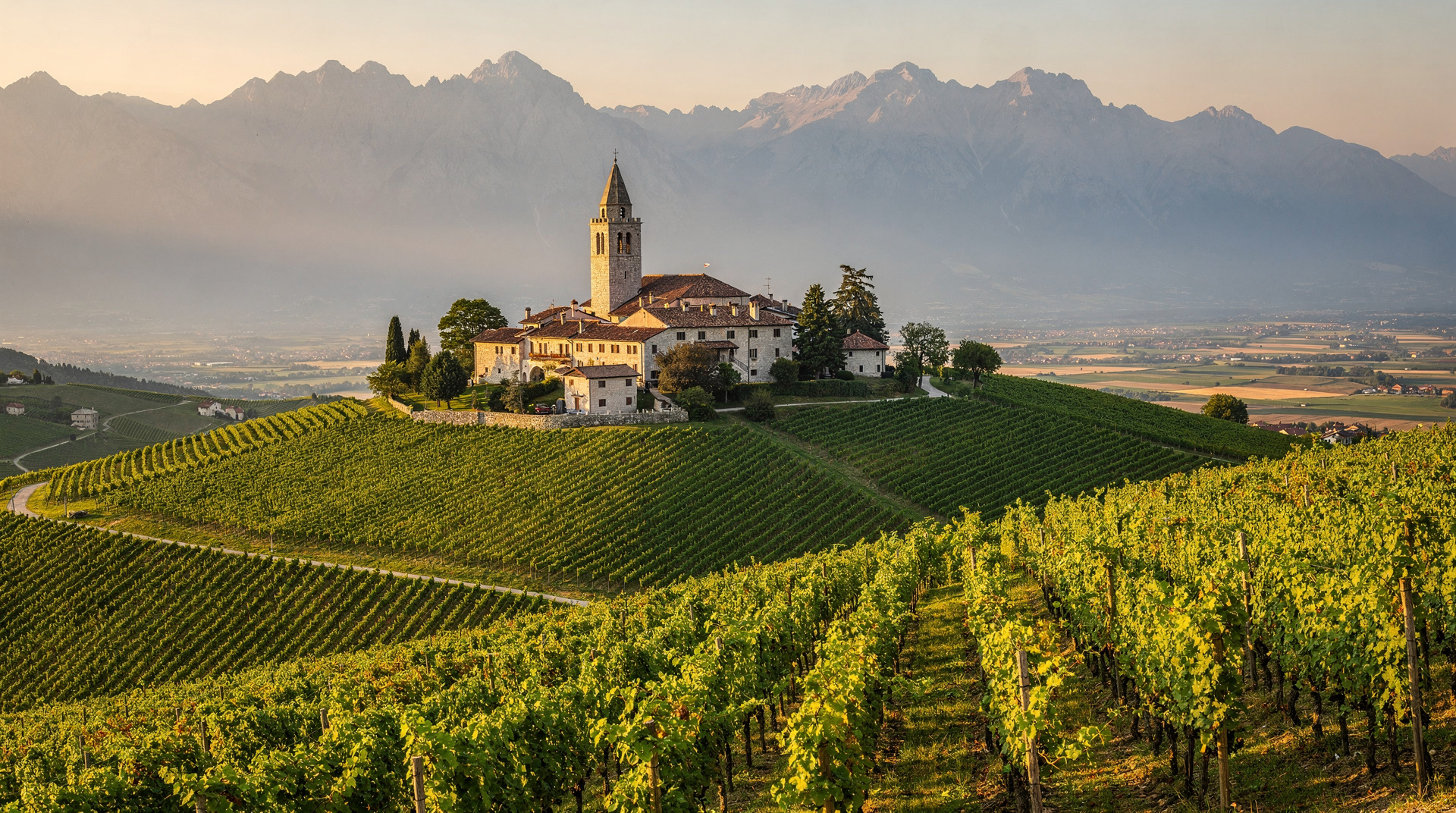
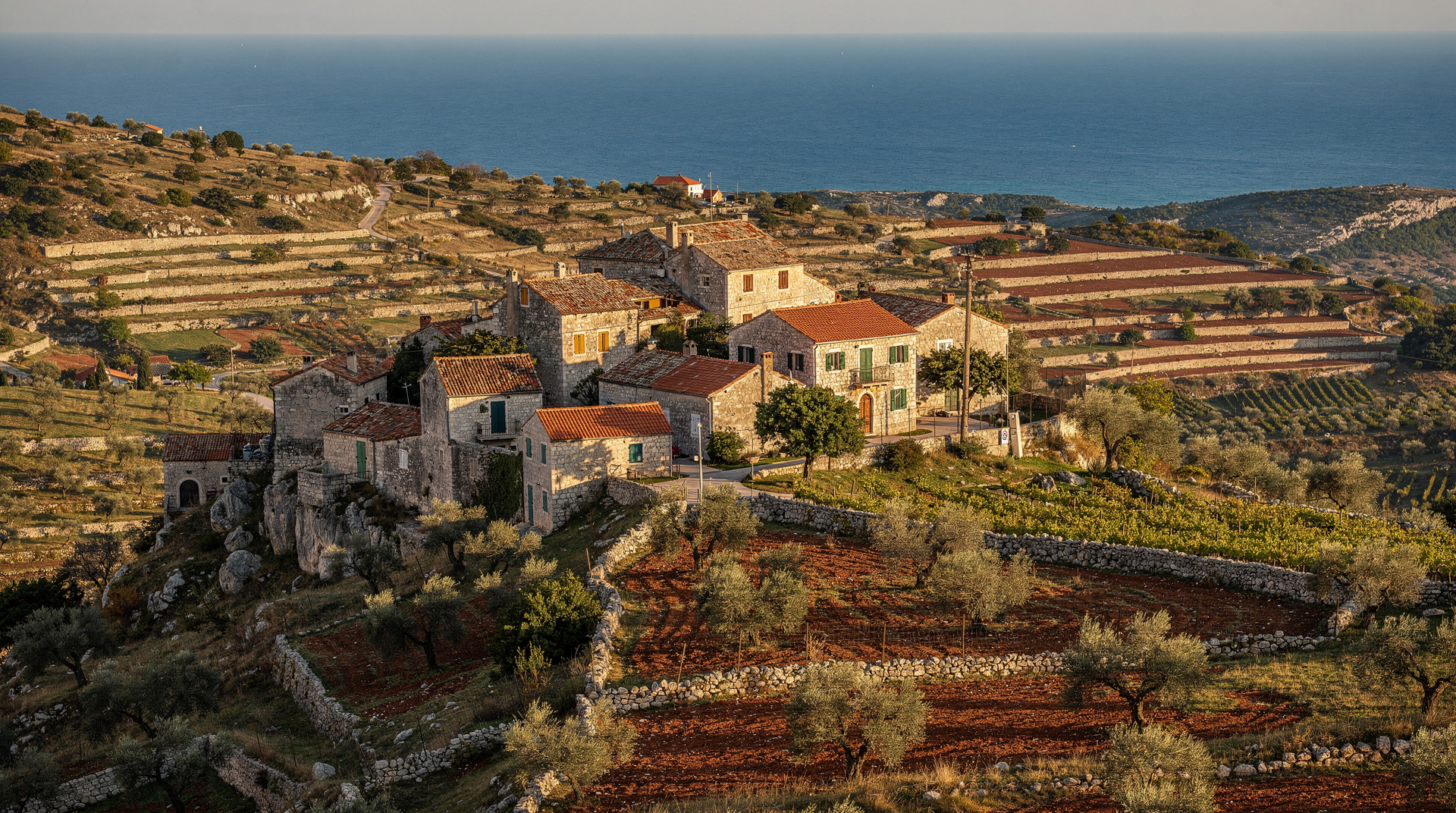
Drive from Piran to Goriška Brda — approximately 70 km, about 1 hour. The road climbs from the coast through the Karst plateau and then descends into a landscape that shifts abruptly from limestone grey to rolling green hills covered in vines, cherry trees and cypresses.
Goriška Brda (literally “Gorizia Hills”) is Slovenia’s finest wine region — Rebula (Ribolla Gialla), Malvazija and Pinot Grigio are the main varietals. The area was divided between Italy and Yugoslavia after WWII; the border cuts through the middle of what is culturally one continuous wine region.
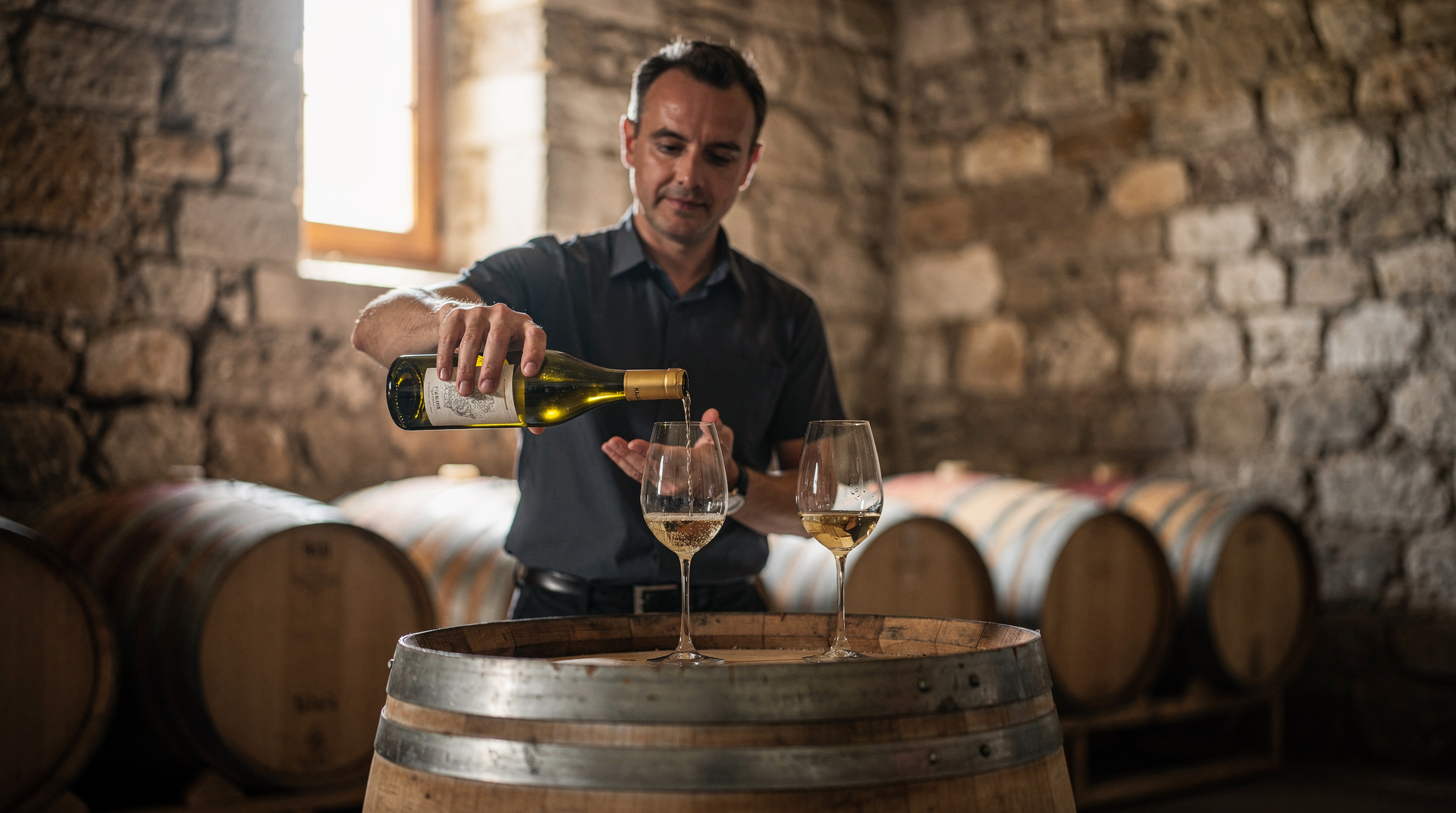
The Goriška Brda wine walk and tasting is the best structured way to experience the region — a guided walk through vineyards and villages with tastings at two or three producers, covering the region’s history and winemaking philosophy.
Lunch at one of the agritourism estates — Kmetija Štekar in Šmartno offers a full Brda lunch with local wines for around €35/person. The village of Šmartno itself is a beautifully preserved medieval walled village and worth 30–45 minutes of wandering.
Afternoon: drive the ridge road along the crest of the Brda hills for views over the valley — on clear days you can see the Venetian lagoon. Visit Dobrovo Castle (free exterior, small museum inside), which sits at the centre of the wine region.
Day 7 — Return via Vipava Valley to Ljubljana
Drive from Goriška Brda through the Vipava Valley back to Ljubljana (80 km, 1 hour 15 minutes). The Vipava Valley is Slovenia’s other major wine region and was known to the Romans — the road follows the route of the ancient Via Gemina.
The valley’s wine scene is more experimental than Brda — natural wine producers have a strong presence here. Stop at Ajdovščina, the valley’s main town (Roman walls, small museum) and try a tasting at one of the cooperative wineries on the valley floor.
If you have not used the Vipava tour from Ljubljana, the Vipava express from Ljubljana is available if you have a free hour in the morning before heading to the airport.
Return to Ljubljana by mid-afternoon, allowing time for a final walk, coffee in the old town and the airport shuttle (€4, 50 minutes). Ljubljana Airport’s flight connections to European hubs make same-day departures straightforward.
Practical notes
Driving distances: Total roughly 500 km over 7 days. Ljubljana to Bled 55 km (50 min); Ljubljana to Piran 133 km (1 h 20 min on A1/H5 motorway); Piran to Goriška Brda 70 km (1 h); Goriška Brda to Ljubljana 80 km (1 h 15 min via Vipava Valley). The motorway vignette is required for all motorway sections — buy the €16 weekly e-vignette at dars.si before arrival.
Coast driving and parking: Piran’s old town is almost entirely pedestrianised and medieval streets are not navigable by car. Use the Fornače car park outside the landward town gate (€1.50/hour, open 24 hours) or the larger Portorož seafront car parks (cheaper, 5–10 minute walk). In July–August, the car parks fill by 10:00 on weekends — arrive early or take the public bus from Portorož to Piran.
Wine region note: Goriška Brda wineries typically open for tastings by appointment. Email or phone ahead (many producers speak English), or join a guided tasting tour which eliminates the need for appointments. The Brda Wine Road (officially signposted throughout the region) links about 20 producers and is designed for self-guided wine touring.
Goriška Brda vs Vipava Valley: The two wine regions have distinct characters. Goriška Brda is hillier, more scenic, more international in its wines and its visitors. The Vipava Valley is flatter, more industrial in scale, and the home of Slovenia’s natural wine movement — producers like Batič, Marjan Simčič (also in Brda) and Movia are internationally celebrated. If you have only one day for wine, Goriška Brda is more tourist-friendly; if natural wine is the priority, Vipava Valley is more interesting.
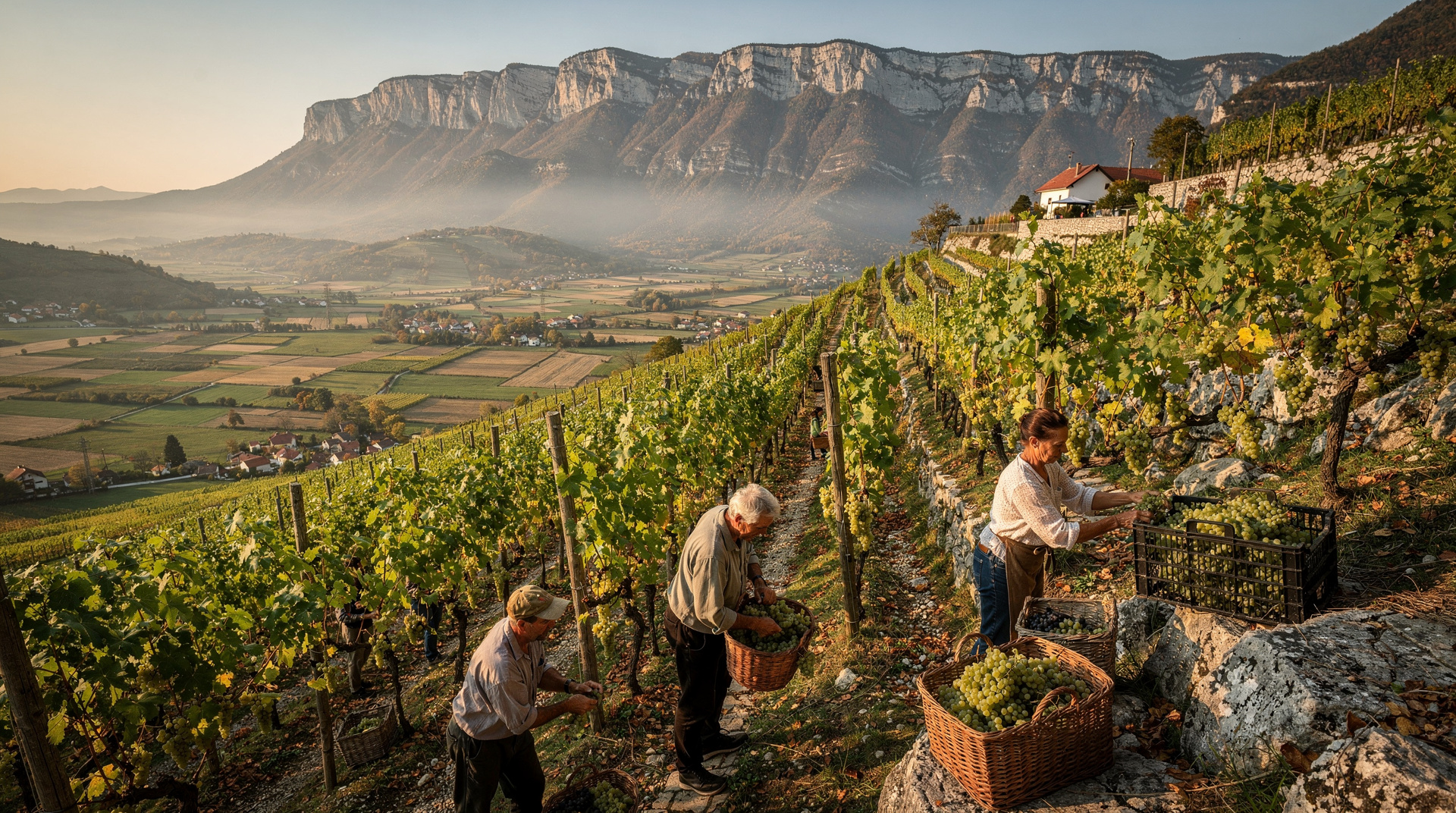
Best time: May–October for the full trip. The coast is at its best June–September (warm enough for swimming, long evenings). Wine regions are particularly atmospheric during harvest (late September–October) when the valleys smell of fermentation and producers are racing to pick. July–August hotels in Piran fill fast — book two or three months ahead. September is the best overall month for this itinerary: warm, uncrowded coast, pre-harvest wine region, good hiking conditions in the Alps.
The variety argument: why this itinerary works
Slovenia’s geographic compression — Alpine lake to Adriatic port in under 2 hours — is the country’s most surprising characteristic. The seven-day coast-and-mountains itinerary makes the most of this compression by moving through four fundamentally different landscape and culture zones in a single week.
The effect is cumulative. After two days among limestone peaks and emerald lakes, arriving in Piran — with its Venetian architecture, sea smell and orange-painted facades — feels like a different country. After Piran’s seafood and salt air, the wine hills of Goriška Brda feel like a third country: Mediterranean in vegetation and spirit, Alpine in the backdrop. The return to Ljubljana after these contrasts makes the capital’s own character — its café culture, its Art Nouveau bridges, its mix of Alpine and Baroque — far more legible than it was on day one.
The Vipava Valley connection on day seven is not just a scenic route home. The valley is Ljubljana’s nearest wine region and the one with the most creative energy in Slovenian winemaking today. Producers like Burja (natural wine, no sulphites), Sutor (biodynamic) and Batič (the most celebrated natural wine producer in the country) are all in the valley. Stopping for a tasting at one estate on the way back to Ljubljana — even a 45-minute visit — adds a meaningful final dimension to the trip’s food and wine theme.
Connecting destinations for before or after: this itinerary connects well with Venice (3.5 hours from Ljubljana or 2 hours from Trieste), Trieste itself (1.5 hours from Piran), Zagreb (2 hours from Ljubljana) or Vienna (5.5 hours). The combination of Ljubljana and Venice in a single trip is one of the most rewarding urban pairings in Europe, and Slovenia makes the connection entirely natural.
Seasonal notes for each section
Ljubljana (days 1–2): Year-round, though the Christmas market (November–January) and the summer festival season (July–August) add specific cultural programming. The riverside café culture requires dry weather.
Lake Bled (day 3): Best May–October. Vintgar Gorge is closed November–March. The lake at its most crowded July–August and at its most serene October–May (and most photogenic in dawn mist year-round).
Piran and the coast (days 4–5): Beach season is June–September. October Piran is warm enough to walk but the sea is cooling. November–April the town is beautiful, the restaurants open, but the beach season is over. The saltpans at Sečovlje are most atmospheric in the harvest months (July–September).
Goriška Brda (day 6): Cherry blossom in April, vineyard green in June–July, harvest colour in October. The wine walk and tastings run year-round (call ahead in winter). The Brda hills are at their photographic best in late October when the vines turn yellow and red.
Vipava Valley (day 7): The valley is quieter than Brda and most producers are open year-round. The open-air wine events run May–October. The harvest (late September–October) is the most atmospheric time to visit. The Via Gemina Roman road section near Ajdovščina is worth a 20-minute walk at any time of year.
Accommodation booking windows
For this itinerary in peak season (July–August):
- Ljubljana hotels: book 4–6 weeks ahead
- Lake Bled hotels: book 6–8 weeks ahead (lakeview rooms earlier)
- Piran accommodation: book 2–3 months ahead for August
- Goriška Brda agriturismo: book 2–4 weeks ahead
In shoulder season (May–June, September–October), 2 weeks’ notice is sufficient for all destinations. November–April, same-week booking is usually possible.
Money, connectivity and driving basics
Slovenia uses the euro, and cards are accepted almost everywhere on this route, including small gostilne and the Fornače car park in Piran — carry perhaps €50–80 in cash for market stalls and rural wine estates that still prefer it. EU SIM/eSIM roaming works normally for most European carriers; outside the EU, a local prepaid SIM (available at Ljubljana Airport kiosks, around €15–20 for a data package) is the cheapest option for a week of navigation and photo uploads.
The motorway network is excellent throughout, but the coastal stretch around Piran narrows sharply — leave the rental car at the Fornače or Portorož car parks rather than trying to drive into the old town. For a deeper look at what a week like this actually costs, see the Slovenia trip budget guide; for the vignette and speed-limit rules in more detail, the driving and vignette guide is worth five minutes before you land.
Fuel is broadly similar to Western European prices; expect around €70–90 to fill a compact rental car over the week, split across two or three stops. Tolls beyond the vignette do not exist in Slovenia — the vignette covers all motorway sections used on this route, including the Ljubljana–Koper stretch to the coast. Tipping is not obligatory but rounding up 5–10% at sit-down restaurants (Riva in Piran, the Brda agriturismo lunches) is normal and appreciated.
If the weather turns
Coastal Slovenia can have a wet spell even in the June–September window, and the wine hills are at their least appealing under low grey cloud. If day 4 or 5 arrives rainy, Piran’s museums (the Sergej Mašera Maritime Museum, the salt-making exhibition at the Sečovlje park visitor centre) and a wine-cellar tasting in Goriška Brda both work indoors. Postojna Cave, 30 km off this route near the Ljubljana–Piran motorway, is Slovenia’s single best rainy-day swap and can be slotted into day 4 with only a short detour — see the honest Postojna Cave review before deciding whether it is worth the diversion from the coast.
Top experiences
Bookable activities with verified prices and instant confirmation on GetYourGuide.