Slovenia for families: practical guide with children
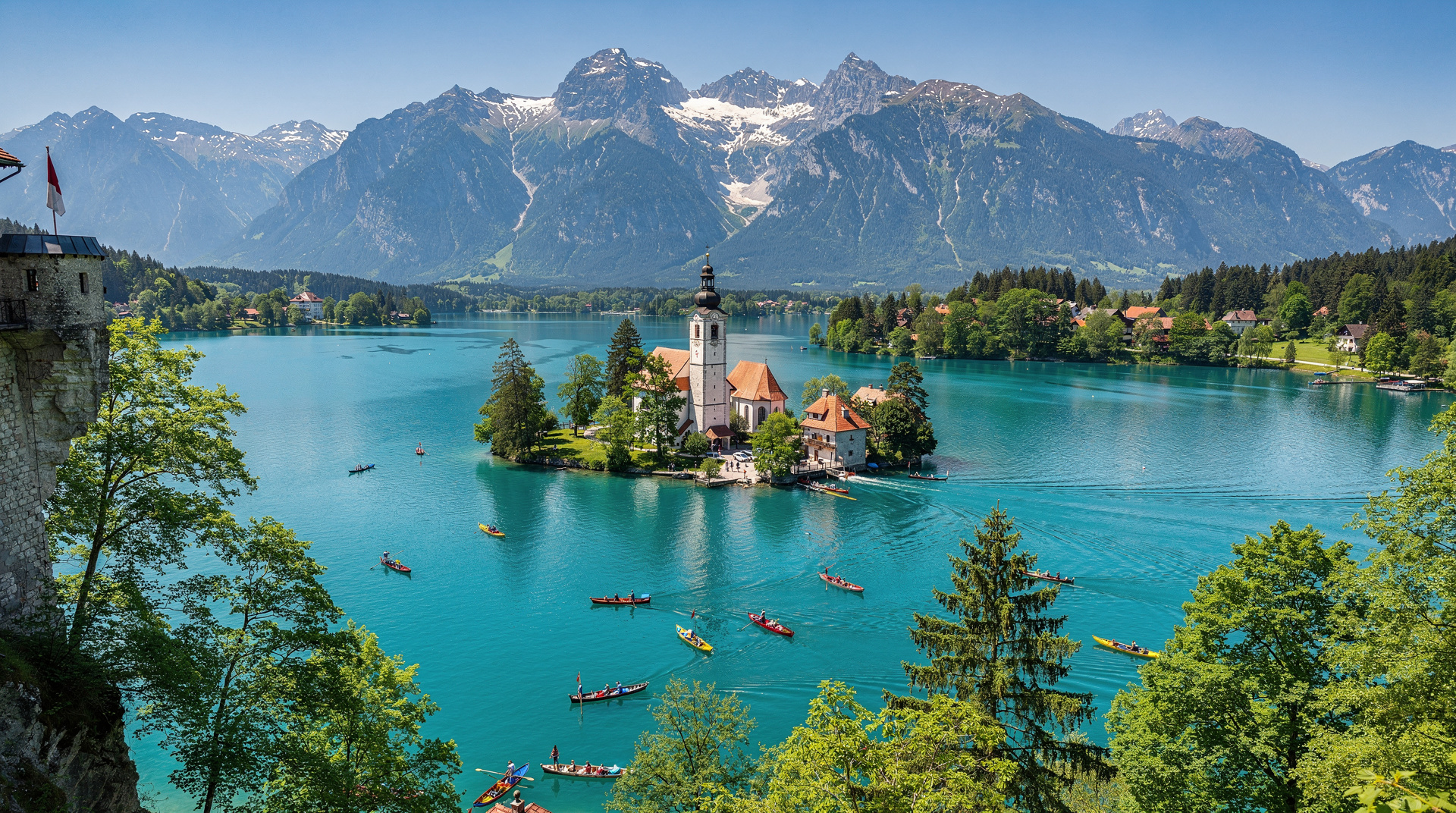
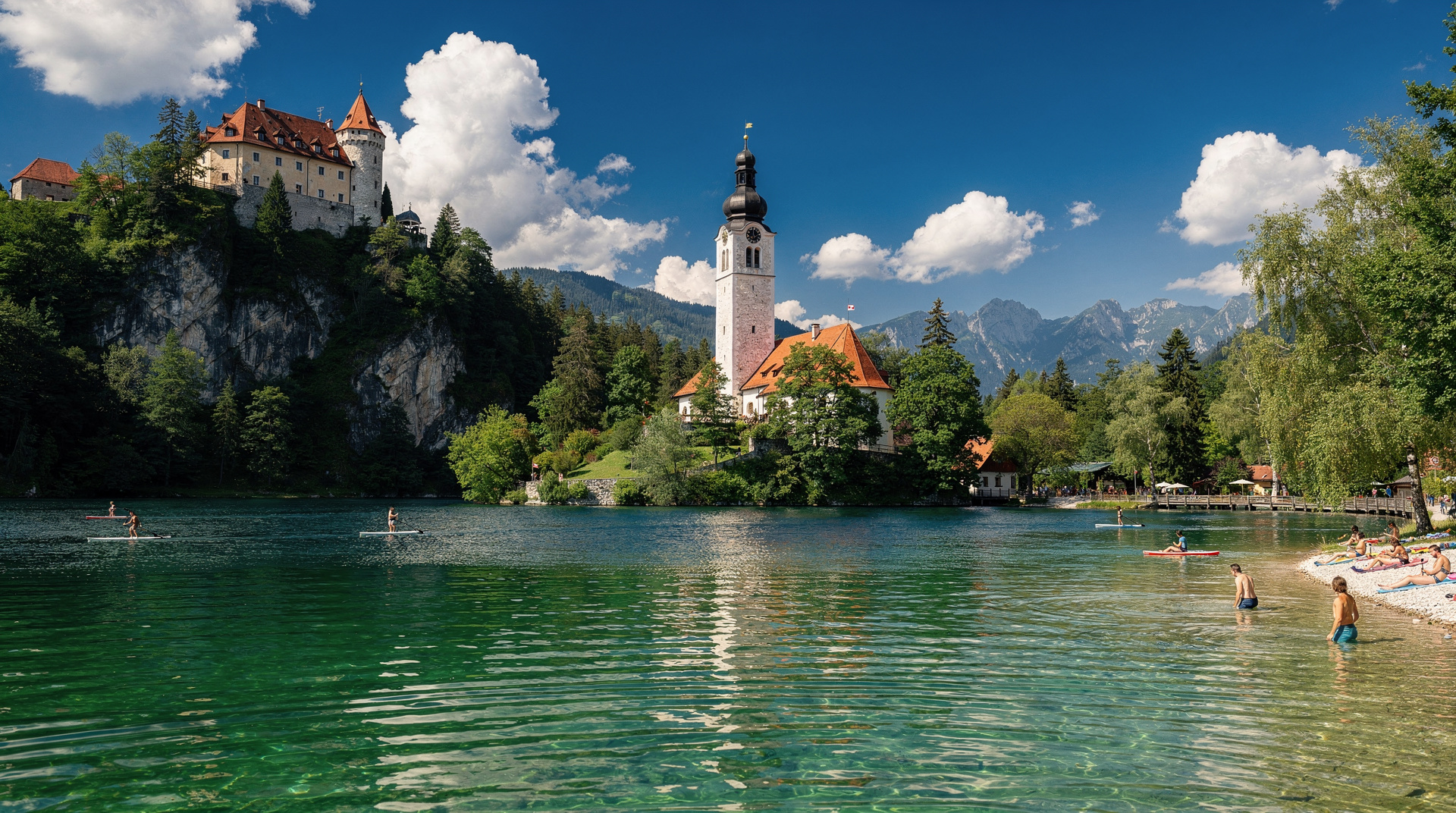
Lake Bled: pletna boat to Bled Island with dessert
Is Slovenia a good destination for families with children?
Slovenia is an excellent family destination. It is safe, compact, has first-rate outdoor activities for all ages, and is genuinely child-friendly in restaurants and public spaces. The cave tours, lake swimming, and wildlife experiences are particularly suited to children. Transport is easy with a hire car.
Why Slovenia works for family travel
Family travel in Slovenia benefits from the same qualities that make the country appealing generally — compactness, cleanliness, safety, and variety — plus a few family-specific advantages. The country’s outdoor focus means children are not marginalised in an itinerary built around landscapes. Natural attractions that adults find beautiful (cave systems, gorges, Alpine lakes) are also the kind of spectacles that children find genuinely exciting rather than merely instructive.
The practical infrastructure is good: car hire is straightforward, accommodation is child-friendly across most of the price range, and Slovenian culture is welcoming to families in restaurants and public spaces. Children are not herded to separate spaces; they are welcomed alongside adults in most contexts.
The honest caveats: Slovenia’s coast is not a traditional sandy-beach destination, so families looking for a fortnight of beach time will need to combine with Croatia. Very young children (under 3) will find the mountains and gorges logistically challenging. And high-summer crowds at Lake Bled and Postojna Cave can be overwhelming for young children who dislike crowds.
| Best for | Ages 5–16, outdoor-focused families |
| Coast caveat | Pebble beaches, not sand — combine with Croatia if beach time matters |
| Getting around | Hire car strongly recommended; book child seats ahead |
| Peak crowd risk | Lake Bled and Postojna Cave in July–August |
| Top pick for young children | Lake Bled swimming + Postojna cave train |
Best destinations for families
Ljubljana
Ljubljana makes an excellent family base. The old town is compact and walkable. The zoo (Ljubljana Živalski vrt) on Rožnik Hill is small but competently run. The natural history museum has interactive sections. The Dragon Bridge (Zmajski most) provides endless opportunities for photographs with resident copper dragons, which children reliably appreciate. The Tivoli City Park is large enough for children to run and cycle freely.
One underrated family activity: the Puppet Theatre (Lutkovno gledališče Ljubljana) has a strong international reputation and runs afternoon shows in Slovenian and occasionally English. Book ahead.
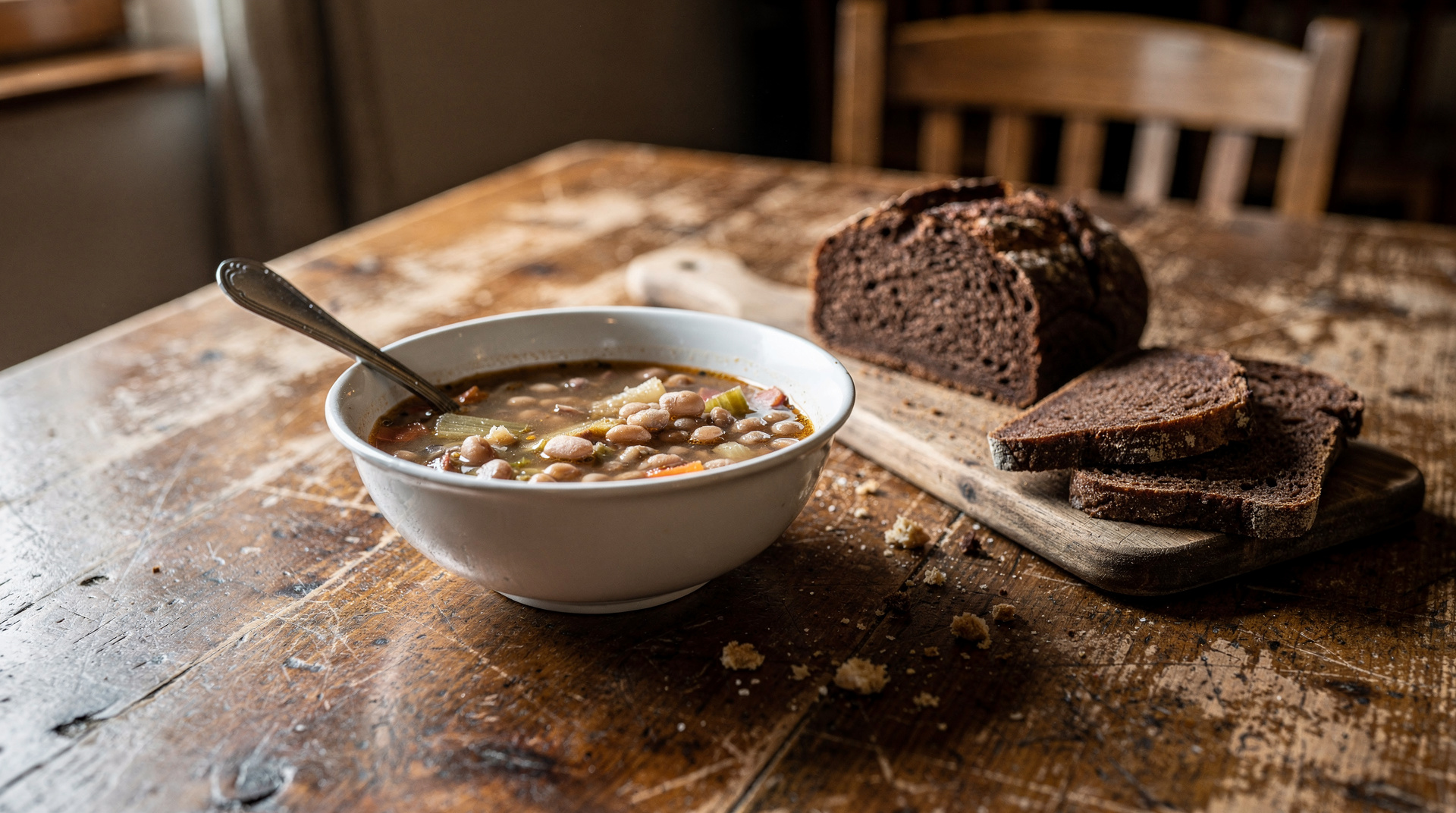
Food: Ljubljana’s café and restaurant culture is genuinely child-friendly. Most restaurants offer children’s portions or plates. The central market (Tržnica) is good for self-assembly picnic lunches that please fussy eaters.
Lake Bled area
The Lake Bled area is one of the most family-friendly zones in Central Europe’s mountain region, primarily because it combines easy swimming, gentle walks, spectacular scenery, and practical facilities.
- Lake swimming: From June through early September, the lake is warm enough to swim. Families tend to use the Mlino and Mala Žaka beaches (quieter than the main lakeside); there are changing facilities.
- Rowing boats: Rowing or paddling on the lake is a classic family activity. Boat hire is available at multiple points; the lake circuit by rowing boat takes about an hour at a moderate pace.
- Vintgar Gorge: 4km round trip on wooden walkways above the Radovna River, with waterfalls and deep pools. Manageable for children from about age 4–5 with a good attention span. Closed November–April.
- Straza Hill toboggan run: Year-round summer toboggan run above Bled town — reliably thrilling for children aged 5+ and adults who enjoy it more than they expected.
- Lake Bohinj: 30 minutes from Bled, quieter, and with a larger lake. The Savica waterfall (30-minute walk from the car park) is accessible for children aged 6+. The Vogel cable car to 1,540m gives family-accessible mountain altitude without technical hiking.
Postojna Cave
Postojna Cave is the single most family-friendly paid attraction in Slovenia. The narrow-gauge train that travels 3.7km into the mountain before the guided walk begins is genuinely exciting, and the cave’s scale (it is the largest cave system open to visitors in Europe) is comprehensible even to children who do not normally appreciate geology. The proteus (cave olm), a white, blind salamander that lives only in these caves, is one of Slovenia’s genuine wildlife spectacles — a real biological curiosity that children engage with.
Temperature inside is a constant 10°C year-round, which is bracing in summer clothing. Bring an extra layer for every family member. The tour lasts 90 minutes; book online to skip the queue.
Predjama Castle: 9km from Postojna, the castle built into a cliff cave is immediately impressive on arrival — there is nothing that quite looks like it. The interior is a standard castle experience; the exterior and setting are extraordinary. Accessible for mobile children; some narrow staircases. Combo ticket with Postojna is recommended.
Postojna Cave and Predjama Castle half-day tour from LjubljanaSoča Valley
The Soča Valley is suitable for families with children aged approximately 6 and up who enjoy outdoor and water activities. Below that age, the practical logistics (long drives, cold river water, adventure activities) are challenging.
For the right age group, the valley delivers:
- Family rafting: Grade 1–2 sections available from several operators in Bovec. Children from age 6 (varies by operator; some require age 8). All equipment provided.
- River swimming: The flat sections of the Soča near Kobarid and Tolmin are swimmable in July–August. The water is cold (12–16°C) but children typically adapt quickly; the colour is extraordinary.
- Kobarid Museum: The First World War museum at Kobarid is rated among the best war museums in Europe. Suitable for children aged 10+ who have some historical context; may be too intense for younger children.
- Bovec Aquapark: A small outdoor water park near Bovec — useful on rest days between activities.
Thermal spa resorts
The Slovenian thermal spa circuit — Terme Čatež, Terme Olimia, Terme Radenci — is almost perfectly designed for families with young children who like water parks combined with adult thermal pools. Terme Čatež near Brežice (by the Croatian border) has a comprehensive outdoor water park open from May through September. Terme Olimia in Podčetrtek is perhaps the most beautifully located, in green hills above the Sotla valley. These are resort stays, not sightseeing destinations — the value for families with children aged 4–12 is in the pools, not the surrounding landscape.
Family activities by age
Age 3–6:
- Postojna Cave train (with warm layer provided)
- Lake Bled swimming at Mlino beach
- Tivoli Park in Ljubljana
- Straza Hill toboggan (minimum height applies; check with operator)
- Terme Čatež toddler pools
Age 6–10:
- Vintgar Gorge walk
- Lake Bohinj swimming and rowing
- Vogel cable car (closed for maintenance until 1 December 2026)
- Family rafting on Soča Grade 1–2 sections
- Predjama Castle
- Lipica Stud Farm (Lipizzan horse demonstrations; usually Tuesdays and Thursdays, check schedule)
Age 10–14:
- Canyoning (beginner sections; check minimum age with operators)
- Mountain biking at Kranjska Gora or Bovec
- Kayaking on the Soča (beginners)
- Via ferrata (easier grades, with appropriate operator and parental agreement)
Age 14+:
- Full white-water rafting Grade 3–4 (Bovec)
- Paragliding tandem (check operator minimum age)
- Longer Alpine hikes in Triglav National Park
- Triglav summit ascent for very fit, prepared teenagers with an experienced guide
Practical family logistics
Car hire: Book well ahead in summer. Request a child seat at booking — supply can be limited in July–August. Most rental companies carry Group 2/3 seats (15–36kg); specify the age and weight of your children at booking. A larger car (estate or SUV) is more practical for families with two children, a buggy, and hiking gear.
Accommodation: Slovenia’s guesthouses (sobe) and tourist farms (turistična kmetija) are generally very family-friendly — often more so than urban hotels. Look for ground-floor or apartment options with outdoor space. Many farm stays include breakfast and occasionally dinner; this simplifies logistics enormously with young children.
Restaurants: Slovenian restaurants welcome children. High chairs are available in most mid-range and family-oriented restaurants. Children’s menus are not universal but portions can usually be adjusted. The self-service food at Ljubljana’s Central Market is a reliable option for varying tastes.
Medical: Standards are high. Ljubljana has a children’s hospital (UKC Ljubljana pediatric unit); each region has a primary health centre. European EHIC/GHIC cards cover emergency treatment. Private travel insurance with family cover is recommended.
Mountain safety: Slovenia’s mountains are real mountains with real hazards. The Julian Alps above 1,500m require proper preparation: weather-appropriate clothing, map and navigation capability, and realistic assessment of children’s stamina and speed. The national park authority (TNP) provides excellent trail information at the visitor centres in Trenta and Bled.
Sample family itinerary: 7 days
Day 1: Arrive Ljubljana. Old town, Tivoli Park, Dragon Bridge, city walk.
Day 2: Ljubljana — Central Market morning, Ljubljana Castle (outer access), afternoon Živalski vrt (zoo).
Day 3: Drive to Lake Bled (~1h). Afternoon: lake circuit walk, Mlino beach swimming.
Day 4: Bled area — Vintgar Gorge morning, Straza Hill toboggan afternoon.
Day 5: Drive to Bohinj (~30 min). Savica waterfall walk, lake swimming. Vogel cable car if weather is clear.
Day 6: Drive to Postojna (~1h15 from Bohinj via Ljubljana). Postojna Cave tour pre-booked; Predjama Castle afternoon. Return to Ljubljana.
Day 7: Departure day — morning in Ljubljana’s market and old town.
Eating with children in Slovenia
Slovenia’s food culture is accommodating to family dining in ways that are not always the case in southern Europe. Children are welcome in gostilne and most restaurants throughout the day. High chairs are available at family-oriented restaurants and most mid-range hotels. Children’s menus (otroški meni) exist at larger tourist-facing restaurants, but in local gostilne the approach is typically to serve smaller portions of the main menu rather than a separate children’s menu.
Practical food tips for families:
- Slovenian soups (goveja juha — beef broth; bučna juha — pumpkin soup) are mild and universally liked by children who will eat soup
- Kranjska klobasa (Carniolan sausage) grilled and served with mustard is a reliable hit with children who eat meat
- The Central Market in Ljubljana has fresh bread, local cheese, and fruit that assemble into an easy picnic for fussy eaters
- Bled cream cake (kremna rezina) is genuinely good and an appropriate treat; it costs €6–7 in the tourist spots but that is the appropriate splurge context
- Dairy products (yogurt, cheese, butter) from Slovenian farms are excellent quality; useful for children who will eat dairy regardless of other preferences
Allergies and dietary requirements: Vegetarian options are well-supplied in Ljubljana and at most tourist-area restaurants. Vegan options are available in Ljubljana but less so in rural areas. Gluten-free is available at some Ljubljana restaurants; rural gostilne may have limited options. Nut allergy concerns should be communicated clearly (Alergija na oreščke — allergy to nuts); Slovenian desserts (potica, gibanica) frequently contain walnuts.
Getting around with children
Car hire with child seats: Book child seats at the same time as the car — supply can be limited in peak summer. Specify the child’s age and weight at booking; most companies stock Group 2/3 seats (15–36kg). Infant seats (Group 0+/1) are less commonly stocked and require earlier booking.
Motorway travel with children: Slovenia’s motorway network is compact; most journeys between major destinations are 1–2 hours. The main Ljubljana–Bled route (~55 minutes) is manageable for young children without a scheduled break. The Ljubljana–Piran route (~90 minutes) benefits from a stop at a motorway service area. Motorway vignette (€16/week) is mandatory — ensure it is included in your hire car.
Bus travel with children: Intercity buses are generally child-friendly in Slovenia. Children under 4 are typically free; older children pay 50% fare. Pushchairs and small carry-on bags are accommodated in the hold.
Pushchairs and buggies: Ljubljana’s main pedestrian streets and Tivoli Park are pushchair-friendly. The cobblestones in Ljubljana’s old town and in Piran’s historic lanes are genuinely difficult for standard pushchairs — a travel system with large wheels or a baby carrier is more practical. Lake Bled’s flat southern shore path is pushchair-accessible.
Budget considerations for families
Attraction costs with children:
- Most attractions charge reduced rates for children under 6 (often free) and 6–14 (typically 50–60% of adult rate)
- Postojna Cave: children aged 6–15 pay roughly 60% of the adult rate; under 6 free
- Vogel cable car: children’s rate approximately 60% of adult rate
- Vintgar Gorge: children under 6 free; 6–15 reduced rate
Accommodation value: Self-catering apartments (apartmaji) represent excellent value for families staying 3+ nights — cooking some meals reduces costs significantly and gives children a home base. Kitchen-equipped apartments in the Bled area and Piran cost €100–160/night in peak season for a 2-bedroom unit, which is often less than two hotel rooms.
Saving on food: Self-assembly picnic breakfasts and lunches from the supermarket are practical and enjoyable — Slovenian supermarkets stock good quality local produce. Reserve the gostilna meals for evenings when the family is settled.
Keeping children engaged on travel days
Slovenia’s long drives are uncommon — most journeys are under 2 hours — but the content of travel days matters when children are involved. Some approaches that work well:
The Vršič Pass as an event: For families with children aged 8+, the drive over the Vršič Pass (50 hairpin bends, partially cobbled, available May through October) is an experience rather than just a transit. The Russian Chapel near the top (a small Orthodox church built by WWI prisoners), the view from the summit, and the cobblestone hairpins are all conversation starters. The pass takes 2 hours from Ljubljana, not including stops.
Cave visits for attention span: Postojna Cave’s narrow-gauge train is the best single attention-getter for children in Slovenia. The 3.7km train journey into the mountain before the walking tour begins is genuinely exciting for most children regardless of attention span. Build the visit around the train element — mention it before arrival, reference it during the wait, and let it be the central memory rather than the stalactite formations (which younger children may find interesting for 10 minutes rather than 90).
Lake swimming as unscheduled time: The best family days at Bled and Bohinj are the ones with no planned activities beyond getting to the lake. Children with access to water, rocks, and a shoreline need minimal additional entertainment. Bring a picnic; let the afternoon extend as long as it naturally does.
Local wildlife as a discovery: Slovenia’s forests and rivers host brown bears, lynx, otters, and the Soča trout in extraordinary colours. A walk specifically designed around noticing (rather than covering distance) engages children who would otherwise find hiking tedious. The Triglav National Park visitor centre in Bled has interactive wildlife displays that set up a subsequent walk in the park well.
What to tell children about Slovenia
A few facts that tend to engage children’s imaginations:
- Slovenia has over 13,000 documented caves — more caves per square kilometre than almost anywhere in the world
- The Soča River gets its turquoise colour from dissolved minerals in the water — it is not coloured or treated; that is its natural colour
- Predjama Castle was built inside the mouth of a cave by a real outlaw knight (Erazem of Predjama) who hid from the army by using secret passages through the cave behind the castle
- The proteus (human fish) in Postojna Cave is the longest-lived cave animal in the world and is blind, white, and found only in these cave systems
- Brown bears live in the forests of southern Slovenia; there are more bears per square kilometre than in Romania or Germany
Managing different-age children on the same trip
A common family planning challenge in Slovenia is a group spanning a wide age range — a toddler and a ten-year-old, or a primary-school child and a teenager. Slovenia’s activity range actually helps here more than many destinations, because several locations offer genuinely parallel experiences at different intensity levels rather than forcing the whole family into one activity.
At Lake Bled and Bohinj, younger children can swim and paddle at the beach while older siblings take a rowing boat out alone or attempt the Straza Hill toboggan; the whole family can then reconvene for the pletna boat crossing to the island, which works for every age.
At the Soča Valley, family rafting sections (Grade 1–2, from around age 6) run in parallel with more technical Grade 3–4 trips for older teenagers and adults, often bookable as separate trips on the same day with the same operator, allowing a family to split for a few hours and reunite for lunch.
At Postojna and Predjama, the cave train and castle suit all ages equally, making this one of the few genuinely single-itinerary days regardless of the age spread in your group — a useful anchor day if logistics elsewhere in the trip require splitting up.
The practical takeaway: build 1–2 “everyone together” days around Postojna/Predjama and lake time, and treat the Soča Valley and higher-altitude hiking days as natural splitting points where older children or teenagers can do more while younger ones and one parent do a gentler parallel activity.
Choosing a base: Ljubljana, Bled or a moving itinerary?
Families with under a week often ask whether to base in one place or move around. Basing in Ljubljana works well for families without a car who want day trips by bus or organised tour — Bled, Postojna and even Piran are all feasible single-day excursions, though the Piran day is long for young children. Basing at Lake Bled suits families prioritising outdoor time and swimming over city culture, with Bohinj, Vintgar Gorge and Postojna all within an hour.
A moving itinerary with a hire car (Ljubljana, then Bled/Bohinj, then Postojna on the way south) gives the most variety but means packing and unpacking every 2–3 days, which is its own cost with young children. For a first Slovenia trip of 5–7 days with children under 8, basing at Bled with day trips is usually the least stressful option; see the how many days in Slovenia guide for the fuller planning logic.
Related guides
- Slovenia travel guide — the complete reference
- Where to stay in Slovenia — accommodation by region
- How many days in Slovenia? — itinerary planning
- Slovenia in summer — peak family travel season
- Slovenia trip budget — planning the family finances
Frequently asked questions about Slovenia for families
What age group is Slovenia best suited to?
Slovenia works well for all ages, but children aged 5–16 tend to get the most out of it. Younger children enjoy lake swimming, the cave train at Postojna, and the thermal spa resorts. Older children and teenagers thrive on adventure activities — rafting and canyoning from age 8–10, via ferrata from around 12, Triglav ascents for fit teenagers 14+.Is the Soča River safe for families?
The Soča River has family-friendly grades as well as technical grades. Commercial family rafting operators offer Grade 1–2 sections suitable for children from age 6. The flat sections near Tolmin are swimmable in July–August. The technical Grade 3–4 sections near Bovec are for older, confident children with appropriate operators only.Is Postojna Cave suitable for children?
Postojna Cave is one of the most family-friendly attractions in Slovenia. The narrow-gauge train ride is genuinely exciting for children, the cave temperature is consistent at 10°C (bring a warm layer), and the proteus (olm) aquarium at the exit is genuinely fascinating for children interested in biology. Book online to skip the queues.Are there good beaches for families in Slovenia?
Slovenia's coast is short (46km) and the beaches are mostly pebble or concrete lido platforms rather than sand. Portorož has the best beach facilities for families. For a longer sand beach holiday, the Croatian coast (Poreč, Rovinj) is 1–2 hours' drive. Most families combine a few days on the Slovenian coast with a crossing into Croatia.How should families get around Slovenia?
A hire car is strongly recommended for families. It gives you flexibility, allows you to carry beach/hiking gear, and makes multiple-site days practical without bus schedule constraints. Car seats can be hired with the car (book ahead in summer). Motorway driving requires a vignette (€16/week); check it is included in the hire.