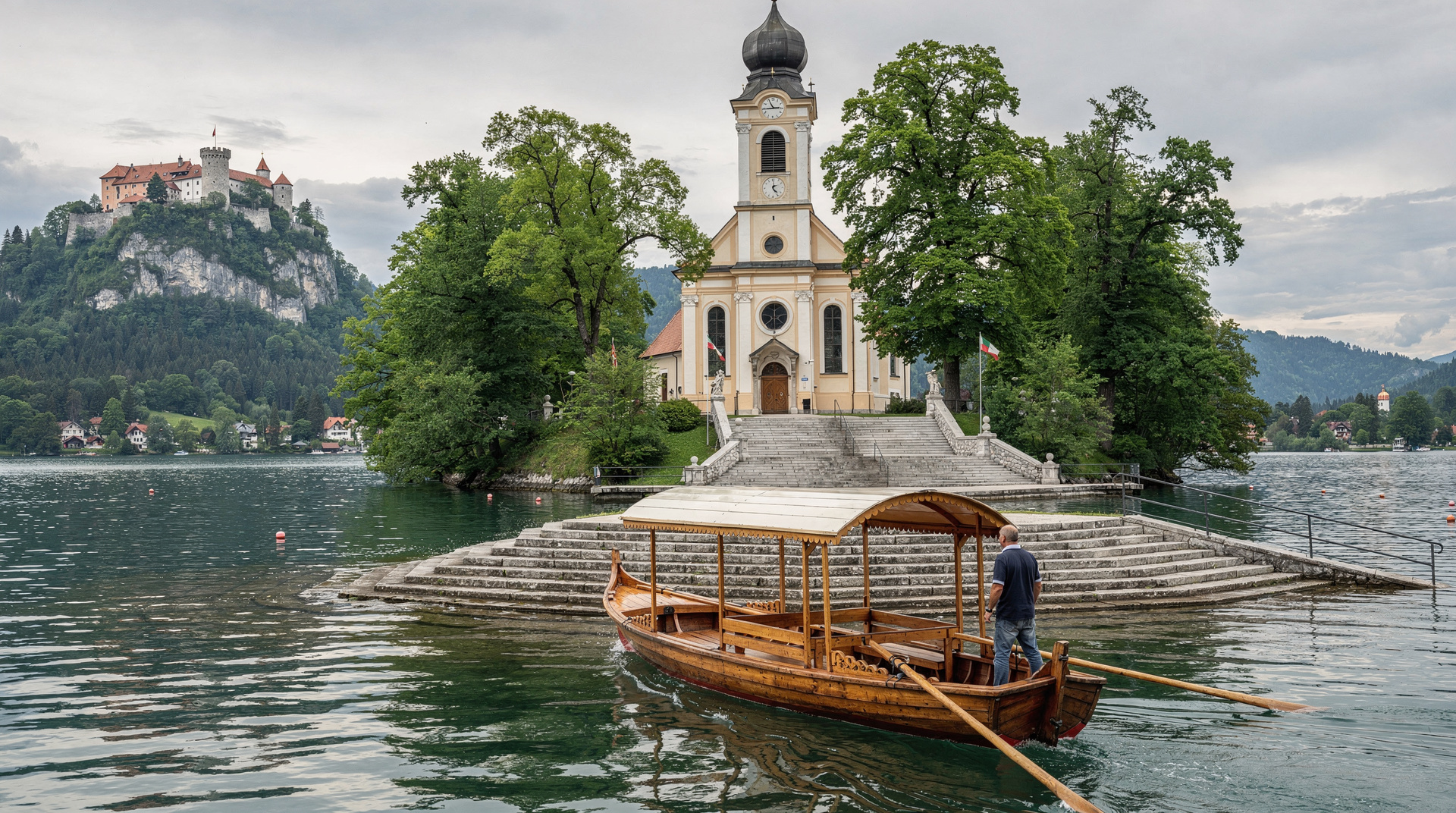
Alpine lakes of Slovenia: Bled, Bohinj and the mountain lakes beyond
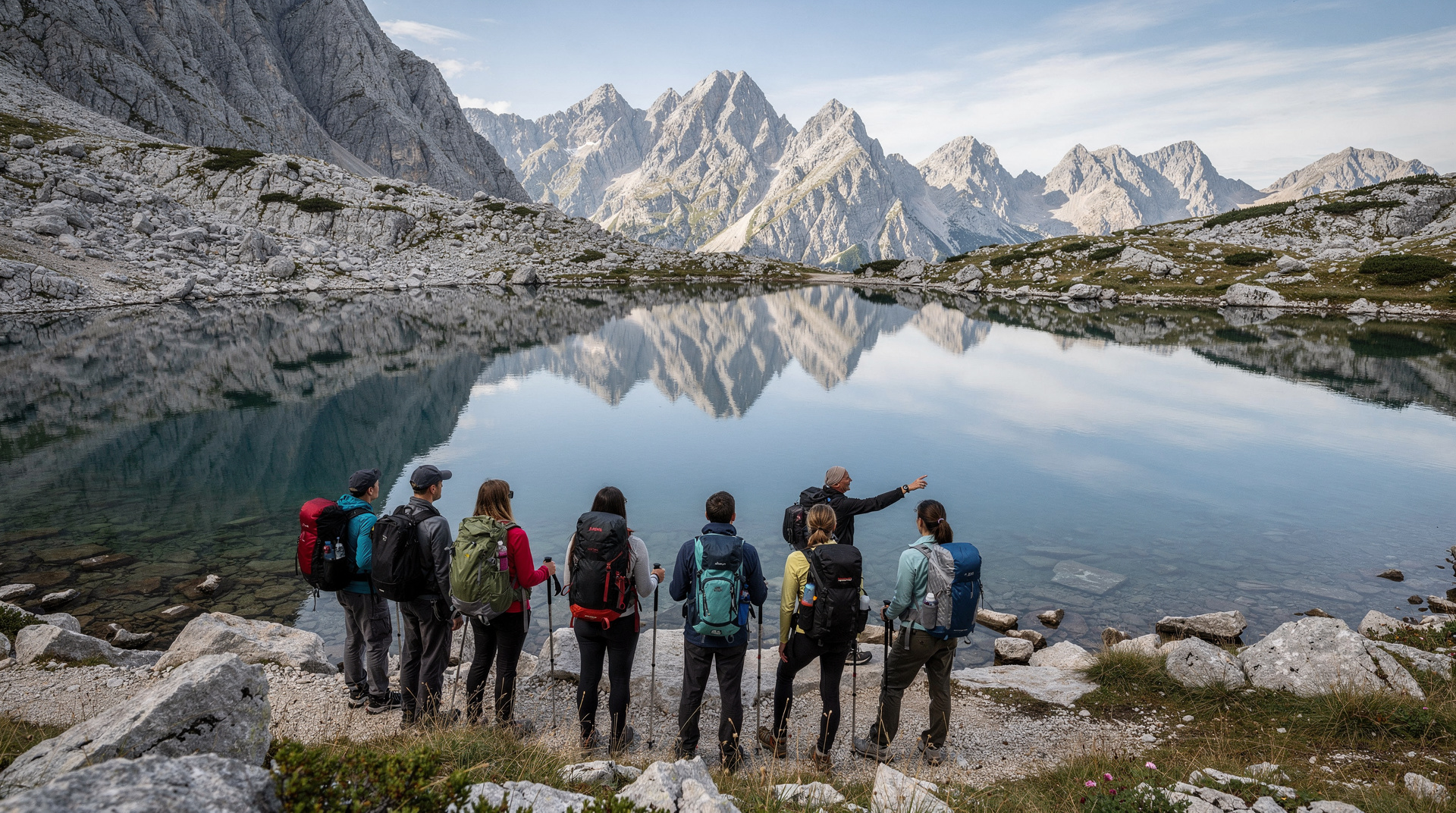
Triglav National Park: 7 Lakes Valley hiking tour
What are the best alpine lakes to visit in Slovenia?
Lake Bled and Lake Bohinj are the main accessible alpine lakes, 30 minutes apart. Bohinj is inside Triglav National Park and is larger, wilder and less crowded. High above Bohinj, the Seven Lakes Valley contains a chain of glacial lakes accessible on foot. For contrast, the Soča Valley to the west has smaller emerald-green river pools rather than proper lakes.
Slovenia’s alpine lakes: from postcard views to high-altitude wilderness
| Main lakes | Lake Bled (475m), Lake Bohinj (526m), Seven Lakes Valley (1,340–2,000m) |
| Distance apart | Bled–Bohinj 30 min by car; Bohinj–Seven Lakes 5–6h on foot |
| Cost | Free lake access; parking EUR 2–5/day; guided Seven Lakes hike extra |
| Best time | June–September; Seven Lakes mid-June to mid-October only |
| Getting around | Car easiest; Arriva bus Bled–Bohinj every 1–2h |
Slovenia punches well above its weight in alpine lake country. Within a 40-kilometre radius of Lake Bled — itself one of the most photographed lakes in Europe — you have a sequence of lakes that range from polished and accessible to wild and high-altitude, covering everything from easy afternoon swims to full multi-day hiking circuits.
This guide covers the complete picture: the two main accessible alpine lakes, the high mountain lakes of the Seven Lakes Valley, and practical advice for building an itinerary that takes in the best of all of them.
The two principal lakes: Bled and Bohinj
Lake Bled (475m elevation)
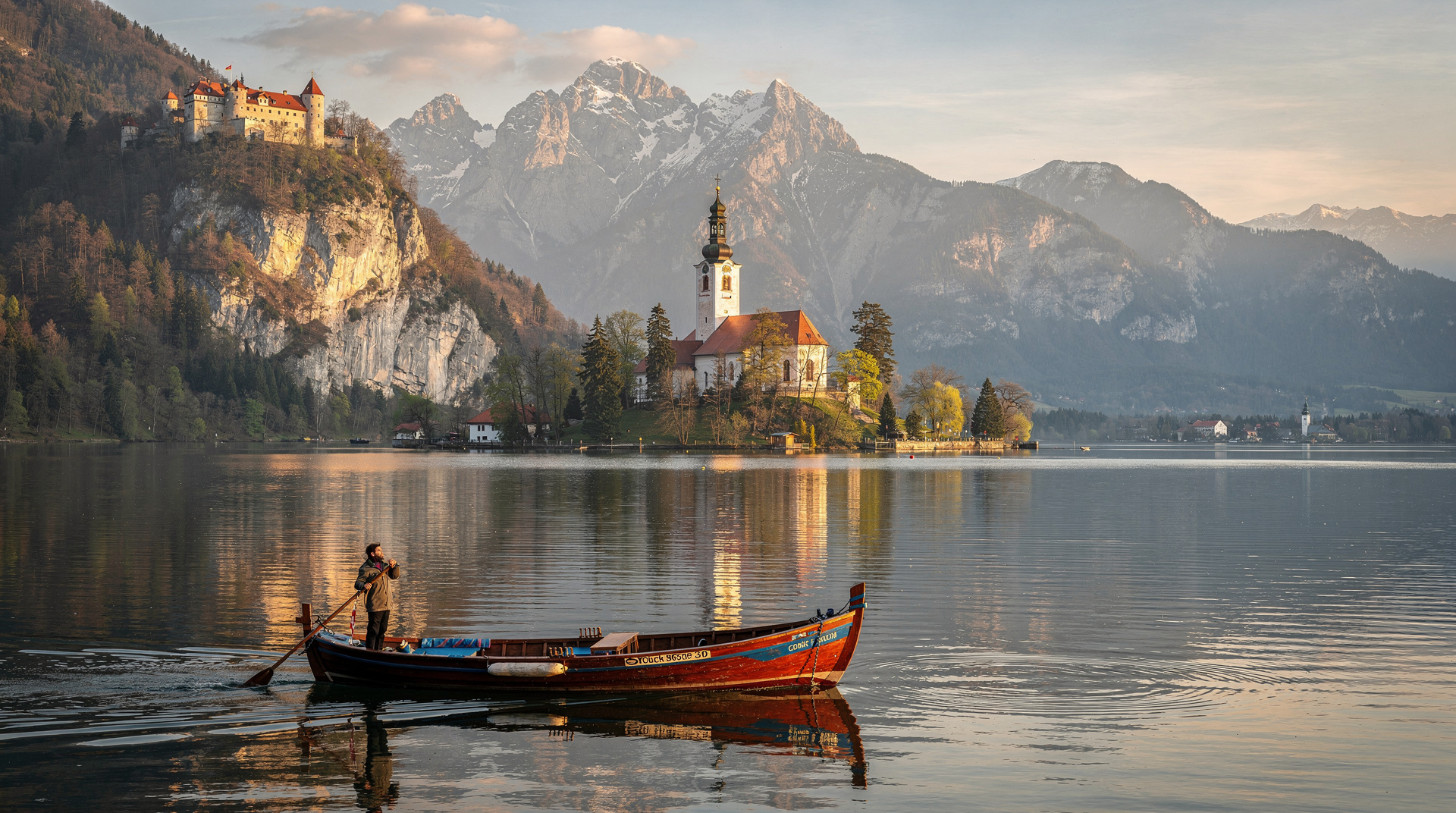
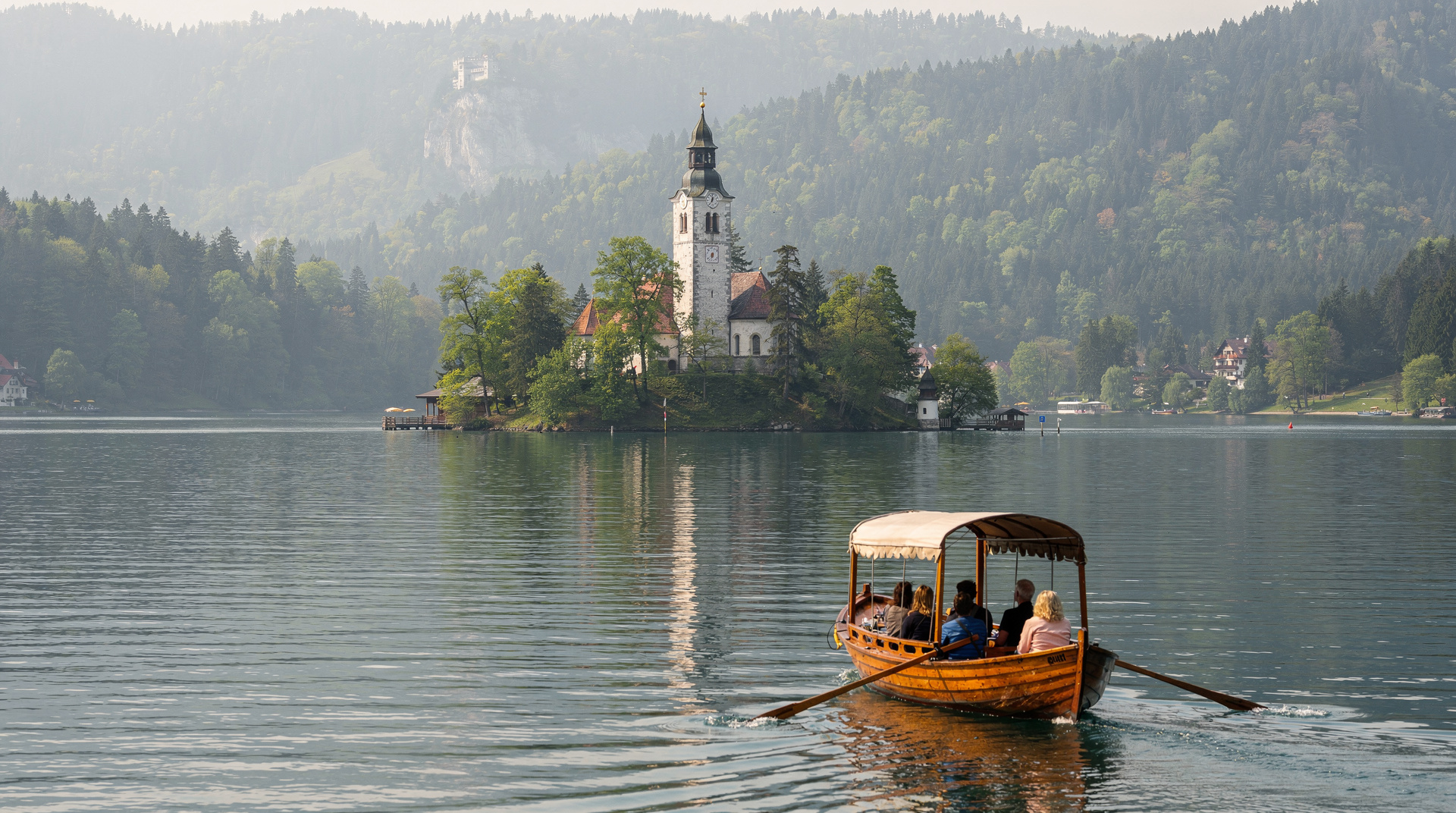
Lake Bled is the entry point for most visitors to Slovenian alpine country. The combination of the island church, the cliff castle and the Julian Alps backdrop is genuinely spectacular — one of the best lake views in Europe. It’s also very well connected (bus from Ljubljana, 1h20), well-served by accommodation and restaurants, and extremely busy from June to September.
Key characteristics: compact (2 × 1.4 km), shallow (maximum 30m), warms up quickly in summer (24°C in hot years). Excellent for day-trippers and first-time visitors. Best visited early morning or in shoulder season.
The Lake Bled complete guide covers everything: the island, the castle, the viewpoints, swimming and the surrounding area.
Lake Bohinj (526m elevation)
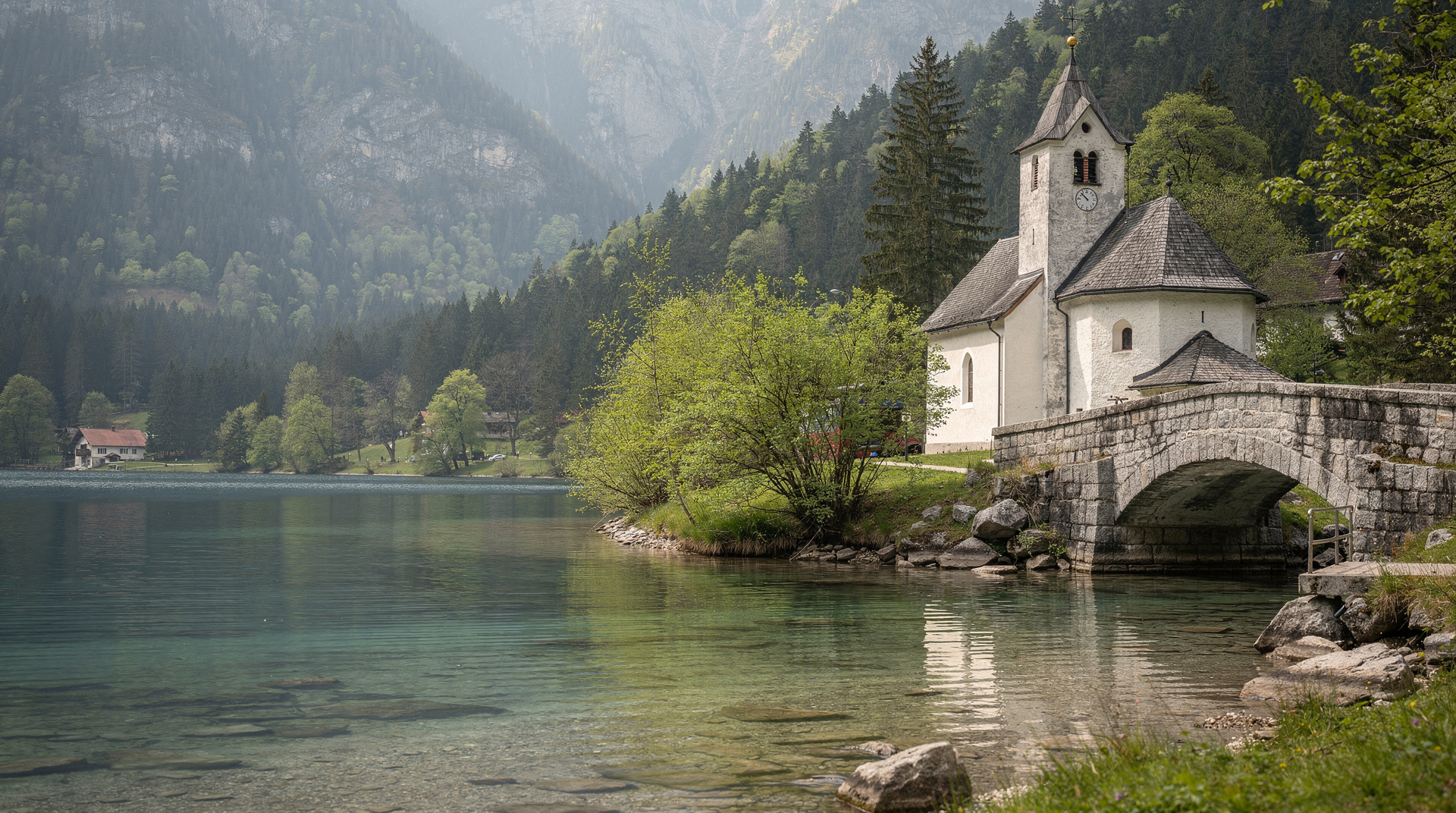
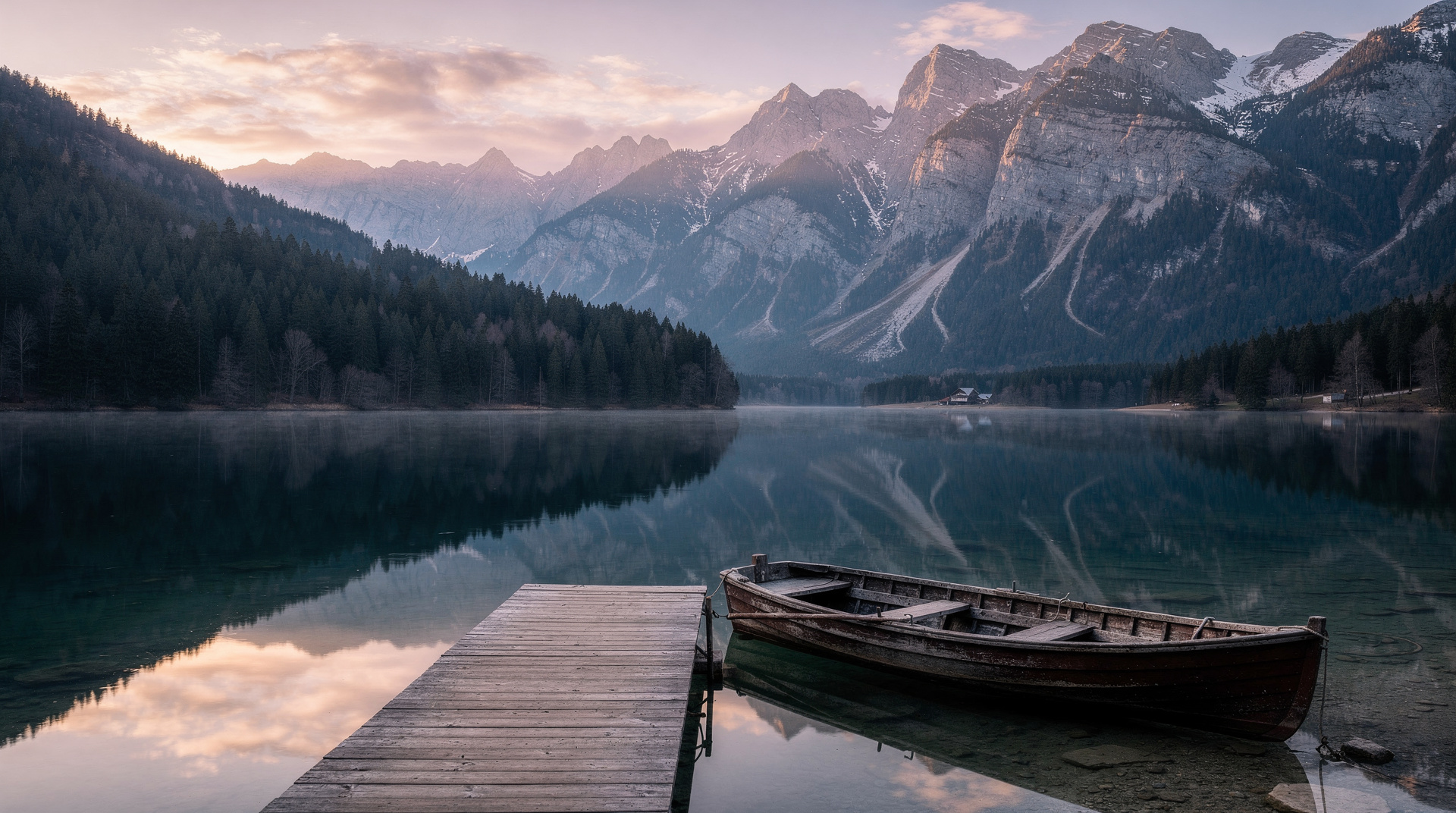
Lake Bohinj is 30 minutes by car from Bled, inside Triglav National Park. It’s significantly larger (4 × 1 km), deeper (45m maximum), colder and less developed. There’s no island, no castle and no heavily tourist-polished infrastructure — just a big, clear alpine lake with mountains rising steeply on both sides and a quiet village at the eastern end.
Key characteristics: inside a national park, motor traffic banned on the lake, excellent for hiking, swimming and kayaking. Fewer facilities than Bled but lower prices. Best for visitors who want to spend time, not just photograph.
The Lake Bohinj guide has the full picture including swimming, hiking and the Savica waterfall.
Bled versus Bohinj: which one to visit?
This question comes up constantly, and the honest answer is: both, if you have the time.
If you’re choosing just one: Bled for a first-time visitor who wants maximum impact in a half or full day. Bohinj for a visitor with more time who prioritises swimming, hiking and natural atmosphere over iconic views.
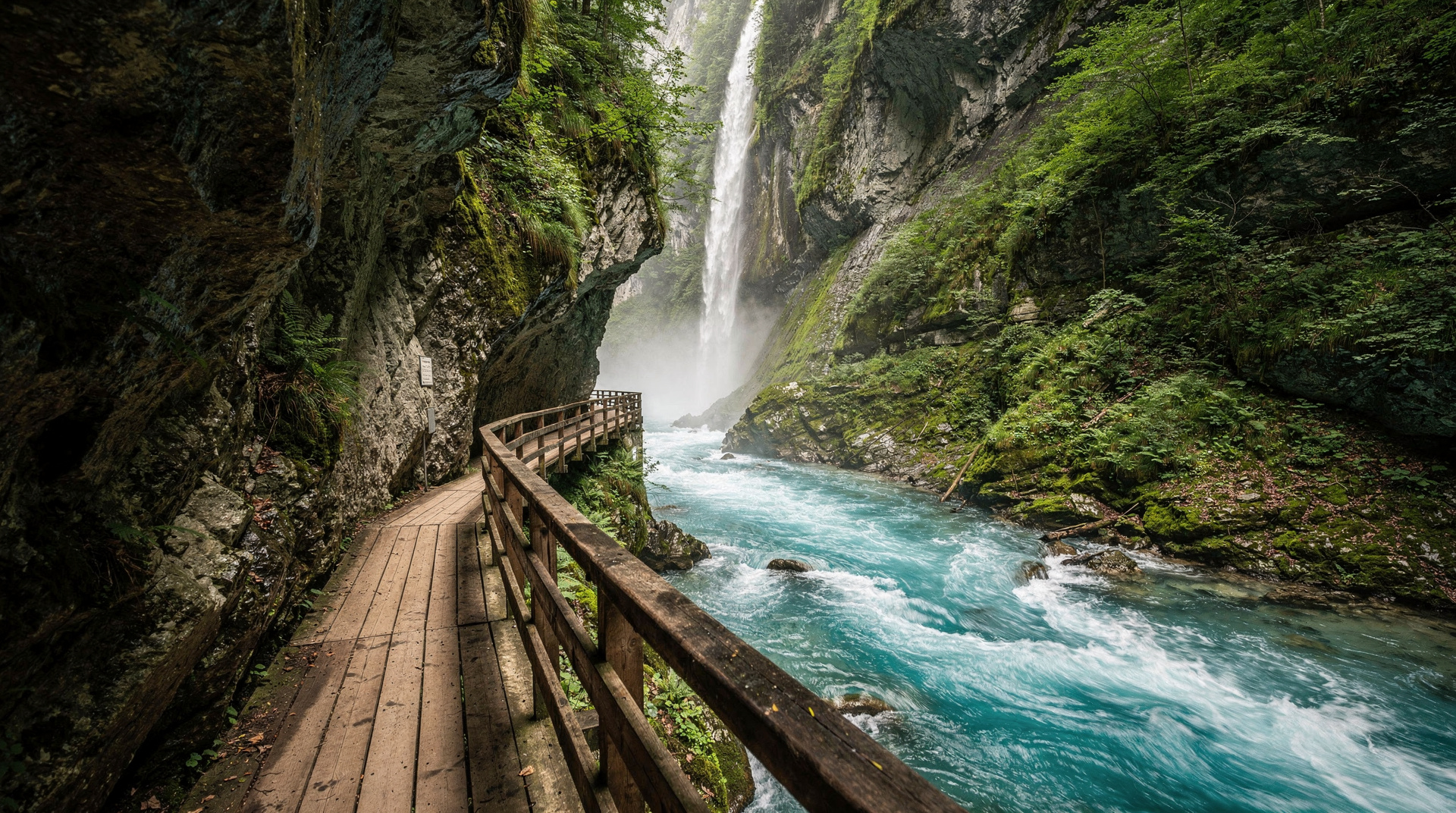
If you have two days in the Julian Alps region: day one at Bled (morning on the lake, afternoon at Vintgar Gorge), day two at Bohinj (morning swim, afternoon hike to Savica waterfall or take the Vogel cable car). This is the classic combination and it works extremely well.
The combined Bled and Bohinj day tour with Savica waterfall packages both lakes and the waterfall into a single guided day — efficient if you’re based in Bled without a car.
The Seven Lakes Valley (Dolina triglavskih jezerih)
Above Lake Bohinj, the terrain rises steeply to the high plateau of the Triglav massif. In this alpine zone, a chain of seven glacial lakes (and several smaller tarns) sit at altitudes between 1340 and 2000 metres. These are the Triglav Lakes — Slovenian: Triglavska jezera.
The lakes vary dramatically in character. The two lowest (Dvojno jezero, the Double Lake) sit at around 1340 metres and are accessible on a long but feasible day hike from Bohinj. The highest (Ledvica, “Kidney Lake”) sits at nearly 2000 metres, surrounded by the bare limestone pavement of the high Triglav plateau.
Getting to the Seven Lakes Valley: the standard ascent is from the western end of Lake Bohinj (Ukanc or the Savica waterfall trailhead). The path rises 1200 metres over approximately 5–6 hours to the Double Lake, with a further 1–2 hours of walking to reach the upper lakes. Total round trip: 10–12 hours. This is a serious alpine day.
Guided option: for visitors without alpine experience or navigation confidence on high terrain, the guided Bohinj and Triglav Seven Lakes hike provides a guide, route planning and the reassurance of experienced leadership on the mountain. The guide also narrates the geology and ecology of the area, which considerably enriches the experience.
Best season for the Seven Lakes Valley: mid-June to mid-October. Snow typically lingers on the high plateau until late May or early June. After mid-October, conditions can be winter-like at altitude.
Mountain huts (planinska koča): two mountain huts (Koča pri Triglavskih jezerih, Dom Planika) offer overnight accommodation and hot meals on the Seven Lakes route, allowing multi-day circuits. These need to be booked well in advance for July and August. The huts are simple but the location is extraordinary — waking up above 1500 metres with the Triglav massif overhead.
High-altitude lake character: what to expect
The seven lakes at altitude look different from the two accessible lakes below. The colours shift toward deep blue and grey rather than the turquoise-green of lower altitudes (the colour comes from light refraction and mineral content at different depths and altitudes). The mountains are bare limestone rather than forested, giving the landscape a more austere, Dolomitic character.
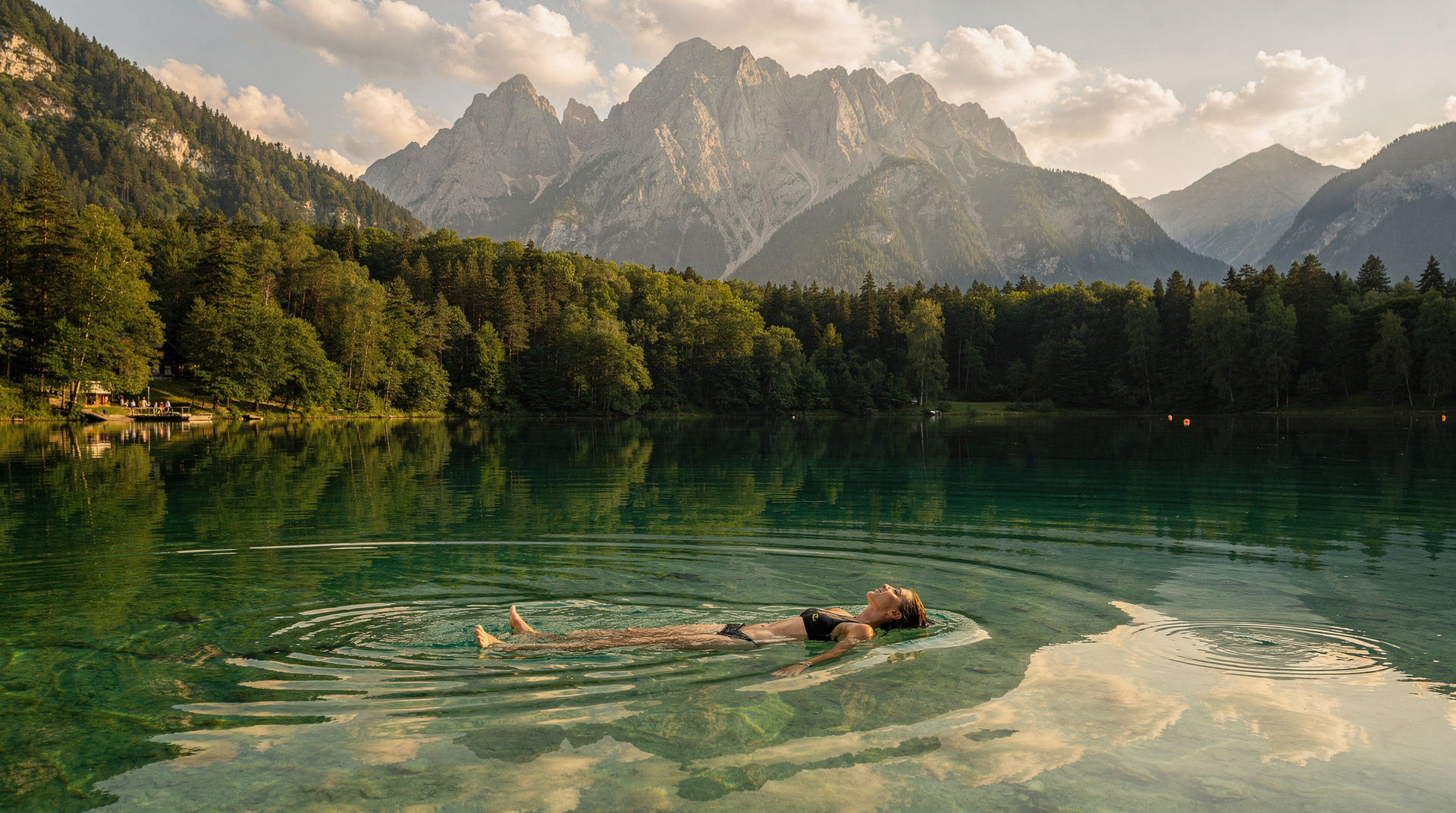
Swimming is possible at the lowest lakes in summer (the Double Lake reaches around 16–18°C in August — cold but achievable for determined swimmers). The upper lakes are fed by snowmelt and stay cold enough to be uncomfortable for swimming even in the height of summer.
Wildlife: the high-altitude lakes are habitat for endemic species including Proteus anguinus (the cave salamander) in the karst cave systems below, and alpine fauna including ibex, chamois and golden eagle in the surrounding terrain.
The transparent lake experience: kayaking on Bled
The clarity of Lake Bled’s water is best appreciated from a transparent-hulled kayak, which lets you see the lake bottom as you paddle. The transparent kayak experience on Lake Bled is a popular activity that combines gentle paddling with extraordinary views of the underwater landscape — particularly striking near the island, where the submerged rock formations are visible in good conditions.
Getting between the lakes
Bled to Bohinj by car: 30 minutes, straightforward mountain road through the village of Bohinjska Bistrica. Some stretches are single-track — give way to oncoming traffic on the narrow sections.
Bled to Bohinj by bus: Arriva services run approximately every 1–2 hours during the day (check current timetables). Journey time around 30 minutes. The bus stops at Ribcev Laz (the main Bohinj village) and continues to the western end of the lake.
Bled to Bohinj by train and bus: a longer and less convenient option involving a train to Bohinjska Bistrica and a connecting bus. The bus from Bled is preferable.
Access to the Seven Lakes trailhead: from the western end of Lake Bohinj (Ukanc or Savica). By car from Bohinj: 10 minutes. By foot from Ribcev Laz: 2 hours on the flat lakeshore path.
Itinerary suggestions
One day (Julian Alps lakes sampler):
- Morning: Lake Bled — viewpoint, pletna ride, Kremšnita
- Afternoon: Lake Bohinj — swim and lakeshore walk
- Evening: return to Bled or Ljubljana
Two days (lakes and gorge):
- Day 1: Bled morning + Vintgar Gorge afternoon
- Day 2: Full day at Bohinj including Savica waterfall and Vogel cable car
Three days (lakes, gorge and high mountain):
- Day 1: Bled
- Day 2: Vintgar + afternoon at Bohinj
- Day 3: Day hike to the Seven Lakes Valley (or Vogel cable car if less fit)
Five days (the complete alpine lakes):
- Days 1–2: Bled base — lake, island, castle, Vintgar
- Days 3–5: Bohinj base — swimming, Savica, Seven Lakes overnight hike
Practical notes for the alpine lakes
National Park entry: Bohinj and the Seven Lakes are inside Triglav National Park. There’s no general entrance fee, but parking fees apply at all main car parks (EUR 2–5/day depending on location).
Water safety: both lakes can be rough in storm conditions. The Julian Alps generate fast-moving afternoon thunderstorms in summer — always plan high-altitude activities for the morning, and be off exposed terrain by early afternoon in unsettled weather.
Accommodation: both Bled and Bohinj have accommodation at all price levels. For Vintgar Gorge and Kranjska Gora, a Bled or Bohinj base is convenient. For the Seven Lakes hike, a Bohinj base saves an hour each way.
Wildlife and ecology of the alpine lakes
The alpine lakes are not just scenic backdrops — they are ecosystems. Understanding the ecology makes the visit richer.
Lake Bled ecology: Bled is a eutrophic lake, meaning it’s relatively nutrient-rich. This gives the water its characteristic green hue (fine algae in suspension) and supports populations of fish — pike, perch and tench — that are visible from the banks on calm days. The lake’s shallowness (max 30m) means it warms relatively quickly and supports aquatic vegetation in the shallower margins.
Lake Bohinj ecology: Bohinj is oligotrophic — nutrient-poor, extremely clear, cold. This is why the water looks different from Bled: deeper blue-green rather than the milky green of a more productive lake. Bohinj supports brown trout (Salmo trutta fario) in significant numbers, which is why it’s a destination for serious fly fishers. The lake’s clarity means you can see the bottom at 8–10 metres on a calm day.
Bird life: both lakes attract kingfisher, great crested grebe and mallard year-round. In autumn and spring, migrating waterfowl use Bohinj as a staging point. The alpine meadows above Bohinj support a different assemblage — water pipit, alpine chough and, above the treeline, occasional lammergeier (bearded vulture).
The protected zone: Bohinj sits within the strict protection zone of Triglav National Park. No hunting, strict fishing regulations, and no development within the national park boundary. This is why the southern shore of Bohinj is undeveloped — it looks today roughly as it looked 100 years ago.
Practical notes for responsible visiting
Leave no trace at Bohinj: the lake is inside a national park and environmental rules apply. No campfires outside designated areas. No wild camping within 200 metres of the lake. All rubbish must be taken out — the park infrastructure relies on visitors respecting this.
Water at Bled: the lake at Bled is not inside a national park, but EU bathing water quality standards are monitored and maintained. The water quality at both main beaches consistently meets “excellent” standards. Drinking from the lake is not recommended — the water is clean for swimming but not treated for drinking.
E-bikes and cycling: e-bikes have transformed access to both lakes in recent years. Bled’s lakeside circuit is flat and accessible; the road to Vintgar Gorge is easy by e-bike; the 4 km along Bohinj’s north shore suits an e-bike perfectly. Rental is available at both lakes for EUR 25–45 per day.
Photography permits and drone use: commercial photography and drone use require permits from the local municipality and, in Bohinj’s case, from Triglav National Park. Tourist photography (personal, non-commercial) is unrestricted. Do not fly drones over the Bohinj lake area without appropriate permits.
Seasonal highlights summary
| Month | Bled | Bohinj | Seven Lakes |
|---|---|---|---|
| April | Opening, cool, Vintgar may just open | Cold, trails muddy | Snow, closed |
| May | Best value, manageable crowds | Good for hiking, cold swim | Snow melting |
| June | Peak shoulder, excellent | Good all-round | Opens, cold |
| July | Packed, arrive early | Busy but manageable | Excellent |
| August | Peak crowds, hottest water | Still good | Excellent |
| September | Colours start, crowds thin | Best month overall | Fading season |
| October | Autumn spectacular, cool | Quiet, swim brave only | Closed (weather) |
| Nov–Mar | Winter light, Vintgar closed | Some trails icy | Closed |
The September window stands out as exceptional for Bohinj in particular — the lake is still warm from summer, the tourist numbers have halved, the light is spectacular and accommodation prices drop noticeably from August peaks.
Accommodation strategy for the alpine lakes region
Where you stay in the Julian Alps shapes everything. Here’s an honest assessment of the options:
Bled: the most convenient base for first-time visitors. Hotels and apartments are plentiful at all price levels. Walking distance to the lake, pletna docks, Kremšnita cafés and the bus station. Higher prices than anywhere else in the region in peak season. Recommended for visitors doing a single night or wanting maximum access to Bled’s specific attractions.
Bohinj: better value, more atmospheric, better for hikers. Ribcev Laz has a reasonable selection of hotels and apartments at 20–30% lower prices than equivalent Bled accommodation. The Savica waterfall and Vogel cable car are on your doorstep. The commute to Bled (30 minutes) is easy. Recommended for visitors planning 3+ nights in the Julian Alps.
Kranjska Gora: the ski town at the head of the Sava valley is 35 minutes from Bled and a good base for the Triglav approaches, the Vršič Pass drive and Soča Valley access. Less scenic than either lake but practical for active visitors covering a wider area.
Private apartments: increasingly available across all three towns and the smaller surrounding villages (Ribno, Mlino, Stara Fužina). Often better value than hotels, especially for groups of 3–4. Book well in advance for July–August.
Getting between the lakes without a car
The Bled–Bohinj bus connection is reliable enough for day-trippers but requires attention to the timetable. Key points:
The Arriva service from Bled to Bohinj Jezero (the lake stop) runs roughly every 1–2 hours, with more frequent service in summer. First bus is usually around 07:00; last bus back from Bohinj is typically around 18:30–19:00 (check current schedules — the last bus is the critical factor for day-trippers without a car).
For the Savica waterfall, you need a bus to the western end of the lake (Ukanc) — one stop further than the main Bohinj lake stop. Not all buses go this far; confirm the route before boarding.
The bike path between Ribcev Laz and Ukanc along the north shore is excellent and flat. If you’re staying at Bohinj, cycling to the Savica trailhead avoids the bus timing issue entirely.
The lakes in extreme weather
Both Bled and Bohinj are subject to alpine weather that can turn severe with little warning.
Summer thunderstorms: the Julian Alps generate intense afternoon thunderstorms from late June through August. Cloud builds from late morning; the main storm typically arrives between 13:00 and 16:00. On the lakes, get off the water well before the storm arrives. On the hiking trails above the lakes, start early and be below the treeline by early afternoon.
The bora wind: less common at these altitudes than on the coast, but the bora can occasionally reach the lake valleys with enough force to make pletna boat service unsafe. Wind speed at lake level above 50 km/h typically results in service suspension.
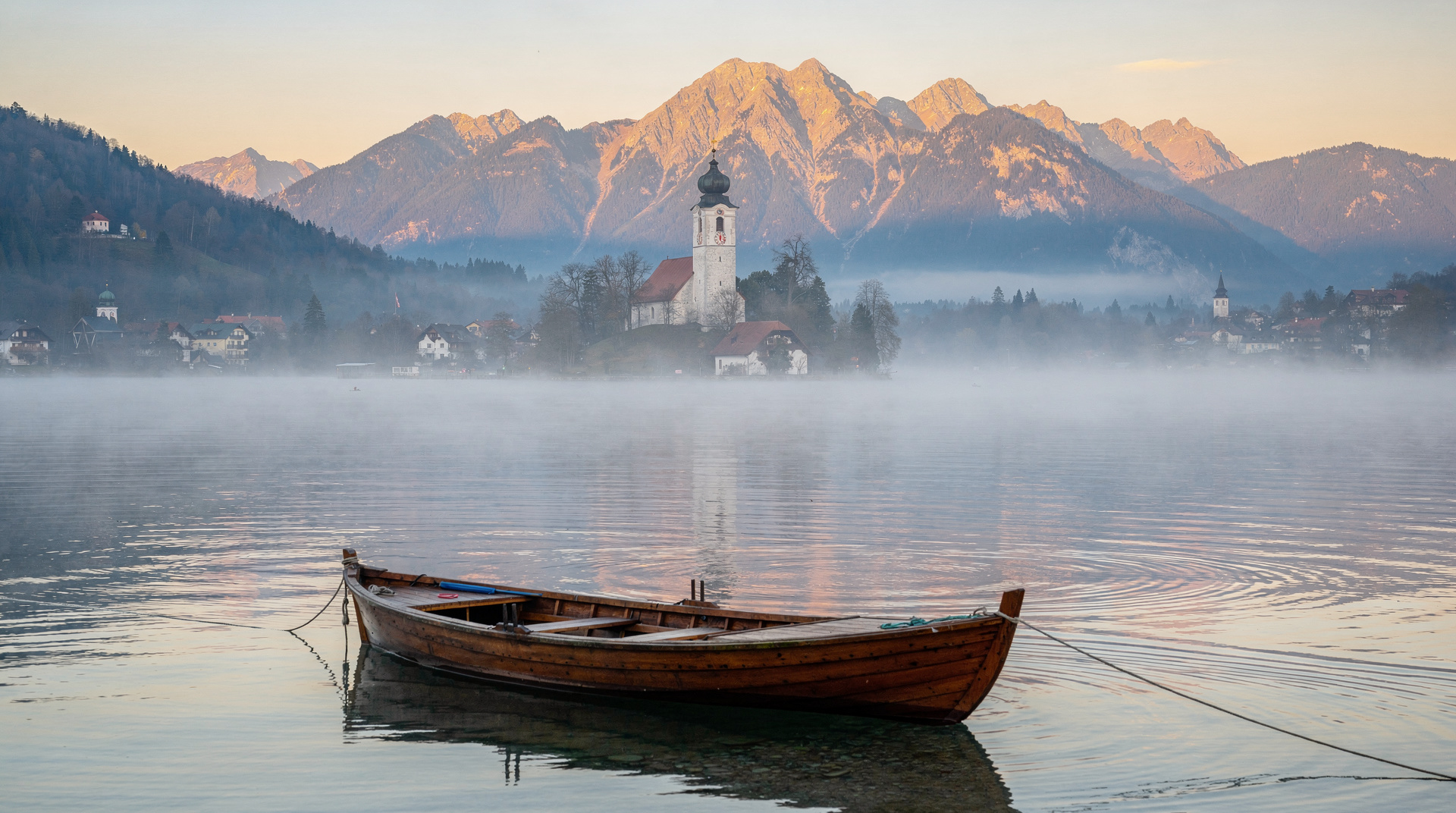
Winter fog: temperature inversions in autumn and winter can fill the lake valleys with dense fog while the peaks above are in sunshine. This is arguably beautiful rather than a problem — a Vogel cable car ride above the fog layer is one of the more extraordinary Slovenian experiences. On the lakes themselves, fog means limited visibility and a more atmospheric but less photogenic visit.
For the complete practical guide to Lake Bled and the swimming side of the lakes, see the dedicated guides. For broader itinerary planning covering the full Slovenian alpine region, the Triglav National Park guide is the wider context.
Top experiences
Bookable activities with verified prices and instant confirmation on GetYourGuide.