Lake Bled complete guide: everything you need to plan a perfect visit
Bled: highlights tour with hiking and Bled cream cake
How many days do you need at Lake Bled?
One full day covers the island, a lakeside walk and the viewpoint. Two days lets you add Vintgar Gorge and a proper hike. Three days is ideal if you want to combine Bled with Lake Bohinj. Staying at least one night means you can see the lake at dawn before the crowds arrive.
Everything you need to know about Lake Bled — the honest version
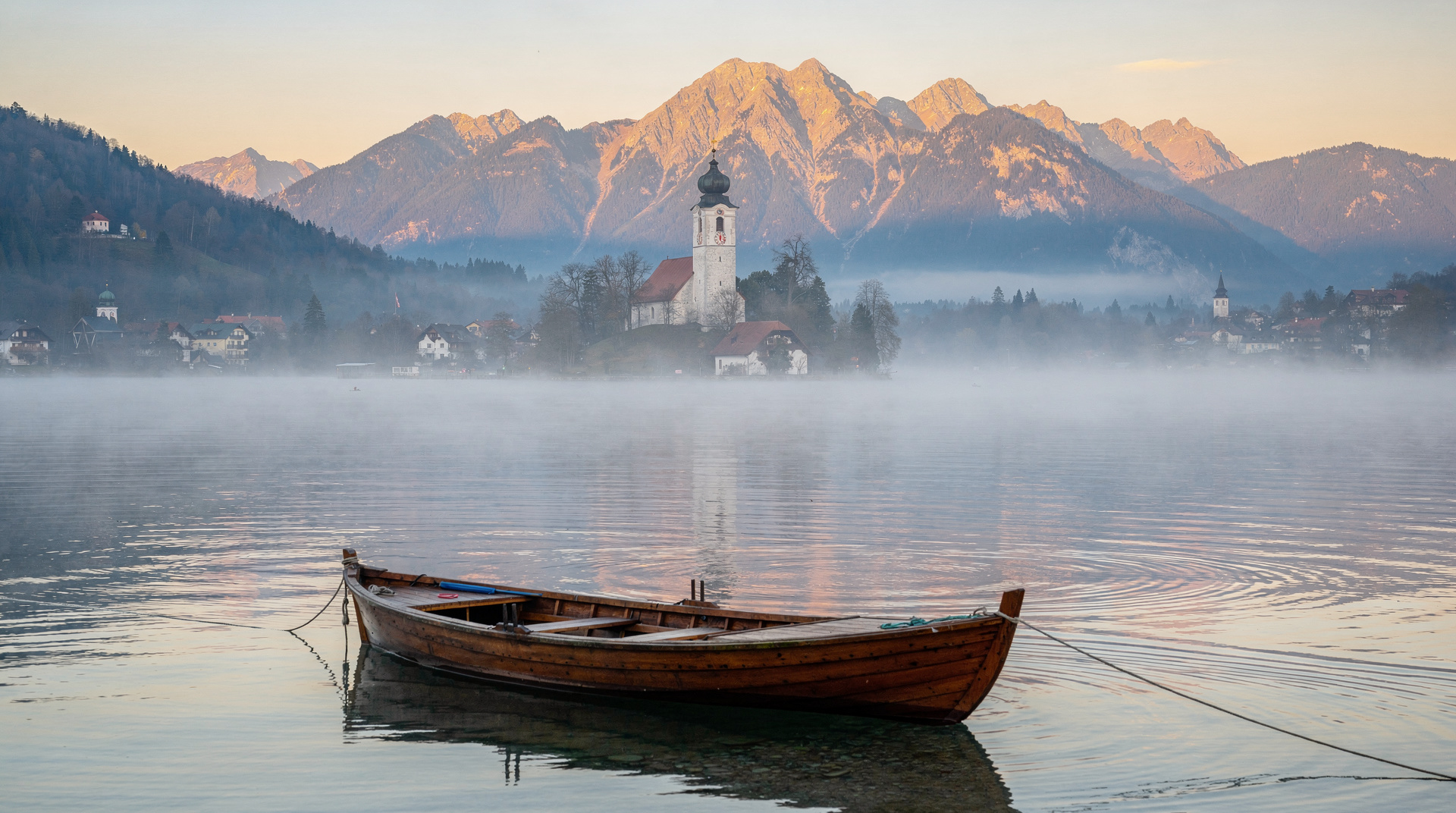
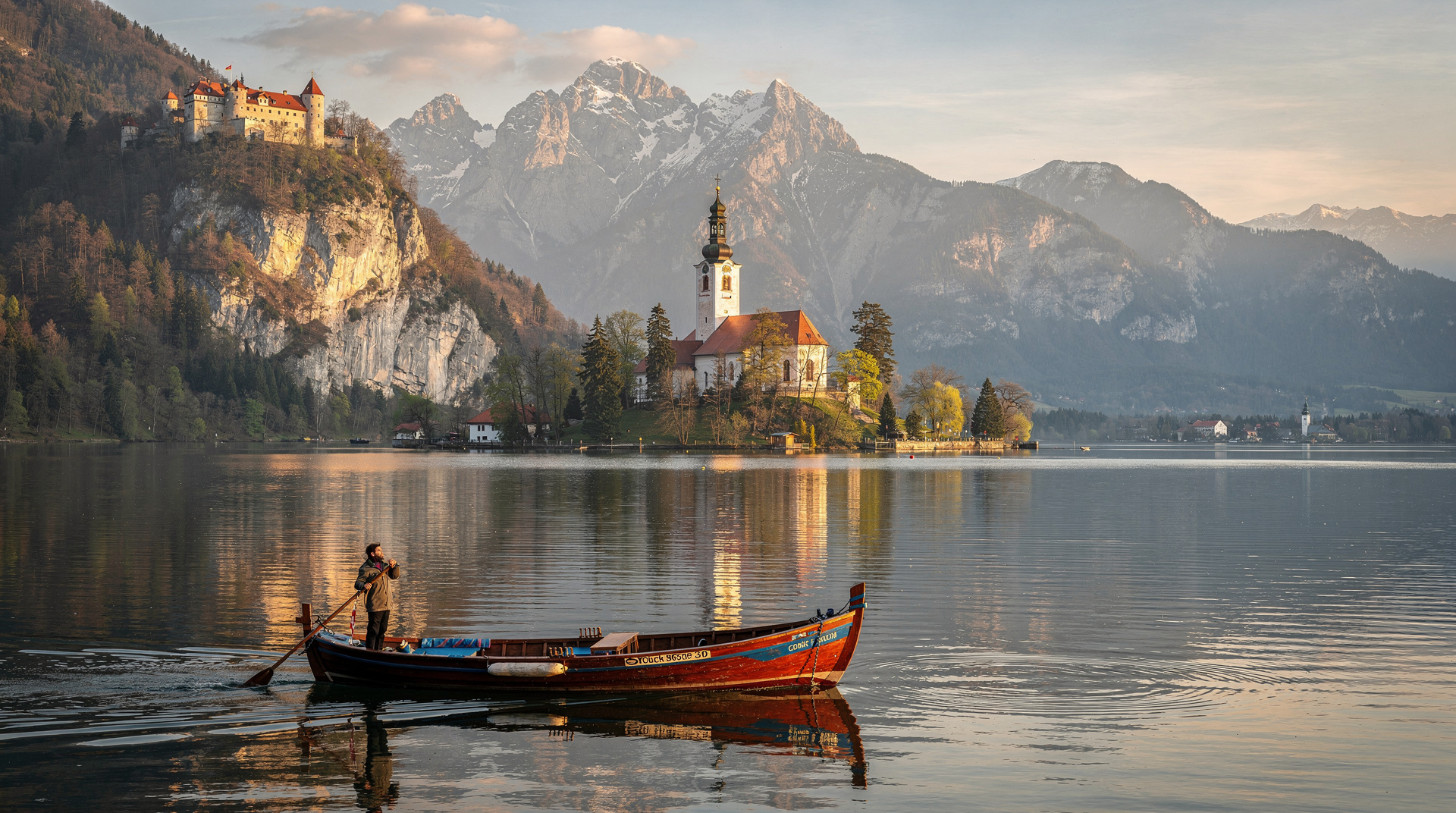
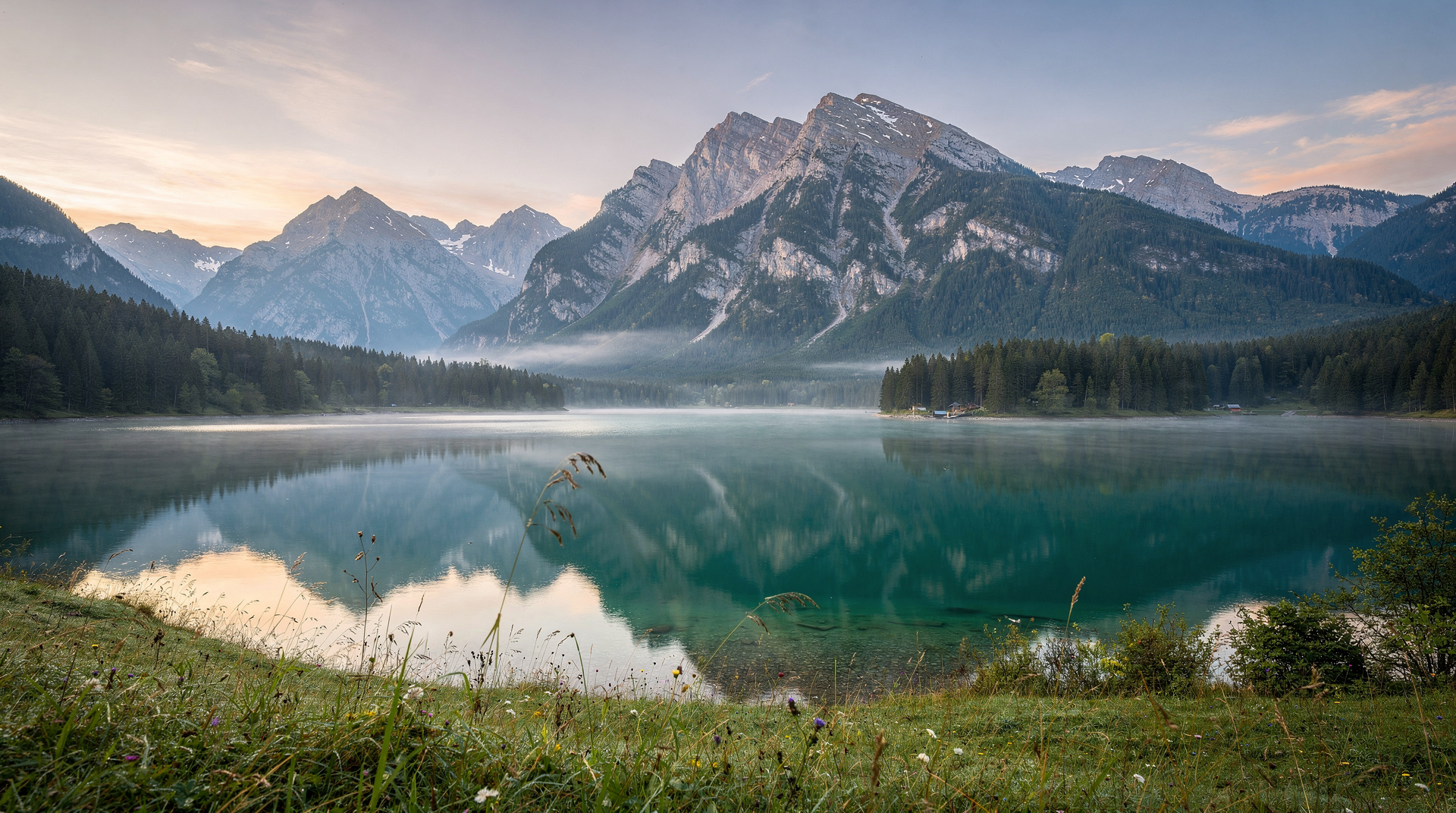
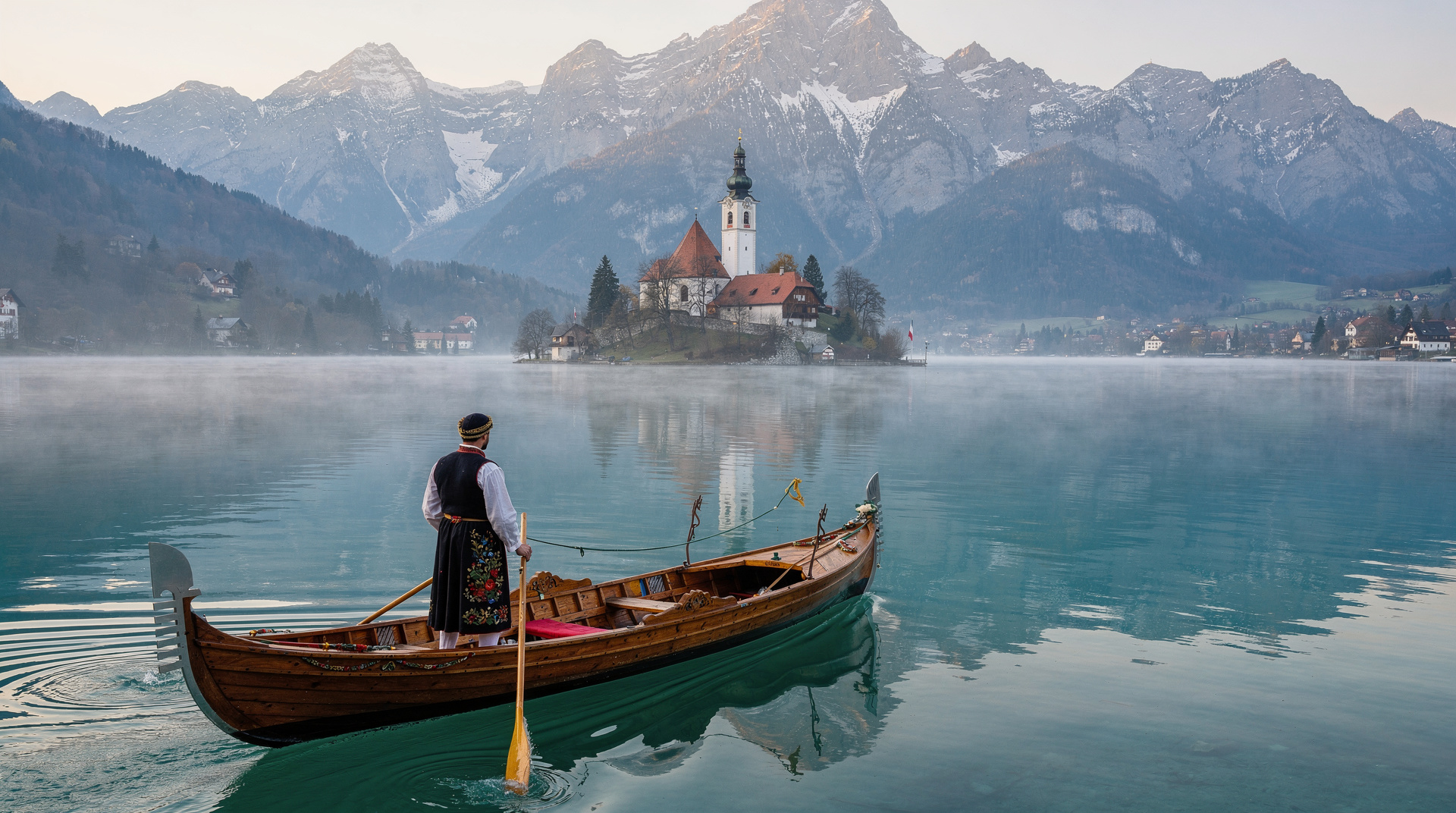
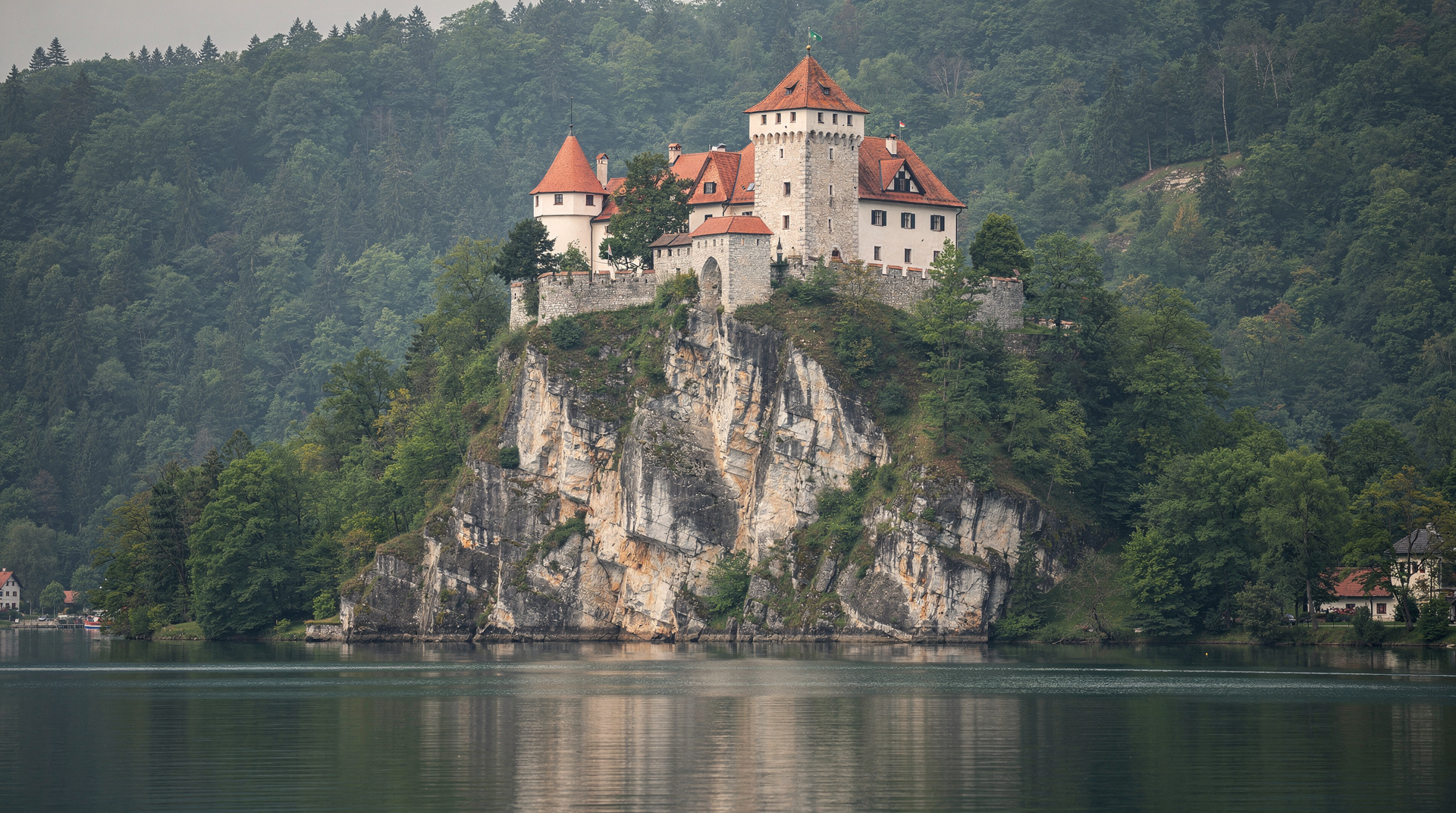
Lake Bled is the image that sells Slovenia to the world. The tiny island church rising from water the colour of aged malachite, the medieval castle anchored to a vertical cliff, the Julian Alps stacking up behind it all — this is one of those places that looks exactly like the photographs and still manages to surprise you in person.
It is also, by a comfortable margin, the most-visited tourist site in Slovenia. In peak summer, tour buses arrive from 08:00, the lakeside footpath becomes a slow-moving queue, and the pletna boats to the island run with industrial regularity. The difference between an extraordinary visit and a vaguely disappointing one comes down almost entirely to timing and preparation.
This guide covers everything: how to get here, when to come, what to pay for, what to skip and how to build a two- or three-day itinerary around the lake.
| Where | Julian Alps, 55 km northwest of Ljubljana |
| Time needed | 1 day for highlights, 2–3 days with Vintgar and Bohinj |
| Getting there | 50 min by car, 1h20 by Arriva bus from Ljubljana |
| Pletna boat | Fare to confirm at the dock or with the Bled tourist office (bled.si) |
| Best time | May–June and September–October for lighter crowds |
| Book ahead for | July–August accommodation; arrive before 08:00 in peak season |
The lake itself: orientation
The lake is roughly 2 km long and 1.4 km wide — small enough to walk around completely in under two hours on the flat shoreline path, large enough to feel like a genuine destination. Lake Bled sits at 475 metres above sea level in the Julian Alps, which means the water is cold in early spring (around 12°C in April) and comfortably swimmable by late June (18–22°C in summer).
The town of Bled clusters around the western and northern shores. The castle sits on the north cliff, 130 metres above the water. The island — the only natural lake island in Slovenia — sits roughly in the centre. The southern shore is quieter, with a campsite, a rowing club and the beach area used for swimming.
Key landmarks:
- Bled Island and the Church of the Assumption (the postcard view)
- Bled Castle (on the cliff above the northern shore)
- Ojstrica viewpoint (south side, 15-minute climb — the best classic angle)
- Mala Osojnica viewpoint (higher and even better, 25 minutes from the lake)
- Vintgar Gorge (4 km away, seasonal)
- Grand Hotel Toplice (iconic lakeside hotel, worth walking past even if not staying)
Getting to Lake Bled
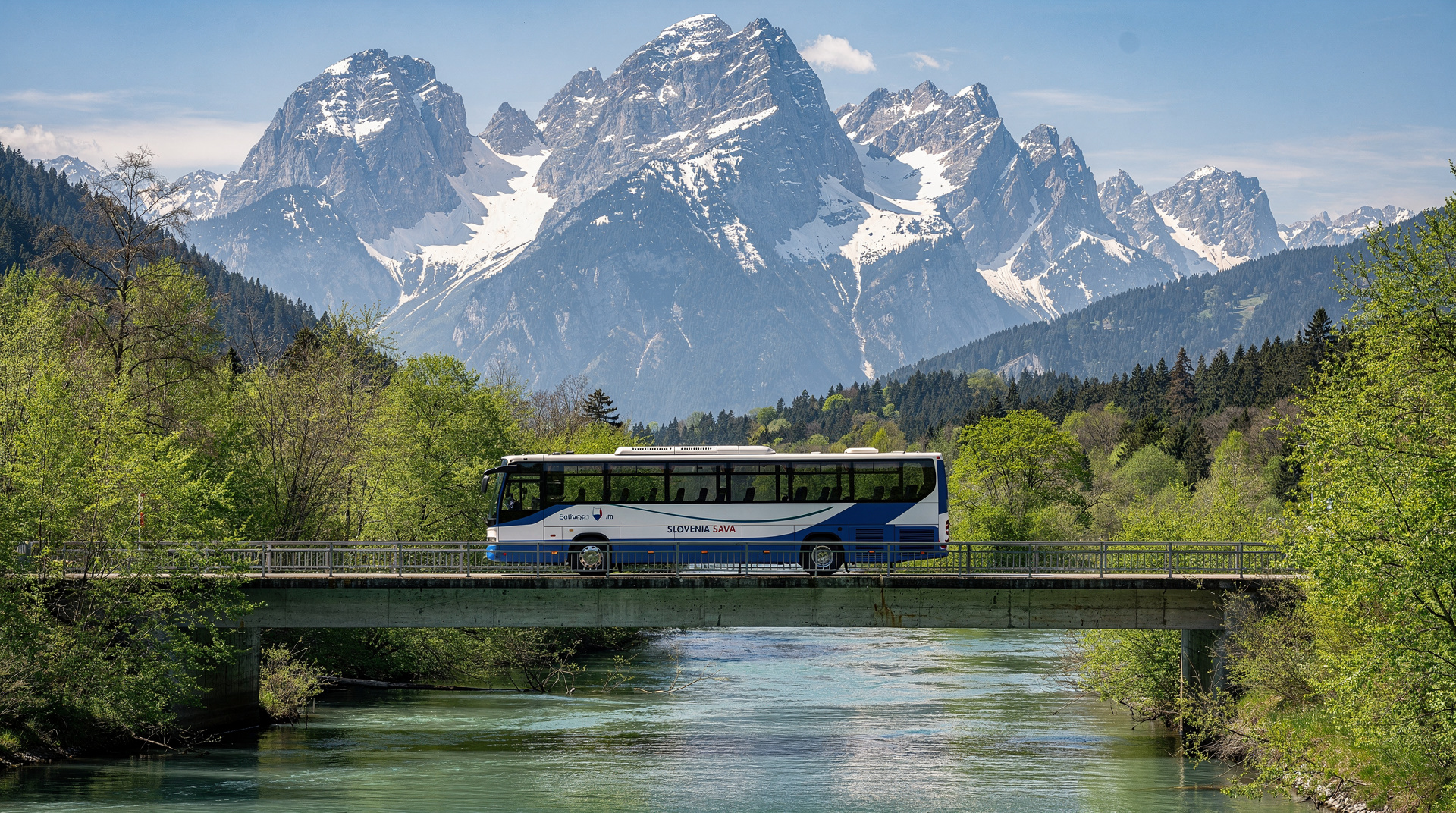
From Ljubljana by bus: Arriva buses run from Ljubljana’s main bus station roughly every 30–60 minutes throughout the day. Journey time is approximately 1h20, fare around EUR 6 each way. The bus stops at Bled bus station on the western edge of town, five minutes’ flat walk from the lake. This is the most practical option for day-trippers without a car.
From Ljubljana by car: 55 km, roughly 50 minutes on the A2 motorway. You must have the Slovenian e-vignette — fines run EUR 300–800 for missing it, and rental cars often include it, but confirm before you drive. Parking at Bled: the main lakeside car parks charge EUR 1.20–2 per hour and fill by 10:00 in peak season. The car park at the sports hall on the south shore is cheaper and about a 10-minute walk to the island viewpoint area.
From Ljubljana airport: shared shuttles take about 40 minutes and cost EUR 15–20 per person. Private transfers cost EUR 50–70 for the car.
From Kranjska Gora: 35 minutes by car. From Bohinj: 30 minutes. From Bovec: 1h45.
Getting around at Bled: the 6 km lakeside path is flat and easily walkable. Bikes are available for hire at several points around the lake for EUR 8–12 per hour. Taxis and tourist trains run to the castle and Vintgar Gorge.
When to visit: the seasonal honest guide
May and early June: the best months for a relaxed visit. Alpine meadows are in bloom, the lake is warming up and crowds are present but manageable. Accommodation prices are significantly lower than July–August. Vintgar Gorge is open. This is the recommended window.
July and August: Slovenia’s peak season. The lake is at its warmest (up to 24°C), the weather is reliably sunny, and Bled is genuinely packed. This is not a reason to avoid it — the atmosphere can be festive and the swimming is excellent — but you need to arrive before 08:00 to see the lake without crowds, and book accommodation months in advance.
September and October: arguably the most beautiful time of year. The light turns golden, the surrounding beech forests go copper and amber, and the crowds thin out dramatically. The lake stays warm from summer through September. October is a serious contender for the overall best month to visit.
Winter (November–March): services reduce, some restaurants close, and Vintgar Gorge is closed from approximately November to March. But the lake in snow is extraordinary, and it occasionally freezes — roughly once every several years — at which point people skate on it. A quiet, atmospheric time to visit.
Spring closures to note: Vintgar Gorge opens approximately in April each year — confirm before visiting. The Vršič Pass (access to the Soča Valley from the north) is typically closed from November to May.
Bled Island: the honest assessment
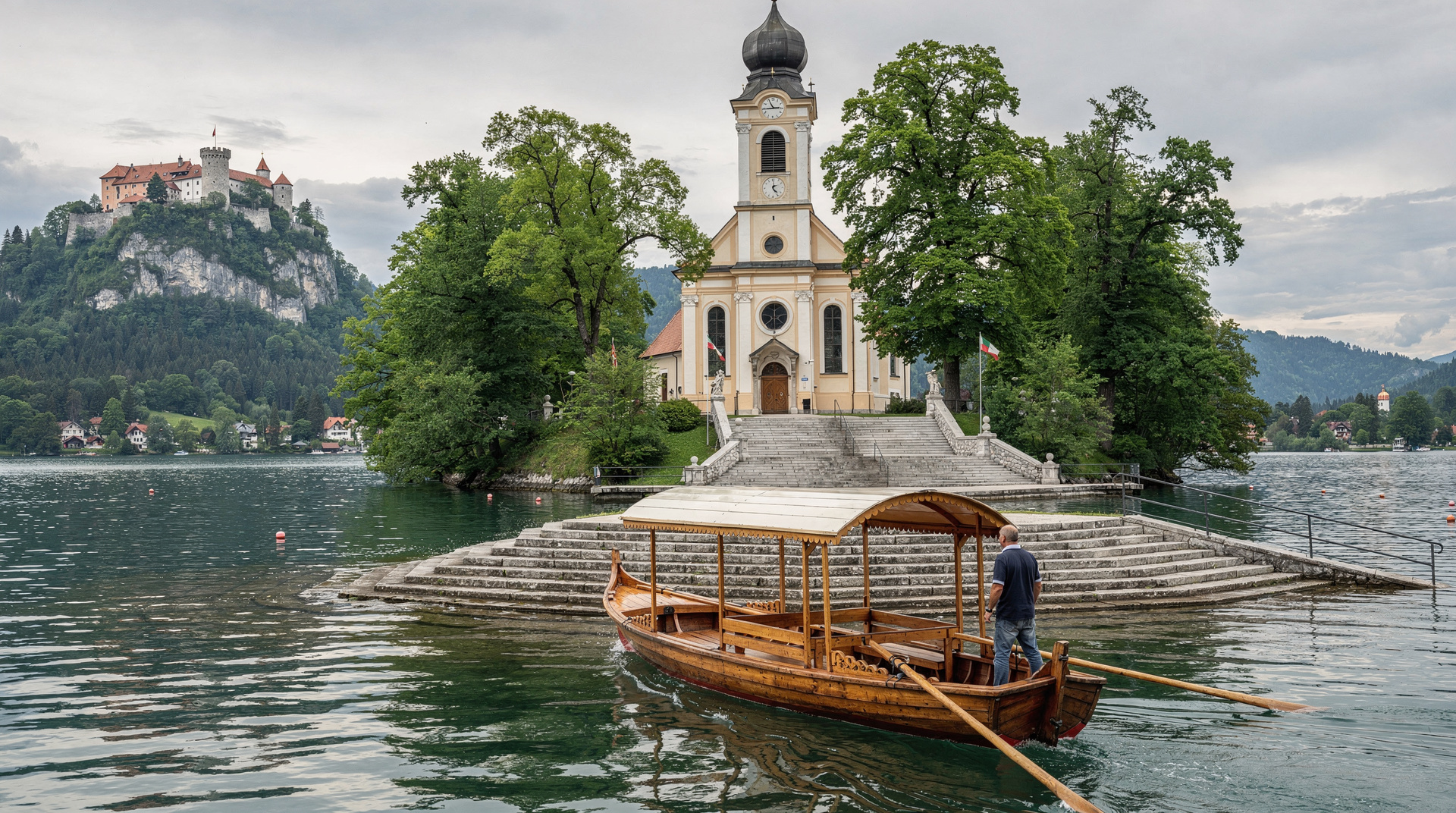
The island church — the Church of the Assumption of Mary — is the image that defines Lake Bled. The question every visitor asks is whether it’s worth the price to visit.
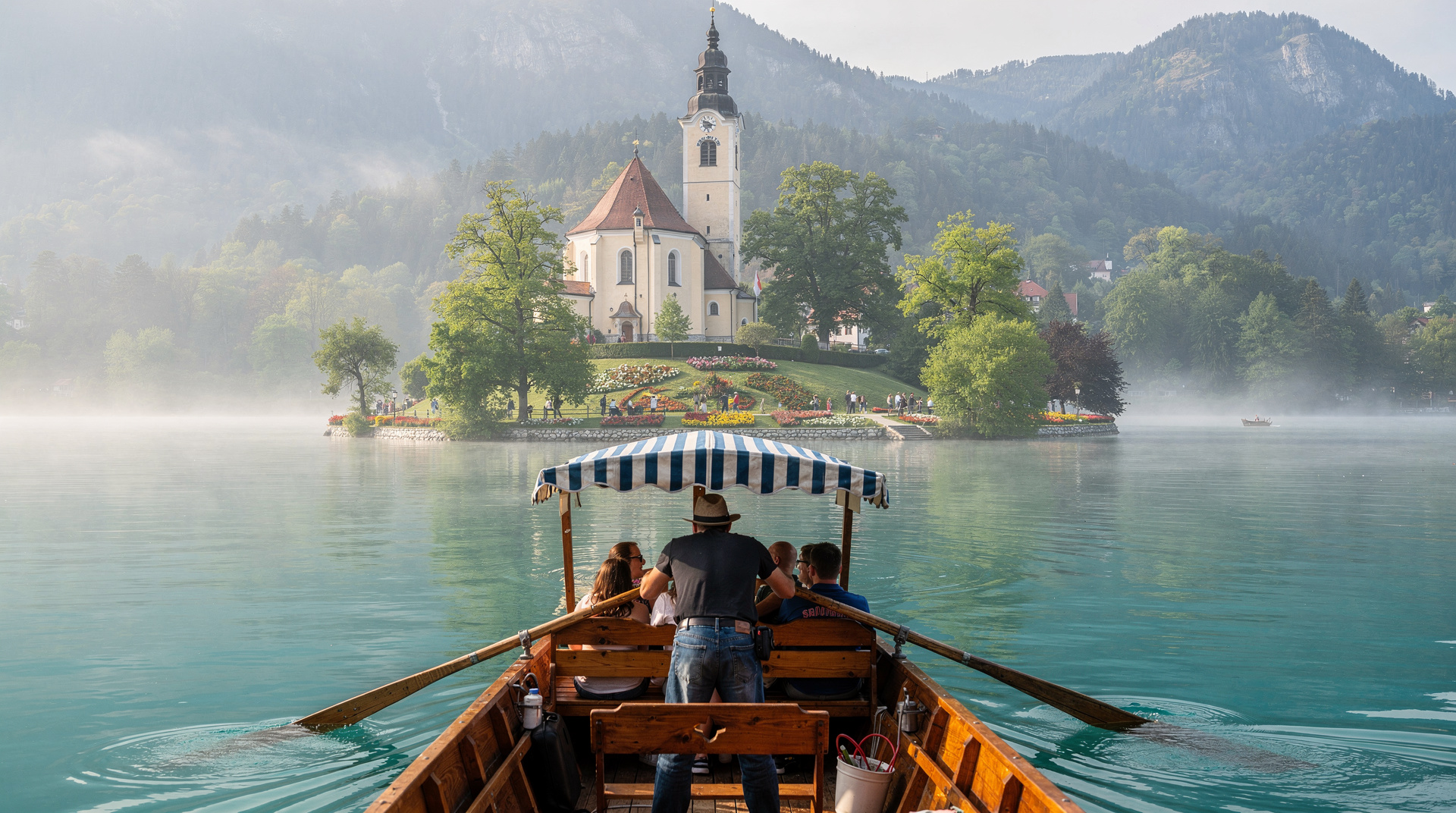
The pletna boat: the traditional wooden boat is the main way to reach the island. The fare is set by the pletna association; confirm the current rate at the dock or with the Bled tourist office (bled.si). The crossing takes about 15 minutes each way. On the island, entrance to the church, bell tower and museum costs EUR 12 for adults (EUR 5 for children up to 15). The famous 99 steps lead to the church from the dock.
The honest truth: the view from the boat is the best part. Looking back at the castle cliff from the water, with the Julian Alps behind you, is genuinely spectacular. The island church itself is small and pretty, but not dramatically different from dozens of other Central European Baroque churches. The experience of the bell-ringing ritual (ring the bell for a wish — it’s very much played up for tourists) is charming if you’re in the right mood, cheesy if you’re not.
The rowboat alternative: hiring a rowboat from the southern shore (EUR 18–25 per hour from several hire points) lets you reach the island under your own steam, linger as long as you like, and see the classic viewpoints from the water. This is actually more satisfying for most independent travellers. Read the full guide to how to visit Bled Island before you decide.
For a combined guided experience that includes the pletna, a tasting of the famous Kremšnita cream cake and a guided walk, the island pletna and dessert tour bundles the key elements into a structured half-day.
Bled Castle: cliff views and honest pricing
Bled Castle (Blejski grad) sits 130 metres above the lake on a sheer cliff, and has been here in one form or another since the 11th century. The current structure is mostly 16th-century Renaissance with earlier medieval foundations.
What you get for EUR 19 (adult admission): access to the castle courtyard and walls, a small museum with archaeological finds from the site, a functioning wine cellar, a working blacksmith and a restaurant with outstanding lake views. The view from the castle battlements is genuinely one of the best you’ll find anywhere — the entire lake, the island, the surrounding mountains.
Is it worth EUR 19? Honestly, it depends. The museum content is decent but not world-class. If you’re a history enthusiast, yes. If you primarily want the view: the free path up the cliff (steep, about 20 minutes from the lake road) leads to the same viewpoint. Some visitors go for the free view, skip the museum. Fair enough.
The Bled castle visit guide covers the practicalities in full, including the fastest route up and the best time of day for photographs from the walls.
The viewpoints: where to take the photograph
The classic “island with mountains behind it” shot is taken from the south side of the lake. Two viewpoints are within easy walking distance:
Ojstrica: 15 minutes’ steep climb from the car park at the south shore. This is the standard viewpoint that appears in most Slovenia travel coverage — the lake fills the frame with the island church centred and the castle on the left cliff. Free.
Mala Osojnica: 25 minutes further up from Ojstrica (or accessed separately from a road above the south shore). Higher, wider view, less visited. This is the better option if you want to avoid the small crowd that typically gathers at Ojstrica.
Both viewpoints are best in the golden hour — either shortly after dawn or in the two hours before sunset.
Swimming at Lake Bled
Swimming is one of the genuine pleasures of a Bled visit. The lake is clean, clear and deep — you can see the bottom at 5–8 metres in calm conditions. Water temperature reaches 20–24°C in July and August.
The main public beach is on the south shore near the campsite — free, with a lawn area, changing facilities and a small café. The north shore near the Grand Hotel Toplice has a lido with a heated outdoor pool fed by lake water (small entrance fee, access sometimes restricted to hotel guests in peak season).
Swimming is allowed throughout the lake, though obviously you give the pletna boats plenty of room. For a comprehensive guide to lake swimming across Slovenia, see the swimming in Slovenian lakes guide.
Hiking from Lake Bled
The lake itself is surrounded by varied terrain with options from a flat shoreline circuit to serious mountain days.
Lakeside circuit (6 km, 1h30, flat): the full loop around the lake on the footpath. Mostly flat, occasionally muddy. Passes all the main viewpoints. Good for families and casual walkers.
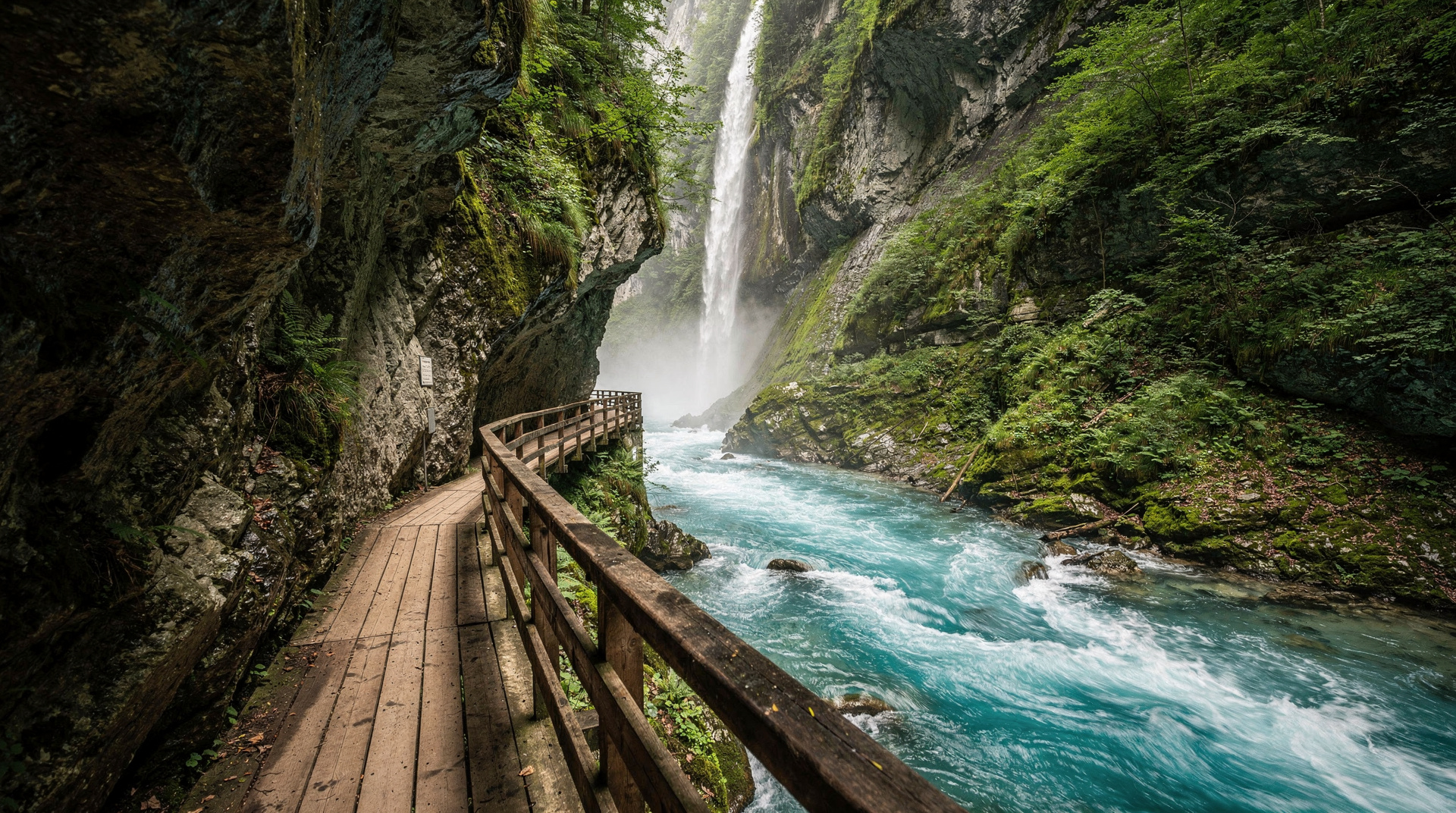
Vintgar Gorge (4 km each way from Bled, or 6 km circular): the most popular half-day excursion. Read the Vintgar Gorge guide for opening times and the best route. Closed November–March.
Straza Hill above Bled (1669m, 2h each way from lake level): a proper alpine climb with excellent views. Used as a ski slope in winter with a chairlift, which also operates in summer — you can take it up and walk down.
Triglav National Park and the Seven Lakes Valley: more serious alpine territory starting from Lake Bohinj rather than Bled — covered in the Triglav National Park guide.
Eating and drinking at Lake Bled
Kremšnita (cream cake): the Bled speciality — layers of custard and cream between pastry sheets. The original is served at the Park Café (Hotel Park, lakeside) for around EUR 4–5. Every café in Bled now serves a version. Worth having at least once.
Avoiding the tourist restaurants: the lakeside restaurants are uniformly overpriced. Walk 15 minutes from the lake into the town of Bled proper for gostilne serving local Slovenian food — grilled trout, buckwheat žganci, roasted pork — at half the lakeside prices. The Vila Preseren area has better value options.
Garden and terrace restaurants: Grand Hotel Toplice has a terrace café with lake views that is open to non-guests, at hotel prices — worth it for a coffee on a sunny day, not for a full meal.
For a comprehensive overview combining island, gorge and Slovenian desserts, the Vintgar gorge and food tasting tour covers the highlights in a guided day with a local.
Day-trip itineraries from Bled
One day: arrive early, walk the south shore to the Ojstrica viewpoint (arrive by 08:00 for empty lake views), hire a rowboat or take the pletna to the island, have a Kremšnita at the Park Café, walk to the castle in the afternoon, swim from the south beach, watch sunset from Mala Osojnica.
Two days: day one as above. Day two: morning walk or cycle to Vintgar Gorge (4 km, open April–October), picnic on the way back, afternoon drive to Lake Bohinj for a swim or kayak — a completely different atmosphere from Bled, far quieter.
Three days: add a mountain day — the cable car at Vogel above Bohinj, or a guided alpine hike in Triglav National Park.
If you’re based in Ljubljana and want a comprehensive one-day introduction, the Bled 360 highlights tour with cream cake covers lake, island, viewpoints and local food in a single guided day.
Arriving from Ljubljana without a car
For visitors based in the capital, a day trip to Lake Bled from Ljubljana is the most efficient way to see the lake without needing to navigate public buses or sort out parking. These tours typically include return transport, a guided walk, and the key viewpoints — useful if Bled is just one stop on a wider Slovenia trip.
The honest tourist-trap warning
Bled is commercially polished in a way that few Slovenian destinations are. A few things to be aware of:
The pletna boats are beautiful and traditional, but the fare is high for what you get. The rowing option is genuinely better value. The Kremšnita is absolutely worth having, but not at the two or three cafés that dominate the lakeside — walk a few minutes to the Park Café original.
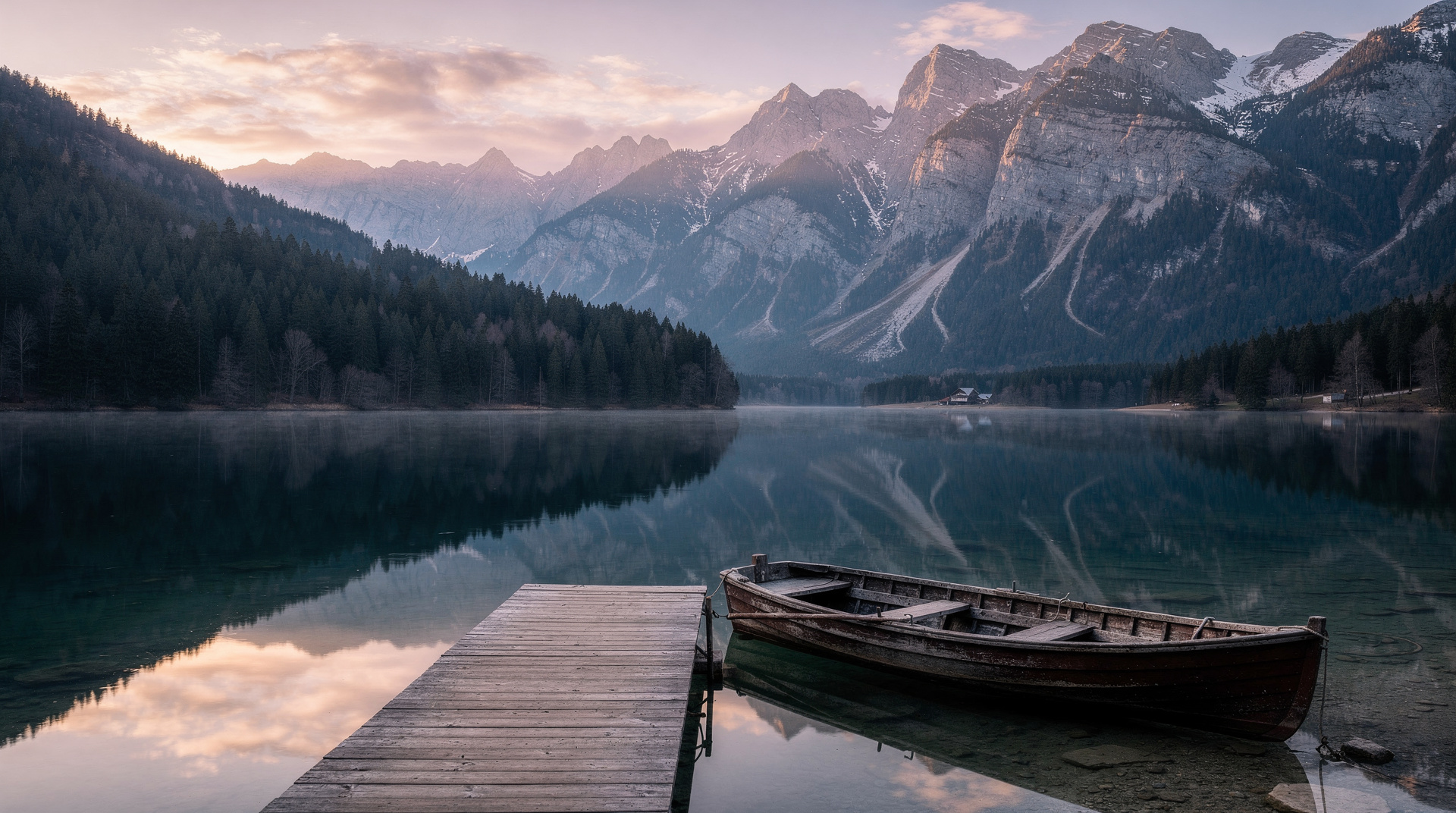
The biggest honest advice: Bled is far better before 09:00 or after 17:00. The difference between dawn and mid-morning is the difference between a serene alpine lake and a busy tourist attraction. If you can stay overnight, do. The morning light on the lake is exceptional.
For travellers who prefer a more authentic experience with fewer tourist crowds, Lake Bohinj — 30 minutes away — is the recommended counterpart. See the Lake Bohinj guide and the alpine lakes of Slovenia overview for comparison.
Renting a bike or a rowboat: honest pricing
Beyond walking, two rentals shape most visitors’ time at the lake.
Bike hire: several stands around the lakeside and near the bus station rent standard hybrid bikes for EUR 8–12 per hour or around EUR 20–25 for a full day. The full lakeside circuit takes about 30–40 minutes by bike versus 1h30 on foot, which frees up time for the island, castle or a swim. E-bikes are increasingly available at a modest premium and make the climb toward Vintgar Gorge or the viewpoints considerably easier.
Rowboat hire: available from several points on the southern shore, EUR 18–25 per hour depending on the operator and season. Unlike the pletna, which runs on a fixed schedule and route, a hired rowboat lets you linger near the island, circle it fully, or simply drift for a while with the castle in view. For a couple or a family, this is often better value than two or more pletna tickets, and it is the recommended alternative throughout the how to visit Bled Island guide.
SUP and kayak hire: increasingly available in summer at points near the swimming beach, typically EUR 12–18 per hour. A gentle way to see the lake from water level without the effort of rowing, and popular with visitors who want photos from mid-lake without hiring a full boat.
Guided options for those who’d rather not manage any of this: the Bled and Vintgar Gorge guided day bundles the lake highlights and the gorge walk into a single organised outing — useful if you’d rather not compare hire options and transport yourself on arrival day.
Lake Bled with children
Bled works well as a family destination, with several activities that suit different ages without much adaptation. The flat lakeside path is manageable with a stroller on the paved sections (the southern gravel stretches are trickier). The pletna boat ride is short, calm and genuinely exciting for younger children, and the “ring the bell for a wish” tradition at the island church is a reliable hit.
For toddlers and young children: the south shore beach area has grass for playing, shallow entry points for supervised paddling, and cafés nearby for breaks. The tourist train around the lake, while an unnecessary expense for adults, is popular with small children who tire of walking.
For older children: the Ojstrica viewpoint climb (15 minutes, moderately steep) is achievable for most children aged 6 and up with supervision, and rewards them with a proper “we climbed a mountain” sense of achievement. Bled Castle’s courtyard, blacksmith demonstration and battlements generally hold children’s attention better than a typical museum.
Practical family notes: public toilets are available near the main car parks and at the castle; changing facilities are more limited, so plan around the beach area or a café. Ice cream and Kremšnita are in plentiful supply along the lakeside for post-walk incentives.
Where to stay at Lake Bled
Accommodation ranges from camping (the Bled campsite on the south shore is excellent and very well located) to the Grand Hotel Toplice (the historic lakeside five-star, rooms from around EUR 200+/night in peak season).
Mid-range options cluster in the streets above the lake and in nearby villages like Ribno and Mlino. Expect EUR 70–130 per night for a comfortable double in shoulder season, EUR 100–200+ in July and August.
Book well in advance for summer stays — Bled has relatively few hotel beds for its visitor numbers.
Weather and what to pack
Bled’s alpine setting means weather can change faster than a lowland destination. Even in July and August, afternoon thunderstorms are common — pack a light rain layer regardless of the forecast, and be aware that the lakeside path has little shelter. Mornings are more reliably clear across all seasons, which is one more reason to front-load your day with the outdoor highlights.
Spring (April–May): layers are essential — mornings can be cold (5–10°C) even as afternoons warm to 15–18°C. Waterproof footwear is worth it given the frequent showers.
Summer (June–August): light clothing, sun protection and a swimsuit are the core kit; bring a light layer for evenings, which cool noticeably once the sun drops behind the mountains.
Autumn (September–October): similar to spring in temperature range, with the added bonus of clearer light for photography. A warm layer for the viewpoints, which are more exposed than the lakeside path.
Winter (November–March): proper winter footwear with grip, as the lakeside path can ice over; gloves and a warm hat for the viewpoint climbs, which are more strenuous in snow.
Practical information
Opening hours: the lake and paths are accessible 24/7. The island church is open 08:30–19:00 from May to September, reduced hours off-season. Bled Castle: 08:00–20:00 from April to October, 08:00–18:00 from November to March. Vintgar Gorge (2026): 09:00–16:00 in April and May, 08:00–18:00 in summer, 09:00–15:00 from 21 September (confirm before visiting).
Entrance fees (2026 approximate): pletna boat fare to confirm locally; island church, tower and museum EUR 12 adult; Bled Castle EUR 19 adult; Vintgar Gorge EUR 15 adult.
Nearest ATM: several in the town centre, five minutes from the lake.
Medical facilities: Bled health centre is a short walk from the main square.
Mobile coverage: excellent — all major operators.
Frequently asked questions about Lake Bled
Is Lake Bled worth the hype?
Yes, with appropriate expectations. The lake really is as beautiful as the photographs suggest. What the photographs don’t show is the scale of visitor numbers in July and August, or how small the island church actually is. Go in shoulder season or arrive early, and Bled will exceed expectations.
Can I visit Bled as a day trip from Ljubljana?
Absolutely — it’s one of the most popular day trips in Slovenia. The bus takes 1h20 from Ljubljana bus station (EUR 6 each way). Allow a full day to see the island, castle and viewpoints comfortably. A guided day trip is also practical if you don’t want to manage the logistics yourself.
How much does a full Lake Bled day cost?
A reasonable budget for a full day: bus return EUR 12, pletna or rowboat EUR 18–25, island church EUR 12, Bled Castle EUR 19, Kremšnita EUR 5, lunch EUR 15–20. Total: approximately EUR 80–95 per person including transport from Ljubljana, or EUR 55–70 at the lake itself. Costs can be reduced by skipping the castle interior and rowing yourself to the island.
Is there a free viewpoint of Lake Bled?
Yes — Ojstrica and Mala Osojnica on the south shore are both free to access. The views from these points are better than from the castle for landscape photography. The walk up Ojstrica takes 15 minutes from the car park.
What should I skip at Lake Bled?
The overpriced restaurants on the immediate lakeside. The tourist train (enjoyable for families, unnecessary for anyone who can walk). The horse-drawn carriages (photogenic but expensive for the distance covered). The souvenir shops immediately around the bus station.
Can I swim in Lake Bled?
Yes — the main public beach is on the south shore near the campsite. The water is clean and the swimming is excellent in summer (July–August temperatures around 20–24°C). Earlier in the season (May–June) it’s refreshing but cool. See the swimming in Slovenian lakes guide for more detail.
What is near Lake Bled worth visiting?
Vintgar Gorge (4 km, open April–October) is the best half-day addition. Lake Bohinj (30 minutes) is the best full-day alternative for a quieter alpine lake experience. Kranjska Gora (35 minutes) is worth visiting for skiing in winter or as a base for Triglav in summer.
Top experiences
Bookable activities with verified prices and instant confirmation on GetYourGuide.