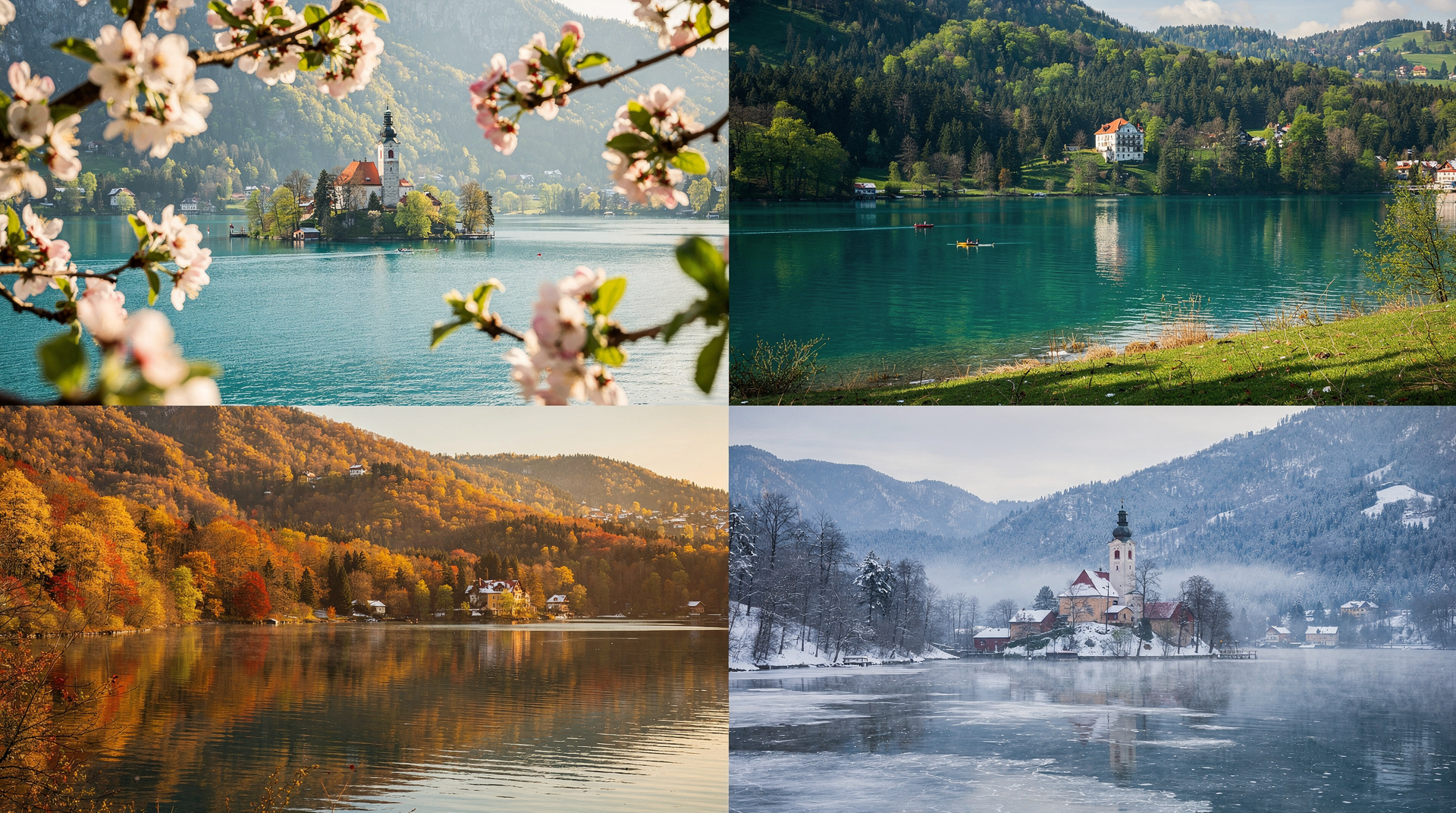
Slovenia weather month by month: the complete climate guide
From Ljubljana: Bled and Vintgar Gorge alpine day trip
What is the weather like in Slovenia throughout the year?
Slovenia has three distinct climate zones: Alpine (cold, snowy winters; warm summers), Continental (cold winters; hot summers), and sub-Mediterranean coast (mild winters; warm summers). Ljubljana averages -1°C in January and 28°C in July. The Julian Alps receive significant snowfall; the coast rarely sees frost. Summer afternoon thunderstorms in the mountains are common.
Slovenia packs three climate zones into a country the size of a mid-sized US state, which is exactly why the same week can deliver alpine snow, Ljubljana drizzle and coastal sunshine depending on where you point the car. This guide breaks the year down month by month, region by region, so you can plan around the weather rather than be surprised by it.
| Reference city | Ljubljana (continental basin) |
| Best weather months | May–June and September |
| Coldest | January (Ljubljana highs 2–4°C, Bled colder) |
| Hottest | July–August (Ljubljana highs 27–30°C) |
| Wettest | June and November |
| Sunniest region | The coast (Piran, up to ~2,400h/year) |
Understanding Slovenia’s climate zones
Slovenia is a small country with unusually diverse climate conditions. Three distinct zones exist within the country’s 20,273 square kilometres:
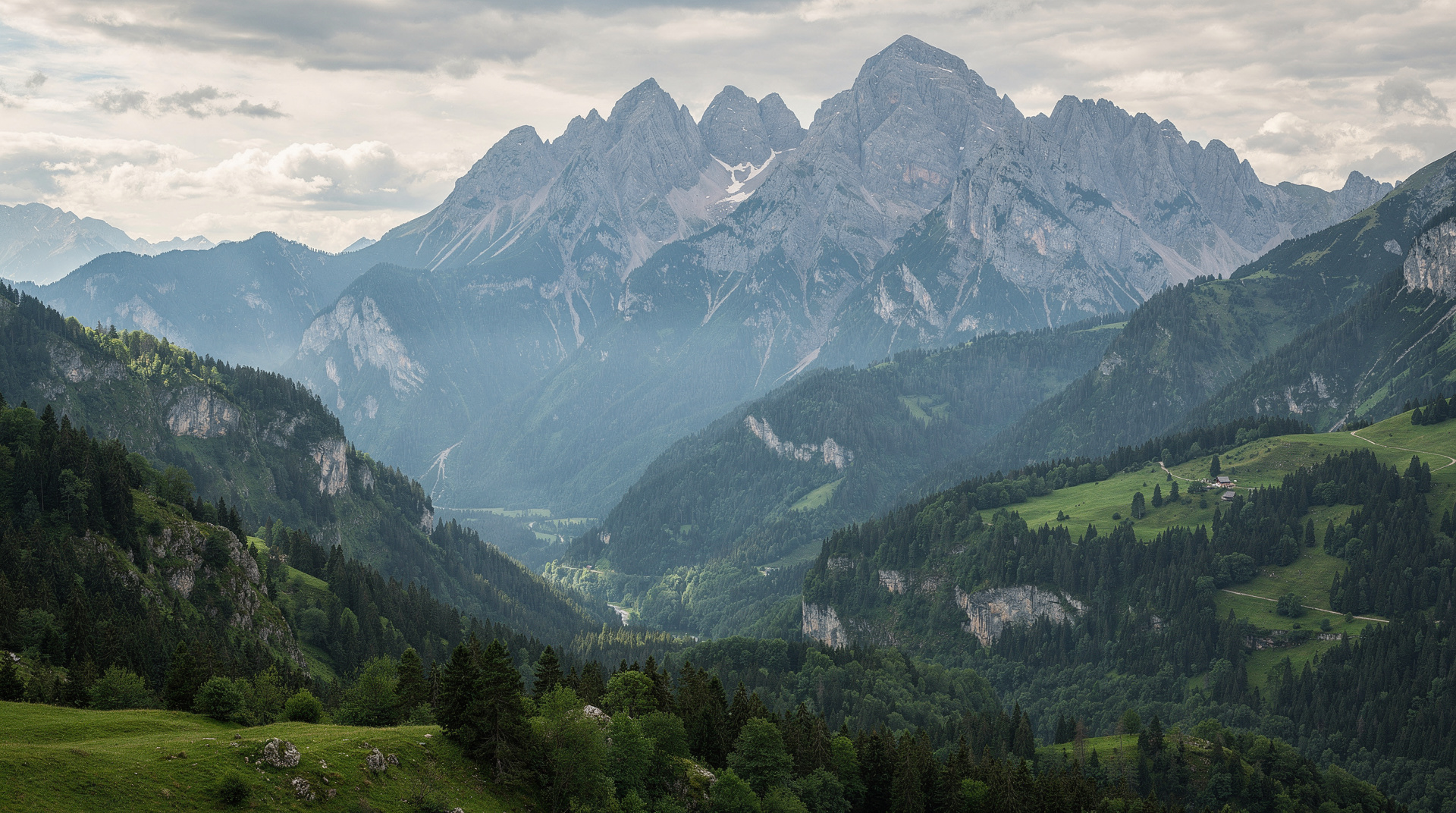
Alpine zone (Julian Alps, Karavanke, Kamnik-Savinja Alps): Cold winters with heavy snowfall; cool to warm summers; very high precipitation (1,500–3,000mm annually in the wettest areas). Triglav National Park, Lake Bled, Bohinj, and Kranjska Gora fall in this zone.
Continental zone (central Slovenia, Ljubljana basin, eastern Slovenia): Cold but drier winters; hot summers; four distinct seasons. Ljubljana, Maribor, and most of eastern Slovenia fall here.
Sub-Mediterranean zone (Piran, Koper, the Karst region): Mild winters; warm, dry summers; the mildest temperatures in the country year-round.
Most visitor itineraries will move between these zones, which is why the weather on a single trip can feel very different at different destinations.
Month-by-month guide
The data below uses Ljubljana as the reference point for temperatures; notes specific to the coast and mountains are added where conditions differ significantly.
January
Ljubljana: Highs 2–4°C / Lows -3 to -1°C Bled: Highs 0–2°C / Lows -5 to -3°C Piran (coast): Highs 8–10°C / Lows 3–5°C Snowfall: Possible in Ljubljana; common and persistent in mountain areas Sunshine hours: Low (~60h/month in Ljubljana; more on the coast) Rain: Moderate (50–70mm); often falls as snow at altitude
January is the coldest month. The Ljubljana basin is prone to fog (megla) — persistent low cloud can last several days; the fog burns off above 500m in sunshine. Mountain ski resorts (Kranjska Gora, Vogel, Krvavec) have reliable snow cover. The coast is mild relative to the interior.
What is open: Ski resorts, Postojna Cave, Škocjan Caves, Ljubljana museums and restaurants, Piran What is closed: Vintgar Gorge, Vršič Pass, most Bled/Bohinj seasonal services
February
Ljubljana: Highs 5–7°C / Lows -2 to 0°C Bled: Highs 3–5°C / Lows -4 to -2°C Piran: Highs 9–11°C / Lows 4–6°C Snowfall: Possible in Ljubljana; frequent at altitude Sunshine hours: Increasing (~80h/month)
February is marginally warmer than January but still fully winter. The best skiing of the year at Vogel and Kranjska Gora (natural snowpack typically at maximum). The last weeks of February can bring the first hints of spring in Ljubljana — days above 8°C occasionally, the first café terraces appearing on warm afternoons.
Shrovetide/Carnival (Pust): Slovenia takes its pre-Lenten carnival seriously. Ptuj’s Kurentovanje festival (typically early February) features the Kurent — a shaggy fur-costumed figure that drives away winter — and is the most distinctive folklore event on the Slovenian calendar. The timing varies with the moveable date of Ash Wednesday.
March
Ljubljana: Highs 9–12°C / Lows 1–4°C Bled: Highs 7–10°C / Lows -1 to 2°C Piran: Highs 12–14°C / Lows 7–9°C Snowfall: Decreasing; last snow events possible Sunshine hours: Increasing (~130h/month)
March is late winter transitioning to early spring. The ski season may still be running at Vogel into March if snowfall has been good. Vintgar Gorge and the Vršič Pass remain closed. Ljubljana’s café culture begins to move outdoors on warm days. The rivers start rising with early snowmelt.
Planica Ski Flying: The valley near Kranjska Gora hosts the Ski Flying World Championships in late March — a unique event worth knowing about for timing purposes (the area fills up).
April
Ljubljana: Highs 15–18°C / Lows 5–8°C Bled: Highs 13–16°C / Lows 3–6°C Piran: Highs 16–18°C / Lows 10–12°C Rain: One of the wettest months (90–100mm); frequent showers Sunshine hours: Moderate (~150h/month)
April is a transitional month with warm sunny days interspersed with cold, rainy periods. The Soča River reaches high-flow conditions for spring rafting. The narcissus season at Bohinj begins in late April. Vintgar Gorge may reopen in the last week of April (varies by year — check the official site). Easter weekend is the first significant crowd event of the spring.
Easter: Slovenia observes Easter thoroughly — Good Friday through Easter Monday are national holidays; expect domestic tourism spikes at main destinations and advance booking requirement.
May
Ljubljana: Highs 19–23°C / Lows 9–12°C Bled: Highs 17–21°C / Lows 7–10°C Piran: Highs 20–22°C / Lows 14–16°C Rain: Moderate (90–100mm); decreasing through the month Sunshine hours: Good (~200h/month)
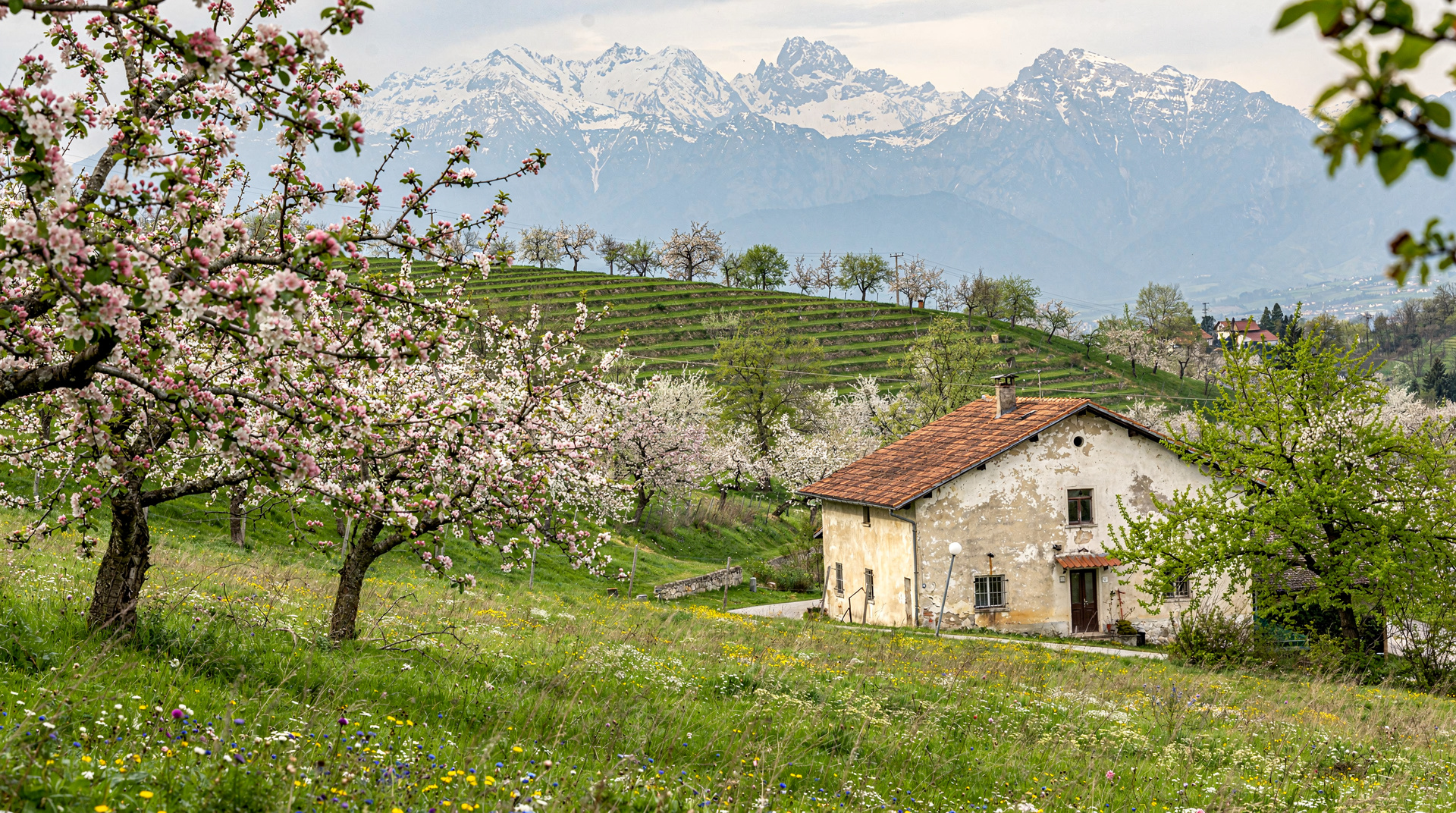
May is one of the two best travel months in Slovenia (with September). Warm, all attractions open (Vintgar Gorge and Vršič Pass typically open by mid-May), wildflower season in the Julian Alps, and well below summer crowd levels.
The Soča River in May is at peak flow and the most dramatic. Hiking in Triglav National Park at valley and mid-altitude level is excellent. Ljubljana outdoor café season fully underway.
June
Ljubljana: Highs 24–26°C / Lows 13–15°C Bled: Highs 22–24°C / Lows 11–13°C Piran: Highs 25–27°C / Lows 18–20°C Rain: Moderate (100–110mm); often as afternoon storms in the mountains Sunshine hours: High (~240h/month)
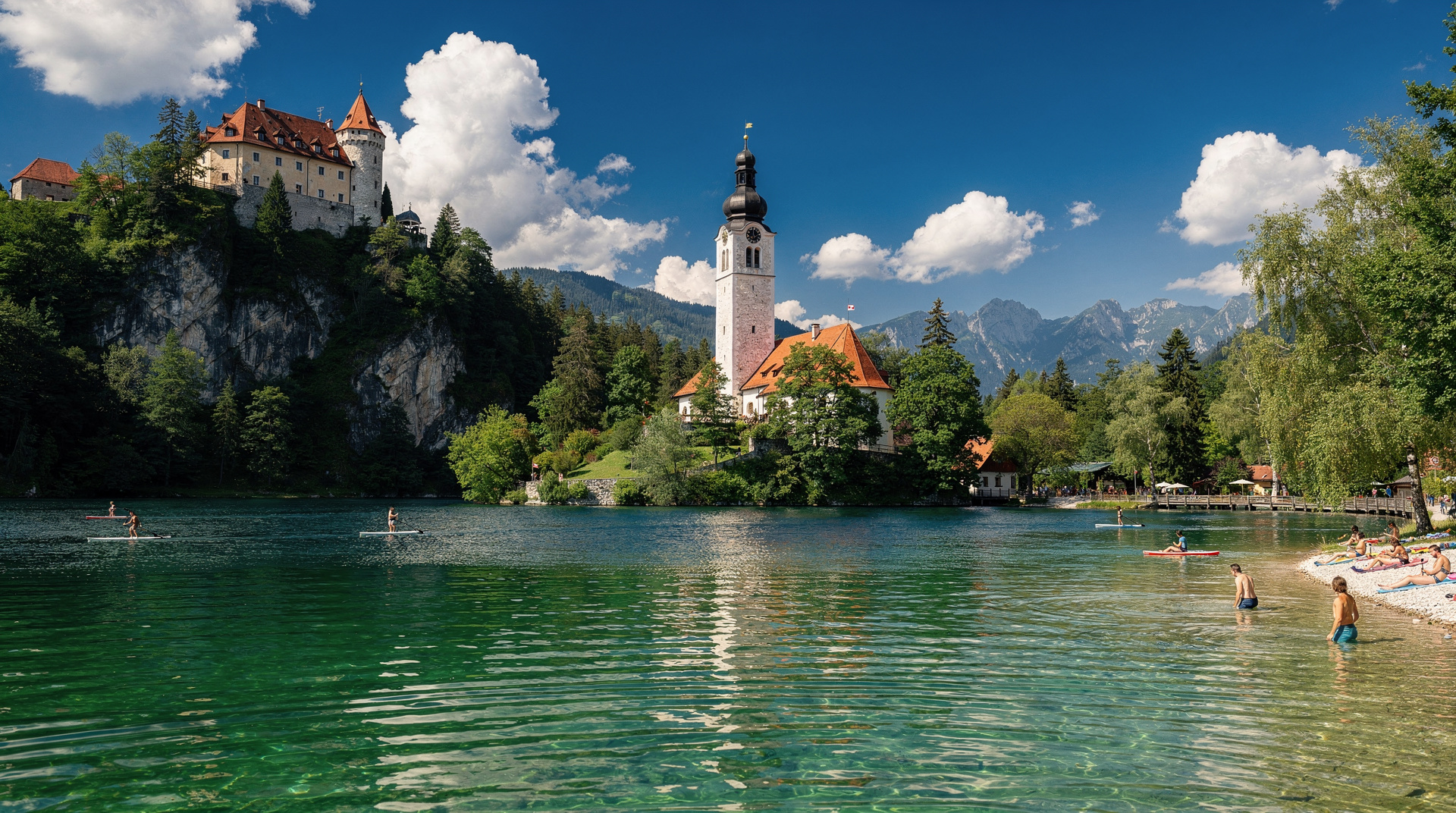
June is widely considered the best summer month: warm without being oppressive, all attractions open, school holidays not yet begun across most of Europe. Lake swimming is possible by mid-June in Bled and Bohinj. The Soča is still running well for rafting.
Mountain afternoon thunderstorms begin in June — plan Alpine hikes for mornings.
Ljubljana Summer Festival: Opens late June.
July
Ljubljana: Highs 27–30°C / Lows 15–18°C Bled: Highs 25–28°C / Lows 13–16°C Piran: Highs 28–30°C / Lows 21–23°C Rain: Moderate (90–100mm); frequent afternoon thunderstorms in mountains Sunshine hours: High (~270h/month)
The hottest month. Tourist density at Bled and Postojna at peak. Afternoon thunderstorms in the Julian Alps are common — typically fast-moving and dramatic. Lake swimming excellent. Soča swimming sections warm enough for most visitors. Coast at its warmest (seawater 24–26°C).
If you would rather not drive in the mountains on a stormy afternoon, a guided day trip combining Lake Bled and the Vintgar Gorge lets someone else watch the sky and plan around it.
August
Ljubljana: Highs 27–29°C / Lows 14–17°C Bled: Highs 24–27°C / Lows 12–15°C Piran: Highs 28–31°C / Lows 21–23°C Rain: Moderate (90–100mm) Sunshine hours: High (~265h/month)
August mirrors July in conditions; the second half of August sees the first reduction in crowds as school holidays begin ending. The Julian Alps can have early-autumn clarity by late August on clear days. Very hot in the valleys on some days.
September
Ljubljana: Highs 21–24°C / Lows 10–13°C Bled: Highs 19–22°C / Lows 8–11°C Piran: Highs 24–26°C / Lows 18–20°C Rain: Decreasing (70–80mm); mostly settled weather Sunshine hours: Good (~200h/month)
September is the second peak month for conditions. Summer warmth persists through the first half; crowds have thinned; accommodation prices have dropped. The Soča River rises again with autumn rainfall — excellent second season for rafting. Coast still warm; lake swimming possible through mid-September.
The autumn colour in the mountains begins at higher altitudes in late September.
October
Ljubljana: Highs 14–17°C / Lows 5–8°C Bled: Highs 12–15°C / Lows 3–6°C Piran: Highs 17–20°C / Lows 12–14°C Rain: Increasing (80–90mm) Sunshine hours: Moderate (~130h/month)
October is the autumn colour month. The Julian Alps turn gold and amber; the larch forests above Bohinj are extraordinary. Wine harvest in Goriška Brda and Vipava Valley. Temperatures cool noticeably from mid-October; the first frost above 1,500m typically occurs in October.
Some seasonal closures begin: Vintgar may close by early November; the Vršič Pass may close in October if early snowfall occurs. Most Soča Valley operators close by month end.
November
Ljubljana: Highs 7–10°C / Lows 1–4°C Bled: Highs 5–8°C / Lows -1 to 2°C Piran: Highs 12–14°C / Lows 7–9°C Rain: High (100–110mm); grey and wet periods Sunshine hours: Low (~80h/month)
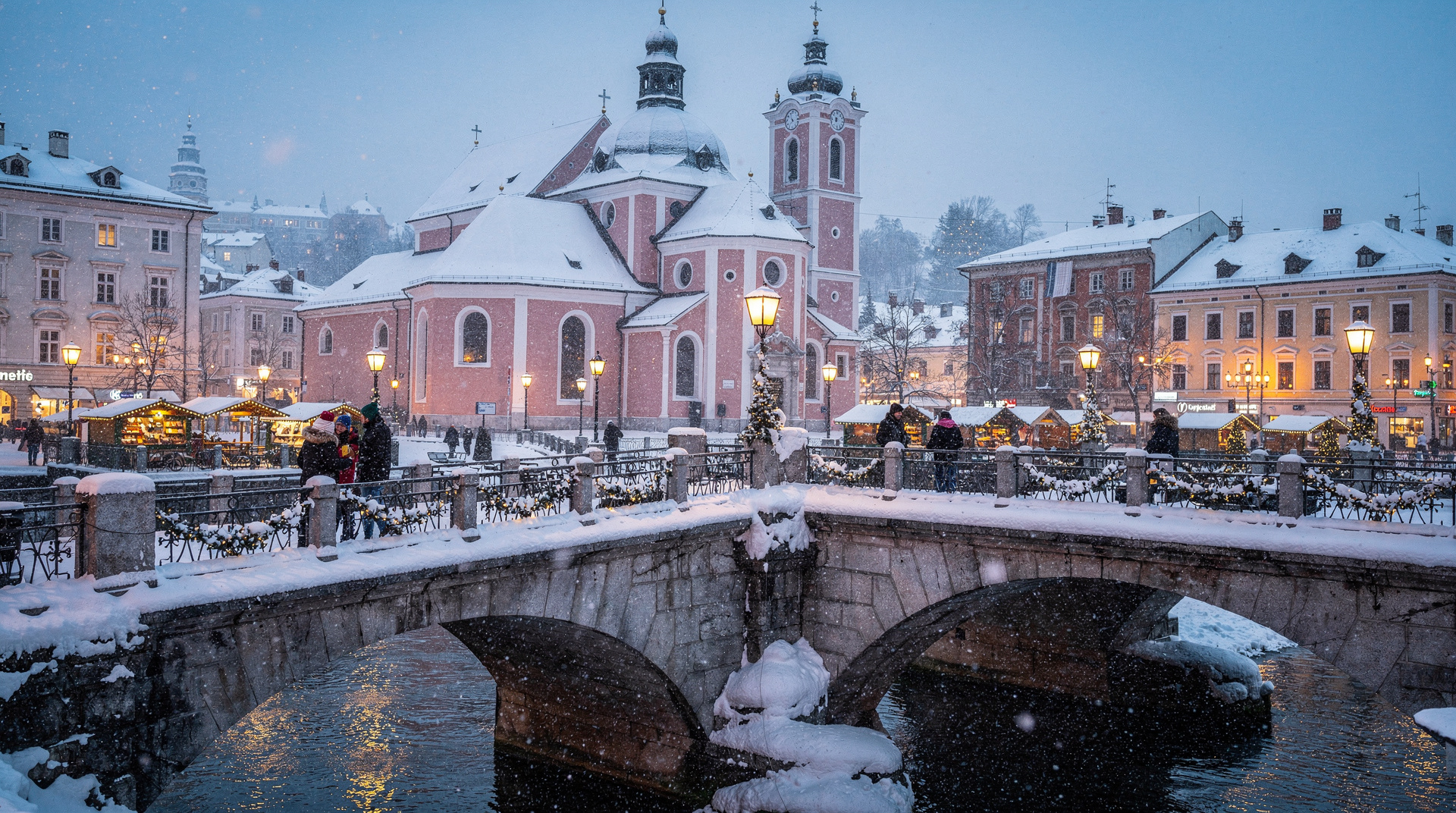
November is the quiet month between autumn and winter. The landscape is dormant; the tourist infrastructure is in winter closure mode. Ljubljana’s Christmas market begins opening in late November. The quietest accommodation prices of the year.
December
Ljubljana: Highs 3–6°C / Lows -2 to 1°C Bled: Highs 1–4°C / Lows -4 to -1°C Piran: Highs 9–11°C / Lows 4–6°C Rain/Snow: Moderate (70–80mm); snow possible in Ljubljana, common at altitude Sunshine hours: Low (~60h/month; but quality can be excellent on clear winter days)
December is divided in character: the Christmas market period (late November through December 30) makes Ljubljana one of the most atmospheric cities in Central Europe. The ski season typically opens in mid-December. The cave circuit (Postojna, Škocjan) is open with minimal queues.
Seasonal closures reference
| Attraction/route | Typical closure period |
|---|---|
| Vintgar Gorge | Early November — late April |
| Vršič Pass road | Late October/November — mid-May |
| Most Bled/Bohinj seasonal restaurants | October — April |
| Soča Valley adventure operators | November — March |
| Most Julian Alps mountain huts | Early October — late May/June |
| Lake boat hire (Bled, Bohinj) | October — April |
Exact dates vary by year with weather conditions. Always check current status with the relevant operator or tourist office.
Understanding Slovenian weather forecasts
Arso.si is the Slovenian Environment Agency and its weather service. For mountain activities, the Arso mountain forecasts are significantly more reliable than international apps (Weather.com, Apple Weather, AccuWeather). The reason: international apps use coarser resolution models that cannot resolve the Julian Alps’ complex local weather systems. Arso uses high-resolution mesoscale models calibrated to Slovenian terrain.
The Arso website is in Slovenian. For navigation:
- Select “Vreme” (Weather) from the main menu
- Select “Gorsko vreme” (Mountain weather) for Alpine forecasts
- The map view allows you to tap specific mountains or valleys for local forecasts
- The hazard index (nevarnost) shows daily mountain weather risk level on a 1–5 scale
For non-Slovenian readers, the symbols follow European meteorological conventions (sun, cloud, rain, thunderstorm, snow) and are intuitive once you have used the site once. The temperature, wind, and precipitation data are self-explanatory.
The fog phenomenon in Ljubljana
Ljubljana’s basin geography creates a specific winter weather pattern that surprises visitors: persistent low fog (megla) that can sit in the basin for days without lifting. This is a temperature inversion phenomenon — cold air is trapped in the valley floor while warmer air sits above, with a visible fog layer at approximately 400–500m.
The practical consequence: Ljubljana can be grey and cold at 2°C while Kranjska Gora 50km away is in brilliant winter sunshine at -5°C. If Ljubljana fog is forecast for your visit window, a day trip to the mountains or the coast often delivers dramatically better weather. And when rain or fog is settling in everywhere above ground, going underground is the sensible swap: a Postojna Cave day trip from Ljubljana keeps the same plan whatever the sky is doing.
The fog is most common in November through January. February through March typically sees the temperature inversion break more readily. The Slovenian forecast uses the symbol “megla” or the visual of low-lying grey to indicate fog conditions.
Regional weather variations at a glance
| Region | Winter | Summer | Precipitation |
|---|---|---|---|
| Ljubljana | Cold (0–5°C), occasional snow | Hot (27–30°C), humid | Moderate (1,000mm/yr) |
| Lake Bled | Cold (-2 to 4°C), snow likely | Warm (22–26°C), afternoon storms | High (1,500mm+/yr) |
| Soča Valley | Cold, heavy snow at altitude | Warm (24–27°C in valley) | Very high (2,000–3,000mm/yr in upper valley) |
| Piran / coast | Mild (7–12°C) | Warm (27–30°C), dry | Moderate (800mm/yr) |
| Eastern Slovenia (Maribor) | Cold (-1 to 5°C), snow occasional | Hot (28–32°C) | Moderate (900mm/yr) |
The Soča Valley’s exceptional precipitation — some of the highest in Europe — is why the river runs turquoise (the limestone filters and mineralises the water) and why the vegetation is so dramatically green. The high precipitation is a feature of the landscape, not a weather problem for visitors in summer, when the rain mostly falls as afternoon storms.
Altitude and temperature: the practical calculation
For any hike above the valley floor, the working calculation is approximately 6°C temperature drop per 1,000m of altitude gain. Practical examples:
- Ljubljana (295m) at 28°C → Bled (535m) at 26.5°C → Vogel summit (1,540m) at 21°C → Triglav summit (2,864m) at 11°C
On a hot July day when Ljubljana is 32°C, Triglav’s summit is roughly 14°C — and with wind chill on exposed ridges, the felt temperature is considerably lower. This calculation is why Alpine hikers carry a warm layer even in July.
In winter, the calculation inverts in an odd way: above the inversion layer (approximately 400–600m in winter), temperatures can actually be warmer than in Ljubljana. The ski resorts above this altitude often enjoy sunshine and temperatures of -2°C to 2°C while Ljubljana’s fog makes it feel colder at 1°C.
Useful weather resources
- Arso.si (Slovenian meteorological service) — the most accurate local forecasts; mountain forecasts particularly reliable
- DRSI.si (Slovenian road authority) — live road conditions including mountain pass closures and snow conditions
- meteo.si (alternative interface to Arso data) — cleaner visualisation
- Wunderground.com / yr.no — international services with reasonable Slovenia data but less mountain-specific resolution
- Windy.com — excellent wind and precipitation visualisation; useful for understanding weather systems moving into the Julian Alps
Reading the Julian Alps weather patterns
The Julian Alps generate their own weather systems in a way that smaller mountain ranges do not. Understanding the broad patterns helps with planning:
The afternoon convective thunderstorm: Common from June through August. Mornings are typically clear; by noon or early afternoon, cumulus clouds build over the summits; by 2–3pm, a thunderstorm is possible. These storms are usually fast-moving (30–60 minutes) and dramatic. The pattern is reliable enough that experienced local guides plan all high-Alpine hikes to be off exposed ridges by 1pm. The forecast probability (expressed as “nevarnost nevihte” on Arso.si) gives a morning’s advance warning.
The Bora wind (Burja): A cold, dry northeastern wind that affects the Karst and coastal areas predominantly. The Burja can reach 150km/h in extreme events; more commonly it runs at 60–100km/h at the Vipava Valley and Postojna plateau. Driving in Burja conditions requires care, and open sections of motorway may be closed to high-sided vehicles. The Burja is most common in autumn and winter. Forecast information on DRSI.si indicates Burja warnings.
The Foehn effect: Warm, dry winds descending from the south side of the Alps can create unexpectedly warm, clear days in the Soča Valley and the coast while the northern side of the mountains is grey and cold. This effect is the reason the Soča Valley sometimes has warm, sunny days in November while Ljubljana is foggy.
Atlantic systems from the northwest: The main source of sustained rainfall in the Julian Alps. The Soča Valley receives 2,000–3,000mm of annual precipitation from Atlantic frontal systems passing over the Alps. The visible effect: the valley’s dramatic vegetation, the turquoise river colour from limestone filtration, and the cloud that builds over the Triglav massif from the west. These systems typically take 2–5 days to pass.
The micro-climate of Lake Bled
Lake Bled sits in a hollow at 475m altitude, sheltered from winds by the surrounding hills. This creates several micro-climate effects:
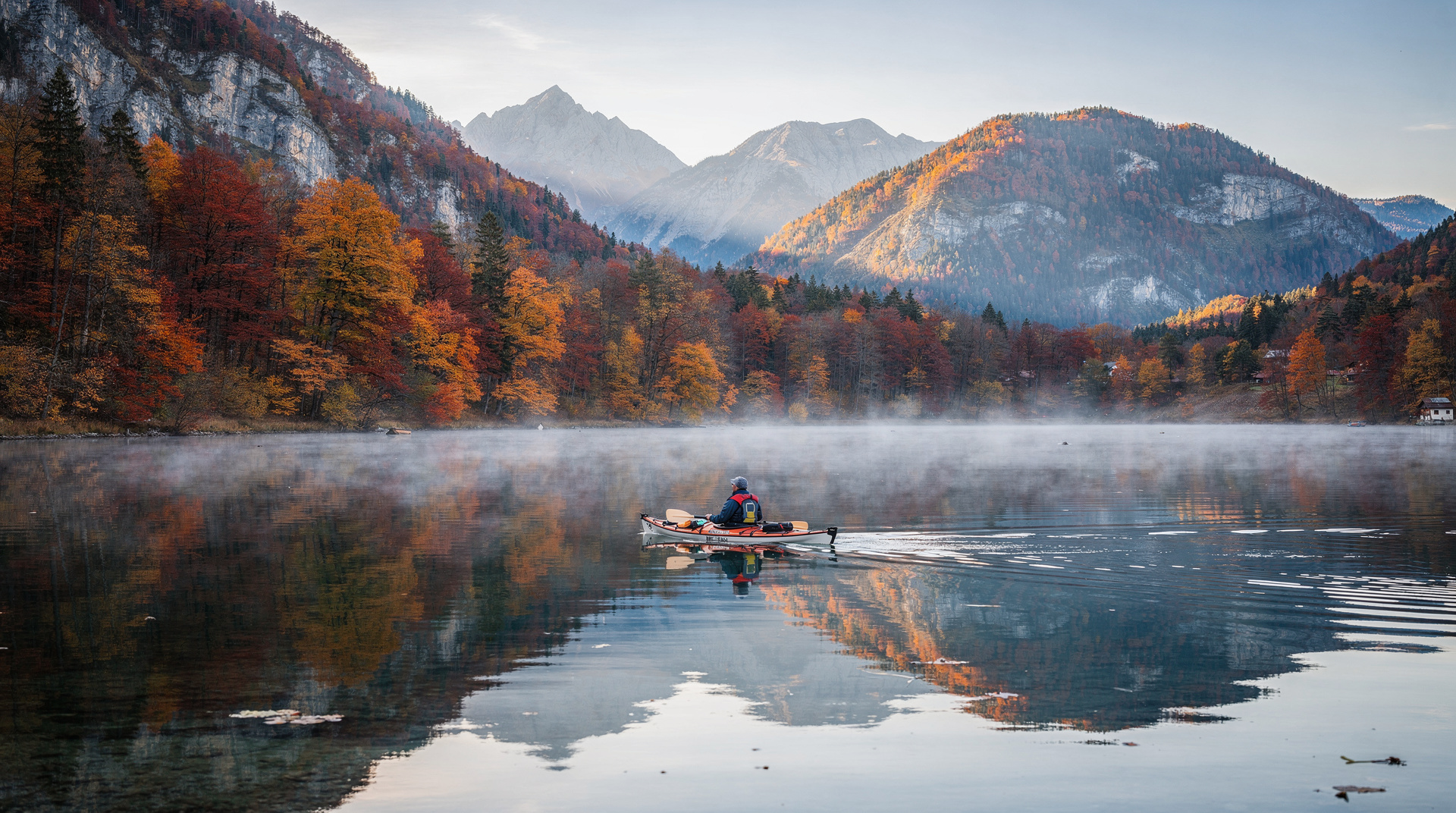
Morning mist: On still mornings in spring and autumn, the lake surface generates mist that sits over the water before burning off. This is the most photographed atmospheric condition at Bled — the island church emerging from mist with the castle above. It requires: calm conditions (no wind), a temperature differential between the cool lake water and warming air, and getting there before 9am when the mist typically clears. It is not guaranteed, but October and April mornings have the best probability.
Lake fog versus valley fog: When Ljubljana’s basin fills with fog, Bled (higher altitude, different valley) may be clear. Conversely, Bled can sit in its own fog pocket while the surrounding mountains are visible from above. Neither is predictable more than 24 hours ahead.
Summer temperature buffering: The lake’s thermal mass moderates temperature extremes. Bled is typically 2–4°C cooler than Ljubljana on hot summer days. This makes the lake area pleasant when the capital is stifling.
Matching your itinerary to the forecast
Weather should shape where you go on any given day, not just what you pack. A few practical pairings:
If Ljubljana is fogged in (November–January): head for Kranjska Gora or the mountains — the inversion means the capital can be grey at 2°C while the peaks are in brilliant sunshine above the cloud layer. The Lake Bled complete guide has notes on which viewpoints work best on a clear winter day.
If you’re chasing the best light for photography: October mornings at Lake Bled combine mist, autumn colour and calm water for the classic shot. Spring (April) offers similar conditions with wildflowers instead of foliage.
If summer thunderstorms threaten a hiking day: front-load Triglav National Park hikes for the morning, since the reliable afternoon convective storm pattern (June–August) makes exposed Alpine ridges risky after 1pm.
If you want to avoid both extremes: the coast at Piran runs 5–10°C milder than Ljubljana in winter and is noticeably drier than the Alpine interior year-round, making it a sensible fallback destination whenever the forecast inland looks unpromising. For a fuller seasonal comparison across all three zones, see best time to visit Slovenia and the season-specific guides below.
Weather and the activities it shapes
Each season favours different plans, and a few guides go deeper on the activities that depend most on conditions.
Water and rivers: spring snowmelt and autumn rain feed the Soča, which is when Soča River rafting and kayaking on the Soča are at their most dramatic. For warm-weather swimming, see swimming lakes in Slovenia and the best beaches on the coast.
Mountains: high-altitude routes depend on the snow having melted and the huts being open, so check the Julian Alps hiking guide and the Vršič Pass driving guide before committing to a date. Winter visitors will want the Slovenia in winter activities guide, and the Vintgar Gorge guide explains why the gorge is a seasonal visit.
Rainy or foggy days: when the forecast turns grey, indoor options keep a trip on track. The caves overview covers underground sights that stay at a steady temperature whatever the weather, and things to do in Ljubljana lists plenty of museums and cafés for a wet afternoon. Thermal pools are another good fallback, covered in the best thermal spas guide.
Planning the whole trip: if you are still deciding how long to stay, how many days in Slovenia and the Slovenia highlights in 5 days itinerary help you fit the weather windows into a real schedule. For cold-season travel, the winter Slovenia 7-day itinerary is built around what stays open, and the blog post on off-season travel in Slovenia gives a first-hand view of the quieter months. Anyone driving in snowy months should also read about the vignette and driving rules.
Related guides
- Best time to visit Slovenia — the seasonal decision guide
- Slovenia in spring — March through May
- Slovenia in summer — June through August
- Slovenia in autumn — September and October
- Slovenia in winter — November through February
- Slovenia packing guide — seasonal packing decisions
Frequently asked questions about Slovenia weather month by month
What is the wettest month in Slovenia?
June and November are typically the wettest months in Ljubljana (around 100–110mm precipitation). The Alpine areas (Bled, Triglav) receive considerably more precipitation than the national average — up to 3,000mm annually in the wettest parts of the Julian Alps, making it one of the rainiest areas in Europe. The coast (Piran) is significantly drier than the interior.Does it snow in Ljubljana?
Ljubljana sees snow most winters, typically 1–3 snow events per year. It rarely accumulates significantly or persists more than a few days. The mountain areas (Kranjska Gora, Bohinj, Triglav) receive heavy snowfall from November through April, with persistent cover at altitude. The coast rarely sees snow.What is the best weather month in Slovenia?
June typically offers the best combination of warm temperatures (average highs 24–25°C in Ljubljana), low humidity, and manageable crowd levels. July and August are hotter but more humid with afternoon thunderstorms in the mountains. September has excellent clarity and light with summer-level temperatures in the first half.Is Slovenia sunny?
Slovenia gets approximately 1,700–2,200 sunshine hours per year depending on region — comparable to Munich or Vienna. Ljubljana gets around 1,900 sunshine hours. The coast (Piran area) gets the most sun, approaching 2,400 hours. The Alpine interior gets somewhat less due to afternoon cloud build-up. Summer is the most reliably sunny period.How different is the weather between Ljubljana and Lake Bled?
Lake Bled (535m altitude; Bohinj Gorge affects the microclimate) is marginally cooler than Ljubljana year-round. The main difference is precipitation: the Julian Alps receive significantly more rain and snow than Ljubljana, and Bled sits at the edge of this wetter Alpine zone. Winters at Bled are colder with more snow than in Ljubljana; summers are comparable but with more frequent afternoon storms.Does the weather differ much between Ljubljana and the Slovenian coast?
Yes, substantially. Piran and the coast are 5-10C milder than Ljubljana in winter and rarely see frost, while Ljubljana regularly drops below zero. In summer the coast is a touch warmer and considerably drier, with less of the afternoon thunderstorm activity that affects the Alpine interior. The coast is a sensible fallback destination whenever inland weather looks poor.What is the most reliable month for outdoor activities across all of Slovenia?
June and September are the most reliable choices for combining mountain hiking, lake activities and coastal time in one trip, since all regions are in a comparatively settled weather pattern and the seasonal closures (Vintgar Gorge, Vrsic Pass, mountain huts) have already lifted. July-August work too but bring more heat, humidity and afternoon storms in the Alps.