Ptuj: Slovenia's oldest city and its most enjoyable day trip
Ptuj is Slovenia's oldest continuously inhabited town: a Roman fort, medieval castle, and the Kurentovanje carnival. Half-day or full-day from Maribor.
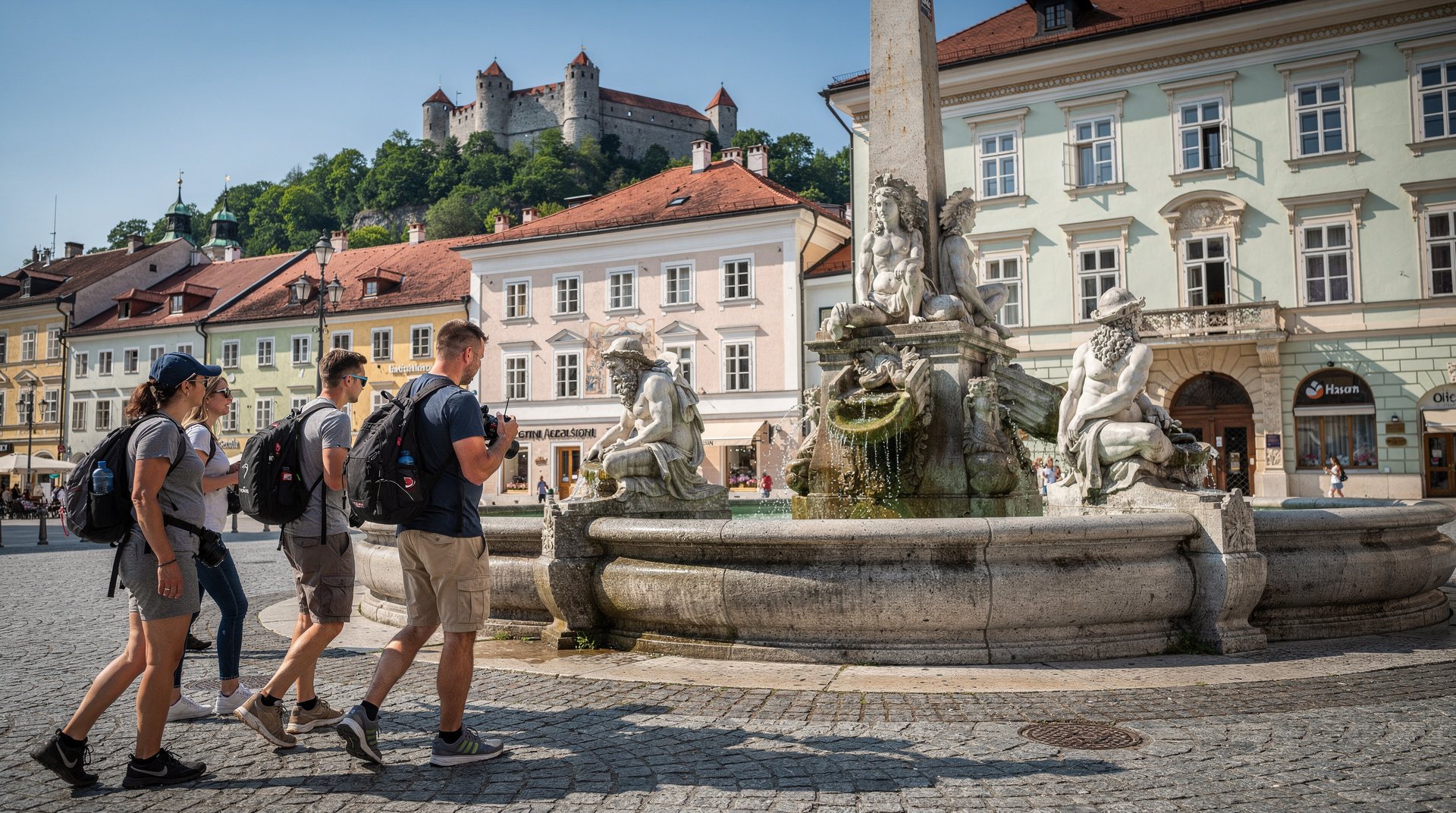
Ptuj: guided city tour with chocolate tasting
Quick facts
- Best time to visit
- May–September; February for Kurentovanje carnival
- Days needed
- Half to 1 full day
- Getting there
- Train from Maribor (30 min, EUR 3); bus or car also easy
- Budget per day
- EUR 40 to 90
The oldest town most visitors drive through
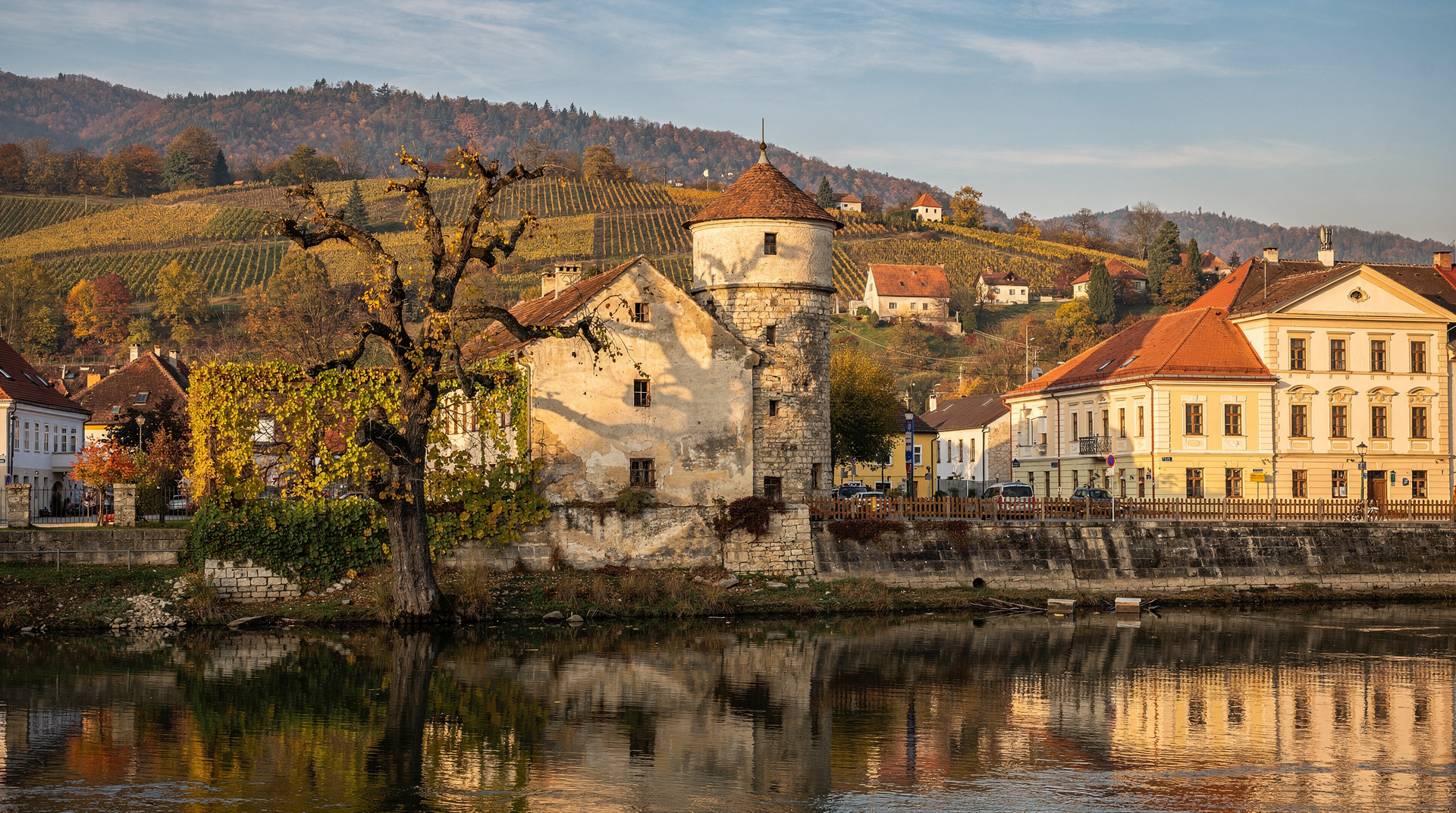
Ptuj (pronounced PTOO-ee) sits on a bend in the Drava river about 30 km southeast of Maribor. It holds the claim to be the oldest continuously inhabited town in Slovenia — the Roman fort Poetovio was established here around 69 AD, and the town has been occupied in some form ever since. The medieval castle on its hill, visible from the motorway bridge, is a familiar silhouette in tourist brochures of eastern Slovenia. Most people drive past it.
| Where | Eastern Slovenia, 30km southeast of Maribor |
| Cost | around EUR 40–90/day |
| Time needed | Half to 1 full day |
| Getting there | Train from Maribor, 30 min, around EUR 3 |
| Best time | May–September; February for Kurentovanje |
That is a mistake. Ptuj repays a half-day easily and rewards a full day if you add the thermal spa 3 km south at Terme Ptuj. The castle museum is among the best in Slovenia. The old town at the base of the castle hill — a single main street, a Dominican priory, Roman stone inscriptions built into house walls — has the unhurried quality of a place that does not need to perform for visitors. And Ptuj makes the best wine claim in eastern Slovenia: the Haloze hills just to the south produce some serious Šipon (Furmint) and Pinot Blanc.
The castle and its museum
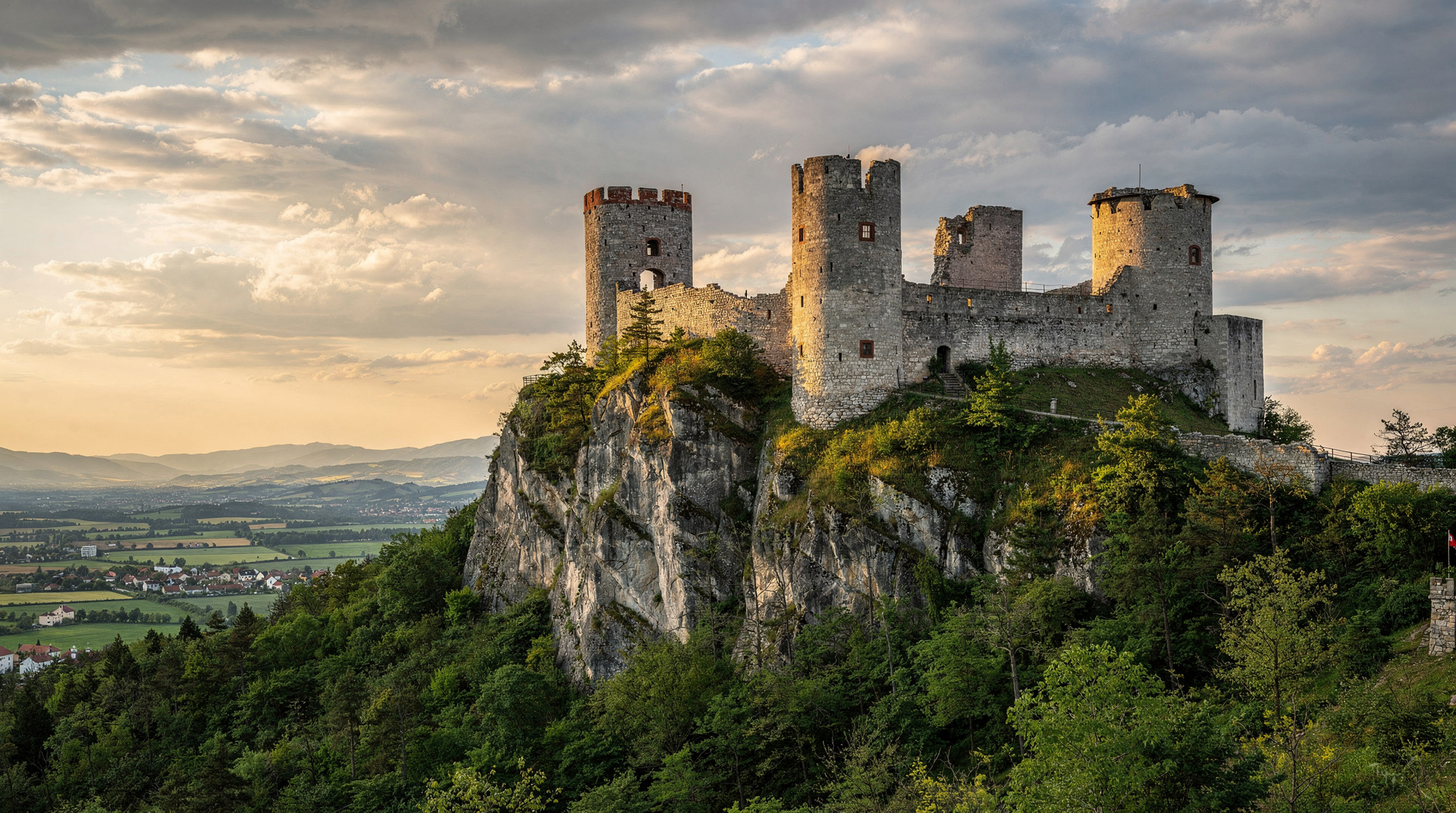
Ptuj Castle (Ptujski grad) is the centrepiece of any visit. The current structure is a composite of medieval fortress, Renaissance courtyard and later additions, built on a Roman fort site at the top of the hill. The castle museum (Pokrajinski muzej Ptuj, entry around EUR 6) contains the best collection of Roman artefacts from the Poetovio excavations in existence, including altars, inscriptions, statues and everyday objects that bring the provincial Roman town to life.
The collection also holds an extraordinary archive of Kurent carnival costumes and objects — masks, bells, sheepskin suits — which is worth a look even outside carnival season. The weapons and armour section covers eastern Slovenia’s complex medieval history. Allow 1.5–2 hours in the museum; the courtyard and views from the ramparts are included in the ticket price.
The walk up from the old town takes about 15 minutes through steep cobbled streets. There are several places to rest and look back over the Drava valley on the way up.
Kurentovanje carnival
Every February, Ptuj holds the Kurentovanje carnival, one of the most distinctive folk festivals in central Europe. The Kurent — a figure in shaggy sheepskin, wearing a feathered mask and carrying a chain of cowbells — is the central symbol: an ancient ritual figure believed to chase away winter. Groups of Kurenti (the plural) move through the town in procession, ringing their bells, accompanied by other traditional masked characters.
The carnival runs for about two weeks before Shrove Tuesday and draws crowds of 80,000–100,000 people. If you are in Slovenia in February, making the train trip from Maribor (30 minutes) to see even part of the carnival is strongly recommended. Accommodation in Ptuj books out a year in advance for the main weekend; Maribor is the practical base for day-trippers.
The old town
The old town occupies the flat ground between the castle hill and the Drava. The main street (Slovenskega brega and Prešernova ulica) is lined with townhouses from the 16th through 19th centuries, with Roman stone fragments worked into walls and thresholds. The 12th-century Church of St George has a carved Romanesque portal. The Dominican priory at the western end of the old town now houses a concert hall and is occasionally open for visits.
The Orpheus Monument — a 1st-century Roman tombstone carved with mythological scenes, standing in the middle of Slomškov trg — is one of the best-preserved Roman sculptures in Slovenia and routinely overlooked. Worth two minutes of anyone’s time.
A combined city and chocolate tour is a good option if you want structured context for the history: a Ptuj city and chocolate experience tour pairs a walking introduction to the old town and castle with a stop at a local artisan chocolate producer — the Ptuj region has a small but genuine confectionery tradition. This is a practical choice for visitors who want the history explained rather than having to piece it together from museum labels.
Wine in the Haloze hills
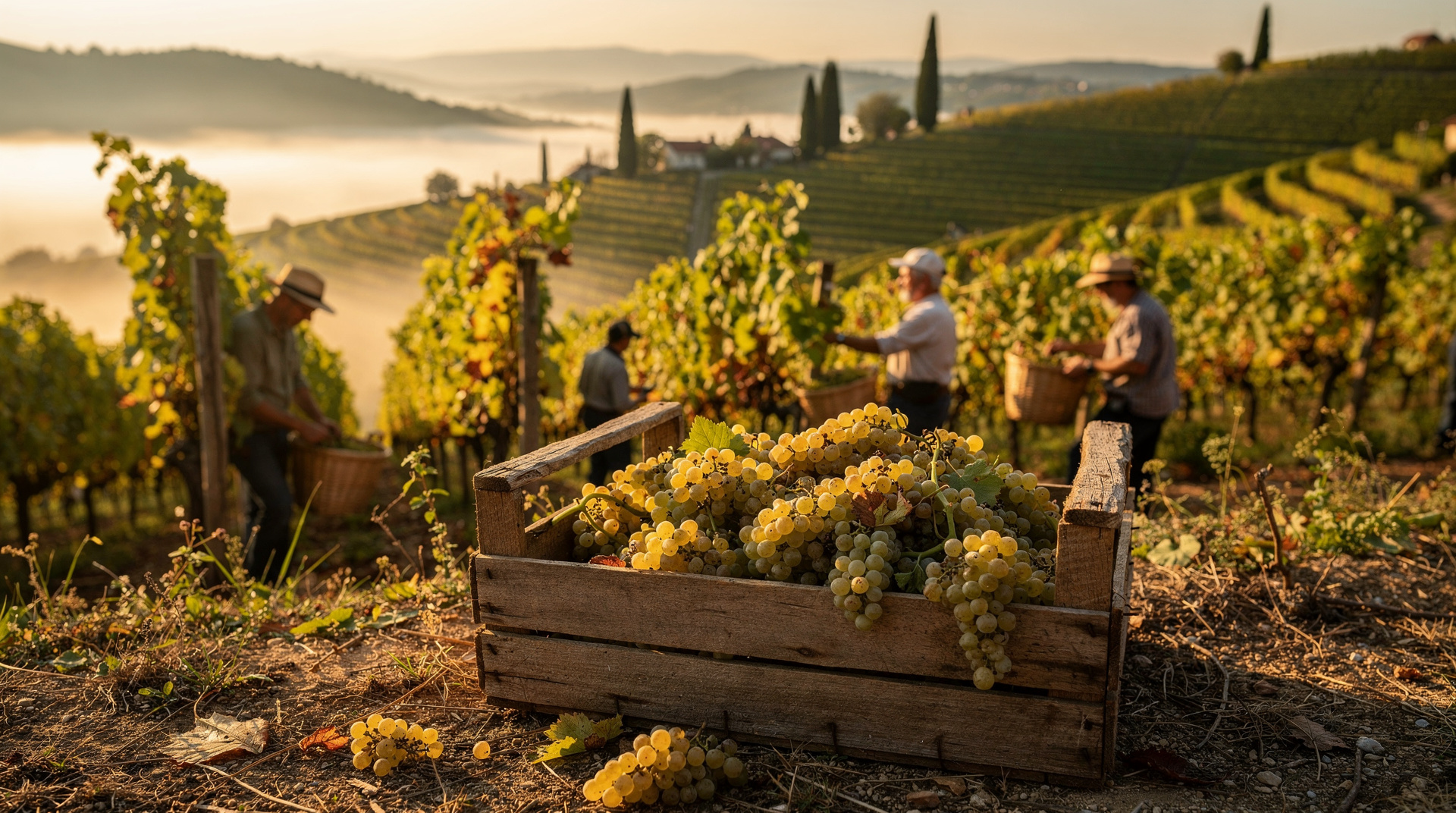
The Haloze (HAH-lo-ze) hills begin just south of Ptuj — a landscape of steep, narrow ridges and valleys running southeast towards the Croatian border, covered in vineyards. The main varieties here are Šipon (Slovenia’s name for Furmint — the same grape used for Tokaji in Hungary), Laški Rizling, and Chardonnay. The Haloze style tends towards leaner, more mineral wines than the richer whites from the Maribor hills.
A handful of smaller producers welcome visitors: Kmetija Goričan and Vinarstvo Jančič are two worth calling. Most cellars are open for tasting without appointment on weekdays; weekends require a call ahead. Prices at cellar door: EUR 6–12 per bottle for serious wine.
The Jeruzalem wine road, about 35 km east of Ptuj, is the other significant wine destination in this part of eastern Slovenia — the Jeruzalem-Ormož hills produce Šipon and Renski Rizling at a quality level that regularly surprises visitors who arrive with low expectations.
Where to eat
Gostilna Ribič (Dravska ulica 9) on the Drava embankment is the standard recommendation for traditional food in Ptuj: freshwater fish from the Drava (pike perch, carp, trout), roast meats, and local wine. Mains EUR 12–18. The terrace over the river is the best dining location in the city.
Gostilna Amadeus (Prešernova ulica 36) is a more formal option in a restored old-town house: three-course lunches in the EUR 18–28 range, local game in season, a wine list focused on Haloze and Jeruzalem wines.
Panorama at the castle is the castle cafe and light-meal restaurant — overpriced for the food but unbeatable for the view. Coffee and cake here while looking over the Drava is a reasonable trade.
The covered market near the main square is open mornings and has good local produce — apples, walnuts, honey, smoked cheese.
Getting there
By train from Maribor: roughly every hour, journey 30 minutes, around EUR 3 one way. The station in Ptuj is 10 minutes’ walk from the old town centre.
By bus: buses also connect Ptuj with Maribor and with Celje. The bus station is near the train station.
By car: from Maribor, take the regional road via Starše (not the motorway) — about 30 minutes and significantly more scenic. From Ljubljana, Ptuj is about 2 hours via the A1 and then the A4 motorway east.
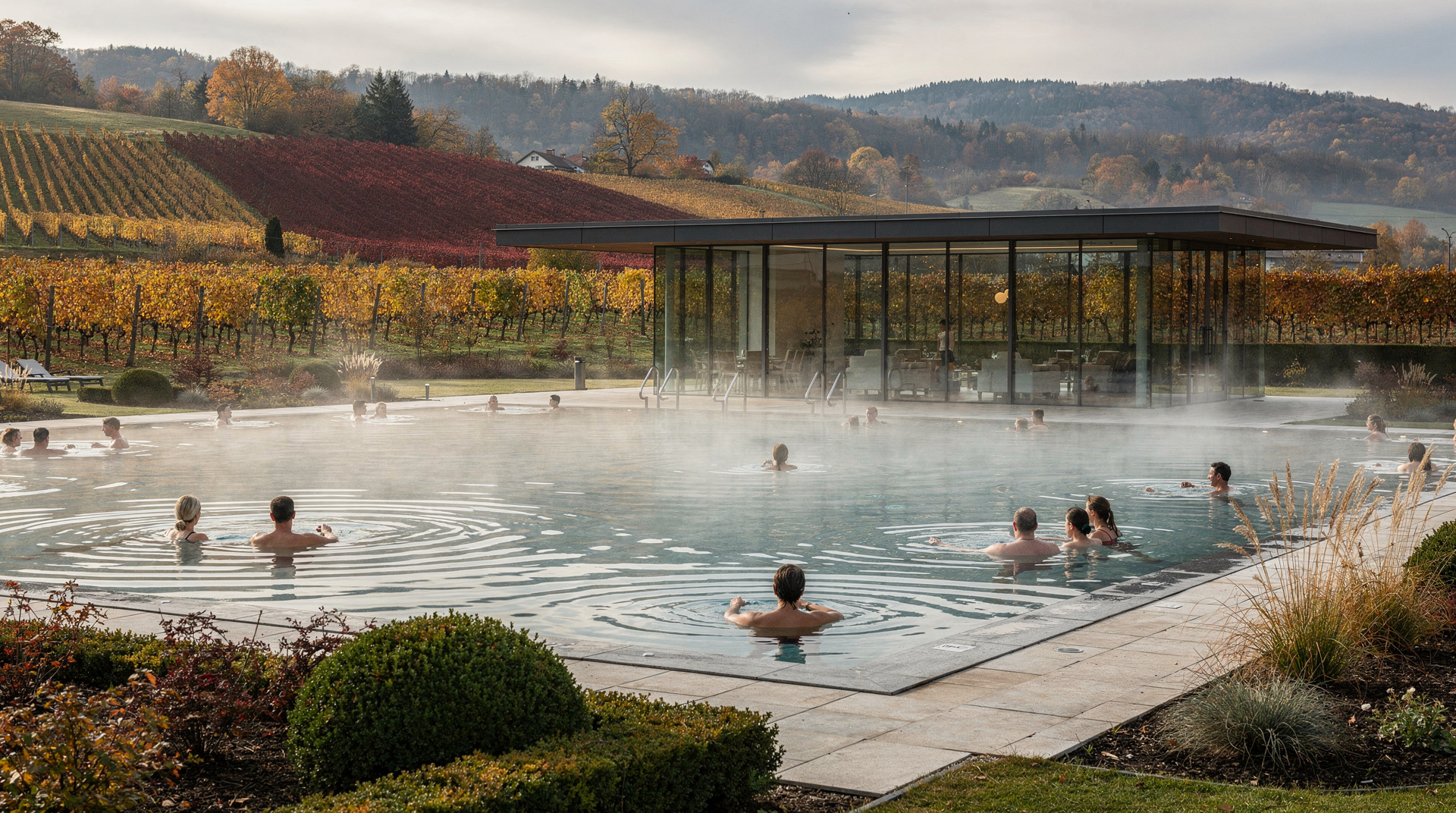
Terme Ptuj: the large spa complex at Terme Ptuj is 3 km south of the old town by taxi or a 35-minute walk along the Drava. Day-entry prices are listed on the official Sava Hotels & Resorts website; the indoor thermal park is closed for renovation from 17 August to 15 December 2026, while the outdoor section stays open until 30 September 2026. This is a practical half-day add-on, particularly if you have children or are in the area for more than one day. See the thermal spas guide for a full comparison of Slovenia’s spa resorts.
Combining Ptuj with Maribor
The obvious combination is a day trip from Maribor: train to Ptuj in the morning, castle and old town before lunch, lunch at Ribič, afternoon at Terme Ptuj or walking the Haloze wine road, train back to Maribor for dinner. This works well and requires minimal planning.
If you are building a longer eastern Slovenia itinerary, the sequence Maribor (2 nights) — Ptuj (half day) — Celje (1 night) — back towards Ljubljana covers the main eastern destinations in four days with a car. See the getting around Slovenia guide for practical logistics.
Honest advice
Ptuj is small enough that first-time visitors sometimes feel they have used it up in two hours. The trick is to slow down: spend more time in the castle museum (it rewards attention), walk down to the Drava embankment for lunch, and then take the afternoon at the Terme spa or drive out to the Haloze hills. The town has no hidden layers of nightlife or cafe culture — it is what it appears to be, and that is enough.
The Kurentovanje carnival is genuinely worth planning a trip around if you can be in Slovenia in February. It is one of the few folk festivals in the country that has not become a Disneyland version of itself; the traditional costumes and rituals are still taken seriously by the local families who maintain them. A Maribor and wine country guided experience from Maribor can incorporate a Ptuj stop as part of a wider eastern Slovenia day.
More of the Roman city
The Roman history of Ptuj — ancient Poetovio — is deeper than the castle museum alone conveys. Poetovio was one of the most important Roman cities on the Danube frontier: a legionary base, a trading hub, and a religious centre for the cult of Mithras, a soldier’s mystery religion that spread from Persia through the Roman army. Four Mithras shrines have been excavated at Ptuj — more than at any other single site in the empire. The most significant finds are in the castle museum, but walking the streets of the old town, you are literally walking over a Roman city. The pedestrian area around Prešernova ulica follows the line of a Roman street.
The Dominican Monastery Museum (at the western end of the old town) holds additional Roman artefacts and medieval manuscripts in a quieter setting than the castle. Entry is included with the combined Ptuj museum ticket (EUR 8 for combined castle and Dominican monastery, around EUR 12 for the full pass including the Dominican concert hall events).
The Ptuj Archaeological Park concept — slowly being developed to surface and interpret the Roman remains — has resulted in some pavement-level displays showing original Roman stonework in situ. Not dramatic on their own, but significant if you understand what is underneath.
Ptuj with children
Ptuj is a manageable half-day for families, and the castle museum’s Kurentovanje costume collection — shaggy sheepskin suits, feathered masks, strings of cowbells — tends to grab children’s attention more readily than the Roman stonework does. The climb from the old town to the castle is short but genuinely steep, so factor in extra time or a rest stop with a pram. Terme Ptuj, 3km south, is the more obviously child-friendly half-day add-on if the museum alone doesn’t fill the afternoon — most pools have dedicated shallow sections for younger swimmers.
Where to stay
Ptuj is predominantly a day-trip destination and the accommodation offer is limited compared with Maribor. The best-positioned option is the Muzejski hotel (Grajska ulica, below the castle) — a small, renovated hotel with clean rooms and a good breakfast, EUR 75–110/night for a double. The Hotel Mitra (Prešernova ulica) is a long-established option in a historic building, slightly more expensive.
For something different, Terme Ptuj (3 km south of the old town) has hotel rooms attached to the spa complex. These are primarily oriented towards multi-day spa guests but are available for single nights; check current rates on the official Sava Hotels & Resorts website.
During Kurentovanje: accommodation in Ptuj itself books out a year in advance for the main carnival weekend. Maribor (30 minutes by train) is the practical alternative — book early there too.
See the best time to visit Slovenia guide for the February carnival timing and for summer seasonal advice across eastern Slovenia.
Ptuj versus Maribor and Celje: half-day priorities
| Ptuj | Maribor | Celje | |
|---|---|---|---|
| Signature draw | Roman history, Kurentovanje | Old Vine, wine cellars | Medieval castle |
| Time needed | Half to 1 day | 2–3 days | 1 day |
| Best paired with | Maribor (30 min away) | Ptuj, Jeruzalem wine hills | Logar Valley, Maribor |
| Crowds | Low outside carnival | Low–moderate | Low |
| Standout month | February (carnival) | May–June, Sept–Oct | May–June, Sept–Oct |
If you only have one spare half-day in eastern Slovenia beyond a Maribor base, Ptuj is the stronger choice over Celje for most visitors — the Roman collection and the old-town atmosphere give it more to see in a compressed visit, though Celje’s castle is better preserved for those specifically chasing castle architecture.
A realistic half-day plan
Arrive by mid-morning train from Maribor, walk up to the castle for the museum (allow 1.5–2 hours), come down for lunch at Gostilna Ribič on the Drava embankment, then spend the early afternoon either at Terme Ptuj or on a short walk through the Haloze wine road if you have a car. Return to Maribor for dinner. This pacing captures the town’s genuine highlights without the rushed feeling that a shorter visit produces.
Planning around Ptuj
A few companion pages help you shape the visit. The Ptuj oldest town guide goes deeper on the Roman and medieval layers of the old town, and the Maribor city guide covers the base most day-trippers use. If the train timetable is what worries you, the trains in Slovenia guide and the public transport guide explain how to read the network without stress.
For the food and wine side of the day, the gostilna traditional dining guide explains what to expect from a family-run inn like the ones on the Drava embankment, while the Slovenian wine guide and the wine regions guide place the Haloze and Jeruzalem hills in the wider picture. Castle enthusiasts can compare Ptuj with the other fortresses in the Slovenian castles guide, and anyone leaning towards the spa afternoon should read the best thermal spas guide and the thermal spas destination page before choosing a package.
Top experiences
Bookable activities with verified prices and instant confirmation on GetYourGuide.