Thermal spas in Slovenia: the complete guide to the best terme complexes
Maribor: guided old town tour, medieval to modern
What are the best thermal spas in Slovenia?
Terme Čatež (near Brežice) is the largest and most comprehensive. Terme Olimia (near Podčetrtek) is the most scenically located. Terme Radenci is known for mineral-rich water with specific therapeutic properties. All three offer outdoor and indoor pools, accommodation and full wellness programmes. Day visitor access is available at all major complexes.
Thermal spas in Slovenia: a genuine wellness tradition
Slovenia has a remarkable density of thermal spa complexes for a country of 2 million people. The explanation lies in geology: the country sits above a network of thermal aquifers, particularly in the eastern Pannonian Basin and the Karst margins, where naturally heated mineral water rises to the surface at temperatures between 25°C and 70°C. These springs have been used therapeutically for centuries — the Romans bathed here, the Habsburgs institutionalised the practice in the 19th century, and the socialist period built large public complexes around the most significant springs.
| Best overall | Terme Čatež (largest and most comprehensive) |
| Best scenery | Terme Olimia (Kozjansko valley setting) |
| Best for a therapeutic focus | Terme Radenci (mineral-rich CO2 water) |
| Closest to Ljubljana | Terme Snovik (about 45 minutes) |
| Day entry cost | See the official website of each complex |
| Best season | Late autumn and winter for the outdoor pools |
The result is a tradition of thermal spa culture that is embedded in everyday Slovenian life in a way that is unusual in Western Europe. Going to the “terme” is a normal weekend activity for Slovenian families, not a luxury spa break. This means the complexes are generally accessible, unpretentious and excellent value by international wellness standards.
If you are still shaping the wider trip, the thermal spas destination page maps where the springs sit, and when to visit Slovenia and Slovenia in winter help you decide which season suits a terme stop best. A spa day also works as a rest day between more demanding plans such as Slovenia’s best hikes.
The main thermal spa complexes
Terme Čatež (near Brežice, eastern Slovenia)
Terme Čatež is the largest thermal complex in Slovenia and one of the largest in Central Europe. Located near Brežice on the Sava river, approximately 1h15 east of Ljubljana, it offers an enormous range of facilities across both indoor and outdoor pools.
The water: The thermal spring at Čatež emerges at around 36°C and is rich in sodium, calcium and magnesium. The outdoor summer pools reach up to 36°C; the winter outdoor area maintains temperatures of 32–36°C year-round.
Facilities:
- Summer water park (June–September): Wave pools, slides, outdoor thermal pools, leisure areas
- Winter thermal riviera (year-round): Covered outdoor pools, heated to 32–36°C, operational in all weather
- Indoor sports hall, saunas, steam rooms
- Hotel accommodation (four hotels within the complex: 4-star, 3-star and family options)
- Restaurants and café facilities
Day entry price: depends on season and pool access selected; see the official Terme Čatež website for current adult and children’s rates.
Best for: Families, those wanting the largest pool variety, day trips from Ljubljana. Parents planning around children will find more ideas in the Slovenia for families guide and the 5-day family itinerary.
Weakness: Can be busy on summer weekends; the scale makes it feel less intimate than smaller complexes.
Terme Olimia (near Podčetrtek, Kozjansko region)
Terme Olimia is widely considered the most scenically positioned thermal spa in Slovenia. The complex sits in the Olimje valley, surrounded by gentle hills and the ruins of a 12th-century Olimje castle. The setting is genuinely beautiful — wooded hills, river valley, traditional countryside.
The water: The thermal spring at Olimia is around 34°C at source, sulphur-rich and with documented therapeutic properties for skin and joint conditions.
Facilities:
- Aqualuna water park: Multiple outdoor and indoor pools, including children’s areas, slides and thermal pools up to 36°C
- Termalija adults-only thermal area (18+ only): Quieter, more wellness-oriented pools and saunas
- Full spa with treatments: massages, body wraps, facials, mud baths
- Hotel accommodation (Sotelia and Breza hotels, both 4-star)
Day entry price: depends on season and area accessed; see the official Terme Olimia website for current rates. The Termalija adults-only area costs extra.
Best for: Couples, adults seeking a relaxed atmosphere, those combining wellness with the Kozjansko wine region. If wine is part of the appeal, the Slovenian wine guide and the overview of wine regions in Slovenia show how to build a tasting around the stay.
Note: Terme Olimia is approximately 1h30 southeast of Ljubljana — too far for a half-day trip, worth combining with a night’s stay or a multi-day eastern Slovenia itinerary.
Terme Radenci (near Radenci, northeastern Slovenia)
Terme Radenci is known specifically for its highly mineralised CO2-rich spring water — the same water sold commercially as “Radenska” (the iconic three-heart brand), one of the most widely consumed mineral waters in the former Yugoslavia. The spa tradition here is the oldest continuous one in the country.
The water: The springs at Radenci are naturally carbonated and rich in iron, magnesium and CO2. The therapeutic use focuses particularly on cardiovascular and circulation conditions, and the complex maintains a medical wellness programme alongside recreational facilities.
Facilities:
- Thermal pools (indoor and outdoor), 28–36°C
- Medical wellness centre with formal health programmes
- Saunas and relaxation areas
- Hotel accommodation (Radin hotel complex)
Day entry price: see the official Terme Radenci website for current rates.
Best for: Those specifically seeking the mineral-water therapeutic tradition; combined with Maribor or Ptuj on an eastern Slovenia itinerary. The Maribor city guide and Ptuj, the oldest town cover the sightseeing side, with the Maribor and Ptuj destination pages for orientation.
Terme Laško (Laško, central Slovenia)
Located in the hop-growing Savinja valley (Laško is also famous for its beer, the Laško Pivo brewery), Terme Laško combines thermal spa facilities with a pleasant small-town setting.
The water: Laško’s thermal spring is 34°C, rich in sodium, calcium and bicarbonate.
Facilities: Indoor and outdoor thermal pools, sauna world, sports facilities, hotel accommodation.
Day entry price: see the official Terme Laško website for current rates.
Best for: Those combining with the Savinja valley or Celje on a central Slovenia tour. The Celje destination page and the Celje Old Castle guide give you the town-side plan.
Terme Snovik (near Kamnik)
The closest major spa to Ljubljana (45 minutes), set in the Kamniška Bistrica valley with views toward the Kamnik-Savinja Alps. A smaller, quieter complex — less comprehensive than Čatež or Olimia but convenient. Combine it with a look around Kamnik for a relaxed day out of the capital.
Best for: Day trips from Ljubljana when the larger complexes feel too far.
The sauna culture
Slovenian spa complexes have strong sauna traditions. The main complexes all offer:
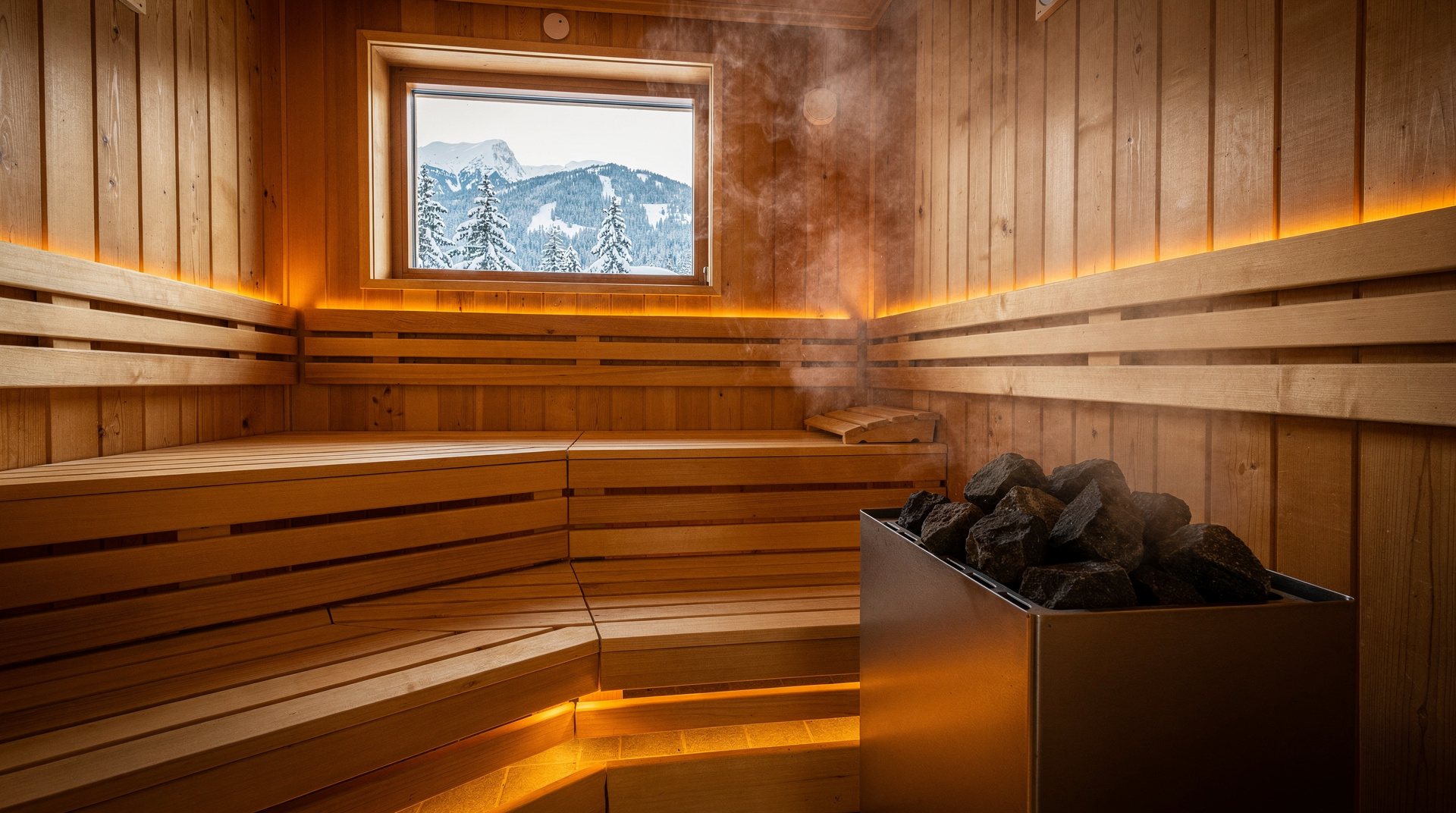
- Finnish-style dry saunas at 80–90°C
- Soft saunas (bio saunas) at 55–65°C
- Steam rooms
- Cold plunge pools
- Relaxation rooms
Nudity is standard in Slovenian saunas (wearing a towel is the norm; swimwear is not worn in sauna areas). The sauna areas at most complexes are mixed-gender unless specifically noted. See the saunas guide for more on sauna culture.
What to expect as a day visitor
Arriving: Purchase your day entry ticket at the reception desk. You will typically receive a wristband (often electronically encoded) for locker access and sometimes a contactless payment system within the complex.
Lockers: Changing rooms with lockers are the norm. Large lockers accommodate clothes and a day bag; bring a padlock or use the built-in system.
Pool etiquette: Shower before entering pools (required and enforced at most complexes). Swimcaps are mandatory in some indoor pools — check before you go.
Food and drink: Most complexes have restaurants and snack bars. Bringing your own food and drink is sometimes permitted in outdoor areas but generally restricted indoors. Check the specific complex rules.
Duration: A satisfying day visit runs 4–5 hours including pool time, sauna sessions and lunch. Some visitors stay longer; the all-day nature of the ticket makes extended stays viable.
Thermal spas in winter
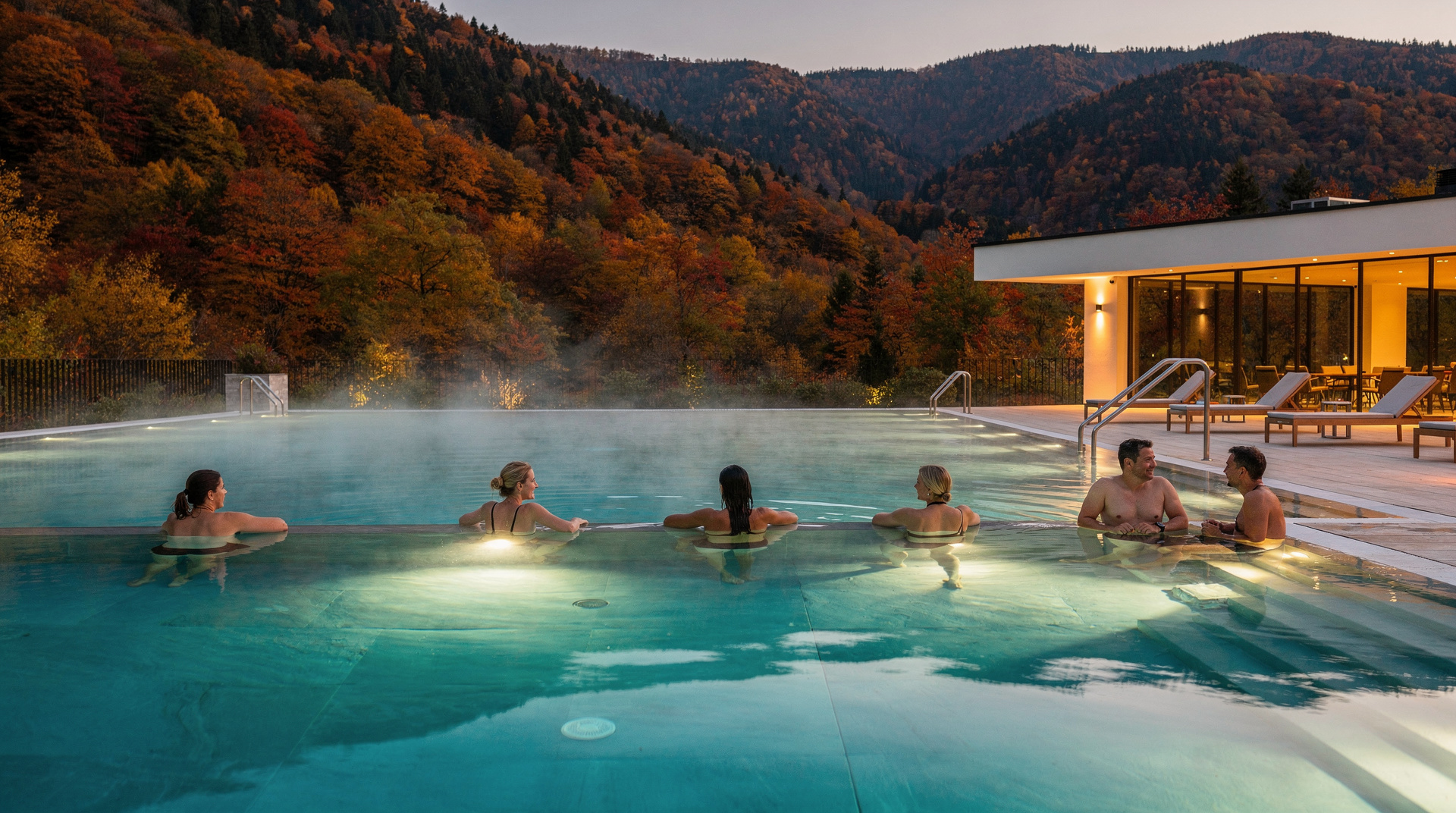
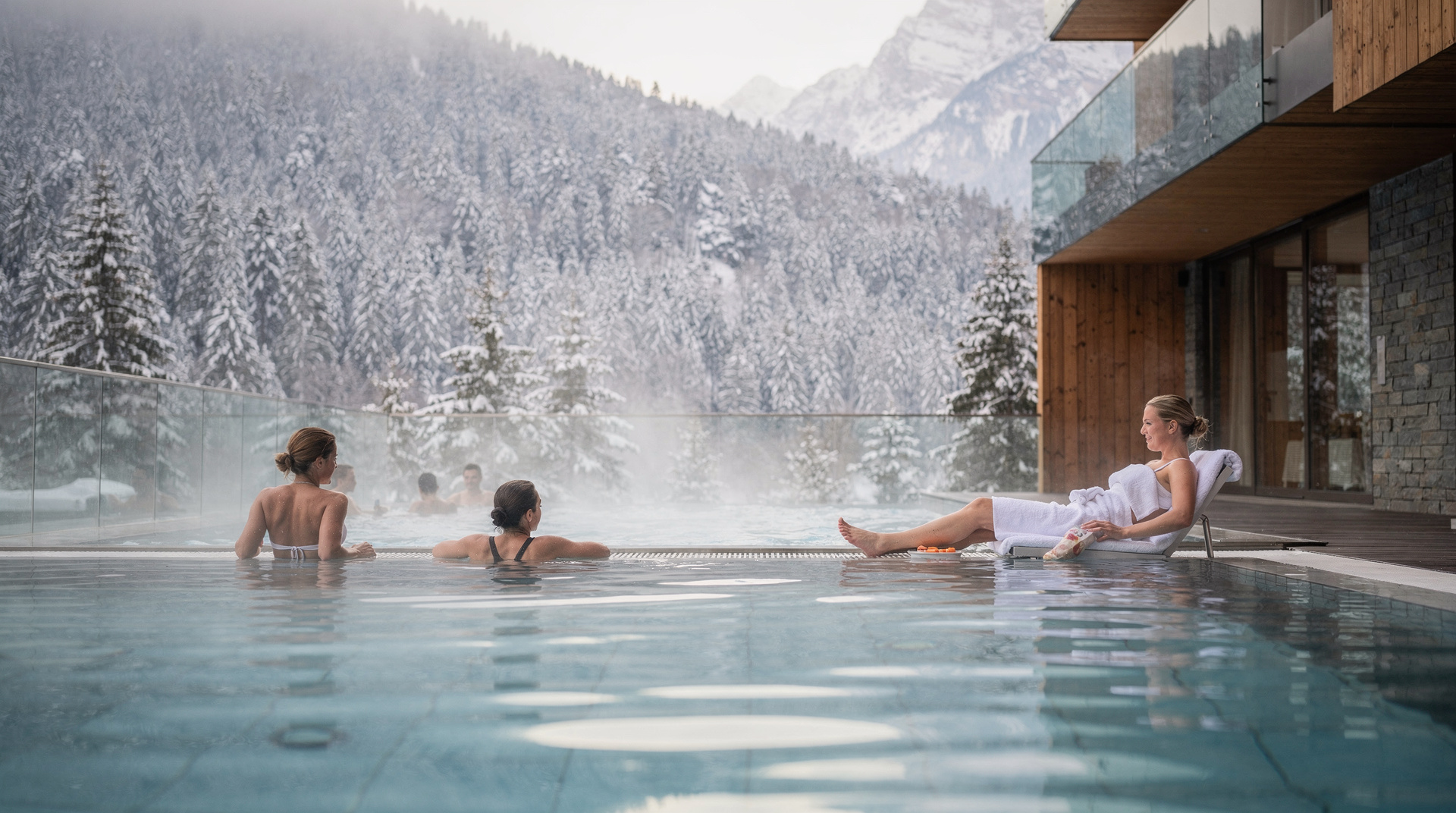
The outdoor thermal pools are particularly atmospheric in cold weather. At Terme Čatež’s winter thermal riviera, you can swim outdoors in 34°C water while snow falls — an experience that is genuinely distinctive and one that the summer beach season cannot replicate.
December, January and February are excellent months for thermal spa visits. Crowds are significantly lower than in July–August. The prices are typically at their lowest. And the sensory contrast of warm water and cold air is one of the simpler pleasures of Slovenian winter. See Slovenia in winter activities guide for how to combine spa visits with other winter activities.
Planning your visit
Transport: Most Slovenian thermal spas are in rural areas not well-served by public transport. A car is strongly recommended. Exceptions: Terme Laško is accessible by train from Ljubljana (45 minutes).
If you drive, read the car rental guide and the vignette and driving rules before you set off. Without a car, the trains in Slovenia and getting around Slovenia guides explain what is realistic.
Accommodation at the spa: Staying overnight at the spa complex is a common approach and removes the transport issue. Most of the main complexes have 3–4 star hotels within the resort perimeter. Multi-night “wellness packages” (including entry, accommodation and some treatments) are widely available and represent good value.
Combination itineraries:
- Terme Čatež + Brežice Castle and the Posavje wine region: 1–2 nights east of Ljubljana
- Terme Olimia + Ptuj (oldest town in Slovenia) + Maribor: 2–3 days in eastern Slovenia
- Terme Radenci + Murska Sobota + Prekmurje cuisine: northeast Slovenia weekend
On the eastern route, a rest day between pool sessions works well with a guided walk through Maribor’s old town, which gives the trip some context beyond the water. If you want another low-effort outing between soaks, a wine tasting in Maribor suits the slow pace of a spa break.
The history of Slovenia’s thermal spa tradition
The therapeutic use of Slovenia’s thermal springs has a long history. Roman-era settlements near several spring sites (Ptuj, Laško) suggest the springs were known and used in antiquity. The organised spa tradition began in earnest in the 19th century under the Habsburg Empire, which treated mineral spring towns as health resorts (Kurorte) — places where the urban middle classes could retreat for weeks of mineralwater treatments.
The Habsburg-era spa culture produced the architectural heritage of places like Rogaška Slatina (famous for its Donat Mg water, one of the most magnesium-rich waters in the world) and the original facilities at Radenci. These early resorts catered to patients with specific medical conditions — gout, rheumatism, skin diseases — and were overseen by resident physicians.
In the socialist period (1945–1991), the terme were nationalised and reoriented toward mass recreational use. The large Terme Čatež complex was developed in this era, as were facilities at Laško, Olimia and Dobrna. The philosophy shifted from medical exclusivity to popular accessibility — terme for everyone, rather than terme for the sick and wealthy. This democratisation is why Slovenian spa culture today is so embedded in everyday life.
Post-independence (1991–present), the complexes have been privatised and modernised. The most successful — Olimia, Čatež — have invested significantly in contemporary wellness facilities. Several have achieved international spa certifications and positioned themselves in the Central European premium wellness market.
Therapeutic properties by complex
Each Slovenian thermal spring has a distinct mineral composition with associated therapeutic traditions:
Čatež: Sodium, calcium, magnesium bicarbonate. Associated with rheumatic conditions, rehabilitation and general relaxation. Water temperature at source: 36°C.
Olimia: Sulphur, calcium, magnesium. The sulphur content is associated with skin conditions and joint health. Characteristic slight egg-sulphur smell in the brine pools.
Radenci: Naturally carbonated, iron-rich, high magnesium. The Donat water tradition of cardiovascular and digestive benefit. CO2 visible as bubbles in the cold-mineral drink.
Laško: Sodium bicarbonate, calcium. Traditionally associated with respiratory conditions and general detoxification.
Snovik: Low-mineralisation spring, primarily used as a recreational thermal pool. Less medically specific than the eastern springs.
These associations are part of the historical and cultural tradition. Modern medical evidence for spa-treatment benefits is more nuanced — the relaxation response, improved circulation from heat, and stress reduction are well-documented; specific curative claims for particular conditions are more contested in current medical literature.
What to pack for a terme visit
Essential items:
- Swimwear (at least two sets — one dries while you wear the other)
- Towel (or hire one at reception)
- Flip-flops or waterproof sandals for walking between pools and saunas
- Sunscreen (for outdoor pools in summer)
- Water bottle (hydration between pool sessions is important)
- Book or e-reader for relaxation periods
Optional but useful:
- Robe (some complexes lend or hire; others do not)
- Waterproof bag for phone and valuables at the pool edge
- Lip balm (the heat and humidity is drying)
Leave at home: Electronics other than a waterproof phone, high-value jewellery (locker theft is rare but possible), and anything you do not want to get wet.
Terme Dobrna: one of the oldest spa towns
Terme Dobrna, near Celje in central Slovenia, claims to be the oldest thermal spa resort in the country — documentary evidence of use dates back to the 15th century, though the tradition is almost certainly older. The complex is smaller and less modern than the major terme but has genuine historical interest.
The water: Dobrna’s spring is a warm (34°C), low-mineralisation thermal water. The therapeutic tradition focuses on rheumatic, nervous and circulatory conditions.
The facilities: Indoor and outdoor thermal pools, a sauna and spa treatment centre, hotel accommodation. The complex has been modernised while retaining some of the historic character of the original buildings.
Day entry: see the official Terme Dobrna website for current rates. The complex is consistently less busy than Čatež or Olimia.
Combining with Celje: Terme Dobrna is 15 minutes from Celje, which has one of Slovenia’s best-preserved medieval castles (Stari grad) and an interesting old town. A half-day at the castle + an afternoon at the terme is a good Celje area day.
Terme Zreče: the Pohorje connection
Terme Zreče is at the foot of the Pohorje massif near Zreče in central-eastern Slovenia. The connection to the Pohorje skiing area (Rogla ski resort) makes it a natural after-ski wellness destination.
The offer: Thermal pools (indoor and outdoor), a well-regarded sauna world, hotel accommodation and easy access to Rogla (15 minutes by car). The combination of a ski day at Rogla and an evening at Terme Zreče is exactly how many Slovenians use the facility in winter.
Day entry: see the official Terme Zreče website for current rates.
Best for: Those combining with Rogla skiing; visitors exploring central-eastern Slovenia beyond the main tourist circuit.
What makes Slovenian thermal spa culture distinctive
It is worth stepping back to consider what makes the Slovenian terme experience distinctive from spa culture in other countries.
Accessibility: Unlike in Western Europe where high-quality spa facilities are mostly hotel-based and expensive, Slovenian terme are fundamentally public facilities. A full thermal spa day at Terme Čatež for a family is a mainstream outing; current rates are on the official Terme Čatež website.
Integration with everyday life: Slovenians visit terme the way people in other countries go to the gym — regularly, without ceremony, as a normal part of maintaining health and wellbeing. The terme are not special-occasion luxury; they are part of the weekly or monthly routine for many Slovenian families.
The medical tradition: The formal medical wellness programmes at complexes like Radenci and Dobrna are part of the Slovenian public healthcare system — treatments can be prescribed and covered by health insurance for qualifying conditions. This medical framing gives the thermal tradition a seriousness that distinguishes it from purely recreational spa culture.
Year-round use: Unlike beach facilities that close in winter, terme operate year-round and are often at their most atmospheric in the cold months. The outdoor pool in winter, the sauna world in January — these are features Slovenians actively seek out in the colder months.
Understanding this cultural context makes the terme experience more meaningful. You are not visiting a tourist attraction; you are participating in a living tradition that has shaped this landscape and its people for centuries.
Day trip vs multi-night terme stay
Most first-time visitors default to thinking of the terme as a day-trip attraction, but the complexes are built around the multi-night stay — the day-visit ticket is really a side option for locals and travellers passing through. If your itinerary allows it, staying 2–3 nights at one complex (see spa resorts in Slovenia for the accommodation side of this) gives a materially better experience than a rushed half-day visit squeezed between other sightseeing.
For those set on a single day, the most efficient options from Ljubljana are Terme Snovik (45 minutes, the closest) or Terme Čatež (1h15, the most complete pool offer). Terme Olimia and Terme Radenci are better suited to an overnight stop given the distance.
For the ranked comparison across all the major complexes, see best thermal spas ranked, and for the specifically Bled-area wellness options, wellness at Lake Bled.
Frequently asked questions about Thermal spas in Slovenia
How much does a day at a Slovenian thermal spa cost?
Day entry to the pool complex (outdoor and indoor) depends on the complex, the season and the day of week; current rates are on the official website of each complex. Children receive discounted entry at all complexes. Spa treatments (massages, wraps, mud baths) are additional and vary by provider and treatment type.When is the best time to visit Slovenian thermal spas?
The outdoor pools are most pleasant in late spring (May–June) and in winter (December–February), when warm water contrasts with cool air. Summer (July–August) is peak season — the pools are busy and prices may be higher. Weekday visits in shoulder season offer the best combination of comfortable conditions, lower prices and manageable crowds.Are Slovenian thermal spas suitable for children?
Yes — the major complexes are specifically family-friendly, with dedicated children's pool areas, slides, lazy rivers and activity pools alongside the quieter adult wellness areas. Terme Čatež and Terme Olimia both have extensive children's facilities. Terme Radenci is slightly more wellness-oriented and quieter.Do you need to book in advance for Slovenian thermal spas?
For day visits, booking in advance is recommended in July, August and during school holiday periods. For hotel stays at the spa complexes, book 4–8 weeks ahead for summer and the Christmas–New Year period. Weekday visits in shoulder season can usually be accommodated without advance booking.Are Slovenian thermal spas medical or purely recreational?
Both. The complexes evolved from genuine therapeutic traditions — the thermal springs have documented mineral compositions and historical use for treating rheumatic, skin and respiratory conditions. Today, the major complexes offer both recreational swimming and formal medical wellness programmes (available on referral from a Slovenian doctor or as private wellness packages).Which thermal spa is closest to Ljubljana?
Terme Snovik (near Kamnik) is the closest major spa to Ljubljana, about 45 minutes north. For a proper full-facility spa complex, Terme Čatež is 1h15 east of Ljubljana and is the recommended choice for a day trip from the capital. Terme Olimia is about 1h30 southeast.What is the water temperature at Slovenian thermal spas?
Pool temperatures vary by pool type. Outdoor thermal pools are typically maintained at 28–36°C. Specific therapy pools can be as hot as 38°C. Indoor leisure pools are usually 28–32°C. Cold plunge pools (for contrast therapy) run at 14–18°C. The natural spring temperature at source varies by location — at Radenci it emerges at around 10°C and is heated; at Čatež the source is 36°C.