Saunas in Slovenia: the culture, the best facilities and what to expect
Triglav National Park: 7 Lakes Valley hiking tour
Is the sauna culture strong in Slovenia?
Yes — Slovenia participates fully in the Central European sauna tradition, which means dedicated sauna worlds at major thermal spa complexes, a culture of alternating hot sauna with cold water or outdoor exposure, and an etiquette that expects you to undress (swimwear is not typically worn in sauna cabins). The best sauna facilities are at Terme Olimia, Terme Čatež and the Bohinj hotel spas.
Saunas in Slovenia: the Central European tradition explained
Slovenia shares the Central European sauna tradition with Austria, Germany, Switzerland and the Czech Republic — a culture where the sauna is not a luxury amenity but a serious wellness practice, available at public thermal complexes and well-integrated into everyday life.
If you have used a sauna in Germany or Austria, Slovenian sauna culture will feel immediately familiar. If you are arriving from a country where spa and sauna are primarily hotel amenities, this guide explains what to expect and where to find the best experiences.
| Best overall | Terme Olimia (Termalija, 18+ zone) |
| Most atmospheric | Lake Bohinj outdoor wood-fired saunas |
| Cost | see the official Termalija website |
| Clothing | Nudity standard inside sauna cabins; swimwear in transition areas |
| Booking | Usually walk-in; book ahead for Bohinj outdoor sauna sessions |
The sauna tradition in Slovenia
The sauna culture in Slovenia has two distinct roots: the imported Finnish sauna tradition (widespread across Central Europe from the mid-20th century) and the thermal spa tradition of the eastern Pannonian region, where warm mineral springs have long been combined with heat treatments.
The result is a sauna culture that values the full thermal cycle: heat (sauna cabin, 80–95°C), cold exposure (cold plunge pool, outdoor shower or even a lake or river), and rest (relaxation room or terrace). This cycle, repeated 2–4 times in a session, is considered the foundation of the health benefit. Slovenian sauna users know this and practise it — the terme complexes are designed around the cycle.
Aufguss: The German practice of pouring water mixed with essential oils onto the sauna stones to create a burst of steam and scent is common in Slovenian saunas. Planned Aufguss ceremonies (the sauna master waves towels to distribute the heat evenly) occur at some complexes on a schedule — check the programme board at the entry to the sauna world.
The best sauna facilities in Slovenia
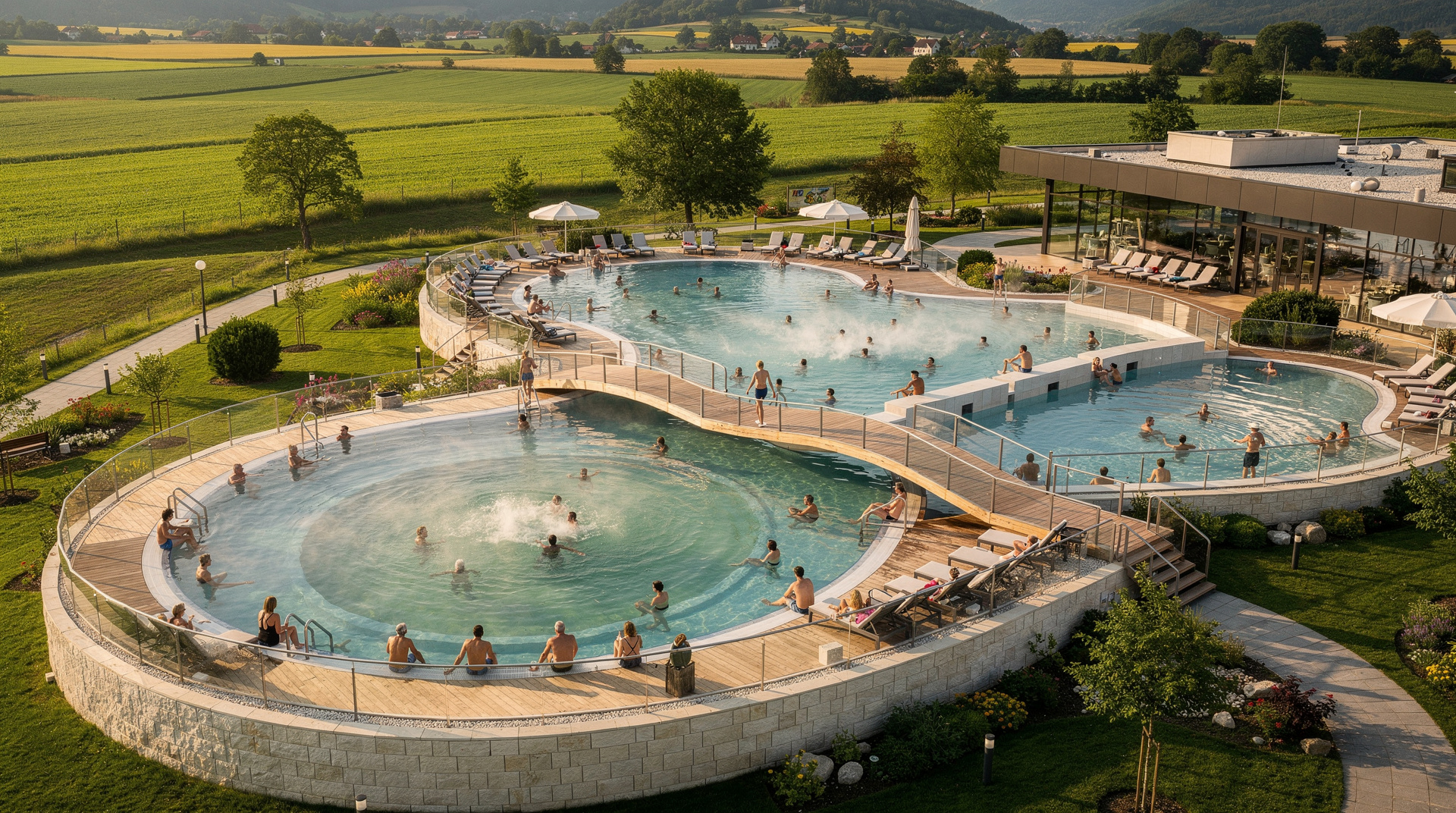
Terme Olimia — Termalija adults-only wellness area
The benchmark for sauna quality in Slovenia. The Termalija zone (18+) at Terme Olimia near Podčetrtek is a purpose-designed wellness environment with:
- Finnish sauna (85–90°C): spacious, wood-lined, with Aufguss ceremonies on a schedule
- Bio-sauna (55–60°C): gentler, with essential oil infusions
- Steam room: high humidity, lower temperature
- Herbal steam room: with locally sourced herb infusions
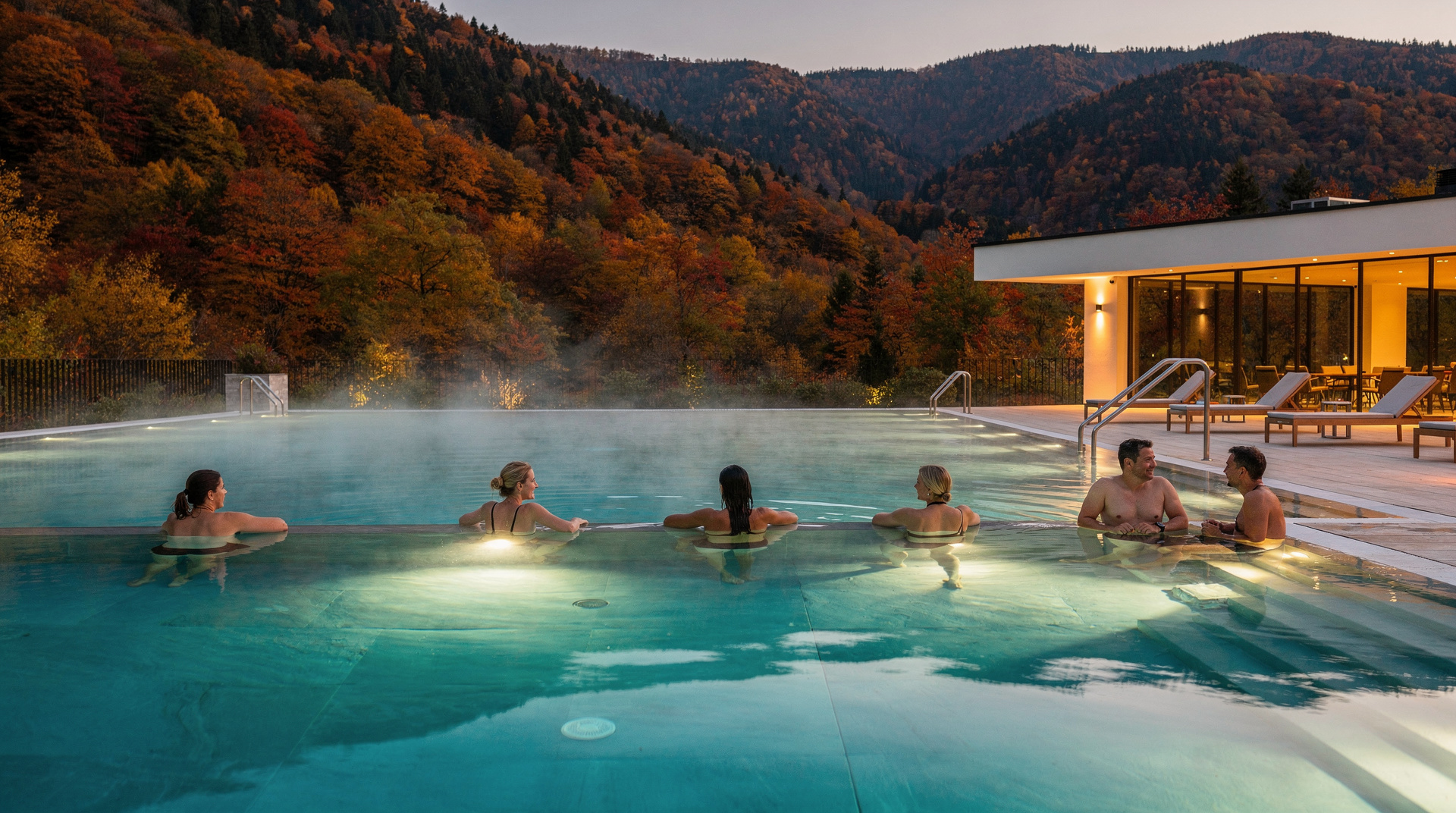
- Outdoor cold plunge pool with views to the surrounding hills
- Outdoor relaxation sun loungers (heated when in use)
- Indoor relaxation room with daybeds
- Treatment rooms for massages and wraps
The overall design is thoughtful — the transition areas between sauna and cold exposure are well-planned, the relaxation spaces have the quiet atmosphere that sauna culture requires, and the 18+ restriction keeps the area genuinely adult-oriented. Day entry to Termalija including sauna access is listed on the official Termalija website.
Terme Čatež — sauna world
A larger sauna complex than Olimia’s Termalija, with more cabin types but a somewhat more industrial feel given the scale of the overall complex. Multiple sauna types are available; the outdoor cold pool is large; the relaxation area is adequate if slightly generic. Well-maintained and comprehensive, if less atmospheric than Olimia.
Included in the general day entry at Terme Čatež.
Terme Radenci
A solid sauna facility in the traditional Central European style. Finnish sauna, bio-sauna and steam room are all available. Less architecturally impressive than Olimia but well-maintained. The mineral-rich Radenci water provides a distinctive cold plunge experience.
Hotel and boutique spa saunas
Most quality hotels in Slovenia (3-star and above) have at least a basic sauna and steam room. Notable hotel saunas:
- Grand Hotel Toplice, Bled: Sauna facilities included for hotel guests, combined with the thermal pool.
- Rikli Balance Hotel, Bled: A sauna world as part of the spa complex.
- Kempinski Palace, Portorož: Full sauna and steam facilities at the hotel spa.
These hotel saunas are smaller and more private than the terme complexes and are available to hotel guests (sometimes with a supplement). Day visitor access is not typically offered.
The Lake Bohinj outdoor sauna experience
Lake Bohinj offers something that the terme complexes cannot: a wood-fired outdoor sauna combined with direct lake access. Several accommodations in the Bohinj valley — including some mountain chalets, eco-lodges and lakeside guesthouses — have barrel saunas or traditional outdoor saunas on their property.
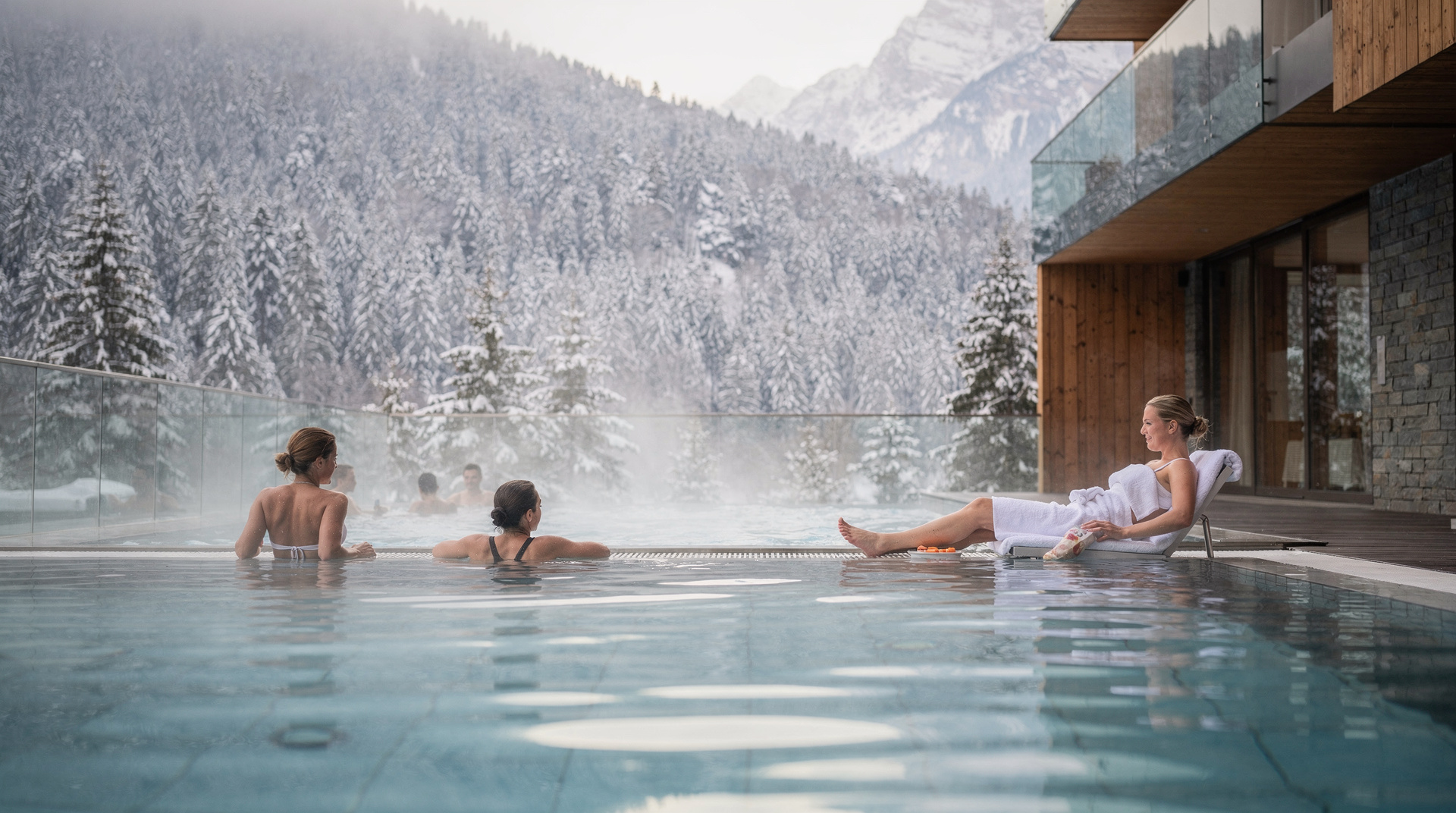
The experience is simple and genuinely exceptional: a wood-heated sauna to 80–85°C, then straight into Lake Bohinj — which is glacier-fed and even in August typically only 18–20°C. The thermal shock of moving from intense heat to ice-cold alpine lake water is visceral and deeply pleasant in a way that no hotel cold plunge pool fully replicates.
This is the most distinctly “Slovenian Alps” wellness experience available in the country. To find it:
- Search for accommodation in Bohinjska Bistrica, Stara Fužina or around the lake with “savna” or “sauna” in the facilities description
- Some operators offer sauna sessions as standalone experiences without accommodation
- Book in advance, particularly in winter — the outdoor sauna + cold lake combination is most popular November to April
Sauna etiquette in Slovenia
For visitors new to the Central European sauna tradition, a brief etiquette guide:
Clothing: In dedicated sauna worlds at terme, nudity inside the sauna cabin is standard. Bring your own towel (large enough to sit on) or hire one at the complex. Swimwear is typically worn in the transition zones between cabin and cold pool.
The towel rule: Always sit on your towel inside the sauna — never bare skin on the wood. This is non-negotiable etiquette and is enforced.
Silence: Most sauna cabins are quiet spaces. Whispered conversation is acceptable; loud talking or phone use is not.
The cycle: Heat exposure in the cabin (8–15 minutes), then cold exposure (cold pool, outdoor shower or cool room), then rest (relaxation area, 15–30 minutes). Repeat 2–4 times. Rushing this cycle defeats the physiological purpose.
Hydration: Drink water before, between and after sauna sessions. Most complexes have water dispensers in or near the relaxation areas. Do not drink alcohol during sauna use.
Children: Many sauna worlds in Slovenia are 18+ only (check before bringing children). Where children are permitted, they use the same etiquette as adults.
The health case for sauna use
Slovenia’s thermal spa complexes take the health benefits of sauna seriously — this is consistent with the broader Central European medical tradition rather than wellness marketing. Documented effects of regular sauna use include improved cardiovascular function, reduced blood pressure, stress reduction and improved sleep quality. The cold-water exposure component (cold plunge or cold shower) provides its own physiological benefits — improved circulation, reduced inflammation markers.
This is not to overstate what a single sauna session delivers. The benefits are cumulative for regular users. But even a one-off sauna session at the end of a walking holiday, done correctly (two or three full cycles), produces a notably different level of physical relaxation than a standard shower and bed.
Aufguss ceremonies at Slovenian saunas
The Aufguss (pronounced “owf-goos”) is a German-tradition sauna ritual that has spread throughout Central Europe and is found at most quality Slovenian sauna facilities.
In an Aufguss ceremony, a trained sauna master enters the sauna cabin with a bucket of water infused with essential oils. They ladle the water onto the heated stones, releasing a burst of aromatic steam. The master then waves a large towel in a specific pattern to circulate the intensified heat evenly around the cabin. The result is a significant increase in perceived temperature and humidity, combined with the aromatherapeutic effect of the oils.
Common Aufguss scents: eucalyptus (respiratory, classic), pine (forest, refreshing), lavender (calming), citrus (energising), mint (cooling sensation). Each has different effects on the body.
Most complexes run Aufguss ceremonies on a schedule posted at the sauna entrance — typically 2–4 times per day at the main Finnish sauna. They are popular; arrive 5 minutes before the scheduled time for a seat. Leaving in the middle of an Aufguss is poor etiquette and disrupts the experience for other guests.
Outdoor saunas in the Slovenian countryside
Beyond the terme complexes, a growing number of rural accommodations in Slovenia offer outdoor sauna experiences:
Barrel saunas: Small, wood-heated barrel-shaped saunas suitable for 2–4 people, found at boutique guesthouses, eco-lodges and alpine huts. The wood heat provides a gentler, more natural sauna experience than the electric heaters in most commercial facilities.
Wood-fired saunas at Lake Bohinj: As mentioned above, the Lake Bohinj region has the highest concentration of outdoor sauna + cold lake opportunities. Several accommodations and standalone operators offer this experience. Search for “savna Bohinj” to find current providers.
Sauna at Kranjska Gora area: Several chalets and guesthouses in the Kranjska Gora valley offer outdoor saunas, particularly useful after a day of skiing or cross-country skiing. The post-ski sauna is one of the most physically pleasurable uses of the facility.
High alpine huts with saunas: Some mountain huts (koče) in Slovenia have installed small saunas. The combination of a strenuous mountain hike, a sauna session, and a cold stream plunge at altitude is a genuinely exceptional experience for those with the fitness for the approach.
Thalassotherapy at Portorož: the coastal equivalent
On the Slovenian coast, the wellness tradition takes a different form. The Terme Portorož complex uses seawater from the Adriatic (pumped and filtered) and brine from the Sečovlje saltpans for a different kind of thermal water therapy: thalassotherapy.
Thalassotherapy (from the Greek thalassa, sea) uses seawater, seaweed and maritime climate as therapeutic agents. The specific properties of the Sečovlje brine — highly mineralised, rich in calcium, magnesium and trace minerals — have been used at Portorož since the 19th century for treating skin conditions and rheumatic disease.
The Terme Portorož day visitor package includes seawater pool access (indoor and outdoor), with optional brine bath and mud wrap treatments at additional cost. Current prices are on the official Terme Portorož website.
This is neither better nor worse than the inland thermal tradition — it is a different product using different mineral resources for a broadly similar restorative outcome. For visitors based on the coast, Terme Portorož is the logical spa option. For those based in eastern or central Slovenia, the inland terme are more accessible and often more comprehensive.
Combining saunas with other Slovenia experiences
Winter combination: A day’s skiing at Krvavec or Vogel followed by an evening sauna session is one of the most satisfying full-day experiences in Slovenian winter travel. The sauna treats the physical fatigue from skiing; the cold pool resets the body for the following day.
Walking holiday combination: The Julian Alps walks (Triglav National Park, Pokljuka plateau) combine naturally with an evening sauna session at Terme Čatež or a Lake Bohinj outdoor sauna. If you want a full day on foot before the heat, a guided hike through the valley of the seven lakes is a natural way to earn an evening in the sauna.
Lakeside combination: If you would rather spend the day on the water before the heat, a day tour taking in Lake Bled, Lake Bohinj and the Savica waterfall leaves you well placed to finish the evening in a Bohinj outdoor sauna.
Coastal combination: The thalassotherapy tradition at Portorož (seawater pools, brine baths) is the coastal version of the sauna wellness tradition. Less heat-intensive, more mineral-water oriented, but the same philosophy of restorative water-based treatment.
The physiological case for the sauna-cold cycle
The combination of hot sauna and cold exposure (cold pool, cold shower, or natural water) is the foundation of the Central European sauna tradition. The physiological effects are well-established and explain why the practice has persisted for centuries:
Heat phase: Skin temperature rises to 40°C+. Blood is redistributed from the core to the periphery (blood vessels in the skin dilate). Heart rate increases to 100–150 bpm. Metabolic rate increases. Muscles relax. Sweating begins (a full sauna session can produce 0.5–1 litre of sweat).
Cold exposure phase: Blood vessels constrict sharply. Blood pressure temporarily spikes. The contrast triggers a parasympathetic response (the relaxation response). The “Tonic immobility” of cold water submersion stimulates the vagus nerve.
Rest phase: The body returns toward baseline with reduced heart rate and blood pressure below resting levels. Endorphins are released. The distinctive post-sauna feeling of deep relaxation is primarily this phase.
Repeating this cycle 2–4 times amplifies the effects. The Japanese call the equivalent practice “tōji” (hot spring bathing); the Finns call the sauna practice by its familiar name. The underlying physiology is identical.
Sauna in the Slovenian Alps: the outdoor experience
Beyond the terme complexes, the most authentic sauna experiences in Slovenia tend to be outdoors, in the alpine landscape.
The barrel sauna at altitude: Several mountain huts in the Julian Alps have installed small wood-fired barrel saunas — the cylindrical wooden structures that have become popular across Scandinavia and Central Europe. The combination of the sauna heat, the mountain air when you step outside, and the possibility of plunging into a cold mountain stream or rolling in snow creates an experience that is physically intense and psychologically memorable.
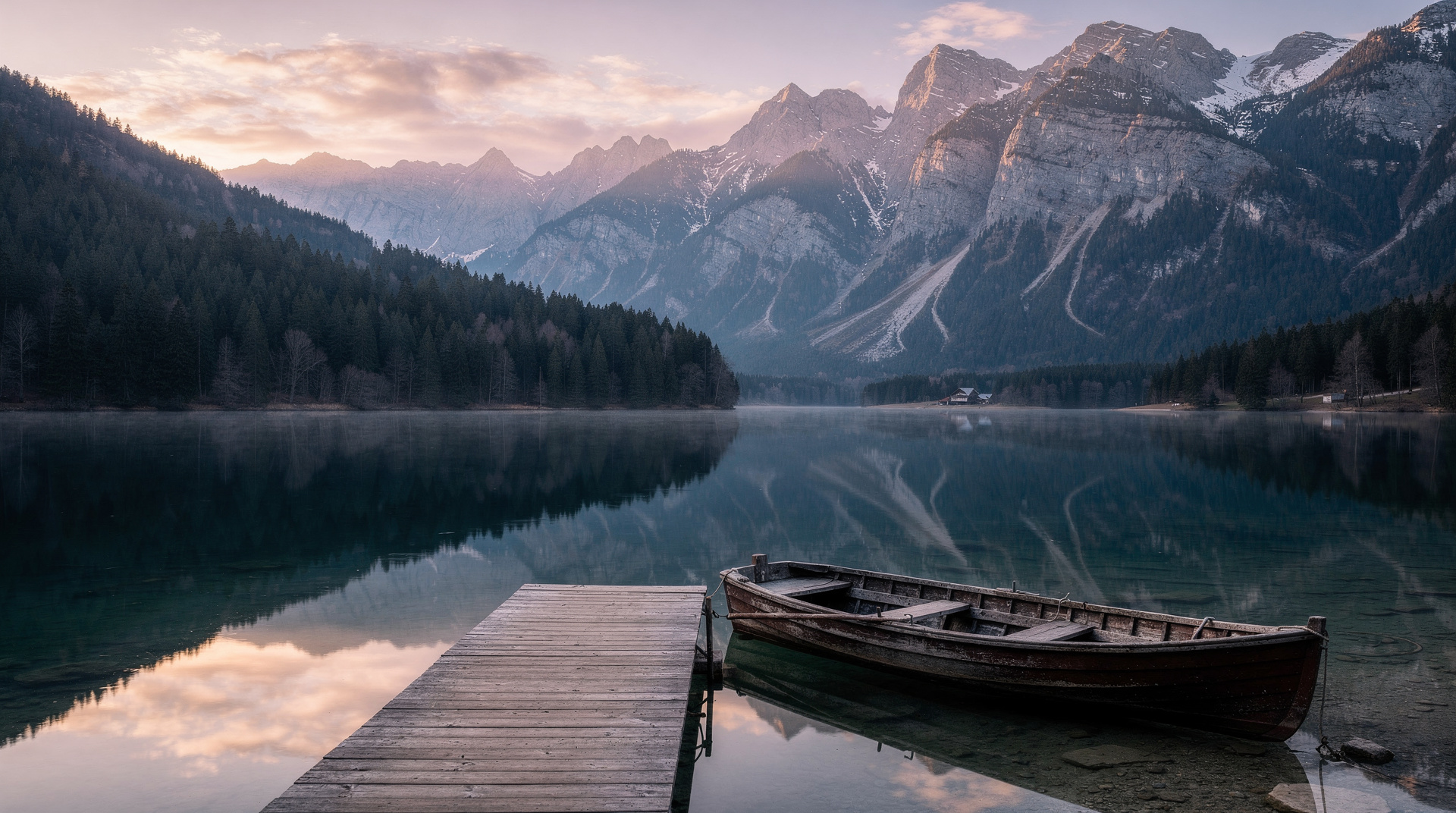
The outdoor sauna at dawn or dusk: At Lake Bohinj in winter, several accommodations offer their outdoor sauna with direct lake views. Using the sauna as the sun rises over the Triglav massif, with steam rising from the wood-fired cabin and the lake surface still in the early morning calm, is one of the more extraordinary wellness experiences available anywhere in Slovenia.
Finding outdoor saunas: Search for “zunanja savna” (outdoor sauna) + Bohinj or Kranjska Gora when looking at accommodation options. The offer is growing but not yet systematically listed. Direct contact with smaller guesthouses and chalets is often the best approach.
Building a sauna ritual at a Slovenian terme
For visitors who want to use the sauna facilities properly rather than as an add-on to pool swimming, here is a structured approach:
Before you start:
- Eat a light meal 1–2 hours before (avoid a heavy meal)
- Drink 0.5 litres of water
- Shower
Round 1:
- Finnish sauna: 10–12 minutes at 85–90°C
- Cold plunge or cold shower: 30–60 seconds
- Rest in relaxation room: 20 minutes, drink water
Round 2:
- Bio-sauna: 12–15 minutes at 55–65°C (gentler, good for the second round when the body is acclimatised)
- Cold plunge: 45–90 seconds
- Rest: 20 minutes, drink water
Round 3 (if desired):
- Finnish sauna again, or attend an Aufguss ceremony if scheduled
- Cold plunge
- Final rest: 30 minutes
After:
- Drink 1 litre of water or electrolyte drink
- Wait 30–45 minutes before driving
Total time: 2–2.5 hours for a full three-round session.
Fitting a sauna day into your route
A sauna session works best as the closing act of a day, not as a stop squeezed between sights. If you are building a trip around the Julian Alps, the Julian Alps in 7 days route leaves natural gaps for a slow evening, and the Ljubljana and Bled in 3 days plan can absorb a hotel sauna after a full day on foot. For a calmer pace overall, the slow-travel gastro itinerary pairs well with a terme stay.
Season changes the experience. Cold lake water feels very different in winter than in summer, so read Slovenia in winter and Slovenia in autumn when you decide when to go. The best time to visit Slovenia guide covers the wider picture.
If you are choosing where to base yourself, where to stay in Slovenia helps you weigh a lakeside guesthouse against a terme resort. The thermal spas destination page shows where the main complexes sit, and Lake Bled is a handy alternative base if you want hotel saunas close to the mountains. Reaching the eastern terme without a car takes planning, so check getting around Slovenia and car rental in Slovenia before you commit.
Finally, after a sauna you will be hungry. A traditional meal at a gostilna is a good way to close the evening, and the Slovenian wine guide can help you choose a glass for the following day, once the sauna is well behind you.
For the full wellness picture in Slovenia, see the thermal spas guide, best thermal spas ranked and spa resorts Slovenia.
Frequently asked questions about Saunas in Slovenia
Do you wear clothes in Slovenian saunas?
In dedicated sauna worlds at terme complexes, nudity is the norm inside the sauna cabins. You carry a towel and sit on it. Swimwear is typically worn in the transition areas between sauna and cold pool. This is the same convention as German, Austrian and Czech saunas. Some complexes have separate textile (swimwear) sauna days or sections — check the specific facility.What types of sauna are available in Slovenia?
Finnish-style dry sauna (Finnish sauna, 80–95°C) is the most common. Bio-sauna (softer, lower temperature, 55–65°C, often with essential oils) is a gentler option. Steam rooms (Turkish bath style, 40–45°C, high humidity) are available at most large complexes. Infrared saunas are increasingly offered at hotel spas. Outdoor barrel saunas are available at some Lake Bohinj and Kranjska Gora accommodations.What is the best sauna experience in Slovenia?
The sauna world at Terme Olimia's Termalija complex is widely regarded as the best in Slovenia — multiple cabin styles, outdoor cold pool with mountain views, relaxation areas with daybeds and quality treatment rooms. For a more natural experience, a wood-heated outdoor sauna at a Lake Bohinj accommodation followed by a plunge in the lake is an exceptional and distinctly Slovenian experience.Is there sauna access near Lake Bohinj?
Yes — Lake Bohinj is one of the better areas in Slovenia for the outdoor sauna experience. Several accommodations in the Bohinj valley offer barrel saunas or wood-fired saunas, often with direct lake or stream access for cold plunging. The combination of sauna heat and cold mountain water (Bohinj water is glacially cold even in August) is one of the most invigorating wellness experiences in Slovenia.Can I do a day visit for just the sauna at Slovenian terme?
At most major complexes, the sauna world is included within the day entry ticket or available as a small supplement. Terme Olimia's Termalija area has a separate day entry for the adults-only sauna and pool zone (18+). Terme Čatež includes saunas in the general facility access. Some complexes offer evening sauna-only sessions at reduced prices.