Slovenia in winter: activities beyond skiing and why it is worth visiting
Bled: highlights tour with hiking and Bled cream cake
Is Slovenia worth visiting in winter?
Yes — particularly for those who want a combination of winter scenery, thermal spa relaxation, Christmas markets and the occasional ski day, at prices below comparable Alpine destinations. Lake Bled in snow is extraordinary. The thermal spas are at their most atmospheric in cold weather. Ljubljana in December has excellent Christmas markets. And the crowds at most sites are a fraction of summer.
Slovenia in winter: beyond the ski slopes
Most international visitors who think of Slovenia in winter are thinking of skiing. The resorts at Kranjska Gora, Vogel and Krvavec are genuine draws. But Slovenia in winter offers considerably more than piste skiing, and for many visitors the non-skiing activities — the thermal spas, the frozen or snow-dusted lakes, the Ljubljana Christmas markets, the snowshoe trails — are what make the season worth planning for.
This guide covers the full picture of what Slovenia does well in winter, including an honest account of what is closed or limited and what is genuinely better cold than warm.
| Month | Character | Crowds | Best for |
|---|---|---|---|
| December | Christmas markets, quiet, patchy snow | Low outside markets | Ljubljana Advent, Bled in festive light |
| January | Coldest, best ski conditions | Moderate | Skiing, night sledding, cross-country |
| February | Peak ski season, school holidays | High at resorts | Skiing (book ahead), spa days |
| March | Snow at altitude, warming lower slopes | Low–moderate | Combining skiing with early spring hikes |
Lake Bled in winter
Lake Bled in snow is one of Slovenia’s most compelling images — and unlike some travel photography, it lives up to what the pictures suggest.
The lake does not freeze most winters: the combination of depth (30 m maximum) and the mild microclimate from the surrounding mountains keeps it liquid in all but the coldest years. But the shore, the castle cliff and the island church are frequently snow-covered from December to February, and the contrast of the white landscape with the grey-green lake water is extraordinary.
What is open at Bled in winter:
- The pletna boats run year-round, with reduced frequency. Crossing to the island church in a quiet December is a genuinely different experience from the summer rush.
- The main lakeside hotels (Grand Hotel Toplice, Park Hotel) are open.
- Restaurants around the lake operate year-round; the classic cream cake (kremna rezina) at the Hotel Park is still available.
- The castle is open (reduced winter hours — typically 09:00–18:00 or similar; confirm before visiting).
What is closed at Bled in winter:
- Vintgar Gorge closes approximately November to March. Do not include it in a winter Bled itinerary.
- Many seasonal restaurants and rental shops close October to April.
- Lake excursion boat tours (as distinct from pletna) may have very limited schedules.
A guided highlights tour of Bled in winter covers the island, the castle and the local specialities — and the smaller group sizes in winter mean a genuinely better experience than the summer equivalent.
The frozen lake: In exceptional cold winters (roughly once every 5–10 years), Lake Bled freezes. The last notable freeze was in 2017. When it happens, Slovenes come from across the country to skate on it. It is unpredictable, beautiful and worth knowing about — but don’t plan a trip specifically for it.
Winter hiking and snowshoeing
Slovenia’s mountain trails are transformed in winter, and several areas are specifically managed for winter walkers.
Pokljuka plateau: The broad plateau above Bohinj, at around 1,300–1,400 m, is one of the best places in Slovenia for winter walking. The landscape is open mixed forest and meadow, the trails are well-maintained and the snow cover is reliable from December to March. The plateau also has a biathlon shooting range (used for World Cup events). Walking and snowshoe trails are marked from the plateau edge; rentals available from some operators near the Bohinj valley.
Velika Planina: The pastoral plateau above Kamnik (see Velika Planina guide) is accessible by cable car year-round and is extraordinary in winter. The traditional herders’ huts under snow, the wide plateau views and the lack of summer crowds make it one of the most atmospheric winter half-days in Slovenia.
Kranjska Gora walking trails: In addition to the ski area, Kranjska Gora has prepared winter walking paths through the Planica valley and around the village. The 40+ km of cross-country skiing trails double as excellent snowshoe terrain.
Forest walks around Lake Bled: The forest above the south shore of Bled offers easy winter walking on prepared paths (watch for ice on the lower sections). The Ojstrica viewpoint (15-minute climb from the lake) gives the best angle on Bled in winter.
Thermal spas in winter
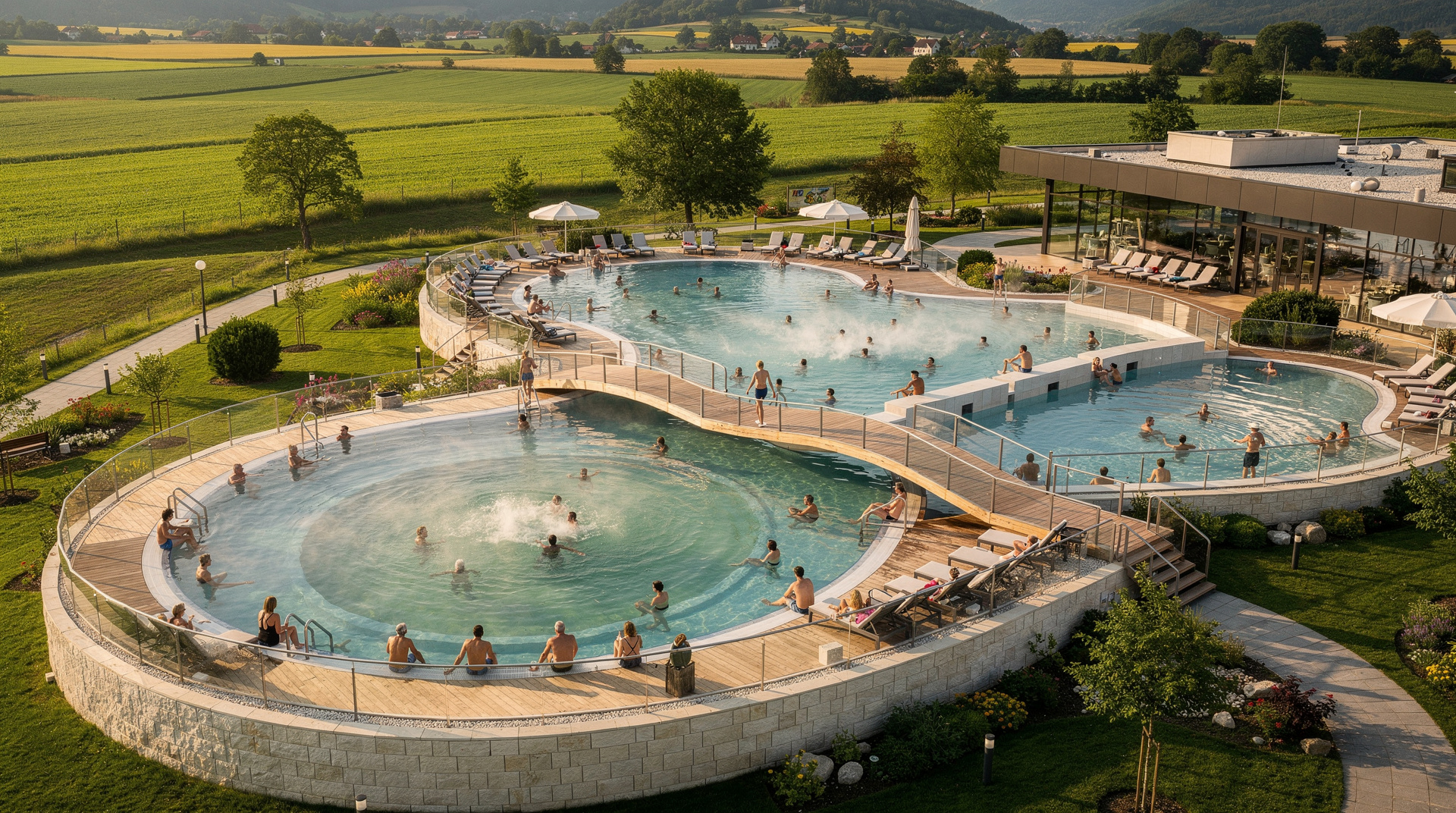
Winter is arguably the best season for Slovenia’s thermal spa complexes. The outdoor pools — many heated to 32–38°C — are at their most dramatic when air temperatures are near freezing and the steam rises around you. Crowds are significantly lower than in summer.
The main complexes are at Čatež, Olimia, Radenci, Laško and Rogaška Slatina. All operate year-round with outdoor and indoor pool access.
See the thermal spas guide for full detail on the best complexes. For day visitors, Terme Čatež (near Brežice) is the most comprehensive, Terme Olimia (near Podčetrtek) is the most scenic. Both are around 1h–1h30 from Ljubljana.
Ljubljana in winter
Ljubljana is a pleasant city at any time of year, but December is a particularly good month to visit.
Christmas markets (late November to mid-January): Ljubljana transforms for the Advent season with an extensive Christmas market along the Ljubljanica riverbanks and in the main squares. The lights, the wooden stalls selling mulled wine (kuhano vino), traditional foods and artisan goods, and the generally festive atmosphere make the city genuinely appealing. The market is not as enormous as Vienna’s or Prague’s, but it is one of the better ones in the region without the overwhelming crowds of the major markets.
The café scene: Ljubljana’s strong café culture is most appealing in winter. The cosy bars in the Metelkova area, the coffee houses along the river and the restaurant scene in the old town all operate normally. The city is markedly quieter in winter — walking through the old town without a summer crowd is a qualitatively different experience.
Museum visits: All major Ljubljana museums — the National Museum, the City Museum, the Museum of Modern Art — operate year-round. Winter is a good time for culture.
Seasonal notes: Some of the central market’s outdoor stalls reduce or stop in winter. The walking tours of the old town run year-round (check current providers and schedules).
Night sledding at Krvavec
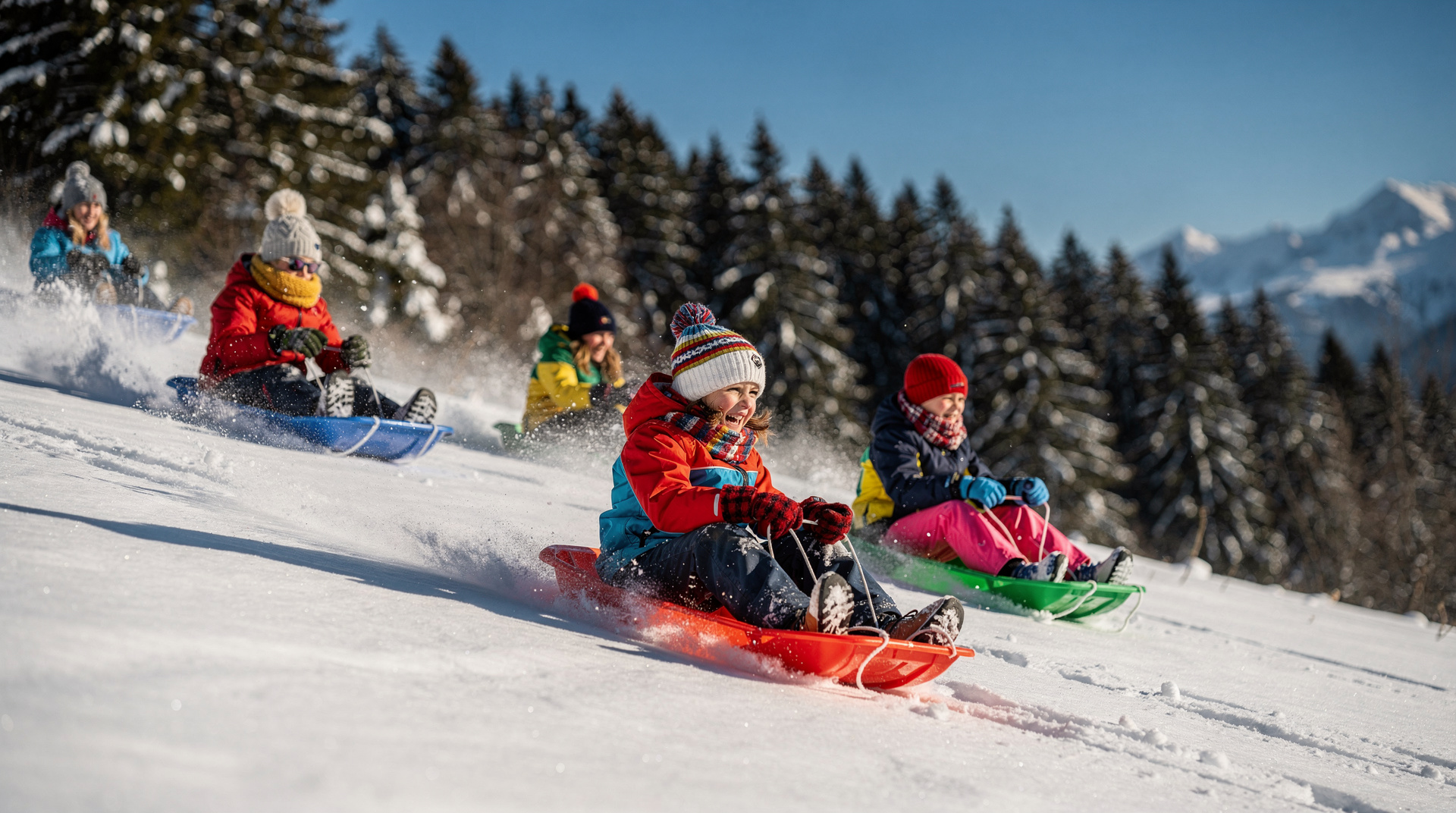
Night sledding at Krvavec is one of the most popular family and group activities in Slovenian winter. A 2 km lit sledding run with artificial snow operates on Friday and Saturday evenings in January and February (and some additional days — check the resort schedule). Helmets and sleds are provided. The combination of the dark forest, the floodlit course and the cold air is genuinely exhilarating for children and adults alike.
This activity works well as an evening add-on to a day of skiing, or as a standalone winter evening activity for groups that include non-skiers.
Ski touring
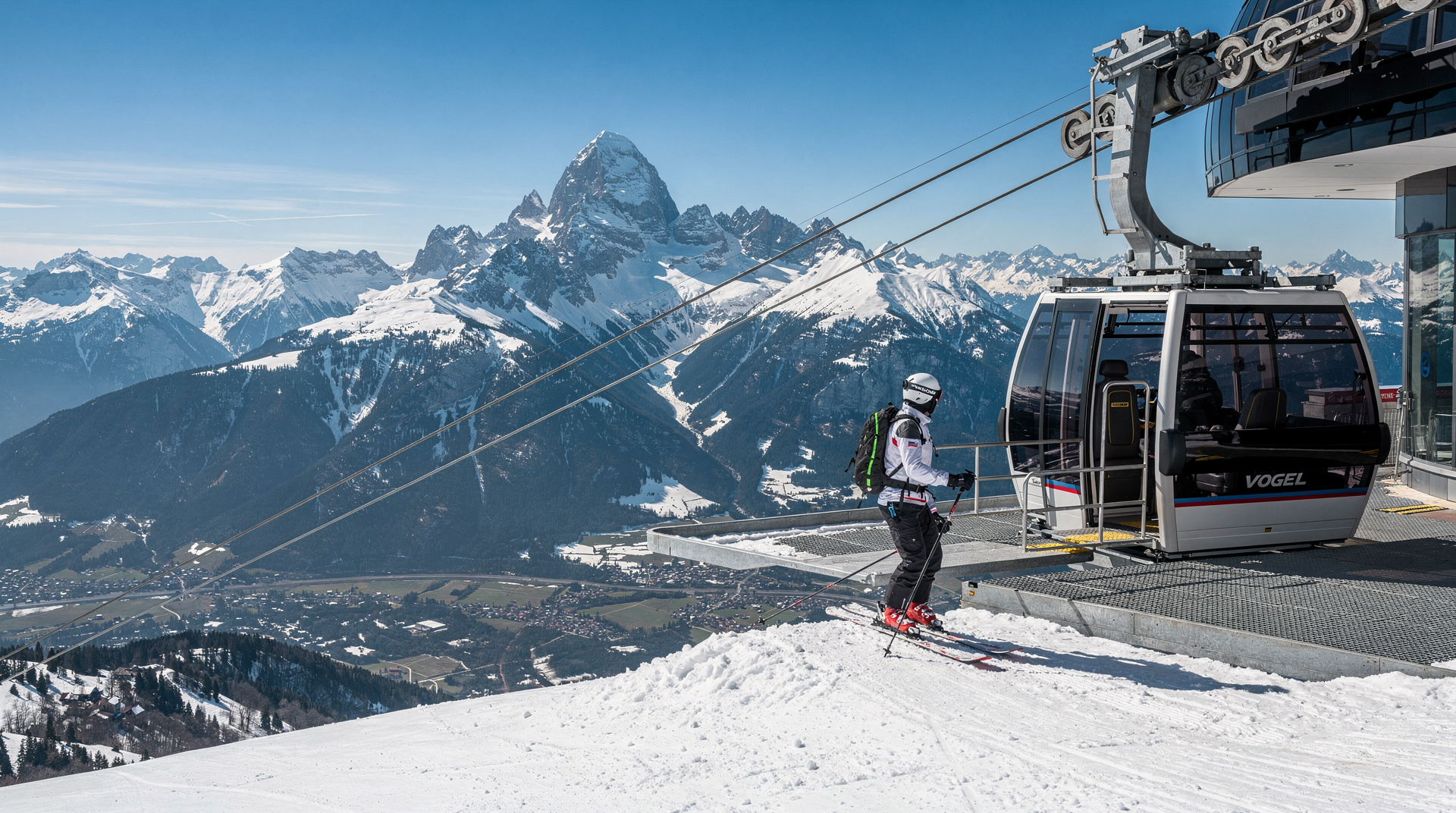
For experienced skiers and ski mountaineers, Slovenia’s backcountry offers excellent touring terrain. The routes around Kranjska Gora, on the Pokljuka plateau and in the mountains above Vogel are established touring circuits.
Practical information:
- Avalanche bulletins are published daily in season by the ARSO (Slovenian environmental agency)
- Backcountry skiing requires avalanche safety equipment (beacon, probe, shovel) and knowledge
- Local mountain guides are available through the Slovenian Mountain Guides Association
- The PZS (Slovenian Alpine Association) runs avalanche safety courses
Without proper equipment and experience, backcountry terrain in the Julian Alps is dangerous. Guided tours are the correct option for visitors without specific backcountry experience.
Ice caves and winter cave visits
Several of Slovenia’s caves offer winter experiences that complement the summer visitor season:
Ледена jama (Ice Cave) on Velika Planina: The Velika Planina plateau has a small ice cave that retains ice year-round due to cold air pooling in winter. Accessible on foot from the cable car top station in winter — a short detour from the main plateau walk.
Postojna Cave in winter: Postojna Cave is one of the few Slovenian tourist caves that operates year-round. The cave interior maintains a constant 10°C regardless of season — warm by winter outdoor standards. Winter visits have shorter queues and a different atmosphere to the summer tourist rush. See the Postojna vs Škocjan guide for the honest comparison.
Škocjan Caves in winter: Škocjan operates year-round with reduced schedules. The underground canyon in winter, without the summer crowds, is extraordinary. Allow extra time for snow on approach roads.
Getting around Slovenia in winter
Winter driving in Slovenia is subject to specific rules:
Winter tyres: Mandatory from 15 November to 15 March (or whenever snow is on the road). Rental cars in Slovenia are typically equipped with winter tyres in this period, but confirm explicitly when booking.
The e-vignette: Required on all Slovenian motorways. Buy digitally before your trip (EUR 15 for a 7-day vignette) at the official evignette.si website. Fines for non-compliance are EUR 300–800.
Mountain passes: The Vršič Pass (connecting Kranjska Gora to the Soča valley) is closed in winter, typically November to May. Check before planning a route that uses it.
Black ice: Particularly dangerous on shaded valley roads in the Julian Alps (Bohinj, Kranjska Gora approaches) after overnight temperature drops. Drive carefully and carry chains if uncertain about conditions.
What to wear and pack
Winter in Slovenia, particularly in the mountains, is genuinely cold. Temperatures at Bled or in the Julian Alps drop to -10°C to -15°C in January cold spells, though averages are milder (around -2°C to 0°C in January at lake level). The coast is warmer (3–8°C in January) but can be swept by the Bora wind, which makes it feel significantly colder.
Essentials for a winter Slovenia trip:
- Waterproof jacket and trousers for snow activities
- Thermal base layers
- Waterproof walking boots or snow boots with grip (mandatory — paths ice up quickly)
- Gloves and a hat for any time outside
If skiing: rent equipment at the resort rather than flying with it if the cost differential is significant.
When to go in winter
December: Christmas markets, Bled in advent atmosphere, quietest month. Mountains may not have reliable snow until mid-December.
January: Best ski conditions. Coldest month. Krvavec night sledding fully operational. Kranjska Gora World Cup races (late January).
February: Peak ski season. School holiday periods in Central Europe make this the busiest winter month at resorts. Book accommodation early.
March: Snow at altitude still good; lower ski areas warming up. Daylight increasing. A pleasant time for combining skiing with winter hikes.
Planning a winter Slovenia trip: sample itineraries
Weekend from Ljubljana (2 nights, no car):
- Day 1: Advent market in Ljubljana, evening mulled wine and Christmas lights
- Day 2: Krvavec skiing by gondola (bus to Cerklje, taxi to gondola), evening night sledding
Long weekend from Ljubljana (3 nights, with car):
- Day 1: Drive to Kranjska Gora (1h20), settle in, evening in the village
- Day 2: Skiing at Kranjska Gora or cross-country in Planica valley
- Day 3: Drive to Lake Bled (35 min), lakeside walk, afternoon at Bled Castle, overnight at Bled
- Day 4: Morning at Bled, drive back via Terme Snovik for 3-hour spa stop
5-day winter Slovenia tour (with car):
- Day 1: Arrive Ljubljana, city Christmas market
- Day 2: Drive to Vogel, ski half-day, afternoon at Lake Bohinj, overnight in Bohinj
- Day 3: Full ski day at Vogel or Kranjska Gora
- Day 4: Drive to Lake Bled (30 min), morning walk, overnight at Bled
- Day 5: Drive east to Terme Čatež (1h30), full spa day, drive home
For non-skiers (4 nights):
- Day 1: Ljubljana (arrival, Advent market)
- Day 2: Lake Bled in snow (castle, lakeside circuit, gondola ride toward Vogel for views)
- Day 3: Velika Planina (cable car, snowshoe walk, traditional huts)
- Day 4: Terme Čatež (full spa day)
- Day 5: Ljubljana departure
Accommodation for winter Slovenia
Winter accommodation in Slovenia is generally available without the summer peak-season stress, except for:
- Kranjska Gora: fills for the Vitranc World Cup race weekend (late January) and February school holidays
- Lake Bled: always popular; book 2–4 weeks ahead for weekends
- Terme complexes: Christmas–New Year and Easter are busy; book these periods 6–8 weeks ahead
Prices in January (excluding the race weekend) are often 20–35% below summer rates. For ski resorts, the best value window is early December (pre-Christmas) and mid-January (after New Year but before peak school holidays).
Winter light and photography at Bled and beyond
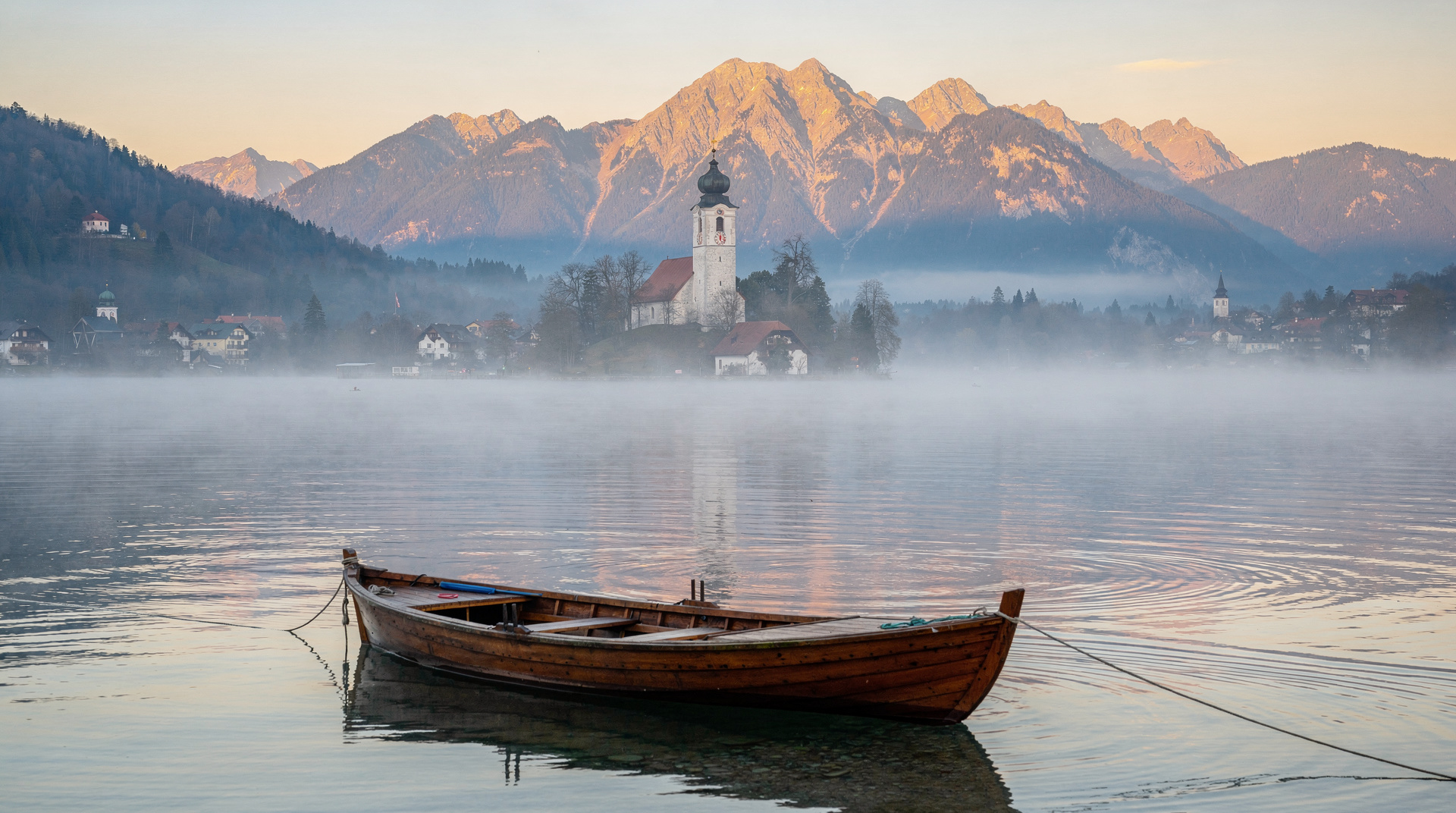
Winter’s low sun angle and frequent still, cold mornings produce some of the most atmospheric photography conditions of the year in Slovenia, particularly around Lake Bled. A calm, cold December or January morning often brings a temperature inversion — mist sitting on the lake surface while the castle and hills above remain in clear, low winter sunlight — a specific and striking combination that summer’s warmer, more turbulent air rarely produces.
The Ojstrica viewpoint above the lake is the classic vantage point for this shot, best attempted at first light before the mist burns off, typically within the first hour after sunrise. In the mountains, fresh snow on the peaks around Kranjska Gora catches pink and orange dawn light with a clarity that the hazier summer atmosphere doesn’t match. Ljubljana’s Christmas market lights, photographed in the early evening blue hour rather than full darkness, are a reliably rewarding subject for visitors without specialist low-light equipment.
The Bora wind: Slovenia’s most distinctive weather phenomenon
The Bora (Burja in Slovenian) is worth understanding because it defines winter conditions in parts of Slovenia, particularly the Karst plateau and the coast.
The Bora is a katabatic wind — cold, dense air from the continental interior flowing rapidly downhill toward the warmer Adriatic. It arrives with cold fronts from the northeast and can reach gusts of 100–180 km/h in the Karst. The wind is cold (air temperatures can feel like -20°C in a strong Bora) and gusty rather than steady.
In practical terms:
- The A1 motorway between Ljubljana and Koper can close to high-sided vehicles (caravans, lorries) in severe Bora
- The coast and Karst feel dramatically colder than temperature readings suggest
- But after the Bora blows through, the air clears to remarkable transparency — views from the Karst to the Venetian Alps on the far side of the Gulf of Trieste
For winter visitors, checking the Bora forecast (ARSO weather service) before driving over the Karst is sensible. The Bora does not typically affect the Julian Alps resorts, which sit on the other side of the mountain divide.
Food in winter Slovenia: what changes
Slovenian food culture shifts significantly in winter. Some changes are practical (seasonal ingredient availability), others are cultural (winter comfort food traditions).
Winter specialities:
-
Jota (bean and sauerkraut soup, often with smoked pork): The defining comfort food of Slovenian winter. Found in gostilnas everywhere from October to March.
-
Potica in winter: The traditional rolled walnut pastry is baked year-round but especially associated with Christmas and New Year. The best versions are made by grandmothers and sold at Christmas markets; commercial versions are a reasonable substitute.
-
Roasted chestnuts: Vendors in Ljubljana, Bled and Maribor sell roasted chestnuts (kaštane) from stalls from October onward. Classic street food.
-
Mushroom season extends: The last wild mushrooms (šampinjoni, lisičke) are available through October–November in wet years. Local gostilnas serving mushroom risotto or pasta in autumn are worth seeking out.
-
Game season: Deer, wild boar and pheasant appear on menus from October through January. The best game cooking is found in rural gostilnas, not in tourist restaurants.
Mulled wine (kuhano vino): At Ljubljana’s Advent market and at ski resort warm-up stations, mulled wine is the standard cold-weather drink. The Slovenian version uses local red wine (often Refošk or Barbera), orange and lemon peel, cinnamon, cloves and sometimes a measure of Slivovitz. It is good; the recipe varies by producer.
Hot chocolate at mountain huts: The Alpine tradition of hot chocolate with whipped cream (šokolada z smetano) at mountain huts and ski resort cafés is as good in Slovenia as anywhere in the Alps. Indulge without guilt after a cold morning on the slopes or a snowshoe walk.
For the ski resorts, see the skiing in Slovenia overview. For the thermal spas, see best thermal spas in Slovenia. For snow activities specifically, see sledding and snow fun.
Winter with children: a realistic picture
Winter travel with children in Slovenia works well for specific activities and less well for others, and setting expectations correctly matters more in this season than in summer.
What works well: The Krvavec night sledding run is genuinely exciting for children from around age 5–6 and requires no prior skill. Thermal spa days are close to universally popular with children of any age who enjoy pools. Ljubljana’s Christmas markets, with mulled (non-alcoholic, for children) drinks and festive lights, are an easy half-day that needs no advance planning. Snowshoeing on the gentle Velika Planina plateau, with the cable car removing the approach climb, suits families with children from about age 6 upward.
What’s harder with young children: Ski school logistics (equipment fitting, lessons, lift queues) take real planning time and patience, particularly for a first-time family ski trip; budget an adjustment day before expecting a smooth routine. Short winter daylight hours (sunset around 4:30–5pm in December–January) compress the usable day more than visitors expect, and driving on unfamiliar mountain roads in the dark with children in the car is worth avoiding where a daytime alternative exists.
A realistic winter family day structure: Morning ski lesson or thermal spa session (10am–1pm), lunch, a lower-key afternoon activity (Christmas market browsing, a short snowshoe walk, or simply the hotel pool if staying at a spa resort), and an early dinner before the cold and dark set in properly. Trying to pack a full ski day, a spa visit and sightseeing into one day with young children in winter is a common overreach that leads to a tired, cranky evening.
Winter versus other seasons: the honest case
Winter in Slovenia will never outsell summer or the shoulder seasons on paper — the days are short, several key attractions close, and mountain driving needs care. But for a specific kind of trip (thermal spa relaxation, Christmas markets, a ski week, or simply Lake Bled without a single other tourist in the frame), winter delivers something the rest of the year cannot. It suits travellers who want a cosy, low-crowd trip rather than an outdoor-activity-packed one; it does not suit anyone whose priority is hiking above 1,500m or visiting Vintgar Gorge, both of which are off the table until spring.
Frequently asked questions about Slovenia in winter
What is Lake Bled like in winter?
Lake Bled in winter is one of Slovenia's most beautiful experiences. The island church dusted in snow, the castle on its cliff above a white landscape, the mountains reflected in the still grey-blue water — the scene is genuinely dramatic. The lake occasionally freezes (roughly once every several years), at which point people skate on it. Services are quieter but the main hotels, restaurants and boat operators run year-round.What is closed in Slovenia in winter?
Vintgar Gorge closes approximately November to April. The Vršič Pass closes with first snow, typically November, reopening in May. Many seasonal restaurants, bike rental shops and outdoor activity operators on the coast and at lakes close October to April. Mountain cable cars (Vogel is an exception) often have reduced winter hours or seasonal closures.What are the best non-skiing winter activities in Slovenia?
Winter hiking on prepared trails at Pokljuka and Velika Planina, snowshoeing in the Julian Alps, thermal spa visits (Čatež, Olimia, Radenci are all excellent in winter), Ljubljana's Christmas markets (late November to early January), Lake Bled in snow, cross-country skiing at Kranjska Gora, and the Krvavec night sledding. Slovenia in winter rewards those who lean into the cold rather than avoiding it.Is Ljubljana good to visit in winter?
Yes. The Christmas markets in December (along the Ljubljanica riverside and in the main squares) are among the best in the region. The city's café culture is at its most appealing when there is a reason to come in from the cold. Museums, the castle, the central market and the restaurant scene all operate year-round. Crowds are thin compared to summer.Are thermal spas better in winter?
Many visitors think so. The outdoor pools at complexes like Terme Čatež, Terme Olimia and Terme Radenci are most atmospheric when the air is cold and the water is warm — you can soak in 34–38°C water while snow falls around you. The contrast is genuinely pleasant, and the resorts are significantly less crowded in winter than in summer.
Top experiences
Bookable activities with verified prices and instant confirmation on GetYourGuide.