Celje: Roman city, medieval castle and gateway to the Savinja Alps
Celje is Slovenia's third city and the jumping-off point for the Logar Valley, Golte ski area and the Savinja Alps. Guide with real logistics and EUR
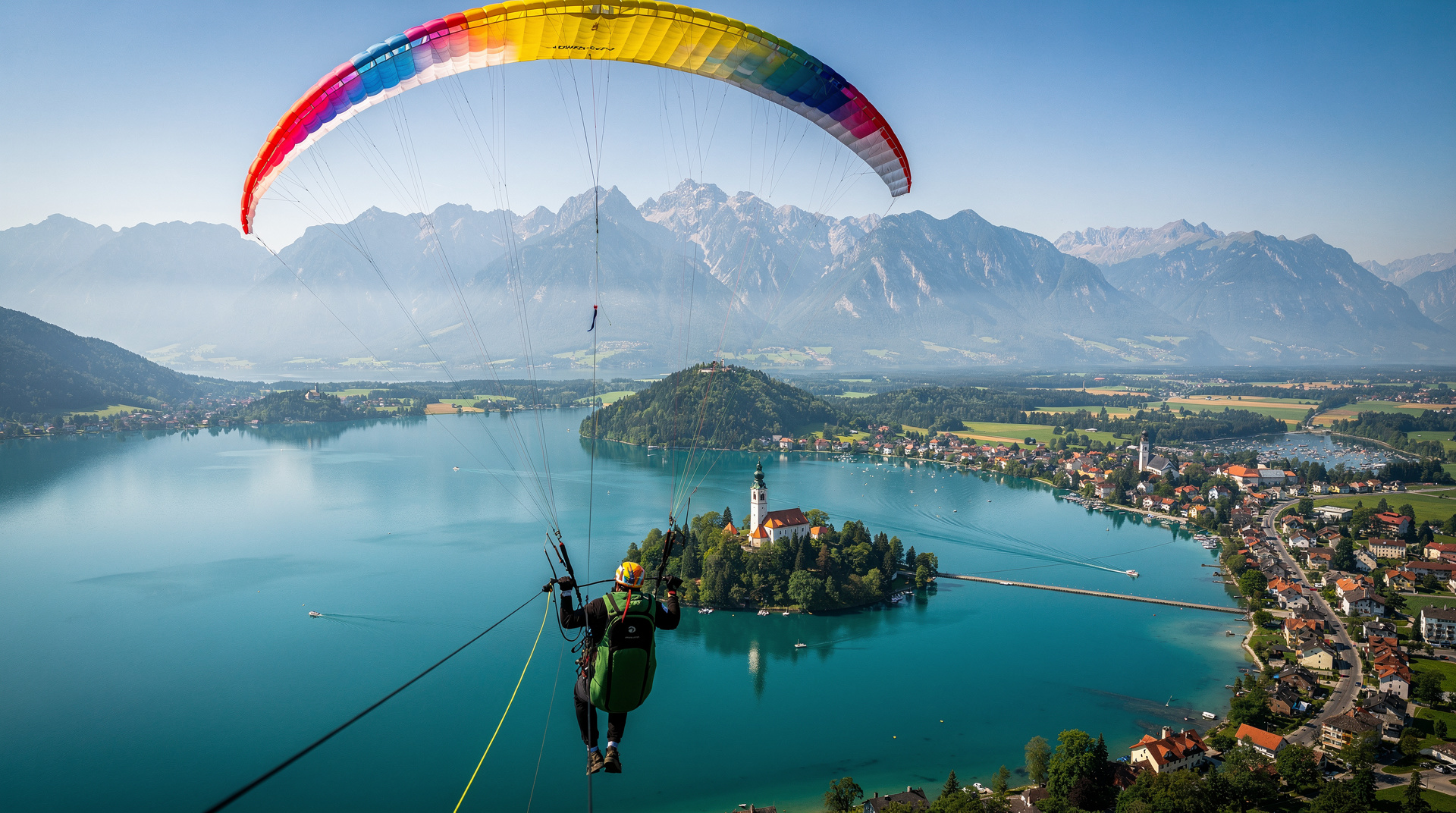
Golte and Logarska: tandem paragliding flight
Quick facts
- Best time to visit
- May–October for hiking; December–March for skiing
- Days needed
- 1–2 days (or as a base for Logar Valley)
- Getting there
- Train from Ljubljana (1h) or Maribor (45 min); on main rail line
- Budget per day
- EUR 50 to 110
Where the Counts of Celje once ruled half of central Europe
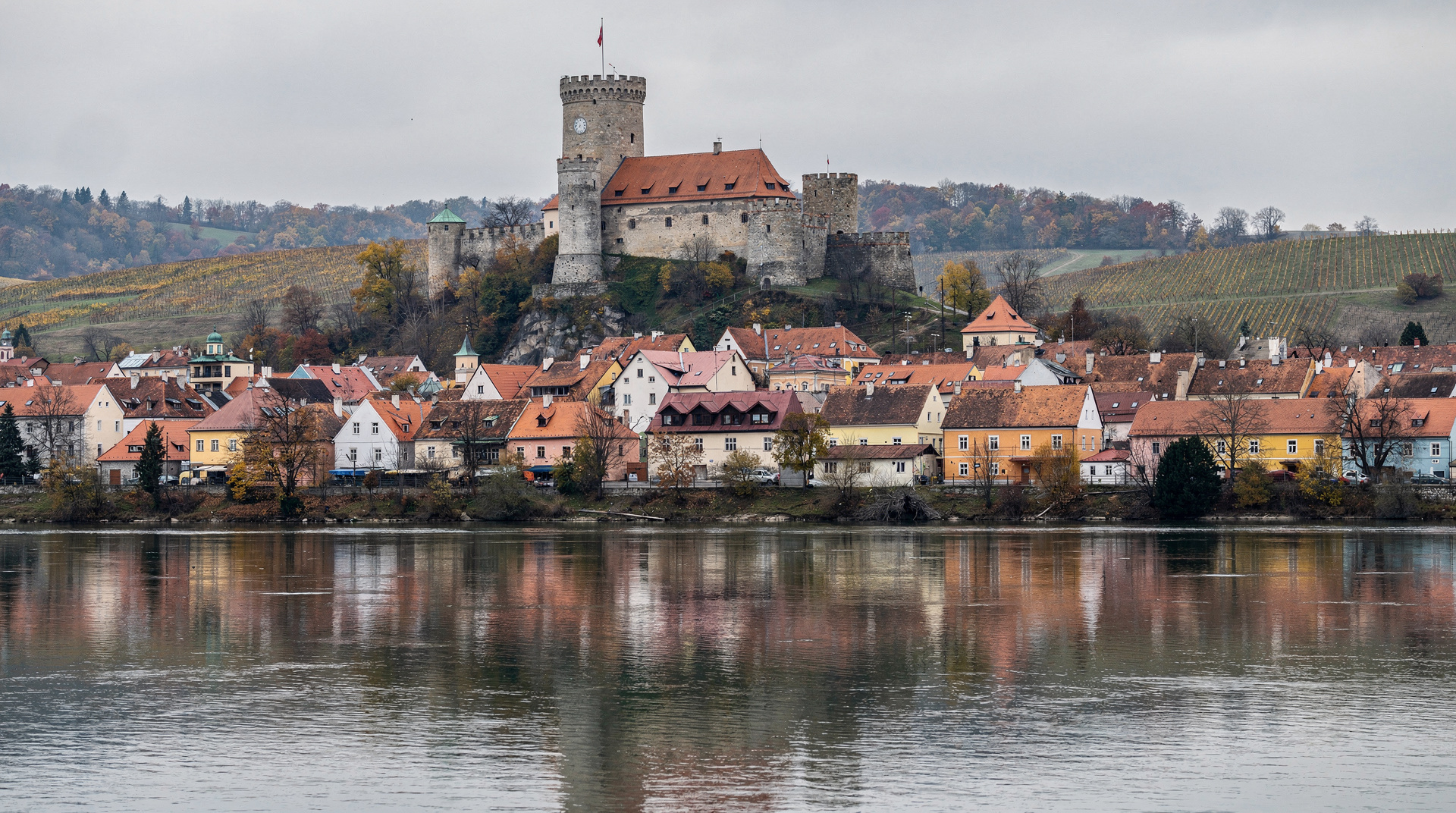
For a brief and violent period in the 14th and 15th centuries, the Counts of Celje controlled territory stretching from the Adriatic to the Hungarian border — one of the most powerful dynasties in the medieval German-speaking world. Their castle still stands above the Savinja river, the largest medieval fortification in Slovenia, though it ended as a ruin when the last Count was murdered by a Hungarian nobleman in 1456 and the family line died with him.
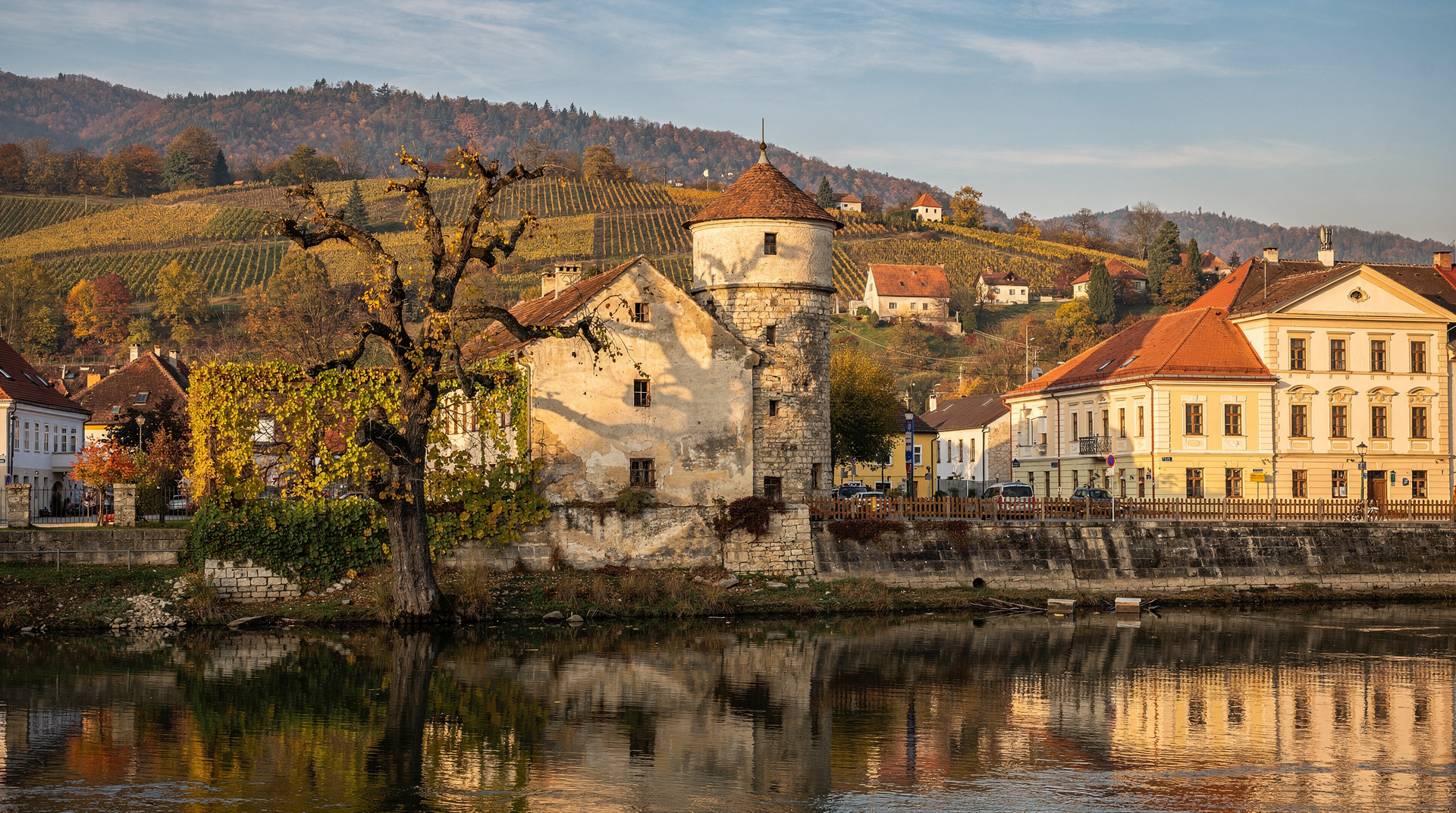
Celje today is Slovenia’s third city: a functional, working-class place without Ljubljana’s tourist infrastructure or Maribor’s wine culture. It has a good Roman museum, a castle worth climbing, and a pleasant old town that takes about two hours to explore seriously. What it offers most, though, is position: it sits at the junction of the Savinja Valley and the main Ljubljana–Maribor rail line, which makes it an excellent and inexpensive base for the dramatic karst and alpine landscape to its north — the Logar Valley, the Savinja Alps, and the Golte ski and paragliding area.
| Where | Savinja Valley, eastern Slovenia, on the Ljubljana–Maribor rail line |
| Time needed | 1–2 days, or as a base for 2–3 nights covering Logar Valley |
| Getting there | Train from Ljubljana (1h) or Maribor (45min); A1 motorway by car |
| Budget per day | EUR 50–110, notably cheaper than Ljubljana or Bled |
| Best time | May–June and September–October for hiking; Dec–March for Golte skiing |
The castle and old town
Old Celje Castle (Stari grad) rises above the city on a limestone ridge — the ruins of the Counts of Celje’s main residence, a complex of towers, walls and courtyard that is impressive at scale. The castle has been partially restored (the Frederick’s Tower offers a viewing platform with panoramic views over the Savinja), and a small museum inside explains the dynasty’s history. Entry around EUR 4. The walk up from the old town takes 20–25 minutes through forest paths; a road also allows car access for visitors with mobility limitations.
The old town below the castle is compact and walkable. The main sights: the medieval Celje Hall (Celjski dvorec), now the Regional Museum; the Church of St Daniel (Gothic, 14th century, with a tomb of the Counts and some remarkable carved stone); and Krekov trg, the main square lined with Baroque and Biedermeier townhouses. The Regional Museum (Pokrajinski muzej Celje, Mestni trg 1, entry EUR 5) has an outstanding Roman collection from Celeia — the Roman city that preceded modern Celje — including mosaic floors, glassware, coins and bronze statues.
The Celje Town Museum at Prešernova ulica 17 takes a different approach: a tightly focused exhibition on the city from the medieval period to the 20th century, using original objects and period interiors. More personal in scale than the regional museum; good if you have two hours to spare.
Golte: paragliding and mountain views
The Golte plateau above Mozirje (35 minutes north of Celje by car) is one of the more unusual destinations in this part of Slovenia. A gondola (cable car) from the valley floor at Mozirje rises to 1500 metres in about 12 minutes, depositing you on an open alpine plateau with views over the Savinja Alps towards the Kamnik-Savinja peaks. In winter it functions as a small ski resort; in summer it is walking, mountain biking, and paragliding terrain.
The paragliding here is serious. The Golte plateau has reliable thermals that attract tandem paragliding operators offering flights over the Savinja valley — you fly with an instructor in a two-seat glider, no experience necessary. A tandem paragliding flight from Golte with views of the Logar Valley is one of the most memorable activity options in eastern Slovenia, and it is not especially expensive (EUR 80–110 for a 20–30 minute flight depending on the operator). The views on a clear day extend to the Triglav massif.
Gateway to the Logar Valley and Solčava Panoramic Road
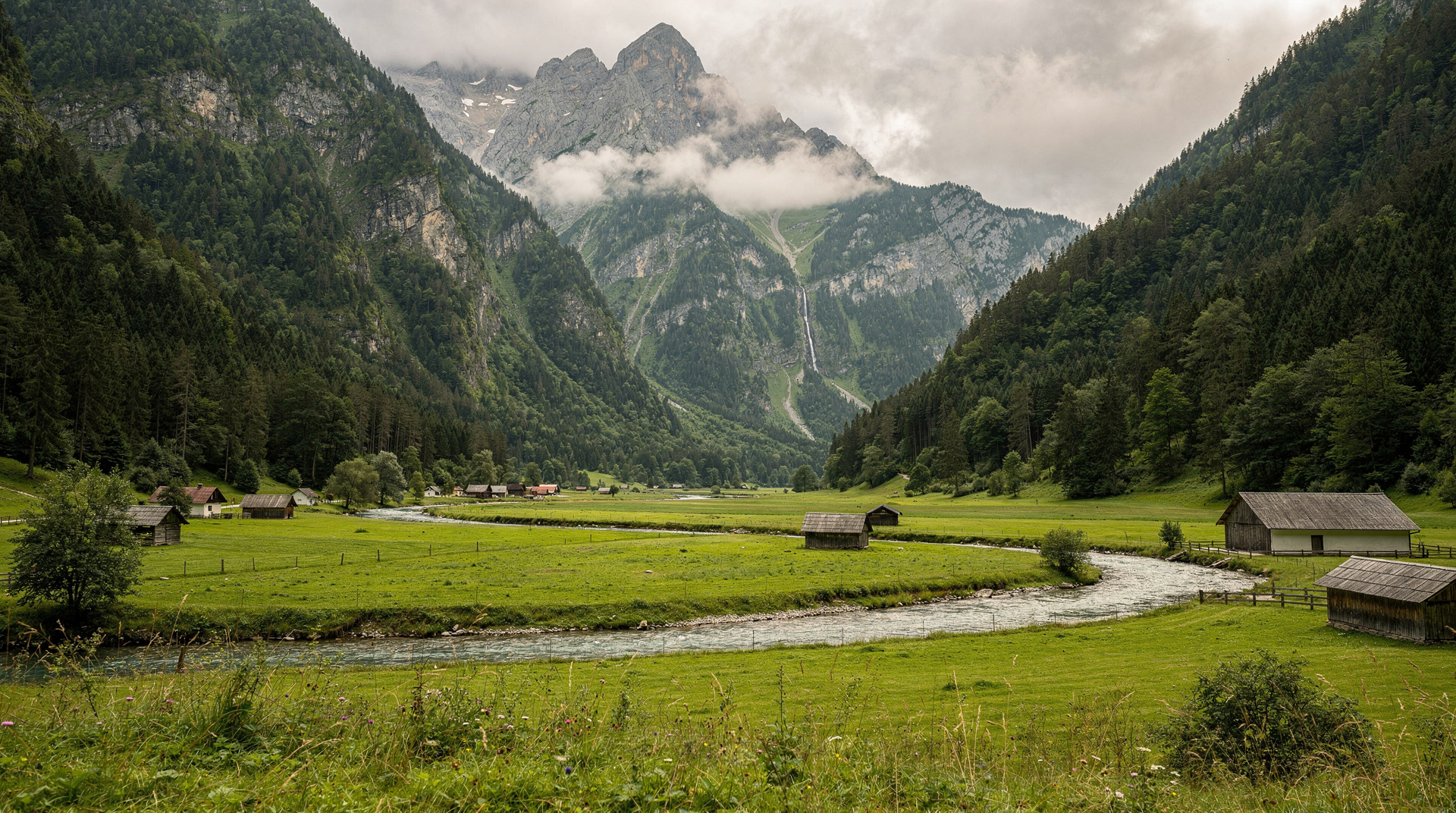
Celje is the most practical railhead for the Logar Valley — arguably Slovenia’s most beautiful alpine valley outside of the Julian Alps, and significantly less visited. From Celje, drive north on the A1/E57 briefly, then north on the regional road through the Savinja valley via Mozirje and Nazarje towards Solčava (about 65 km, 1 hour).
The Logar Valley and Solčava Panoramic Road tour covers this territory with transport from Celje included — a practical option if you do not have a car. The Solčava Panoramic Road itself (Solčavska panoramska cesta) is a circular route above the valley with extraordinary views, traditional farmsteads converted to tourist restaurants, and access points for the Logar Valley floor.
See the Logar Valley page for detailed information on the valley itself.
Where to eat
Gostilna Kmetija Pavlič (Šmartinska cesta direction, about 10 minutes from the centre) is the traditional food benchmark for the Celje area: hand-made buckwheat dumplings (ajdovi žganci), venison goulash, roast veal with local mushrooms. Lunch mains around EUR 11–15. Very much a local place.
Gostilna Sraka near the old town is reliable for Slovenian lunch standards — grilled meats, soup, daily specials — at working-people’s prices (EUR 7–12 for a full lunch).
Promenada on the Savinja embankment is the upmarket option: a terrace restaurant with river views, a wine list focused on Štajerska whites, and mains in the EUR 16–24 range. The fresh trout and pike perch from the Savinja system are worth ordering.
Market: Celje’s covered market (Tržnica, Gregorčičeva ulica) opens mornings Monday to Saturday. Good for local fruit, vegetables, honey, and the Savinja valley’s dried porcini mushrooms.
Getting there
By train: Celje sits on the main Ljubljana–Maribor rail corridor. Trains from Ljubljana run roughly every 30–45 minutes, journey 1 hour to 1h10 (EUR 6–9 one way, depending on train category). From Maribor, trains take 40–50 minutes. The station is about 5 minutes’ walk from the old town.
By car: from Ljubljana, take the A1 motorway east (about 75 km, 55 minutes). From Maribor, take the A1 west (about 65 km, 45 minutes). Parking in the city centre is metered at around EUR 1/hour.
For the Logar Valley: a car is essentially required beyond Celje — the mountain valley is on a road that buses reach only in summer, and with limited frequency. Car hire at Celje is available (Europcar and others have offices in the city). Alternatively, join an organised tour from Celje or Ljubljana.
Best time to visit
May–June is ideal for the city and for hiking in the Savinja Alps — the snow has left the lower paths, meadows are green, and visitor numbers are low. The Logar Valley is at its most dramatic in late May when waterfalls are in full flow from snowmelt.
September–October brings mushroom season in the forests around Celje and spectacular autumn colour in the Savinja valley. The hiking paths are in good condition and the weather (15–22°C) is pleasant.
December–March suits visitors who want to combine the city with skiing at Golte. The castle and museum remain open year-round (check reduced winter hours).
July–August works fine for Celje itself but the Logar Valley becomes relatively busy by Slovenian standards — arrive early (before 9 am) if possible.
Practical notes
Celje is cheaper than Ljubljana and Bled. Budget hotel rooms in the city centre start at EUR 45–60; apartments near the old town at EUR 50–80 for a double. This makes it a cost-effective base for a 2–3 night eastern Slovenia itinerary that also takes in Ptuj and Maribor.
The city has no significant tourist trap problem. The one honest note: the castle ruins, while historically important, have limited interpretive signage in English. The Regional Museum is the better place to understand the Counts of Celje before you climb to the site.
Where to stay
City centre: the central accommodation options in Celje are limited but functional. Hotel Evropa (Krekov trg 4, directly on the main square) is the most central: a classic central-European hotel in a handsome 19th-century building, renovated with modern rooms, EUR 80–120/night for a double. Hotel Turno (near the motorway exit, 5 minutes from the centre) is newer, slightly characterless, but slightly cheaper (EUR 65–90/night) and has parking.
Guesthouses: a handful of penzions on the edge of the old town offer better value than the hotels — EUR 50–70/night for a double, breakfast included. Penzion Lipa (close to the castle approach path) and Penzion Žičkar are reliable.
For Logar Valley access: if you are using Celje as a base for day trips to the Logar Valley, keep your accommodation in the city centre — the drive north to the valley takes about 1 hour and is best done early. Parking in Celje overnight is not expensive, and the road to Mozirje and Solčava is straightforward.
The Savinja river and walking routes
The Savinja river runs through the city centre and its embankment is the most pleasant walking area in Celje — lined with cafes and restaurants, with a riverside path running east towards the suburbs and west towards the old castle approaches. An evening walk along the river is better than most of what Celje’s tourist infrastructure suggests.
The hills immediately above the city (Šmartno na Pohorje and the Celje hills south of the castle) offer day-hiking terrain accessible without a car. The trail up to the castle and continuing along the ridge above the Savinja valley gives city views on one side and open farmland on the other. Allow about 2.5–3 hours for a loop from the old town.
Šmartin Reservoir (about 5 km northeast of the city centre) is a local swimming and recreation area — a man-made lake with a beach, pedalos and a cafe. Not spectacular, but a practical warm-weather afternoon option if you have children and are already based in Celje.
Kozjansko regional park
The Kozjansko region, about 35 km south of Celje (toward Podčetrtek and the Croatian border), is a protected landscape of orchards, chestnut forests and medieval hilltop villages that is entirely off the international tourist circuit. The Kozjansko Regional Park (Kozjanski park) protects a network of traditional apple and pear orchards — varieties that would otherwise have disappeared from agriculture — and the area is known for its apple festival in autumn.
The town of Podčetrtek in Kozjansko is where Terme Olimia (see thermal spas) is located, making it a practical combination: drive south from Celje through the Kozjansko orchard country, stop at the Olimia monastery (a 17th-century Franciscan friary with a pharmacy museum), and spend the afternoon at the terme.
Celje as a base vs staying in the Logar Valley itself
The honest trade-off for anyone building an eastern Slovenia itinerary: staying in Celje gives you a proper town with a rail connection, a wider choice of restaurants, and prices well below the Julian Alps resorts, but it adds an hour of driving each way to reach the Logar Valley floor. Staying in the valley itself (guesthouses at Solčava or within the Logar Valley, roughly EUR 60–100/night) puts you at the trailheads directly and captures the best early-morning and dusk light, but the accommodation choice is thin and there is essentially no evening life beyond your own guesthouse.
For most visitors — especially those without a car who need Celje’s train access — basing in Celje and day-tripping to the valley is the more practical choice. Serious hikers planning a multi-day Savinja Alps itinerary, or anyone prioritising photography, should consider one night in the valley itself to bookend the trip.
Combining Celje with Ptuj and Maribor
Celje sits almost exactly midway between Ljubljana and Maribor on the rail line, which makes it a natural stop on an eastern Slovenia loop rather than a dead-end day trip. Maribor is 45 minutes further east by train and adds the Drava riverside, the world’s oldest vine, and the Pohorje hills. Ptuj, Slovenia’s oldest town, is a further 20–25 minutes from Maribor and pairs naturally with an afternoon there.
A practical three-stop sequence: Celje in the morning (castle and Roman museum), Ptuj in the afternoon (hilltop castle and old town), overnight in Maribor, with the Logar Valley or Golte kept as a separate day trip from Celje either before or after. All three towns share the same rail corridor, so the whole loop is workable without a car if the Logar Valley day is arranged as an organised tour rather than independent driving.
Planning around Celje: castle, trains and neighbouring stops
If the castle is the main reason for your visit, the Celje Old Castle guide goes deeper into the ruins and the story of the Counts than this overview can. Visitors who like fortresses more generally may enjoy comparing it with the other sites in the Slovenian castles guide, since Celje’s ruin is a very different experience from the restored hilltop castles elsewhere in the country.
Because Celje sits on the main rail line, the trains in Slovenia guide and the getting around Slovenia guide are useful for working out how it fits between Ljubljana and Maribor. Anyone who prefers to drive to the valleys and plateaus north of the city will find the car rental in Slovenia guide helpful, and the Slovenia itineraries built around lesser-known places show how a stop in the Savinja valley can sit alongside other quieter destinations.
For a wider view of the region, the neighbouring Ptuj guide covers Slovenia’s oldest town in more detail, and the Maribor city guide is worth reading if you plan to spend the night at the eastern end of the rail corridor.
Frequently asked questions about Celje
Is Celje worth visiting if I only have a day in eastern Slovenia?
Yes, if history and value matter more to you than dramatic scenery. The castle and Regional Museum together take about half a day and give a clearer picture of the Counts of Celje than anywhere else in Slovenia. If your day is better spent on landscape, skip straight to the Logar Valley or Golte and treat Celje as a driving or train stop rather than a destination.
Can I visit the Logar Valley from Celje without a car?
Only with real planning. Public buses reach Solčava in summer but with limited frequency, and the Logar Valley itself is not well served by public transport. Renting a car in Celje or joining an organised tour from Celje or Ljubljana is the practical option for most visitors.
The Logar Valley guide and the best time to visit Slovenia guide both have additional detail on the seasonal considerations for this region.
Top experiences
Bookable activities with verified prices and instant confirmation on GetYourGuide.