Maribor's Old Vine: the oldest productive grapevine in the world
Maribor: Vinag wine cellar tour with tasting and snacks
How old is Maribor's Old Vine and can you buy its wine?
The Old Vine (Stara Trta) in Maribor is over 400 years old — listed in the Guinness World Records as the oldest productive grapevine in the world. It produces Žametovka grapes each year. The wine from this vine is bottled in small quantities and given to visiting heads of state; limited bottles are available at the Old Vine House museum.
A 400-year-old vine that still produces wine
| Where | Vojašniška ulica, Maribor old town, Lent district |
| Cost | Free entry to the Old Vine House; Vinag cellar tour EUR 15–25 |
| Time needed | 20 minutes for the vine itself, half a day with the cellar |
| Getting there | Train or car from Ljubljana (130 km, around 1h15–2h) |
| Best time | October (Old Vine Festival, harvest) or June/September |
On Vojašniška street in the old centre of Maribor, growing along the wall of a 16th-century building, is a grapevine that has been there for at least four hundred years. It is a Žametovka vine — a dark-skinned indigenous Slovenian grape variety — and it is listed in the Guinness World Records as the oldest productive grapevine in the world. It survived the Napoleonic siege of Maribor, two world wars and everything else, and it still produces approximately 35–55 kilograms of grapes each year.
This is not a managed historical artefact kept alive by careful intervention. The vine has adapted and grown over centuries, and each autumn it produces a genuine harvest. The resulting wine — about 100 small bottles per vintage — is presented at the annual Old Vine Festival and then given or sold in highly limited quantities. Visiting heads of state to Slovenia receive a bottle as a diplomatic gift. The wine itself is not remarkable by any objective measure — the yield is too small and the fruit too old for consistent technical quality — but the act of drinking it carries weight. You are drinking wine from a vine that was planted before Galileo finished writing and Newton was born.
The Old Vine and the house it grows against are now the Stara Trta — Old Vine House museum (Hiša Stare trte), open to the public free of charge. Inside, a small exhibition covers the vine’s history, the Žametovka variety, and the history of wine in the Maribor region. Bottles from previous vintages are displayed but not for tasting. A small selection of regional wines — including the Old Vine vintage, when available — can be purchased from the shop within.
The Old Vine Festival
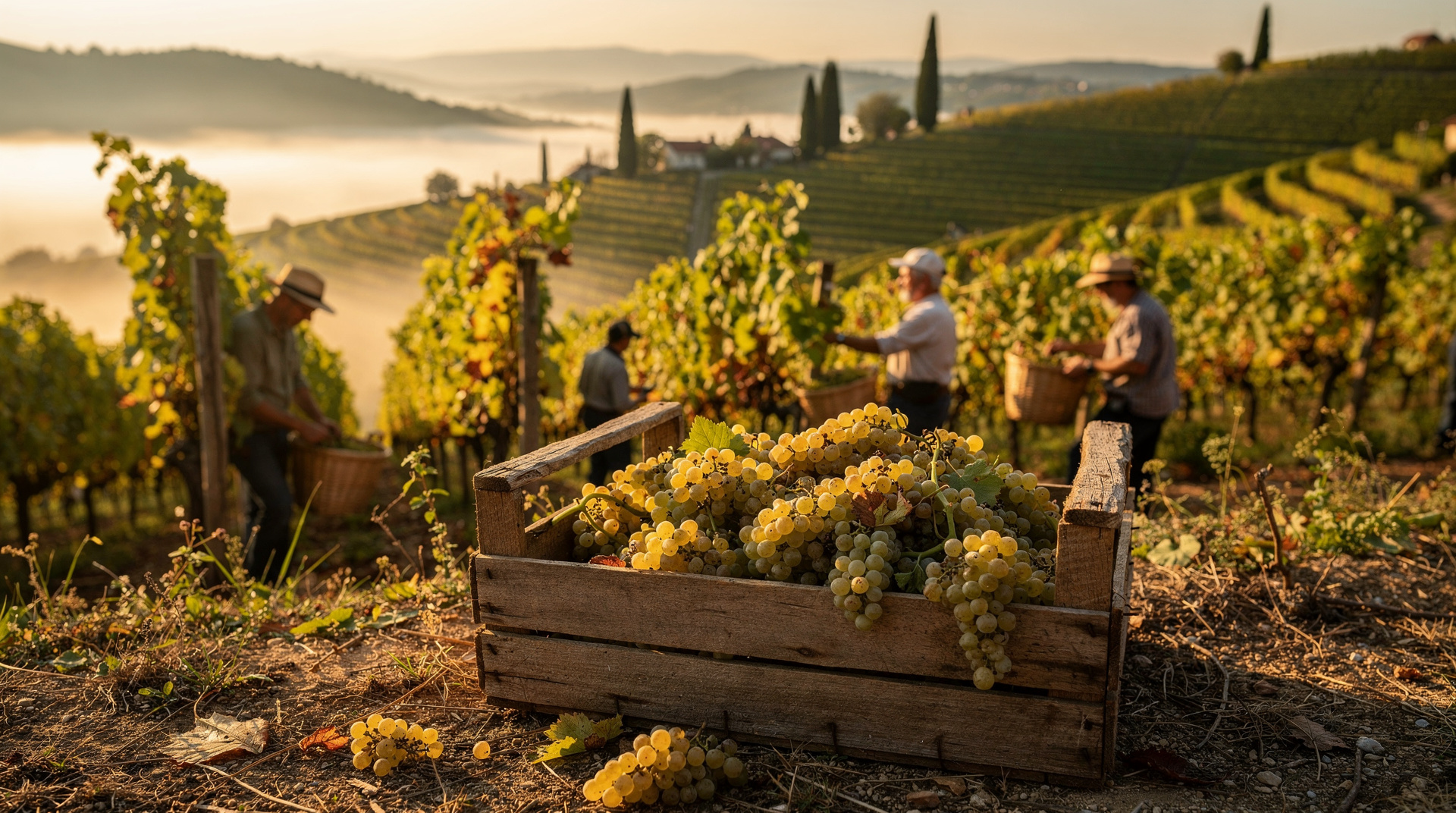
The Festival Stare Trte (Old Vine Festival) takes place each year in the second weekend of October, centred on Maribor’s old town. The timing coincides with the harvest of the Old Vine’s grapes, which is treated as a ceremonial event — a formal grape-picking in period dress, followed by procession and celebration.
The broader festival extends across Maribor’s squares and riverfront with wine tastings, food stalls, live music, and the participation of producers from the eastern Slovenian wine zone — Štajerska, Jeruzalem, Podravje. It is the largest wine event in Slovenia and a genuine gathering of the local wine community rather than a tourist production. Admission to the festival grounds is free; individual tastings are paid.
If your trip to Slovenia includes autumn, organizing your itinerary to include this festival weekend is worthwhile — Maribor in October, with the vine harvest under way and the river embankment animated by the festival, is one of the more pleasurable urban experiences in the country.
Vinag: the wine cellar under the city
The Vinag wine cellar is one of Maribor’s most distinctive visitor experiences. Under the city’s old town runs 6 kilometres of vaulted brick tunnel dating from the 19th century, built by the Vinag cooperative as storage for the wines of Štajerska. The tunnels are maintained at a constant 10°C year-round, and the ambient humidity and silence inside are striking.
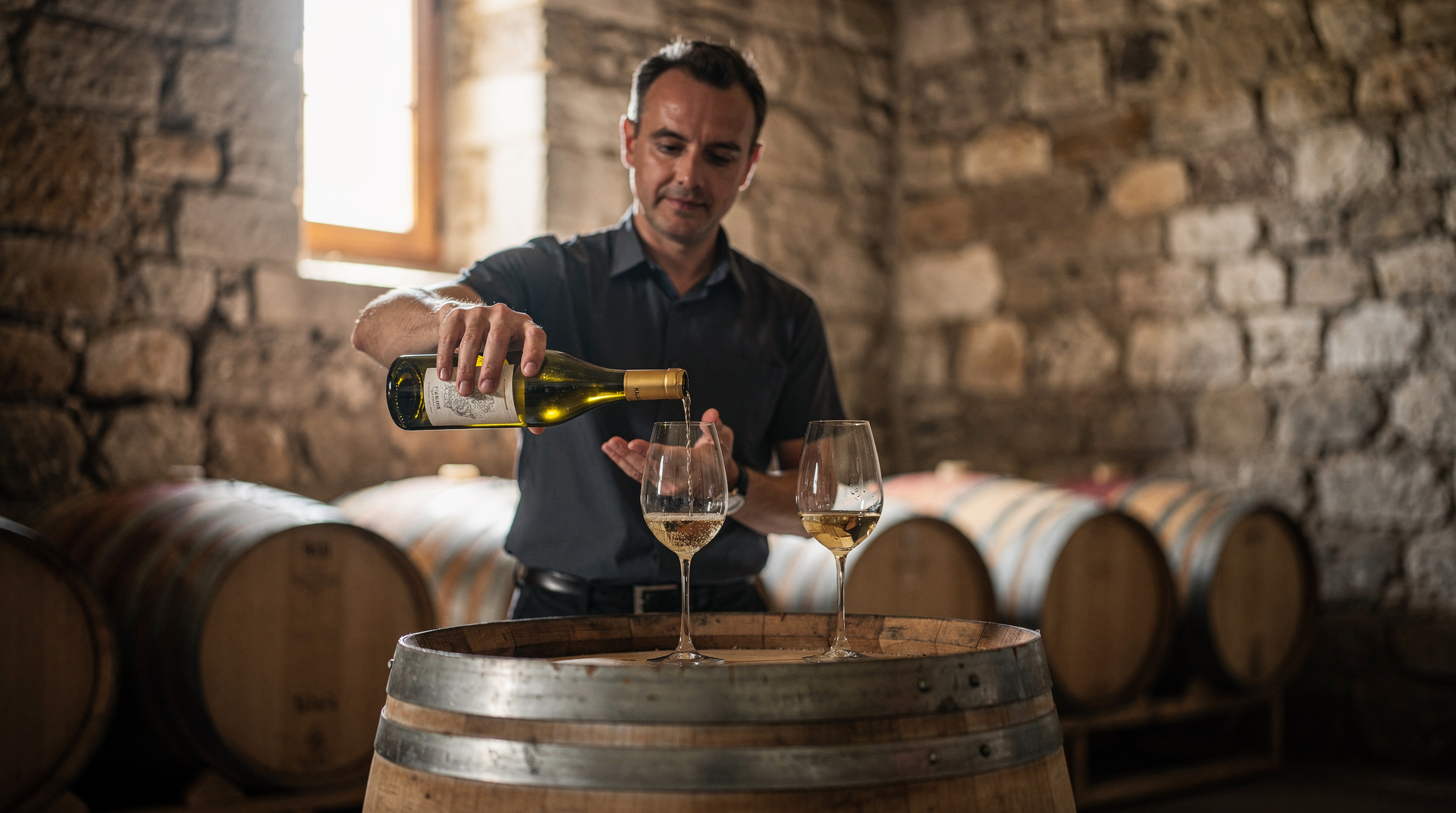
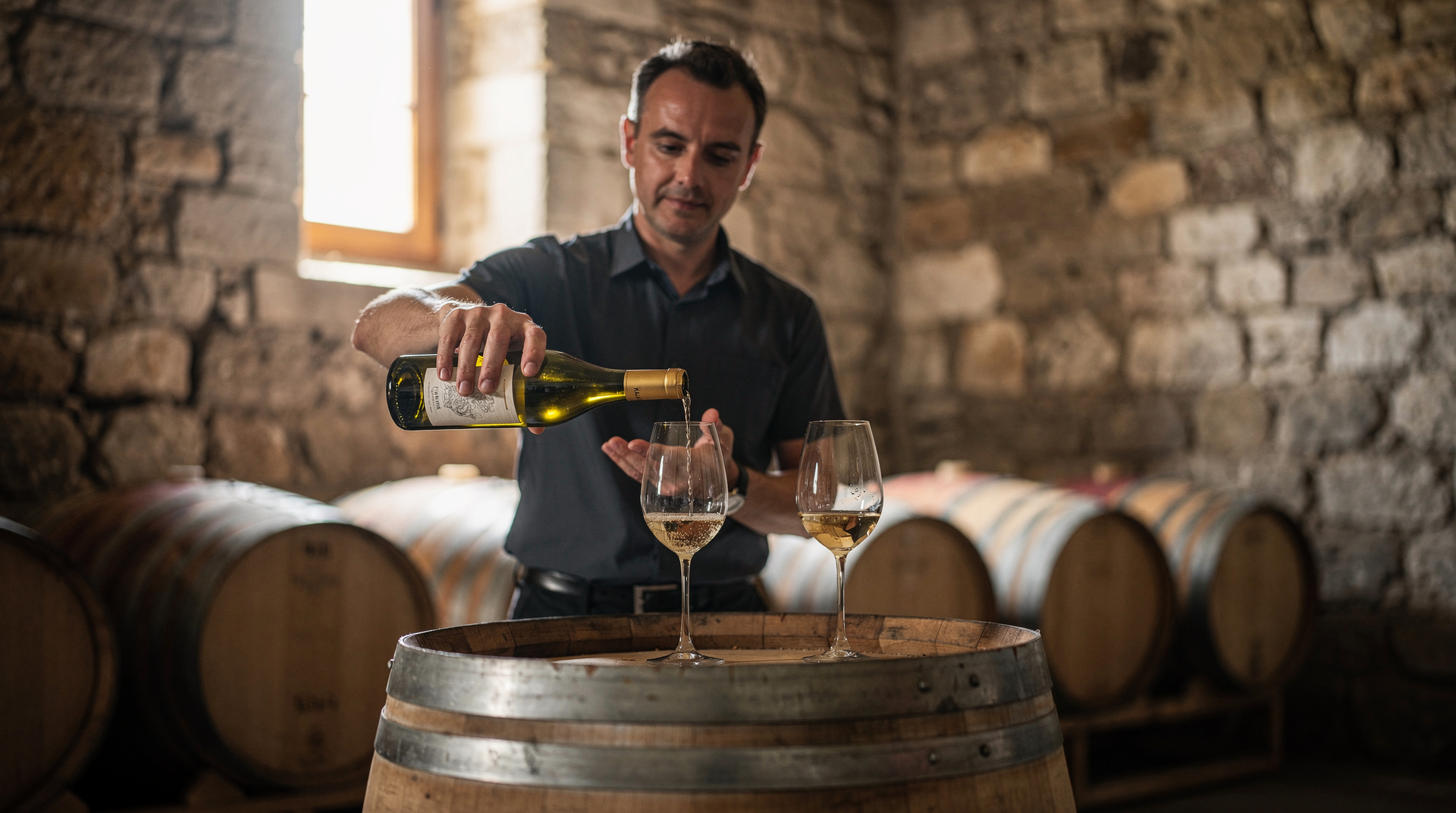
A guided tour of the Vinag cellar takes you through the network of tunnels with explanation of the history, the architecture, and the wine-making process. Tastings of Vinag’s current releases are included. The experience is both genuinely atmospheric and informative — a rare combination in commercial wine tourism.
A Maribor Vinag wine cellar tour is bookable in advance and includes the tunnel walk and tasting. This is one of the better value wine experiences in Slovenia: EUR 15–25 per person for a serious guided experience in a remarkable setting.
The tunnels themselves are worth pausing on: 19th-century brick vaulting stretching six kilometres beneath the old town, built specifically for wine storage rather than repurposed from another use, which is unusual even by European standards. Some sections are used for special events and private tastings, and the cooperative still ages a portion of its current production down here rather than in modern stainless-steel facilities — a detail that shows up in the texture of the older vintages if you taste across a flight rather than a single glass.
The eastern Slovenian wine zone
Maribor is at the heart of the Štajerska (Styrian) wine region — one of the three main Slovenian wine zones and the most continental in character. Where the western zones (Brda, Vipava) are Mediterranean-influenced, Štajerska is cooler, wetter, and produces wines of higher acidity and lower alcohol. The dominant variety is Welschriesling (Laški Rizling in Slovenian) — a grape with a somewhat mixed international reputation but capable of producing genuinely fine, mineral whites in the right hands and right locations.
The Jeruzalem-Ormož appellation is the most picturesque part of eastern Slovenian wine country: rolling hills at 200–300 metres altitude, south-facing slopes, a landscape of small farms and church steeples. The name Jeruzalem is said to come from medieval pilgrims who found the landscape so beautiful they called it a land of plenty — though the etymology is disputed by historians. The Welschriesling from these hills, made well, is a crisp, mineral, food-friendly white that deserves more international attention than it receives.
Other notable varieties in the region: Pinot Blanc (Beli Pinot), which produces elegant, lightly structured whites; Šipon (the Slovenian name for Furmint, better known from Hungarian Tokaj) in very small quantities; and Sauvignon Blanc in a restrained, mineral style different from the more exuberant Vipava version.
For a tour that combines wine tasting with Maribor’s urban history and architectural heritage, a Maribor stories and wine tastes tour is a guided walk through the old town with wine sampling at key stops. A more comprehensive Maribor wine experience covers the cellar visit, regional tastings and the wine culture of the eastern Slovenian zone in a single half-day session.
Maribor as a wine city
Maribor is Slovenia’s second city, with a university population that gives it a lively wine bar culture beyond what a city of 100,000 would normally sustain. The old town — the Lent district along the Drava river, Glavni trg (Main Square), and the medieval streets between — has a concentration of wine bars and restaurants that take Štajerska wine seriously.
Vinarna Klet (Vojašniška, near the Old Vine) is the natural first stop: a cellar-bar that stocks a serious selection of regional wines and serves local charcuterie and cheese boards. Open from mid-afternoon.
Stara Trta Wine Bar (in the Old Vine House building) serves wines from the Štajerska region alongside the museum — the Vinag representative wines and several small producer selections. A useful orientation before exploring further.
Pri Florjanu (Florjanova, old town) is a classic Maribor gostilna: bograč stew (a three-meat paprika goulash), roast pork, Carniolan sausage, and a short wine list of Štajerska producers. Mains EUR 12–18. Busy at lunch.
Žametovka: the grape of the Old Vine
The variety growing on the Old Vine — Žametovka — is an indigenous Slovenian red grape with a complicated commercial history. It was once the most planted red variety in Slovenia, producing a light-coloured, low-tannin red wine that was consumed locally and rarely exported. As international varieties (Merlot, Cabernet, Pinot Noir) became more fashionable and more profitable in the 1990s, Žametovka’s area declined sharply.
Today it survives primarily in the Maribor area and in a few other localities in eastern Slovenia. The wine it produces is genuinely unusual: pale ruby, sometimes almost rosé in colour, with light tannins, high acidity, and a distinct earthiness. Served slightly chilled, it is an excellent warm-weather red and an interesting counterpart to the more conventional Loire or Pinot Noir comparisons that light red wines typically invite. Ask for it at the Old Vine House or at Vinarna Klet.
Getting to Maribor
Maribor is 130 km east of Ljubljana — about 1 hour 15 minutes by motorway (A1/E57). Regular train services from Ljubljana Central Station to Maribor take about 2 hours and run approximately every two hours. The Old Vine, Vinag cellars and the main wine bars are all within walking distance of Maribor’s main railway station.
If you are visiting from Ptuj (Slovenia’s oldest city, 25 km southeast), the two towns make a natural combination for a day trip from Ljubljana. The Ptuj wine cooperative (Ptujska Klet) produces some of the region’s best-known whites and its castle cellar is worth visiting.
Best time to visit
October is the clear first choice — the Old Vine Festival fills the second weekend of the month, the harvest is under way in the surrounding vineyards, and Maribor’s old town is at its most animated. The Drava river light in autumn is beautiful.
June and September are the second choices: good weather, longer daylight hours, and the wine bars and gostilne running at full capacity. July and August are the peak tourist months — busier and slightly more expensive, but still very functional.
Winter Maribor has an Advent market in the old town (late November to late December) that is one of the better ones in the country — mulled wine from Štajerska producers, local food stalls, and the Old Vine lit in the cold evening air.
What the Old Vine wine tastes like
If you manage to obtain a small bottle of Old Vine wine (available in very limited quantities at the Old Vine House shop in October and November, when the vintage has been bottled), the wine is light Žametovka — pale ruby, herbal, earthy, with high acidity and a distinct rusticity. It is not polished wine. It is old vine wine made from the fruit of one vine, in small barrels, by a cooperative cellar that does not have the resources to craft it into something precise. But it is genuine, it is interesting, and the context — drinking wine from a vine older than Shakespeare’s death — is irreplaceable.
Day trips from Maribor into the wine country
Maribor is the natural base for exploring eastern Slovenian wine country. The main day trip options by car:
Jeruzalem (45 km east): the most scenic wine village in Štajerska, on a hilltop at 250 metres with a panoramic view of the surrounding vineyards. The 18th-century church of Sveti Jernej and the wine cellars below it are the centrepiece. Several producers have tasting rooms in the village; the Jeruzalem Ormož winery has a large tasting facility and is the most visitor-ready option. Allow half a day.
Ptuj (25 km southeast): Slovenia’s oldest city, with a castle, a Roman archaeological museum, and the Ptujska Klet wine cooperative in the town centre. The cooperative produces the Pullus range — premium Štajerska whites — and the cellar beneath the building runs for several hundred metres. Ptuj combines history and wine in a manageable half-day, making it a natural pairing with Maribor in a single trip from Ljubljana.
Ormož and the Hungarian border (80 km east): the easternmost edge of Slovenian wine country, where the Šipon (Furmint) produces wines of unusual depth. Smaller-scale and less developed than the Maribor area; a destination for the wine-focused traveller who wants to push beyond the well-known zones.
The Maribor wine route (Mariborska vinska cesta)
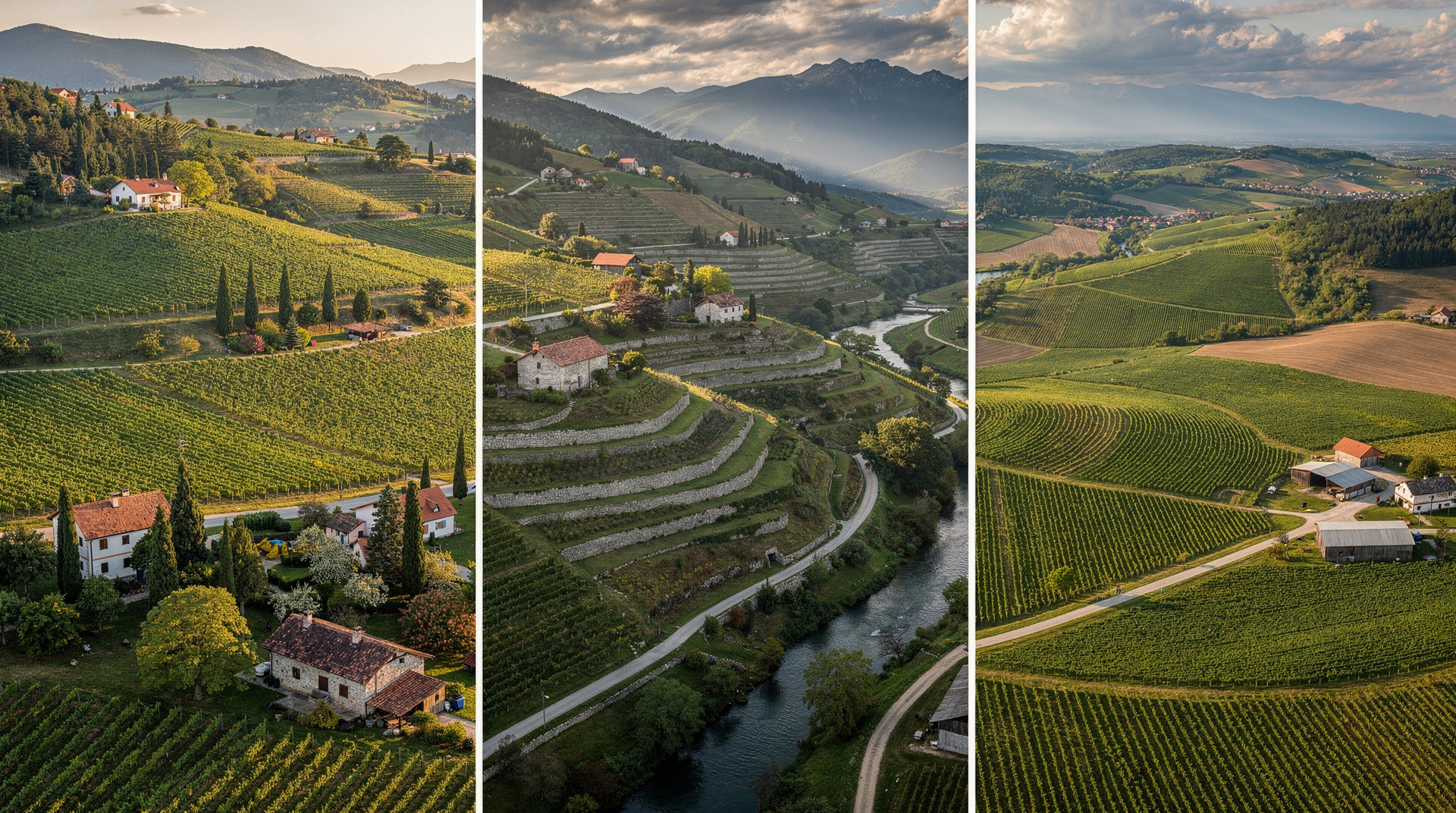
A marked wine route connects Maribor’s wine country — the vine-covered hills above the city (Piramida hill, with vineyards directly above the urban centre) with the Jeruzalem appellation to the east. The full route is best driven in a day with two or three producer stops; the section above Maribor (Piramida hill and the Šentilj plateau north of the city) is walkable on foot from the city centre in a half-day.
The Piramida vineyard, directly above Maribor’s old town at around 200 metres altitude, is the most visible wine site in the city and a 30-minute walk from the Old Vine House. The views back over Maribor and the Drava valley from the vineyard ridge are the best urban panorama in eastern Slovenia.
What to buy from Maribor’s wine shops
The best place to buy eastern Slovenian wine in Maribor is from the wine shop at the Vinag cellar — the range covers Štajerska, Podravje and Pomurje producers alongside Vinag’s own production. The Pullus range from Ptujska Klet is widely available in Ljubljana but cheaper here at source.
For a direct comparison of eastern and western Slovenian wine styles, bring a bottle of Laški Rizling from Jeruzalem and a Zelen from Vipava and taste them side by side in Maribor in the evening. The contrast — the continental freshness of the east versus the Mediterranean weight of the west — illustrates everything important about Slovenian wine geography in two glasses.
Maribor beyond the wine: the city itself
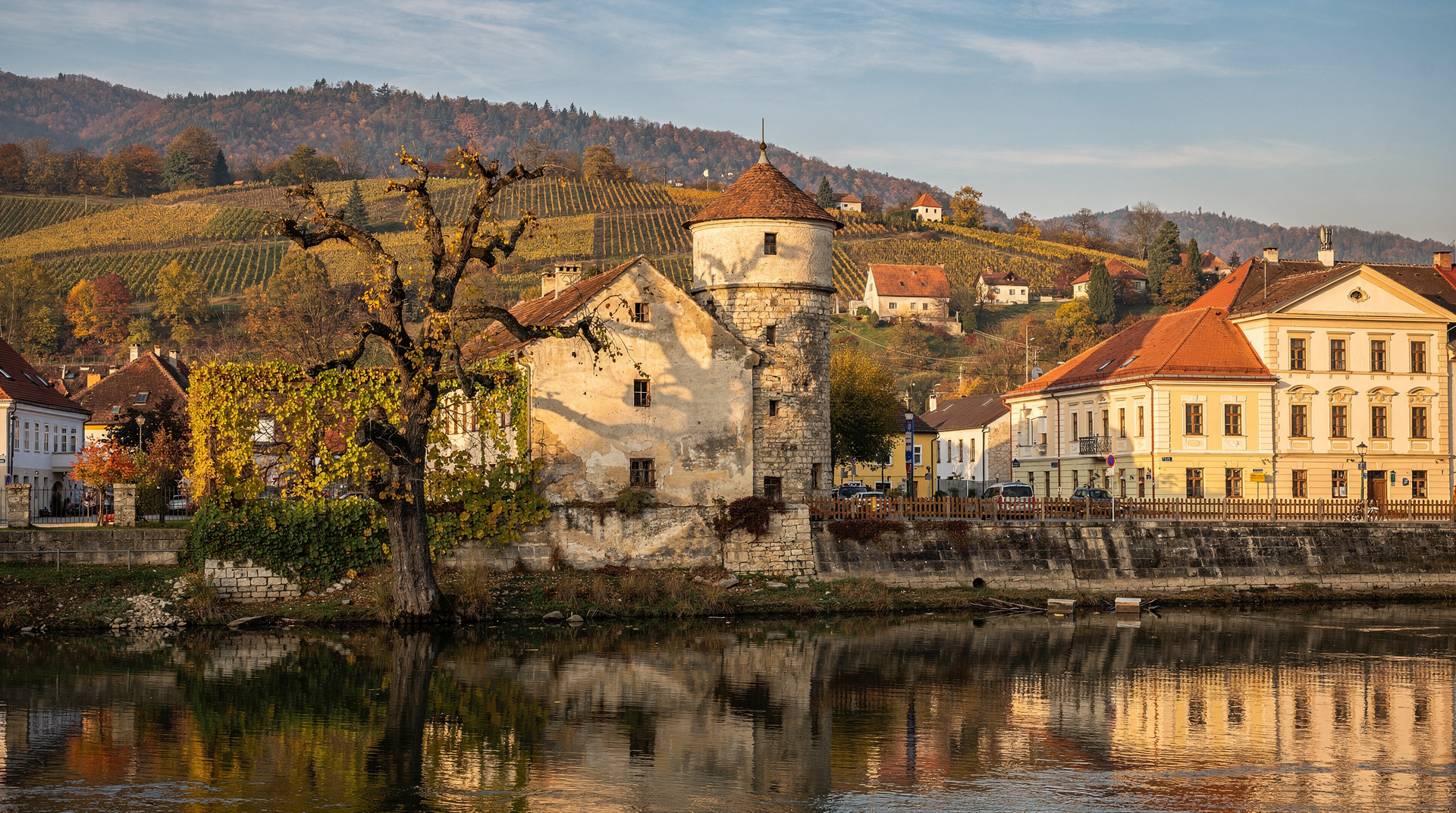
Maribor has more to offer than wine. The old town — the Lent district along the Drava river, with its medieval water towers and 14th-century Synagogue (the second oldest surviving synagogue building in Europe) — is compact, walkable and genuinely interesting. The Maribor Regional Museum covers the city’s history from Roman times through the Habsburg period and the two World Wars, with particular depth on the partisan resistance of 1941–45.
The Minorite Church (Minoritska cerkev) on the main square is one of the most complete Baroque interiors in Slovenia — worth ten minutes to step inside. Maribor Castle (Maribor Grad), now a regional museum, overlooks the Glavni trg (Main Square) that is the commercial and social heart of the city.
The Drava river walk from the Lent district west toward the Piramida hill is the best free urban walk in the city — 30 minutes along the embankment past the water mills, the 16th-century waterfront buildings, and the views toward the vine-covered slopes above.
Maribor in winter: the city’s Christmas market (late November to late December) on Glavni trg is one of the better Advent markets in Slovenia — smaller and less commercialised than Ljubljana’s, with hot wine, local food stalls, and the Old Vine lit in the cold.
Where to stay in Maribor
The most atmospheric option in Maribor is the Hotel Orel (Grajski trg, near the castle) — a mid-19th century building on the historic square, recently renovated, with rooms at EUR 90–130 for a double. Well-positioned for the Old Vine, Vinag cellar and the Lent district on foot.
Hotel Habakuk (on the edge of Pohorje, 10 minutes from the centre) is the large spa and golf hotel option — more resort than city hotel, but useful if you are combining wine with Pohorje outdoor activities. EUR 120–180 for a double.
Budget options: several smaller guesthouses and apartments on the Drava embankment in the EUR 50–80 range, available through standard booking platforms.
Combining Maribor with Ptuj
Ptuj, 25 km southeast of Maribor, is Slovenia’s oldest continuously inhabited city — a Roman garrison town on the Drava, with a castle that overlooks the river from a limestone bluff, a compact medieval old town, and the Ptujska Klet wine cooperative in the town centre. It is almost always visited on the same day as Maribor — the two cities together make a natural eastern Slovenia wine and culture day from Ljubljana (or an overnight trip).
The Ptujska Klet produces the Pullus premium range (Welschriesling, Sauvignon Blanc, Pinot Blanc) that consistently represents Štajerska at the highest quality level available in this zone. The cellar visit is available with advance booking; the wine shop is open for walk-in purchases. See the destination pages for Ptuj for details on the castle and Kurent carnival festival.
See the Slovenian wine guide for the full overview of the country’s wine regions, and the wine regions of Slovenia page for a structured comparison of Štajerska against the western zones.
Old Vine visit vs. full wine day: what to actually book
Not every visitor needs the same depth of engagement with Maribor’s wine scene. A useful way to plan:
| Time available | What to do | Cost |
|---|---|---|
| 20 minutes | Old Vine House only | Free |
| Half day | Old Vine + Vinag cellar tour + one wine bar | EUR 15–35 |
| Full day | Add Piramida hill walk or a Jeruzalem producer visit | EUR 40–70 |
| Two days | Full day above + Ptuj and Ptujska Klet | EUR 80–120 |
Families and casual visitors tend to get the most out of the 20-minute Old Vine stop combined with a wine bar for the adults; dedicated wine travellers should budget the full or two-day version to do the region justice. If you’re squeezed for time and can only manage one paid activity, the Vinag cellar tour is the better investment over an Old Vine bottle — the tunnels and tasting give a fuller sense of the region than the Old Vine’s symbolic (and often unavailable) wine ever can. For a wider comparison of how eastern Slovenia’s wine towns stack up against each other before committing a full day, see the Maribor city guide, which covers Ptuj and Celje alongside Maribor itself.
Frequently asked questions about Maribor's Old Vine
Can visitors actually taste the Old Vine's wine?
Only in very limited quantities and only around the annual harvest. The vine produces roughly 100 half-litre bottles a year, most of which are reserved as ceremonial diplomatic gifts to visiting heads of state. A small number are sold at the Old Vine House shop in October and November once the vintage is bottled, but they sell out quickly and are not guaranteed to be available on any given visit. Most visitors instead taste other Žametovka or Štajerska wines at Vinarna Klet or the Vinag cellar, which give a genuine sense of the local style without requiring the Old Vine bottle itself.Is the Old Vine House worth visiting if I'm not a wine enthusiast?
Yes — it's free, takes only 20 minutes, and the appeal is more historical than technical. Seeing a vine that has survived four centuries, the Napoleonic siege and two world wars, still producing fruit each autumn, doesn't require any wine knowledge to appreciate. The small exhibition inside explains the history in accessible terms, and the shop is a low-pressure way to sample regional wines even if you don't know a Welschriesling from a Sauvignon Blanc.
Top experiences
Bookable activities with verified prices and instant confirmation on GetYourGuide.