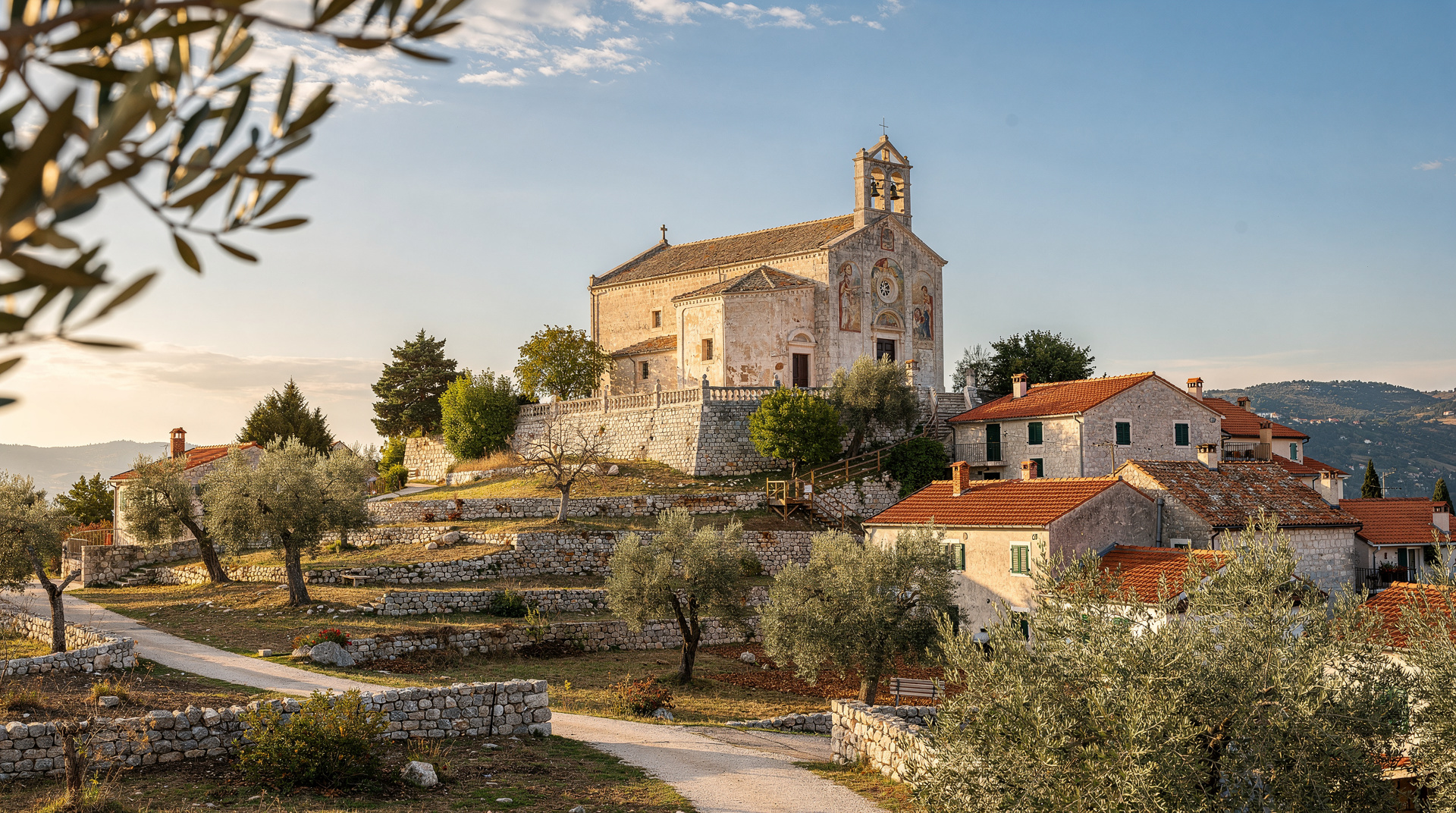
Izola guide: the Slovenian fishing town the tourists keep walking past
Izola: private Adriatic boat tour to Strunjan and Piran
What is special about Izola?
Izola is the Slovenian coast's best-kept secret: a functioning fishing town with Venetian medieval heritage, a lively young bar and restaurant scene, and significantly lower prices than Piran. Locals eat here — which is usually the best endorsement. It pairs perfectly with Piran (25 minutes by local bus) for a two-day coastal itinerary.
Izola: where the tourists don’t go and the locals do
The standard Slovenian coast itinerary runs Koper — Piran (or just Piran). Izola, in between, is often reduced to a blur viewed through a bus window. This is the most consistent mistake made by visitors to the Slovenian coast.
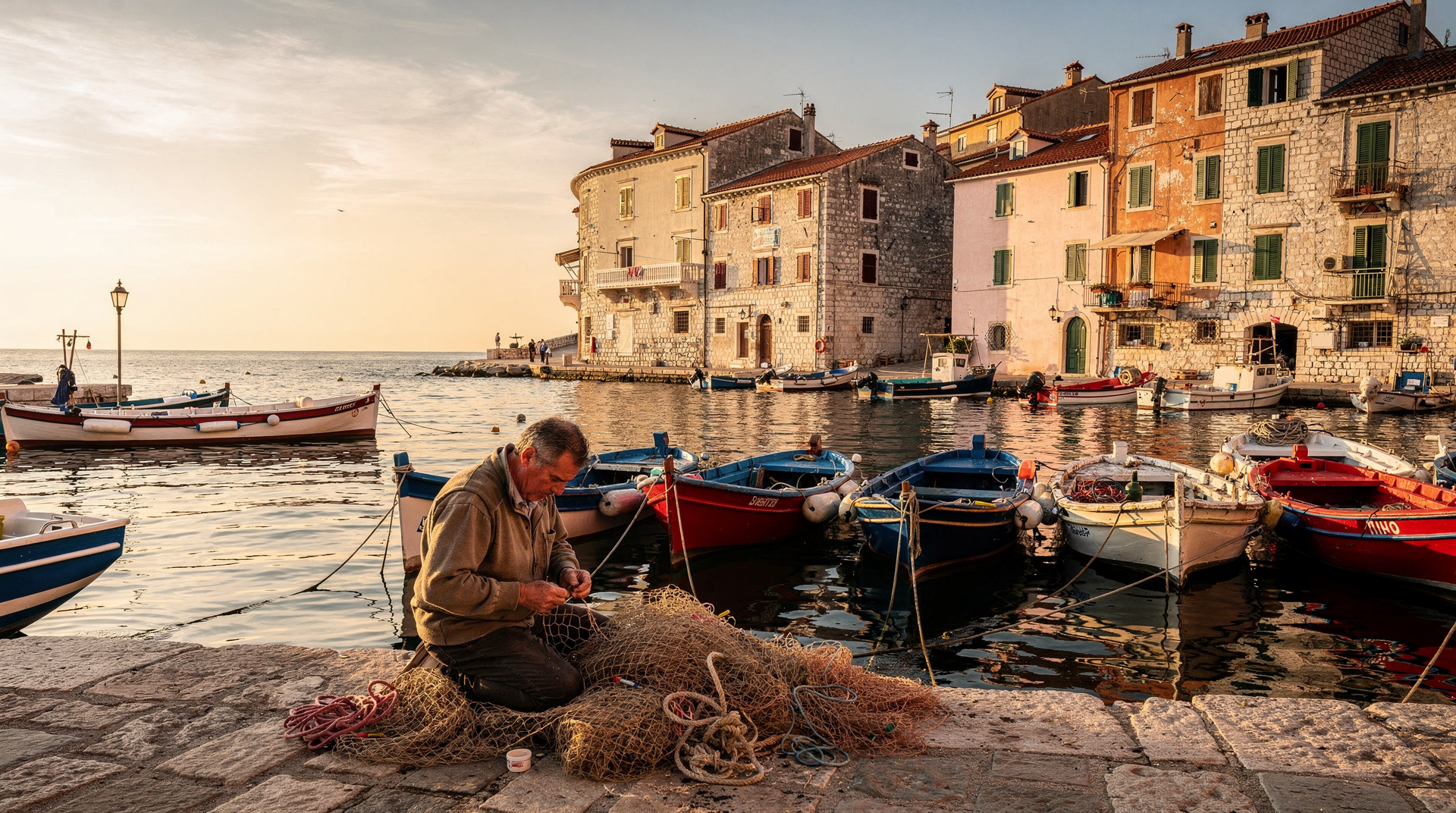
Izola is a working fishing town. Its harbour is still active with commercial fishing boats. Its bars and restaurants fill with local residents in the evenings — not the tour-group overflow from Piran. The old town has the same Venetian roots as Piran and Koper, slightly rougher around the edges, none the worse for it. And the food is genuinely excellent, with prices that reflect local economics rather than tourist positioning.
The case for including Izola in your itinerary is simple: it is where the coast feels like itself.
| Where | Slovenian coast, between Koper and Piran |
| Cost | seafood dinner around EUR 20–28/person |
| Getting there | local bus from Koper (15–20 min) or Piran (25 min) |
| Time needed | half-day to a full day |
| Best for | food, harbour atmosphere, avoiding Piran’s crowds |
Getting to Izola
By local bus from Koper: The most common approach. Buses run approximately every 20–30 minutes in season, journey around 15–20 minutes, EUR 1.50–2.
By local bus from Piran: Around 25 minutes, EUR 2, buses several times per hour in season.
By local bus from Portorož: Around 20 minutes, EUR 2.
By car: If driving from Ljubljana (around 1h20–1h30 on the A1 motorway), Izola is on the coastal road between Koper and Portorož. Parking is easier here than in Piran — there are public car parks near the harbour (EUR 1–1.50/hr).
By bike: The coastal path from Koper is approximately 7 km, flat and pleasant. The Parenzana cycling trail also passes through Izola on its route from Koper to Piran.
The old town and harbour
Izola was a proper island until the mid-19th century, when land reclamation connected it to the mainland — a history shared with Koper and, to a lesser extent, Piran. The medieval Venetian settlement that developed on the island survives in the inner old town.
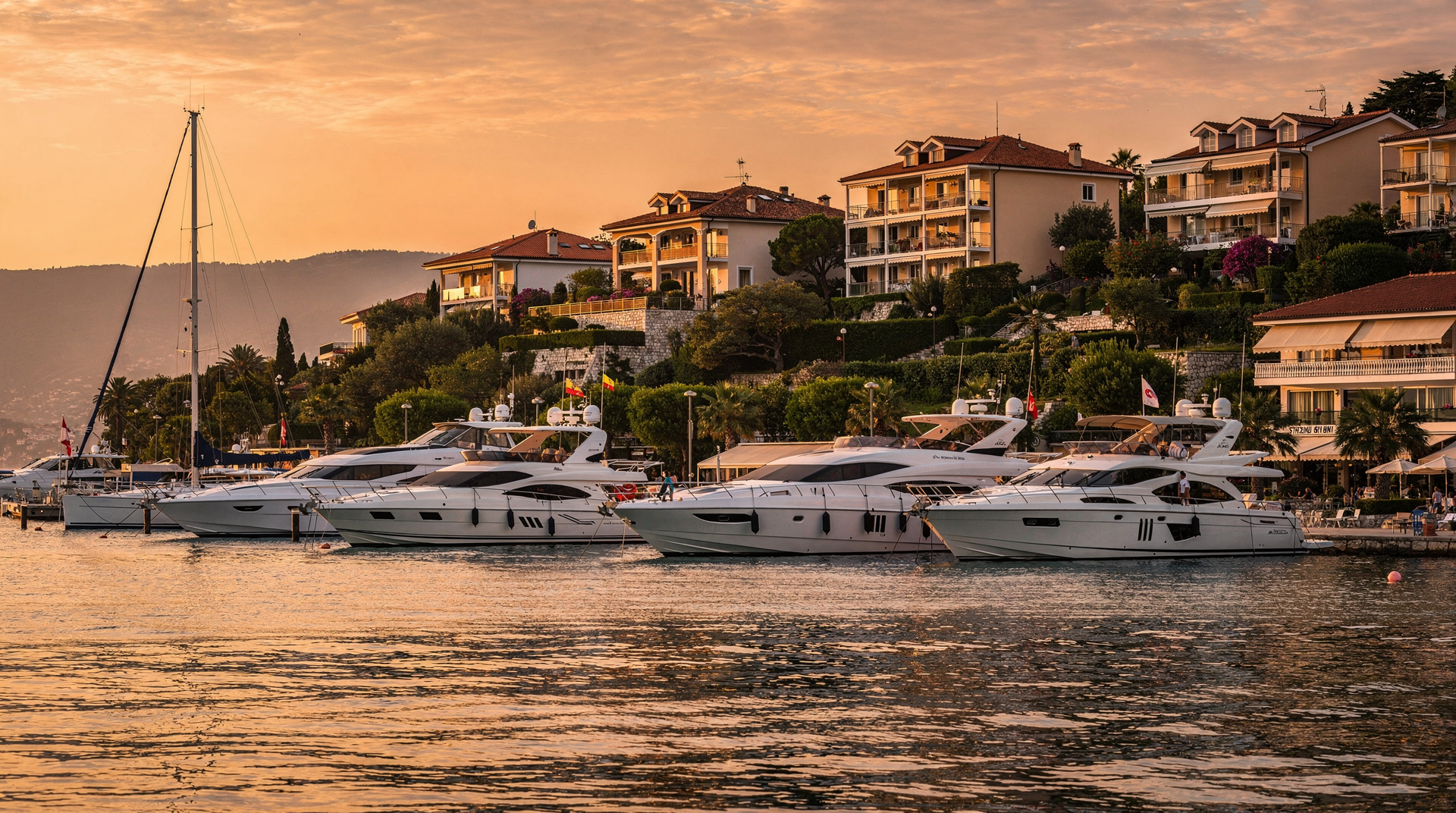
The harbour (pristanišče): The working harbour is Izola’s defining feature. Fishing boats, small pleasure craft and the occasional ferry share the quay. The fish market near the harbour runs in the early mornings when the boats come in. In the evenings, the harbour-side bars and restaurants fill with locals and the atmosphere is about as far from a tourist resort as you can get on this coast.
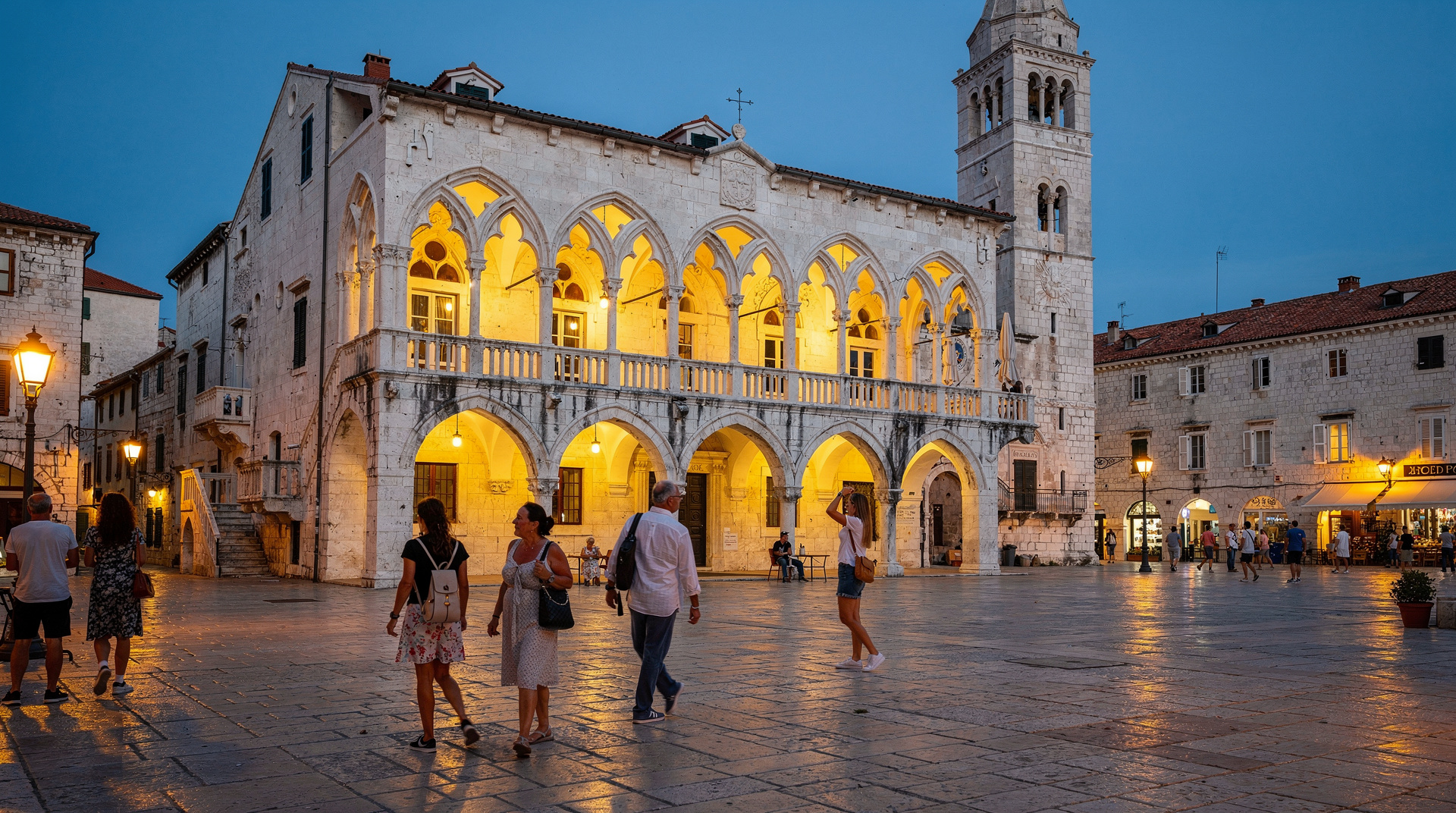
Besenghi degli Ughi Palace (Palača Besenghi degli Ughi): The most striking Baroque palace on the Slovenian coast, built in the 18th century for a wealthy local family. Now a music school; the facade, with its elaborate carved stone decoration, is visible from the main square.
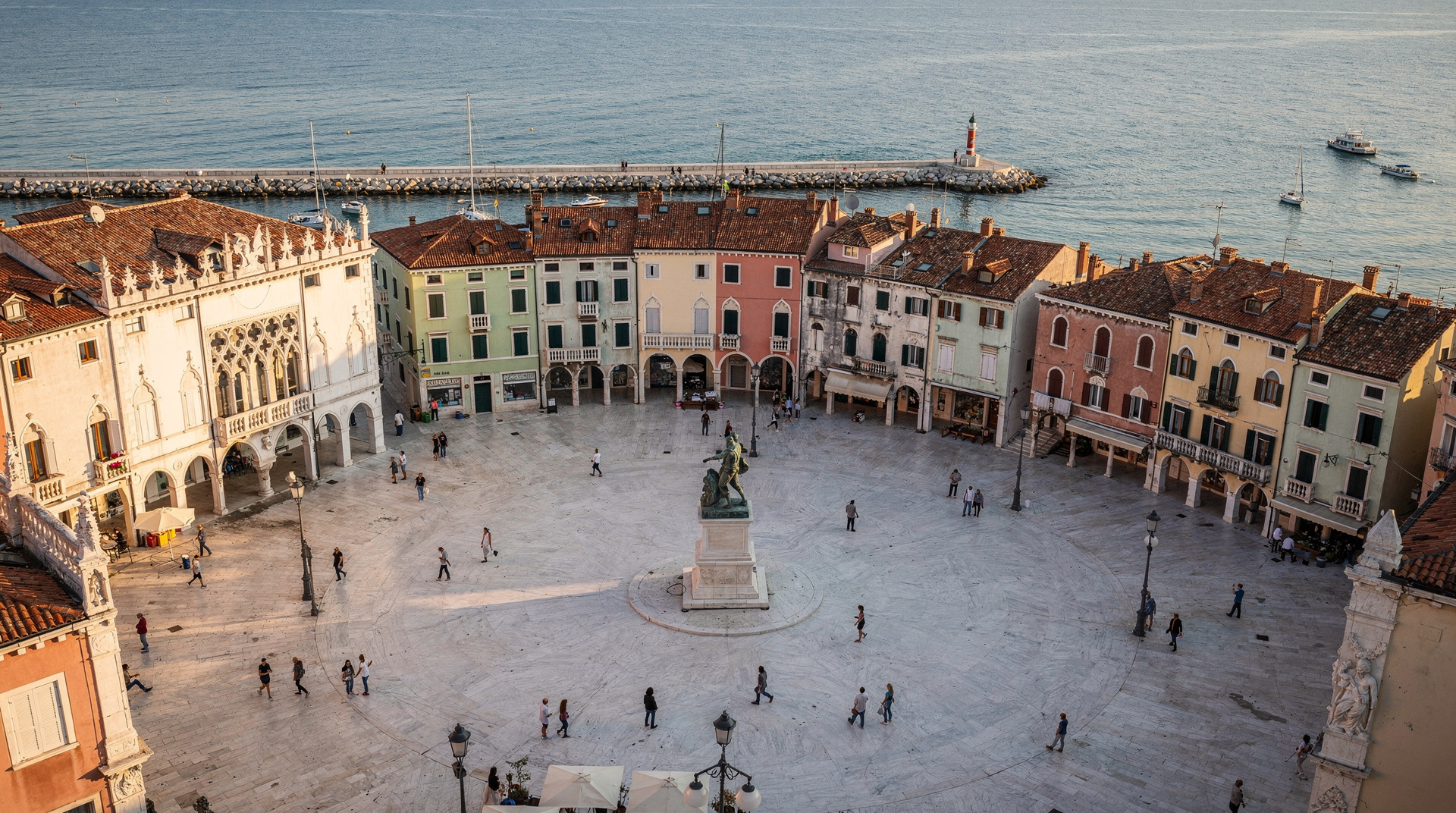
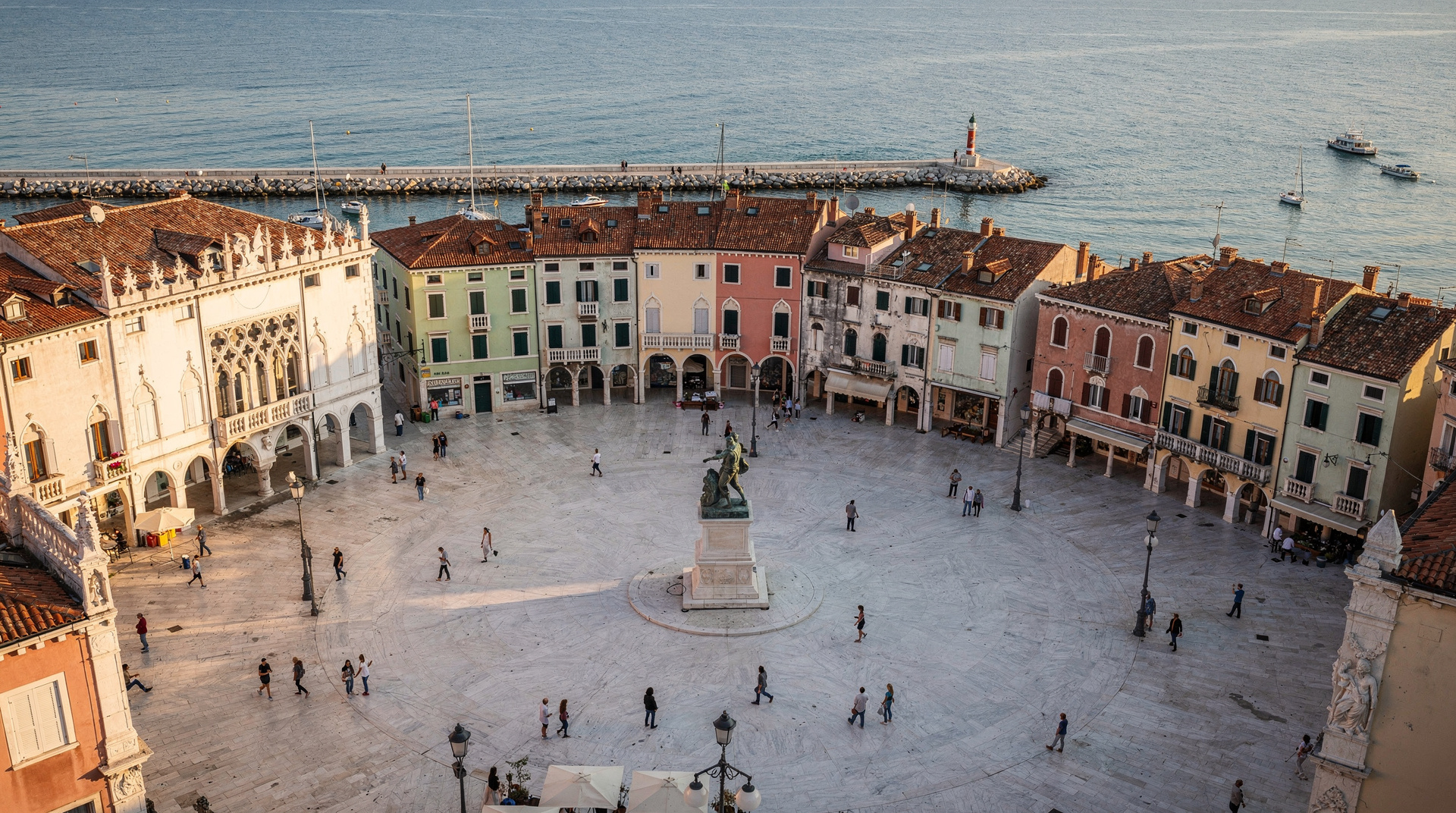
The main square (Trg Manzioli): A small piazza with a Venetian Gothic column and some good café terraces. Less architecturally grand than Koper’s Tito Square or Piran’s Tartini Square, but pleasant for a coffee.
Church of St Maurus (Cerkev sv. Mavra): The old town’s main church, built in the 14th century with later modifications. Contains several paintings and the remains of Izola’s patron saint. Worth a brief look.
The old town walls route: Only fragments of the medieval walls survive, but a walking loop through the old town lanes — roughly 2–3 km — passes the best architectural details and the small piazzas that open unexpectedly from the narrow streets.
The beaches at Izola
Izola’s main swimming areas:
Simonov zaliv (Simon’s Bay): The best beach option. Located about 1 km west of the old town, accessible on foot or by bike along the seafront path. A gravel beach with some sandy sections, sun lounger hire, beach bars and calm, clean water. In season (June–September) it is pleasant for a half-day of swimming. Not as good as Portorož’s main beach for infrastructure, but considerably more relaxed in atmosphere.
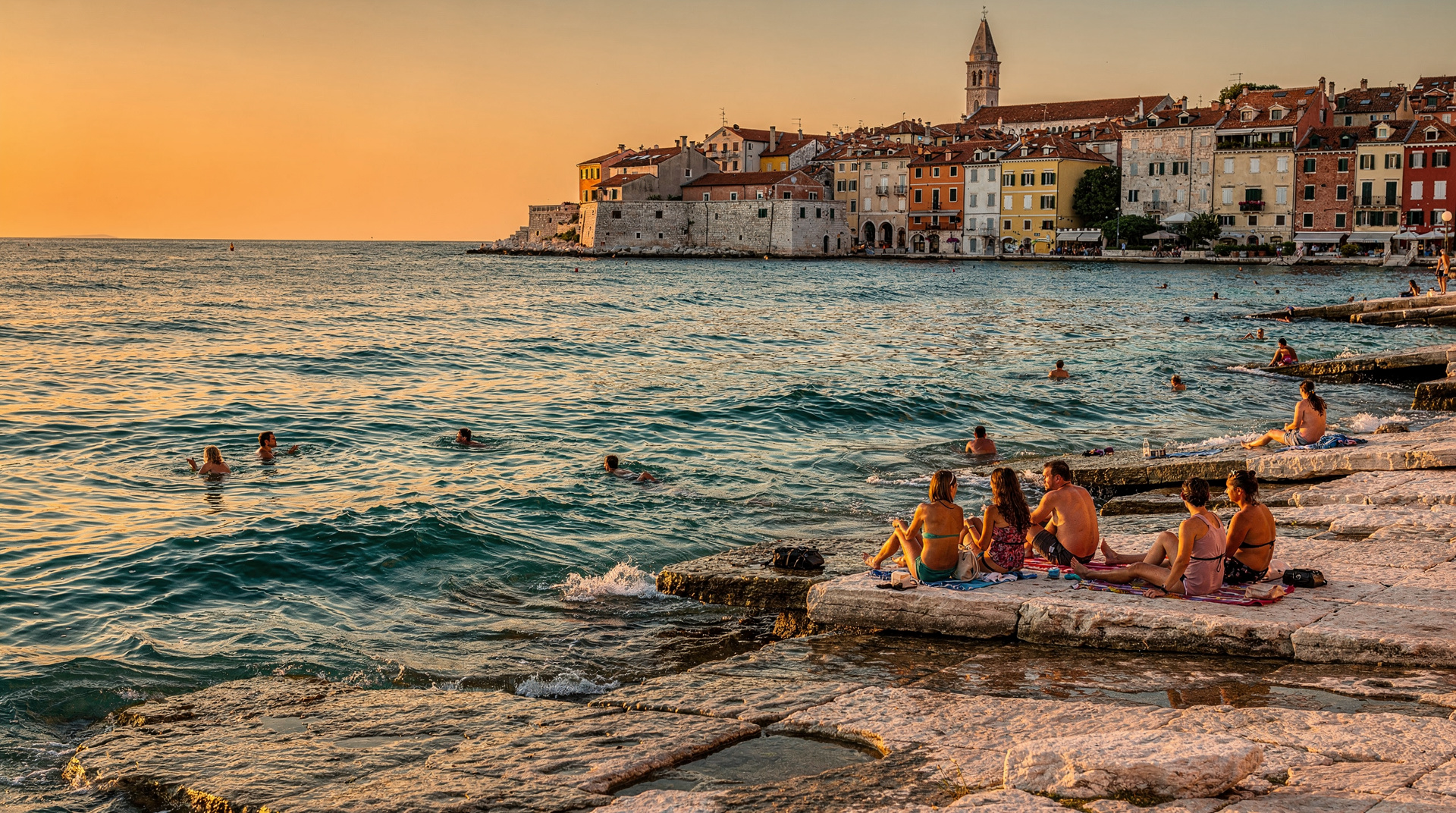
The old town swimming area: Rocky platforms and concrete steps along the western edge of the old town. Good for an early-morning swim before the day starts, with the old town rising directly above you.
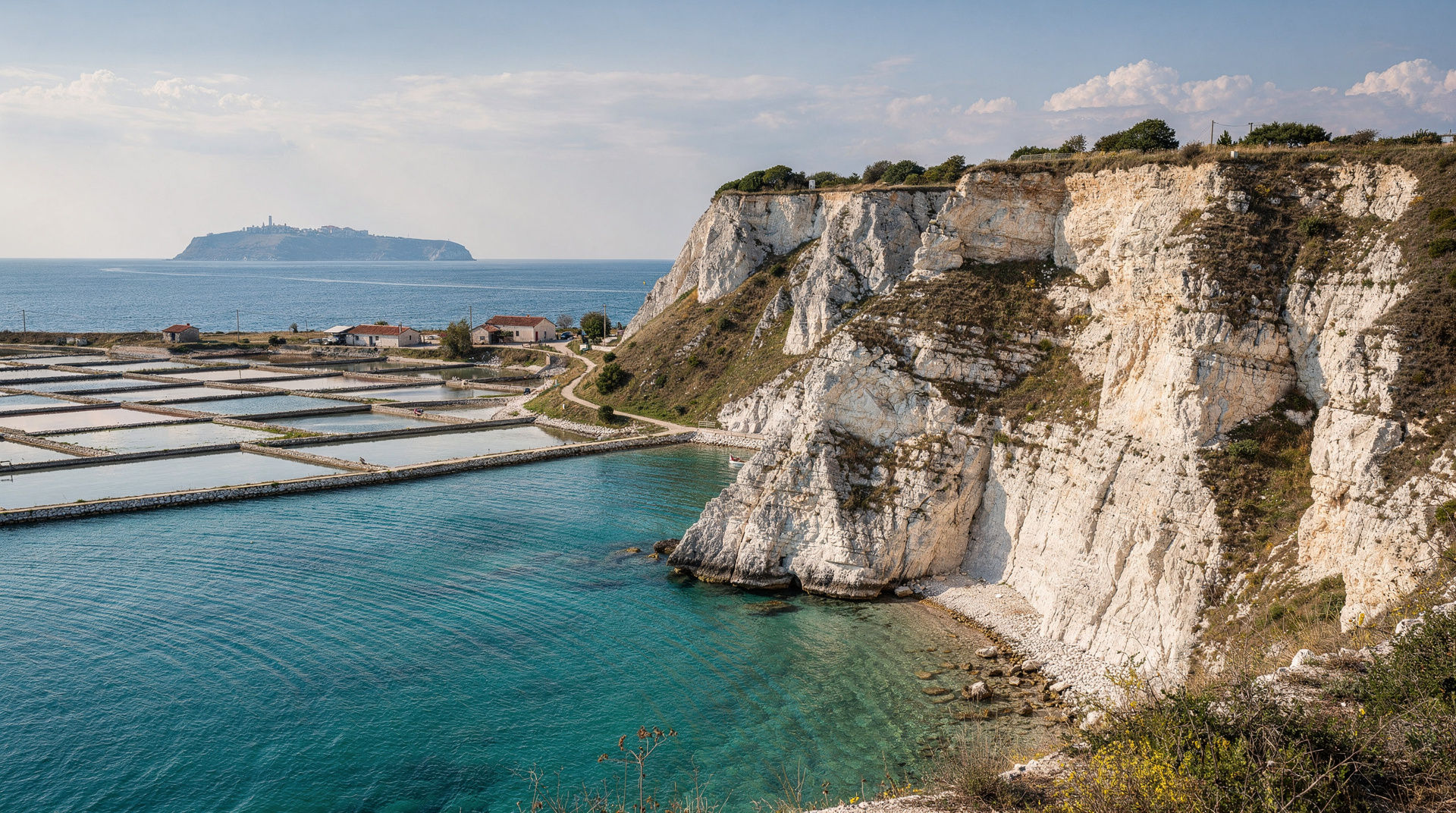
Strunjan nature reserve: 10 minutes by bike north of Izola (or 20 minutes on foot from the edge of town). The protected lagoon has cleaner water and more space. See best beaches in Slovenia for the full comparison.
A boat excursion from Izola to Piran via Strunjan is the best way to see both towns and the nature reserve from the sea, visiting swimming spots that are difficult to reach by land.
Food and drink in Izola
This is where Izola genuinely outperforms its coastal neighbours for value.
The fish restaurants: Izola’s seafood restaurants are primarily local businesses cooking for local clientele, which means the daily catch, simply prepared, at prices that are typically 20–30% below equivalent dishes in Piran’s tourist-zone restaurants.
Recommended restaurants (confirmed 2025):
- Gostilna Ribiška Koča: Near the harbour, excellent grilled fish and seafood risotto, very popular with locals. Book ahead in summer (EUR 18–28 per head).
- Pri Mirku: A local gostilna with wood-fired cooking and excellent value — the kind of place you find by walking away from the main square (EUR 12–20 per head).
- Marina Café: Good for morning coffee and pastries overlooking the harbour.
The evening bar scene: Izola has the most active evening bar scene on the Slovenian coast — helped by the presence of the University of Primorska campus here, which brings a younger population. The harbour-front bars are lively on summer evenings without being dominated by stag parties.
Local wine: Malvazija is served everywhere and the local producers from the Slovenian Istria hinterland are worth seeking out.
Combining Izola with the rest of the coast
The ideal approach to Izola is as part of a two- to three-day coast itinerary:
Day 1: Koper old town in the morning (3–4 hours). Izola for a seafood lunch and afternoon harbour walk. Local bus or walk to Portorož or Piran for the evening.
Day 2: Piran for the old town, cathedral and bell tower. Afternoon boat excursion to Strunjan and back.
Day 3: Sečovlje saltpans by bike. Optional day trip to Slovenian Istria hinterland.
Alternatively, basing yourself in Izola for two nights gives you a quieter, more local experience than either Portorož or Piran, with excellent transport connections to the other coastal towns.
Where to stay in Izola
Izola has a smaller accommodation offer than Portorož but a genuine range from budget rooms to boutique guesthouses.
Guesthouses in the old town: The most atmospheric option — several family-run guesthouses in converted medieval buildings in the old town. Prices typically EUR 60–100 per night for a double room. The advantage is waking up in the historic centre, walking to the harbour for morning coffee.
Apartment rentals: A good selection of self-catering apartments through standard booking platforms, particularly useful for families or those staying 3+ nights. Prices EUR 70–130 per night depending on size and season.
Hotel Marina (3-star): The main conventional hotel in Izola, near the marina. Reliable, not glamorous, convenient.
Using Izola as a base vs staying in Portorož or Piran: The honest comparison — Izola has less tourist infrastructure than Portorož and less architectural grandeur than Piran, but it is the most authentic of the three towns and the food is better value. For visitors who want a local experience and do not mind slightly fewer amenities, it is the best choice. For beach infrastructure, stay in Portorož. For historic atmosphere, stay in Piran.
Boat excursions from Izola
The Izola harbour is the departure point for several boat excursion options in season (May–October):
- Coastal excursion to Piran via Strunjan: The most popular option — a half-day boat trip along the coast, visiting sea caves and the Strunjan lagoon with swimming stops before arriving in Piran. Return by local bus or boat.
- Snorkelling trips: The waters around the Strunjan peninsula are clear and have interesting underwater terrain. Several operators offer guided snorkelling excursions.
- Private boat hire: Smaller motor boats can be hired from the harbour for independent coastal exploration.
A boat excursion from Izola to Piran via Strunjan is one of the best ways to experience the natural coastline between the two towns, with swimming stops at spots that are unreachable by land.
The Izola food scene in more detail
It is worth spending more words on Izola’s restaurants because this is genuinely where the coast’s best-value eating happens.
The pattern to understand: Izola’s restaurants are primarily cooking for local residents and the working harbour community, not for day-trippers from Ljubljana or tourists from Piran. This means the menus reflect genuine local demand — fresh fish, honest preparation, no tourist-markup pricing.
The fish: Ask what came in that morning. Sea bass (brancin) grilled with garlic and olive oil and served with blitva (Swiss chard with potatoes) is the classic preparation. Sardines marinated in vinegar and olive oil (sardine v marinadi) are excellent in season. Squid ink risotto (rižota s črnim lignjom) is a local staple — dark, rich and properly made in the best kitchens.
The price point: A full dinner with a starter (typically prosciutto and cheese or bruschetta), a main fish course and a carafe of local Malvazija should cost EUR 20–28 per person at a mid-range local restaurant. That is typically 20–30% less than an equivalent meal in Piran’s tourist-zone restaurants.
The wine: Ask for the house Malvazija — it is usually a local producer’s wine, poured young and fresh and perfect with the food. Refošk, the local red, works with the heavier fish dishes and with meat if you want a red.
Breakfast: Izola’s café scene starts early (the fishing community is up before dawn). The harbour-front cafés serve good espresso and pastries from around 07:00. This is the right time to see the morning fish market in operation and the day’s catch being sorted.
Practical notes
Cycling: Izola is well-positioned for cycling the coast. The path from Koper is flat and takes about 30 minutes at a comfortable pace. The Parenzana trail through Izola and on toward Piran is one of the best coastal cycling routes in Slovenia.
Seasonal notes: Izola operates year-round to a greater extent than the smaller coastal towns — the fishing industry continues through winter, and some restaurants remain open. That said, the beach bars, boat operators and most tourist-oriented businesses close from mid-October to April.
Markets: A small outdoor market operates near the harbour on certain mornings in season — local produce, olive oil, wine and seasonal vegetables from the Istrian hinterland.
Izola for cyclists
Izola is well-positioned as a cycling base on the coast.
The Parenzana trail: The old railway trail passes through Izola’s outskirts on its route from Koper to Piran. From Izola, the Parenzana continues south through the coastal hinterland toward the saltpans. The section from Izola to Koper (7 km, flat) takes about 30 minutes at a relaxed pace and is one of the easiest cycling routes on the coast.
Izola to Portorož by seafront: A flat, well-surfaced path follows the coast between Izola and Portorož (approximately 10 km). It passes small swimming areas and viewpoints. Allow 45–60 minutes with stops.
Cycling into the hinterland: The road north from Izola toward the olive oil country above Marezige offers more challenging cycling with substantial views. These are hills, not mountains — moderate fitness required.
E-bike rental is available at the Izola marina and from one or two shops in the town (EUR 20–30 per day). Standard bikes are available from EUR 10–15.
Historical notes on Izola
A brief historical context makes the town more interesting to walk through.
Izola (from the Latin insula, island) was a genuine island from the Roman period until land reclamation connected it to the mainland in the mid-19th century. The Romans had a settlement here — fish-processing facilities and a villa have been partially excavated beneath the old town.
The Venetian period (1280–1797) left the deepest architectural mark. Izola was administered as part of Venice’s Istrian territories, and the town’s layout, the Besenghi Palace, the church of St Maurus and the remains of the town walls are all products of this era. The Venetian governance valued Izola’s fishing production — the town supplied preserved fish (sardines, anchovies) to Venice.
Under Austria (1797–1918) and then Italy (1918–1947), Izola maintained its fishing character. The current Slovenian majority dates primarily from the post-war period, when Italian-speaking residents largely departed and Slovenian workers arrived to work in the fishing and early tourism industries.
Today the town is predominantly Slovenian with a small Italian-speaking minority — the bilingual signs (Izola/Isola) reflect the official status of Italian as a recognised minority language in the coastal municipalities.
Getting the most from a limited visit
If you only have two or three hours in Izola — perhaps on the way between Koper and Piran — prioritise as follows:
-
The harbour (30 minutes): Walk the quayside, see the working fishing boats, watch the fish being sorted (if early morning), have an espresso at one of the harbour cafés.
-
The old town lanes (30 minutes): Walk east from the main square through the narrower medieval streets — Cankarjev drevored, the church of St Maurus, the Besenghi Palace façade.
-
A seafood lunch (1 hour): This is the main event. If you are in Izola at lunch, eat here rather than in Piran. The price-to-quality ratio is reliably better.
-
The Simon’s Bay beach (if time and weather permit): A 15-minute walk or 5-minute cycle from the old town.
This sequence works comfortably in 2.5–3 hours and covers everything that makes Izola worth a stop.
Izola’s arts and cultural scene
Izola has a cultural identity that goes beyond its fishing heritage. The town hosts the Isola Cinema (Kino Koper-Izola-Piran circuit) with regular screenings, and several small galleries operate in the old town. The Izola Contemporary Art Museum (Galerija Loža) has a programme of contemporary exhibitions, primarily featuring regional and Slovenian artists.
The University of Primorska has a campus presence in Izola, which gives the town a younger population dynamic than Koper or Piran and helps explain the active bar scene and the higher density of alternative and creative businesses.
What to buy in Izola: The local sardine tradition has produced a cottage industry of sardine-related products — tins of sardines from local producers are available in the small delis near the harbour, often with olive oil and herbs from the Istrian hinterland. These are genuine local products and make good gifts.
The October sardine festival: Izola hosts an annual sardine festival in late October (dates vary), celebrating the sardine-fishing tradition with fresh sardines grilled on the harbour and local wine. If you happen to be on the coast in late October, this is one of the most authentic local food events on the Slovenian calendar.
Off-season Izola
Unlike Portorož, which is primarily a summer resort, Izola operates year-round in a meaningful way. The fishing fleet does not stop in October; the working harbour has its own rhythm that continues regardless of tourist season.
Winter in Izola: Quieter than summer, certainly, but not empty. The restaurants frequented by locals stay open; the harbour bars remain active. The old town in November, with its empty lanes and the smell of wood smoke, has a melancholy beauty. The sea is grey-green and choppy; the fishing boats are at work.
Spring (March–April): The best kept secret on the coast. The markets begin restocking with local produce; the first warm days bring the cafés back to life. Almost no tourist crowds. Accommodation prices are at their lowest.
For the complete coastal picture, see the Slovenian coast guide and the best beaches guide. For the coastal hinterland, see Slovenian Istria.
Izola with children
Izola works well as a family stop on the coast. The harbour is a genuine attraction for children — real fishing boats coming and going, nets being repaired, the fish market in the early morning — in a way that Portorož’s resort beaches or Piran’s narrow lanes don’t quite replicate. Simon’s Bay has gentle, shallow entry suitable for younger swimmers and enough space that it doesn’t feel as packed as the main Portorož beach in peak season.
The old town is small enough to explore without long stretches of walking, and the harbour-front cafés are used to families rather than exclusively couples or groups. Combine an Izola morning with a Koper old-town stop for a manageable, low-stress family half-day on the coast — see the Koper guide for the details of that pairing.
Frequently asked questions about Izola guide
How do I get to Izola?
By local bus from Koper: 15–20 minutes, EUR 1.50–2. By local bus from Piran: 25 minutes, EUR 2. By local bus from Portorož: 20 minutes, EUR 2. By car from Ljubljana: A1 motorway to Koper, then coastal road, approximately 1h20–1h30. By bike: the coastal path from Koper to Izola is about 7 km and is flat and well-marked.Does Izola have a beach?
Izola has a small shingle and concrete swimming area near the old town and a longer beach at Simonov zaliv (Simon's Bay) about 1 km west of the town centre. Simon's Bay is the better option: a gravel beach with sun loungers, beach bars and calm water. Neither matches Portorož for beach infrastructure, but the setting at Simon's Bay is pleasant.How long should I spend in Izola?
A half-day is enough to walk the old town, visit the harbour and have a seafood lunch. A full day allows you to add Simon's Bay for swimming and a morning coffee in the old town piazza. Izola also works well as an overnight stop on a coast itinerary, particularly if you want to eat dinner without tourist-restaurant pricing.What food is Izola known for?
Izola's food scene centres on the daily catch from the local fishing fleet. Sea bass, sea bream, squid and sardines are staples. The town's restaurants cater primarily to locals and the bar scene along the harbour is notably lively in the evenings. Expect to pay EUR 15–25 per person for a full seafood dinner — better value than equivalent meals in Piran.Is Izola worth visiting instead of Piran?
Not instead of — alongside. Piran has the architectural grandeur and the postcard old town; Izola has the working harbour, the better-value food and the more local atmosphere. Most visitors who have the time do both, connected by a short, frequent local bus. If forced to choose only one for a half-day stop, Piran is the classic sight, but Izola is the better lunch.
Top experiences
Bookable activities with verified prices and instant confirmation on GetYourGuide.