Trieste from Slovenia: the closest Italian city worth a day trip
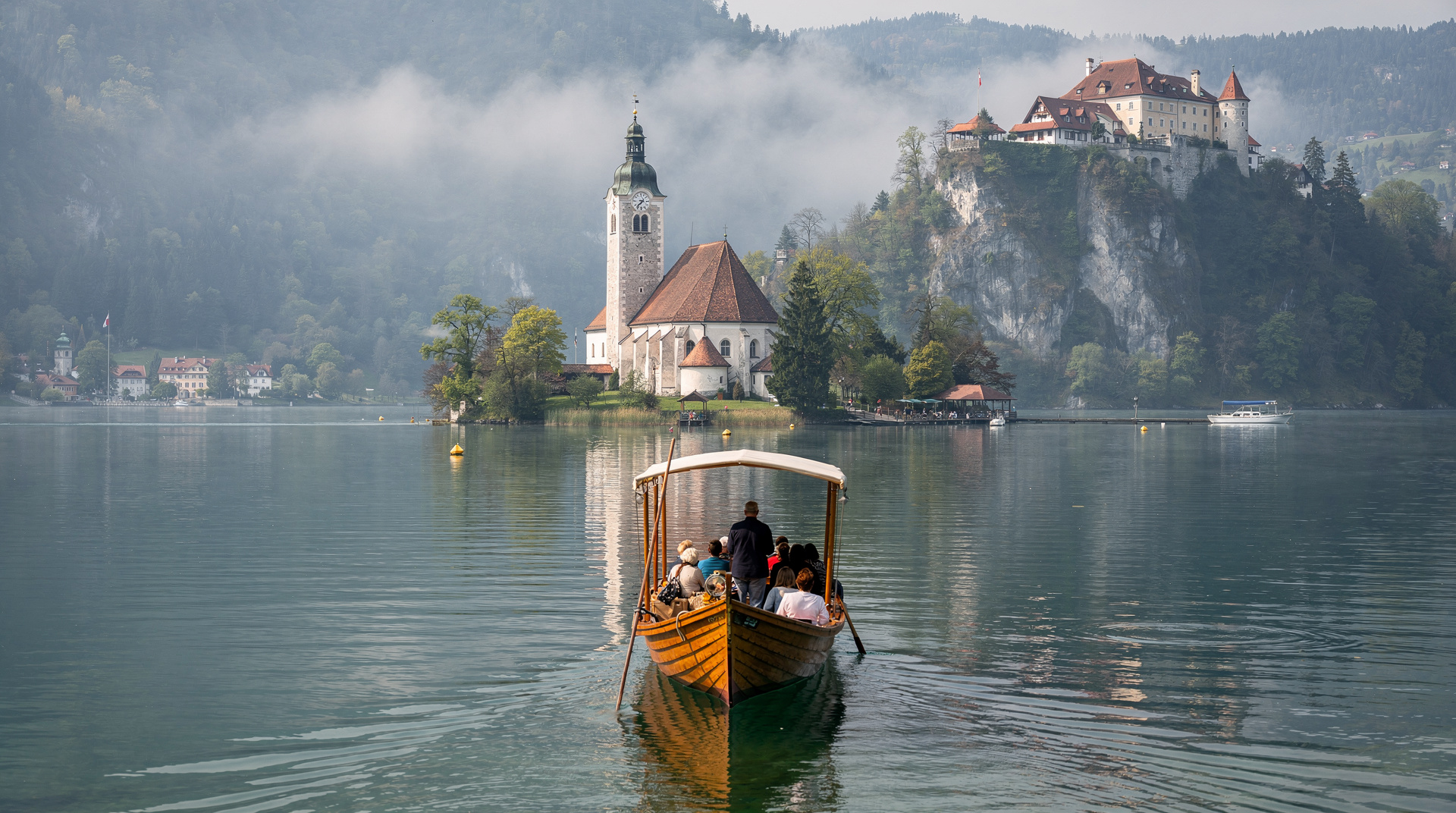
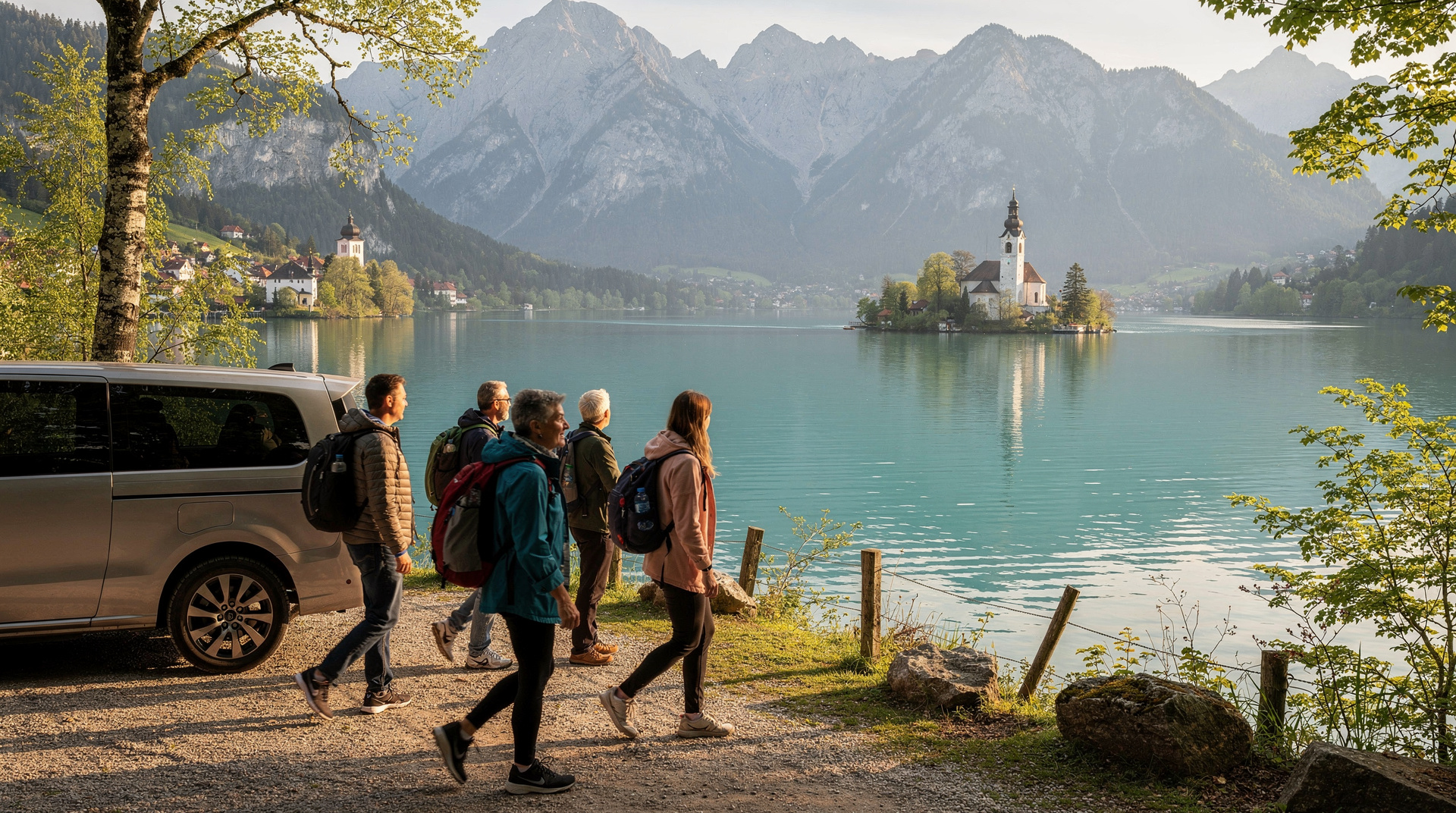
From Trieste: Lake Bled and Ljubljana tour
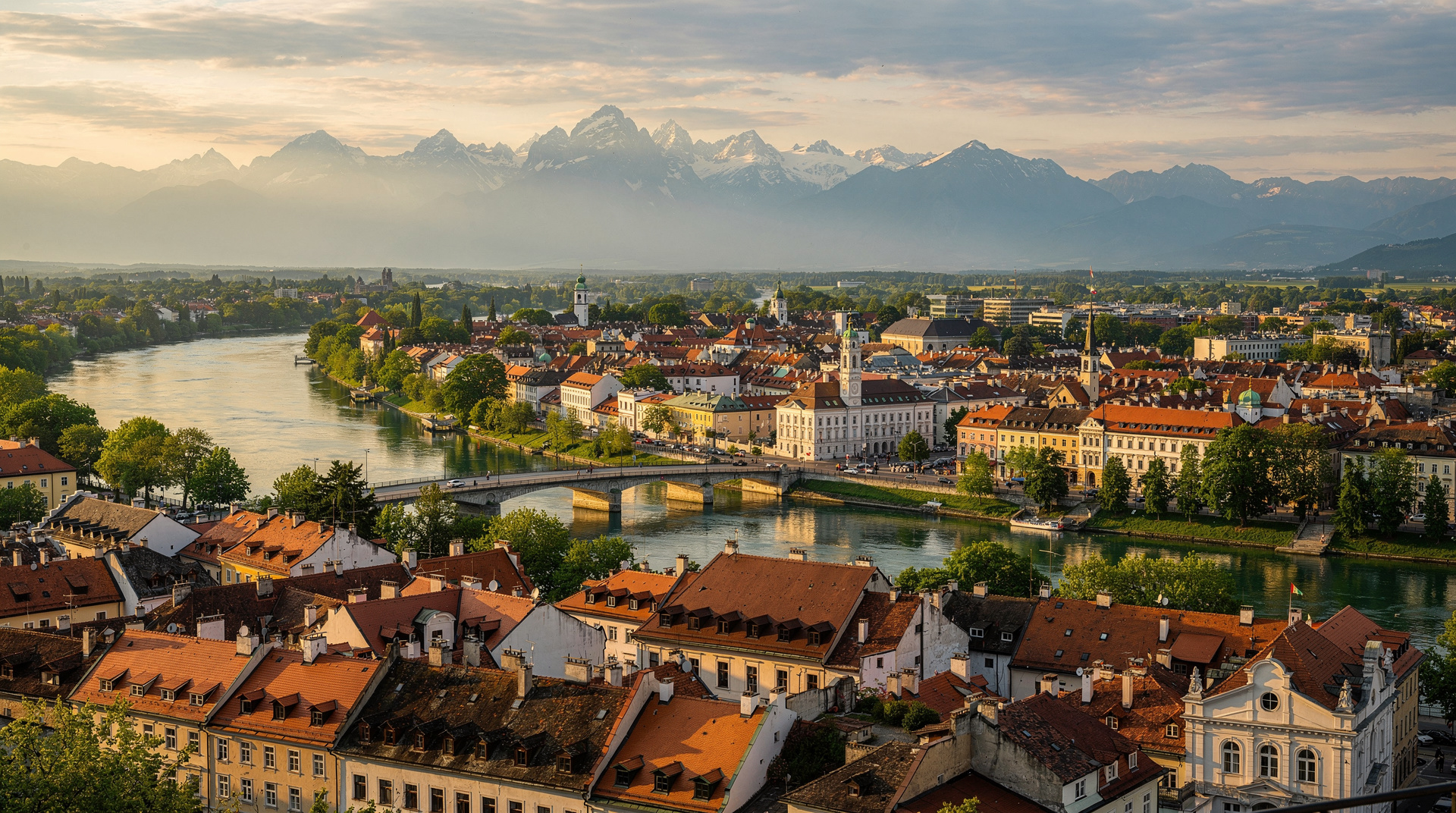
How far is Trieste from Ljubljana and is it a good day trip?
Trieste is just 100 km from Ljubljana — about 1 hour by car on the motorway. It is one of the easiest and most rewarding day trips from Slovenia: a Central European city with extraordinary Habsburg architecture, Italy's best coffee culture (Illy was founded here), excellent seafood, and a dramatic location where the Karst plateau drops vertically to the Adriatic. Half a day is enough; a full day is better.
Trieste: the Italian city that belongs to Central Europe
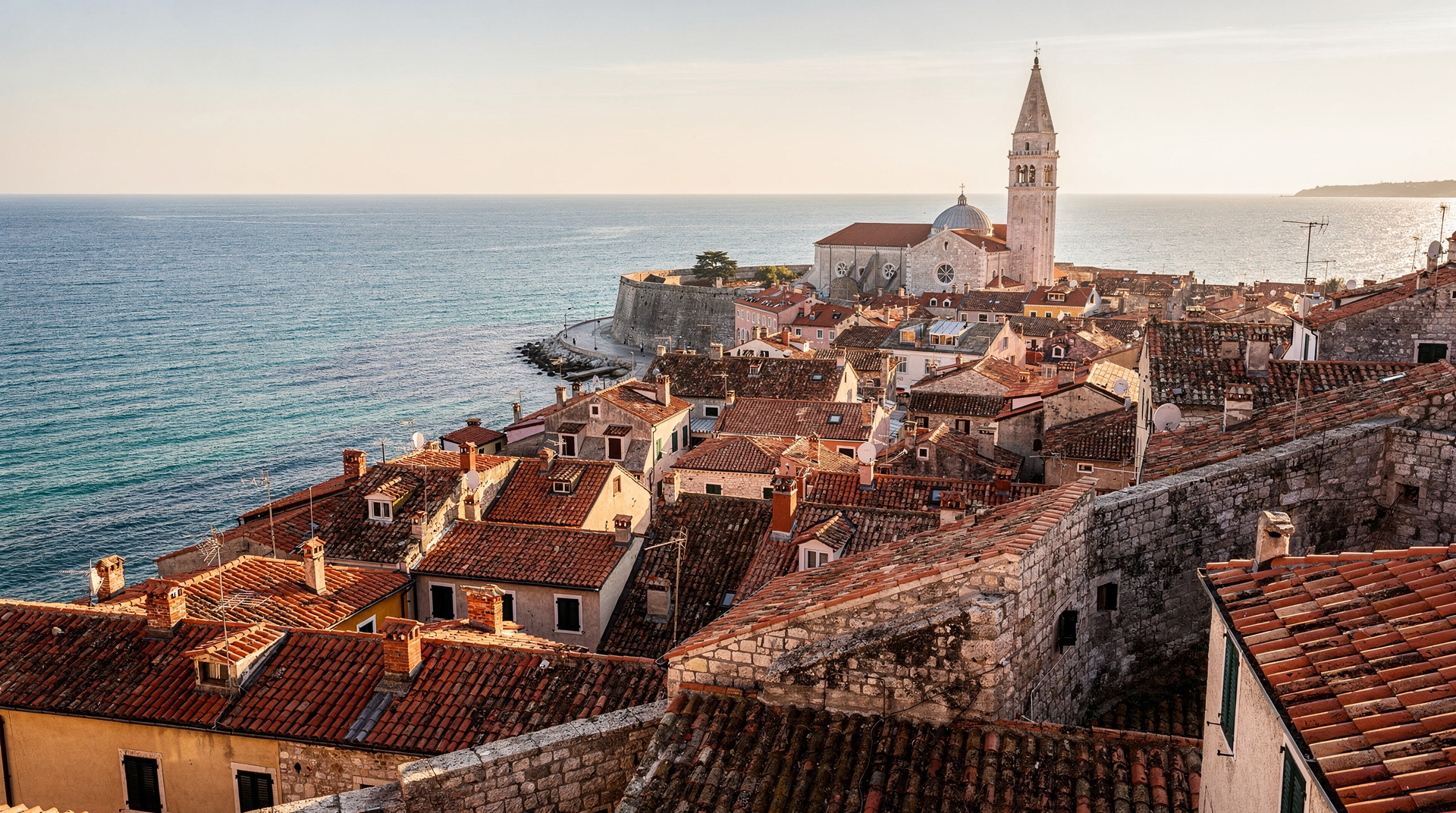
Trieste is the most surprising day trip from Ljubljana. Just 100 km to the south-west, less than an hour on the motorway, it offers something entirely different from the alpine landscapes and cave-dotted karst of Slovenia: a city of baroque piazzas, 19th-century café palaces, extraordinary fish markets and a coffee culture so distinctive it has its own vocabulary.
| Distance from Ljubljana | 100km, around 1 hour by car |
| Time needed | Half day minimum, full day better |
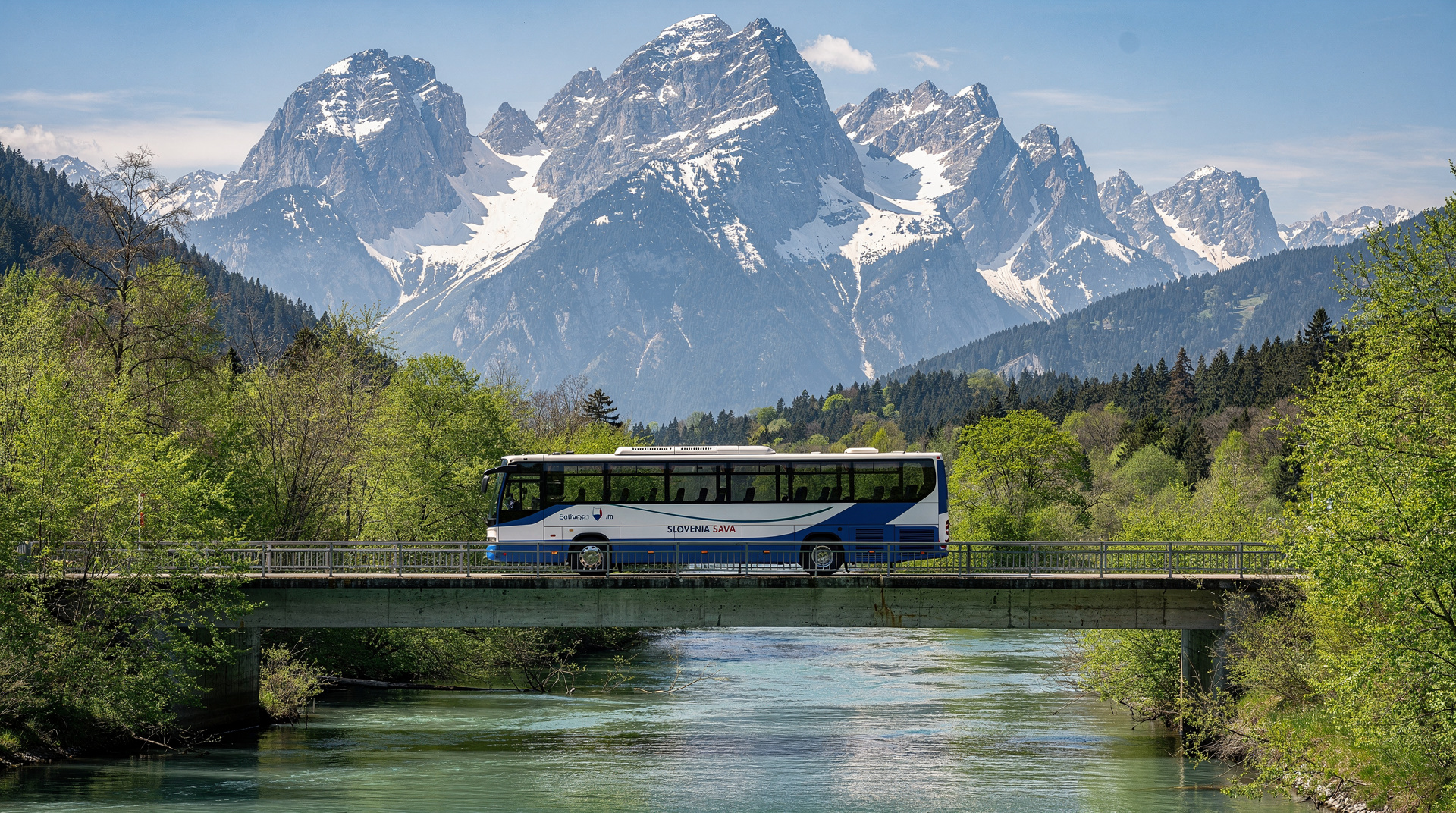
| Getting there | Car (fastest), bus (1h30, EUR 6–12), train (2h) |
| Currency | Euro (Italy) — same as Slovenia |
| Highlight | Piazza Unità d’Italia, the fish market, historic cafés |
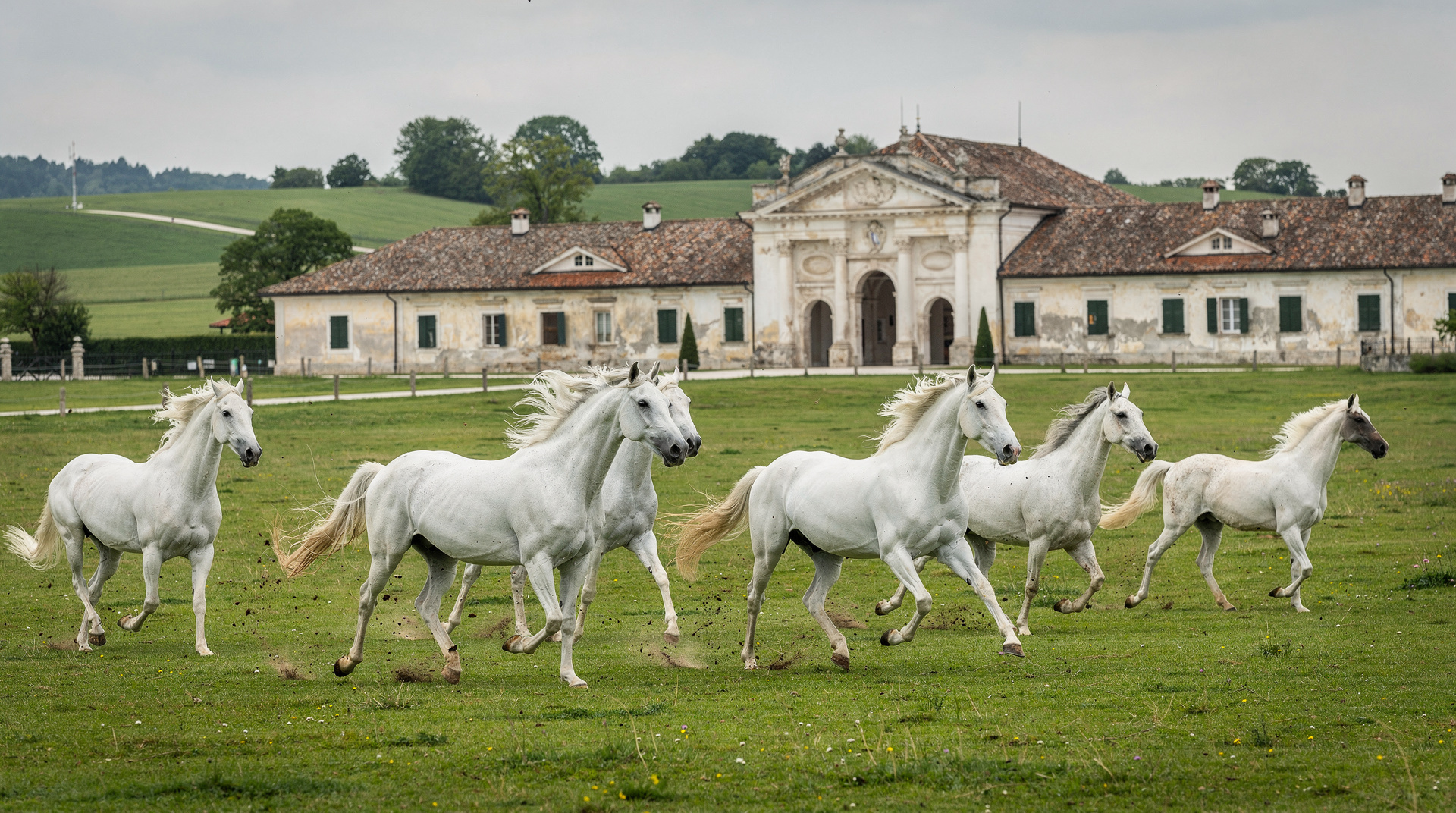
| Best combined with | Lipica (horses) or the coastal route to Piran |
Trieste was, for 200 years, the main port of the Habsburg Empire — the gateway through which Austro-Hungarian trade, immigrants and ideas flowed to and from the Mediterranean. That history is still visible in every building on the waterfront, in the literary cafés where Joyce and Rilke wrote, in the mix of Italian, Slovenian and Austro-Hungarian names on the city’s streets.
It is also genuinely close. The motorway from Ljubljana reaches the Italian border in less than an hour, then drops through a dramatic series of tunnels and viaducts from the Karst plateau to the Adriatic coast. The view of Trieste appearing below the cliff edge — with the sea glittering beyond and the city spread along the bay — is one of the best urban approaches in Italy.
Getting to Trieste from Ljubljana
By car: The fastest and most flexible option. Take the A1 motorway south-west from Ljubljana towards Koper. Near Lipica, the road enters Italy (seamless Schengen crossing) and continues to Trieste. Total drive: about 60 minutes for 100 km. Parking in Trieste is available in several large car parks near the waterfront (EUR 1–2/hour).
By bus: Several operators (Arriva, FlixBus, private transfers) run the Ljubljana–Trieste route. The journey takes about 1h30 and costs EUR 6–12 each way. Buses drop at the Trieste bus station near the waterfront.
By train: Trains from Ljubljana to Trieste take about 2h via Villa Opicina. Slower than bus or car, but the route is scenic.
Day trip: Trieste, Lake Bled and Ljubljana combinedWhat to see in Trieste
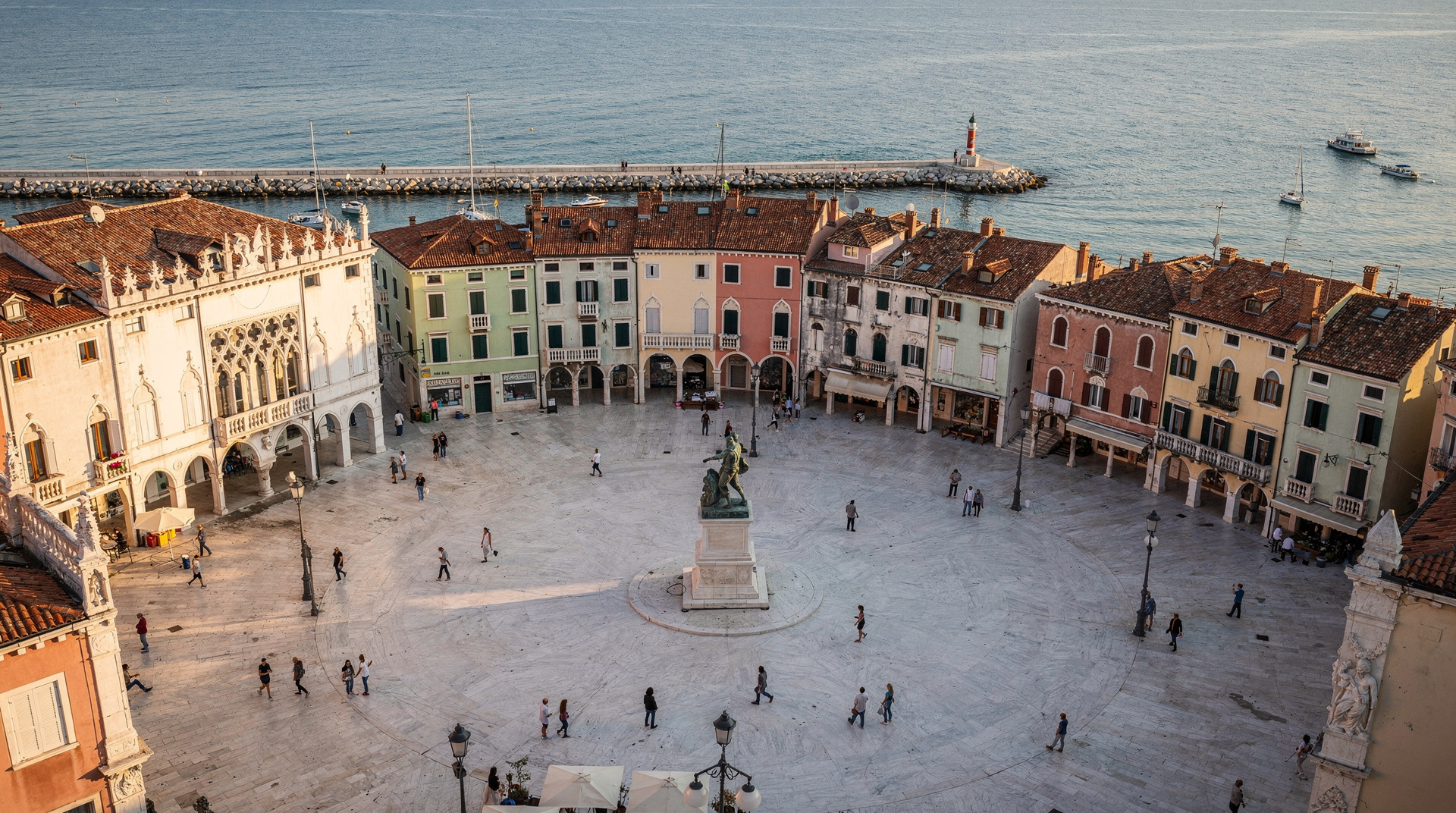
Piazza Unità d’Italia The largest sea-facing square in Europe — an enormous formal piazza flanked by Habsburg-era palaces and opening directly onto the harbour. The scale is genuinely impressive. Several of the city’s most famous cafés are here (Caffè degli Specchi, on the south side, has been serving coffee since 1839 and the interior is unchanged). In the evening the square fills with the Triestine passeggiata — the Italian ritual evening walk.
The fish market (Mercato del Pesce) Just north of the main square, the covered fish market is one of the best in Italy. Open mornings only (closed by noon), it sells the direct catch from the Adriatic: the slim, silver fish of the northern Mediterranean, sea urchins, scampi, octopus, mussels and clams. The variety and freshness are extraordinary.
Canal Grande The small canal that cuts inland from the waterfront, lined with boats and café-bar terraces. The Serbian Orthodox church at the head of the canal is worth a look inside.
San Giusto Hill The hilltop cathedral (romanesque, with a beautiful mosaic interior) and the Roman ruins of the forum give an overview of Trieste’s 2,000-year history. The view from the castle terrace above is the best angle on the bay.
Miramare Castle (7 km from centre) Built for Archduke Maximilian of Austria in 1855–60, Miramare sits on a headland above the sea, surrounded by a large park and a marine reserve. The castle interior is beautifully preserved in 19th-century style (Maximilian left for Mexico in 1864, where he was executed, and the castle was never updated). The park is free; castle admission is EUR 8. Allow 1.5–2 hours. Take the bus from Trieste centre (20 minutes) or drive.
Coffee in Trieste: a brief guide
Ordering coffee in Trieste requires learning a local vocabulary:
- Nero: Espresso macchiato (a small black coffee with a drop of milk)
- Capo in B: A short espresso served in a glass (the B = bicchiere = glass)
- Cappuccino / Cappuccio: The standard foamed milk coffee
- Caffè: A plain espresso, as in the rest of Italy
The best historic café interiors:
- Caffè San Marco (Via Cesare Battisti): Late 19th-century interior, mirrors and dark wood, unchanged since 1914. Intellectuals’ café — Saba, Svevo and Joyce all sat here. Still excellent coffee.
- Caffè degli Specchi (Piazza Unità): On the main square, good for watching the world pass.
- Caffè Tommaseo (Piazza Tommaseo): Another historic interior, calmer than the main square.
The standard for good coffee is simply high in Trieste. Any bar following the local roasting tradition (Illy, Hausbrandt, Caffe’ Colombiano) will be better than most Italian cities.
Where to eat
Trieste’s food reflects its position between Italian, Austro-Hungarian and Slovenian cultures:
- Boreto alla Graisana: A sour fish stew unique to Trieste and Grado — vinegared white fish broth with polenta
- Jota: A thick soup of beans, sauerkraut and smoked pork — distinctly Mitteleuropean, distinctly Triestino
- Goulash (Gulasch): Proper Austrian-style goulash is common here in a way it simply isn’t in the rest of Italy
- Osmiza: A traditional roadside Karst wine-and-food stop, run from a farm with home-produced wine, prosciutto and cheese.
The word comes from the Slovenian word for eight — originally allowed eight days of sale per season. Follow signs on the plateau above the city. An osmiza lunch is one of the best lunches in the region.
Combining Trieste with Lipica and Bled
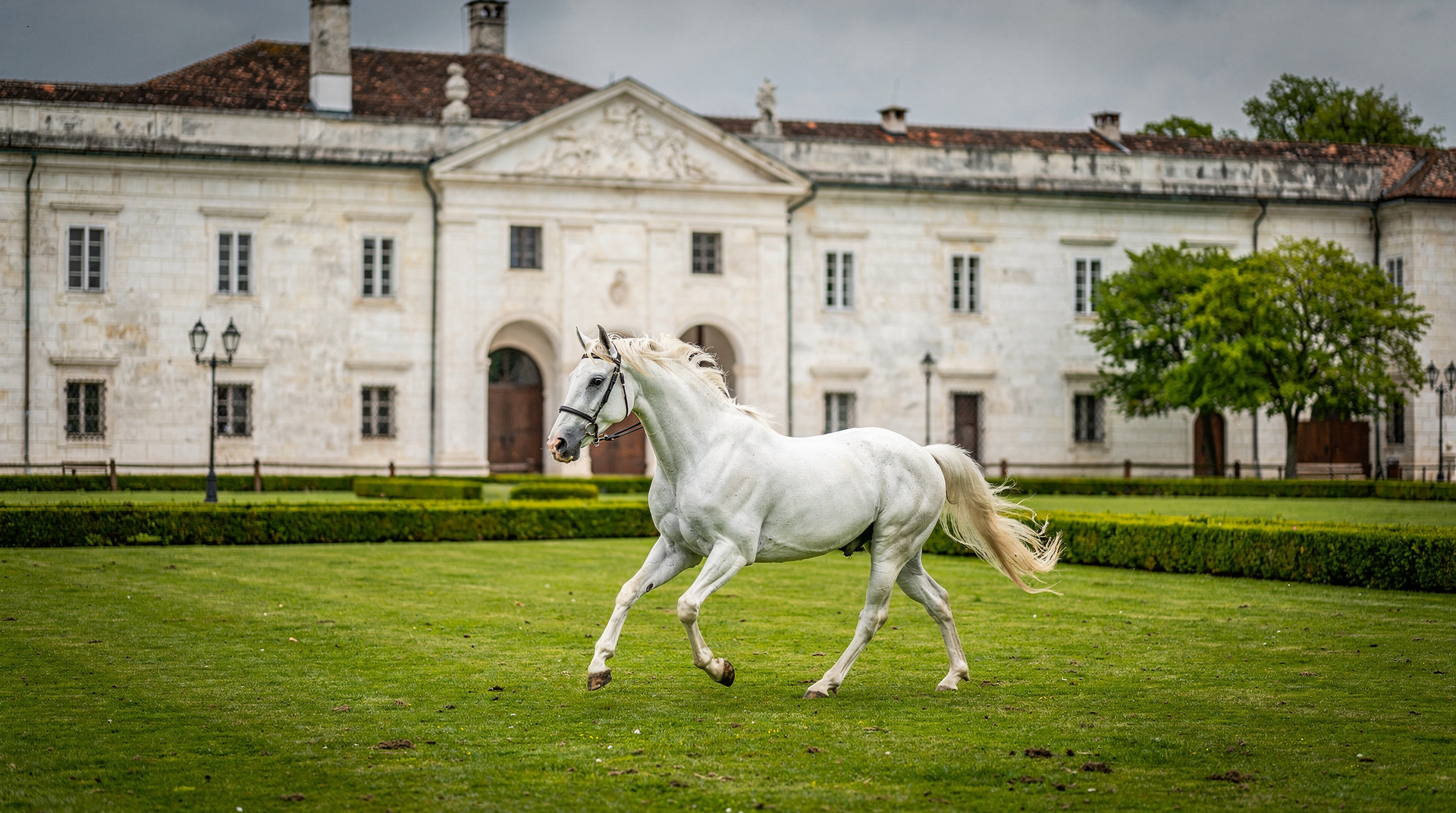
A natural day circuit: Bled in the morning (leave Ljubljana at 07:30, arrive 08:30), drive south via Lipica (a brief stop to see the horses in the paddocks), then descend to Trieste for lunch and an afternoon by the sea. Drive back to Ljubljana via the motorway, arriving by 20:00.
This combines three entirely different landscapes — alpine lake, karst plateau, Adriatic port — in a single day. It is a long day but an unusually varied one.
Practical tips
When to go: April–October for the best weather. July–August see the Triestine summer heat (the bora wind helps, but afternoons can be very hot). The autumn bora (strong, cold north-east wind) begins in October and can be ferocious; locals find it bracing. May and September are the most comfortable months.
Language: Italian is the primary language, but many Triestines speak at least some Slovenian. German is understood in tourist contexts, especially by older Triestines who grew up in the bilingual Austrian-era culture.
Shopping: Trieste has excellent coffee (take home a tin of Illy or local roaster), good prosciutto from the karst region and excellent smoked fish from the market.
If you are still deciding how to get around, the car rental guide and the guide to trains in Slovenia explain the practical side of both options. Travellers flying in can start from the Ljubljana airport guide.
For the full range of day trips from Ljubljana, see the day trips pillar guide. For a Karst-focused day that also includes Lipica and Piran, the Lipica day trip guide covers the classic combination.
Trieste’s literary culture
Trieste’s literary identity is one of its most distinctive features. The city was home to three major 20th-century writers whose work grew directly from its unique position between cultures:
James Joyce lived in Trieste from 1905 to 1920, teaching English and writing Dubliners and A Portrait of the Artist as a Young Man here. His apartment on the Via della Barriera Vecchia is marked with a plaque. Joyce chose Trieste partly because it was the most cosmopolitan city accessible to him — in the late Habsburg era, it was one of the most literate cities in Europe.
Italo Svevo (Aron Ettore Schmitz) — the author of La Coscienza di Zeno (Zeno’s Conscience), one of the great European modernist novels — was born in Trieste and spent his life here. Joyce was his English teacher, and their friendship shaped both writers. A walk through Svevo’s Trieste follows the same streets as a walk through Zeno’s.
Rainer Maria Rilke wrote the Duino Elegies — widely considered among the finest German poetry of the 20th century — at Castle Duino, 13 km from Trieste on the coastal road. The castle is open to visitors; the Rilke Trail above the sea below Duino is one of the most atmospheric coastal walks on the Adriatic.
The bora wind: a Triestine institution
The bora (burja) is the cold, dry north-east wind that descends from the Karst plateau onto Trieste with occasional ferocity. Gusts can exceed 100 km/hour. In severe bora events, ropes are strung across streets for pedestrians to hold. The wind is unpredictable in timing but most common from October to March.
Triestines regard the bora with a mixture of resignation and affection — it is part of the city’s character. It scours the air clean and makes the days after its passage extraordinarily bright. If you visit and the bora is blowing, lean into it (literally); the experience is unique to Trieste and oddly memorable.
Trieste and the Slovenian minority
Trieste has a Slovenian-speaking minority of around 20,000–25,000 people — a legacy of the long Slovenian settlement of the Karst and coastal area that predates Italian sovereignty over the city. Slovenian-language schools, churches and cultural associations operate in Trieste; some streets in the old town carry bilingual Italian-Slovenian signs.
The border between Slovenia and Italy was for decades a source of political tension — particularly over the status of Trieste and the coastal region (the Free Territory of Trieste existed from 1947 to 1954 before Italy and Yugoslavia divided it). This history is complex and the wounds are still felt by older generations on both sides, but the practical relationship between the two countries today is entirely harmonious — Slovenes shop in Trieste, Italians holiday in Slovenia, and the border crossing (now seamless since Schengen) is a daily commute for thousands.
Getting back from Trieste to Ljubljana
If visiting by car, the return from Trieste to Ljubljana is very fast — the Karst plateau behind Trieste is reached by a road that climbs dramatically out of the city (the Strada Statale 202 or the new motorway tunnel) and joins the Slovenian motorway system within 20 minutes. Ljubljana is then 1 hour away.
If you travel by bus, return services run through the evening (last departure around 20:00–21:00 from Trieste). By train, the last convenient connection is around 17:00–18:00.
An evening dinner in Trieste before the drive back — fresh fish on the waterfront, a glass of local wine — is one of the more civilised endings to a day trip in the region. Budget EUR 30–40 per person for a good three-course dinner with wine near the harbour.
The Trieste to Piran coastal route
One of the best day-trip itineraries combining both countries takes you from Ljubljana to Trieste in the morning, then along the coastal road south through Muggia (a smaller, quieter Italian Istrian town worth 30 minutes) into Slovenia and on to Piran for the afternoon.
The total driving distance is about 130 km from Ljubljana (including the coastal detour) and you cover two countries, two coastlines and two architectural traditions in a single day. The drive along the Slovenian coast from Koper to Piran is particularly enjoyable — a winding road above the sea with views of the Istrian peninsula across the bay.
Schedule: Leave Ljubljana at 08:00, arrive Trieste by 09:15 (fish market at the Rialto open). Morning in Trieste (09:30–13:00). Drive the coastal road south to Piran (45 min from Trieste via Muggia and Koper). Lunch in Piran at 13:30. Afternoon at the coast. Return to Ljubljana by 18:30–19:00 via the A1 motorway.
This circuit is one of the most satisfying single-day combinations in the Slovenia-Italy border region, and it costs little more than a tank of fuel plus meals.
If the coast is what draws you, the Piran day trip guide and the Koper guide cover the Slovenian end of this route in more detail, and the Slovenian coast guide puts the three coastal towns side by side.
Trieste day trip: the honest recommendation
Trieste is not for everyone as a day trip. If your priority is spectacular natural scenery (save the day for the Soča Valley or Lake Bled), historical depth (go to Postojna Cave or Predjama Castle), or beach swimming (Piran is closer and has more infrastructure), Trieste may not be your highest priority.
If you like the idea of an Italian city but want a different one, the Venice day trip guide is the obvious alternative, and the best day trips in Slovenia list helps you weigh Trieste against the options on the Slovenian side of the border.
But for travellers who love cities, coffee, food culture, architecture and the atmosphere of a place that has been something very different from what it currently is — Trieste delivers in a way that few cities of its size can match. It is the most underrated city day trip from Ljubljana, and that relative obscurity is part of what makes it good.
Frequently asked questions about Trieste from Slovenia
What is Trieste known for?
Trieste was the main seaport of the Habsburg Empire for 200 years — its architecture, café culture and self-image reflect this Central European heritage more than any Italian city except Vienna-influenced Budapest. It is famous for the Piazza Unità d'Italia (the largest sea-facing square in Europe), the Miramare Castle, its literary connections (Joyce, Rilke and Svevo all lived here), and above all its coffee culture — Illy Coffee was founded in Trieste in 1933.How do you get from Ljubljana to Trieste?
By car: take the A1 motorway south-west from Ljubljana past Postojna, cross into Italy near Lipica and descend to Trieste. The drive is 100 km and takes about 60 minutes. By bus: several operators run the Ljubljana–Trieste route; the journey takes about 1h30 and costs EUR 6–12. By train: trains run from Ljubljana to Trieste via Villa Opicina, taking about 2h.Is Trieste part of Italy or Slovenia?
Trieste is Italian — it is the capital of the Friuli-Venezia Giulia region. It was part of Austria-Hungary until 1918, then subject to a complex post-WW2 partition before formally becoming Italian in 1954. Despite being Italian, it has a strongly multicultural character: Slovenian has been spoken here for centuries, and there is a significant Slovenian minority. You will see Slovenian-language signs in parts of the city.What is the coffee culture in Trieste?
Trieste has its own coffee vocabulary distinct from the rest of Italy — ordering a 'caffè' in Trieste gets you an espresso, but a 'nero' is a macchiato, a 'cappuccino' is called a 'cappuccio' and a small black coffee is called a 'capo in B' (café in a glass). It sounds confusing but once learned, it's charming. Illy Coffee, founded here, is among the most respected espresso brands globally. The café interiors — Caffè degli Specchi, Caffè San Marco — are extraordinary rooms from another era.What is there to do near Trieste on a day trip from Slovenia?
Miramare Castle (7 km from the city centre): a 19th-century castle on a promontory above the sea, built for Archduke Maximilian and surrounded by a marine reserve — well worth 1.5 hours. The Karst plateau above Trieste (the Altipiano Carsico) is essentially the same landscape as Slovenian Karst, with caves, dry-stone walls and Karst wine. Lipica (Slovenia) is just 30 km from Trieste, making a Trieste + Lipica combination natural.
Top experiences
Bookable activities with verified prices and instant confirmation on GetYourGuide.