Piran day trip from Ljubljana: how to make the most of Slovenia's coast
Ljubljana: UNESCO Škocjan Caves and Piran day trip
How do you get from Ljubljana to Piran and how long does it take?
By car, Piran is 120 km from Ljubljana on the A1 motorway, taking about 90 minutes. Direct buses from Ljubljana Bus Station reach Piran in about 2h15 and cost around EUR 12 each way. The town itself is fully pedestrianised, so you park outside the walls and walk in. Piran is best experienced slowly — allow four to five hours minimum once you arrive.
Piran from Ljubljana: the Venetian coast town on the Adriatic
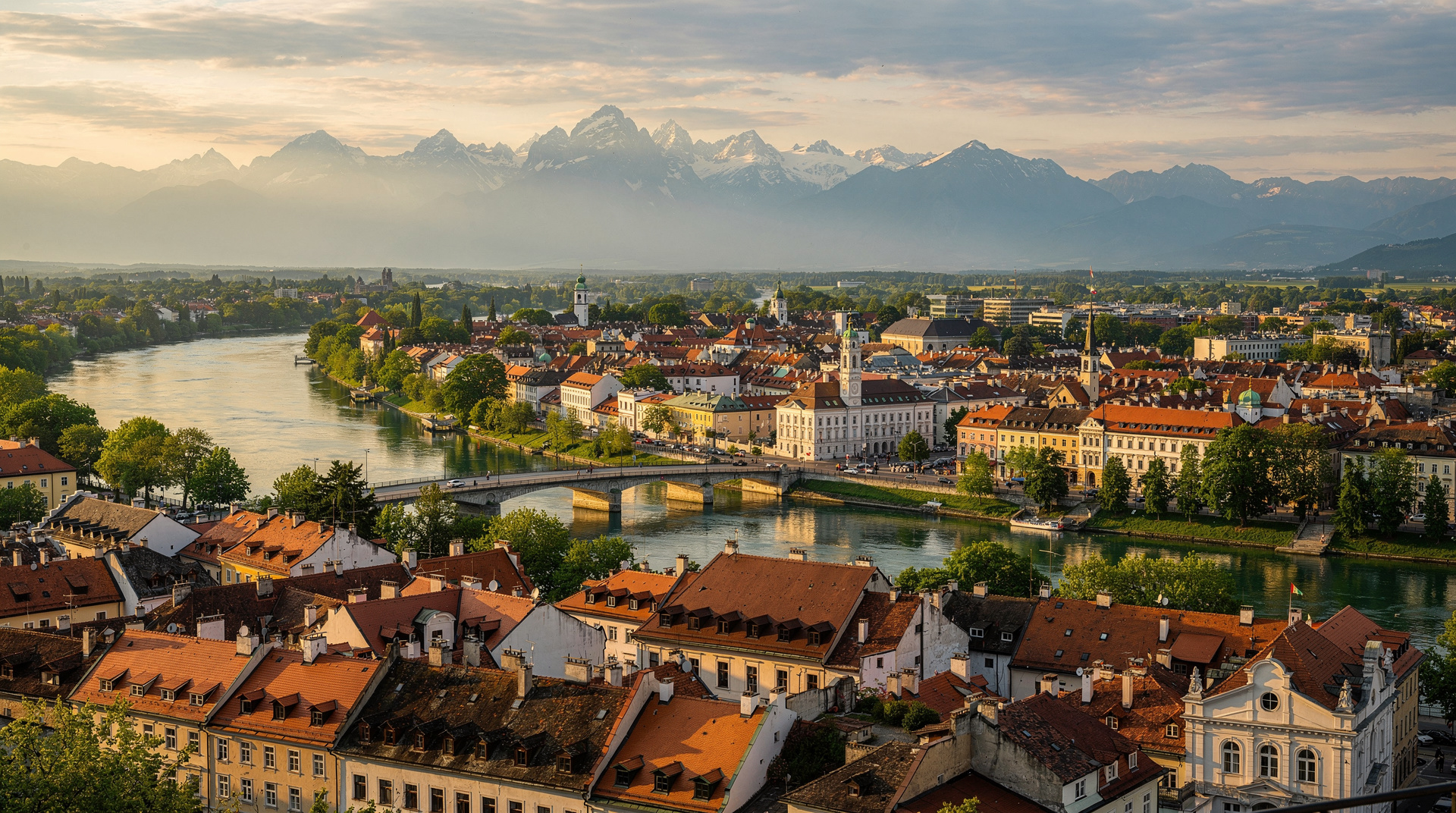
Slovenia’s Adriatic coastline is just 47 km long — the shortest of any sea-bordering country in Europe. Within those 47 km, Piran stands out as the most compelling destination: a medieval peninsula town that feels Italian in character, Slovenian in spirit and entirely unlike anything else in the country.
The town takes its name from its narrow promontory shape — it was, historically, a lighthouse point, a trading post and later a Venetian maritime town for centuries. Today it has a population of about 4,000 permanent residents, an exceptionally well-preserved old town and a café life that slows time down noticeably. A day trip from Ljubljana gives you enough time to see it properly.
| Where | Piran old town, Slovenian Istria, 120 km from Ljubljana |
| Cost | Around EUR 40–55/person: transport, parking, lunch, a swim |
| Time needed | 4–5 hours minimum once you arrive |
| Getting there | A1 motorway (~90 min drive) or direct bus (~2h15, around EUR 12) |
| Best time | June or September — warm sea, thinner crowds |
Getting to Piran from Ljubljana
By car: The most flexible option. Take the A1 motorway south from Ljubljana towards Koper, exit at Koper and follow the coastal road south to Piran (about 15 minutes from Koper). Total drive from Ljubljana: 120 km, roughly 90 minutes. The old town is pedestrianised — park in the paid car park outside the walls (EUR 1.20–1.50/hour, around EUR 10 maximum for a full day).
By bus: Direct buses from Ljubljana Bus Station to Piran run several times a day; the journey takes approximately 2h15 and costs around EUR 12 each way. The bus arrives at the edge of the old town.
By guided tour: Several operators combine Piran with either Škocjan Caves or Lipica for a full-day itinerary, with pickup from Ljubljana.
Guided day trip: Škocjan Caves and Piran from LjubljanaOrientation: what to see in Piran
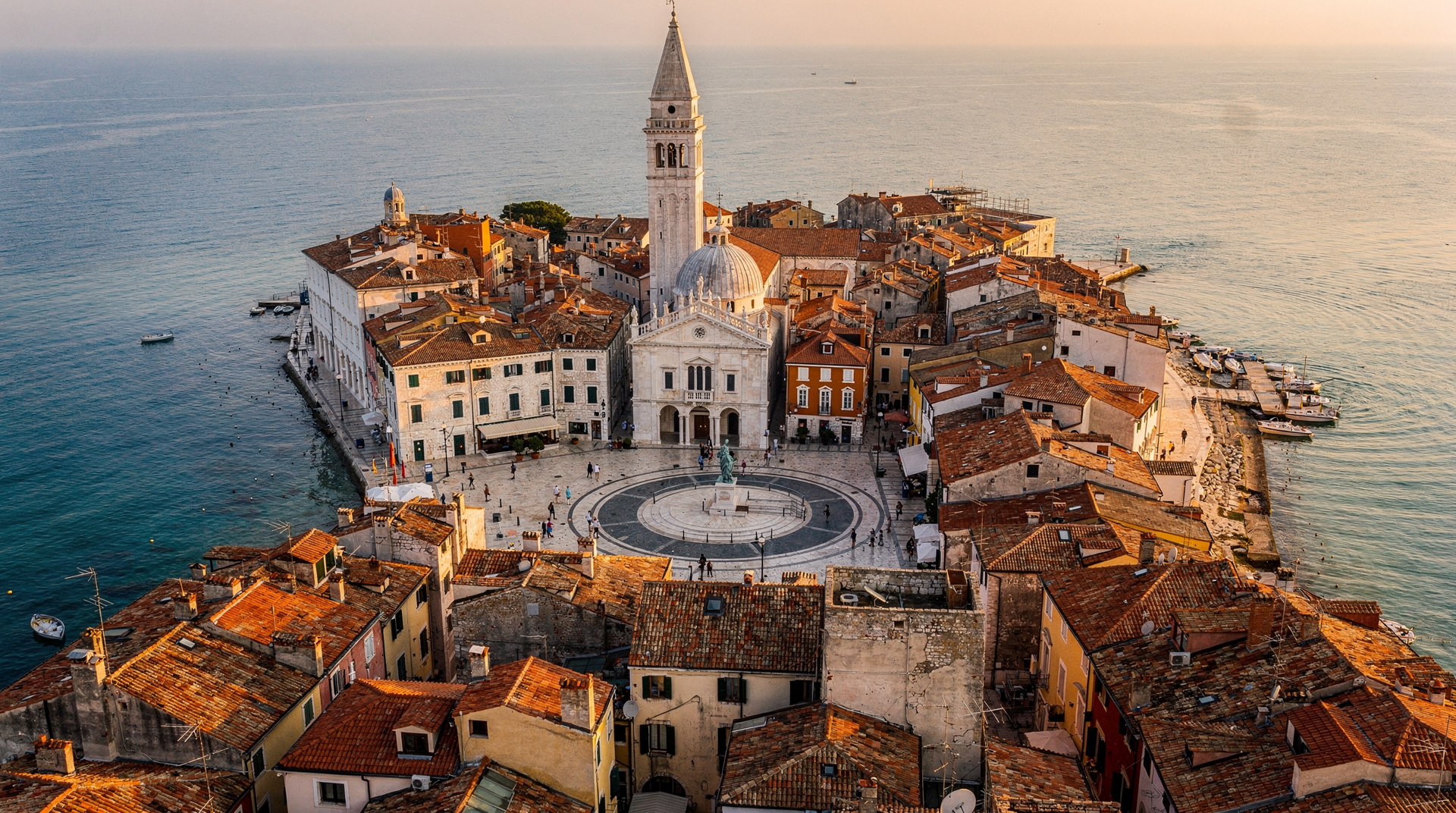
Piran’s old town occupies a narrow promontory between two harbours. Everything is within easy walking distance. The main square — Tartini Square (Tartinijev trg) — is the heart of the town, named after the violinist and composer Giuseppe Tartini who was born in Piran in 1692.
Key sights and activities:
Tartini Square: The central square is surrounded by Venetian Gothic and Renaissance facades. The statue of Tartini stands at its centre, and the Tartini House (now a museum, free entry) is worth a brief look. A coffee here is expensive but the setting is exceptional.
Church of St George (Sv. Jurij): The cathedral sits high on the headland at the tip of the promontory, with wide views across the sea to Trieste, the Istrian coast and the Slovenian Alps on clear days. The Romanesque bell tower (EUR 2 to climb) gives the best panoramic angle.
The town walls: The remnants of Piran’s medieval walls run along the ridge above the main town. Walking along the top gives views over both the harbour and the open sea. Free access.
Harbour and waterfront: The main harbour (Forma Viva) has fishing boats, small café-bars and the local market in the mornings. The inner harbour on the north side is less touristy and good for evening drinks.
Swimming: Piran has several small swimming areas — rocky or concrete platforms below the old walls, a small sandy beach at Fornace on the northern side, and the longer beach at Portorož 2 km away by bus or on foot. The water is clear and the Adriatic is warm from June to September (22–26°C in July–August).
Eating in Piran
Piran has a density of restaurants that reflects its tourist traffic, but the quality varies enormously based on how close you are to Tartini Square.
What to eat:
- Grilled fish (brancin/sea bass, orada/sea bream) — look for daily specials, not just the laminated tourist menu
- Buzara mussels — local mussels cooked in olive oil, garlic, white wine and parsley
- Black risotto (črni rižot) — squid-ink risotto, rich and intensely flavoured
- Scampi — langoustines, often grilled simply and better for it
Finding good food: Move away from Tartini Square’s immediate perimeter. A street back, the prices drop and the cooking improves. Locals eat lunch between 12:00 and 14:00; arriving at 12:30 gives you the best shot at a table without waiting. A full fish lunch with wine and coffee should cost EUR 25–35 per person at a good restaurant.
Combining Piran with other destinations
A day that includes both a Karst cave and the coast makes for an excellent contrast — underground drama in the morning, sea and sun in the afternoon.
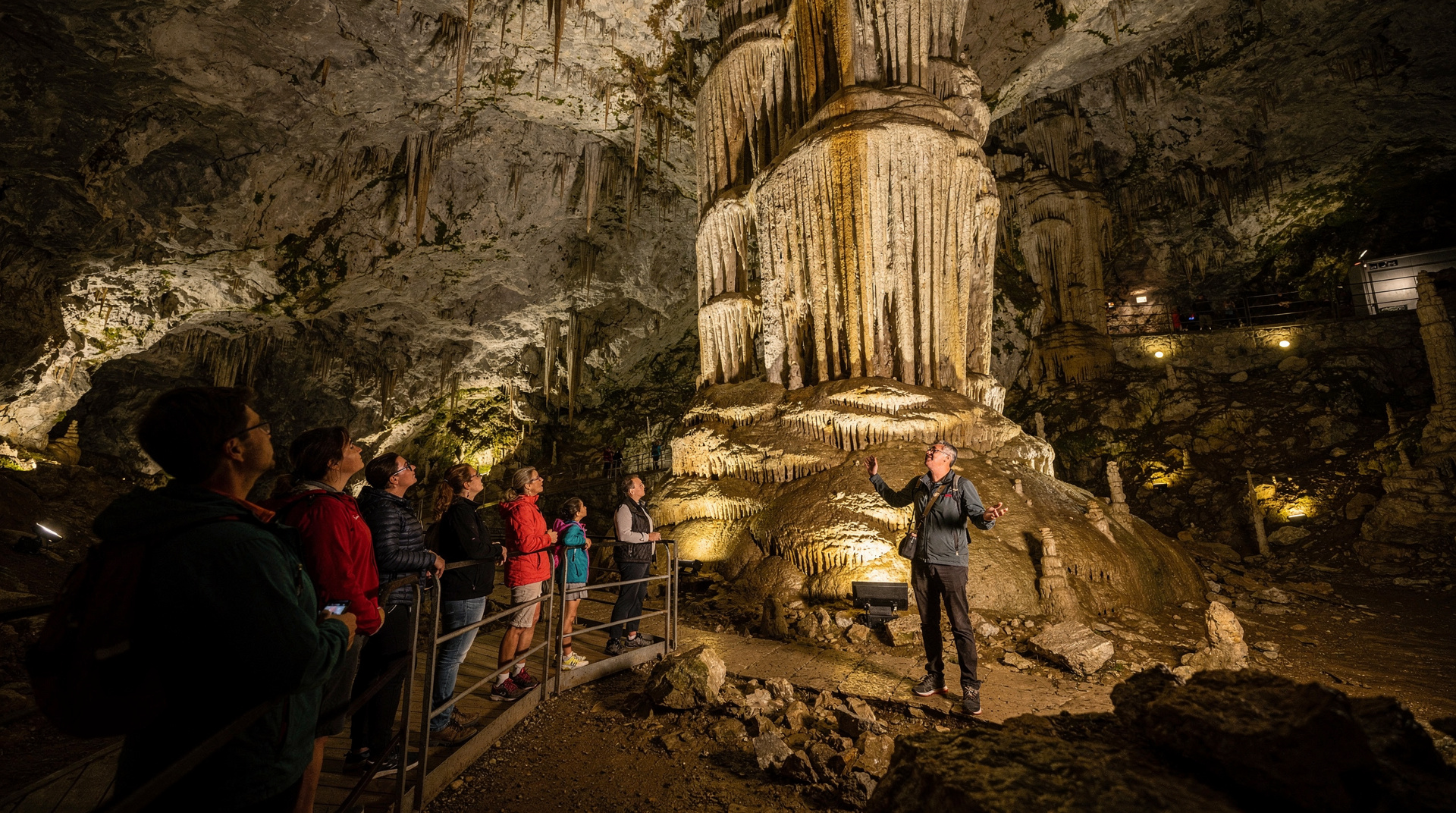
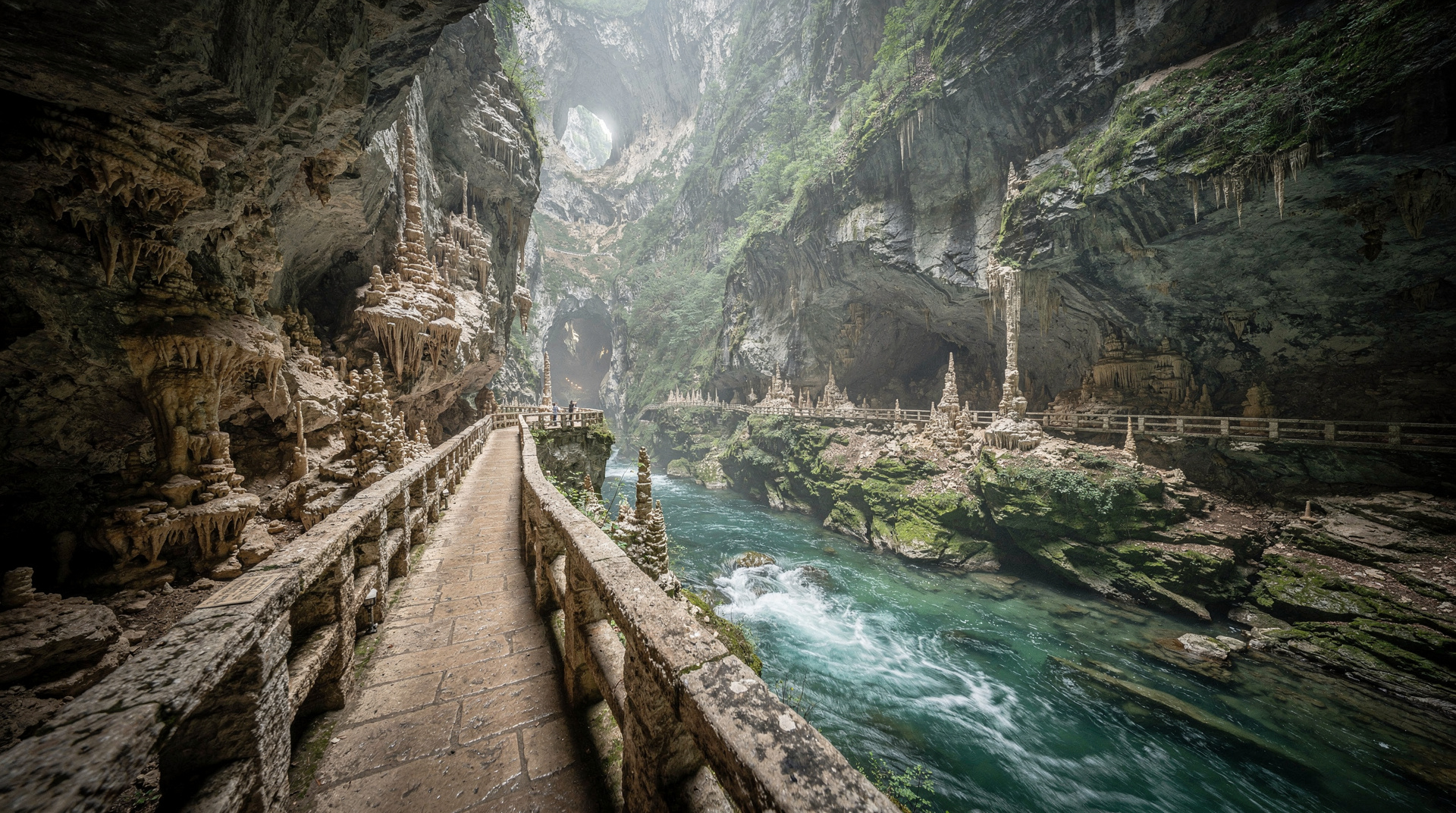
Piran + Škocjan Caves: Škocjan Caves are 35 km from Piran, about 35 minutes by car. A morning cave tour (tour at 10:00 or 11:00, about 1.5 hours) followed by driving to Piran for lunch and an afternoon at the sea is one of the best combinations in western Slovenia.
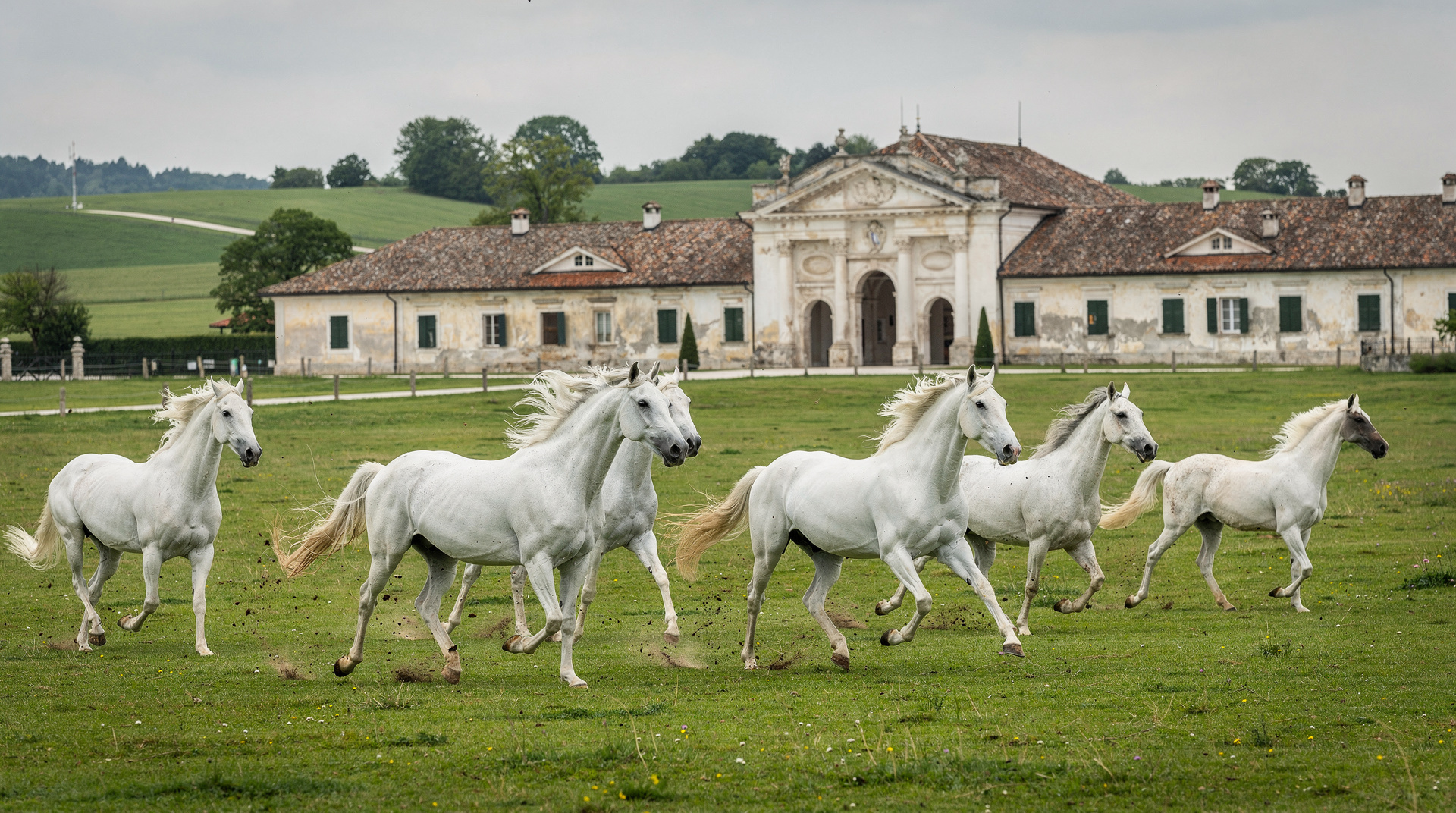
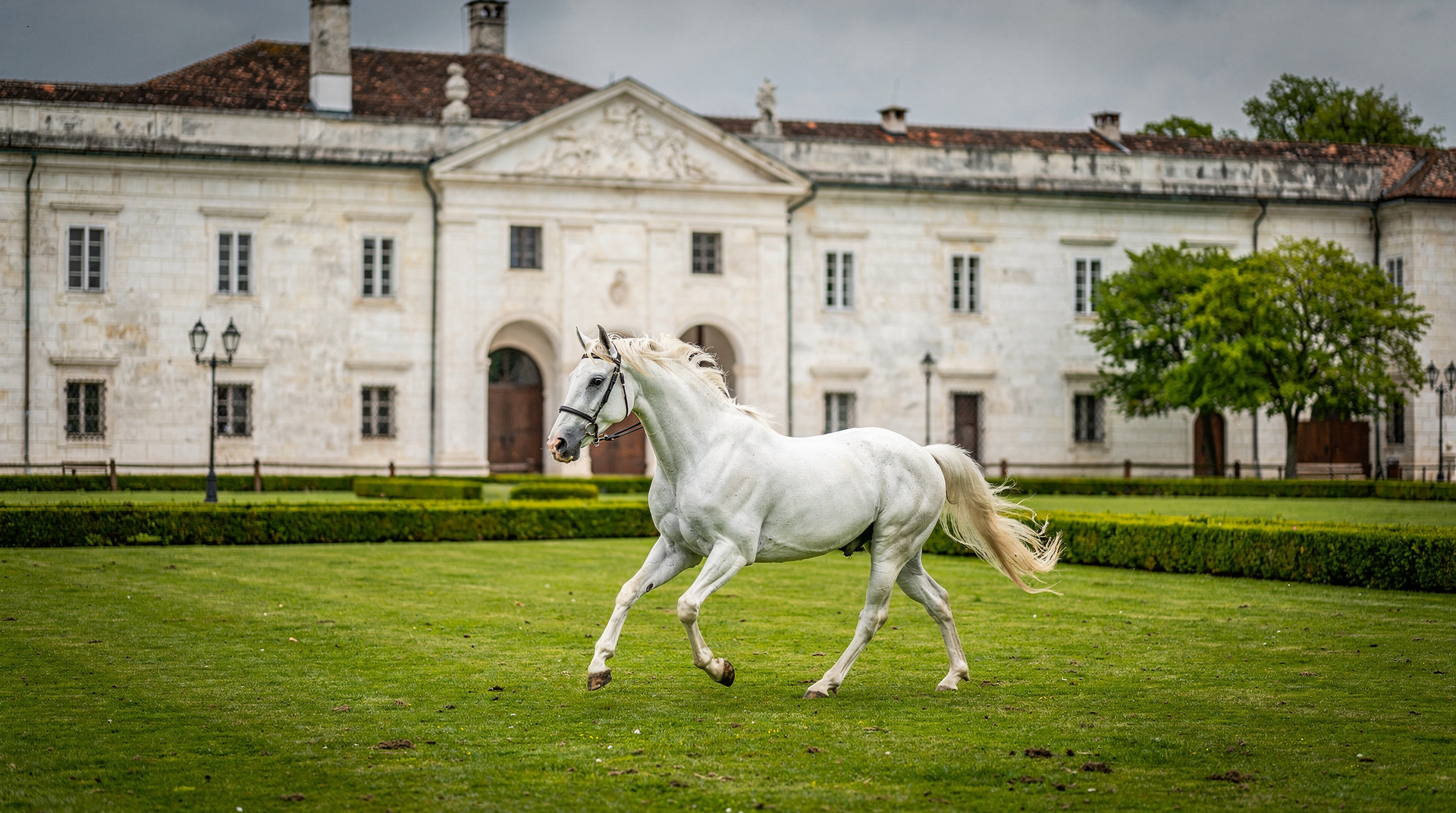
Guided tour: Škocjan Caves and PiranPiran + Lipica: Lipica — the home of the Lipizzan horse — is 25 km from Piran. The stud farm tours run at set times; combining a morning visit to Lipica (performance at 11:00 or a stable tour at 10:00) with an afternoon in Piran is a classic day in the Karst region.
Guided full-day tour: Lipica and Piran from LjubljanaPiran + Postojna + Predjama: This is a long day but entirely feasible from Ljubljana with an early start. The cave and castle in the morning, the coast in the late afternoon. See the full Postojna + Piran combination for details.
Nearby: Portorož and the salt pans
Portorož is the resort town 2 km from Piran — larger, livelier in summer, with beach facilities, hotels and a casino. The beaches here are wide and sandy, better suited for a long swim day than Piran itself.
The Sečovlje Saltworks Natural Park is 7 km south of Piran, near the Croatian border. The salt pans have been in operation since the 13th century and are now a protected wetland and open-air museum. Flamingos and dozens of migrating bird species pass through, making it an unexpected highlight. Entry is EUR 8; the walk through the pans takes about two hours.
Practical details
Opening hours: Piran itself is always accessible. Museums and churches keep variable hours — check in advance if specific sights matter to you. The church of St George is open during the day for free.
Weather and swimming: The Adriatic coast has a significantly milder climate than Ljubljana — it can feel Mediterranean even in April and October, when Ljubljana is cloudy and cool. In July–August, temperatures reach 28–32°C and the sea is 24–26°C. Bring sunscreen.
Peak season crowds: Piran’s population swells enormously in July–August, particularly at weekends. The town’s narrow streets can feel genuinely overcrowded on a Saturday afternoon. Visiting on a weekday or arriving by 09:30 makes a significant difference.
Return transport: Buses from Piran back to Ljubljana run through the evening; the last departure is typically around 19:30–20:00 in summer. By car, you can time your return drive to miss the Ljubljana evening rush (avoid arriving on the A1 between 16:30 and 18:00 on weekdays).
For a complete overview of the day-trip landscape from Ljubljana, see the day trips from Ljubljana guide. For context on how Piran compares with the broader Slovenian coast, the destinations section covers the regional detail.
Beyond the old town: the broader Piran area
Piran is the centrepiece of Slovenian Istria, but the surrounding area has its own rewards.
Koper: Slovenia’s only commercial port and a substantial town of 25,000, Koper is 15 km from Piran and often overlooked. Its old town (Staro Mestno Jedro) is a quieter version of Piran’s medieval character — Venetian loggia, a cathedral with a campanile you can climb, a good central piazza and food markets. Worth an hour if you are passing through.
Izola: Midway between Koper and Piran, Izola (Izola di sotto) is a small fishing town that has retained more local character than either of its neighbours. The fish restaurant scene here is arguably better than Piran’s and significantly less expensive. Locals from Koper and Ljubljana come to Izola specifically to eat well.
Strunjan Nature Reserve: The coastal cliffs between Piran and Izola are protected as a nature reserve — one of the last sections of the Slovenian coast without development. The walking path from Izola to the Strunjan headland (about 5 km, 1.5 hours) passes above cliffs with good views of the coast and is far less crowded than Piran’s town centre.
Piran in Slovenian culture
Piran’s most famous son is Giuseppe Tartini (1692–1770), considered one of the great baroque violinists and composers of his era. His most famous composition, the Devil’s Trill Sonata, was reportedly inspired by a dream in which he sold his soul to the devil. The violin in the dream played the sonata; on waking, Tartini wrote it down from memory, calling it the finest thing he had ever written.
Tartini’s birth house on Tartini Square is a small museum with instruments, scores and a reconstruction of his life. It is free to enter (donations appreciated) and takes about 20 minutes.
An honest assessment of Piran’s tourist density
Piran attracts around 700,000 visitors a year to a peninsula with a surface area of about 0.3 km². In July and August, particularly on weekends, the main streets can feel genuinely oppressive — queues for fish restaurants, crowds at Tartini Square and people who have driven two hours to stand in a bottleneck.
The solution is not to avoid Piran but to plan for the density: arrive by 09:30 to get a parking space, walk the walls before the crowds arrive, have lunch at 12:30 sharp (before the 13:00 rush), and leave by 16:00 or stay until after 18:00 when the day-trippers depart.
The Piran that remains after the day-tripper buses leave — in the early morning and in the evening — is a genuine pleasure: quiet stone streets, cats on windowsills, the smell of sea and coffee and frying garlic, locals sitting outside the bars that tourists have not yet found.
Swimming near Piran
Piran’s old town sits on a narrow peninsula, surrounded on three sides by the sea. The swimming options:
Fornace Beach (north side of old town): A small pebbly beach below the old walls on the northern side of the peninsula. Not sandy but sheltered and close to the town. Good for a quick swim before or after walking the old town.
The walls swimming area: Below the old town walls on the west side, concrete platforms extend over the sea at several points. Locals use these for sun-bathing and swimming. Access is via paths from the old town walls.
Portorož beaches: 2 km from Piran, the Portorož resort has the longest and best beaches on the Slovenian coast — sandy, equipped with sunbeds and umbrellas (EUR 5–10/day), backed by the resort hotels. If beach swimming is the priority, Portorož is more practical than Piran itself.
Strunjan: The coastal nature reserve 3 km north of Piran has access to rocky swimming areas below the cliffs — the cleanest water on the coast and completely uncommercialized. Access via the cliff path from Izola or by car to the reserve entrance.
The Adriatic at Piran is remarkably clear by European standards — the northern Adriatic is shallow and the salinity is lower than the open Mediterranean, but the visibility is typically 5–10 metres in summer. Sea temperature: 17°C in June, 24–26°C in July–August, 22°C in September.
Wine on the Slovenian coast
The Slovenian Karst and coastal wine region produces some of the most distinctive wines in the country. For visitors to Piran, two styles are worth seeking out:
Malvazija (Malvasia): The signature white wine of Slovenian Istria — a dry, aromatic white with stone-fruit character. A good Malvazija is one of Slovenia’s great food wines, pairing excellently with the region’s seafood. Served young (2022–2024 vintages in 2026).
Refošk (Refosco): A tannic, dark-fruited red from the same region. Different in character from the Karst Teran (also Refosco-based but from different soils). Best with the richer coastal dishes — stewed fish, grilled lamb.
Local wine is available at most Piran restaurants by the glass and bottle. Wine bars and osmize (farm wine stops) on the plateau above Piran offer more focused tasting experiences.
Practical summary for the Piran day trip
Best for: First-time visitors to Slovenia wanting coastal contrast; city-dwellers who want sea and culture; those combining with Škocjan Caves or Lipica.
Avoid if: You hate crowds in July–August (the town is genuinely dense in peak summer); or if your main interest is swimming (go to Portorož or Strunjan instead, which have better beach infrastructure).
Combine with: Škocjan Caves (35 km, morning cave, afternoon coast), Lipica (25 km, horses in the morning, sea in the afternoon), Koper (15 km, less-visited Venetian town with good food).
Budget: EUR 40–55 per person for a complete day including transport, parking, lunch and a swim — one of the better-value day trips from Ljubljana.
Piran versus other Ljubljana day trips: where it fits
Piran is one of a dozen credible day trips from the capital, and it fills a specific niche: it is the only one that gives you the sea. If you are choosing between Piran and Slovenia’s inland highlights, this is the honest comparison:
| Day trip | Distance from Ljubljana | Best for | Combine with |
|---|---|---|---|
| Piran | 120 km (~90 min) | Coast, architecture, seafood | Škocjan Caves, Lipica |
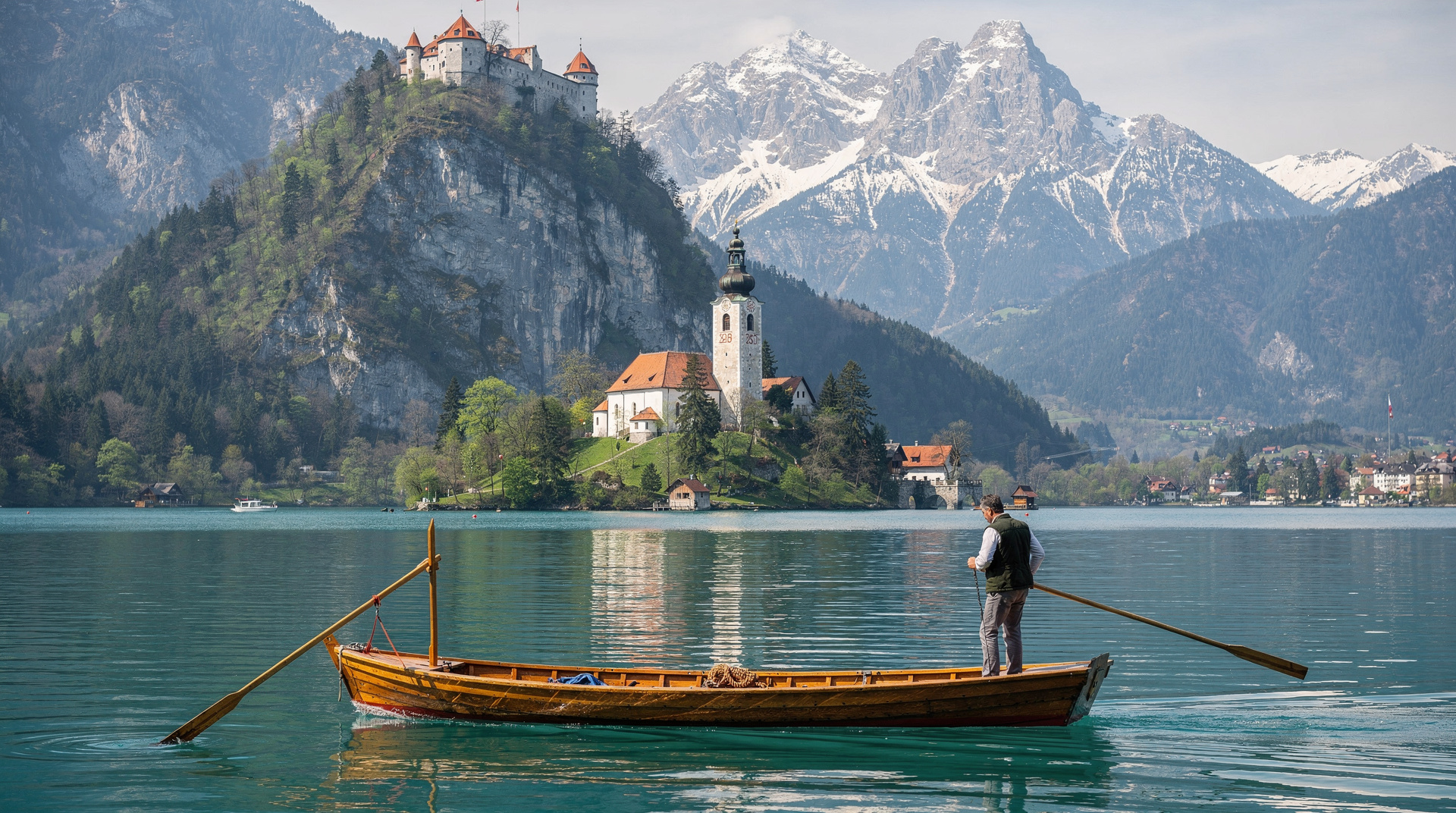
| Lake Bled | 55 km (~50 min) | Alpine lake, castle, island | Vintgar Gorge |
| Postojna Cave | 55 km (~50 min) | Karst caves, family day out | Predjama Castle |
| Škocjan Caves | 65 km (~1h) | Dramatic underground canyon | Piran or Lipica |
For a full ranking of every option, see the best day trips from Slovenia guide and the main day trips from Ljubljana pillar.
Staying past dark instead of racing back
Most day-trippers leave Piran by the late-afternoon bus or drive back before the evening rush, but the town changes character noticeably after the coaches depart. If your schedule allows a later return (last buses run to around 19:30–20:00 in summer, and driving avoids the Ljubljana rush by leaving after 18:00), staying for dinner is worth the extra hour or two. The waterfront empties, locals reclaim the café tables around Tartini Square, and the bell tower and church façade are lit for the evening — a genuinely different town from the one you walked through at midday.
This is also when the fish restaurants a street back from the harbour are easiest to get a table at without a wait, since the day-trip coach groups have already left. If you’re weighing whether Piran deserves an overnight stay rather than a day trip, the Piran travel guide makes the case for staying longer, and the Piran vs Portorož comparison covers where to base yourself if you do.
Piran with children
Piran works reasonably well as a family day trip, though the cobbled, car-free streets are not pushchair-friendly on the steeper lanes toward St George’s. Children generally enjoy the bell-tower climb, watching the fishing boats in the harbour, and the small crabs visible in the rock pools below the town walls. Bring water shoes if you plan to let them explore the swimming platforms, since the rocks are sharp underfoot. For a broader look at travelling with children in the country, the Slovenia for families guide covers logistics beyond this single day trip, and Slovenia with kids has a first-hand account of a similar coastal day.
Frequently asked questions about Piran day trip from Ljubljana
Is Piran worth a day trip from Ljubljana?
Yes — Piran is one of the most beautiful small towns in the northern Adriatic. The Venetian architecture, the compact medieval streets, the harbour and the sea views from the old walls make it distinctly different from anything else in Slovenia. The 90-minute drive is well worth it, and it combines naturally with Škocjan Caves or Lipica for a full-day itinerary.What is there to do in Piran in one day?
Walk the old town walls for harbour and sea views, explore the medieval streets around Tartini Square, visit the church of St George on the headland, swim below the walls or at the small beaches, eat fresh fish at a good restaurant, and browse the salt pans of Sečovlje Saltworks (20 minutes from Piran by car). One day is enough to feel the town properly.Where do you park for Piran?
The old town is pedestrianised. Parking is in the large paid car park just outside the town walls at the entrance. Cost is around EUR 1.20–1.50 per hour; a full day cap of around EUR 10 applies. In peak summer (July–August), arrive before 09:30 or the car park fills. There is a park-and-ride service from Lucija and Portorož when Piran car parks are full.When is the best time to visit Piran?
June and September are ideal — warm enough to swim, not oppressively hot, and the summer crowds have either not yet arrived or are thinning. July and August are busy (the town is tiny) but still beautiful. The quieter months (November–April) are atmospheric in a melancholy way, with empty streets, but many restaurants run on reduced hours.What should I eat in Piran?
Fresh grilled fish and seafood are the obvious answer. Piran sits on the Adriatic and has excellent direct-catch fish restaurants. Avoid the first row of tables on Tartini Square (tourist menus, high markup) in favour of restaurants a street or two back. Buzara-style mussels and clams cooked in white wine and garlic are a local speciality. Piran's own white wine from nearby coastal vineyards is worth trying.
Top experiences
Bookable activities with verified prices and instant confirmation on GetYourGuide.