Winter Slovenia 7-day itinerary
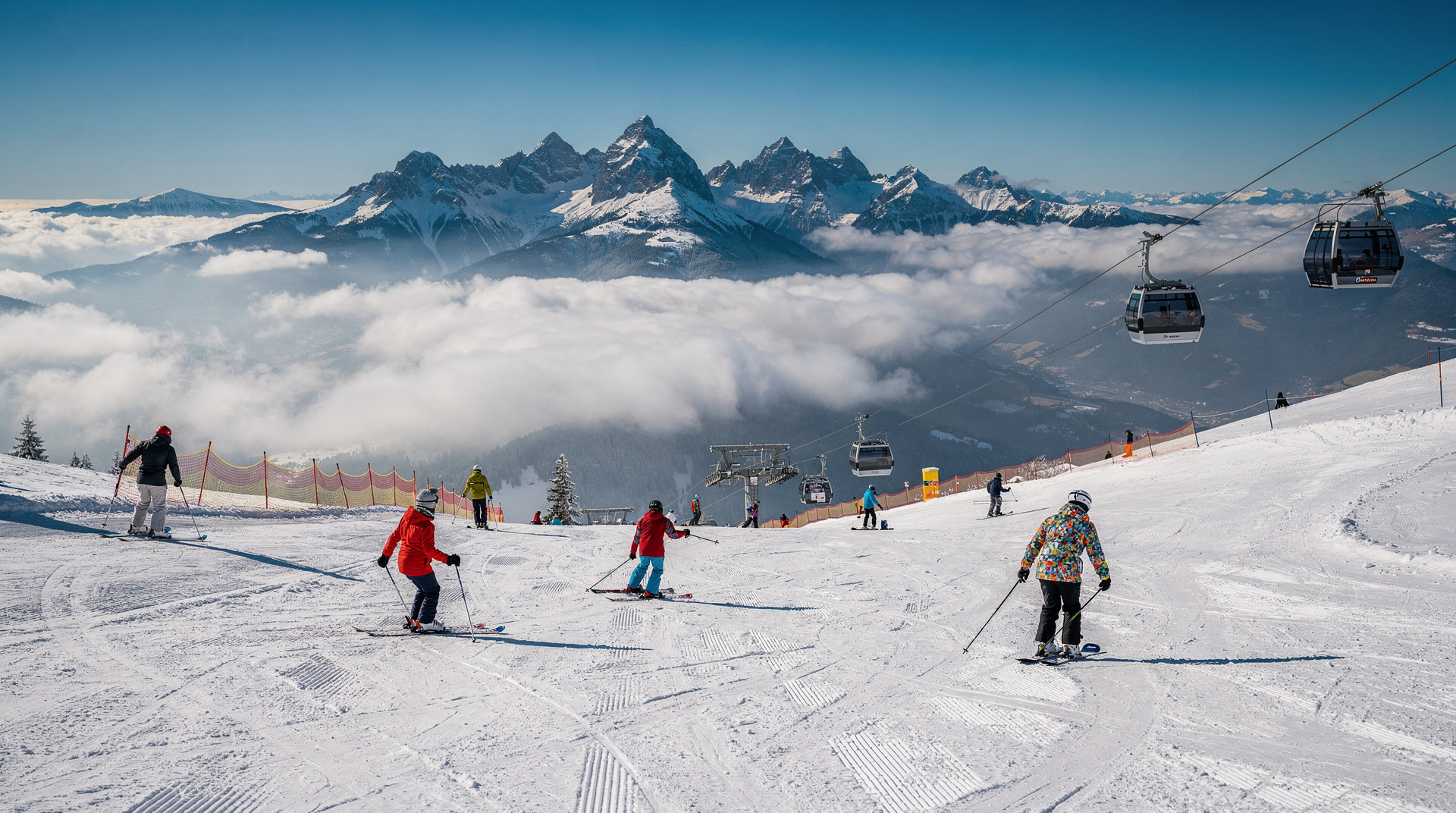
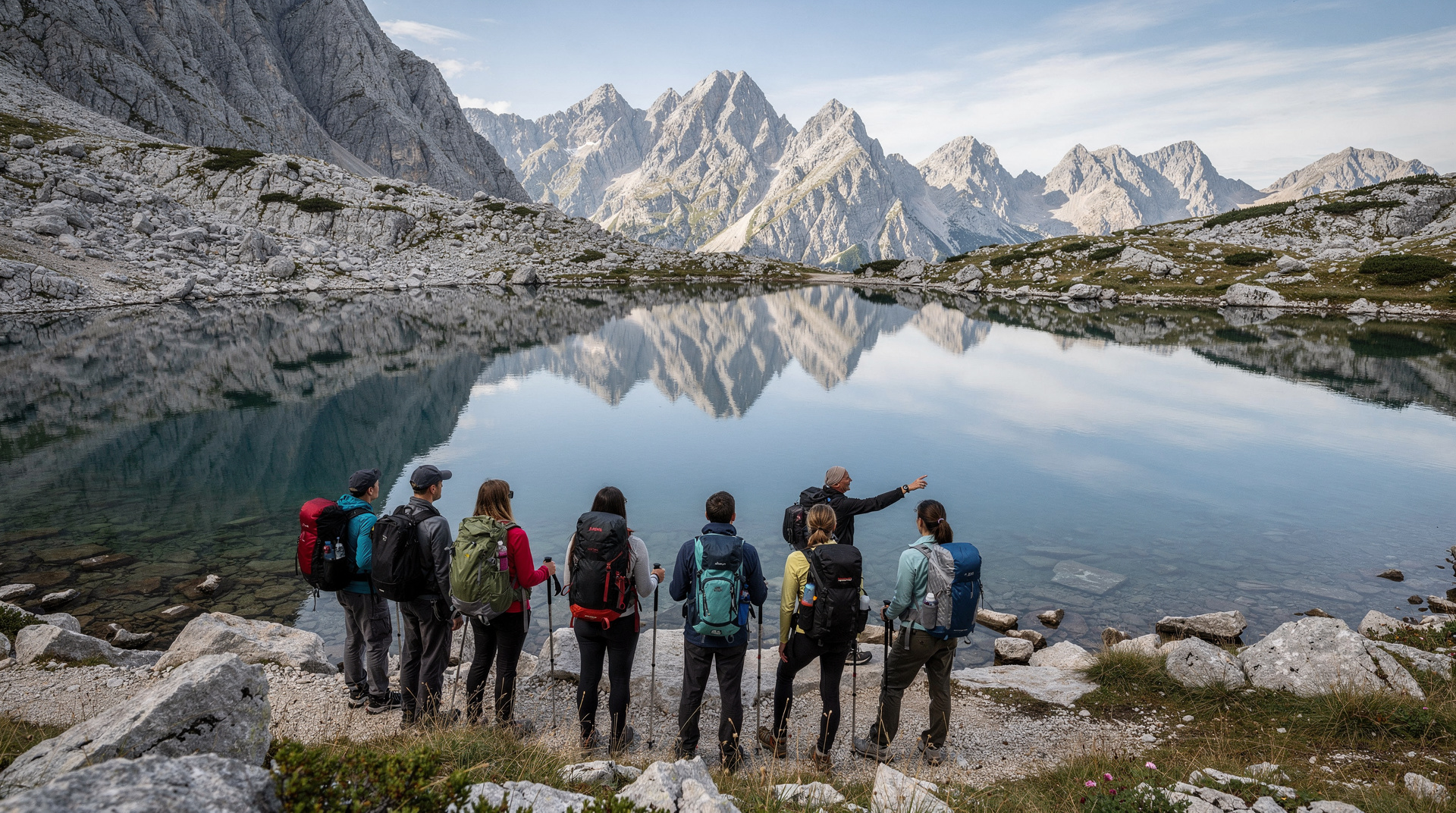
Vogel Ski Center: day skiing with instructor from Bled
Slovenia in winter: an underrated Alpine destination
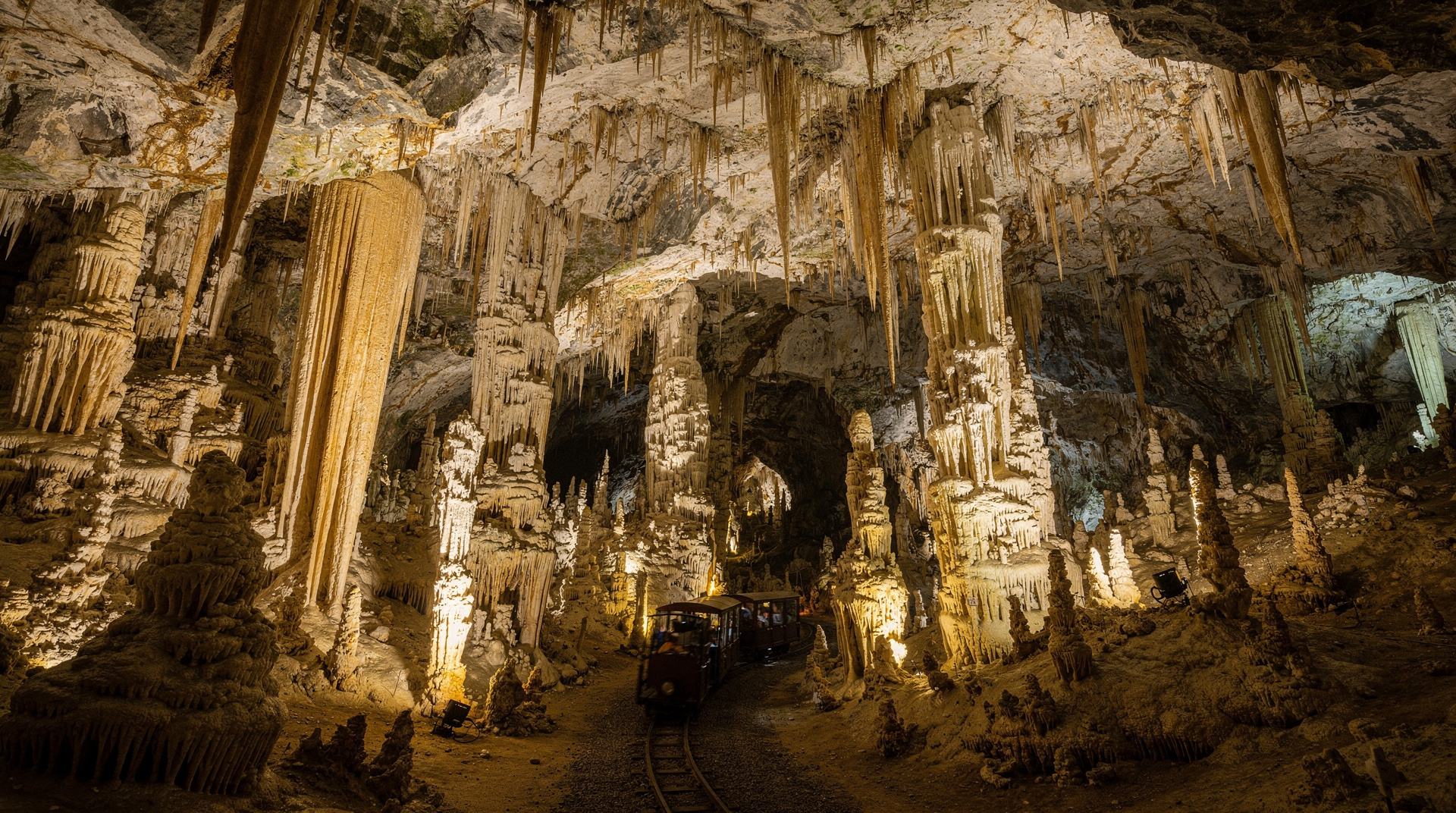
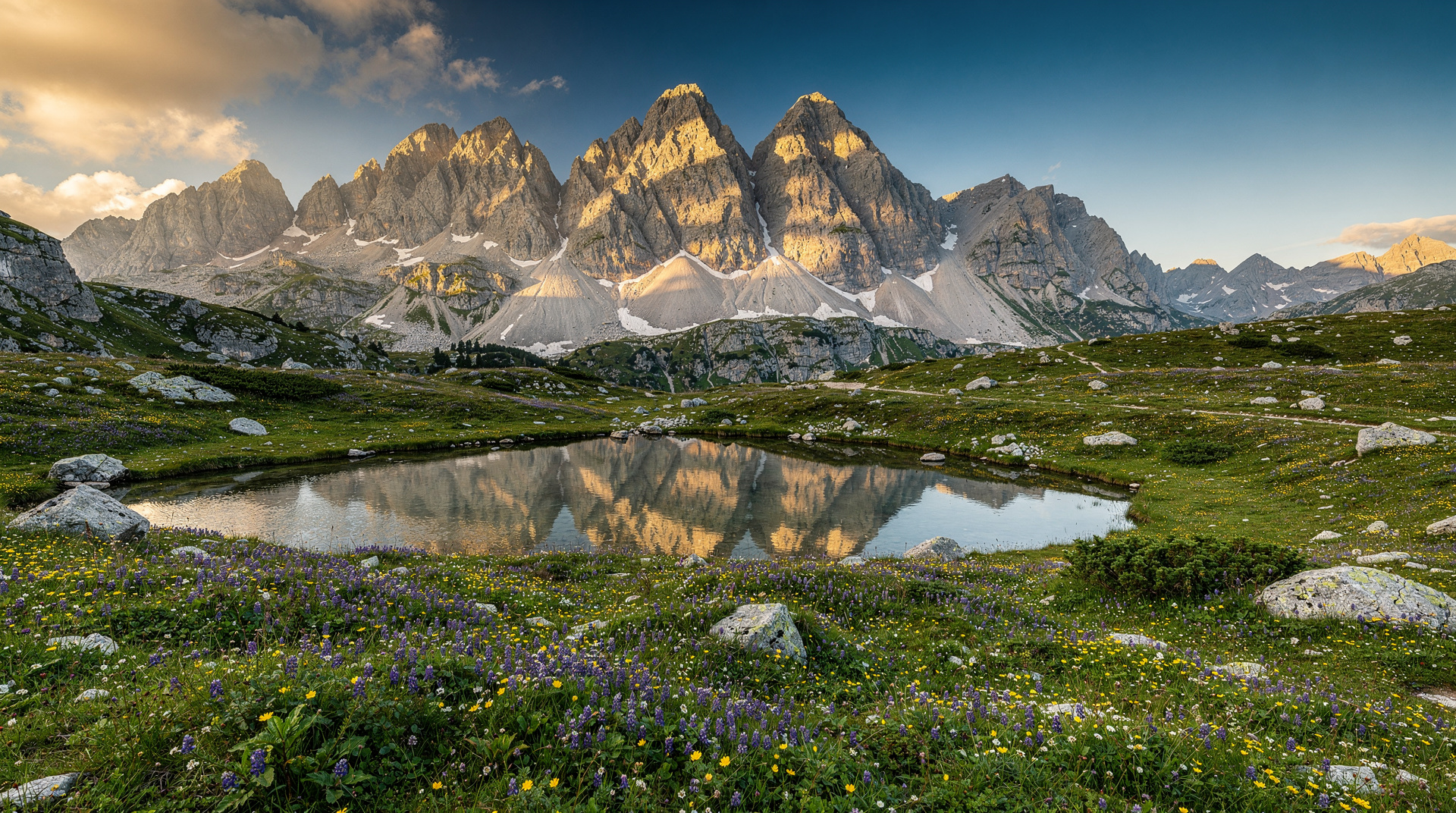
Slovenia’s winter credentials are consistently underestimated. The Julian Alps receive significant snowfall from December through March; the ski resorts — Kranjska Gora, Vogel above Bohinj, and Krvavec near Ljubljana — offer proper Alpine skiing at a fraction of the price of Austrian or Swiss resorts. Ljubljana runs one of Central Europe’s more charming Christmas markets from late November to early January. And Postojna Cave, in its winter illuminations, is genuinely magical.
The country is also practical in winter: roads are well gritted, winter tyres are compulsory on Slovenian roads between November 15 and March 15 (all hire cars come equipped), and the cosy gostilna culture — warm wood-panelled inns with venison stew and local beer — comes into its own when the temperature drops.
This seven-day winter itinerary balances skiing with cultural visits and scenic driving, keeping Sundays and Mondays (when some museums close) as outdoor/activity days.
| Where | Ljubljana → Kranjska Gora → Lake Bohinj → Postojna Cave → Ljubljana |
| Cost | mid-range; ski passes around €40–50/day |
| Time needed | 7 days |
| Getting there | hire car with winter tyres (compulsory 15 Nov–15 Mar) |
| Best time | late December–March for reliable snow |
| Book ahead | Postojna Cave winter illuminations slot, especially December |
Day 1 — Ljubljana in winter
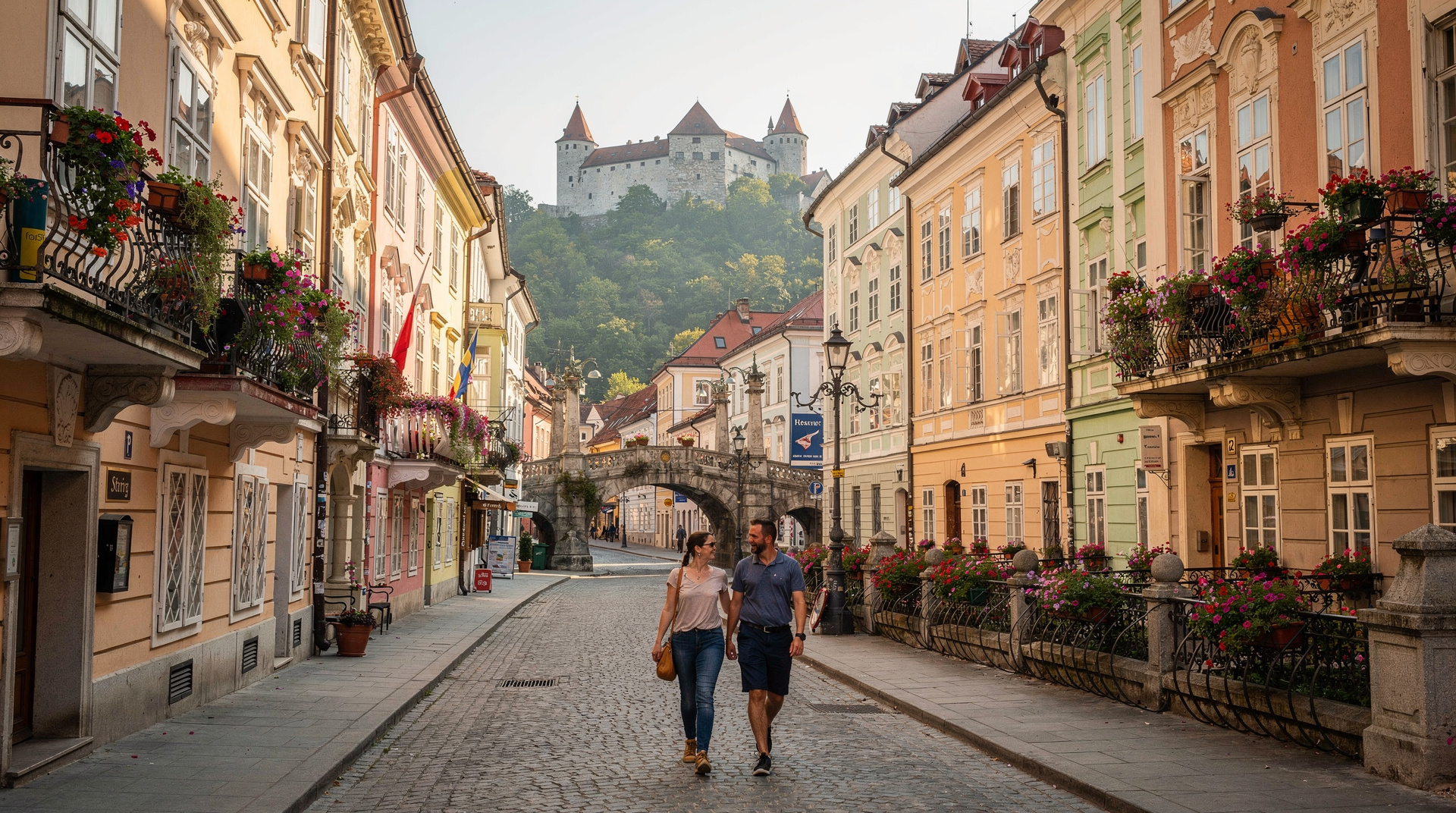
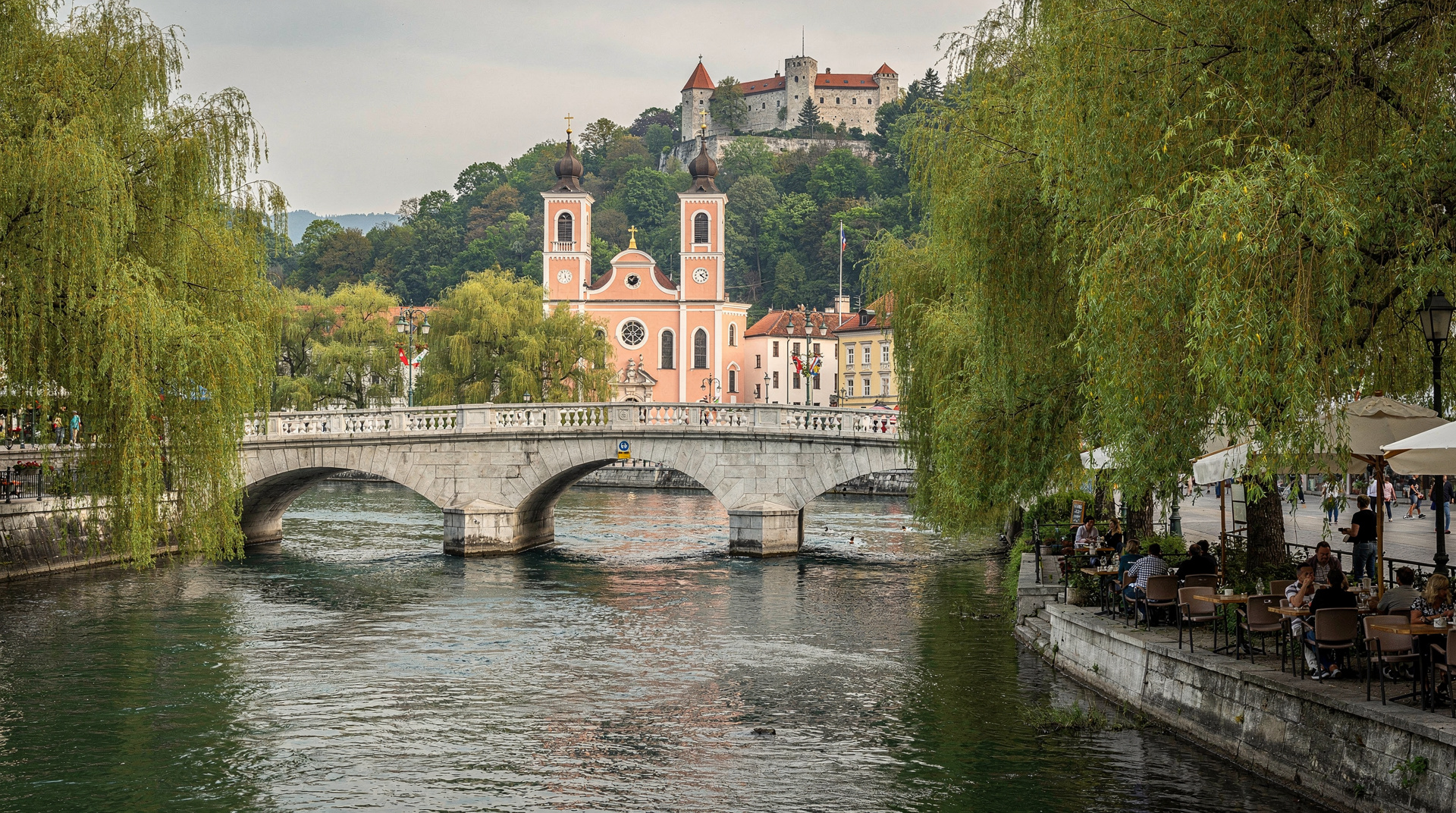
Arrive at Ljubljana Airport and drive to the city (27 km, 30 minutes). In December and January, the city centre is decorated for the festival of lights — Ljubljana runs a “City of Lights” illuminations programme that is genuinely attractive rather than garish. The Dragon Bridge lit up, the riverside cafés with outdoor heaters, the Castle floodlit from below.
Check in to Grand Hotel Union (from €100/night in winter, significantly cheaper than summer) or Hotel Cubo (from €110). Walk the old town in the evening — the pre-Christmas market runs on the riverside around Prešeren Square from late November.
Dinner at Gostilna Šestica (traditional Slovenian, excellent bean soup and game dishes in winter, €15–20 for a main). Winter menus in Ljubljana lean toward venison, wild boar and hearty bean soups — considerably more interesting than the tourist summer menus.
Day 2 — Ljubljana fully explored
Spend a full day in Ljubljana. The National Museum of Slovenia (€8, closed Mondays) is actually more enjoyable in winter when it is not overrun by summer visitors. The castle is windier but less crowded — the views over the snow-dusted Julian Alps to the north are extraordinary on clear winter days.
A private walking tour of Ljubljana’s old town is worth booking for a winter morning — the guide can adjust the route to stay in the covered arcades during rain or snow, and the city’s architectural story reads differently against a winter backdrop.
The Ljubljana Museum of Modern History (Cekinov grad, free entry) covers 20th-century Slovenian history through the Yugoslav period — particularly relevant context for understanding the country you are visiting. The permanent “Slovenians in the 20th Century” exhibition is exceptionally well curated.
Evening: the Christmas market at Republic Square (early December) or a craft beer evening at Pivnica Union or Master’s House (a large craft beer pub near the old town with 30+ Slovenian beers on tap).
Day 3 — Drive to Kranjska Gora: first ski day
Drive Ljubljana to Kranjska Gora (85 km, 1 hour 10 minutes on the motorway and mountain road). In winter conditions, allow extra time — the mountain road above Jesenice can be icy.
Kranjska Gora is Slovenia’s most developed ski resort, home to the World Cup slalom and giant slalom course (Podkoren 3). The ski area has 20 km of groomed runs, a vertical drop of 700 m, and lift passes at €40–50/day — roughly half the price of comparable Austrian resorts. The slopes are well suited to intermediates and beginners; advanced skiers wanting steep terrain should combine with Vogel above Bohinj.
Skiing with an instructor at Vogel ski centre — if you prefer the Bohinj resort (better views, more varied terrain), book your instructor lesson there. Vogel lifts you to 1,800 m above the lake with panoramic views of the Julian Alps that make the skiing almost secondary.
Check in to Hotel Larix (from €80/night, ski-in/ski-out) or the Ramada Resort (from €100). The Kranjska Gora après-ski is modest by Alpine standards but the gostilne around the main square do honest food and local wine.
Day 4 — Kranjska Gora: ski and snowshoe
A second ski day at Kranjska Gora, or switch to Vogel above Lake Bohinj (1 hour drive south). Vogel is a smaller area but the views of Triglav and the Bohinj basin from the top station at 1,800 m are the finest ski-resort views in Slovenia. The snow quality is often better than at lower Kranjska Gora.
Afternoon alternative: snowshoe walk on the Pokljuka plateau (30 minutes from Kranjska Gora or Bohinj). The plateau is a high-altitude forest clearing used for the World Cup biathlon circuit — hiring snowshoes (€10–15/day) and following marked trails for 2–3 hours is a spectacular winter activity that requires no skill.
The Jasna Lake (2 km east of Kranjska Gora) is worth a 30-minute visit even in winter — the two teal ponds are partially frozen, the mountains behind are dramatic, and the light on the snow in late afternoon is beautiful for photography.
Day 5 — Lake Bohinj and snowshoeing
Drive from Kranjska Gora to Lake Bohinj (50 km, 1 hour via Jesenice). In winter, Bohinj is among the most peaceful places in Slovenia — the summer visitors are entirely absent, the lake is partially iced over in cold years, and the mountains look impossibly white against the blue sky.
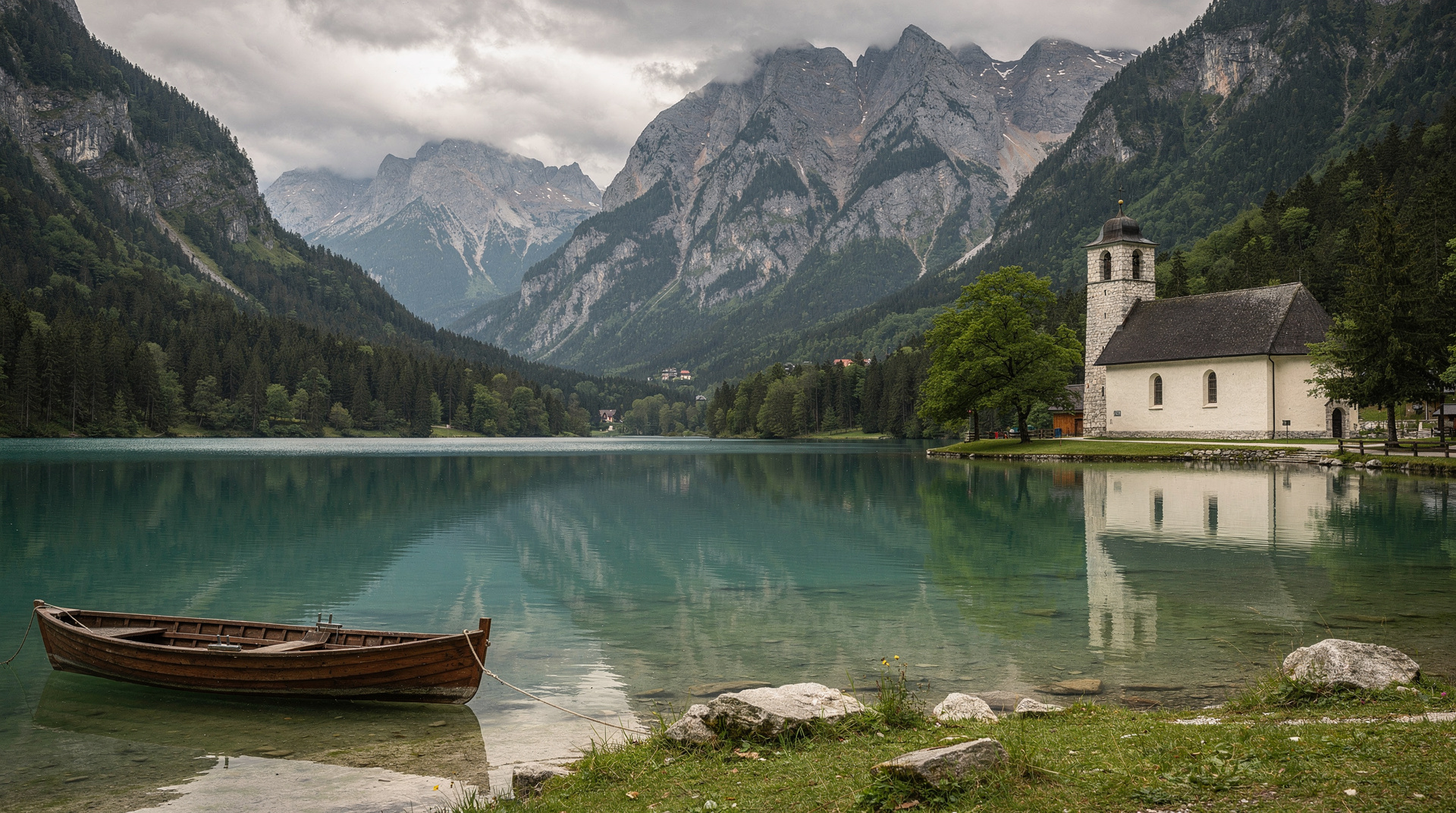
Walk the lake shore (6 km of the circuit is accessible in winter without snowshoes on groomed paths) and visit the Church of St John the Baptist at Ribčev Laz — a beautifully painted medieval church on the lake shore that is almost always open.
For a half-day guided snowshoe trek into Triglav National Park, book in advance through local guides — the 7 Lakes Valley is not accessible in deep winter without proper equipment, but the lower valleys are spectacular after snowfall. The biathlon centre at Pokljuka has groomed cross-country ski tracks (day pass ~€10).
Evening: accommodation in Bohinj (Hotel Jezero, from €90, good winter rates) or drive back to Kranjska Gora.
Day 6 — Postojna Cave: winter magic
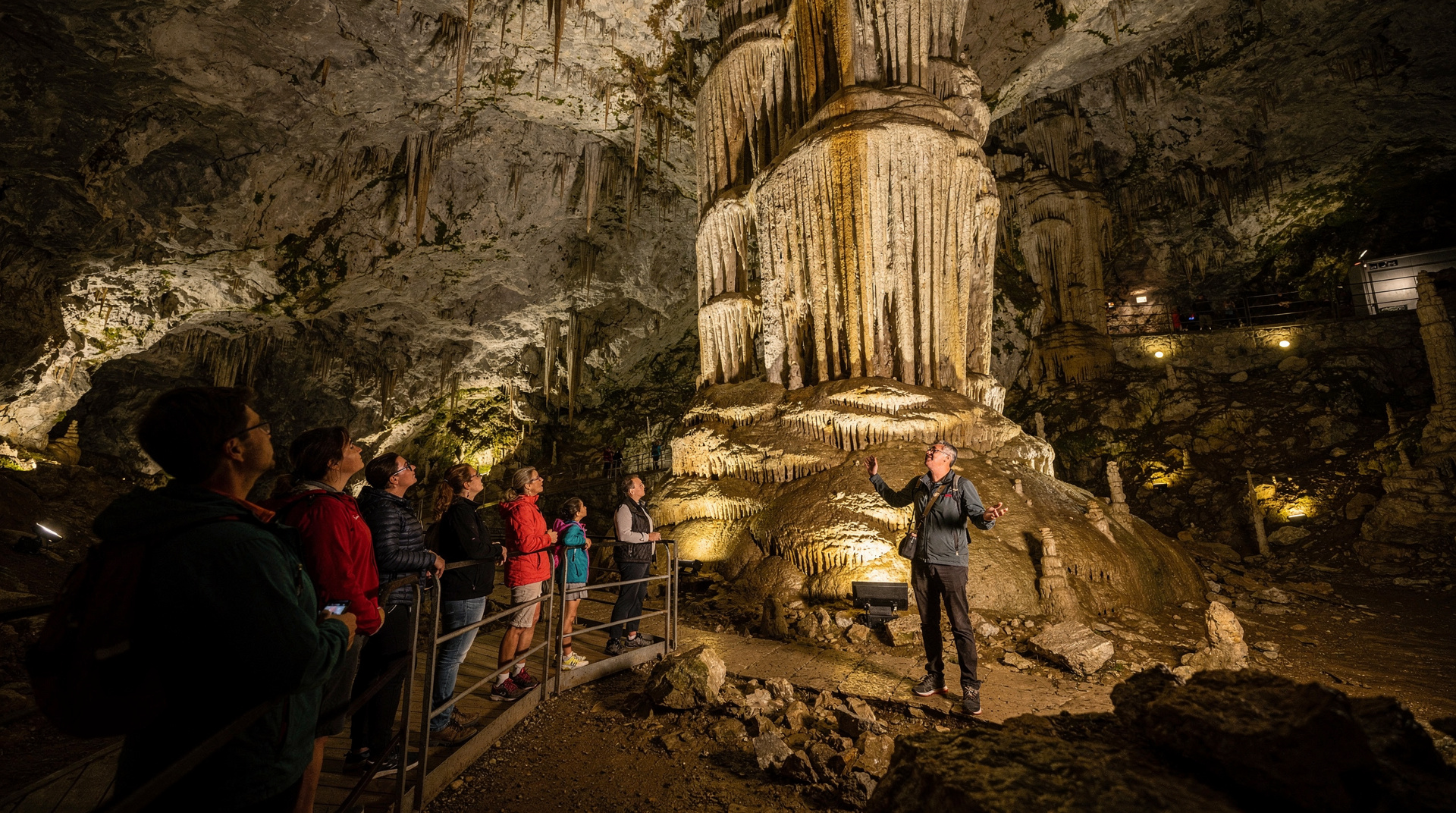
Drive from Bohinj or Kranjska Gora to Postojna Cave (130–140 km, 1.5–1.75 hours). The cave is a constant 10°C year-round, which means it is warmer inside in winter than outside on a cold day — bring a light jacket.
In December and January, Postojna Cave runs a special illuminated exhibition (“Vivat Postojna” or similar — check the current year’s programme at the cave’s website) that transforms the already spectacular stalactite chambers with coloured lighting, projected imagery and, occasionally, live musicians. Entry is around €34.90 (adult) with illuminations included.
The Postojna Cave and Predjama Castle half-day tour includes both sites with transport and entry — Predjama Castle in winter, dusted with snow against its 123-metre cliff face, is arguably even more dramatic than in summer.
Return to Ljubljana for the final night (1 hour from Postojna). Dinner at Strelec in Ljubljana Castle for a final special meal — the castle is especially atmospheric in winter with the city lit below.
Day 7 — Final day: Ljubljana market and departure
A relaxed final morning in Ljubljana. The covered market on Vodnikov trg operates year-round and is excellent in winter for cheese, honey, preserved mushrooms and local brandy (slivovitz, honey brandy). Buy gifts: Slovenian honey (the country has 7,000+ active beekeepers and 40 registered honey types), local wine, or hand-painted beehive panels.
If time allows before the airport shuttle: Krvavec ski resort is 35 km from Ljubljana and has a gondola that runs year-round — in winter it is a popular day-ski area; in November and March when snow is unreliable, the view from the 1,710 m ridge is still worth the lift ticket (€15).
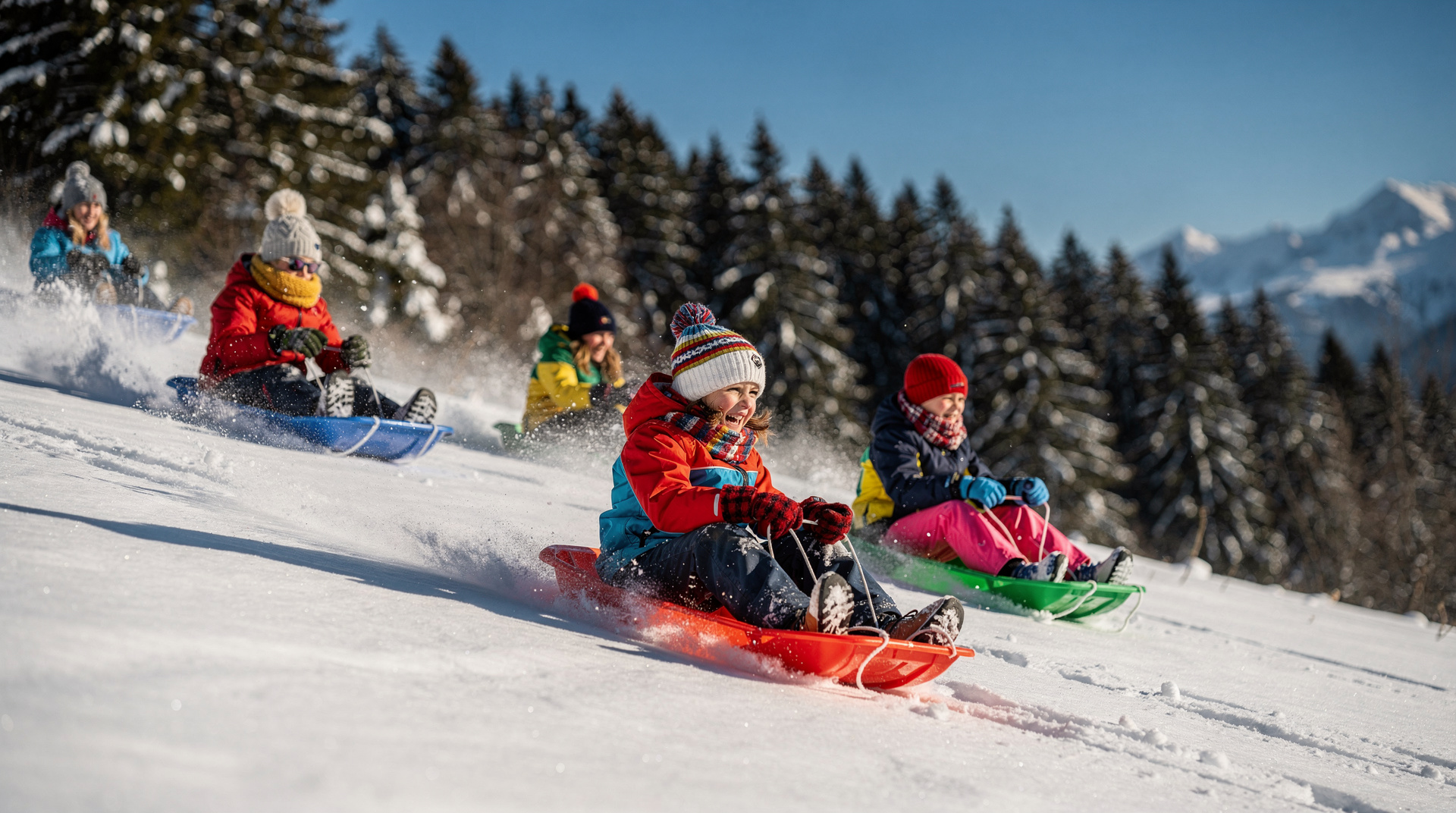
The Krvavec night sledding adventure from Ljubljana is a fun evening alternative on the final night if you arrive with energy — a lit sledding run at altitude, typically running from 19:00 to 22:00 in winter.
Airport shuttle from Ljubljana central station (€4, 50 minutes). Ljubljana Airport has connections to London Stansted, Amsterdam, Frankfurt, Vienna, Paris and several other European hubs.
Comparing Slovenia’s three ski resorts
| Resort | Altitude | Best for | Day pass |
|---|---|---|---|
| Kranjska Gora | 800–1,570 m | Beginners/intermediates, World Cup slalom course | €40–50 |
| Vogel (Bohinj) | up to 1,800 m | Views, more varied terrain, longer snow season | similar range |
| Krvavec | up to 1,970 m | Convenience from Ljubljana, day trips | around €40 |
None of the three matches the scale of a major Austrian or French resort, but the combination of low prices, short transfers and genuinely scenic pistes makes them worth a detour even for skiers who normally holiday in the Alps proper. If snow is unreliable at Kranjska Gora’s lower base, Vogel’s higher elevation is the safer bet later in the season.
What to pack for a Slovenian winter trip
Layering matters more than any single heavy coat: a base layer, a mid-layer fleece and a waterproof, windproof outer shell handle everything from -5°C mountain mornings to a milder Ljubljana afternoon. Ski gear (jacket, salopettes, gloves, goggles) is rentable in Kranjska Gora and at Vogel if you don’t want to travel with your own, though renting adds €20–30/day.
Sturdy waterproof boots are essential for both the ski towns and Ljubljana’s occasionally slushy pavements. Bring proper sunglasses or goggles for the ski days — glare off snow at altitude is stronger than most visitors expect. A headtorch is useful for the earlier winter sunsets if you plan any dusk walks around Bled or Bohinj. Thermal socks and hand warmers make the Krvavec night sledding evening considerably more comfortable.
Winter practical notes
Winter tyres: Compulsory in Slovenia from 15 November to 15 March if there is snow, ice or black ice on roads — all hire cars rented in Slovenia will have winter tyres fitted during these months. Confirm when booking. Chains are required in some mountain areas during heavy snowfall (road signs indicate this).
Vršič Pass: Closed in winter (typically November through May). All driving in this itinerary uses the lower valleys and motorway network — the A2 Ljubljana–Jesenice motorway and the Sava valley road to Kranjska Gora are kept clear in winter.
Ski resort notes: Kranjska Gora altitude (800–1,570 m) means snow reliability improves markedly after late December. Vogel above Bohinj (1,540 m) has a longer snow season due to higher elevation — often skiable from early December. Both resorts have ski school, equipment hire at the base, and lift pass offices. Day lift passes at Kranjska Gora run €40–50 (adult) and €22–28 (child under 15). Multi-day passes save 15–20%.
Postojna Cave Christmas programme: Check the cave’s website (postojnska-jama.eu) for the current year’s dates and pricing. The December illuminations programme typically runs from early December through early January. The cave’s temperature (10°C) is warmer than outside on very cold days — counterintuitively, the cave can be more comfortable in winter than summer for some visitors.
Weather: Ljubljana in December averages 2°C; Kranjska Gora and Bohinj average -3°C to -5°C. January is the coldest month (Ljubljana -2°C average). Fog in Ljubljana (known as “meglica”) is common in winter mornings, particularly in the Ljubljana basin, and usually clears by 11:00–12:00. Above the fog layer (400 m+), winter days are frequently clear and cold. This “inversion” effect means the ski resorts often have sunshine while Ljubljana is grey.
Why Slovenia in winter is underrated
The winter visitor numbers at Bled and Ljubljana are roughly 20–30% of summer peak — meaning you will share the lakeside path at Bled with a handful of people rather than hundreds, and Ljubljana’s café culture is entirely geared to a local audience rather than tourist groups.
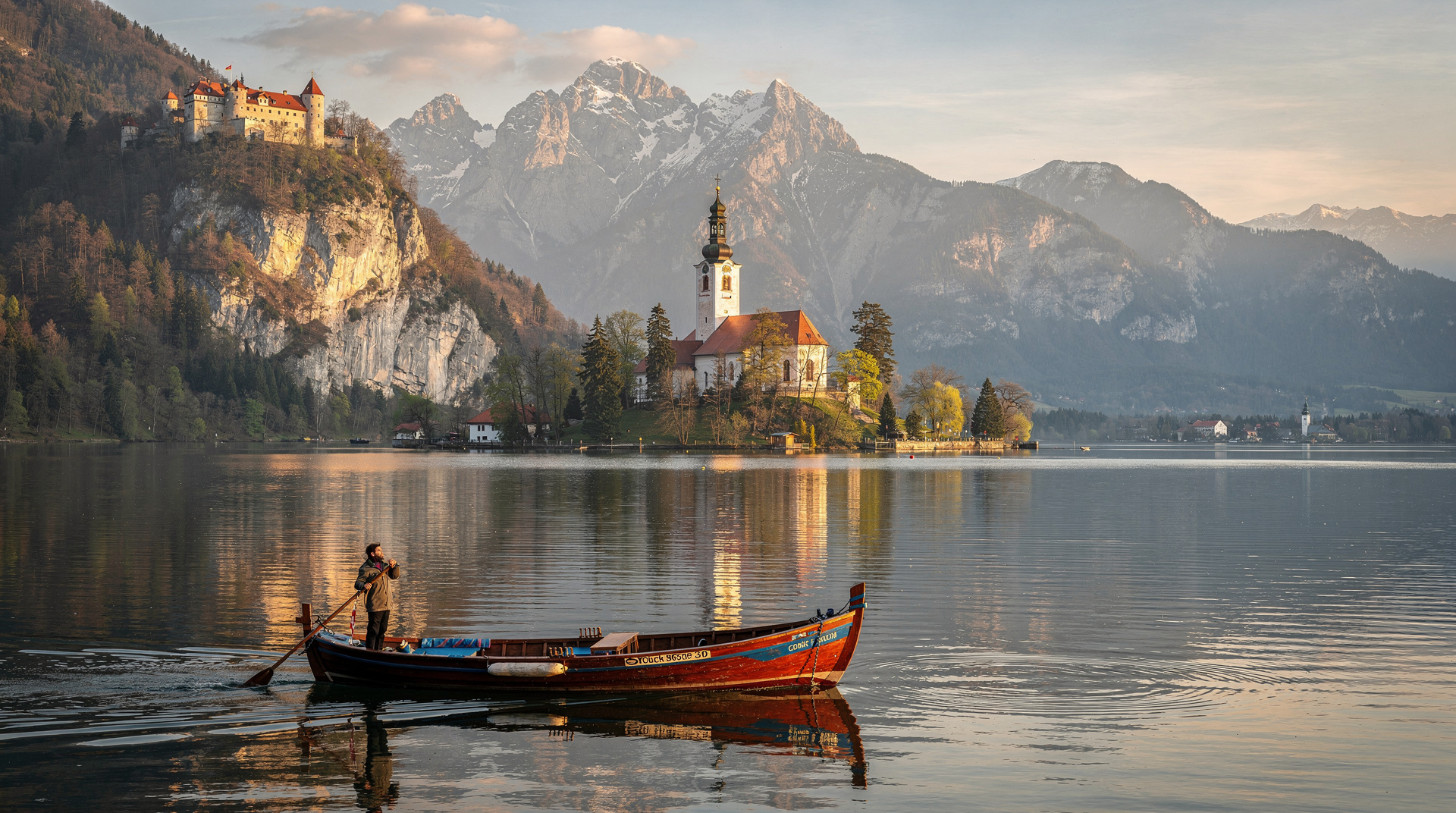
The lake at Bled in winter: partially iced over in cold years, otherwise still and dark under low winter skies. The castle on the cliff, the island church and the mountains behind are all still present and all look dramatically different from their summer versions. Lake Bohinj freezes more reliably than Bled (it is shallower in some sections and higher elevation) — in cold winters, ice skating on the natural lake surface is possible, one of the most magical winter experiences in Slovenia.
The skiing value proposition: Slovenian ski resorts charge Austrian resort prices divided by two to three. A week of skiing at Kranjska Gora including accommodation, lift passes and ski hire costs roughly what a weekend in Kitzbühel costs. The terrain is suitable for beginners through intermediates. For expert skiers who want challenging piste, the combination of Kranjska Gora for cruising and Vogel for views is excellent; for off-piste, the Kanin massif above Bovec (accessed from the Italian side or by helicopter guide) is the expert choice.
The food culture intensifies in winter. The menus at Ljubljana gostilne shift to game, mushrooms, bean soups and fermented vegetables — more traditional, more deeply Slovenian than the summer tourist menus. Local idrijski žlikrofi (small stuffed pasta from Idrija), bograč (Prekmurje meat stew from the eastern region) and segedin goulash appear on menus that post simpler fare in summer.
Connecting the winter trip
This itinerary connects well with the Austrian ski areas (Innsbruck is 3 hours from Kranjska Gora), the Dolomites (2.5 hours from Bovec) or Venice (3.5 hours from Ljubljana). Many travellers combine a Ljubljana city break with a few days at an Austrian resort, using Slovenia as the cultural half of a winter trip and Austria as the ski half — or vice versa. The Eurolines and FlixBus connections make this combination entirely feasible without a car for the inter-destination section.
Practical booking calendar for winter
November–December: Ljubljana Christmas market opens late November. Postojna Cave winter illuminations begin early December. Ski season at Kranjska Gora depends on snowfall — good years open December 1, bad years January. Lake Bohinj may freeze partially by late December.
January–February: Reliable snow at altitude. Vogel ski centre above Bohinj at 1,540 m is the most reliable resort; Kranjska Gora (800 m base) depends on cold temperatures. January has the shortest daylight hours (8 hours in Ljubljana) — plan outdoor activities in the central 10:00–15:30 window.
March: Snow at altitude, milder in Ljubljana (5–8°C). The ski season continues at Vogel through mid-March in most years. A good month for the itinerary if you accept variable snow at lower elevations.
Booking ahead: Hotel prices in winter are 20–40% lower than summer. Most hotels in Bled, Bohinj and Ljubljana are open year-round. Ski-season accommodation in Kranjska Gora books up for Christmas–New Year period only — other winter weeks have good availability. Book the Postojna Cave illuminations slot in advance for December visits, as it is a popular evening event.
Driving between resorts: The A2 motorway between Ljubljana and Jesenice is kept clear year-round, and the connecting road to Kranjska Gora is well maintained, but expect slower speeds and occasional black ice on the smaller mountain roads to Bohinj and Vogel’s base station. Allow 20–30% extra driving time compared with summer estimates, particularly for early-morning departures before the gritting trucks have been out.
The honest assessment of Slovenian skiing
Slovenian ski resorts are excellent for beginner and intermediate skiers who prioritise value, a relaxed atmosphere and the combination of skiing with other activities. They are not ideal for advanced skiers seeking steep, challenging piste or significant off-piste terrain.
Kranjska Gora’s Podkoren 3 course (the World Cup slalom course) is technically demanding and genuinely exciting to ski if you are at the right level. Vogel’s views are extraordinary. Krvavec above Ljubljana is convenient for city visitors. None of them competes with Méribel, St Anton or Verbier in scale or challenge. But none of them requires a €70 day lift pass or a four-hour transfer from an airport — and the après-ski gostilna meal costs €15 rather than €50. The trade-offs are consistent and honest.
Frequently asked questions about Winter Slovenia 7-day itinerary
Is Slovenia worth a ski trip if I’ve already skied in Austria or France? As a standalone week, it’s a strong value option rather than a scale upgrade — go in expecting good, affordable intermediate skiing with exceptional mountain views, not Alpine-scale terrain. It works particularly well combined with a few days in Ljubljana for the cultural side, which the bigger Alpine resorts don’t offer on their own doorstep.
What if there’s no snow at Kranjska Gora when I arrive? Check conditions before committing a full day — Kranjska Gora’s lower base (800 m) is less snow-reliable than Vogel above Bohinj, which sits up to 1,800 m and holds snow later into the season. Swapping a Kranjska Gora day for a Vogel day is straightforward given they’re roughly an hour apart.
Top experiences
Bookable activities with verified prices and instant confirmation on GetYourGuide.