Zagreb from Ljubljana: how to visit Croatia's capital on a day trip
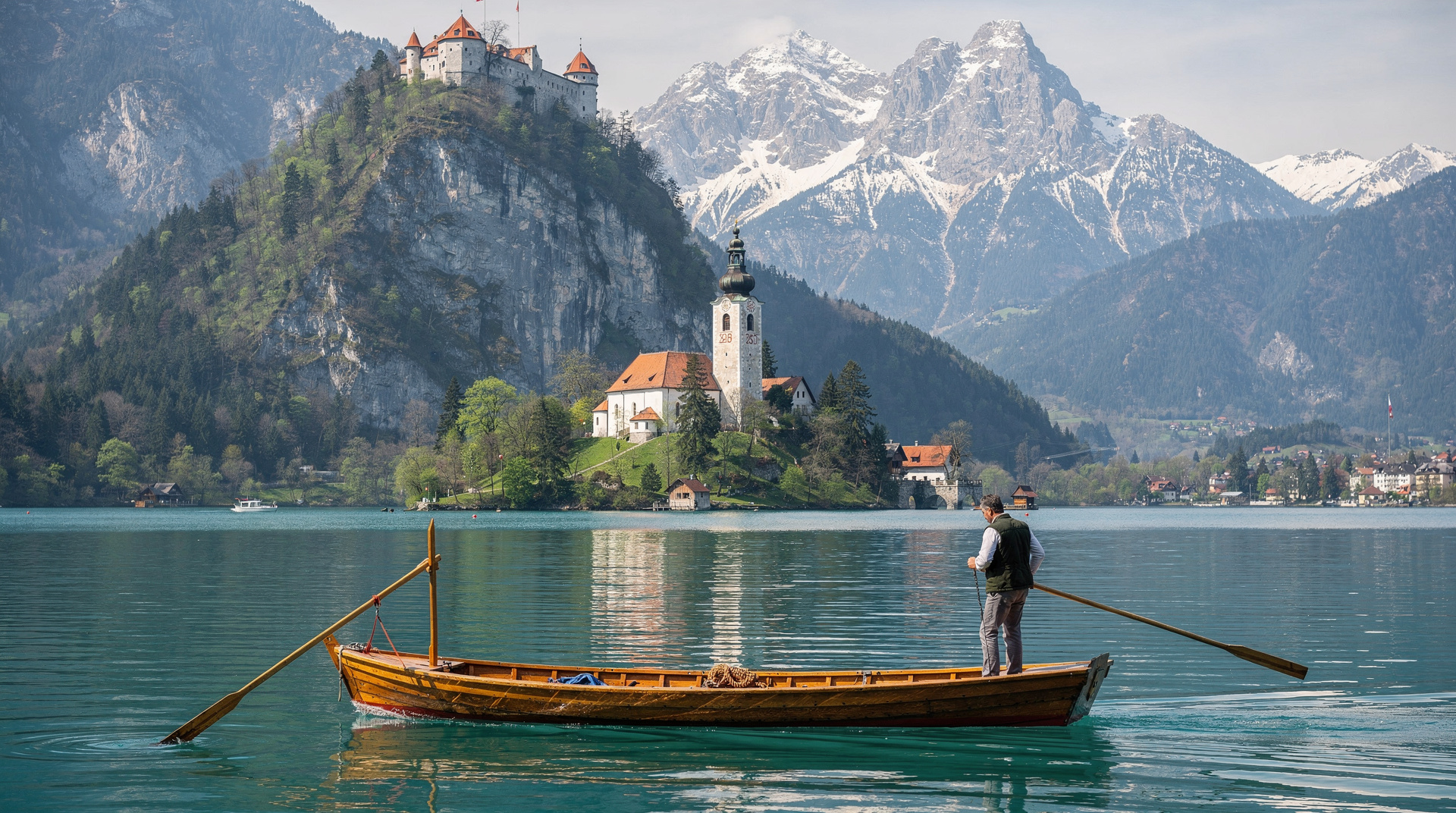
From Ljubljana: Lake Bled day tour
How long does it take to get from Ljubljana to Zagreb and is it a good day trip?
Zagreb is 140 km from Ljubljana — about 1h45 by car on the A2 motorway or 2h15 by direct bus. It is a very good day trip for those who want to experience a larger, livelier Central European city as a contrast to Ljubljana. Zagreb's upper town (Gornji Grad), the Dolac market, the excellent café culture and the Museum of Broken Relationships make for a compelling full day.
Zagreb from Ljubljana: a proper city day trip
Ljubljana is a beautiful small capital, but its population of 285,000 and compact city centre mean that after a few days, some visitors crave the energy of a larger city. Zagreb is the answer — 140 km to the south-east across the Croatian border, with a population of nearly 800,000 and all the urban infrastructure that comes with a proper capital: galleries, multiple markets, a cathedral, a tram network and a genuine café-bar culture.
Since Croatia joined the Schengen zone in January 2023, the border crossing is seamless. You drive or bus from Slovenia to Croatia without stopping. The journey takes under 2 hours.
| Where | Zagreb, Croatia — 140km from Ljubljana |
| Cost | Around EUR 10–15 each way by bus |
| Time needed | Full day; 7–8 hours in the city is ideal |
| Getting there | 2h15 direct bus or 1h45 by car |
| Best time | Any season; visit Dolac Market before noon |
Getting from Ljubljana to Zagreb
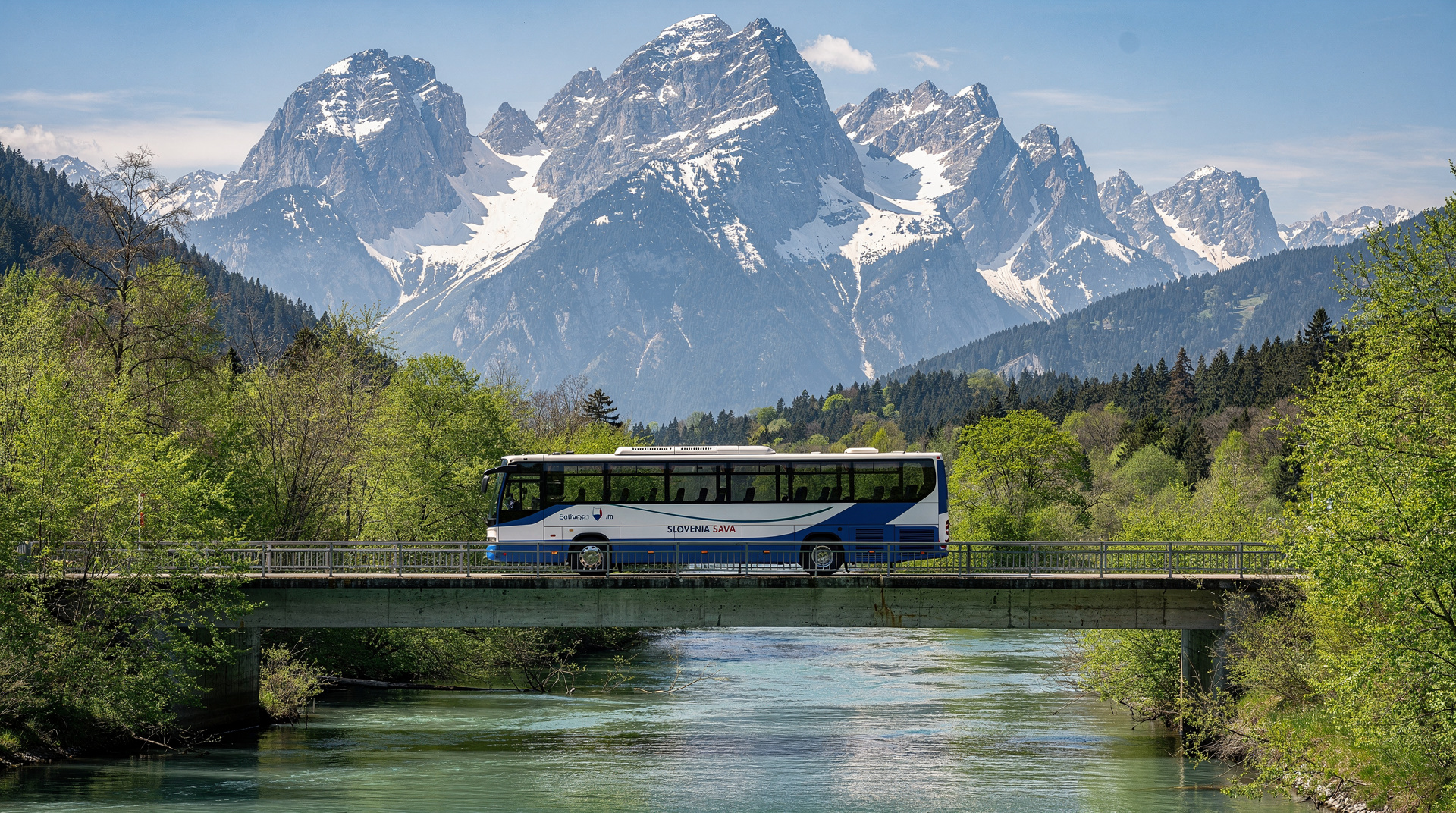
By bus: Direct express buses from Ljubljana Bus Station to Zagreb Bus Station run multiple times a day. Arriva and FlixBus operate the route; the journey takes approximately 2h15 and costs EUR 10–15 each way. The Zagreb Bus Station is in the southern part of the lower town, a short tram ride or walk from the centre.
By car: Take the A2 motorway south-east from Ljubljana. You cross the Croatian border near Bregana (no stopping required since Schengen) and continue to Zagreb. The drive is 140 km and takes about 1h45 on the motorway. Parking in Zagreb’s centre is charged (EUR 1–2/hour in the upper zones).
By train: Trains run between Ljubljana and Zagreb (change may be required); the journey takes 2h30–3h. Slower than bus or car, but the train station in Zagreb is centrally located.
Zagreb orientation: upper and lower town
Zagreb divides historically into two distinct areas, built at different levels on a hillside above the Sava River.
Gornji Grad (Upper Town): The medieval and Baroque nucleus of the city, on a ridge above the lower grid. Key sights:
- Zagreb Cathedral (Katedrala): The tallest building in Croatia (108 m neogothic towers), largely rebuilt after the 1880 earthquake. Free entry; the interior is impressive in scale.
- St Mark’s Church: The colourful tiled roof (the coats of arms of Zagreb and Croatia in glazed tile) is one of the most photographed images of the city.
The church square is quiet and atmospheric.
- Lotrščak Tower: The 13th-century tower at the top of the funicular from the lower town. Climb it for views across the city. A cannon is fired from it every day at noon — a tradition since 1877.
- Strossmayer Promenade (Šetnica): A tree-lined terrace along the south edge of the upper town, with benches and views over the lower city towards the mountains.
Donji Grad (Lower Town): The 19th-century Austro-Hungarian grid, formal and handsome, with parks, palaces and museums.
-
Dolac Market: The main covered and open-air market, open mornings (closes around noon). Farmers sell fruit, vegetables, cheese and cured meats on the outdoor levels; fish and meat stalls are inside. One of the best markets in the region — visit before noon.
-
Ilica: The main shopping street running west from Jelačić Square. A good place for a coffee, not for shopping on a day trip.
-
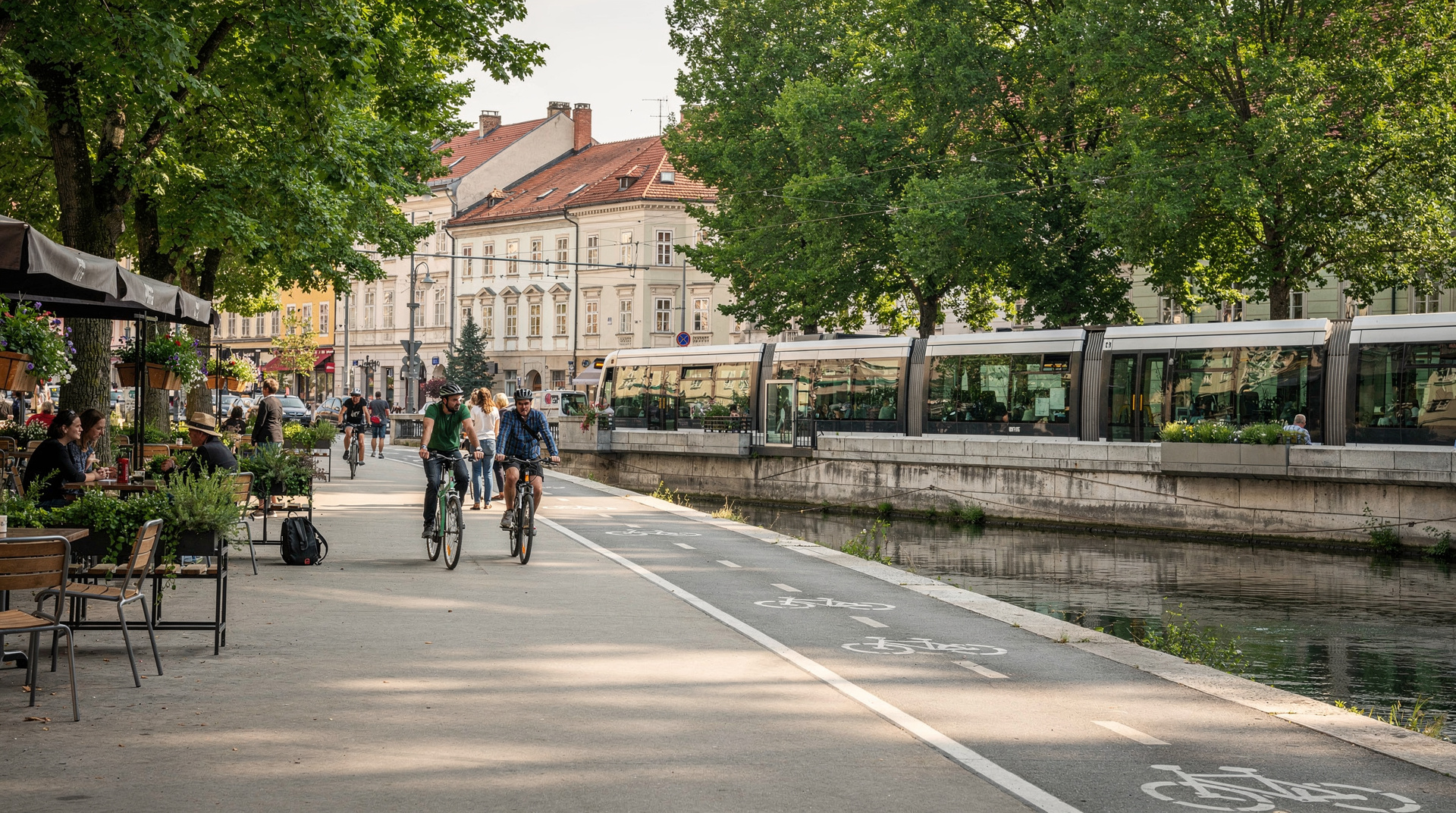
Jelačić Square (Trg bana Jelačića): The central square, ringed by trams and café terraces. The starting point for most walking itineraries.
-
Tkalčićeva Street: Pedestrianised strip running north from Jelačić Square, lined with café-bars from morning to night. This is where Zagreb lives outdoors.
The Museum of Broken Relationships
The Museum of Broken Relationships (Muzej prekinutih veza) on the upper town is one of the most original museums in Europe. It displays objects donated by people from their failed relationships — a teddy bear, a pair of shoes, a mobile phone — each with a short text explaining the relationship and why it ended. The collection is universal, often funny and occasionally devastating. It takes about 1–1.5 hours and costs EUR 7. Well worth it.
Where to eat in Zagreb
Zagreb has a good restaurant scene that has improved considerably in the past decade. The best areas for eating:
Tkalčićeva Street: Café culture from morning to late night. For lunch, the restaurants just off Tkalčić in the upper town streets tend to be better quality.
Dolac Market area: Several excellent lunch restaurants in the streets immediately below the market.
Typical dishes to try:
- Štrukli: Baked or boiled pastry filled with cottage cheese — a Zagreb speciality, unlike anything in Slovenia
- Grah (bean soup): A slow-cooked bean and sausage stew, cheap and filling
- Crni rižot (black risotto): Squid ink risotto, same as on the Slovenian coast
- Kremšnita: The Croatian version of the cream cake — different from Bled’s kremna rezina and equally good
Budget EUR 15–25 for a good lunch with a glass of wine.
Practical day trip schedule
A recommended day trip from Ljubljana by bus:
- 07:00 — Bus from Ljubljana Bus Station
- 09:15 — Arrive Zagreb Bus Station; tram to Jelačić Square
- 09:30 — Dolac Market (open early, closes by noon)
- 10:30 — Upper town: St Mark’s Church, Lotrščak Tower, Strossmayer Promenade
- 12:00 — Lunch in upper town
- 13:30 — Museum of Broken Relationships
- 15:00 — Lower town stroll: Jelačić Square, Tkalčićeva, a café break
- 16:30 — Tram back to bus station
- 17:00 — Bus back to Ljubljana (arrive ~19:15)
By car you have a more flexible schedule — depart 07:30, arrive by 09:15, drive back whenever convenient.
Combining Zagreb with Plitvice Lakes
Plitvice Lakes National Park is 130 km south of Zagreb — in the opposite direction from Ljubljana. Some travellers combine both in a single long day (Zagreb in the morning, Plitvice in the afternoon, or vice versa) on a road trip from Ljubljana. It is a long day but entirely feasible with a car.
A dedicated Plitvice day trip from Ljubljana is actually more efficient — the park is on the direct route south from Ljubljana without needing to go to Zagreb at all.
Ljubljana vs Zagreb: what’s the difference?
Both are pleasant Central European capitals, but with different scales. Ljubljana is walkable, intimate, oriented around its castle hill and riverside — ideal for two to three days of easy exploration. Zagreb is bigger, more urban, better for museum-lovers, more serious about food and nightlife, and has a more complex historical narrative (Habsburg architecture, 20th-century socialist history, the 1990s war).
For a day trip perspective, Zagreb offers more of a proper city experience than Ljubljana’s secondary attractions, while Ljubljana itself is better for the small-city ambience that many visitors to Slovenia specifically seek.
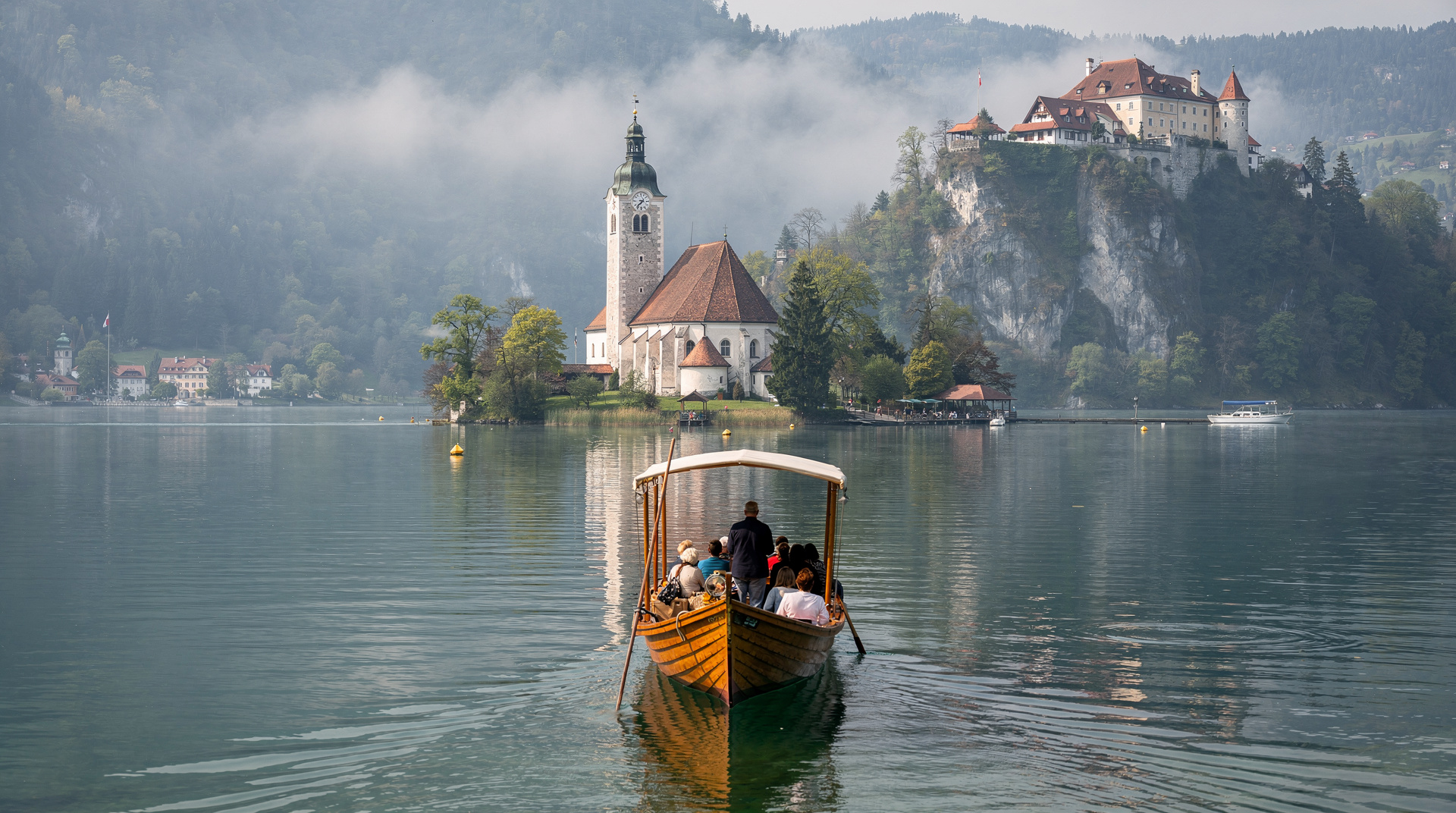
For the full picture of day-trip options from Ljubljana, see the day trips from Ljubljana pillar guide. If you would rather stay in Slovenia and skip the border, a guided day tour from Ljubljana to the lake and its island church is the easiest way to see the Alps without arranging your own transport.
Zagreb museums: which are worth your time
Zagreb has a density of museums that reflects its history as the cultural capital of Croatia. On a day trip, you cannot visit more than two or three. The standouts:
Museum of Broken Relationships (Gornji Grad): The one unmissable stop, covered above. Unique, moving, accessible, 1.5 hours. EUR 7.
Archaeological Museum of Zagreb (Donji Grad): Houses one of the most unexpected exhibits in Europe — the Zagreb Mummy, an Egyptian mummy from around 300 BC whose linen wrappings turned out to be inscribed in Etruscan (a language that remains only partially understood). The mummy was used as a prop at a Viennese exhibition before a Croatian scholar identified the script on the wrappings in the 1890s. The museum itself is excellent.
Zagreb City Museum (Gornji Grad): A good introduction to Zagreb’s history from Roman times through the 20th century. The section on the 1990s Yugoslav war is honest and useful. 1–1.5 hours.
Mimara Museum (Donji Grad): A vast private collection donated to the city — Egyptian artefacts, old master paintings, Asian art, glass and ceramics. Overwhelming in size; worth visiting only if you have a specific interest and enough time.
The Zagreb food scene
Zagreb’s restaurant culture has improved significantly in the last decade. Some specific recommendations:
Tkalčićeva: The pedestrianised café strip is the best place for a morning coffee and watching Zagreb life. Cafés here tend to be busier with locals than tourists.
Mali Bar and the Bloody Mary neighbourhood: In the Grad area below the upper town, a cluster of small bars and restaurants has emerged that represents Zagreb’s younger food scene — natural wines, seasonal menus, less tourist-oriented. Worth seeking out for dinner if you are staying overnight.
The Dolac fishmonger: If you arrive early enough (before 10:00) and want to take something home, the fishmonger stalls at Dolac market sell excellent smoked and cured fish. Croatian sardines (srdela) smoked in the traditional way are exceptional.
Overnight option: is Zagreb worth staying?
For a day trip, Zagreb works well. For visitors with more time, a night in Zagreb adds considerable value — the city has good nightlife (particularly the mid-range bar scene), several excellent restaurants for dinner and the relaxed evening passeggiata along Tkalčićeva that the day-tripper misses entirely.
The train from Zagreb to Ljubljana at 07:00 the following morning returns you to Slovenia in under 2.5 hours, making an overnight Zagreb visit compatible with a continuing Slovenia itinerary.
Transport summary
Buses from Ljubljana Bus Station to Zagreb Bus Station: EUR 10–15, 2h15. Multiple daily departures from early morning to late evening. Car: 140 km, 1h45. Trains: 2h30–3h (less convenient than bus but more comfortable).
If the border crossing does not appeal and you would rather spend the day underground, a guided day trip from Ljubljana to the Postojna cave system is a good alternative that needs no driving on your part.
For a comparison of city day-trip options, the best day trips in Slovenia guide ranks all options by type and suitability.
Zagreb’s relationship with Ljubljana: the twin capitals
Zagreb and Ljubljana are the capitals of two small countries that were part of the same state (Yugoslavia) from 1945 to 1991, sharing the same currency, the same Serbo-Croatian language in official use (Slovenian was also official), the same army and the same passports. Slovenia and Croatia declared independence simultaneously in June 1991 and both joined the EU in the same decade.
The relationship between the two capitals — 140 km apart — remains close. Many Slovenians have family in Croatia (and vice versa); the shared history is recent enough to be lived experience rather than just history. For visitors, this proximity is one of the unexpected pleasures of Slovenia: you can sleep in a Slovenian mountain town and day-trip to a Croatian capital.
What Zagreb does better than Ljubljana
Ljubljana is the better city for a quiet, walkable weekend. Zagreb is better for:
Museums: Zagreb has three world-class museums within easy walking distance (Museum of Broken Relationships, Archaeological Museum, Zagreb City Museum) compared with Ljubljana’s more modest cultural institutions.
Nightlife: Zagreb has a larger, more varied bar and club scene, particularly in Tkalčićeva and the Jarun lakeside area west of the centre.
Food variety: Zagreb’s restaurant scene is more diverse — Croatian coastal seafood alongside continental Central European cooking, a growing natural wine and craft beer scene, and a good range of market-oriented cooking.
Scale: For visitors who find Ljubljana too small (the old town takes 30 minutes to walk across), Zagreb’s larger scale provides more to explore across a full day.
Zagreb market culture
The Dolac Market is worth dwelling on as an institution. It has operated since 1926 on its current site above the main square, on two levels: the outdoor upper market (fruit, vegetables, flowers, honey) and the covered lower hall (meat, fish, dairy). The vendors are primarily local farmers from the Zagreb hinterland and the Dalmatian coast — the fish stalls sell fresh Adriatic catch shipped overnight.
The market closes by noon. If you arrive in Zagreb at 09:00 (first bus from Ljubljana), you have two hours at the market before it winds down — enough to walk all the stalls, buy something (a small jar of local honey makes a good souvenir) and eat a breakfast meal at one of the market-side cafés.
Ljubljana to Zagreb by train
The train between Ljubljana and Zagreb is slower than the bus but more comfortable — proper seats with tables, a dining car in some services, and spectacular views through the Kum and Posavje hills south of Ljubljana. The journey takes 2h30–3h depending on the service.
The Ljubljana station is 15 minutes’ walk from the city centre; Zagreb’s main station (Glavni Kolodvor) is on the southern edge of the lower town, 5 minutes’ walk from Jelačić Square. Both cities are walkable from their stations without taxis.
Return trains run through the evening; the last convenient service leaves Zagreb at around 17:00–18:00. For the full day trips from Ljubljana picture, all options are compared in the pillar guide.
Fitting Zagreb into your wider Slovenia plan
Zagreb works best as one contrasting day inside a longer trip rather than the centrepiece of it. If you are still deciding how long to spend in the country, how many days in Slovenia helps you see where a day across the border fits. First-time visitors will find the basics in first time in Slovenia, and the Slovenia vs Croatia comparison explains how the two neighbours differ in feel, pace and style of travel.
Before you go, it is worth reading up on getting around Slovenia and, if you plan to drive, car rental in Slovenia and the motorway vignette rules, since the car option gives you the most flexible day. Those staying overnight in the capital can use Ljubljana’s old town guide to plan the rest of their time at home base.
For a longer route that links both countries, the Slovenia and Croatia 10-day itinerary shows how the two fit together without rushing.
Frequently asked questions about Zagreb from Ljubljana
How do you get from Ljubljana to Zagreb?
Direct express buses run several times a day from Ljubljana Bus Station to Zagreb Bus Station; the journey takes about 2h15 and costs EUR 10–15 each way. By car, take the A2 motorway south-east from Ljubljana to Zagreb — the drive is 140 km and takes about 1h45. Direct trains also run between the two capitals but are slower (2h30–3h). FlixBus and Arriva operate the bus route.Is Zagreb worth a day trip from Ljubljana?
Yes, if you want a city experience that is different from Ljubljana's smaller scale. Zagreb has a proper Central European urban character — a large cathedral, a grid of 19th-century boulevards, a covered market, a tram network and an active café and restaurant scene. It is especially worth visiting for the Upper Town (medieval neighbourhood), the Museum of Broken Relationships and the Dolac market.How many hours do you need in Zagreb?
Five to six hours in Zagreb gives you enough time for the upper town, the market, a proper lunch and a stroll along Ilica. Eight hours is ideal for a first visit — you can add the Lower Town parks and galleries. Most bus day-trips from Ljubljana give you about seven hours in the city.What should I not miss in Zagreb?
Gornji Grad (upper town): the cathedral, St Mark's Church with its tiled roof, the Lotrščak Tower and cannon, and Strossmayer Promenade. Dolac Market (morning only): the main open-air market, colourful and authentically Croatian. Museum of Broken Relationships: a unique collection of donated objects from failed relationships, with accompanying texts. Tkalčićeva Street: the pedestrianised café strip that is Zagreb's real outdoor living room.Do you need to exchange money for Zagreb?
Croatia uses the euro since January 2023, so no currency exchange is needed from Slovenia. Your euros work everywhere in Zagreb.
Top experiences
Bookable activities with verified prices and instant confirmation on GetYourGuide.