Soča Valley adventure 7-day itinerary
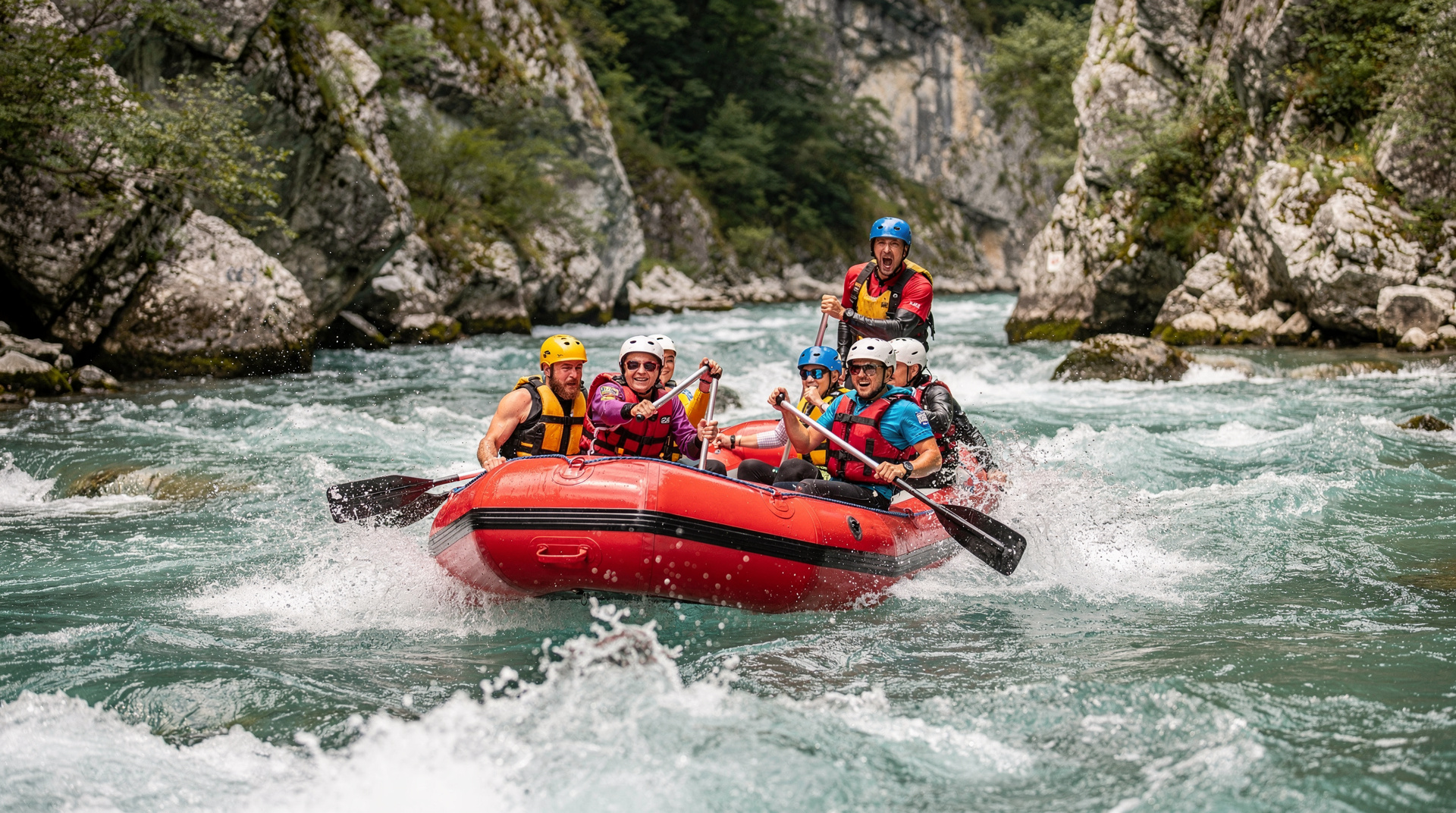
Bovec: Soča River whitewater rafting
Slovenia’s adventure heartland: seven days on the edge
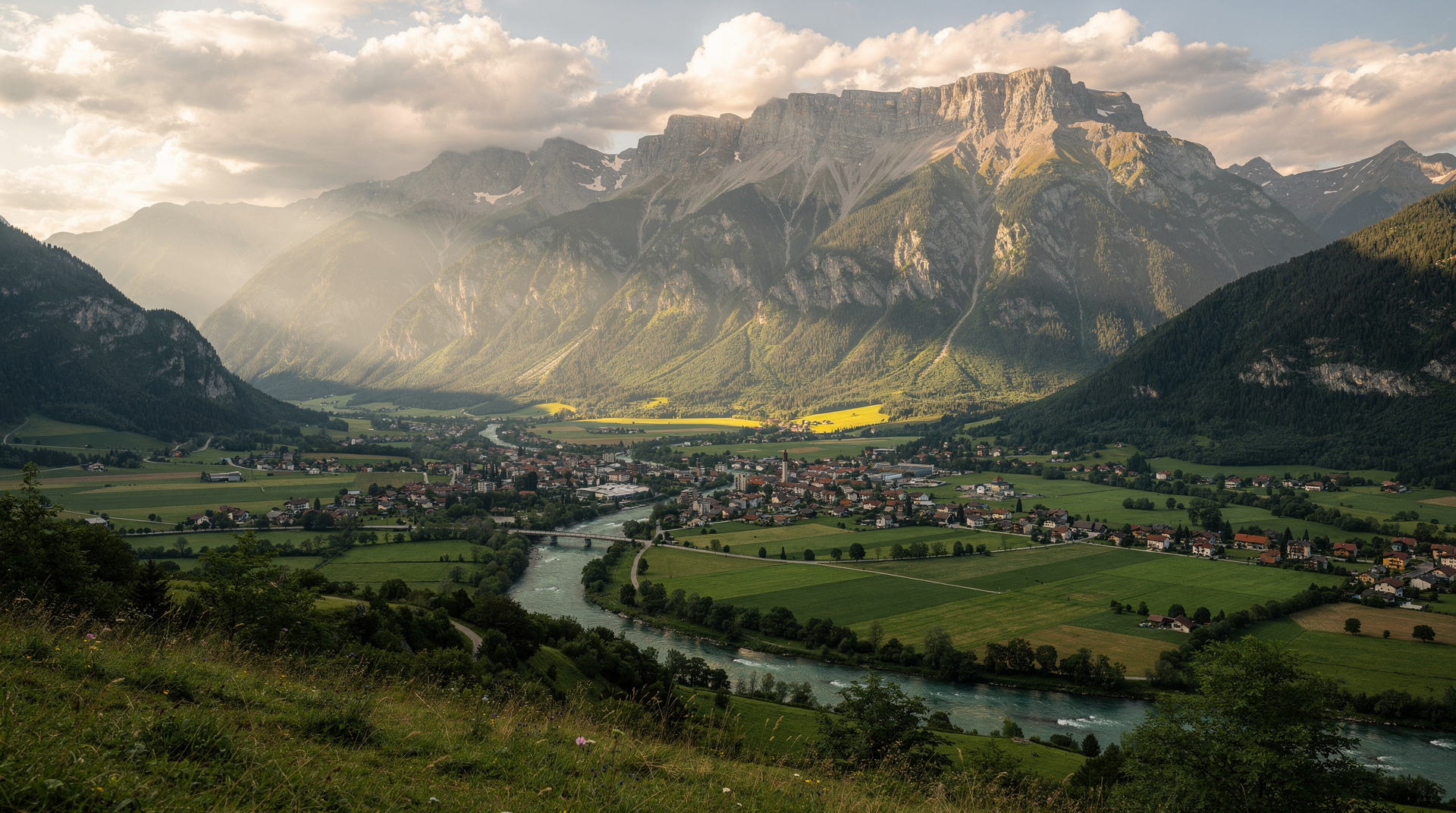
The Soča River runs 138 km from its source in the Julian Alps to the Adriatic, but the stretch through Bovec and Kobarid is where it earns its reputation as one of the most beautiful rivers in Europe. The water is a shade of blue-green that has no accurate description — guides call it “emerald” or “turquoise” and both are wrong, and both are right.
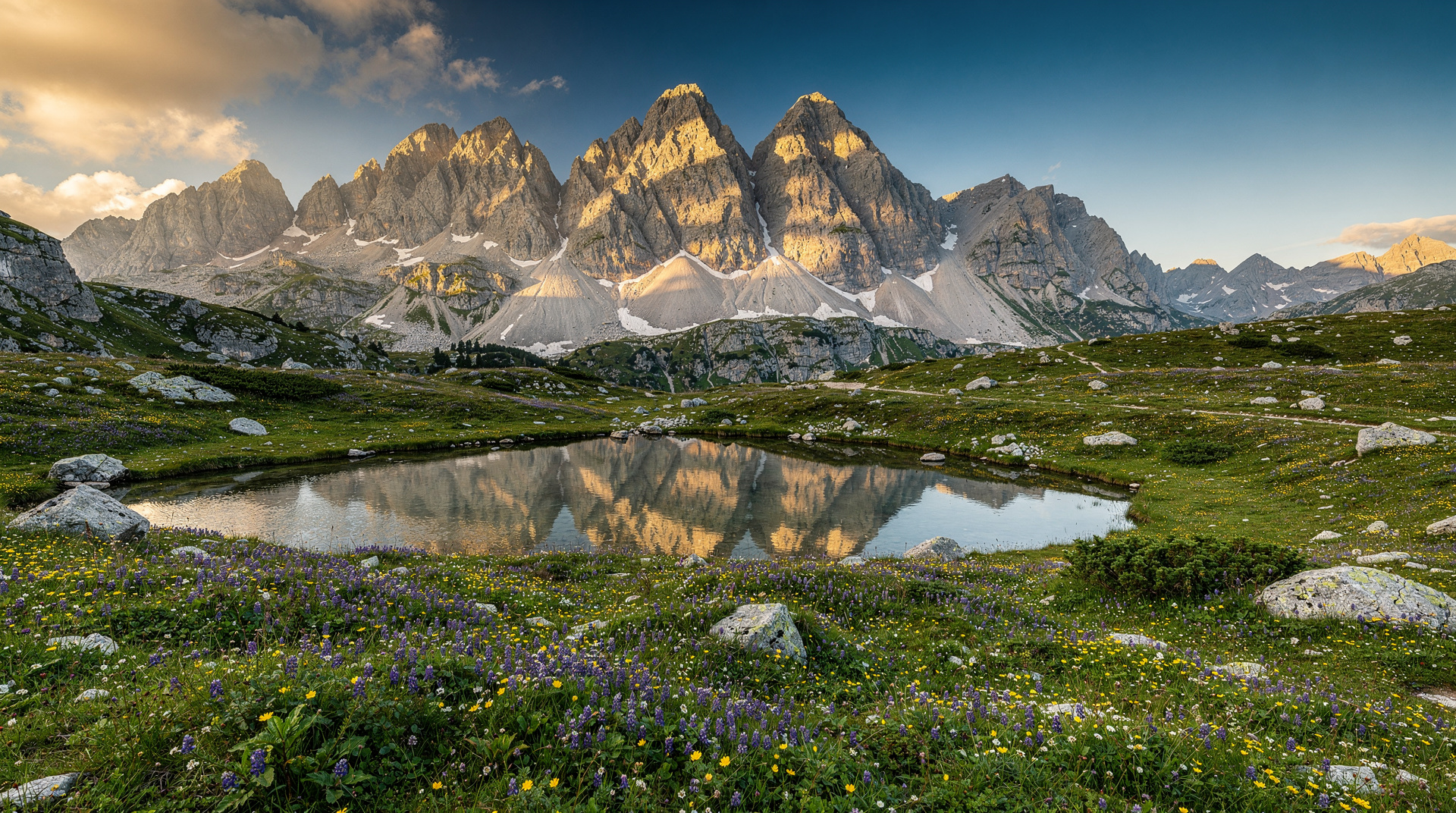
For adventure travellers, this seven-day itinerary covers what the Soča Valley and surrounding mountains offer that nowhere else in Europe can match: whitewater rafting in water cold enough to take your breath away, canyoning in slot canyons with natural water slides, via ferrata routes on Julian Alps limestone, paragliding over a valley that looks like an illustration, and hiking through one of the most celebrated mountain landscapes on the continent.
This is a challenging itinerary — not technically, but physically. You will spend long days outdoors and return to your accommodation ready for an early dinner and bed. Book the key water activities in advance (at least 2 weeks ahead in July–August): popular slots fill quickly.
| Where | Bled → Bovec (via Vršič Pass) → Kobarid → Bohinj → Ljubljana |
| Cost | around €45–130 per activity, mid-range accommodation |
| Time needed | 7 days, physically demanding |
| Getting there | hire car essential (Vršič Pass closed Nov–May, use Tolmin route) |
| Best time | June–September for water activities and open passes |
| Book ahead | rafting and canyoning at least 2 weeks ahead in July–August |
Day 1 — Drive from Ljubljana to Bovec via Bled
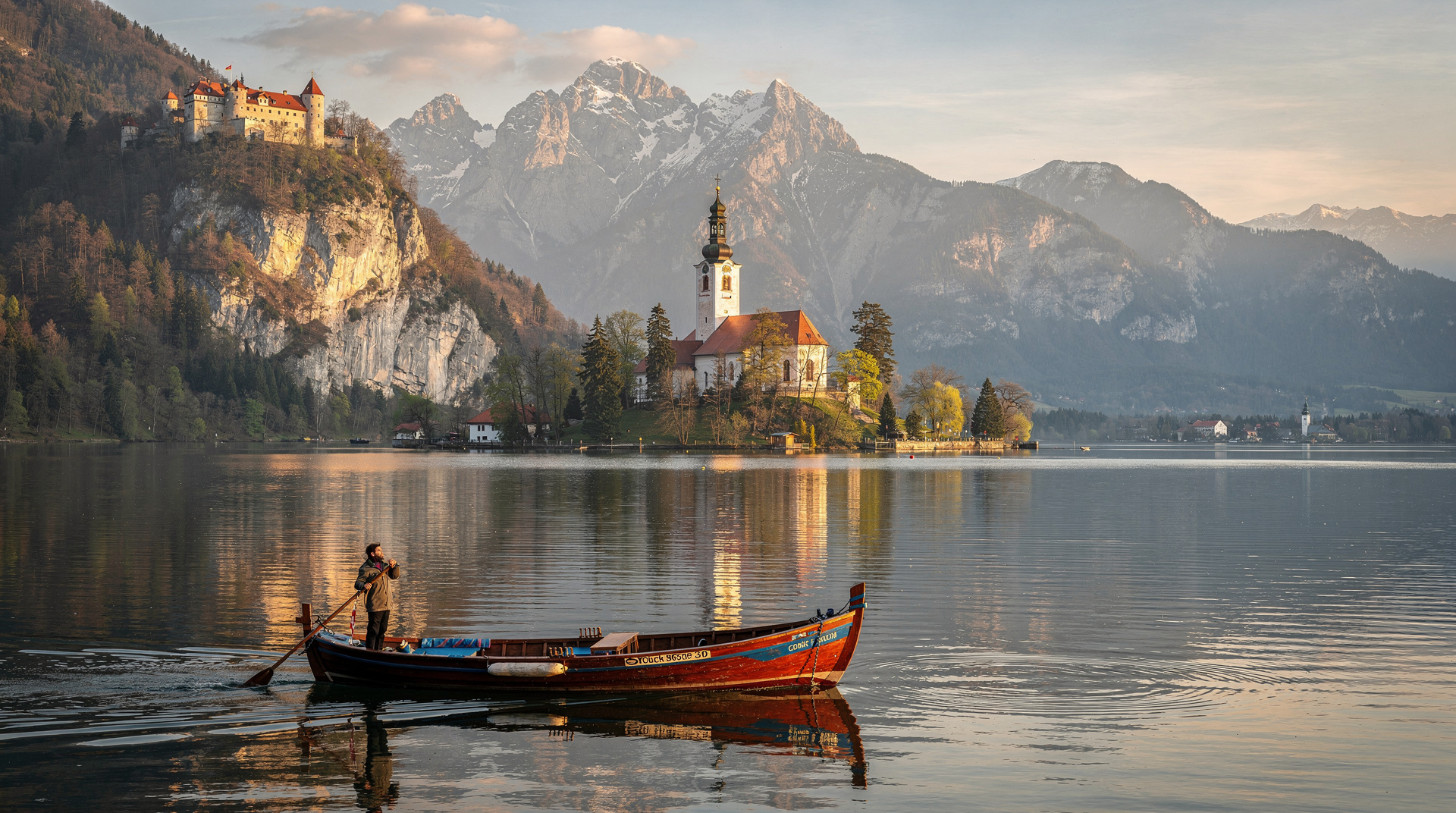
Pick up your hire car at Ljubljana Airport and drive north to Lake Bled (55 km, 50 minutes). Even if Bled is not the focus of this trip, it earns an hour or two — walk the north shore for the iconic view, maybe grab a kremšnita, and continue west.
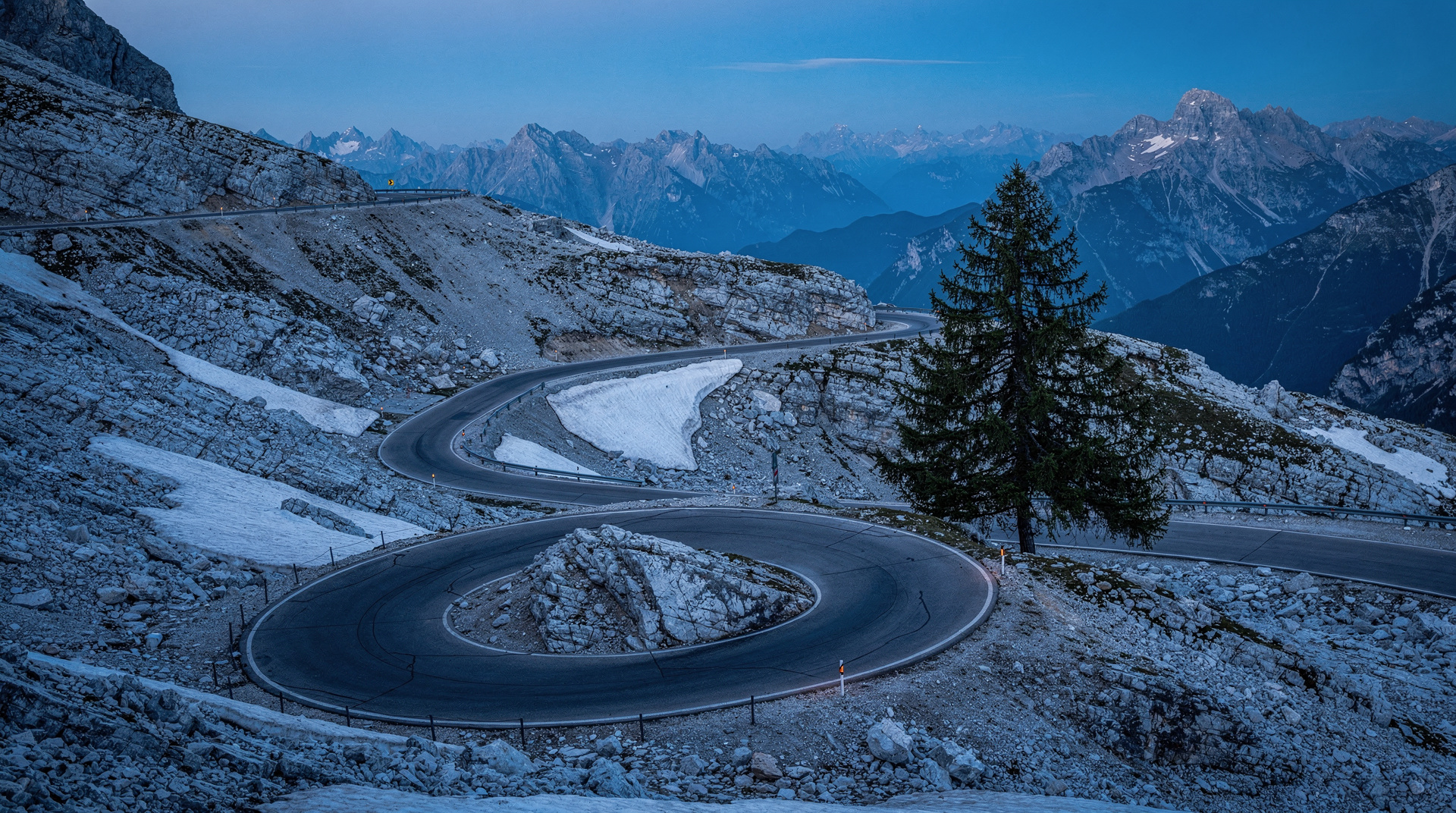
From Bled, drive northwest to Kranjska Gora (35 km, 40 minutes), then over the Vršič Pass into the Soča watershed. Road 206, the pass road, climbs 50 hairpin bends to 1,611 m and is one of the finest mountain drives in Europe. Stop at the Russian Chapel (built by WWI prisoners of war), walk 15 minutes above the summit car park for the full panorama, and stop again at the source of the Soča at the bottom of the south side.
Total driving Ljubljana to Bovec via Bled and Vršič: about 200 km, 3–3.5 hours moving. Check in at Dobra Vila Bovec (boutique, from €130) or Hostel Sanje ob Soči (from €35). Dinner at Gostilna Sovdat (local trout, €15–20 for a main).
Note: the Vršič Pass is closed approximately November through May. If visiting in that window, approach Bovec from the south via Tolmin instead (2 hours 15 minutes from Ljubljana).
Day 2 — Whitewater rafting on the Soča
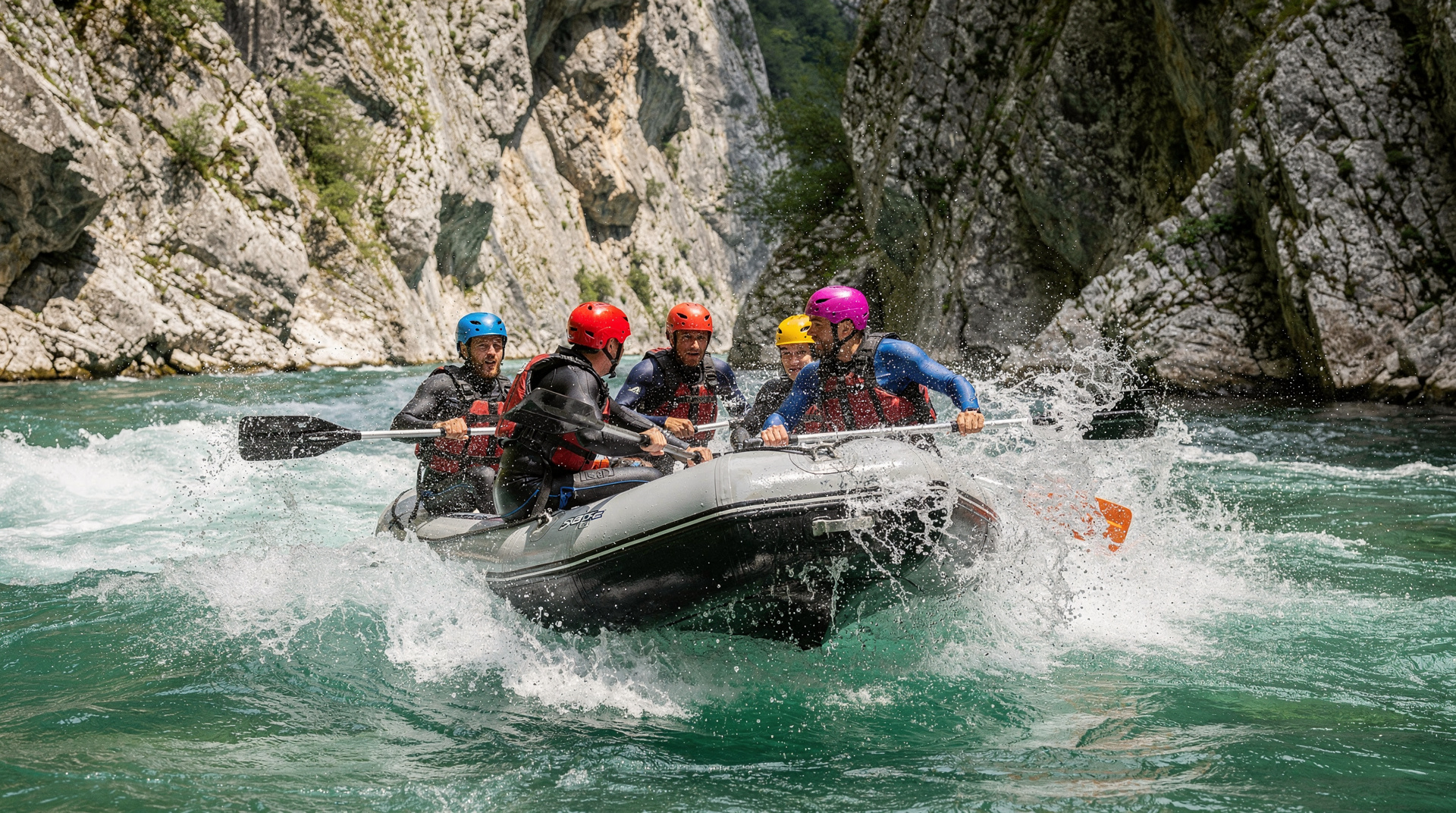
This is the day most visitors come to Bovec for. The Soča runs Class II–IV through a narrow limestone canyon north of the town, and the combination of rapids, clear water and scenery is genuinely unlike any other European rafting experience.
Whitewater rafting on the Soča River from Bovec — the standard 8 km run takes 2–3 hours including briefing and equipment, covers several Class III rapids and ends at a natural swimming pool. The water is 12–16°C even in August; wetsuits are provided. Cost around €45–55.
Afternoon: the Soča Valley’s wild swimming spots are among the best in Europe. The valley road south from Bovec (follow signs to Trenta/Soča) passes half a dozen natural pools with clear shallow water over smooth limestone. No charge, no crowds after 14:00, just the sound of the river.
For those who want more water time in the afternoon, the SUP (stand-up paddleboarding) run on the calmer stretch below Bovec is a completely different experience from rafting — slower, quieter, and a brilliant way to see the riverbanks.
Evening: the Bovec town square has three or four restaurants all competing for adventure-sport visitors. Letni vrt bar does decent pizzas and Slovenian beers on the terrace.
Day 3 — Canyoning day
Canyoning in the Soča Valley means descending narrow gorges by swimming, abseiling and jumping into pools. The area has a dozen canyons ranging from beginner-friendly to committing. Today, go for the half-day beginner option to gauge your comfort level before a more serious canyon on day 4.
Canyoning for beginners in Bovec runs about 3 hours, covers all safety briefing and equipment (wetsuit, helmet, harness), and includes several abseils and jumps of 2–5 metres into pools. Cost around €55–65. No experience necessary but you must be able to swim.
Afternoon recovery: drive south to Kobarid (26 km, 30 minutes) for an afternoon break from activity. The Kobarid Museum (€7, one of Europe’s finest WWI museums) is worth 90 minutes — the 3D models and personal testimonies of the Isonzo front put the landscape you have been playing in into a profoundly different context.
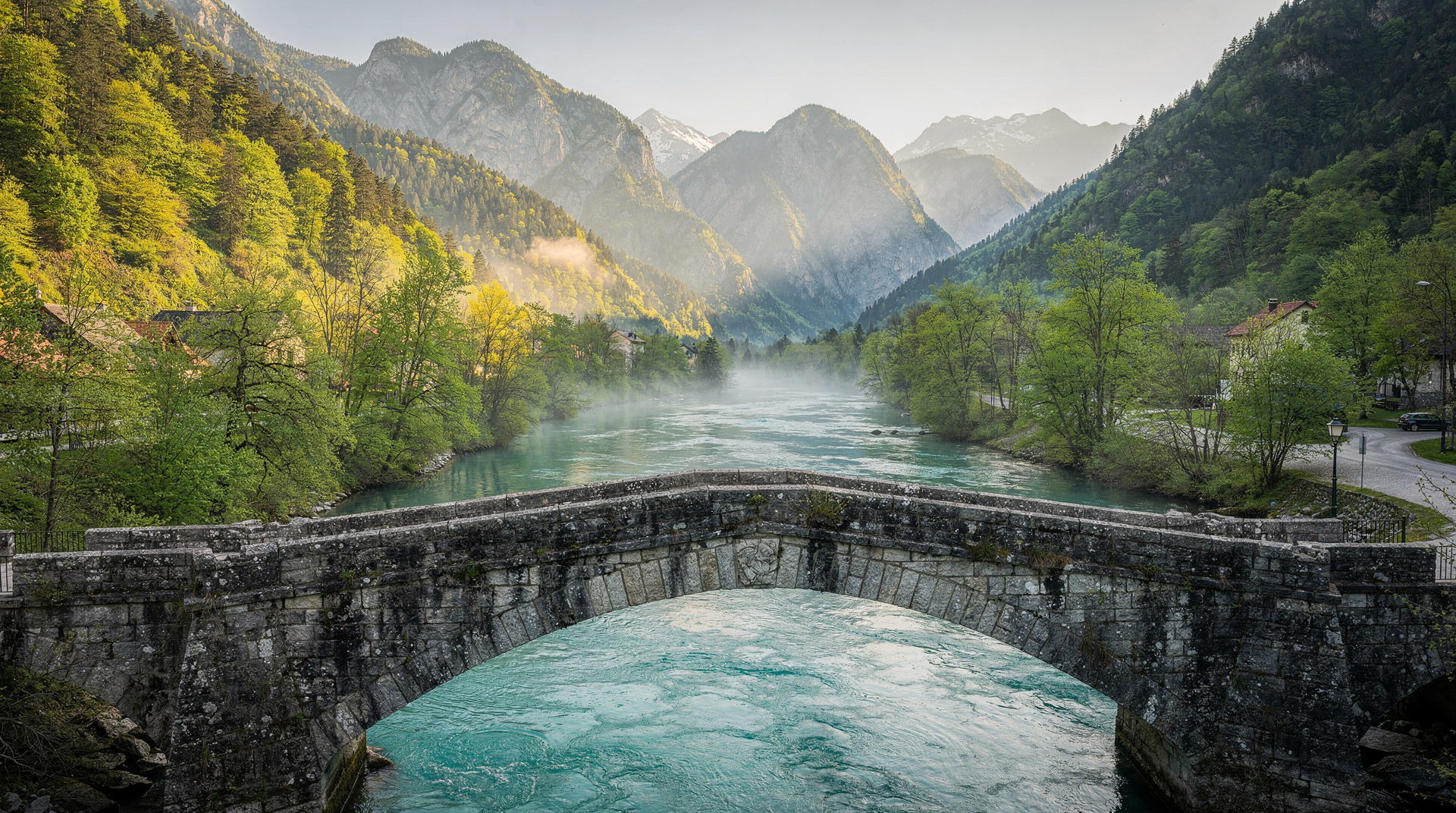
Walk the Kobarid Historical Walk (5 km, 2 hours) after the museum — it passes the Italian Ossuary, the Napolonov most (Napoleon’s Bridge, a WWI-era stone arch over the Soča) and the Kozjak Waterfall, which hides in a narrow cave at the end of a 30-minute riverside walk.
Return to Bovec overnight.
Day 4 — Via ferrata or advanced canyoning
Choose your level:
For confident scramblers: The Hvadnik Gorge via ferrata near Gozd Martuljek (1.5 hours’ drive from Bovec back toward Bled) is a Grade III/IV route with wire bridges over the gorge and fixed cables on the rock face. Stunning views, requires harness and helmet (provided on guided tours).
The thrilling canyoning in Sušec Gorge with photo service is the step up from day 3’s beginner experience — longer, more technical, with larger jumps and a narrower canyon. The guide photographs you throughout. Duration 4–5 hours, cost around €75–85.
For those preferring height to water: Tandem paragliding from Bovec launches from the Kanin ridge and flies over the entire Soča Valley and across to the Italian Alps — a 20-minute flight that gives you a perspective on the landscape that seven days of ground-level activity cannot provide. Cost around €120–130.
Return to Bovec. Rest day in the evening: a proper sit-down dinner at Dobra Vila restaurant (three courses, €35–45) if you are staying there, or at Gostišče Mangrt (15 minutes east of Bovec toward the Italian border).
Day 5 — Soča valley exploration and kayaking
Leave Bovec later than usual — a slow morning after two activity-heavy days. Drive south through the Soča Valley toward Tolmin, stopping at every viewpoint and river access point. The valley between Bovec and Kobarid is the most photographed stretch.
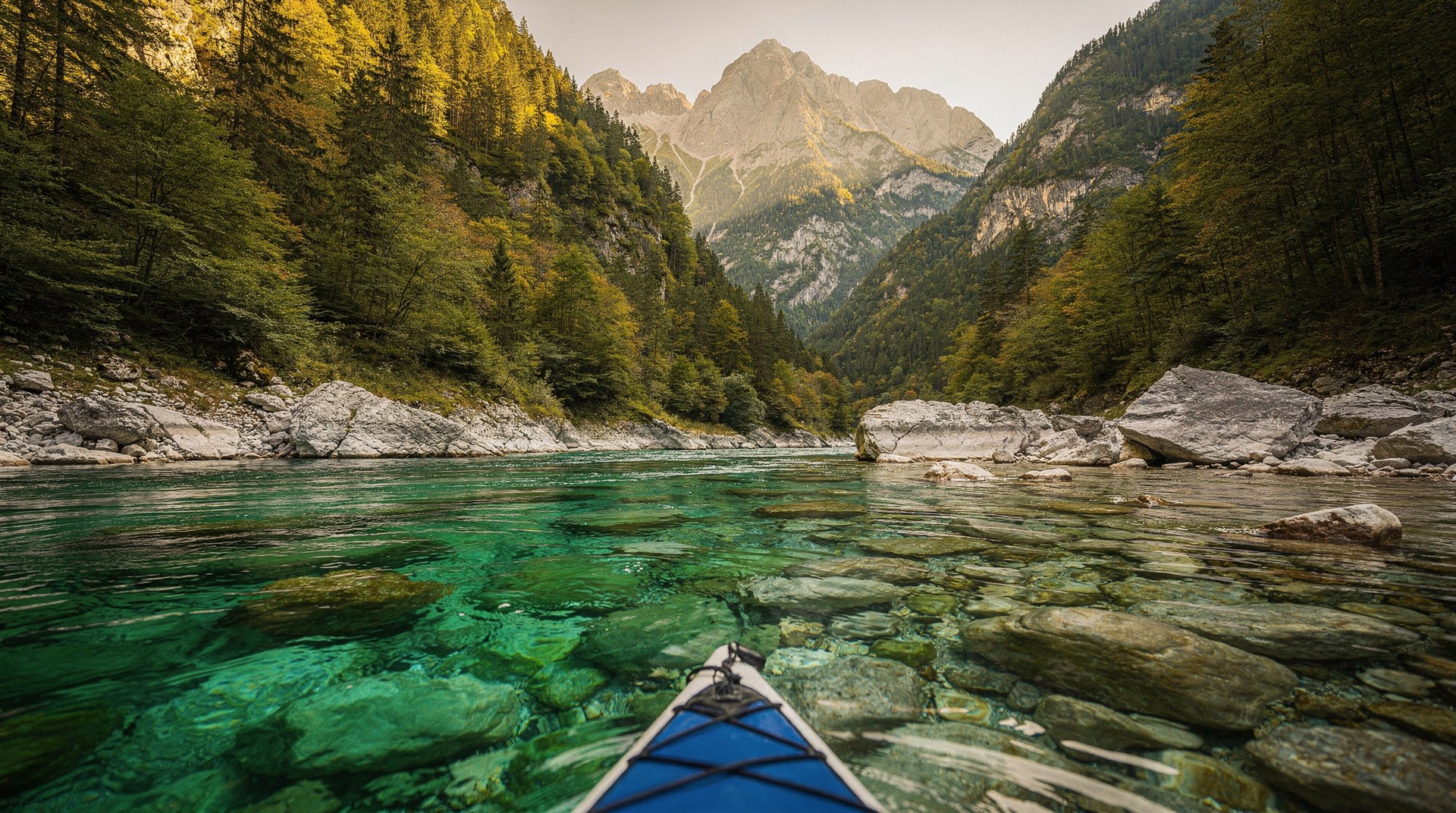
Soča kayaking: the calmer stretches south of Bovec are ideal for a half-day kayaking session, suitable for all experience levels. The focus is on reading the river rather than fighting rapids — paddle through canyon sections and stop for swimming breaks.
Soča River kayaking for all levels runs about 3–4 hours and covers 8–10 km of river, with instructor guidance on technique and local natural history. Cost around €60.
Evening: drive back to Kobarid and eat at Hiša Franko — one of Slovenia’s most celebrated restaurants (book weeks in advance), run by chef Ana Roš who has put Slovenian cuisine on the global map. A tasting menu is €80–120; worth every euro if you can get a table.
Day 6 — Triglav National Park hiking
Make today a proper mountain day. Drive from Bovec back north toward Bohinj (1.5 hours via the Vršič Pass or 2 hours via Tolmin if the pass is closed) for a full day’s hiking in the interior of Triglav National Park.
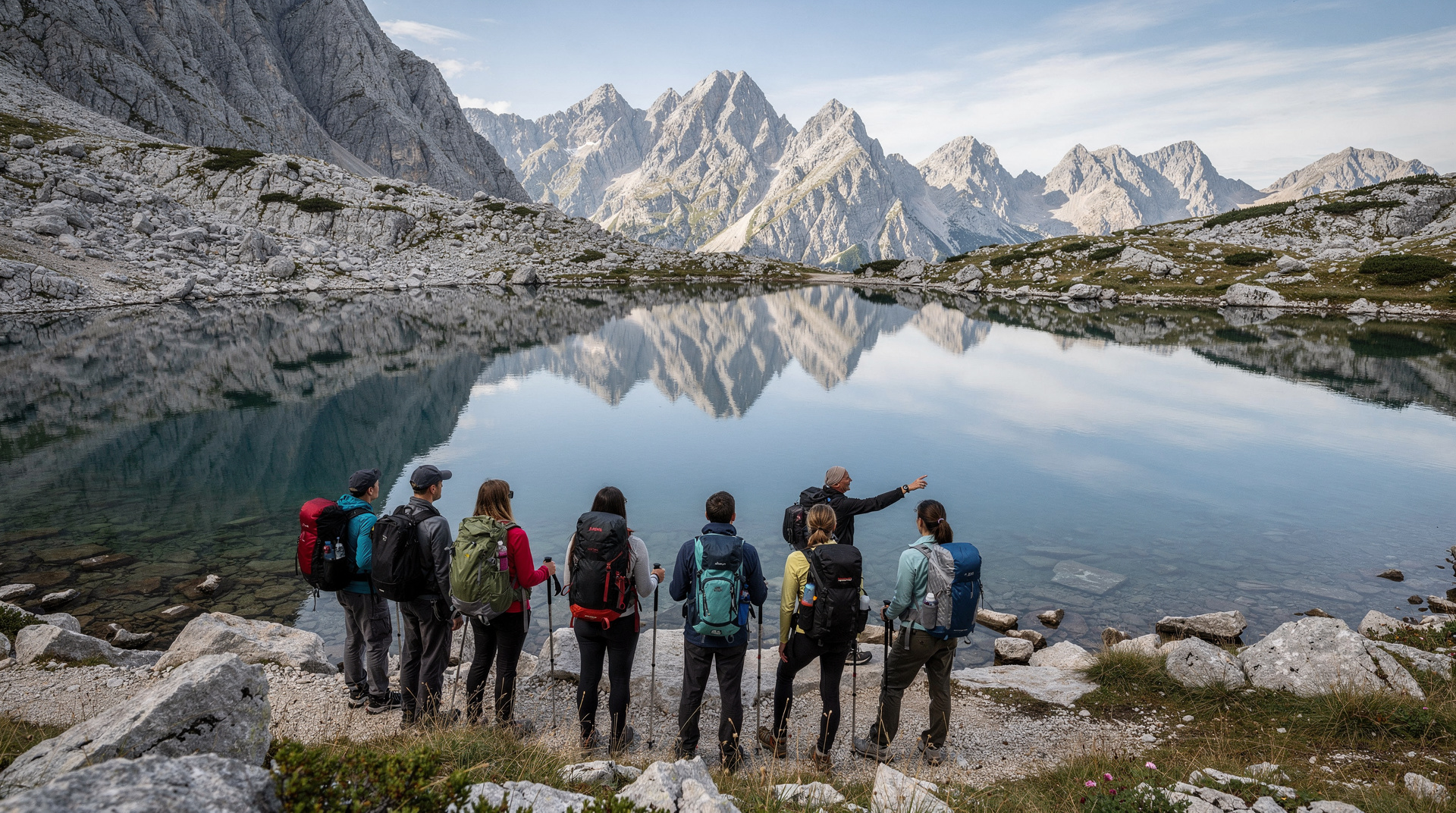
The guided 7 Lakes Valley hiking tour from Bohinj is one of the finest guided day hikes in Slovenia — 15 km through a string of glacial lakes in a high valley with Triglav views throughout. Distance is around 15 km with 800 m of ascent; proper hiking boots are essential. Duration 7–8 hours.
This is a substantial mountain day — the trails are well marked within the national park but the terrain is genuinely alpine. The guide brings the geology and ecology to life.
Return to accommodation in Bohinj or Bled for the final night.
Day 7 — Lake Bohinj morning and return to Ljubljana
The final morning belongs to Lake Bohinj — quieter, larger and more naturally beautiful than Bled. Walk the western end of the lake along the south shore from Ribčev Laz to Ukanc (6 km, 1.5 hours), stopping for one last swim in the clearest water in Slovenia.
The Savica Waterfall (20-minute walk from the Ukanc car park, €4 entry) is a satisfying final sight — a 78-metre cascade into a green pool framed by alpine cliff.
Drive from Bohinj to Ljubljana (50 km, 55 minutes), return the car, and take the airport shuttle (€4, 50 minutes). Or continue east to Ljubljana for a final dinner before an early departure.
Comparing the core activities
| Activity | Duration | Fitness level | Approx cost | Best day |
|---|---|---|---|---|
| Whitewater rafting | 2–3 hrs | Moderate | €45–55 | Day 2 |
| Beginner canyoning | 3 hrs | Moderate | €55–65 | Day 3 |
| Advanced canyoning | 4–5 hrs | High | €75–85 | Day 4 |
| Via ferrata | 3–4 hrs | High, head for heights | Guided price varies | Day 4 |
| Tandem paragliding | 20 min flight | Low, just nerve | €120–130 | Day 4 |
| Kayaking (all levels) | 3–4 hrs | Low–moderate | around €60 | Day 5 |
| 7 Lakes Valley hike | 7–8 hrs | High | Guided price varies | Day 6 |
Use this table to rebalance the week if the suggested pairing doesn’t suit your group — swap a rest afternoon for kayaking if canyoning two days running feels like too much, or add a second via ferrata if heights are your thing and water sports are not.
Travel insurance and safety
Standard travel insurance policies frequently exclude or place conditions on whitewater rafting, canyoning and via ferrata — check the policy wording specifically for “adventure sports” or “extreme sports” cover before booking, since a rejected claim after a minor injury on the river is a genuinely common problem. Reputable Bovec operators (SOT Sport, Avantura d.o.o., XPoint Bovec) carry their own liability insurance and brief safety procedures thoroughly, but that covers the operator, not your medical costs getting home.
European Health Insurance Card holders get reduced-cost state healthcare in Slovenia, but adventure-sport injuries and repatriation still typically require separate cover. Build 10 minutes into each activity morning for the safety briefing — operators will not rush this regardless of how experienced you claim to be, and for good reason given the cold water and technical terrain involved.
Adventure planning notes
Physical requirements: You do not need to be an athlete, but you must be able to swim (for water activities) and walk 5+ km comfortably over uneven terrain (for hiking and canyon approaches). Rafting and canyoning operators have weight limits (usually 120–130 kg) and minimum age limits (usually 10–14 depending on activity). The 7 Lakes Valley hike (Day 6) is a serious mountain day — 800 m of ascent — and requires hiking boots and good general fitness.
Booking: Reserve rafting and canyoning at least 2 weeks ahead in July–August. The most reputable operators in Bovec: SOT Sport, Avantura d.o.o., XPoint Bovec. Most also take same-day bookings in shoulder season (June and September), but in peak summer assume that popular morning slots fill by early in the week.
Wetsuit temperature: The Soča is cold — 12–16°C in summer. Full wetsuits are provided by all operators for water activities. Neoprene gloves are optional but recommended for full-day activities. The cold is one of the defining features of the Soča experience; many visitors describe the moment of first contact as genuinely shocking.
What to bring: Secure-fitting sandals or old trainers for water activities (flip-flops are not acceptable — operators will ask you to remove them). Synthetic base layer for under the wetsuit. Waterproof jacket for mountain hiking. Sun protection for the open-water activities. A waterproof phone case or bag is essential. A headtorch for the canyoning days. Good-quality hiking boots for the Bohinj hike.
Weather: The Soča Valley can receive afternoon thunderstorms, especially in July–August. Outdoor activities are typically cancelled if there is lightning in the area. Check the ARSO (Slovenian Met Office) forecast at meteo.arso.gov.si. The standard pattern is fine mornings and occasional afternoon build-up — scheduling water activities in the morning is safer. Mountain hikes should be completed before 14:00 in thunderstorm season.
The Soča in context: why this river is different
The Soča Valley attracts adventure travellers from across Europe, but the motivation is not simply the activities. The river itself — its colour, its clarity, its temperature, its sound — is unlike anything else in the Alps or on the Adriatic.
The Soča rises at 1,128 m in the karst caves of the Trenta valley, fed by meltwater from the Julian Alps limestone. The water passes through no significant deposits and enters no lake before reaching the sea — it stays as cold, clear and coloured as it was at the source. The blue-green of the Soča is caused by the extremely fine calcium carbonate particles suspended in the water that scatter light at specific wavelengths. The effect changes through the day: turquoise at midday, emerald in the shadows, almost opaque blue where the water is deep.
The river runs 138 km from source to the Adriatic at Monfalcone (Italy), but the 55 km from Trenta to Tolmin — the stretch covered by this itinerary — is where the combination of rapids, canyon walls and natural swimming pools reaches its peak. This is the section that appeared in guidebooks as “one of the most beautiful rivers in the world” long before adventure sports brought the crowds.
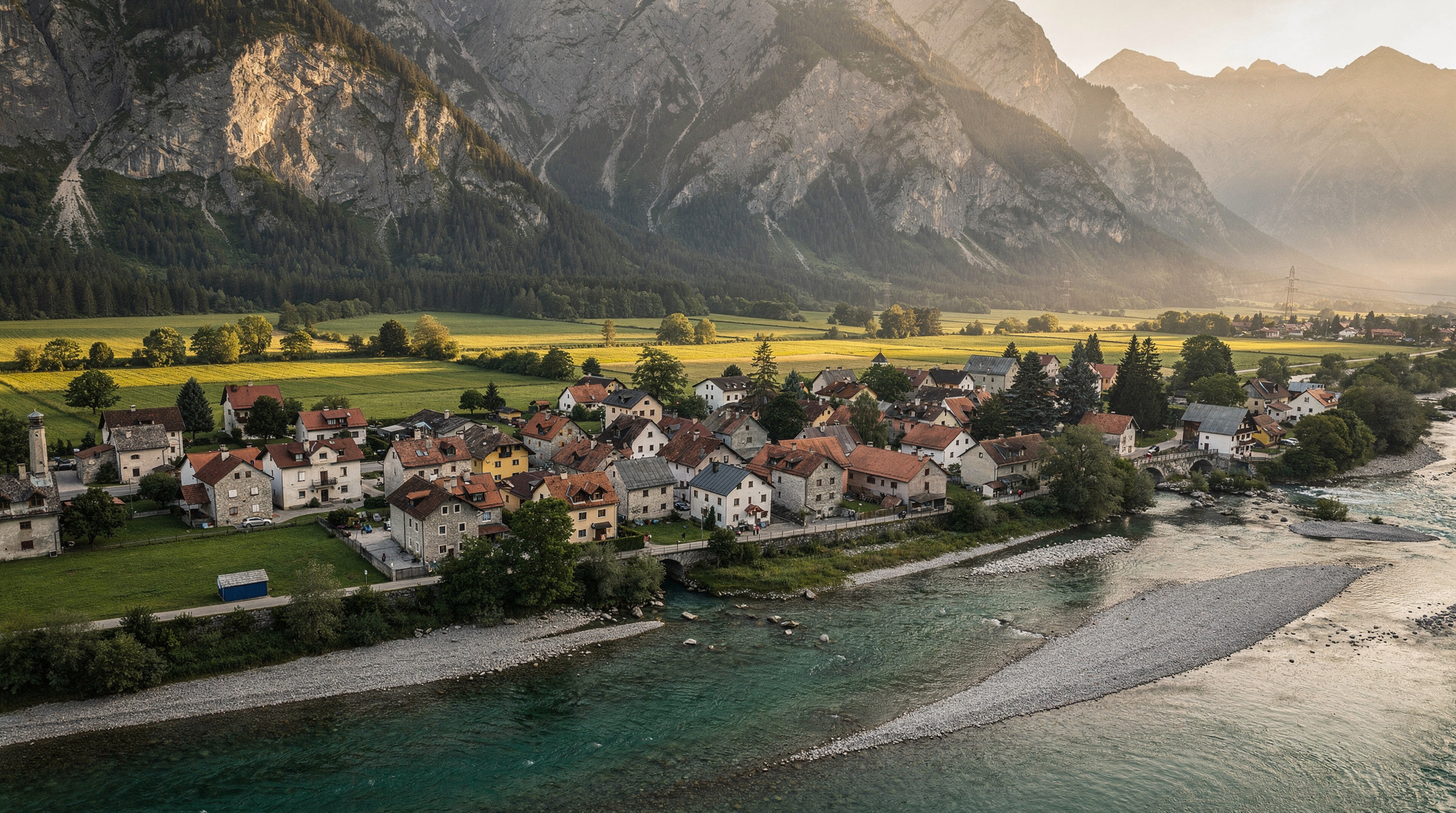
Bovec has been the centre of Soča Valley adventure sports since the late 1980s, when local operators began commercial rafting. Today around 20 licensed operators offer water activities; competition is strong and quality is generally high. The town itself is a small mountain community of around 1,700 people — the restaurants, bars and guesthouses that serve the adventure sports industry are good value and consistently better quality than similar resort towns in Austria or Switzerland.
The historical layer that the Kobarid Museum covers — the Isonzo Front of WWI — runs through this landscape and is impossible to ignore once you know it. The valley was fought over in 12 consecutive battles between 1915 and 1917; the final, 12th Battle of the Isonzo (also known as the Battle of Caporetto) was the breakthrough that ended the Italian-Austro-Hungarian standoff and inspired Hemingway’s A Farewell to Arms. The very gorges you raft and canyon through were tactical positions, observation posts and supply routes. The war is embedded in the landscape at a level that makes the outdoor activities more resonant, not less.
Frequently asked questions about Soča Valley adventure 7-day itinerary
Is this itinerary suitable if I’ve never done canyoning or via ferrata before? Yes, largely. Day 3’s beginner canyoning and the standard 7 Lakes Valley hike require no prior experience, just a reasonable fitness level and comfort in cold water. Day 4’s advanced canyoning and via ferrata are a genuine step up — if you’re unsure, stick to the beginner canyoning on Day 3 and choose tandem paragliding instead of the advanced options on Day 4, which requires nothing beyond nerve.
What happens if the Vršič Pass is closed? The pass typically closes November through May. Route via Tolmin instead — it adds around 45 minutes to the Bled–Bovec drive and skips the mountain-pass scenery, but every activity in the itinerary still runs as planned. Check current conditions with your accommodation before setting out, since late-season closures after early snowfall do happen.
Top experiences
Bookable activities with verified prices and instant confirmation on GetYourGuide.