Craft beer in Slovenia: the guide to Ljubljana and beyond
Ljubljana: boat and craft beer tasting tour
Is the craft beer scene in Ljubljana worth exploring?
Yes, Ljubljana's craft beer scene is genuine and growing. Reservoir Dogs, Human Fish Brewing, and Pelicon are the best-known Slovenian craft breweries. The Ljubljana bar scene stocks local and international craft beers well, and a beer boat cruise on the Ljubljanica is one of the more pleasant warm-weather experiences in the city.
Slovenia’s craft beer scene: small, genuine, and growing fast
Slovenia drinks wine — the country has three wine zones, a wine culture going back centuries, and a near-universal assumption among locals that wine is the appropriate drink for any serious meal. Beer in this context has traditionally been the domain of macro-lager: Union and Laško, the two national brands, have dominated Slovenian draught since the post-war era and still account for the vast majority of beer consumed in the country.
The craft beer movement that arrived in Slovenia around 2010 grew up in the shadow of this wine culture and that fact has shaped it: Slovenian craft brewers tend to be technically precise, internationally influenced, and slightly over-compensating in ambition. The result is a scene that produces genuinely interesting beer — hop-forward IPAs, sour ales, imperial stouts — rather than the obvious easy beers that first-generation craft scenes in other countries typically start with.
Ljubljana is where the craft beer concentration is highest: a city of 300,000 with a university population, close proximity to the Styrian hop-growing region (Styrian hops are internationally respected), and a bar culture that has readily absorbed the craft beer offer. The scene outside Ljubljana exists — Maribor has several craft breweries, and a few rural brewpubs have opened in the past five years — but Ljubljana is the starting point.
| Where | Ljubljana old town (Cycling, Human Fish taproom, Pr’Praček) |
| Cost | Around EUR 4–6.50 for a 0.4L local craft pour |
| Best for | Hop-forward IPAs, sours, imperial stouts |
| Signature experience | Beer boat cruise on the Ljubljanica, around EUR 20–35 |
| Season | Year-round; outdoor venues best May–September |
The Slovenian craft breweries
Human Fish Brewing (Vrhnika, 25 km from Ljubljana; taproom in Ljubljana) is the largest and best-known craft brewery in Slovenia. Named after the endemic cave-dwelling olm salamander (človeška ribica — “human fish”), the brewery produces a consistent range from approachable session beers to more ambitious barrel-aged projects. Distribution is national; the beers appear in Ljubljana bars reliably. The taproom in Ljubljana (Štefanova) is the best place to try the full range.
Pelicon Brewing (Ajdovščina, Vipava Valley) is Slovenia’s best-regarded independent craft brewery for hop-forward styles — IPAs, pale ales, and NEIPAs. Founded by a Slovenian-American team, Pelicon’s hops sourcing (Styrian varieties, some local) and fermentation approach are more technically sophisticated than most central European craft breweries of comparable size. Distribution in Ljubljana is strong; look for the cans at Cycling, Pr’Praček and the better craft beer bars.
Reservoir Dogs Brewing (Ljubljana) is a contract brewery whose beers are more widely available in Ljubljana bars than those of any other local craft producer — session IPAs, wheat beers, and darker lager styles. Quality is consistent and pricing is approachable.
Bevog (Radenci, eastern Slovenia) has been making beer since 2012 and has developed a strong range of Belgian-influenced and experimental styles — sours, saisons, oak-aged beers. Less visible in Ljubljana bars than Human Fish or Pelicon but worth seeking out in specialist shops.
Ježek (Maribor) is the oldest continuously operating craft brewery in Slovenia — more accurately, it was the city brewery of Maribor before the Union/Laško consolidation of the 1970s and has had various revival iterations since. The current version makes accessible lager and wheat beer styles, reliable rather than ambitious.
The traditional Union and Laško
It would be dishonest to write about Slovenian beer without acknowledging that Union (made in Ljubljana since 1864) and Laško (from the town of Laško, 70 km northeast) are what most Slovenians drink, and that both are produced to a technically high standard. Union’s standard pale lager is clean, well-carbonated, and perfectly appropriate in the settings where it is served. Laško Zlatorog is slightly maltier; both are genuine mid-century European lager in the tradition that gave us Pilsner Urquell and Budvar.
The Ljubljana Brewery (Pivovarna Union) runs a museum tour that is worth knowing about: the 19th-century brick brewery on Celovška cesta takes guided groups through the production history and ends with a tasting. EUR 12–15 per person. A brief and honest portrait of how beer has worked in Slovenia for 150 years.
Where to drink craft beer in Ljubljana
Cycling (Masarykova) is the bar most Slovenians cite first for craft beer in Ljubljana — a long counter of taps, a cold storage system with rotating guest kegs, and a knowledgeable staff. Mainly Slovenian and Czech craft; some German and Belgian imports. Open from 15:00, busy from 18:00.
Pr’Praček (Praček, old town area) is the closest Ljubljana has to a classic Central European beer hall: wooden tables, a long bar, Union and Laško on tap alongside a rotating craft selection. Good for a first beer in the city.
Movia Wine and Beer Bar — wine bar primarily, but the craft beer selection is intelligently curated by the same owner who curates the wine. Less of a “beer bar” in the usual sense, more a place where both wine and beer are taken seriously.
PM Pivnica (Čopova) is a student-friendly bar with a rotating selection of Slovenian craft and a very reasonable price point. Not polished; genuinely used by locals.
Pivnica ŠKUc (near the Faculty of Arts) is a student union-adjacent bar with a good rotating tap list and arguably the cheapest craft beer in the city centre. Not for visitors who want comfort; very much for visitors who want a genuine Ljubljana student-culture experience.
Beer and water: the Ljubljana Ljubljanica experience
One of the more pleasant ways to experience Ljubljana’s beer culture in warm weather is from the water. The Ljubljanica river that runs through the city centre is navigable by small boat from April to October, and several operators run evening beer-tasting boat cruises along the river.
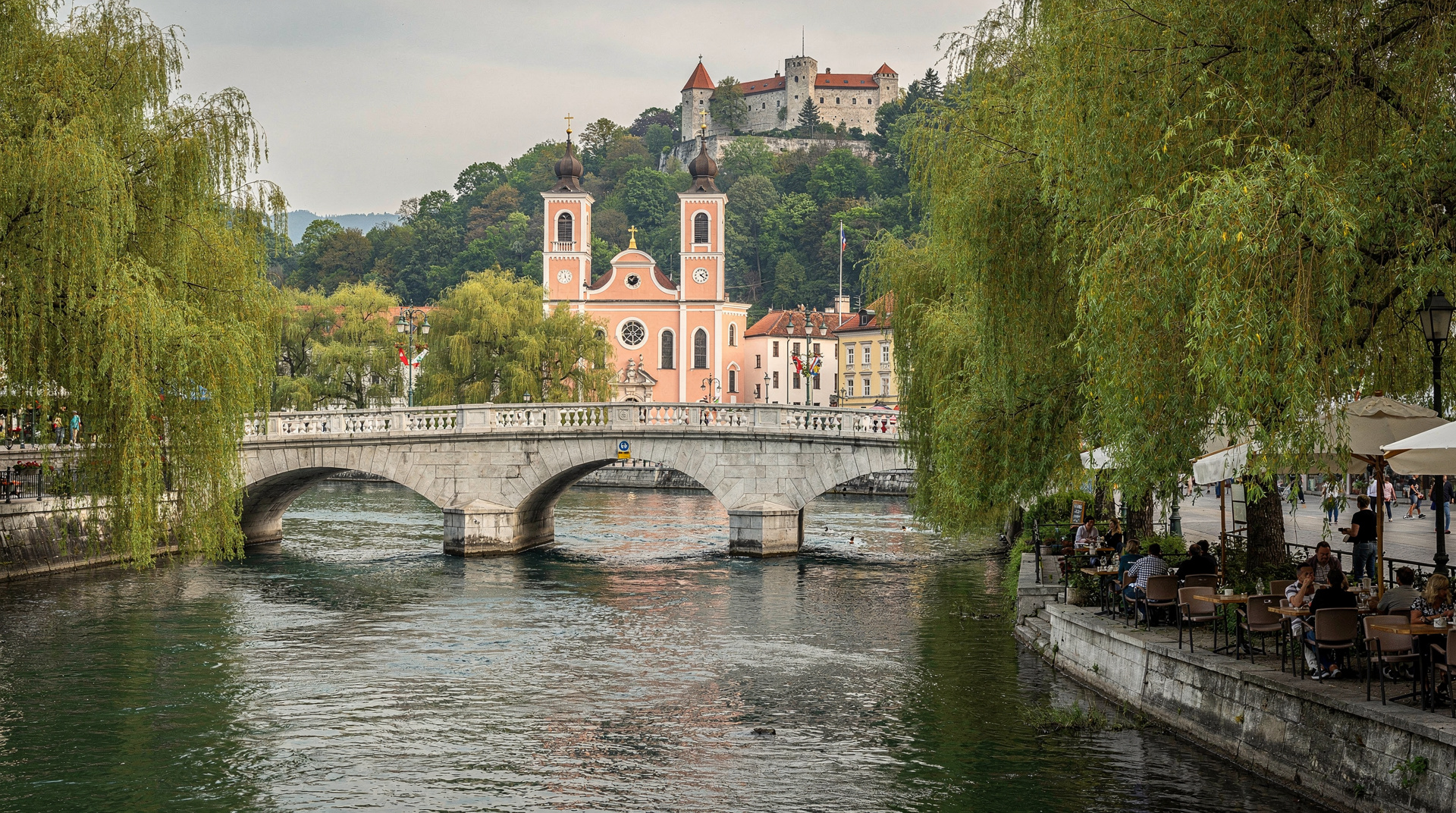
A Ljubljana beer boat cruise typically covers a stretch of the Ljubljanica through the old town with a guided tasting of Slovenian craft and traditional beers on board — the combination of the river, the bridges, the castle lit above, and cold beer in the evening light is straightforward pleasure.
For a more active version, a canoe and beer tasting experience on the Ljubljanica combines gentle paddling with a structured tasting of local beers at stops along the river. For those who prefer spirits, a gin tasting boat covers Slovenian gin producers on the same river circuit.
Slovenian hops: a genuine claim to distinction
Slovenian hops deserve a section in any guide to beer in the country. The Savinja valley around Žalec, 80 km northeast of Ljubljana, is one of the historically significant hop-growing regions of Europe — production dates to the late 19th century when Austrian brewers sourced Savinja valley hops for their lager breweries. The region’s hops (Styrian Goldings, Aurora, Celeia, Styrian Dana) are internationally respected and used by craft breweries across Europe and the US.
The Hop Museum in Žalec covers the regional hop history with surprising depth; the town square has the only green beer fountain in Europe (a promotional installation serving local hop-flavoured beer). Neither is a major attraction, but both are worth a 30-minute stop if you are driving through the region.
Beer prices in Ljubljana
Slovenian beer prices are lower than in Western Europe but higher than in neighbouring Croatia or Hungary. In a Ljubljana bar:
Draught Union or Laško (0.5 litre): EUR 2.80–3.80. Draught Slovenian craft (0.4 litre): EUR 4–6.50. International craft import (0.33 litre bottle): EUR 5–8. In a supermarket (330ml Pelicon or Human Fish can): EUR 2–3.
The price premium for craft is real but not prohibitive by the standards of any Western European city.
Getting to the breweries
Most Ljubljana craft bars are in the old town or the streets immediately around it — a 15-minute walk from the Central Station covers most of the circuit. The Human Fish taproom on Štefanova is a 10-minute walk from the main square. Pelicon has no Ljubljana taproom but distributes widely to the craft bars listed above.
The Pelicon brewery in Ajdovščina (Vipava Valley) is 55 km from Ljubljana — accessible as part of a Vipava Valley day trip. Call ahead if you want a brewery tour; it is not a public visitor facility but accommodates pre-arranged visits.
Honest notes on the scene
Slovenian craft beer is genuine and the best producers are technically accomplished. The scene is smaller than comparable cities in Germany, the UK or the Netherlands, and the range at any single bar reflects this — you will typically choose from 6–12 craft taps rather than 30–50. Expect quality over quantity.
The boat experiences on the Ljubljanica are pleasant for what they are — a relaxed way to see the city from the water while drinking beer — but they are not primarily beer education. If you want to understand what Slovenian craft brewers are doing technically, go to Cycling or the Human Fish taproom and talk to the staff.
The beer and food pairing question in Slovenia
Beer culture and food culture in Slovenia have a relatively recent relationship — the traditional gostilna pairs wine (or the house carafe) with food, not beer. This is changing, particularly in Ljubljana’s craft beer bars, where the food offer is developing alongside the beer list.
The craft bars most committed to food pairings:
Cycling hosts occasional tasting dinners where the kitchen pairs dishes with specific beers from the tap list. These are announced on social media and sell out quickly.
Human Fish taproom in Ljubljana occasionally runs “meet the brewer” events with food. Check their social media before visiting for event timing.
Pelicon in Ajdovščina (the Vipava Valley) is located in wine country, which gives their tasting sessions an unusual context — a hoppy IPA followed by a glass of Zelen from the Vipava valley immediately adjacent makes for an interesting cross-category comparison.
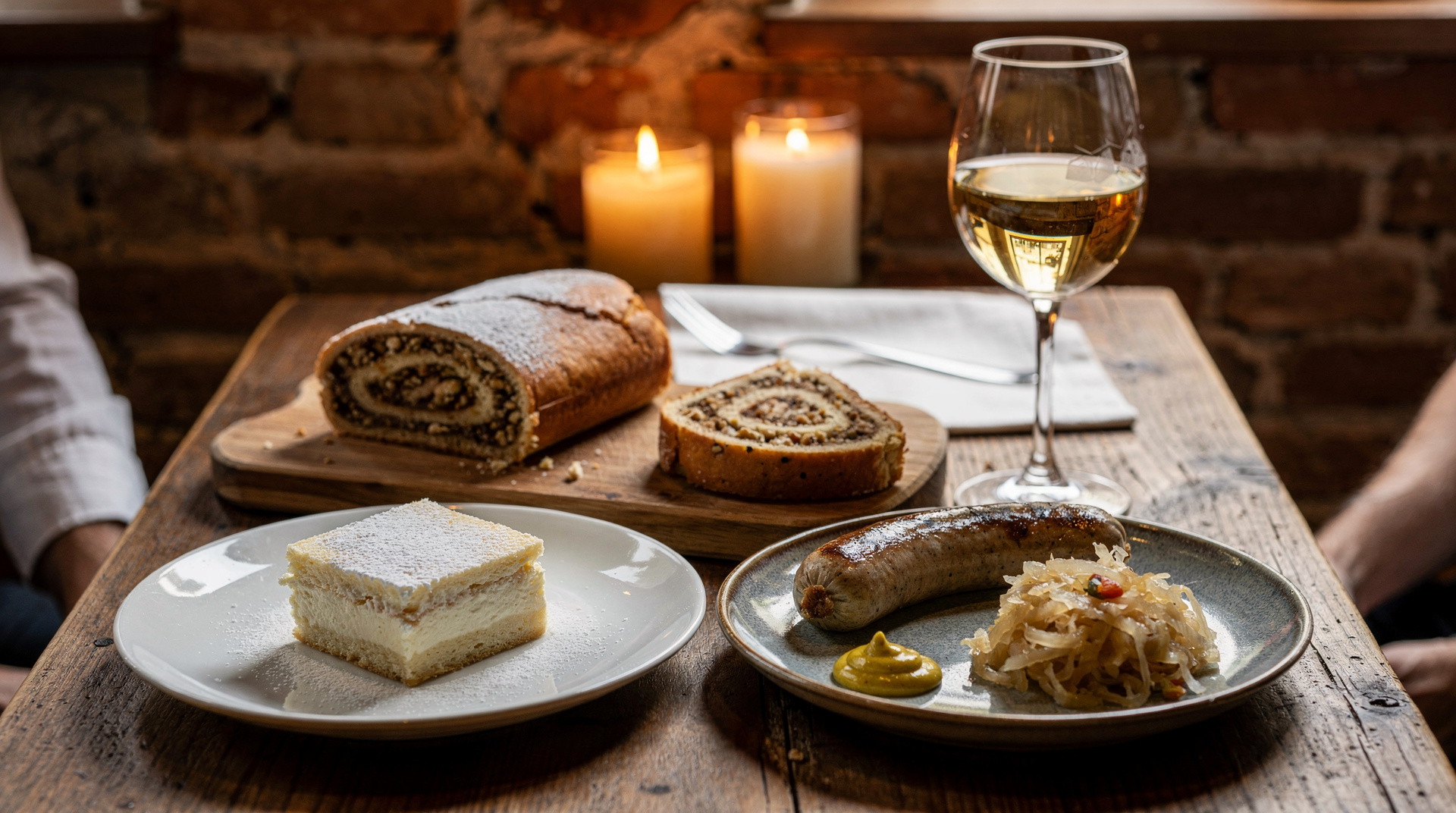
General pairing logic that works for Slovenian craft beer: Human Fish’s session IPA alongside Kranjska klobasa and mustard is genuinely excellent — the hop bitterness cuts the fat of the sausage in the same way wine acidity would. Pelicon’s NEIPA (when available) pairs well with the fried fish dishes common in coastal Istrian cooking. The darker lager styles from Reservoir Dogs work with bograč stew and game in the same way that Central European lager historically has.
Ljubljana’s beer gardens and outdoor venues
In warm weather (May–September), the best beer experiences in Ljubljana are outdoors:
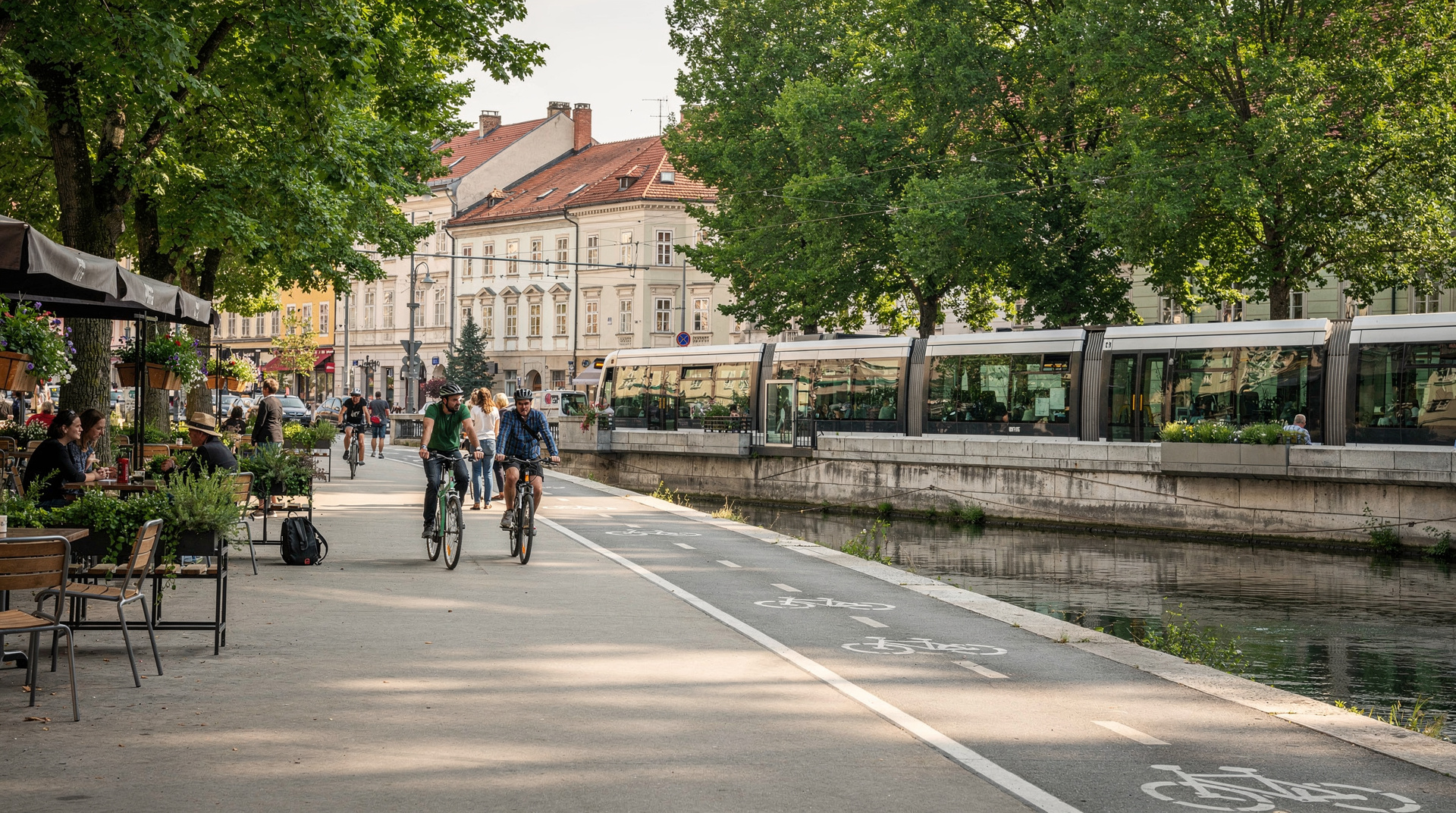
Cankarjev embankment (Cankarjevo nabrežje): the south bank of the Ljubljanica is lined with outdoor bars and café terraces for most of the summer. Quality is mixed but the setting (river, bridges, castle above) is consistently good. A cold Union in this setting is a perfectly reasonable choice even for craft beer enthusiasts.
Metelkova area gardens: the alternative culture zone northeast of the train station has several outdoor venues that operate in summer with craft beer lists. More interesting for atmosphere than for the beer selection, but worth knowing about if you are staying in the area.
Tivoli park kiosks: the park has seasonal beer kiosks in summer. Cold, functional, not craft, but positioned in one of the greener and quieter parts of the city.
The beer boat experiences — beer boat cruise on the Ljubljanica and the canoe and beer tasting — are the most specifically Ljubljana-flavoured outdoor beer experiences and the combination of river and cold Slovenian beer in warm weather is genuinely pleasant regardless of your beer expertise level.
Buying craft beer to take home
Slovenian craft beer is increasingly available beyond the bars — supermarkets in Ljubljana (Mercator, Spar) carry Human Fish and Reservoir Dogs in cans and bottles. The specialist shops at Cycling and at the Human Fish taproom carry the full ranges including limited releases and seasonal specials.
Pelicon is the most export-ready Slovenian craft brewery — the cans travel well, the range is clearly labelled in English, and the quality is consistent enough to represent Slovenian craft beer honestly to people at home who have not tasted it. A mixed case of 6–8 Pelicon cans fits in a checked bag and costs EUR 18–25.
Beer events in Ljubljana
Ljubljana Beer Week (annual, usually June): a week of events at craft beer venues across the city — brewery tap takeovers, guest taps from international breweries, tasting sessions. Organised by the Slovenian craft beer community and growing in participation each year. Check the Beer Week Ljubljana social media in April–May for the specific programme.
Open Kitchen (Friday afternoons): several craft beer vendors set up at the Open Kitchen — Pelicon and Human Fish both have had regular stalls. Beer at the Open Kitchen is a natural pairing with the food; you can walk from a Slovenian gostilna dish vendor to a Pelicon IPA pour in 30 seconds.
Savinja Valley Hop Festival (August–September): in the hop-growing region around Žalec, an annual festival celebrates the harvest with beer tastings, hop-picking demonstrations, and food. More agricultural than craft-beer-focused but the overlap with Slovenian craft is genuine — Pelicon and other producers source from this valley and sometimes participate.
What craft beer costs at different venues
Slovenian craft beer pricing is consistent enough that a budget guide is useful:
At a craft bar (Cycling, Human Fish taproom): EUR 4–6.50 for a 0.4 litre pour of local craft. EUR 5–8 for a 0.33 litre bottle of imported craft.
At the Open Kitchen: EUR 3.50–5 for a 0.4 litre local craft pour.
At a boat experience (beer boat, canoe tour): typically EUR 20–35 per person all-inclusive with tastings.
At a supermarket (Mercator, Spar): EUR 1.80–3 for a 330ml can or bottle of Slovenian craft.
At Ljubljana airport: EUR 5–7 for a 0.4 litre local craft, significantly more expensive than in the city. Buy your airport beer at a city supermarket before you go and declare it in your bag if crossing a non-EU border.
Gin and spirits: the Slovenian picture
Beer is not the only craft spirit with a growing scene in Slovenia. The Ljubljana gin tasting boat covers Slovenian gin producers on the Ljubljanica — a useful counter-programme if you are with a companion who prefers spirits.
Slovenian gin production started around 2015 and has grown quickly. Several Ljubljana-based distilleries produce botanical gins using locally sourced herbs and flowers — linden blossom, juniper (obviously), mountain herbs from the Julian Alps. The quality is genuinely good in several cases. Gin Ljubljana (their main brand) and Botanika (a newer distillery) are the most visible.
Schnapps (žganje) production is the older Slovenian spirit tradition — fruit-based distillates from plum (slivovka), pear, apple and quince are made on farms throughout Slovenia. Homemade žganje is technically illegal but universally present; commercial versions are available in most spirit shops. This is not craft gin; it is agricultural distillate with centuries of tradition, and tasting a homemade version at a rural gostilna (offered as a digestif by the host) is one of the more authentic Slovenian experiences available.
For the food and wine context of Ljubljana, the Ljubljana food tour guide covers the restaurants and market alongside the bar culture. The Slovenian wine guide is the companion piece for visitors whose primary interest is wine rather than beer.
How Ljubljana compares to nearby beer cities
Visitors arriving from Munich, Prague or Vienna sometimes expect a similarly deep craft scene and are recalibrated quickly. The honest comparison:
| City | Craft taps at a top bar | Local craft breweries | Character |
|---|---|---|---|
| Ljubljana | 6–12 | 5–6 (Human Fish, Pelicon, Reservoir Dogs, Bevog, Ježek) | Small, technically precise, wine-adjacent culture |
| Munich | 15–25 | Dozens | Large, beer-first culture, dominant lager tradition |
| Prague | 20–40 | Dozens | Large, historic, cheapest of the three |
| Vienna | 15–20 | 10+ | Mid-sized, strong Austrian craft revival |
Ljubljana will not out-scale any of these cities, but it does something none of them do: it pairs a genuinely interesting small craft scene with a wine culture of equal seriousness, so a single evening can move from a Pelicon IPA to a glass of Rebula without feeling like a compromise either way.
Best time to visit Ljubljana’s craft bars
Timing changes the experience more than most visitors expect. Weekday early evenings (17:00–19:00) at Cycling or the Human Fish taproom are quiet enough for an unhurried conversation with staff about the current tap list — genuinely useful if you want recommendations rather than just a beer. Friday and Saturday nights from 21:00 get loud and studenty, particularly at PM Pivnica and Pivnica ŠKUc, which suits a different kind of evening entirely. The Open Kitchen (Friday afternoons, March–October) is the single best low-commitment introduction: wander between food stalls and the Pelicon or Human Fish stand, sample a pour, and decide whether a fuller taproom visit is worth your time.
Ljubljana Beer Week in June is the obvious peak if your dates align — tap takeovers and guest brewery pours across the city’s craft venues in a concentrated window. Outside that week, any month works reasonably well since the taprooms themselves operate year-round; only the outdoor beer gardens along the Ljubljanica and at Tivoli are seasonal (May–September).
Fitting beer into the rest of your trip
Craft beer works best in Ljubljana as one thread among several rather than the whole plan. The compact centre means a taproom stop slots easily between sights: pair an afternoon in the old town with an early-evening pour, or follow a morning at the central market with a relaxed beer later in the day. The things to do in Ljubljana guide helps you decide how much daytime to leave free, and the Ljubljana nightlife guide covers what comes after the last taproom closes.
If your stay is short, the long weekend in Ljubljana itinerary leaves natural evening gaps where a beer stop or a river cruise fits without rushing. Visitors who want to understand the food the beer sits alongside will find the gostilna dining guide and the list of Slovenian dishes to try useful context for the pairing ideas above.
Beer beyond Ljubljana
The brewery visits mentioned earlier are easiest as part of a wider day out. The Pelicon connection makes the Vipava Valley the obvious choice: the Vipava Valley wine guide shows how a beer stop can sit beside a wine tasting in the same afternoon. For a broader selection of excursions, the day trips from Ljubljana guide lists options that combine well with a taproom visit on the way back. If you head east, Maribor is the other city in the country with a beer story worth a stop.
Whichever direction you travel, plan transport before you plan the tastings. The getting around Slovenia guide explains how to move between towns without a car, and the Slovenian driving and vignette guide is worth reading first if you intend to drive and want to keep the tastings sensible.
Non-alcoholic and low-alcohol options
The non-alcoholic beer category has grown alongside Slovenian craft beer, mirroring the wider European trend. Union and Laško both produce competent non-alcoholic lagers, widely available in supermarkets and most bars. Human Fish has released limited non-alcoholic and low-ABV session beers in recent years, sold mainly at the Ljubljana taproom and better-stocked craft bars — availability is inconsistent, so ask rather than assume. For visitors driving afterward (remember Slovenia’s 0.05% blood alcohol limit, 0.00% for drivers under 21 or with under three years’ experience), non-alcoholic Union or Laško is a reliable fallback rather than a compromise choice.
Frequently asked questions about Craft beer in Slovenia
Is Ljubljana's craft beer scene worth a dedicated evening?
Yes, for anyone who enjoys craft beer generally. It is a small scene by the standards of Germany, the UK or the Netherlands — expect 6–12 taps at the best bars rather than 30–50 — but the quality from Human Fish, Pelicon and Reservoir Dogs is genuinely accomplished. One focused evening covering Cycling and the Human Fish taproom, or a beer boat cruise, gives a fair sense of it without needing a full brewery tour itinerary.Do Slovenians actually drink craft beer, or is it mainly for tourists?
Both, but genuinely more locals than tourists. Craft bars like Cycling, PM Pivnica and Pivnica ŠKUc are used daily by Ljubljana residents, particularly students and a younger professional crowd. The beer boat cruises skew more tourist-facing, but the bars themselves are not a tourist construction — Union and Laško still dominate everyday drinking, with craft beer as the deliberate choice of an enthusiast minority.
Top experiences
Bookable activities with verified prices and instant confirmation on GetYourGuide.