Stand-up paddleboarding on Lake Bled: what to know before you go
Lake Bled: stand-up paddleboarding tour
Can you paddleboard on Lake Bled?
Yes, but with restrictions. Lake Bled has designated SUP launch zones and timed access rules in peak season to manage the large number of boats and swimmers. Guided tours and rentals operate from approved access points. Arrive early (before 9am) for the best experience.
SUP on Lake Bled: the honest picture
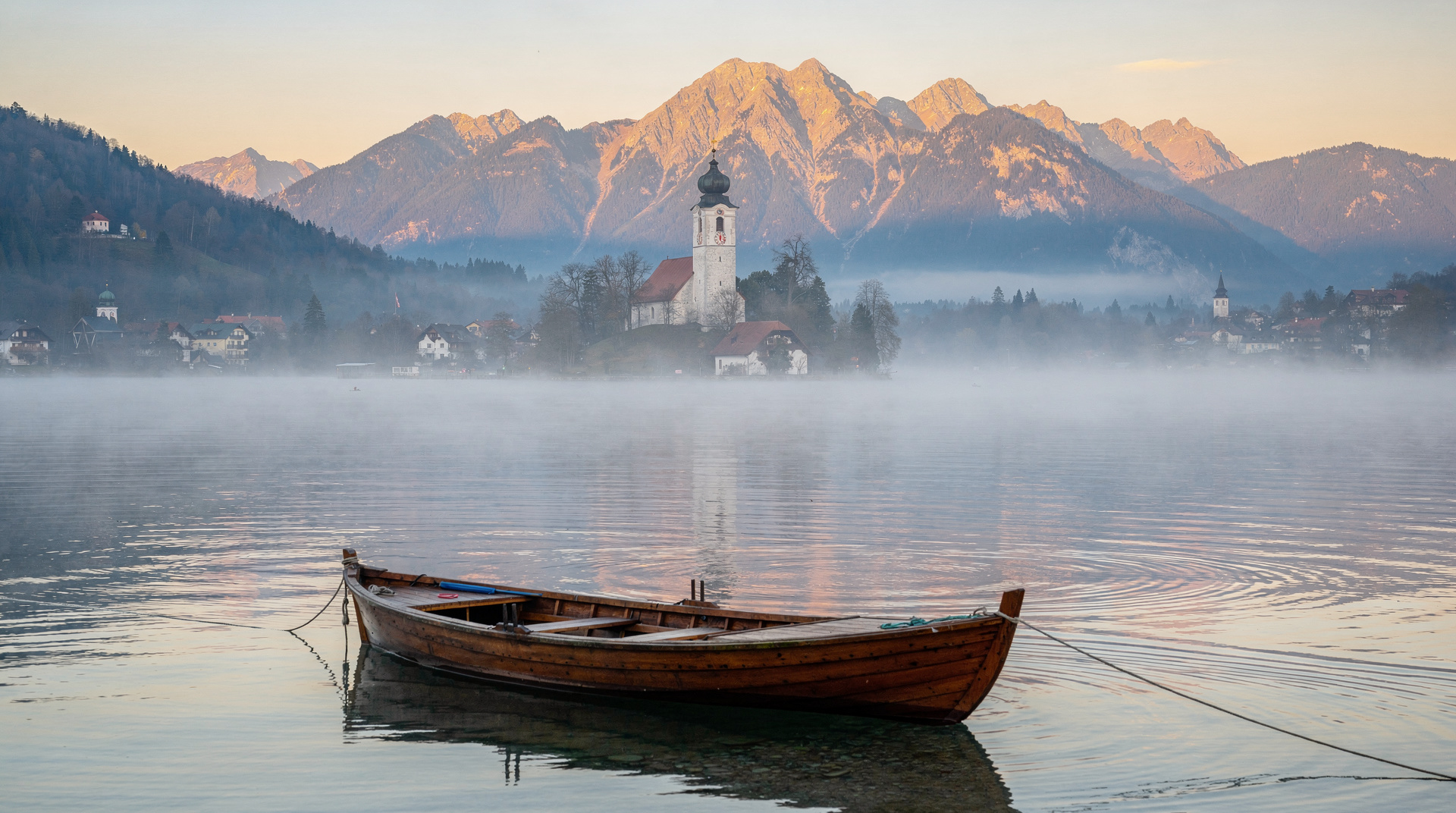
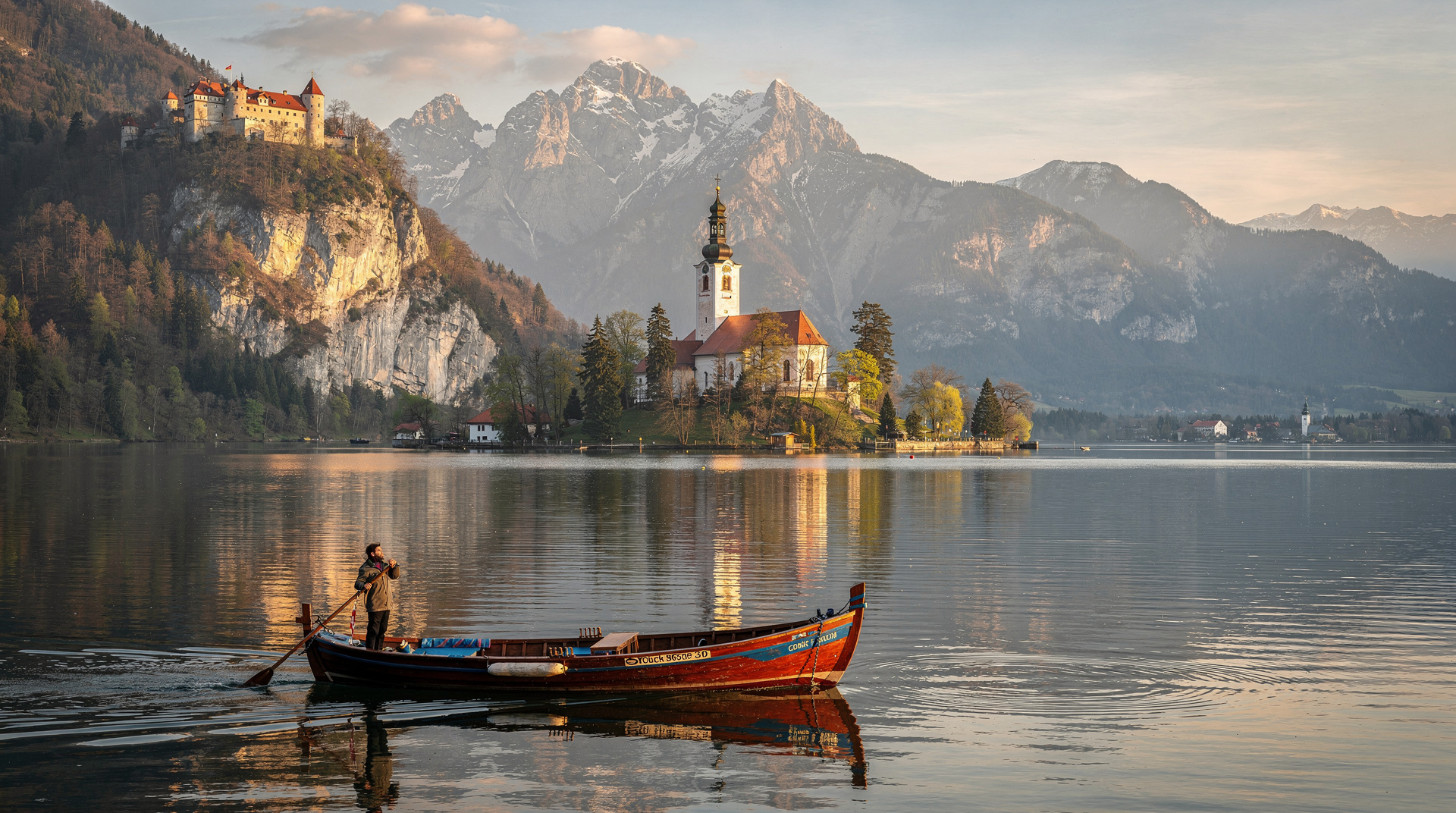
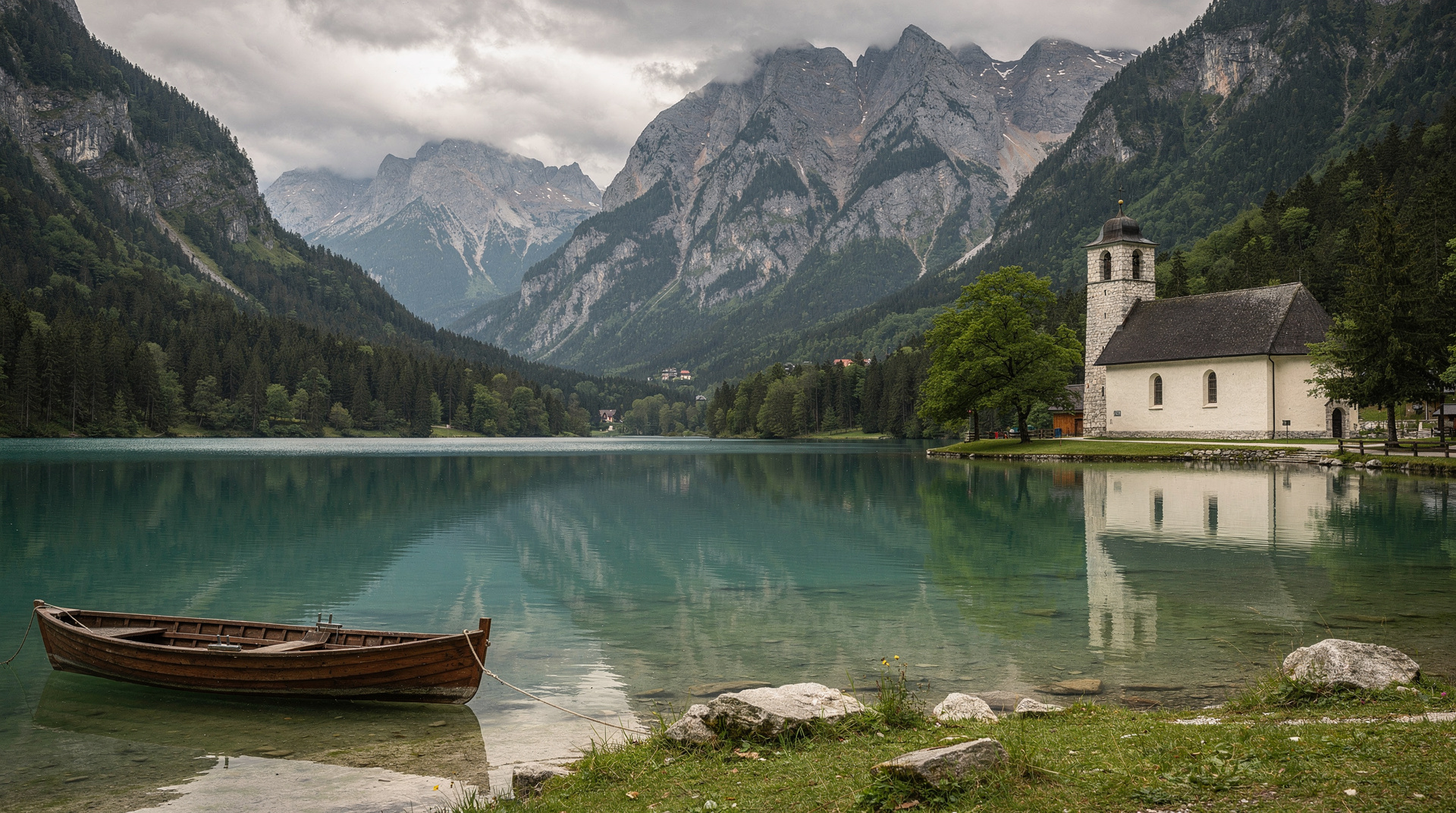
Lake Bled is one of the most photographed places in Slovenia — the glacial lake with an island church, a clifftop castle, and the Karavanke mountains reflected in the water. On a calm morning, paddleboarding here is a genuinely excellent experience.
| Where | Lake Bled (launch near the campsite, north shore) |
| Cost | Around EUR 20–35 pp for 1.5–2 hours |
| Best time | 7am–10am, before the pletna boats and wind pick up |
| Season | June–September (18–24°C water) |
| Minimum age | Most operators accept children 8+ with an adult |
| Booking | Recommended in July–August; walk-up often fine off-season |
The honest caveat: Lake Bled is not a quiet lake. In July and August, the shoreline is busy from 8am onward, the pletna (traditional boats) cross regularly, and there are rules about where SUP boards can launch, which zones are accessible, and when. The rules are sensible — the lake is small (2.1km long, 1.3km wide) and the management is trying to balance the interests of swimmers, rowers, pletna operators, and kayakers without the whole thing becoming chaos.
Understanding the access rules before you arrive saves frustration. This guide covers the rules, the best times, and the realistic experience.
Lake Bled SUP: access rules and logistics
SUP access on Lake Bled operates through licensed rental and tour operators who have approved access points. These are located at specific spots around the lake perimeter — typically near the Bled campsite on the north shore and at a few designated points on the east shore.
What you cannot do: Launch from the main tourist beach areas (Bled beach near the rowing course, the south shore near the pletna landing). These areas are managed for pedestrian access and swimming.
What you can do: Rent a board from a licensed operator at an approved access point, or book a guided tour that handles the logistics. The operator manages the launch zone; you manage the paddling.
Peak-season timing (July–August): Morning sessions (7am–10am) offer the calmest water and lowest boat traffic. By 11am, pletna activity peaks and the lake surface is more congested. Evening sessions (4pm–7pm) also work well.
Off-peak timing (May–June, September–October): The lake is less busy at all times. September in particular is excellent — water still warm enough for a wetsuit session, light has an autumn quality, crowds minimal.
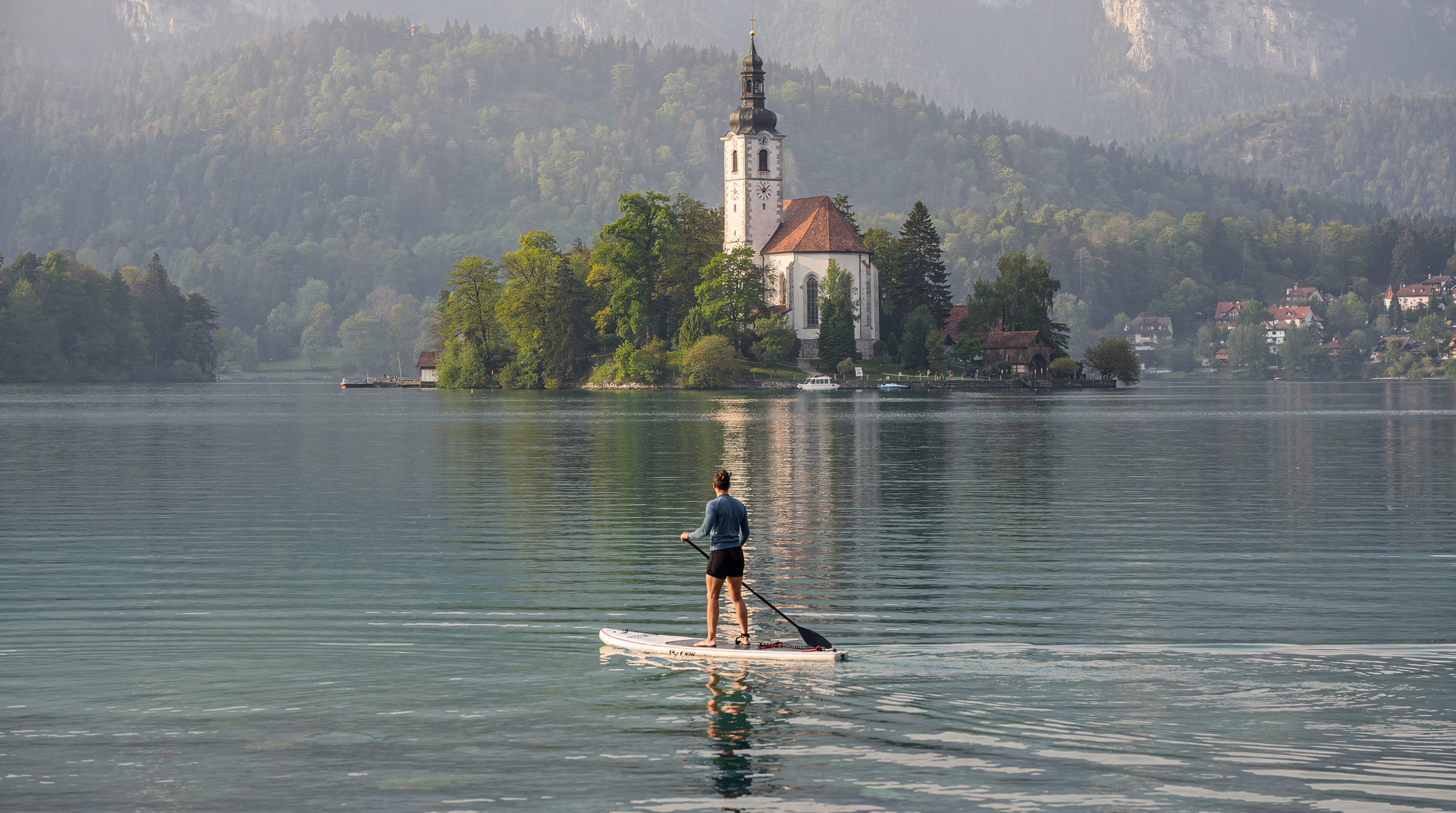
Guided stand-up paddleboarding on Lake BledWhat a Lake Bled SUP session looks like
Most guided SUP sessions run 1.5–2 hours. The route usually covers the north shore, approaches the island (you cannot land on the island without a pletna ticket, but paddling close gives good views), and returns along the south or west shore.
The lake is 30m deep at its deepest and cold below the surface layer — around 22–24°C at the surface in July, dropping sharply below 2–3m. Standing on a SUP board, you are working at the surface level and the cold is not a factor unless you fall in.
Falling in: Lake Bled SUP is flatwater. Unless there is significant wind (unusual but possible on the exposed southern shore), the lake is calm and falls are uncommon after the first few minutes of balance adjustment. First-timers on flatwater SUP generally manage the balance challenge quickly.
The island: visible from the board throughout most of the circuit. At close range (50–100m), the scale is impressive — the baroque church tower rises well above the tree line, and the stone steps leading to the church entrance are visible on the approach. The pletna boats ferry tourists to the island; you are circling at a slightly respectful distance.
White-water SUP on the Soča
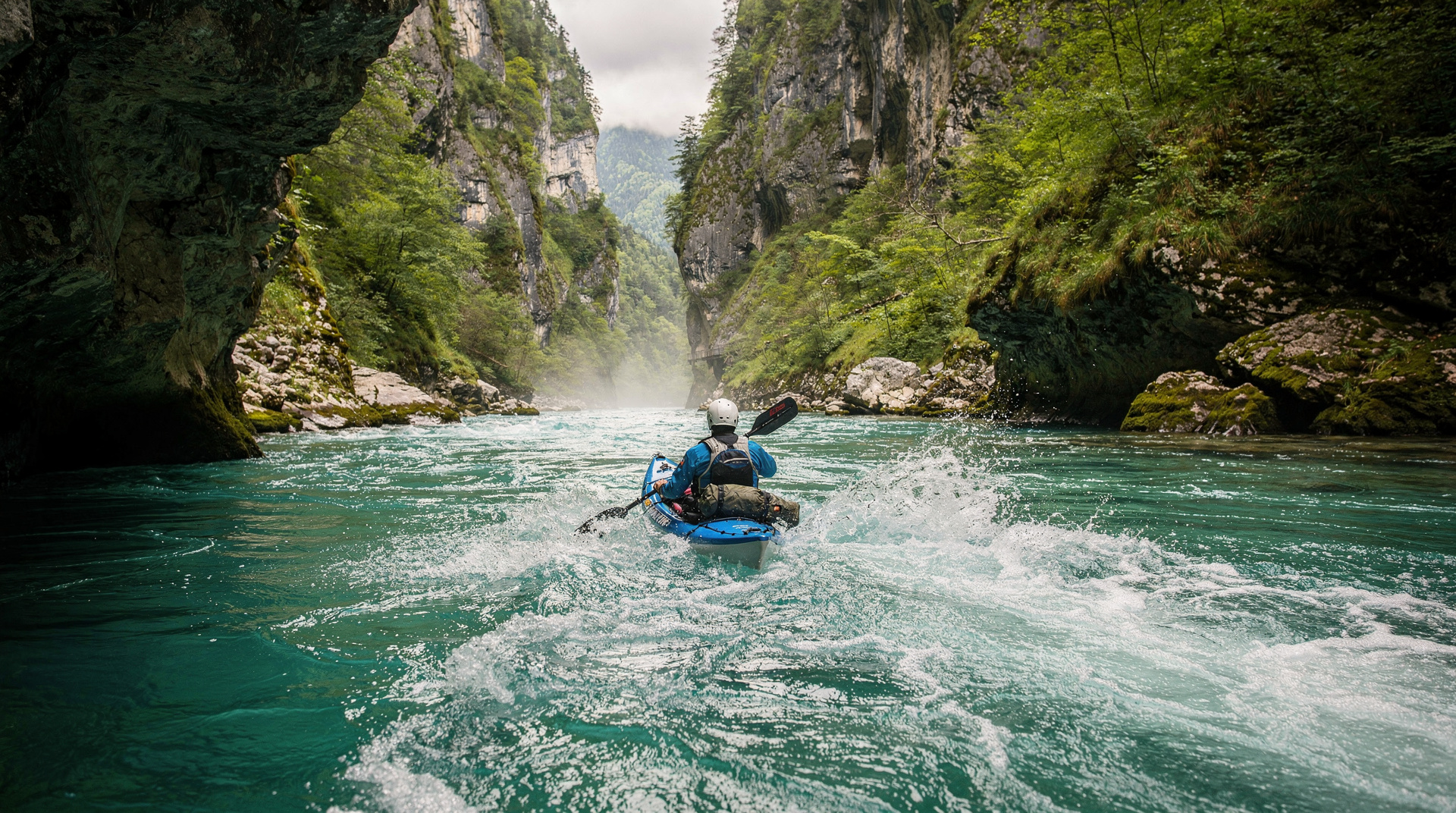
The Soča River offers something genuinely rare: white-water stand-up paddleboarding on a Grade II–III river in spectacular canyon scenery. This is not for SUP beginners — you need solid flatwater balance before attempting moving water, and the Soča’s current and river features require active technique.
For those with some SUP experience, a guided Soča white-water session is one of the more unusual adventure activities available in Slovenia. The turquoise water and limestone canyon are more vivid from a standing position close to the water surface than from a raft.
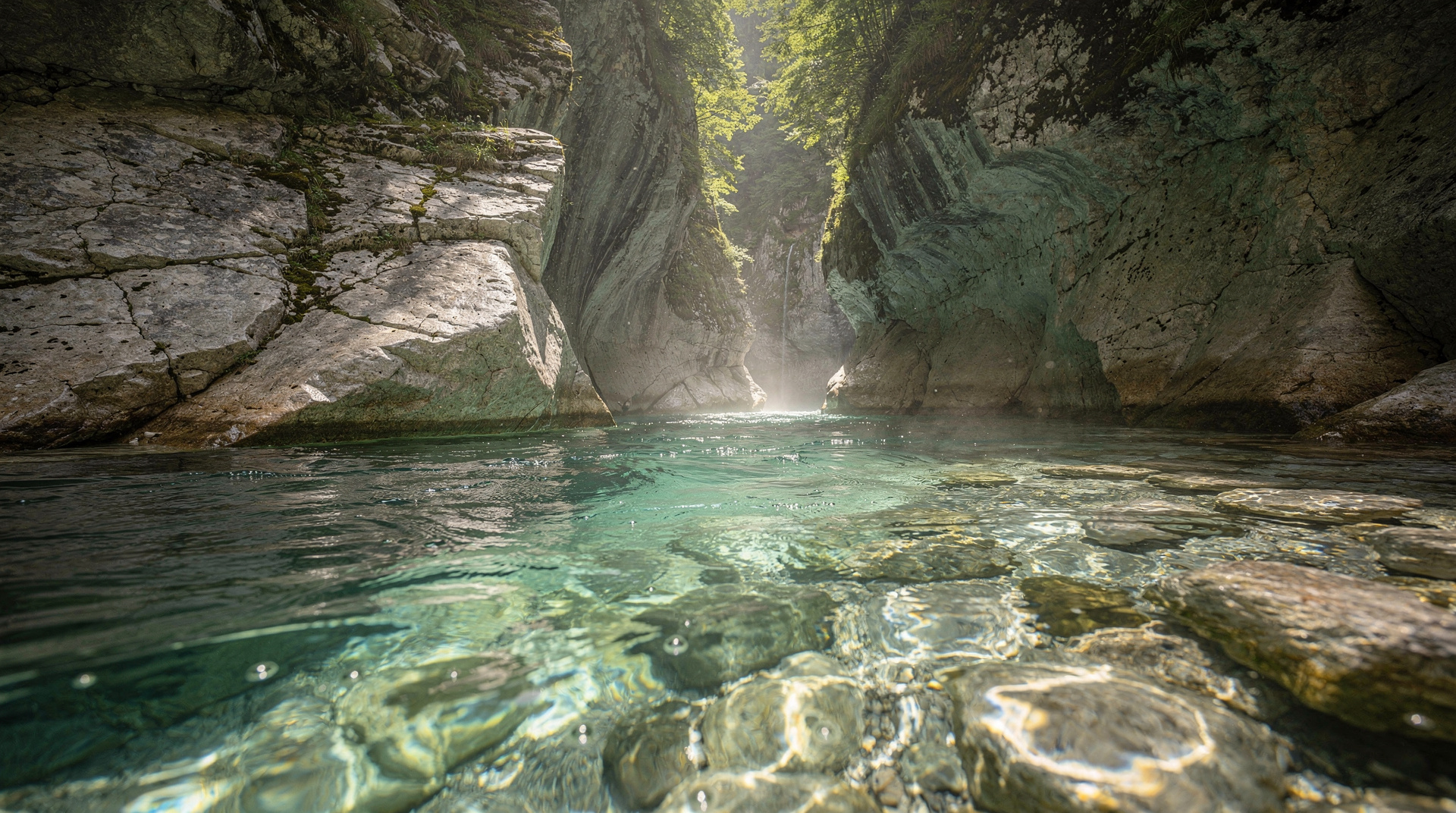
White-water SUP on the Soča — small group adventureThe Soča white-water SUP sessions run on the milder sections of the river (Grade II–III rather than the Grade IV sections used by expert kayakers). Participants are provided wetsuits, a paddle, and safety briefing. The session covers 2–3 hours on the water.
Evening SUP at Most na Soči
Most na Soči is the confluence point where the Soča meets the Idrijca River, and the resulting reservoir (Mostenica) creates a broad, calm stretch of turquoise water at valley floor level. Evening SUP sessions here use the late light that hits the reservoir as the sun drops behind the western mountains.
The aesthetic is different from both Lake Bled and the canyon sections: wide, open, silent, with the canyon walls above and the reflected mountains in the water. The evening timing is deliberate — afternoon winds typically die by 5–6pm, leaving the surface mirror-calm.
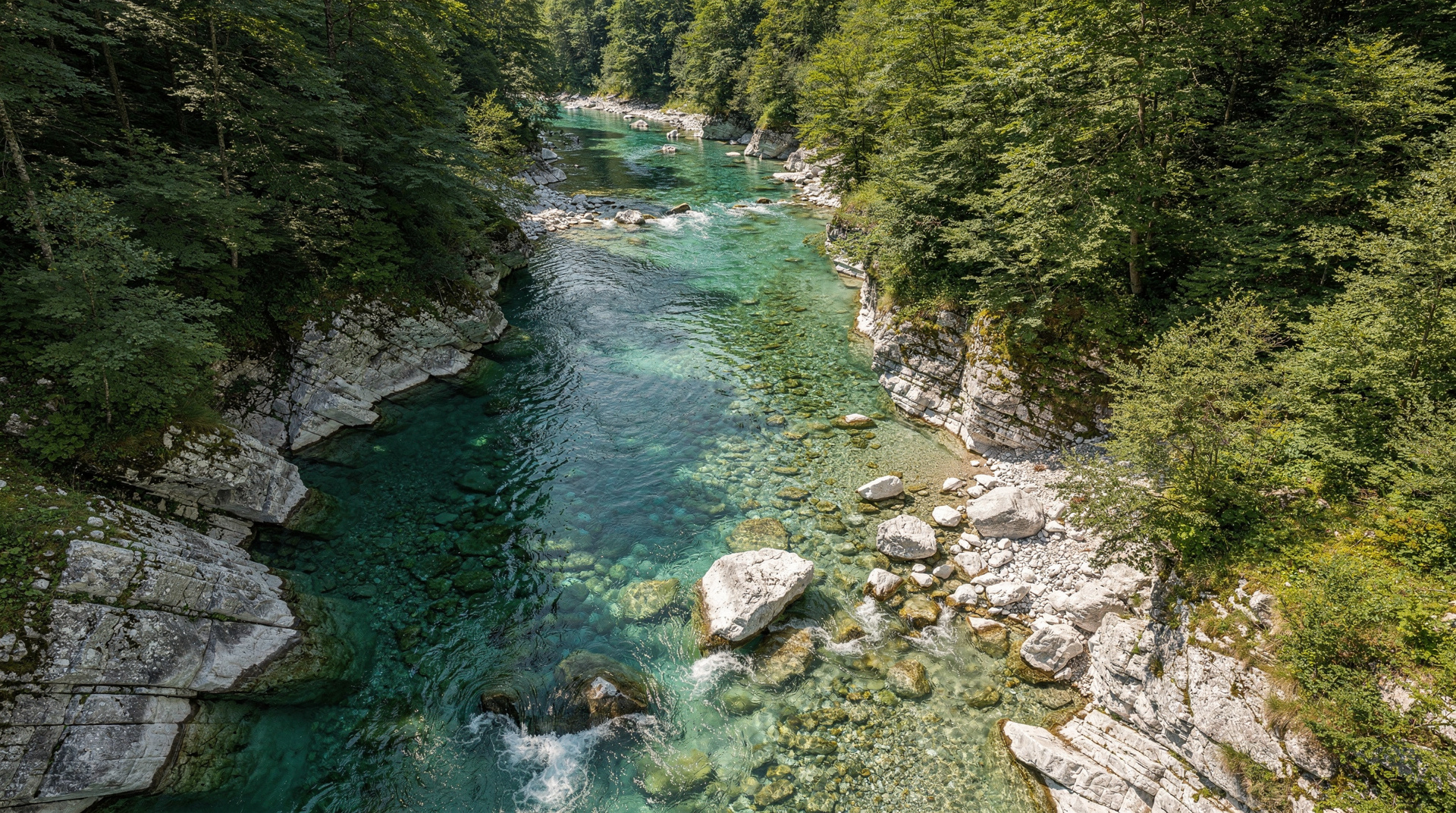
Evening SUP at Most na Soči — guided excursionSUP vs kayaking: which suits you better
Both give you time on the water in a self-propelled craft. The differences:
SUP:
- Standing position — better view, higher visual engagement with the landscape
- More challenging balance (especially on the Soča)
- Upper body workout; core intensive
- Less protective from spray and cold water
- More social/interactive feeling
Kayaking:
- Seated — more stable, particularly in moving water
- More efficient paddling for longer distances
- Better protection from the water in a closed-deck kayak
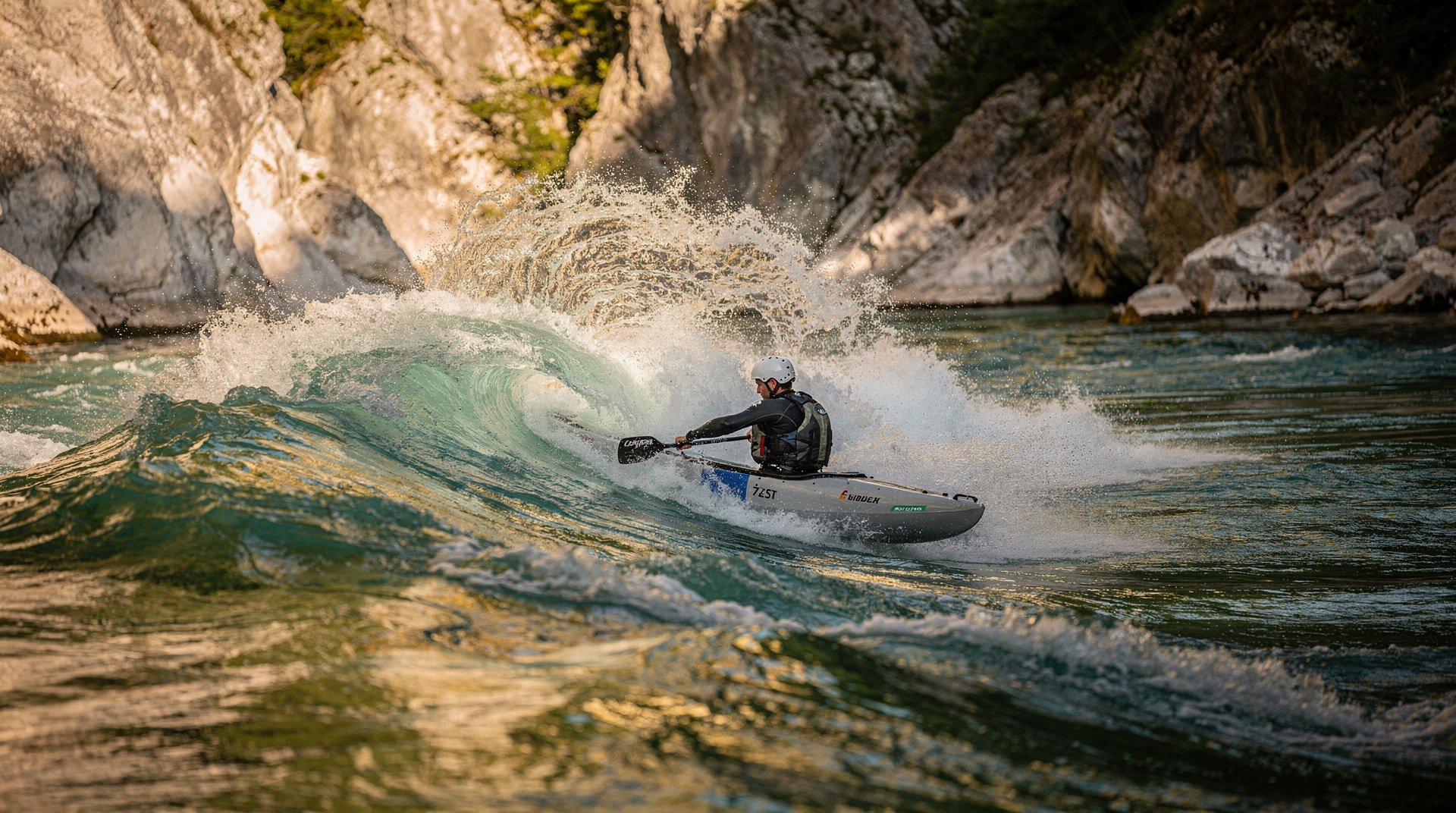
- More technical ceiling (progression to Grade IV–V white water possible)
For Lake Bled: both work well; SUP gives a slightly more open experience on the lake surface. For the Soča: kayaking is better for beginners; white-water SUP for those with existing SUP experience.
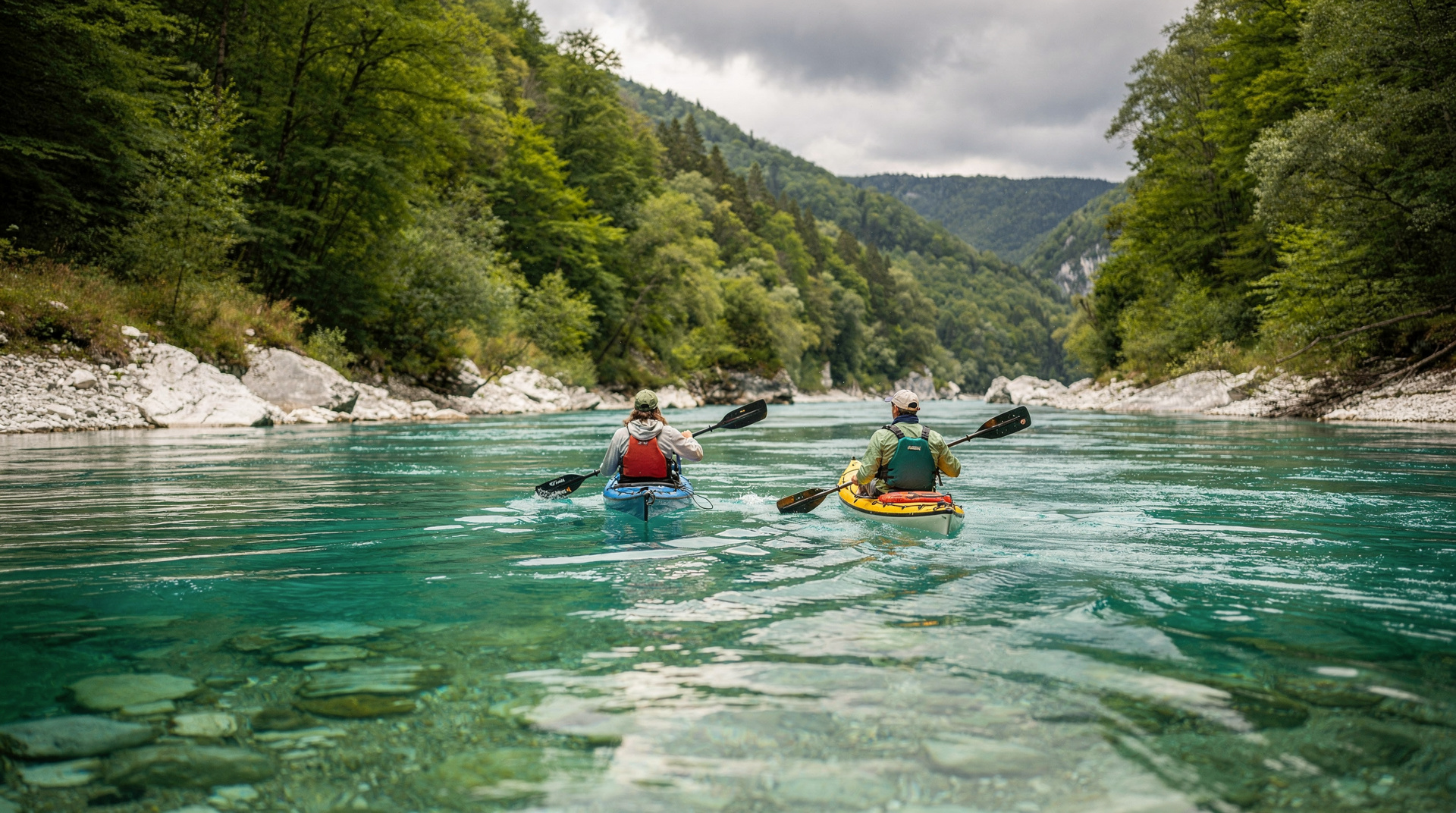
The kayaking guide covers the Soča and Bled kayaking options in detail if you want a comparison.
Getting to Lake Bled for SUP
Lake Bled is 55km from Ljubljana (approximately 1h by car) and accessible by direct bus from Ljubljana’s main bus station (roughly 1h 15min). The lakeside is compact — SUP operators are within 1–2km of the main tourist area.
For the Soča Valley SUP options, Bovec is the base (2h 15min from Ljubljana, 1h 10min from Bled). Most na Soči is on the road between Bovec and Kobarid, accessible by car.
Season and conditions
Lake Bled SUP:
- Best season: June–September
- Water surface temperature: 22–24°C in July–August, 18–20°C in June and September
- Wind: the southern shore is most exposed to afternoon winds; morning sessions are consistently calmer
- Minimum age: most operators accept children 8+ with a capable adult companion
Soča white-water SUP:
- Best season: June–September (water levels comfortable for guided white-water)
- April–May possible but colder and higher flow (more demanding)
- October: water drops back to 11–13°C; manageable in a full wetsuit
For the full adventure sports in Slovenia overview connecting SUP with all the other Soča Valley and Bled activities, that guide covers the decision framework for planning an outdoor-focused Slovenia trip.
SUP on Lake Bled: the sunrise window
The most reliable strategy for an excellent Lake Bled SUP experience is a 7am start. At this hour in July, the lake surface is genuinely mirror-flat — the thermal winds that develop as the day heats up have not started, the pletna boats are not yet running, and the few swimmers are on the near shore rather than the full lake circuit.
The castle above the lake catches the early light differently than midday: warm gold on the cliff face, the town of Bled still in partial shadow, the island church white against the darker mountain behind. This is not a description from a photograph — it is the consistent account of early risers who have paddled the lake at sunrise. The photographic opportunities at this hour are significant, and they disappear by 9am.
If your accommodation is in Bled itself, the logistics of a sunrise paddle are straightforward: a 10-minute walk or drive to the approved access point, no booking changes needed for morning slots in shoulder season.
Lake Bled’s access rules in detail
The lake management is more organized than most tourists expect. The regulations exist because the lake is small and heavily used.
Powered boats: Prohibited on Lake Bled entirely. This includes jet skis, electric motorboats above a certain power threshold, and speedboats. The result is a lake that is much quieter than similarly popular Alpine lakes in Austria and Switzerland.
Pletna boats: The traditional wooden rowing boats operated by licensed pletna families have right-of-way on the lake. They follow established crossing lines from the main landings to the island. SUP paddlers should cross these lines at right angles (crossing quickly) rather than parallel to them.
Swimming zones: Designated swimming areas near the main beach have restrictions on SUP and kayak passage. Stay outside these zones or pass at the marked perimeter.
The island: You cannot land on the island without arriving by pletna (the pletna fare is confirmed at the dock or with the Bled tourist office, bled.si). Paddling within 50m of the island is generally tolerated by lake management; mooring your board to the island is not.
These rules sound restrictive but in practice they simply require basic situational awareness while paddling. The lake is large enough that, if you follow the access point rules for launching and respect the pletna crossing lines, the SUP experience is unobstructed.
SUP technique for first-timers on flatwater
Lake Bled’s calm water makes it a good learning environment. A few fundamentals that instructors consistently teach:
Stance: Start kneeling, paddle a few strokes to feel the board’s balance, then rise to standing. Standing with feet parallel and hip-width apart, centred over the board’s centre of gravity.
Paddle grip: The blade faces away from you — this is the opposite of what intuition suggests but provides better power through the water. Top hand on the grip, bottom hand on the shaft at roughly shoulder height.
Stroke: Reach forward, plant the blade, pull back past your feet. The power comes from rotating your torso, not from pulling with your arms. This becomes natural within 15–20 strokes.
Balance: The board is much more stable than it looks. Modern SUP boards (11-foot+, 33-inch wide) are genuinely stable platforms; the instability comes from incorrect weight distribution (too far back, or shifting weight laterally). Keep weight centred and forward.
Falling: You will fall in at some point, especially on the Soča. On Lake Bled, falls are usually the result of momentary inattention. The water is deep enough to fall in safely (minimum depth in the main lake circuit is 3m+). The board floats; you reconnect with it and remount.
What Lake Bled itself offers beyond SUP
Lake Bled is a day (at minimum) destination beyond the water sports. The context for SUP visitors:
Bled Island: Worth visiting by pletna at least once. The church is baroque 17th century, the views from the bell tower are the best lake-level perspectives available, and the cream cake (kremšnita) at the café is genuinely excellent.
Vintgar Gorge: 4km from the lake centre, a 1.6km gorge walk along the Radovna River on wooden boardwalks. Open April–October (closed November–March). One of Slovenia’s better short walks. EUR 15 entry. Can be combined with a morning SUP session on the lake.
Bled Castle: The clifftop fortification above the town has a museum, a forge, and a viewpoint that provides the famous lake-island-mountain photograph. EUR 19 entry. The view itself justifies the walk up (the castle interior is optional).
Food: The Bled cream cake (kremšnita) at Park Restaurant is the one food-specific thing in Bled that approaches genuine local tradition. Beyond this, the town has a full range of restaurants. Gostišče Lectar in nearby Radovljica (15min drive) is better for a proper Slovenian dinner than anything directly in Bled.
Connecting Lake Bled with the Soča Valley for a multi-day trip
Lake Bled and the Soča Valley are 1h 10min apart by car and offer completely different water experiences. A logical multi-day structure for water sports visitors:
Day 1: Arrive Lake Bled. Morning SUP on the lake (sunrise slot). Afternoon Vintgar Gorge walk or Bled Castle. Dinner in Bled.
Day 2: Drive to Bovec (1h 10min). Afternoon arrival + optional orientation walk. Dinner.
Day 3: Morning rafting on the Soča. Afternoon canyoning.
Day 4: Choose between Kanin paragliding, Učja zipline, or kayaking. Drive back toward Ljubljana or coast.
This structure covers both the lake SUP experience and the Soča canyon activities without backtracking. The Bled-to-Bovec drive via Predel is straightforward and the road is excellent.
For the complete logistics — where to stay, what to book, and how to sequence activities — the Bovec adventure base guide covers the Soča side in detail, and the Lake Bled destination page covers the broader Bled context.
Lake Bled: managing the tourist density
Lake Bled is one of the most photographed places in Europe, and in July and August this translates to significant crowds. For SUP visitors, the density affects:
Car parking: The lakeside road has limited car parks that fill by 9am on good-weather summer days. Arrive before 8am or use the bus from Bled centre. The campsite car park (north shore) tends to be less congested than the main tourist area.
Noise level: At peak times, the lakeside is not quiet. The SUP experience from 7–9am is genuinely serene; the 11am–3pm window is busy. If calm water and quiet is your priority, the morning window is not optional.
Alternative: Lake Bohinj, 30 minutes by car from Bled, is significantly less crowded. No island, no castle, but a larger lake (4.4km long), magnificent mountain backdrop, and SUP rental available. In July–August, Bohinj gives you the lake experience at a fraction of Bled’s visitor density.
The classic Slovenia traveller dilemma: Bled is more photogenic, Bohinj is more enjoyable. Both are worth visiting; do Bled early in the day and Bohinj for the longer lake time.
Paddleboarding technique: getting stable quickly
The practical gap most first-time lake SUP visitors face is managing anxiety about falling in. On Lake Bled in July, the water is 22–24°C at the surface — pleasant to fall into by any standard. The mental preparation matters more than the physical.
Key technique adjustments that make the first 15 minutes of SUP easier:
Keep the gaze up, not down at the board. Looking at the board creates micro-corrections that destabilize the ride. Looking at the horizon ahead engages the vestibular system in a way that improves balance automatically.
Bend the knees slightly. A locked-leg stance transfers every board movement directly to your centre of gravity. Soft knees act as shock absorbers.
Take short strokes rather than long ones. Beginning paddlers often reach too far forward on the stroke, which shifts body weight forward and tips the nose down. Shorter, consistent strokes produce better forward motion and better balance.
Move slowly and deliberately. Sudden weight shifts are the most common cause of falls. Everything in slow motion until the balance is established.
Most first-time Lake Bled paddlers are fully stable within 10–15 minutes. The consistent feedback: the fear of falling disappears approximately 10 minutes into the session.
The transparent kayak alternative
If you want to experience Lake Bled from the water but SUP feels too balance-intensive, the transparent kayak tour offers a sit-in design with a clear bottom panel that allows views of the lake floor. Different from SUP — stable, visually interesting, appropriate for those who want water-level access without the balance challenge. See the kayaking guide for details on Bled water activities including this option.
SUP as a sustainable activity choice
An honest note: SUP and non-motorized kayaking have the lowest environmental impact of any water activity available on Lake Bled. No fuel, no noise, no wave action that disturbs the lake ecology. The management’s restriction on motorized watercraft protects the lake ecology while enabling water access.
This is a genuine positive about Lake Bled management that is easy to miss when the tourist density feels overwhelming: the lake is well-managed for environmental quality, even in peak season.
Frequently asked questions about Stand-up paddleboarding on Lake Bled
Do you need experience to paddleboard on Lake Bled?
No — Lake Bled's flatwater makes it one of the easiest places to try SUP for the first time. Most first-timers are stable within 10–15 minutes with basic instruction. The Soča River white-water SUP sessions are a different matter and require solid flatwater balance first.How much does SUP on Lake Bled cost?
A guided SUP session or board rental on Lake Bled typically costs EUR 20–35 per person for around 1.5–2 hours, depending on the operator and whether it's guided or self-rental. Soča white-water SUP sessions cost more (EUR 55–75) given the guiding, wetsuit hire and safety equipment involved.
Top experiences
Bookable activities with verified prices and instant confirmation on GetYourGuide.