Adventure sports in Slovenia: the complete activity guide
Bovec: Soča River whitewater rafting
What are the best adventure sports in Slovenia?
Soča River white-water rafting and canyoning in the Bovec area are the top draws. Paragliding from Kanin, via ferrata in the Julian Alps, and SUP on Lake Bled also deliver. The Soča Valley concentrates more outdoor activity per square kilometre than anywhere else in the country.
Slovenia’s outdoor credentials, honestly assessed
| Hub | Bovec / Soča Valley (30km radius covers most activities) |
| Season | April–October for most sports; May–June and Sept for best water levels |
| Cost range | EUR 40–100 per activity, half-day |
| Fitness needed | Basic for rafting/canyoning; moderate+ for via ferrata |
| Booking | 1–2 days ahead off-peak; weeks ahead in July–August |
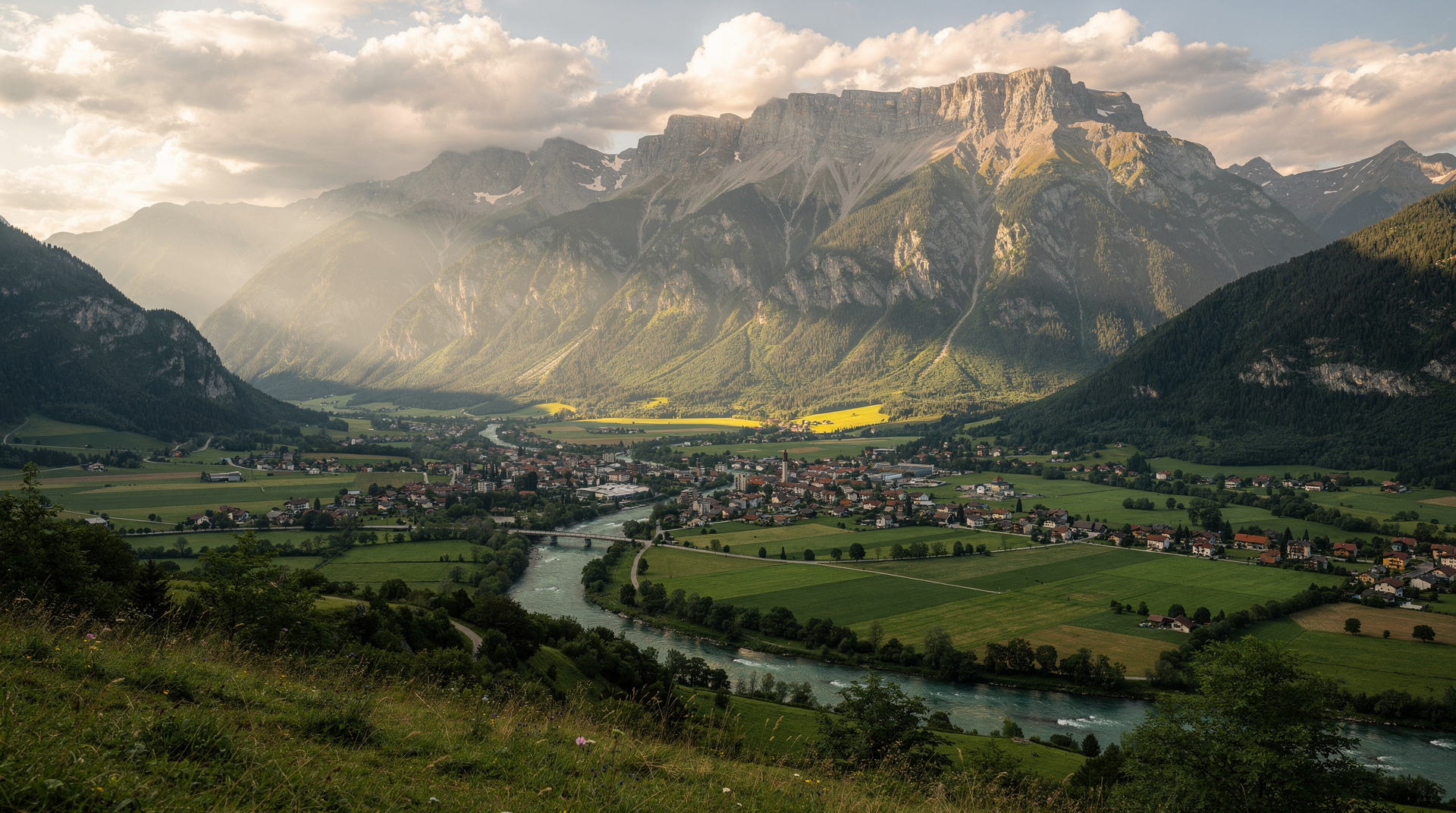
Slovenia punches significantly above its weight as an adventure sports destination. A country the size of New Jersey — 20,273km² — contains the southeastern edge of the Julian Alps, three UNESCO-listed natural sites, 40km of white-water river running through a limestone gorge, and a Via Ferrata network that rivals northern Italy. The practical consequence for travellers is that major activities are compactly organized: you do not need to drive four hours between rafting and paragliding. Most of the serious outdoor sports are within 30km of each other in the Soča Valley.
The honest caveat: Slovenia is not universally extreme. The rafting on the Soča runs Grade III–IV, which is genuine white water but not Class V wilderness. The via ferrata routes top out at D-grade (difficult) rather than the vertical wall-climbing of Dolomite giants. The paragliding is tandem and scenic rather than competition-grade XC flying. If you are a specialist seeking world-class challenge in your discipline, Slovenia may deliver or may not depending on that discipline. For most travellers — including those with genuine outdoor experience who want a well-organized, scenically exceptional base — the Soča Valley is outstanding.
This guide covers the full range of activities, what each involves, which season to target, and honest notes on what to manage your expectations about.
White-water rafting on the Soča
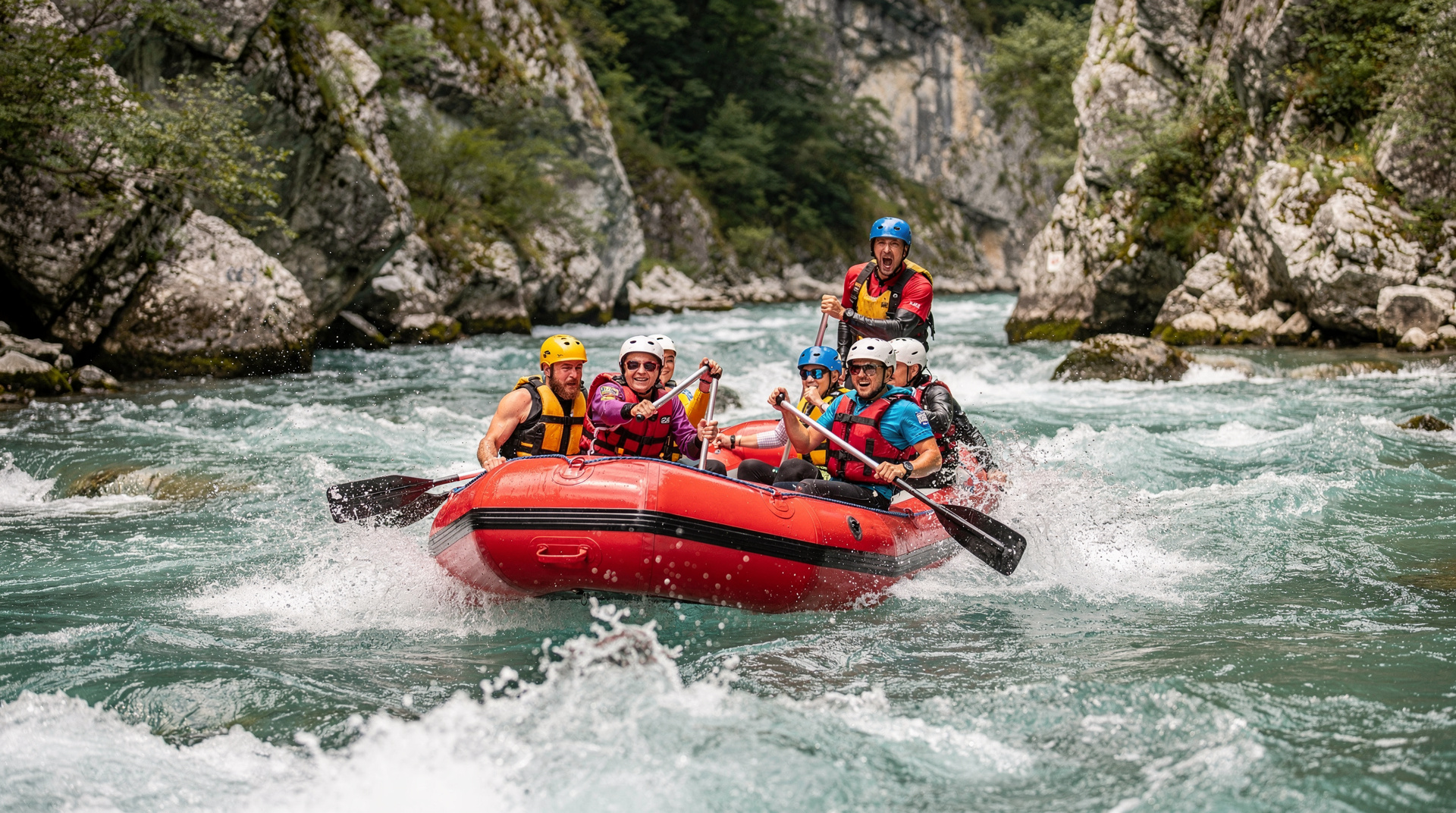
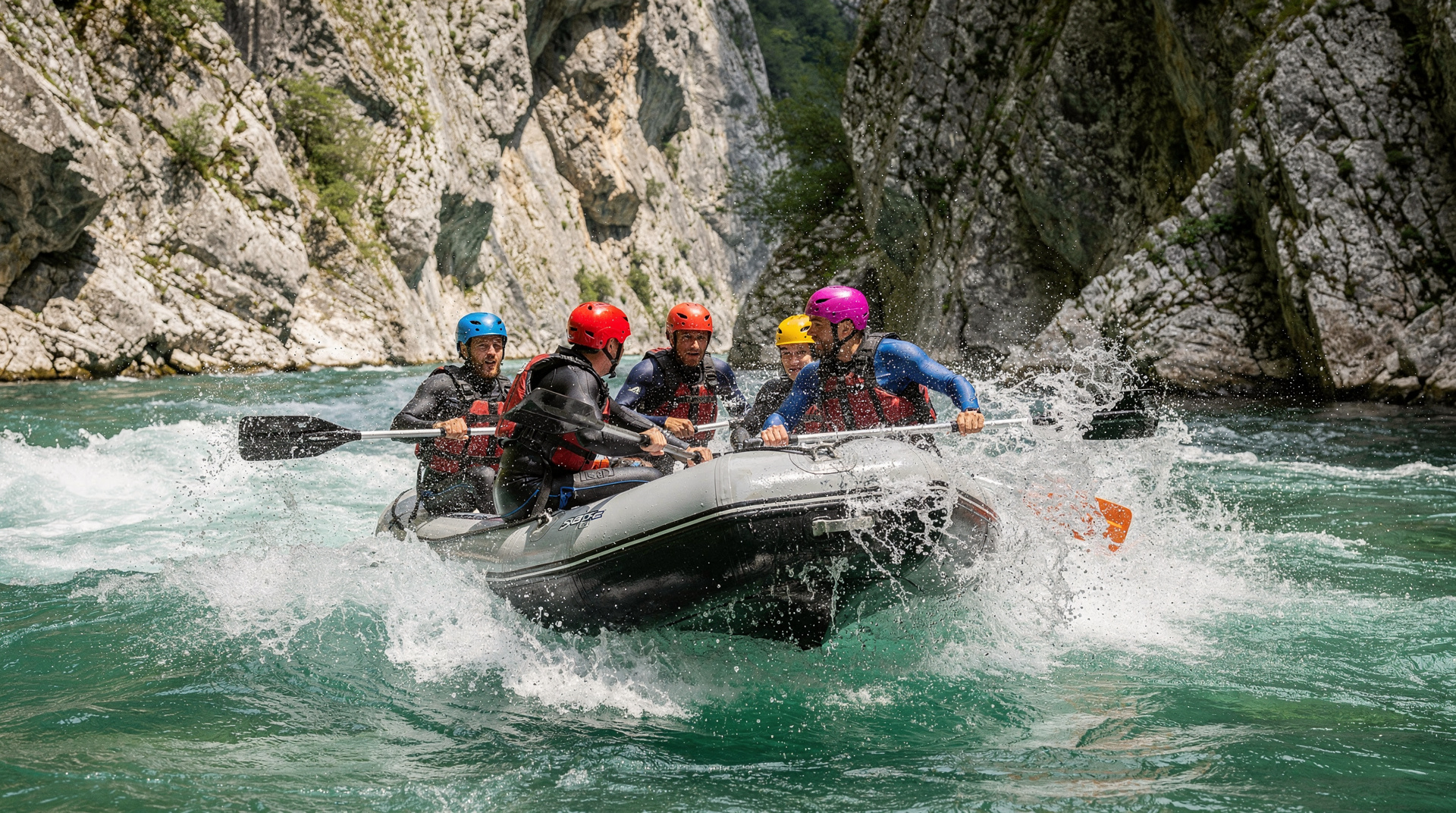
The Soča River is the primary reason the Soča Valley attracts the volume of outdoor visitors it does. The water is an unusual translucent turquoise-green — a product of dissolved limestone and the particular clarity of the water source — and the canyon it runs through is largely undeveloped. No riverside hotels, no jet-ski hire, just limestone walls and the river.
The main commercial section near Bovec runs Grade III–IV in normal conditions, with some Grade IV features in spring high water. Standard half-day trips (2.5–3h, EUR 45–65) require no experience and suit most adults. Full-day trips covering more of the river, including the mellower stretch toward Kobarid, run EUR 80–100.
Best season: May–June for the highest, most dramatic water from snowmelt. September for good levels with fewer crowds. July–August for warmer conditions (water 16–19°C) but lower flow.
Soča whitewater rafting from Bovec — half-day trips with all equipmentThe full technical breakdown, section-by-section guide, and operator advice is in the dedicated Soča River rafting guide.
Canyoning in the Soča tributaries
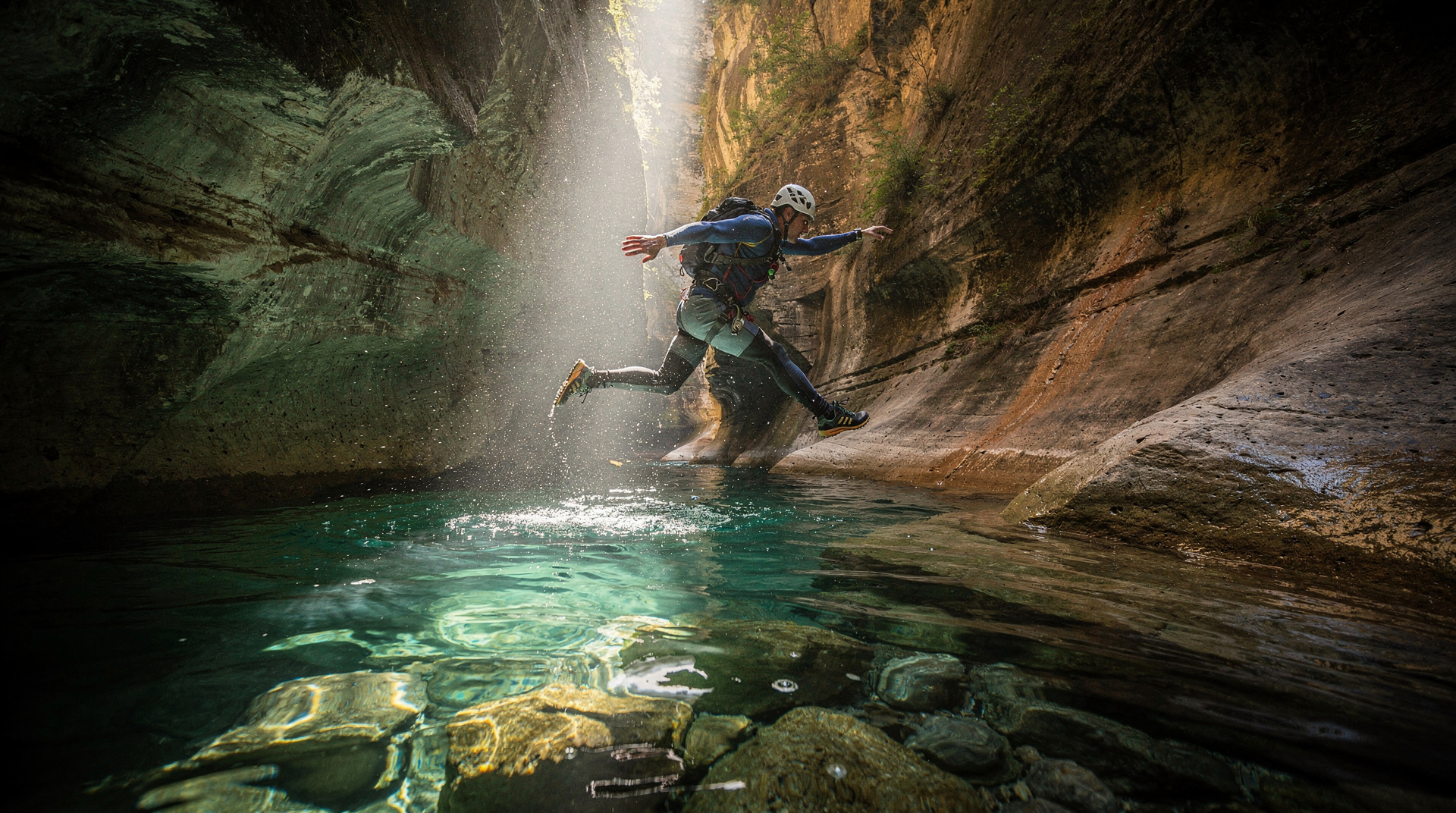
The Fratarica and Sušec streams drain off the Kanin massif into the Soča, and over thousands of years they have carved narrow limestone gorges ideal for canyoning. The combination of natural waterslides, pool-fed jumps (3–8m), and short rappels makes these among the better beginner-friendly canyons in the Alps.
Sušec gorge: The most popular, with a good mix of slides, jumps, and short sections of moving water. Accessible to most adults, no previous experience needed. Half-day trips run EUR 50–65.
Fratarica: Longer and more committing than Sušec. The 4-hour version includes more technical features. Water temperature 8–12°C even in summer.
Triglav National Park canyoning: For those who want a wilder environment and are comfortable with longer rappels and less predictable water levels.
Best season: June–September. The gorges run safely when water levels are moderate. After heavy rain, operators close the canyons and reschedule — this is correct risk management, not cancellation anxiety.
Half-day beginner canyoning from BovecThe full guide, including which canyon to choose for different experience levels, is in canyoning in Slovenia.
Kayaking the Soča
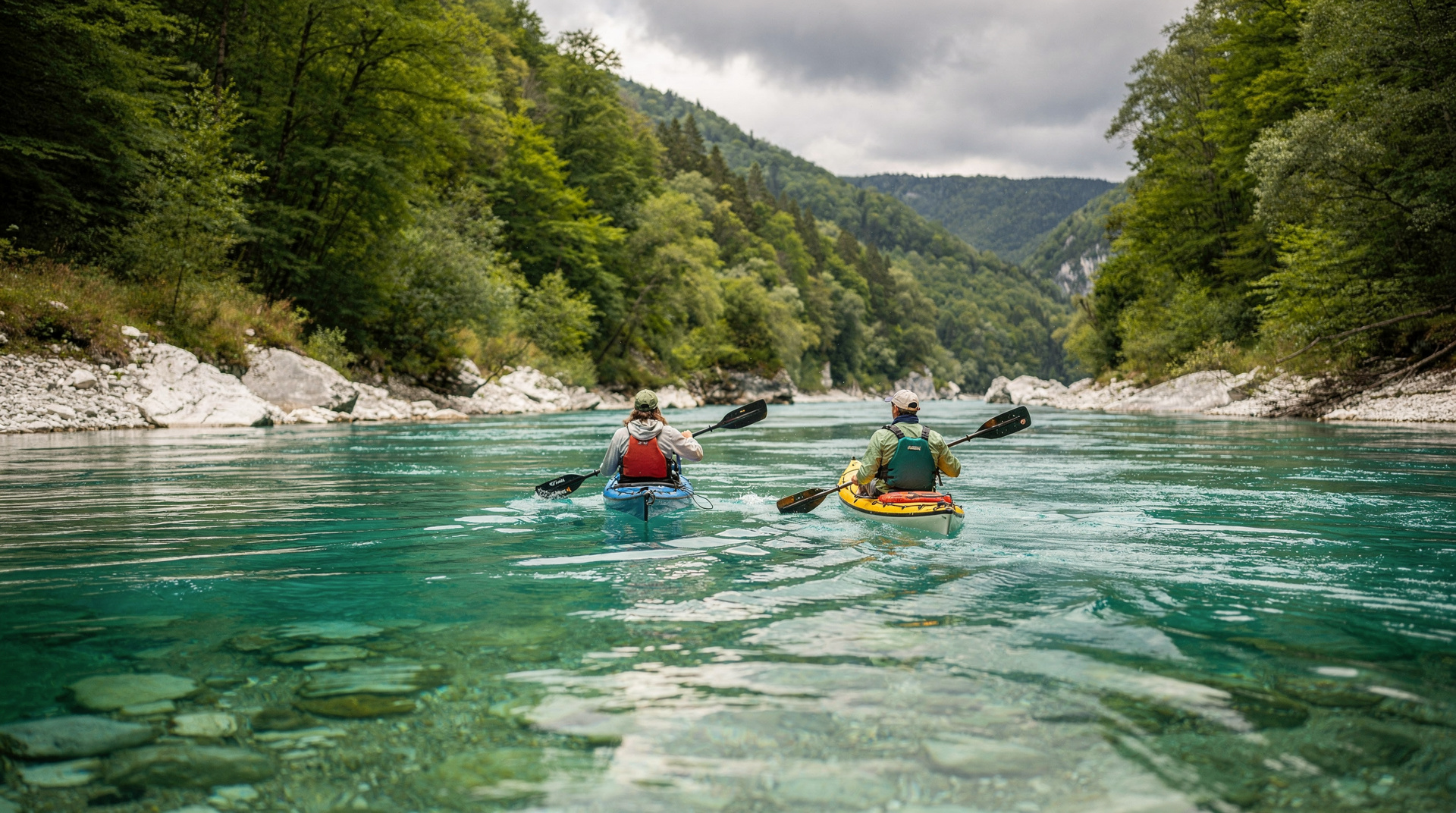
The Soča is a world-renowned white-water kayaking river, hosting international competitions and drawing expert paddlers who camp in the valley for weeks. For recreational travellers, the access point is beginner and intermediate guided courses.
The kayaking guide covers the full range from first-time sessions on the gentler lower sections to multi-day guided river runs. Key points for first-timers: expect to spend more time swimming in the early sessions than you expect, and the cold water is the main adjustment.
The Lake Bled area offers calmer-water kayaking on the Sava Bohinjka river and underground lake kayaking — different in character to Soča river kayaking but genuinely impressive.
Best season: Year-round for instruction; May–September for the best river conditions.
Stand-up paddleboarding
SUP on the Soča gets much less marketing than rafting but is quietly one of the more unusual adventure activities available here. White-water SUP on a Grade II–III river is technically demanding, more dynamic than flatwater paddleboarding, and the turquoise background is unlike anything you encounter on a lake.
The Soča also has flatwater SUP options at Most na Soči, where the river widens before its confluence with the Idrijca. Evening SUP excursions here offer a specific light and reflection quality that afternoon photography trips to the gorge do not.
Lake Bled SUP is covered in the SUP guide: flat, clear water, the island and castle as backdrop. Photogenic, accessible, and genuinely enjoyable at sunrise before the tour boats start.
Best season: SUP on the river: May–September. Lake Bled SUP: April–October.
Zipline in Bovec
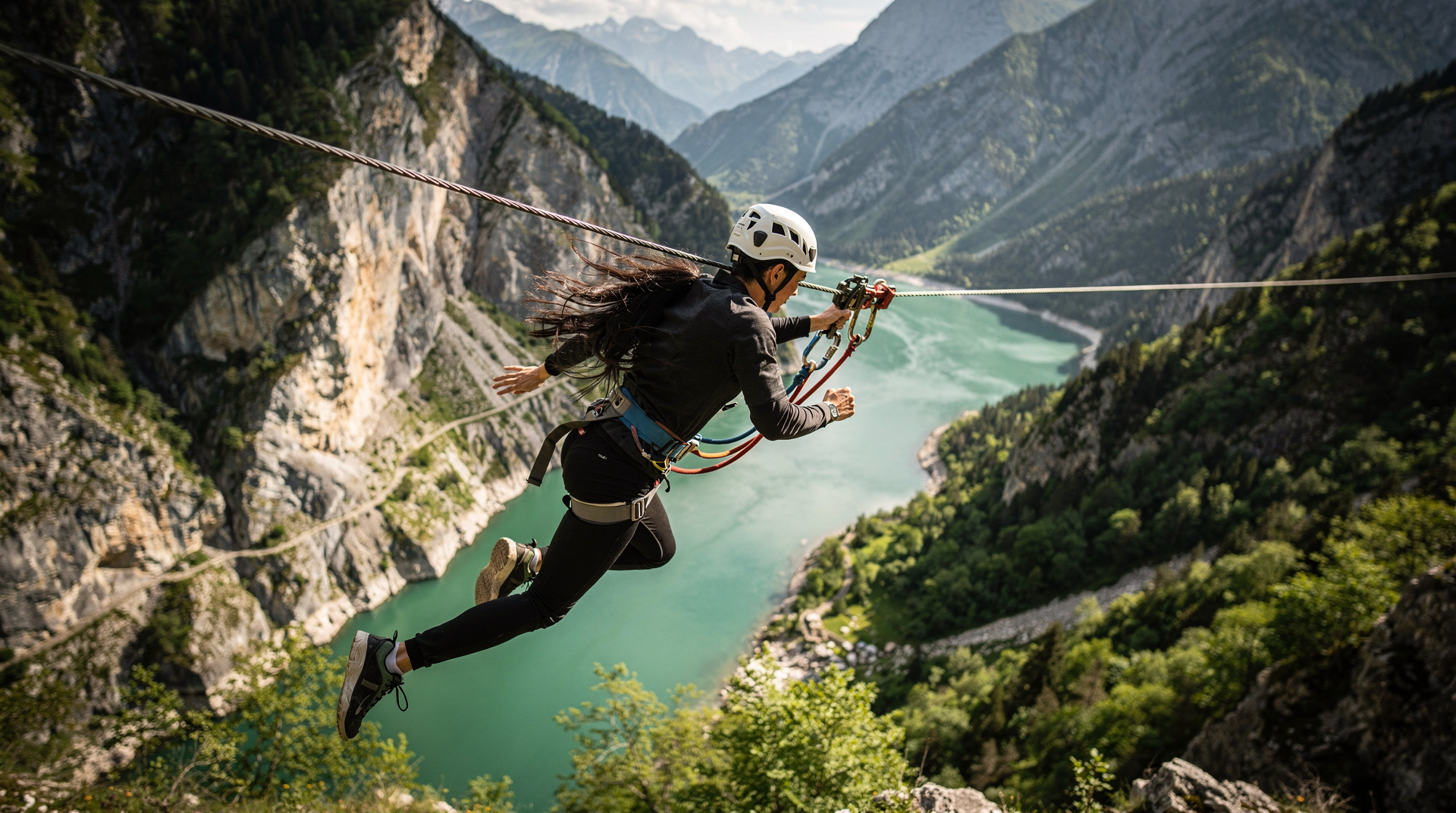
The Učja zipline is in a category of its own in Slovenia. Two steel cables cross a 700m-deep canyon on the Slovenian-Italian border; the main line is 2km long and reaches 70km/h. It is genuinely one of the longer ziplining systems in Europe, and the canyon scale is not a marketing description — the valley floor is so far below that it takes a few seconds to visually process.
A second system, the Kanin zipline, runs at higher altitude from the Kanin cable car station, with views across to Italy and the Julian Alps. Different experience — more scenic, slightly less dramatic in the pure speed sense.
Both systems are accessible to most adults (weight range approximately 35–110kg, height restrictions vary by system). Booking ahead in July–August is strongly recommended.
Best season: May–October (weather dependent; both close in wind and lightning conditions).
Book the Učja canyon zipline — one of Europe’s longestParagliding from Kanin
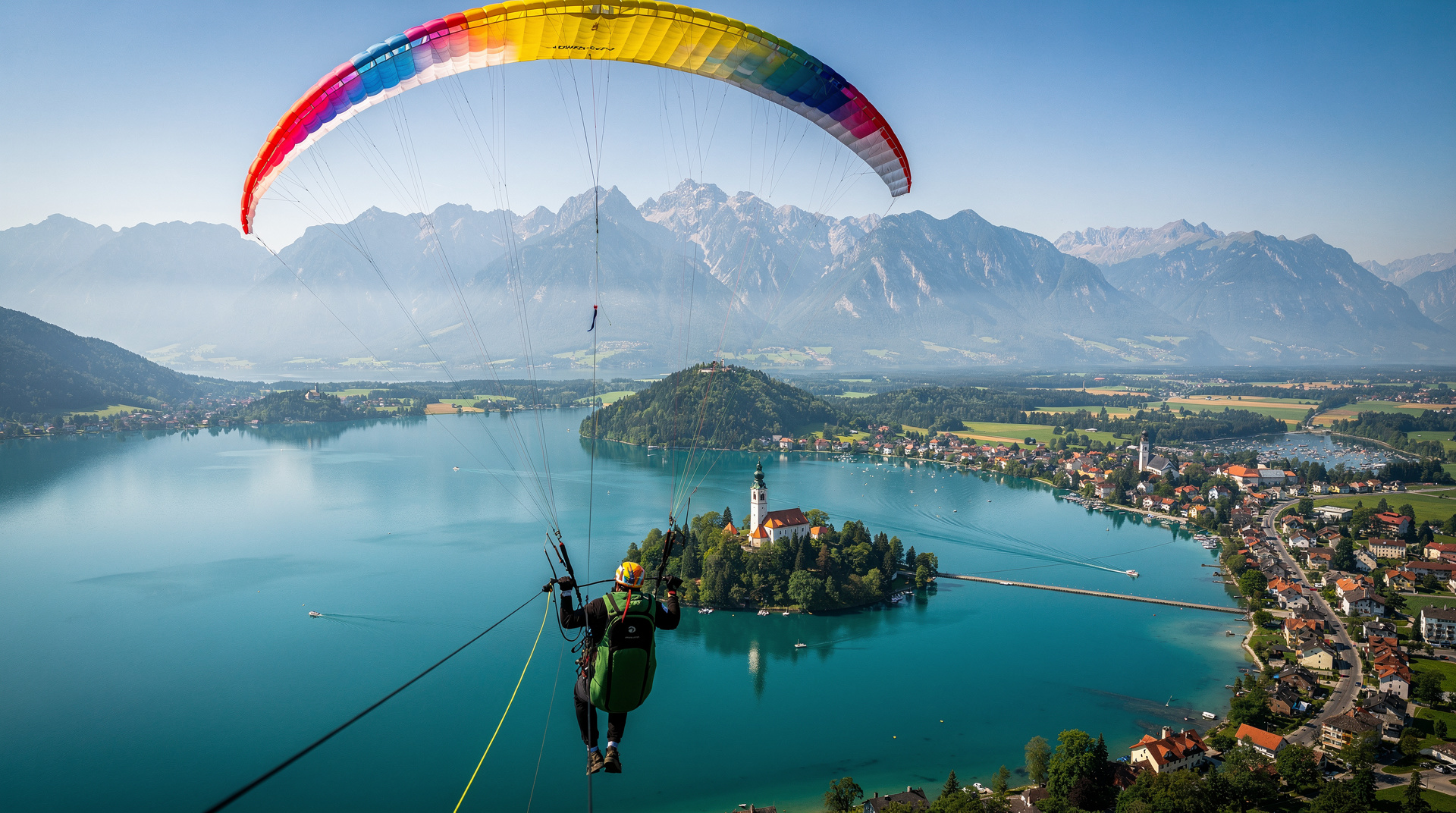
Tandem paragliding from the Kanin massif above Bovec gives access to 2,000m+ launch altitudes with thermal conditions that allow extended soaring rather than just a brief descent. Flights typically run 20–40 minutes depending on conditions, and the views — across the Soča Valley to Triglav, west to the Italian Dolomites — are expansive in a way that is difficult to capture in photographs.
Lake Bohinj also offers tandem paragliding from the Vogel ski centre, with a different flight profile (over the lake and toward the mountains rather than over a river gorge).
The distinction between the two sites: Bovec/Kanin is more dramatic in terms of vertical and the canyon landscape below. Bohinj/Vogel is more scenic in the conventional Alpine sense, with the lake as a reference point throughout the flight.
Best season: May–October for Bovec. Vogel operates year-round if conditions allow.
Full details in the paragliding guide.
Tandem paragliding over the Soča Valley from KaninVia ferrata in the Julian Alps
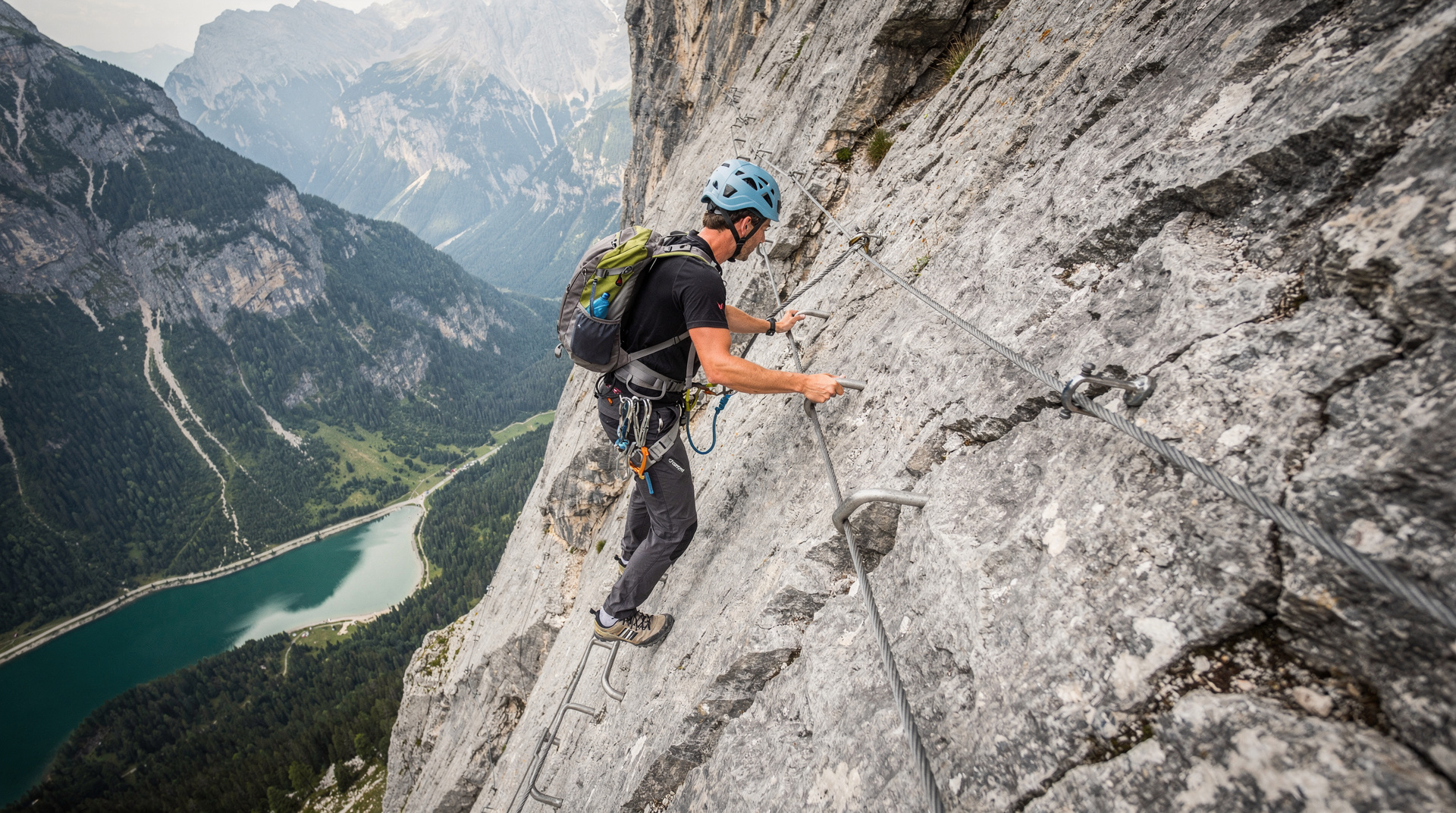
Via ferrata routes — mountain climbs on fixed iron rungs and wire cables — are scattered through the Julian Alps, ranging from short scenic single-pitch routes accessible to anyone in reasonable fitness to multi-hour ascents requiring confidence at height.
The most popular route for visitors is the Hvadnik Gorge via ferrata near Kranjska Gora, which combines short rappels, river gorge sections, and moderate climbing with guided access that removes the navigation difficulty. Routes of this type run EUR 70–100 for a half-day guided experience.
More challenging options include routes on the Prisank and Jalovec faces above the Vrsic Pass, and the Triglav approaches used by guided summit parties.
Key honest note: Via ferrata in the Julian Alps is real mountain terrain. The exposure (height above ground with no protection between anchors) can be significant. Guided trips are strongly recommended for first-timers; solo via ferrata requires proper equipment, route knowledge, and a head for heights. The full breakdown is in the via ferrata guide.
Best season: Late June–September (snow clears the higher routes by late June in most years).
Mountain biking and e-biking
The Soča Valley and Bovec area have developed a good network of marked mountain bike trails over the last decade, ranging from technical singletrack on the Kanin flanks to easier gravel tracks along the valley floor.
The valley floor routes are accessible on standard bikes and e-bikes; the mountain routes above Bovec require good fitness and trail experience. E-bike guided tours have expanded significantly — the mountain biking guide covers the main circuits and which suit which fitness level.
Kranjska Gora is a second strong base for mountain biking, with routes connecting to the Planica valley and cross-border tracks into Italy and Austria.
Best season: May–October for the valley trails; June–September for the higher routes.
Gorge snorkeling
This is one of the more unusual offerings and genuinely earns its reputation: floating through the Soča gorge section in a wetsuit and snorkel mask, drifting with the current through the narrowest canyon sections, is an experience that has no close equivalent. The water clarity is exceptional — visibility of 10–15m in the clear sections — and the limestone walls of the gorge are visible beneath the waterline as well as above.
Not a replacement for rafting (the pace is slower, the activity is passive-observational rather than active), but a genuine complement to it. Many visitors do rafting one day and gorge snorkeling the next.
Best season: June–September (water temperature needs to be 14°C+ for the extended exposure).
Fly fishing
The Soča and its tributaries are designated as protected marble trout (Salmo marmoratus) habitat, and fishing is strictly regulated through a permit system. Day licenses are available but limited, and certain sections are catch-and-release only. The fly fishing guide covers the permit system and the best access points.
The marble trout is endemic to the western Slovenian river system and is considered one of the finest game fish in European freshwater — which is why the Bohinj area also draws serious fly-fishing specialists.
Best season: April–October for most sections; some stretches have seasonal closures to protect spawning.
Planning a multi-activity trip
A 3-day adventure itinerary from Bovec as a base:
Day 1: Arrive in the morning. Afternoon half-day rafting on the Soča (2.5–3h on water). Dinner in Bovec — Martinov Hram for grilled Soča trout.
Day 2: Full morning canyoning on Sušec or Fratarica (4–5h total including transfer). Afternoon rest or valley hike. Evening: drive 15 minutes to Most na Soči for sunset SUP on the reservoir.
Day 3: Choose one of: paragliding from Kanin (book 1–2 days ahead), Učja zipline, or the Hvadnik via ferrata near Kranjska Gora. Afternoon: the Kobarid War Museum is two hours well spent before driving out.
For a 5-day version, add a day-trip to Lake Bled (1h 10min drive) for SUP or kayaking on different water, and a second day combining mountain biking with a section of the Soča Trail.
Budget planning for adventure sports
Approximate costs per person (2026 pricing):
| Activity | Duration | Price range |
|---|---|---|
| Half-day rafting | 2.5–3h | EUR 45–65 |
| Full-day rafting + picnic | 5–6h | EUR 80–100 |
| Canyoning (half-day) | 3–4h | EUR 50–70 |
| Tandem paragliding | 20–40 min flight | EUR 70–100 |
| Zipline (Učja) | 2–3h total | EUR 65–80 |
| Kayaking (guided) | 2–3h | EUR 45–60 |
| Via ferrata (guided) | 4–5h | EUR 70–100 |
| Gorge snorkeling | 2–3h | EUR 40–55 |
| SUP (guided river) | 2–3h | EUR 45–60 |
| E-bike tour | 3–4h | EUR 50–70 |
Multi-activity bundles from operators typically save 15–20% on booking individual activities separately. If you are staying 3+ days and planning 4+ activities, ask operators directly about package rates.
Getting there and moving around
The Soča Valley is not well-served by public transport for activity tourism — the bus schedule from Ljubljana (2–3 departures daily, 3h journey) does not always align with morning activity start times. A rental car is strongly recommended for a multi-activity trip.
Driving from Ljubljana: 2h 15min via the E61 motorway and Predel Pass. The Vrsic Pass alternative is more scenic but closed November–May.
Driving from Lake Bled: 1h 10min to Bovec, making the Soča a practical day trip if you are based at Bled.
Parking in Bovec: EUR 1.50/hour at the main square car park. Most adventure operators have their own meeting points with parking.
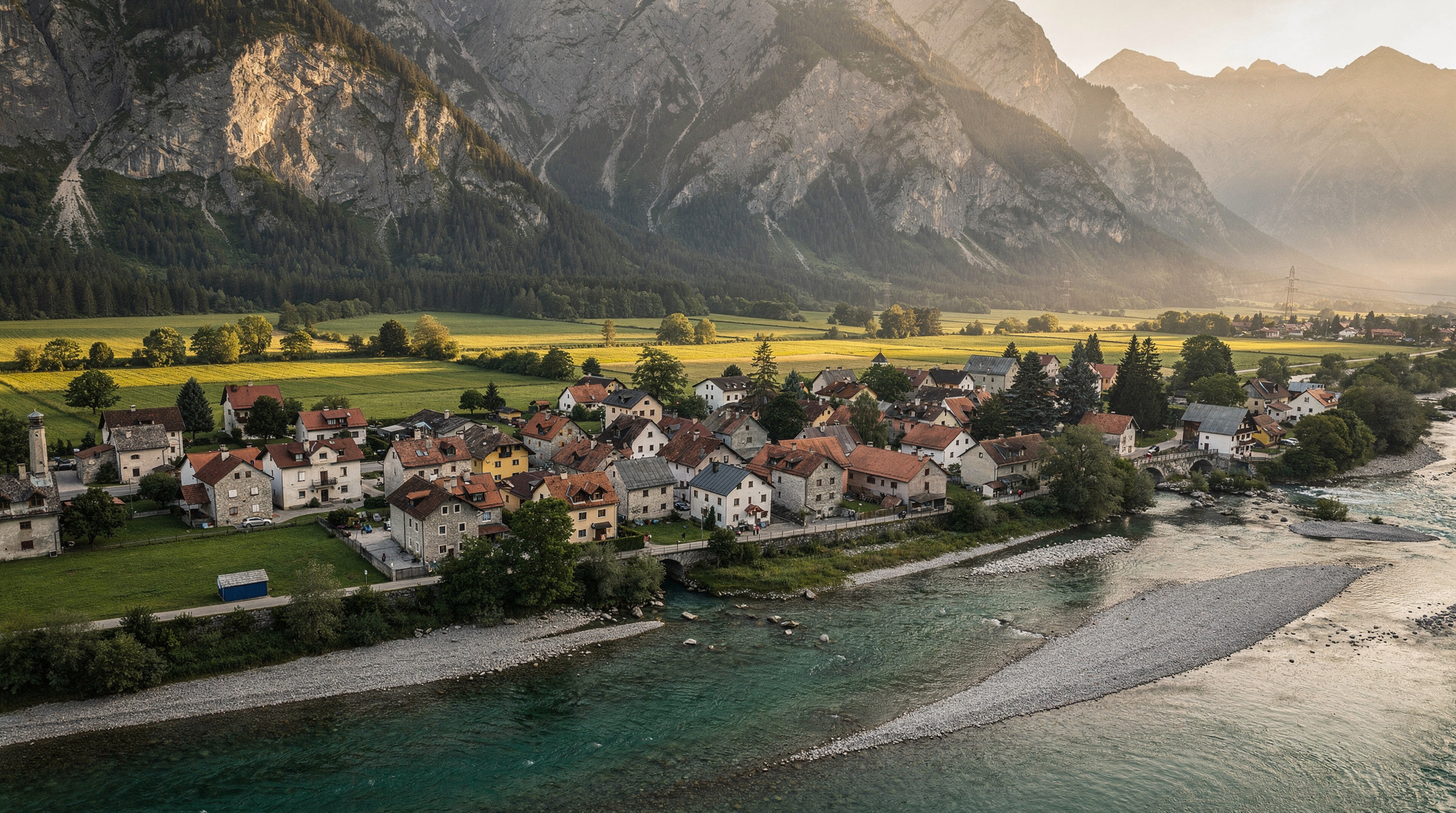
The Soča Valley’s competitive advantage as an adventure destination is its combination: multiple serious activities within a compact geography, strong operator infrastructure, high safety standards, and a physical landscape — the turquoise river, the canyon walls, the alpine backdrop — that makes every one of those activities more striking than it would be elsewhere. The Bovec adventure base guide covers the logistical side of using Bovec as your operational centre.
Safety, insurance and choosing an operator
All activities on this page involve genuine risk, and the honest starting point is to check that an operator holds current ASSL certification before booking — legitimate companies display this without being asked. Standard travel insurance frequently excludes “adventure sports” as a category; check the policy wording specifically for rafting, canyoning, via ferrata and paragliding before you travel, since a generic policy can leave you uninsured for exactly the activities you came to Slovenia to do.
Weather is the other variable outside anyone’s control. Operators cancel or reschedule water-based activities after heavy rain, and paragliding and ziplining pause in high wind — this is correct risk management rather than poor planning, and a flexible day or two of buffer in your itinerary absorbs it without ruining the trip. Building your multi-activity days (see the Bovec adventure base guide) with a spare afternoon is the simplest way to protect against a single cancelled slot.
Frequently asked questions about Adventure sports in Slovenia
Which part of Slovenia is best for adventure sports?
The Soča Valley and Bovec area is the undisputed hub. Bovec alone offers rafting, canyoning, kayaking, SUP, zipline, paragliding, mountain biking, and via ferrata within a 30km radius. Lake Bled adds SUP, kayaking, and via ferrata. Kranjska Gora covers winter sports and trail running.What season is best for adventure sports in Slovenia?
May–June for water sports (high flow, dramatic rafting). July–August for warmer conditions across all activities. September for a second season with rising water levels and fewer crowds. Most activities run April through October; some ziplines and paragliding operate year-round weather permitting.Are adventure sports in Slovenia well regulated?
Yes. Slovenia has a robust outdoor sports licensing system. Commercial rafting, canyoning, and paragliding operators must hold ASSL (Association of Slovenian Sport and Adventure Guides) certification. Always verify operators display their licence — all legitimate operators do.Can I combine multiple activities in one trip?
Easily. The Bovec area is compact enough that you can raft in the morning, canyon in the afternoon, and dine in town by evening. Multi-day activity packages are common — 3 days is enough for rafting, canyoning, and one more activity; 5 days lets you add zipline and paragliding without rushing.How expensive are adventure sports in Slovenia compared to other European destinations?
Comparable to Austria, slightly cheaper than Switzerland, notably cheaper than Western Europe. Expect EUR 45–65 for half-day rafting, EUR 50–70 for canyoning, EUR 70–100 for tandem paragliding, EUR 25–40 for kayaking. Multi-activity bundles from operators save 10–20%.Do I need to be fit for Soča Valley activities?
Commercial rafting and canyoning require basic fitness and comfort in cold water — not athletic training. Via ferrata and multi-pitch climbing require moderate fitness and a head for heights. Paragliding is passive (you are a passenger on a tandem flight). Kayaking benefits from upper body strength but beginner courses start very gently.What should I pack for an adventure sports holiday in Slovenia?
Operators provide all water-sport kit (wetsuit, helmet, buoyancy aid). Bring: swimwear, thermal underlayer for cold water days, old trainers, sun protection, a dry bag for valuables, and a change of clothes for after. For hiking/via ferrata: good boots, layers, headtorch, and the standard mountain kit.
Top experiences
Bookable activities with verified prices and instant confirmation on GetYourGuide.